Japan Typhoon Season: Months, Safety Tips & Travel Guide

Author's Profile Picture
Typhoon Season in Japan

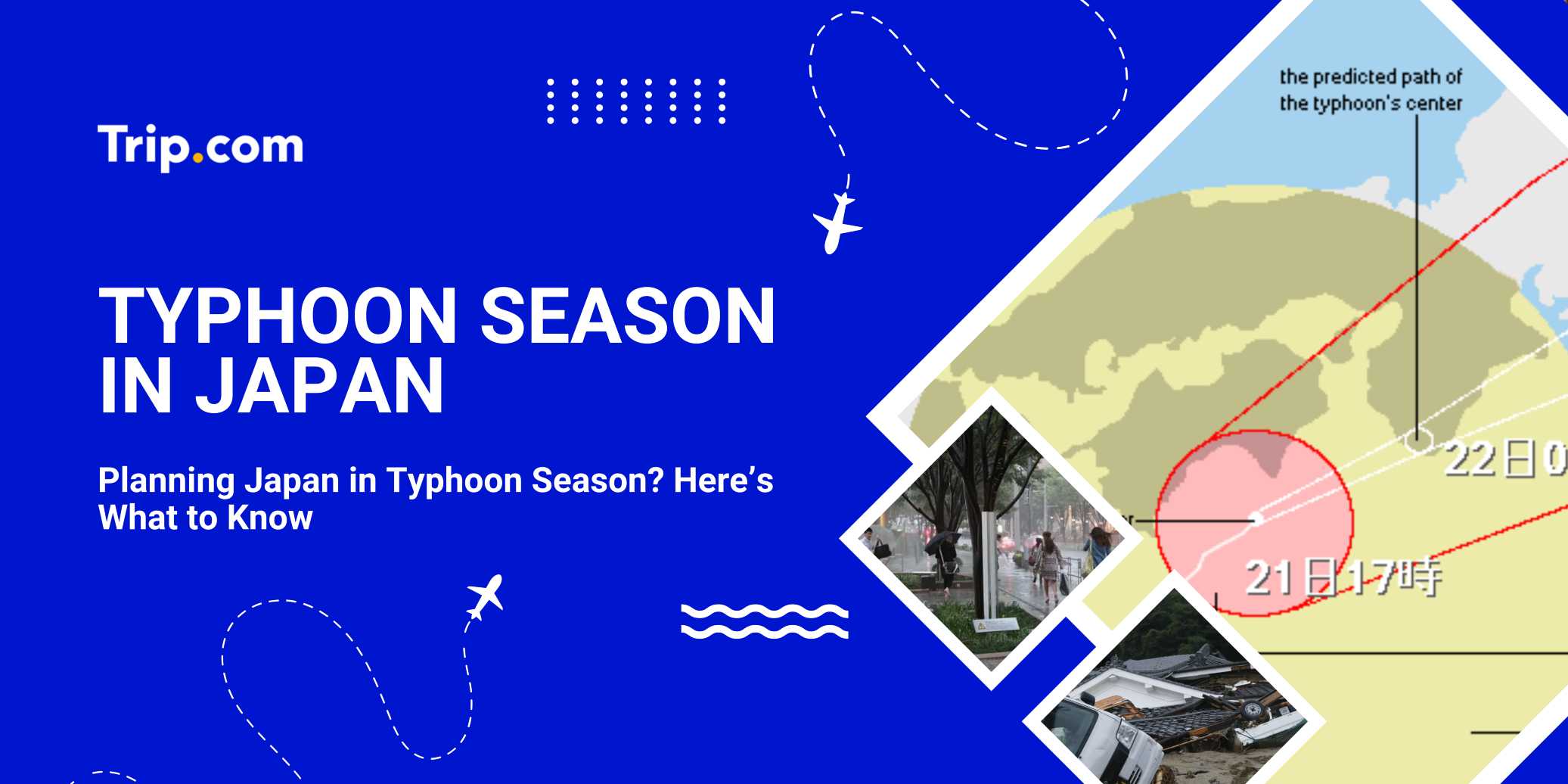
Japan is a year-round destination, but if you are planning a trip from Singapore between June and October, it is worth knowing about typhoon seadon. Typhoons do not mean your entire holiday will be washed out but they can bring heavy rains, strong winds and temporary disruptions to flights, trains and attractions.

For Singapore travellers, the good news is that typhoons are usually tracked several days in advance. With a little preparation, you can still enjoy Japan during this period.

Book Your Flights Now
OSAKA
TOKYO
FUKUOKA
See all flights

What Is Typhoon Season in Japan? A Quick Overview

Typhoon Season in Japan

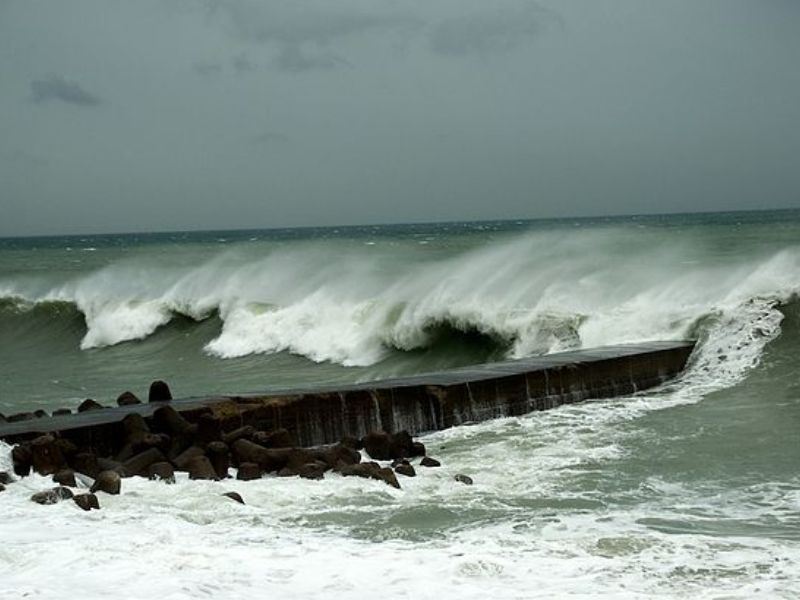
A typhoon is a tropical cyclone that forms over the western North Pacific. Japan is particularly exposed because of its location along common typhoon paths, with storms often moving north or northeast towards the Japanese archipelago.

Typhoons can occur outside the main season, but July to October is generally the period when Japan sees the most typhoon activity. August and September are particularly important months to watch. JMA's 1991 to 2020 climate averages show that September had the highest average number of typhoons approaching Japan's mainland, followed by August.

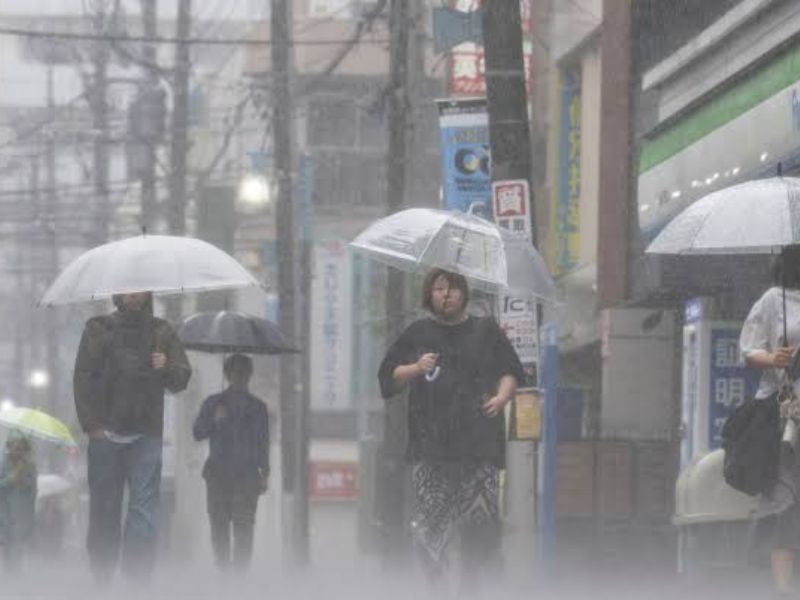
For travellers, the biggest concern is not simply whether a typhoon exists. A storm can also bring heavy rain, flooding, landslides, strong winds and transport disruptions, sometimes even when the typhoon itself does not make landfall.

When Is Typhoon Season in Japan? Month-by-Month Breakdown

Japan's typhoon season does not have an exact start and end date. The risk gradually increases through summer, peaks around August and September, then starts to decrease in October.

Month

Typhoon Risk

What Singapore Travellers Should Know

June

🟢 Lower

Typhoons are possible, but Japan generally sees less activity than later in summer.

July

🟡 Moderate

Activity starts increasing, particularly towards the second half of the month.

August

🔴 High

One of the busiest months for typhoon activity. Okinawa and southern Japan can be particularly exposed.

September

🔴 High

A key month to watch. Mainland Japan has its highest average number of typhoon approaches in September.

October

🟡 Moderate

Risk generally falls compared with August and September, although typhoons can still affect Japan.

Which Parts of Japan Are Most Affected by Typhoons?

Typhoon Season in Japan

Not every part of Japan experiences the same level of typhoon risk.

Okinawa is one of the most exposed areas. JMA's long-term averages show about 2.2 typhoon approaches in August and 1.9 in September for Okinawa. The islands can also experience strong winds, heavy rain and rough seas when a typhoon passes nearby. 

Kyushu and Shikoku are also relatively exposed because of their southern and western locations. Southern Kyushu, for example, averages about 1.0 typhoon approach in September, while northern Kyushu averages around 1.1. 

Kansai and Chubu, including popular destinations. Osaka, Kyoto and Nagoya, can also be affected. The risk is lower than Okinawa overall, but typhoons travelling north or northeast can bring heavy rain and strong winds to these areas.

Tokyo and the Kanto region are not immune either. JMA's long-term average shows typhoon approaches to Kanto and Koshin increasing during August, September and October.

Hokkaido generally has lower typhoon exposure, although a storm can still bring heavy rain or strong winds after travelling north and weakening.

🔥Exclusive Flights Deal: Save up to S$20 on Your First Booking!

Discover the world with Trip.com! Book cheap flights to destinations worldwide and enjoy S$5 off flight bookings over S$150 or S$20 off over S$450 (before tax). Start your journey today!
Should You Travel to Japan During Typhoon Season? Honest Pros & Cons

Typhoon Season in Japan

There is no need to automatically cancel a Japan trip simply because you are travelling during typhoon season. The main thing is to understand the possible disruption and leave some flexibility in your plans.

Pros of Travelling During Typhoon Season

  • Potentially fewer crowds: Outside major Japanese holiday periods, some destinations may feel less busy.
  • Potentially better-value stays: Depending on the destination and dates, you may find accommodation deals during less popular periods. Prices are always subject to demand and availability.
  • Lush summer scenery: Japan's landscapes can look especially green during the warmer and wetter months.
  • Summer events: July and August bring festivals, fireworks and seasonal events across Japan.
  • Typhoons do not happen every day: A typhoon forecast does not automatically mean your whole trip will be affected.

Cons of Travelling During Typhoon Season

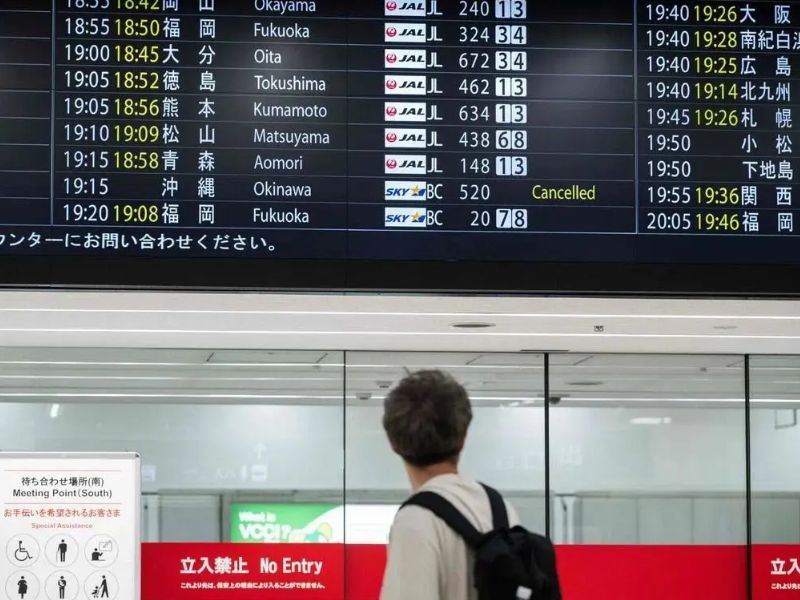
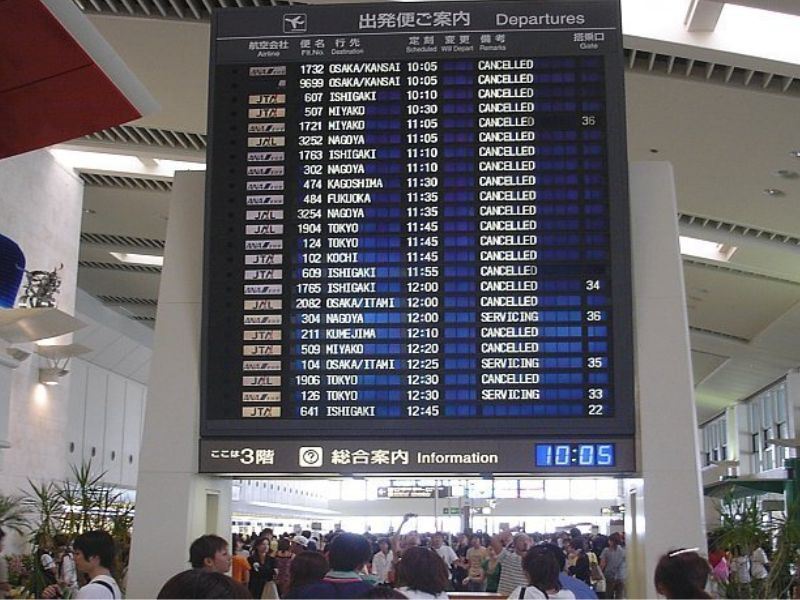
  • Flight disruptions: Flights can be delayed, diverted or cancelled when severe weather affects airports.
  • Train interruptions: High-speed trains and local rail services may slow down or suspend operations for safety.
  • Ferry cancellations: This can be particularly important for Okinawa and island destinations.
  • Outdoor plans may need to change: Hiking, beaches, theme parks and sightseeing can be affected by strong winds or heavy rain.
  • Itinerary changes: You may need to spend an extra day in one city if transport between destinations is temporarily suspended.

How to Track Typhoons in Japan: Reliable Forecast Resources

Typhoon Season in Japan Forecast Resources

The best approach is to use official Japanese weather and travel information, especially when a typhoon is approaching.

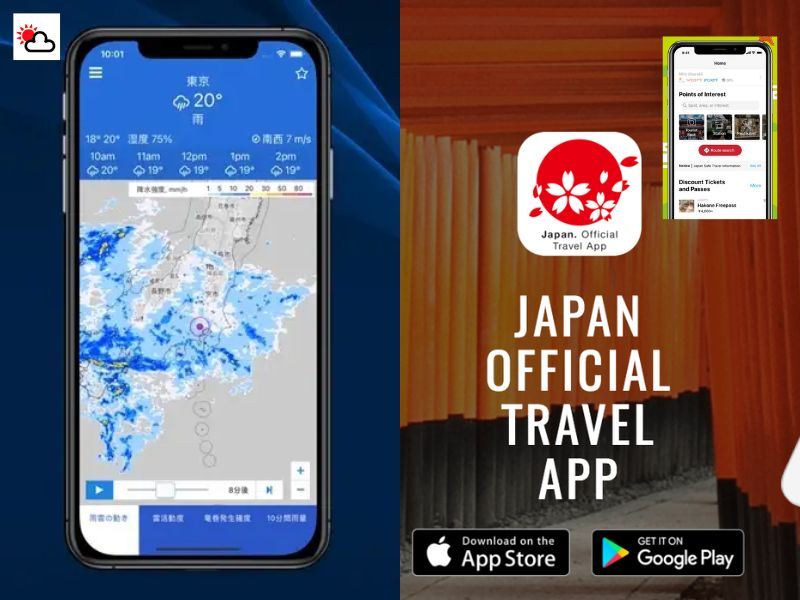
Japan Meteorological Agency (JMA) is the main source to check for the typhoon locations, forecasts, weather warnings and advisories. Its website provides tropical cyclone information as well as regional weather warnings.

JNTO's Japan Safe Travel Information is also useful for travellers. It provides emergency information and directs visitors to relevant warnings and local guidance. You can also check:

  • Your airline's app or website for flight updates
  • Airport websites for departure and arrival information
  • JR and local railway operators for service updates
  • Your hotel for local safety instructions
  • Local government announcements and evacuation information

It is a good idea to check these sources before leaving your hotel, rather than relying only on a general weather app.

Flight & Hotel Booking Strategies for Japan's Typhoon Season

Typhoon Season in Japan

If you are travelling during the higher-risk months, flexibility is your best friend.

When booking flights, consider leaving some buffer time if you have a domestic connection or an important activity immediately after landing. For example, avoid scheduling a long-distance train journey or cruise on the same day as an international arrival if your plans can be adjusted.

For hotels, check the property's cancellation and modification policy carefully before booking. Do not assume that a typhoon automatically means you can cancel for free. Policies can differ between properties and booking conditions.

For flights affected by severe weather, check your airline's official instructions before changing or cancelling anything. If the airline has cancelled or significantly changed your flight, follow the options it provides for rebooking or refunds.

For Singapore travellers booking through Trip.com, keep your booking reference and flight details easily accessible so you can quickly check for updates and manage your plans if there is a disruption.

Best Typhoon-Friendly Activities & Indoor Things to Do in Japan

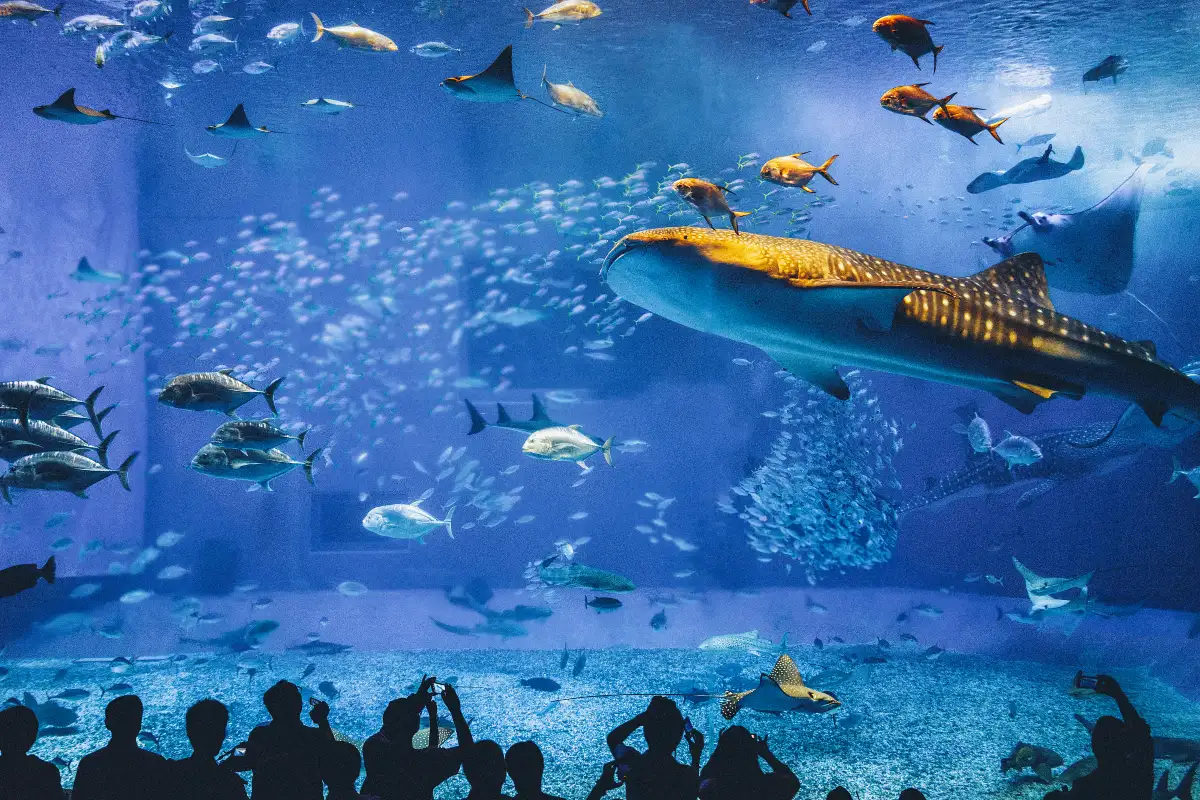
Okinawa Churaumi Aquarium

A rainy or windy day does not necessarily mean sitting in your hotel room all day. Japan has plenty of indoor attractions that can make a good backup plan. Depending on where you are staying, consider:

  • Museums and art galleries for a slower sightseeing day such as
  • Aquariums, which are especially popular with families such as Osaka Aquarium Kaiyukan and Okinawa Churaumi Aquarium
  • Shopping malls and department stores for shopping and dining
  • Indoor food halls and markets where conditions allow
  • Arcades and entertainment centres for a fun afternoon
  • Cafés and Japanese dessert shops for a relaxed break
  • Indoor cultural experiences, such as workshops and cooking classes
  • Onsen and spa facilities where they remain open and travel conditions are safe
  • Large station complexes, which often combine shopping, restaurants and entertainment under one roof

For attractions that require outdoor travel, always check the attraction's official website or social channels before heading out. Some venues may close temporarily depending on the weather.

🔥Save More with Up to 5% OFF

Use our promo code to enjoy up to 5% OFF (up to S$3) on your attraction tickets, tours and eSIMs! Only for new users!

Typhoon Safety Tips for Travellers in Japan

Typhoon Season in Japan Tips

Before the Typhoon Hits: Smart Pre-Trip Preparation

If you are staying in a hotel when a typhoon approaches, ask the front desk about local warnings, transport conditions and what you should do if an evacuation order is issued.

Before flying to Japan, consider simple steps below:

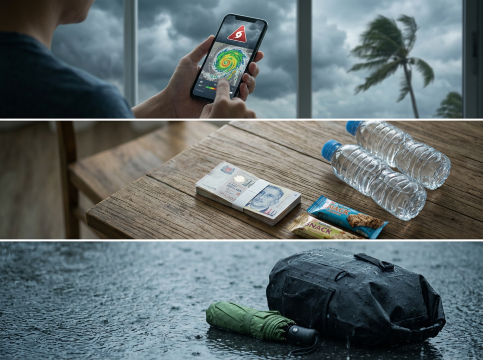
  • Download your airline and railway apps so you can receive service updates.
  • Save your hotel address and booking details offline.
  • Check the weather forecast regularly during your trip.
  • Keep some cash, bottled water and easy-to-eat food with you.
  • Pack a compact umbrella and waterproof bag, although an umbrella may not be suitable in very strong winds.
  • Make sure your phone is charged and bring a portable power bank.
  • Consider travel insurance that covers relevant travel delays or disruptions, and check the policy terms before purchasing.
  • Avoid planning important connections too tightly around your travel dates.

During a Typhoon: What to Do (and What NOT to Do) in Japan

If local authorities issue evacuation instructions, follow them promptly. Japan uses an alert system and local authorities provide evacuation information based on disaster risks.

Do:

  • Stay indoors when strong winds and heavy rain are expected.
  • Follow instructions from local authorities and your accommodation.
  • Monitor JMA and official local updates.
  • Keep away from rivers, coastlines and areas prone to flooding or landslides.
  • Check your train or flight status before heading to the station or airport.
  • Keep your phone charged.

Do not:

  • Go sightseeing simply to "see the typhoon".
  • Walk along the coast or near rivers during dangerous weather.
  • Force your way through flooded roads.
  • Travel to the airport without confirming that your flight is operating.
  • Assume that public transport will continue running as normal.

After the Typhoon Passes: Resuming Your Japan Trip

A blue sky does not always mean everything is back to normal immediately.

Heavy rain can continue after the centre of a typhoon has moved away, while flooding, landslides and transport disruptions may take longer to clear.

Before heading out:

  1. Check the latest weather and local safety information.
  2. Confirm that trains, buses and flights are operating.
  3. Check whether attractions have reopened.
  4. Give yourself extra travel time.
  5. Avoid damaged roads, rivers and coastal areas.
  6. Contact your airline or hotel if you need to rearrange your plans.

If your original itinerary is no longer possible, consider staying in your current city for another night rather than rushing to travel during unstable conditions.

A Typhoon Does Not Have to Ruin Your Japan Trip

Japan's typhoon season is something to prepare for rather than panic about. August and September generally have the highest typhoon activity while Okinawa, Kyushu and other southern areas tend to see greater exposure.

If you are travelling during this period, keep your itinerary flexible, monitor official website weather updates and give yourself extra time for transport.

Most importantly, put safety ahead of sticking to your original sightseeing schedule.

FAQs: Typhoon Season in Japan

Disclaimer: This article has been provided by an individual contributor or third party platform. If there is any discrepancy regarding the copyright, please contact us directly and we will delete the content immediately.
Daisy

Daisy

Travel Lover

View profile

I’m a travel lover who can never say no to good food, stunning beaches, and the beauty of nature. Sharing my adventures and travel tips, I hope to inspire you to explore, taste, and unwind wherever you go.

318 articles
Travel Enthusiast Foodie Nature Lover
> >
Typhoon Season in Japan