









Navigating the Seasons: Mount Fuji Weather Guide for Climbers

Author's Profile Picture

Planning your climb up the iconic Mount Fuji in Japan? As the tallest mountain in the country at 3,776 meters, Mount Fuji offers incredible views—but only if you choose the right time to climb based on weather conditions. This comprehensive guide details what weather you can expect on Mount Fuji in each season. Use it to help plan your adventure during the optimal time of year.

Spring Weather on Mount Fuji (March-May)

Brings unpredictable conditions, snowmelt, winds.

The spring climbing season kicks off in March and brings a mixed bag of weather to Mount Fuji. As snow begins melting from the winter months, you’ll encounter wet and unpredictable conditions.

  • Temperatures: Average between -5 to 10°C range from base to summit
  • Rainfall: Light rain and snowmelt common, especially in lower elevations
  • Snow: Remains heavy on upper mountain. Snow depth reaches 16 meters in early spring. Melts to 2 meters base by May.
  • Winds: Gusty winds over 35 mph are frequent, especially on exposed summit

When climbing in spring, be prepared for rapidly changing weather by packing layers as well as waterproof and windproof outerwear.

Useful Tips for Spring Climbs

  • Monitor weather forecasts closely for incoming storms
  • Start early before snow softens and temperatures warm each day
  • Turn back if winds become severe or whiteout conditions develop
  • Bring traction aids like crampons to traverse packed snow

Pleasant Summer Weather Tempered by Afternoon Storms (June-August)

Warm, sunny mornings turn to cloudy, rainy afternoons.

June through August brings Mount Fuji’s warmest and sunniest weather, with long sunny mornings. But storms commonly build in the afternoons, especially in August.

  • Temperatures: Average 10-20°C from base to summit, can reach over 25°C on lower mountain
  • Rainfall: Very wet, with average 125-250mm of rain per month. Daily thunderstorms common.
  • Snow: Typically gone by late June on majority of trails
  • Winds: Generally calm winds under 20 mph

With fickle summer weather, proper preparation will enhance safety and enjoyment. Pack sun protection for mornings and rain gear for stormy afternoons.

Mount Fuji Summer Hiking Tips

  • Start early to take advantage of sunny mornings
  • Monitor weather forecasts closely for storm warnings
  • Always carry rain gear and extra layers
  • Seek shelter if severe thunderstorms develop

Crisp, Clear Autumn Days with Increasing Snowstorm Risk (September-November)

Pleasant conditions at start transition to cold snaps, snow as season progresses.

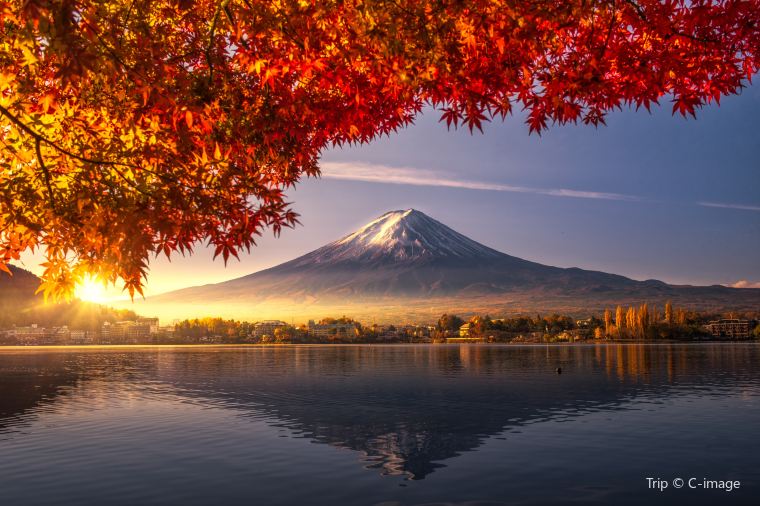
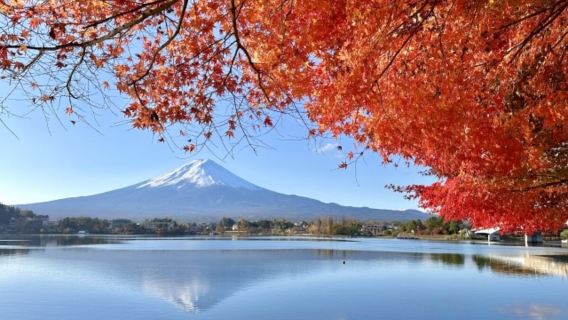
September and October bring beautiful sunny days with vibrant fall foliage surround Mount Fuji. As winter nears conditions deteriorate with cold snaps, heavy snow, and high winds.

  • Temperature: Average 0-15° from base to summit. Drastic drops as low as -20°C possible.
  • Rain/Snow: Light rain or snow possible, with snowfall increasing in November
  • Winds: Gusty winds 35+ mph likely, especially on exposed summit
  • Visibility: Clear long-range views, deteriorating as storms approach

Come prepared for everything from sunny hiking to blizzard conditions on shoulder season climbs. Research forecasts thoroughly before departing.

Mount Fuji Autumn Hiking Essentials

  • Wind and waterproof outer layers
  • Gloves, hats, insulating mid-layers
  • Sunglasses and ski goggles if snow
  • Emergency bivvy or shelter required
MonthAverage RainfallSnowfallExtreme Temps
September120mmLight0° to 25°C
October100mm1-2 meters-5° to 20°C
November100mm2+ meters-20° to 15°C

Heavy Snowfall and Extreme Cold Close Mountain in Winter (December-February)

Frigid temperatures and abundant snowfall deter most wintertime climbing attempts. Conditions require specialty winter mountaineering gear and experience. Avoid climbing unless properly prepared.

  • Temperatures: Frequent subzero days, average -18°C at summit with windchill
  • Snow Depth: Up to 10+ meters after heavy storms
  • Winds: Constant gale-force winds 50+ mph
  • Visibility: Severely limited due to whiteout blizzard conditions

While the summit remains closed for safety in winter, the mountain offers winter scenery when weather temporarily clears.

Alternative Winter Mount Fuji Activities

  • Photography and scenic viewing from base trails
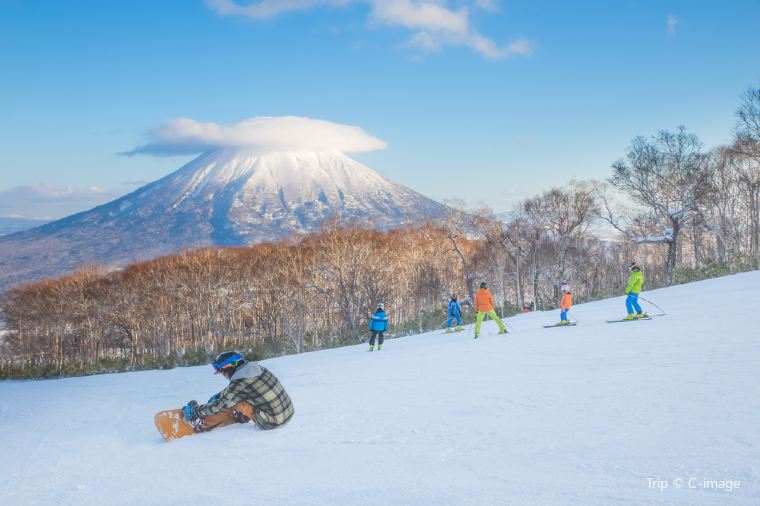
  • Snowshoeing and skiing on lower slopes if experienced
  • Visiting snow festivals and attractions at Fifth Station

Additional Mount Fuji Weather Tips for Informed Safety Decisions

Check official weather forecasts and webcams before planning your climb. Be ready to alter plans based on conditions.

  • Download real-time weather apps to monitor changing forecasts throughout your climb. Turn back if conditions deteriorate.
  • Seek trail advice from knowledgeable sources like Mount Fuji visitor centers and mountain hut personnel. They offer firsthand weather updates.
  • Remain flexible and cautious. Do not continue climbing if winds, visibility, or weather exceed your comfort level or preparedness. Your safety should come first.
❤️ Pro Tip: The Mount Fuji weather plays a crucial role in the safety and enjoyment of the Mt Fuji climb, making it an essential factor to consider for anyone visiting Mount Fuji.

FAQs: Mount Fuji Weather

  • What is the best season to climb Mount Fuji?

    The best season to climb Mount Fuji is typically during the summer months, from June to August, when the weather is warmer and more stable.
  • Can I climb Mount Fuji in winter?

    Climbing Mount Fuji in winter (December to February) is generally not advised due to extreme cold, heavy snowfall, and high winds.
  • Are there any specific weather challenges in the spring?

    Spring (March to May) on Mount Fuji brings unpredictable weather with melting snow, wet conditions, and gusty winds.
  • What gear is recommended for a summer climb?

    For a summer climb, pack sun protection for the mornings and rain gear for possible stormy afternoons.
  • How does autumn weather affect climbing Mount Fuji?

    In autumn (September to November), expect pleasant early conditions, but be prepared for cold snaps, increasing snow, and high winds as winter approaches.

Mount Fuji Weather Conclusion

Climbing Mount Fuji is a dream for many, but it requires respect for the mountain's diverse weather conditions.

Proper preparation matched with good judgment is key to having an amazing Mount Fuji adventure. By understanding weather conditions throughout the year, you can best plan your climb during ideal conditions to conquer Japan’s stunning peak.

Do your research, pack proper supplies, monitor forecasts closely, and exercise caution when climbing. You’ll be rewarded with unparalleled views and a lifetime of memories summiting Fuji.

Pro Tip: Don't miss out on staying connected during your adventure exploring Mount Fuji. Get your Japan eSIM card so as to ensure that you have fast internet access to share your experiences instantly with friends and family.
Disclaimer: This article has been provided by an individual contributor or third party platform. If there is any discrepancy regarding the copyright, please contact us directly and we will delete the content immediately.
>
mount fuji weather