
Japan Travel Tips


Hello, fellow tourist! How exciting that you are planning a trip to Japan! Travelers like you and me are simply interested with this country for some reason. Japan has it all, from the delicious sushi to the incredible views of Mount Fuji.
Whether you’re there for the lively streets of Tokyo, the peaceful temples of Kyoto, or the anime culture in Akihabara. It’s a destination that never ceases to impress. The problem is that, despite its amazing qualities, Japan does have some peculiarities that even experienced tourists should be aware of.
For instance, it's insane that tipping is not allowed here, and public etiquette is highly valued. Furthermore, certain apps are quite useful for traveling and translating while you're on the road. But don't worry! You'll wish you had known all the insider information in this guide before starting on your journey through Japan.
We'll go over everything, including how to stay online, how to pay (hey, cash-loving Japan!), and even transportation tips. You'll blend in perfectly with the locals because I've got your back about cultural manners. Are you prepared for every little detail? Let's get you ready for your trip to Japan by diving right into the travel advice!

Language & Communication Tips in Japan
General Language Environment
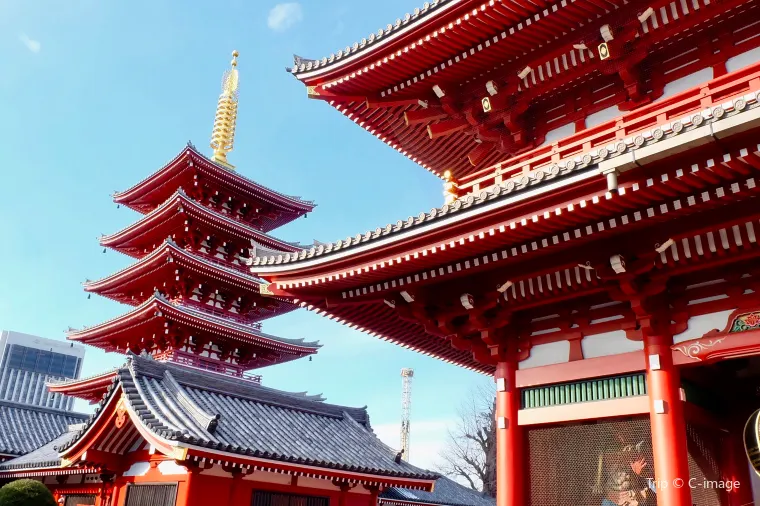
When visiting Japan, the official language is Japanese. While fluency is not required, knowing a few words can go a long way. Many younger people and those working in tourism in big cities such as Tokyo and Osaka speak English, but this is not always the case. In rural locations, English may be less common, so knowing a few phrases or having a translation application on hand can be useful. Compared to what you may be used to, Japanese conversation can feel more formal, full of polite expressions, which is quite different from the simple communication style that many travelers have become used to.
Apps & Digital Helpers
If you’re worried about the language barrier, don’t stress! There are some great translation apps you can use to make life easier. Here are a few of the best ones:
- Google Translate: Works well in Japan, but keep in mind that Google services may be limited in some places, like certain apps being blocked in China. You can use it offline by downloading the language pack, though!
- Papago: Developed by Naver, this app works really well for translating Japanese and can be used offline if you download the language packs.
- Pleco: A good app for translating Chinese and Japanese characters, great for reading signs or menus.
- Baidu Translate: Also available for offline use, but keep in mind, it’s not as commonly used in Japan as some others.
| English Phrase | Local Language (Script) | Romanization | When to Use |
|---|---|---|---|
Hello | こんにちは | Konnichiwa | Greeting someone politely |
Thank you | ありがとう | Arigatou | After receiving help or service |
Where is the toilet? | トイレはどこですか? | Toire wa doko desu ka? | Asking for restrooms |
I don’t understand | わかりません | Wakarimasen | If someone speaks too quickly |
How much is this? | これはいくらですか? | Kore wa ikura desu ka? | While shopping |
Please | お願いします | Onegaishimasu | Asking for a favor or service |
💡Final Tip from One Singaporean to Another
Here's a really helpful tip: Screenshot your hotel address in Japanese or write it down on a bilingual business card. If you get lost or need directions, present this to a local who will be able to help you more easily. Trust me, as a fellow Singaporean, this tiny tip will make your life so much easier in Japan!
Recommended Hotels in Japan
 NO.1
NO.1







Payment Methods & Popular Apps in Japan 🇯🇵
💵Cash vs. Card vs. Mobile Payments
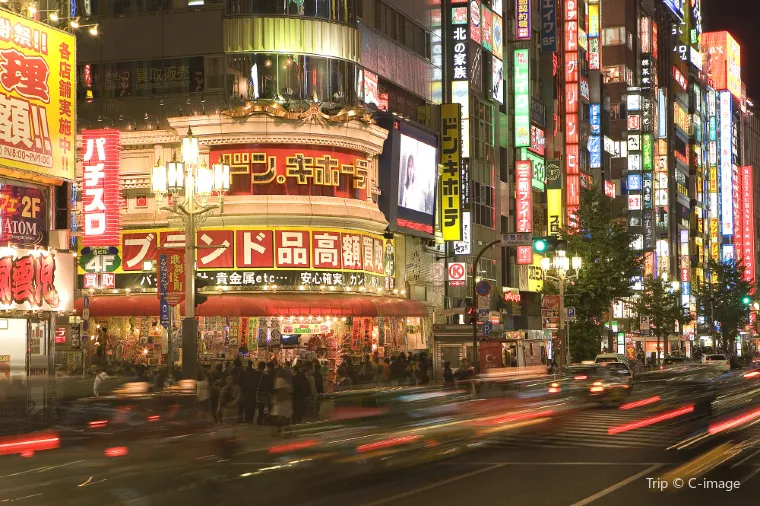
When it comes to payments in Japan, cash remains king! While many locations in big cities take credit and debit cards (especially large stores, hotels, and restaurants), smaller shops, traditional markets, and rural areas continue to rely mostly on cash. ATMs in Japan are convenient, however not all of them accept international cards, so withdraw cash from 7-Eleven or Post Offices. Contactless payment solutions, such as Apple Pay, Google Pay, and Samsung Pay are becoming more popular. Particularly in major cities like Tokyo and Osaka. However, in some places such as local restaurants and small businesses, it is recommended to have cash on hand just in case.
📲Mobile Wallets & Local Apps
Japan is a bit behind when it comes to mobile wallets, but mobile payments are becoming more popular, especially with certain local apps. Here are a few e-wallets and payment platforms that are widely used:
- Suica/PASMO: Primarily for train and bus rides, you can load money onto these cards and use them for transport, vending machines, and even at some stores. You can get them at the airport or train stations and top them up easily.
- Rakuten Pay: A popular mobile wallet app linked to Rakuten, a big e-commerce platform in Japan. Foreigners can register, but you may need a Japanese phone number.
- LINE Pay: Linked to the popular messaging app LINE, it’s used for both peer-to-peer transfers and payments at participating stores 💬. Foreigners can use it, but setting it up might take some time.
🏧Bank ATMs & Currency Exchange
Withdrawing cash in Japan is simple, but be aware of the fees. International ATM withdrawals usually attract transaction fees that range from ¥200 to ¥300. The best location to find international-friendly ATMs that accept foreign cards is in 7-Eleven convenience stores. Airports and banks offer fair currency exchange rates, but if you're converting big quantities, money changers in locations such as Tokyo may provide higher rates. Airport exchanges might be convenient, but they typically charge higher costs, so it's worth doing some research to get the cheapest prices.
📱Popular Everyday Apps
If you want to make life in Japan smoother, here are a few must-have apps for transport, messaging, delivery, and more:
- Transport (Grab, JapanTaxi) 🚗: While Grab isn’t available in Japan, JapanTaxi is great for hailing cabs in major cities. If you're traveling around by train, consider downloading the JR East App for easy train schedules and routes 🚅.
- Messaging (LINE) 💬: LINE is THE messaging app in Japan and used by almost everyone. It’s also used for business communication, so getting familiar with it will help you stay connected.
- Delivery (Uber Eats, Rakuten Delivery) 🍱: Uber Eats is a reliable delivery option in major cities for food. You’ll also find Rakuten Delivery for a wider range of products, from food to groceries.
- Maps/Navigation (Google Maps, Navitime) 🗺️: Google Maps is widely used and accurate in Japan, but you can also try Navitime, a Japanese navigation app that’s excellent for train routes and directions.
📋 App Reference Table
| App Type | App Name | Notes / Use Case |
|---|---|---|
E-Wallet | Suica/PASMO | Great for transport and small purchases |
Ride-Hailing | JapanTaxi | Reliable taxi-hailing app in major cities |
Delivery | Uber Eats | Convenient for food delivery in urban areas 🍔 |
Messaging | LINE | Essential for communication, used by locals & businesses 💬 |
💡Pro Tip:
Before you head off to Japan, download all the apps you might need—especially LINE and Google Maps. It’ll save you time and hassle when you land! And don’t forget to keep some cash on hand for local markets and small shops that don’t accept mobile payments or cards.
Tipping & Service Etiquette in Japan
🍽️Tipping Culture Overview
Tipping is not common in Japan. Unlike some countries where tips are expected. Japan has a different approach to service—good service is built into the experience, and employees take pride in their work. For example, service costs are frequently included in restaurant bills. Therefore, leaving a tip can be seen as an insult or unnecessary. It could signal that the service was not previously good, making people uncomfortable.
💳Where and How Much to Tip
Since tipping isn’t expected in Japan, here’s a quick rundown of service types and how to handle them:
- 🏨 Hotels: Bellboys or housekeeping do not expect tips. If you really want to show gratitude, a small gift from your home country is appreciated, but money is not necessary.
- 🍽️ Restaurants: No need to tip at restaurants. Service charges are usually included in the bill. However, if you really want to show appreciation, a polite thank you and a smile will go a long way! 😄
- 🚕 Taxis or Grab: Taxis in Japan don’t expect tips. Rounding up your fare is perfectly fine if you want to, but it’s not necessary.
- 💇♂️ Salons, Spas, and Massage Parlors: Again, no tipping required. Service charges are typically included, so you don’t need to leave anything extra.
💸How to Tip
If you absolutely feel the need to give a tip (perhaps at a high-end hotel or private service), it's important to do it in the right way. Tipping in Japan is generally done with cash, and you would typically hand it to the person directly, in an envelope. However, as mentioned before, it’s not common practice, and you should always be mindful of the cultural context.
⚠️Cultural Nuance or Caution
One important thing to note is that refusing a tip might actually be seen as polite humility rather than rejection. If someone offers you a tip, you should decline politely by saying something like, “No, thank you” with a respectful bow. This shows that the service you’ve provided is part of your work ethic, and no reward is necessary.
💡Pro Tips & Wrap-up
- Rule of thumb: If you’re ever unsure, rounding up a little (especially for taxis) is always appreciated, but no one will ever expect big tips.
- Final note: The best tip you can give is a sincere thank you and a smile! In Japan, kindness and politeness go much further than money.
Safety & Emergency Info in Japan 🇯🇵
🧳Overall Safety Snapshot
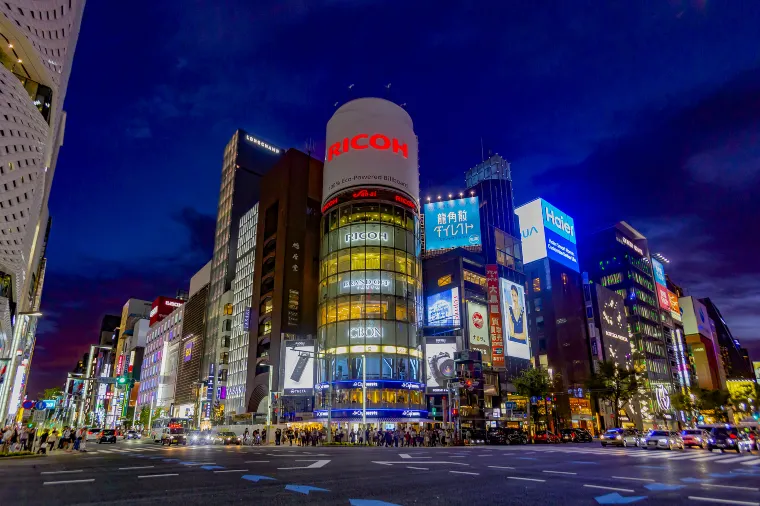
Japan is one of the safest destinations for tourists. The crime rate is extremely low, and incidents such as pickpocketing or scamming are uncommon. Even in huge cities like Tokyo or Osaka, most areas seem secure for walking around at night, comparable to how you might feel in Singapore. However, like with any trip it is always a good idea to keep mindful and conscious of your surroundings. The natives are extremely polite and trustworthy, making Japan a wonderfully calm location to visit.
👮Top Local Safety Tips
Here are a few simple and practical safety tips to keep in mind while traveling in Japan:
- Be alert in crowded places: While Japan is generally safe, always keep an eye on your belongings in busy areas like train stations or shopping malls.
- Use official taxis or ride-hailing apps: For your safety, always opt for official taxis or use apps like JapanTaxi or Uber to avoid any confusion or risks.
- Avoid certain areas late at night: While Japan is mostly safe, it’s wise to avoid certain nightlife districts, especially if you’re alone.
- Don’t flash valuables in public: It’s a good habit to keep expensive items like jewelry or gadgets out of sight, especially in public spaces.
📋Emergency Contacts Table
Here’s a quick reference to key emergency numbers in Japan:
| Emergency Type | Local Number | Notes |
|---|---|---|
Police👮 | 110 | For theft or suspicious activity |
Ambulance🚑 | 119 | Public hospitals may require upfront payment |
Fire🚒 | 119 | Rarely needed, but good to know |
Tourist Helpline☎️ | 12301 | English-speaking line in some cities |
💊Medical Access & Pharmacies
Japan has a well-developed healthcare system, and you can easily find clinics or hospitals in most cities. Many larger hospitals have English-speaking staff, but it’s always a good idea to carry a few basic medications with you, especially for common issues like colds or fever. Pharmacy advice may be in the local language, so if you’re unsure, you can show the pharmacist the name of the medicine you need on your phone. Bring fever meds and motion sickness tablets just in case!
🧍♂️Cultural Notes
Japanese people are known for their politeness and helpfulness, and they will often assist you with directions or other queries—even if there’s a language barrier. Public disputes are extremely rare in Japan, and harmony in society is highly valued, so you’re less likely to encounter any public disturbances or confrontations.
👍Closing Reassurance
Japan is generally a safe destination for travelers—just follow basic common sense, stay aware of your surroundings, and you’ll have a smooth and enjoyable trip! Enjoy the experience!
Flight to Japan


Cultural Etiquette & Local Customs in Japan 🇯🇵

🧍♂️General Cultural Vibe
In Japan, politeness and respect are central to daily life. People tend to be more reserved and formal in public, especially when interacting with strangers. Public behavior is generally understated, with an emphasis on harmony and not drawing attention to oneself. Loud talking, especially in public spaces like trains, is frowned upon. Showing respect is crucial, and this is reflected in their everyday actions—from how they greet one another to how they conduct themselves in public.
🍃Etiquette Do’s & Don’ts
Here are a few key cultural rules to keep in mind to avoid any awkward situations:
- Take off shoes before entering a home 👟: It’s customary to remove shoes when entering someone’s home, certain traditional accommodations (like ryokan), and some temples. You'll be provided with indoor slippers to wear.
- Avoid touching someone’s head 🙅♀️: The head is considered the most sacred part of the body, so avoid patting someone’s head—even children.
- Don’t point with your feet 🦶: Pointing with your feet or even showing the soles of your feet is considered rude. Keep your feet flat on the floor, and avoid sitting with your legs crossed if you can help it.
- Use both hands to give/receive items 🤲: Whether it’s a gift, a business card, or a payment, always use both hands when giving or receiving items to show respect.
- Avoid public displays of affection 💏: Public displays of affection, like kissing or hugging, are considered inappropriate in Japan. It's better to save such gestures for private settings.
🍽️Dining Etiquette
Meals in Japan are often served with small portions and shared dishes. Here are a few dining tips to ensure you don’t make a misstep:
- Slurping is okay: Unlike many Western cultures, slurping your noodles (especially ramen or soba) is actually encouraged! It shows that you’re enjoying the meal and it helps cool down the hot noodles.
- Chopstick etiquette: Never stick chopsticks upright in rice, as it resembles a funeral ritual. Also, don’t pass food directly from one set of chopsticks to another, as this mimics a funeral custom as well. Be sure to place chopsticks on the designated rest when not in use.
- Wait for the host: It’s polite to wait for the host to start eating before you begin, and always say "itadakimasu" (I humbly receive) before eating, and "gochisousama deshita" (thank you for the meal) afterward.
👗Dress Code & Body Language
Japan values modesty, especially in temples and more conservative rural areas. When visiting sacred sites, it’s important to dress conservatively—covering your shoulders and avoiding overly revealing clothing. Body language is important, too: avoid finger-pointing, which is considered rude. Instead, use your whole hand when indicating something.
🤝Interaction Norms
- Greetings: The traditional bow is still the most common greeting in Japan. While handshakes are becoming more common in business settings, a bow is always appreciated. For more casual greetings, a simple nod or smile works perfectly.
- Small Talk: Japanese people tend to avoid small talk in favor of directness when discussing business or important matters. However, in social situations, it’s perfectly fine to ask about things like the weather or how someone’s day is going. Keep the conversation polite and avoid controversial topics.
🌏Cultural Curiosity Note
Locals appreciate it when visitors make the effort to learn about their customs, even if it’s just learning how to say "konnichiwa" (hello) or "arigatou" (thank you) in Japanese 😊. Small gestures like these go a long way in showing your respect for their culture, and the effort will always be appreciated! 🌟
Public Holidays & Travel Seasons in Japan

🧧Public Holiday Highlights
- Golden Week (Late April to Early May): One of Japan’s most significant holiday periods, with four major holidays happening in quick succession. Expect crowded transport hubs, higher hotel prices, and long queues at popular attractions like temples. It’s great if you want to experience the festive energy, but it can be overwhelming if you’re trying to avoid crowds.
- Obon (Mid-August): A traditional Buddhist event to honor ancestors, Obon sees many people traveling to their hometowns. Public transportation can be very crowded, and many businesses may close. However, if you’re looking to experience authentic local customs, Obon festivals are full of cultural events.
- New Year (January 1st–3rd): Many shops and businesses are closed, and temples and shrines are packed with worshippers. It's a time for reflection and family, and while the festivities are beautiful, it might not be ideal if you’re looking to shop or explore bustling urban areas.
✈️Travel Impact & Local Customs
Holidays in Japan can significantly affect transportation, hotel availability, and attractions:
- Crowded transport hubs 🚆: Expect jam-packed trains and buses during holiday periods, especially in cities like Tokyo and Kyoto.
- Hotel price hikes 🏨: Prices surge during Golden Week and New Year due to increased demand, so booking in advance is essential.
- Attraction closures 🚪: Some temples, shops, and businesses close for the New Year or Obon, so plan accordingly.
- Busy temples and celebration spots 🛕: If you want to experience local celebrations like New Year’s at shrines or Golden Week parades, it’s worth it, but be prepared for crowds.
🌞Seasonal Advice Summary
- High Season: Spring (March to May) and autumn (September to November) are the best times to visit, with pleasant weather and stunning landscapes.
- Shoulder Season: Late autumn and early spring offer milder weather with fewer crowds, making it a sweet spot for travelers.
- Low Season: Winter (December to February) can be cold, but it's ideal for ski trips and fewer tourists.
If you’re planning around peak travel dates or hoping to catch local celebrations, check out our full guide to public holidays in Japan.
eSIM, Wi-Fi & Connectivity in Japan
📶eSIM vs Local SIM Overview
For short trips to Japan, eSIM is a convenient and hassle-free option. Many major Japanese mobile providers support eSIM activation, and tourists can easily activate eSIMs either before landing or at the airport via apps. This makes it an ideal choice for tech-savvy travelers who prefer not to swap out physical SIM cards. If you're staying longer or prefer a physical SIM, local SIM cards are widely available, but you may need to visit a kiosk or convenience store to purchase one. Keep in mind, physical SIMs might require you to present your passport for verification, while eSIMs can be activated and managed entirely digitally.
📱Best SIM Providers
Japan offers several reliable mobile providers that cater to tourists:
- NTT Docomo: Known for excellent coverage and reliable data speeds nationwide. They offer a range of prepaid SIM cards and tourist packages.
- SoftBank: Another top provider, offering a solid network and eSIM options for travelers. They also have convenient prepaid SIM cards and attractive data plans for tourists.
- Rakuten Mobile: A newer, but growing provider, offering competitive pricing for both SIM cards and eSIM plans. They also provide data-only SIM cards, which can be a great choice if you're just looking for internet access.
🛒Where to Get It
You can easily pick up a SIM card or eSIM upon arrival at major airport counters in Tokyo or Osaka, or from official kiosks and convenience stores like 7-Eleven. If you’re looking to skip the lines at the airport, you can also find eSIM plans online through services like Trip.com, which offer pre-activated eSIM options ready to go as soon as you land. For physical SIMs, a passport might be required for verification, so have it handy.
🌍Wi-Fi & Internet Access
Japan boasts excellent Wi-Fi coverage. Most hotels, cafes, and public areas like train stations and shopping malls offer free Wi-Fi. However, you may occasionally need a VPN if you're trying to access services like Google, WhatsApp, or Facebook due to local regulations, especially if you're in more remote regions.
💡Useful Travel Tip
- Download offline maps or translation apps before you arrive to save on data usage.
- If you’re heading to more remote areas, consider bringing a pocket Wi-Fi device as a backup option for reliable internet access.
Get Japan eSIM Now!
🌏 Final Travel Advice & Helpful Links for Japan
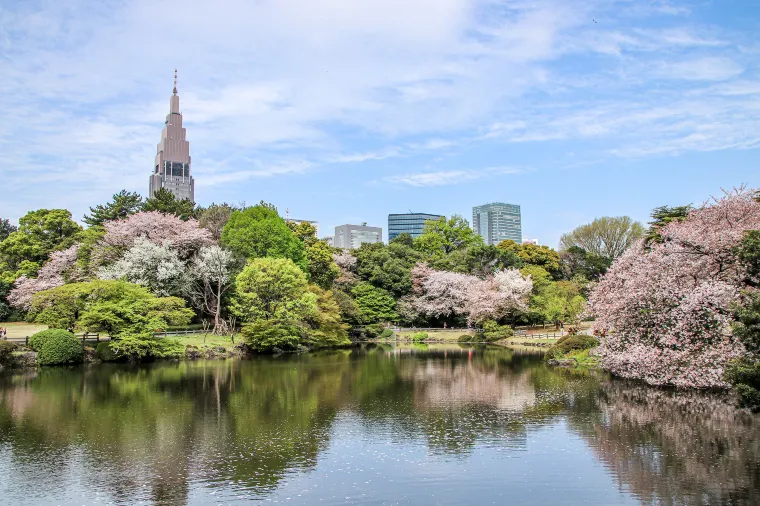
You are all set! With the advice provided above, you are now prepared to explore Japan with confidence. Whether it's knowing how to travel about town, understanding local tipping customs, or having the correct applications at fingertips, these little things will help you make the most of your vacation. Paying attention to these details can make a significant difference in how smoothly everything runs. Japan is a fascinating place, with each region having its own distinct charm. From the neon lights of Tokyo to the tranquility of Kyoto's temples, there's always something new to explore. Whether you're sipping matcha at a traditional tea house or exploring the lively neighborhoods of Osaka, Japan's charm lies in its small differences.
FAQs: Common Questions About Visiting Japan
-
Is it safe to eat street food in Japan?
-
Should I use cash or card in Japan?
-
What’s the best way to get around Japan?
Trending Researches
-
Featured guides
-
Trip.com links
- China Power Bank Limit
- Trip.com Customer Service
- train to kl from singapore
- Shanghai Metro
- China Entry Requirements
- China Train Map
- train from singapore to jb
- Renew Autopass Singapore
- Thailand Plug
- universal studios singapore tickets
- Vietnam Arrival Card
- Singapore Malaysia Cross Border Taxi
- 泰国插头
- What to Buy in Shenzhen
- China Plug
- Frankfurt Airport to City
- Osaka Station to Kyoto Station
- Bangkok to Pattaya
- Trip.com Promo Code
- Trip.com Flight Deals
- Trip.com Credit Card Promotions
- How to Book Cheap Hotels
- How to Book Cheap Flights
- Trip.com Member Rewards
- Trip Weekly Hotel Sales
- Online Hotel Booking
- Online Flight Booking
- Trip.com Travel Guide
- Book China Train Tickets
- Trip.com Seat Selection
- Singapore Public Holidays 2027
- Trip.com 优惠码
- Trip.com Travel Guides
- Trip.com 10.10 Mega Sale