
Best Time to Visit Korea: Perfect Season, Weather & Tips
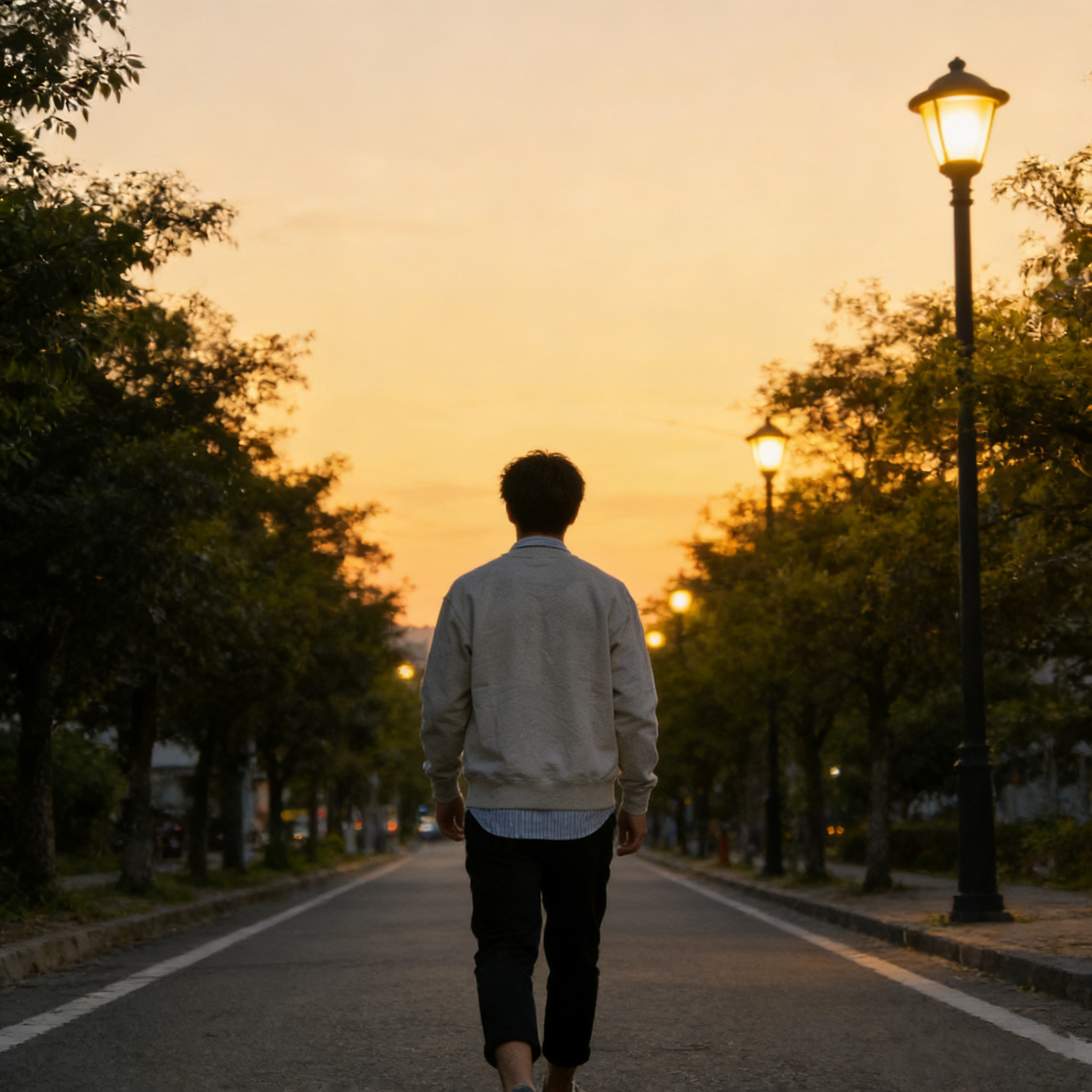

South Korea, a country located on the Korean Peninsula in East Asia, experiences four distinct seasons, each bringing a unique charm to the land. With a temperate climate, the country enjoys hot, humid summers and cold, dry winters, making the timing of your visit crucial depending on your preferences. Spring and autumn are particularly popular among travelers due to their mild temperatures and stunning natural beauty.
Summers can be scorching, reaching 35°C (95°F), with high humidity and frequent monsoon rains in July and August. Winters, on the other hand, are crisp and often snowy, with temperatures dropping as low as -15°C (5°F) in northern regions.
When Is the Best Time to Visit Korea
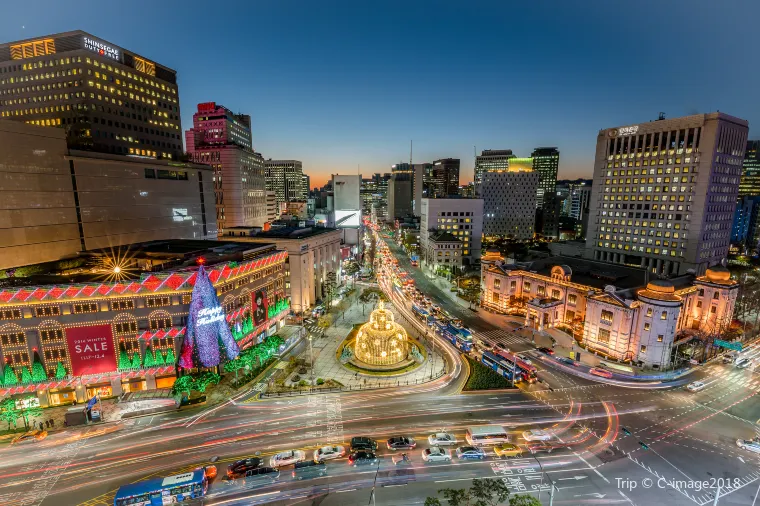
Spring (March to May)
Spring in South Korea is a breathtaking season, with cherry blossoms and colorful flowers transforming the country into a picturesque paradise.
- Weather Conditions: Temperatures range from 5°C (41°F) in March to around 20°C (68°F) in May. The humidity remains low, and skies are generally clear.
- What to Wear: Light jackets, sweaters, and comfortable walking shoes. Layers are ideal, as mornings and evenings can still be cool.
- Best Seasonal Activities: Witness cherry blossoms in Seoul's Yeouido Park, Busan's Dalmaji Hill, or the famous Jinhae Cherry Blossom Festival. Spring is also great for hiking in Seoraksan National Park.
- Local Festivals or Events: Jinhae Cherry Blossom Festival, Seoul Lantern Festival, and the Lotus Lantern Festival in May.
Summer (June to August)
Summer in South Korea is hot and humid, with the added challenge of monsoon season, which brings heavy rainfall.
- Weather Conditions: Temperatures average between 23°C (73°F) and 35°C (95°F). July and August experience the most rain, with sudden downpours and typhoons possible.
- What to Wear: Light, breathable clothing, a rain jacket, and waterproof footwear. Sunscreen and a hat are essential for outdoor activities.
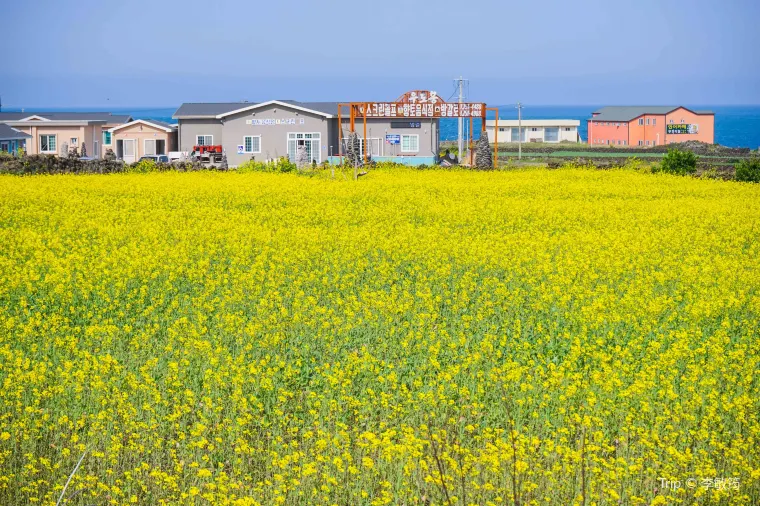
- Best Seasonal Activities: Escape the heat at Haeundae Beach in Busan or explore the vibrant night markets of Seoul. Many locals head to Jeju Island for a summer getaway.
- Local Festivals or Events: Boryeong Mud Festival (a must-visit for fun and adventure), Busan International Rock Festival, and Ultra Korea Music Festival.
Autumn (September to November)
Autumn is arguably the best time to visit South Korea, offering pleasant temperatures, vibrant fall foliage, and fewer crowds.
- Weather Conditions: Temperatures range from 10°C (50°F) in early autumn to around 20°C (68°F) in September and October. The humidity drops, and skies are generally clear.
- What to Wear: Light layers with a medium jacket for cooler evenings. Comfortable shoes for exploring parks and mountains.
- Best Seasonal Activities: Enjoy breathtaking fall foliage at Nami Island, Seoraksan National Park, and Gyeongbokgung Palace. This season is also perfect for temple stays and cultural experiences.
- Local Festivals or Events: Andong Mask Dance Festival, Seoul International Fireworks Festival, and the Jeonju Bibimbap Festival.
Winter (December to February)
Winter in South Korea transforms the country into a snowy wonderland, making it a prime destination for winter sports and holiday festivities.
- Weather Conditions: Temperatures drop between -15°C (5°F) in the northern regions and around 0°C (32°F) in the southern areas. Snowfall is common, especially in mountainous regions.
- What to Wear: Thick coats, gloves, scarves, and thermal layers. Waterproof boots are recommended for snow-covered streets.
- Best Seasonal Activities: Hit the slopes at Alpensia or Yongpyong Ski Resort. Winter illuminations in Seoul and Busan add a magical touch to the cities.
- Local Festivals or Events: Hwacheon Sancheoneo Ice Festival (ice fishing), Seoul Christmas Festival, and Pyeongchang Trout Festival.
Best Time to Visit South Korea – Month-by-Month Guide
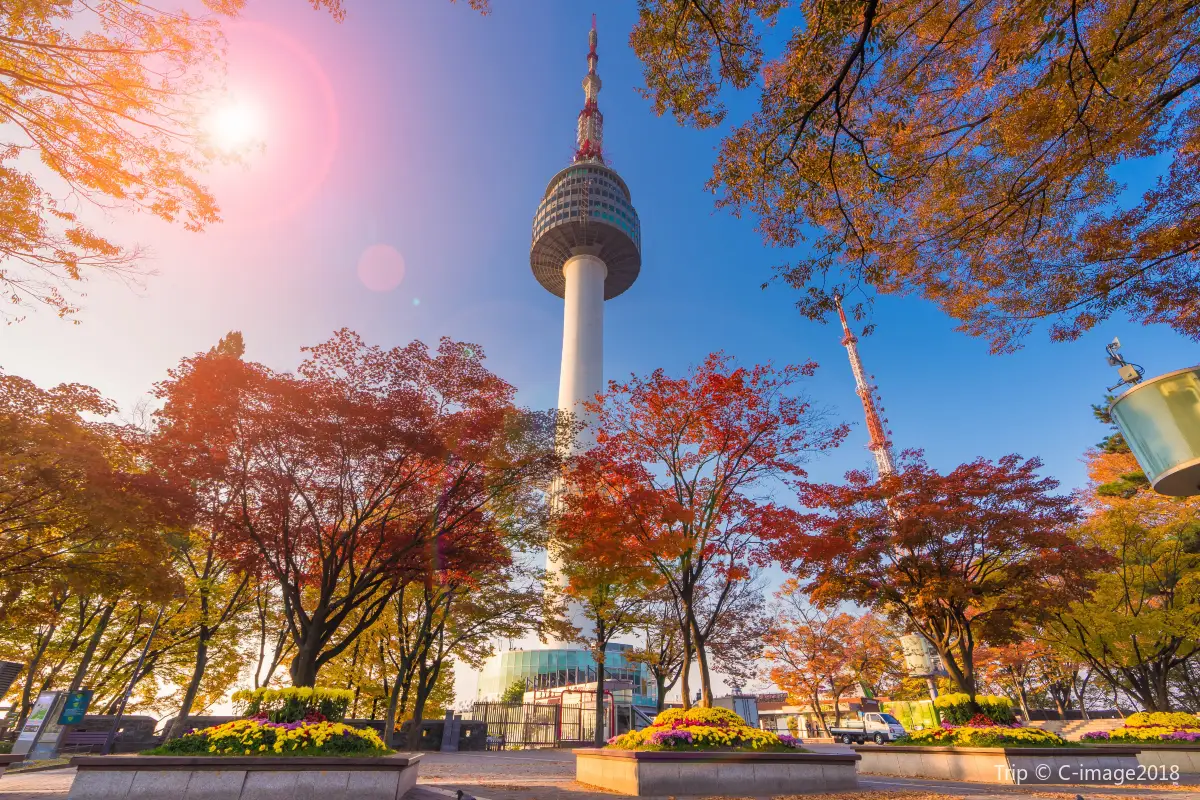
South Korea experiences distinct seasons, offering unique experiences throughout the year. 🌸❄️🍂☀️ From cherry blossoms in spring to vibrant autumn foliage and snowy winter landscapes, the country is a year-round destination.
South Korea Weather & Travel Insights by Month
📅 Month | 🌡️ Temperature Range (°C/°F) | 🌧️ Rainfall Levels (mm/in) | ✈️ Traveler Insights |
January ❄️ | -6 to 3°C (21-37°F) | 20-30 mm (0.8-1.2 in) | Cold and dry, great for winter sports. Visit ski resorts in Pyeongchang and experience ice fishing at Hwacheon Sancheoneo Festival. 🎿🐟 |
February ❄️ | -4 to 6°C (25-43°F) | 25-35 mm (1-1.4 in) | Still wintery but less harsh. Perfect for exploring Seoul’s winter illuminations and visiting hot springs. ✨♨️ |
March 🌱 | 1 to 12°C (34-54°F) | 45-55 mm (1.8-2.2 in) | Spring begins! Plum blossoms bloom, and the weather is crisp. Light layers recommended. 🌸 |
April 🌸 | 7 to 18°C (45-64°F) | 65-80 mm (2.6-3.1 in) | Peak cherry blossom season—visit Jinhae, Seoul’s Yeouido Park, and Gyeongju for stunning views. 📷 🌸 |
May 🌞 | 12 to 23°C (54-73°F) | 75-90 mm (3-3.5 in) | Warm and pleasant with fewer tourists. Great for hiking Seoraksan and exploring historical sites. 🥾🏯 |
June 🌿 | 17 to 27°C (63-81°F) | 130-150 mm (5-6 in) | Summer starts, bringing lush greenery. Beach season begins in Busan, but humidity rises. 🏖️ |
July 🌧️ | 21 to 30°C (70-86°F) | 270-300 mm (10.6-11.8 in) | Monsoon season—expect frequent heavy rain. Carry a rain jacket and waterproof shoes. ☔ |
August 🔥 | 22 to 32°C (72-90°F) | 230-260 mm (9-10.2 in) | Hot and humid. Great for water activities in Jeju and Sokcho, but typhoons may occur. 🏄♂️ 🌪️ |
September 🍂 | 17 to 26°C (63-79°F) | 120-140 mm (4.7-5.5 in) | Autumn begins—cooler air and clearer skies. Chuseok holiday brings traditional festivities. 🍁🎑 |
October 🍁 | 10 to 20°C (50-68°F) | 50-70 mm (2-2.8 in) | Ideal weather for sightseeing and hiking. Vibrant fall foliage at Nami Island and Seoraksan. 🍂🚶♂️ |
November 🍃 | 3 to 13°C (37-55°F) | 40-60 mm (1.6-2.4 in) | Crisp, cool air with fewer crowds. Visit Gyeongbokgung Palace for beautiful autumn scenery. 🏯 |
December 🎄 | -3 to 6°C (27-43°F) | 25-40 mm (1-1.6 in) | Winter sets in—perfect for skiing and enjoying holiday lights in Seoul and Busan. 🎅🎿 |
🎭 Crowds, Costs & Festivals: Choosing the Right Time to Visit South Korea
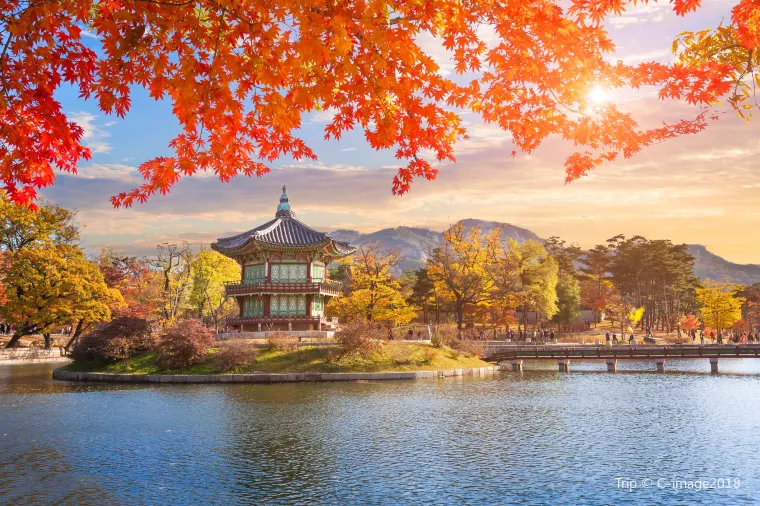
🌸 Peak Season (Busiest & Most Popular Months)
March to May & September to November
- Why it's popular: Spring and autumn offer the best weather with cherry blossoms and fall foliage drawing in tourists. 🌸🍁
- Crowds & Costs: Expect large crowds at popular spots like Gyeongbokgung Palace, Nami Island, and Jeju. Flights and hotels are at their most expensive. 💸🏨
- Pros: Mild temperatures, stunning scenery, vibrant festivals. 🎉
- Cons: Higher prices, long lines, and fully booked accommodations. 🚶♂️🚶♀️
- Smart Travel Hacks: Book flights and hotels months in advance. Visit major attractions early in the morning or on weekdays to avoid peak crowds. 🕖✈️
🌤️ Shoulder Season (Balanced Months for Weather & Crowds)
June & Early December
- Why it’s a great time to visit: June offers warm weather before monsoon season, while early December brings the festive winter vibe without the extreme cold. 🎄🌅
- Who should visit: Budget-conscious travelers who still want a good experience with fewer crowds. 💰
- Pros: Reasonable prices, good weather, and fewer tourists compared to peak season. 👍
- Cons: June starts getting humid, and early December can be chilly. ❄️
🛏️ Off-Peak Season (Least Crowded & Most Budget-Friendly Time)
July to August & January to February
- Why it’s the slowest time: Summer is hot and humid with heavy rainfall, while winter is extremely cold. 🌞❄️
- Cost & Crowd Levels: Flights and hotels are at their cheapest, and tourist spots are less crowded. 💵✈️
- Who should visit: Beach lovers in summer, winter sports enthusiasts in winter. 🏄♂️⛷️
- Downsides: Summer’s monsoon rains can disrupt plans, while winter’s cold limits outdoor activities. ☔🥶
- Travel Tip: If visiting in winter, head to ski resorts or hot springs for a unique experience. 🎿♨️
🎆 Major Festivals & Events That Impact Travel
- 🌸 Cherry Blossom Festivals (March-April) – Huge crowds in Seoul, Busan, and Jinhae.
- 🎭 Boryeong Mud Festival (July) – Fun but very busy, especially for international visitors.
- 🎑 Chuseok (September/October) – Korea’s Thanksgiving, causing travel congestion and full bookings.
- 🎇 Busan Fireworks Festival (October/November) – Expect high accommodation prices in Busan.
- 🏮 Seoul Lantern Festival (November) – Beautiful night displays, but some crowding around Cheonggyecheon Stream.
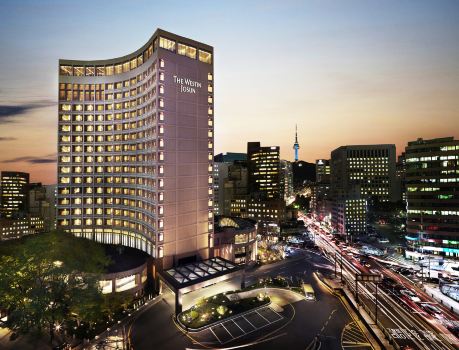
Recommended Hotels in South Korea
 NO.1
NO.1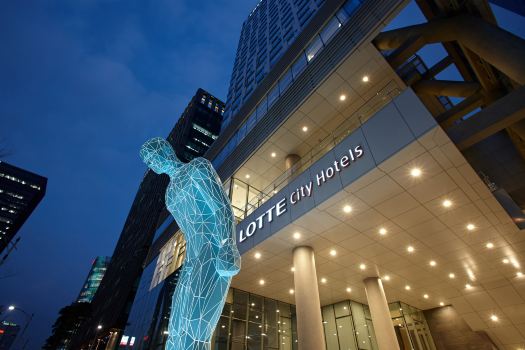

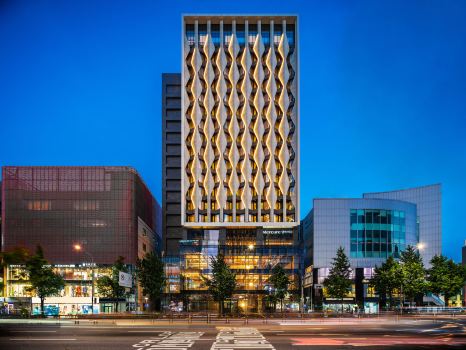
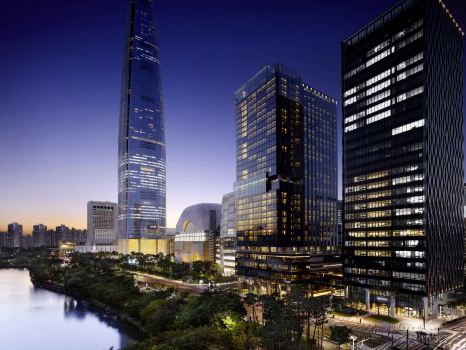
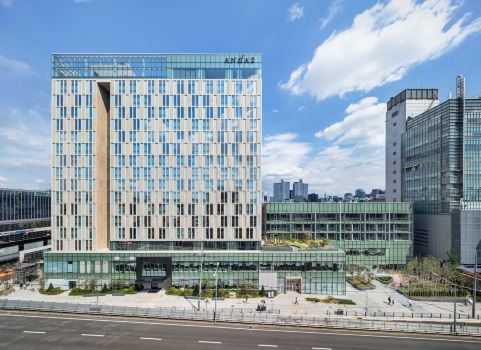
🎒 Best Time to Visit South Korea Based on Your Travel Style
💰 Budget Travelers
- Best Months: January, February, July, and August (cheapest flights & hotels).
- Why? These months see lower tourist numbers, leading to better deals on accommodations and flights.
- Money-Saving Tips: Book flights at least 2 months in advance and use discount passes for transport and attractions. ✈️🏨
✨ Luxury Travelers
- Best Months: April, May, September, October (mild weather & exclusive experiences).
- Luxury Highlights: Stay in 5-star hotels, dine at Michelin-starred restaurants, and enjoy private tours.
- Booking Tip: Book high-end experiences early during peak seasons to secure reservations. 🍷🏯
⛰️ Adventure Seekers
- Best Months: May, June, September, October (ideal for hiking & outdoor activities).
- Best Spots: Hike Seoraksan, ski in Pyeongchang, surf in Busan. 🏄♂️🥾
🎭 Cultural Enthusiasts
- Best Months: March, April, September, October (festival season & historical tours).
- Must-See Events: Cherry Blossom Festivals, Chuseok, and temple stays. 🎑🏮
👨👩👧👦 Family Travelers
- Best Months: May, June, September, December (family-friendly attractions & weather).
- Top Picks: Everland, Lotte World, Nami Island. 🎢🏝️
✈️ Final Tips for Planning Your Trip to South Korea
Now that you know the best time to visit, it’s time to start planning your adventure! Whether you’re chasing cherry blossoms in spring, hiking through autumn leaves, or skiing in the winter wonderland, Korea has something for every traveler. 🌎🌸❄️
🔹 Looking for the best places to stay? Check out our Where to Stay in Seoul guide to find the perfect neighborhood! 🏨
🔹 Need inspiration for your itinerary? Don’t miss our Top Things to Do in Korea for must-visit attractions and hidden gems! 📍
With your ideal travel time in mind, all that’s left is to book your flights and pack your bags. See you in Korea! ✈️
FAQs: Common Questions About Visiting Korea
-
What's the best way to get around South Korea?
-
How much should I budget per day?
-
Is South Korea safe for tourists?
-
What's the best neighborhood to stay in South Korea?
-
What's the best local food to try?
Trending Researches
-
Featured guides
-
Trip.com links
- China Power Bank Limit
- Trip.com Customer Service
- train to kl from singapore
- Shanghai Metro
- China Entry Requirements
- China Train Map
- train from singapore to jb
- Renew Autopass Singapore
- Thailand Plug
- universal studios singapore tickets
- Vietnam Arrival Card
- Singapore Malaysia Cross Border Taxi
- 泰国插头
- What to Buy in Shenzhen
- China Plug
- Big Transport from Tokyo to Fukuoka
- Frankfurt Airport to City
- Bangkok to Pattaya
- Trip.com Promo Code
- Trip.com Flight Deals
- Trip.com Credit Card Promotions
- How to Book Cheap Hotels
- How to Book Cheap Flights
- Trip.com Member Rewards
- Trip Weekly Hotel Sales
- Online Hotel Booking
- Online Flight Booking
- Trip.com Travel Guide
- Book China Train Tickets
- Trip.com Seat Selection
- Singapore Public Holidays 2027
- Trip.com 优惠码
- Trip.com Travel Guides
- Trip.com 10.10 Mega Sale