




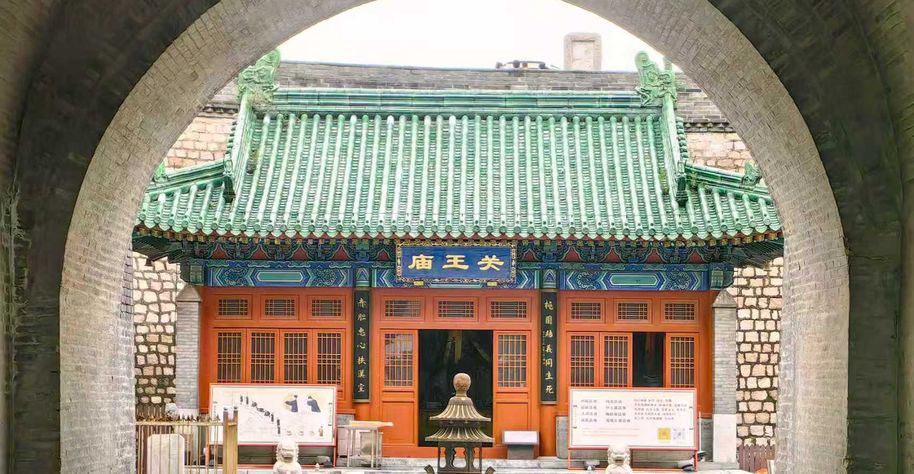





▲ Juyongguan, also known as Jundu Pass or Jimen Pass, is a strategic fortification along the Ming Dynasty's Inner Great Wall. Located in Nankou Town, Changping District, Beijing, it has served as a vital mountain pass since the Qin Dynasty. Renowned as one of the most historic and famous sections of the Great Wall, it forms the "Three Inner Passes" of the Ming Great Wall together with Zijingguan and Daomaguan. Originally established as a frontier fortress called "Juyong Fort," it was later integrated into the Great Wall system during the Northern Wei and Northern Qi dynasties, becoming one of the wall's most significant defensive strongholds.

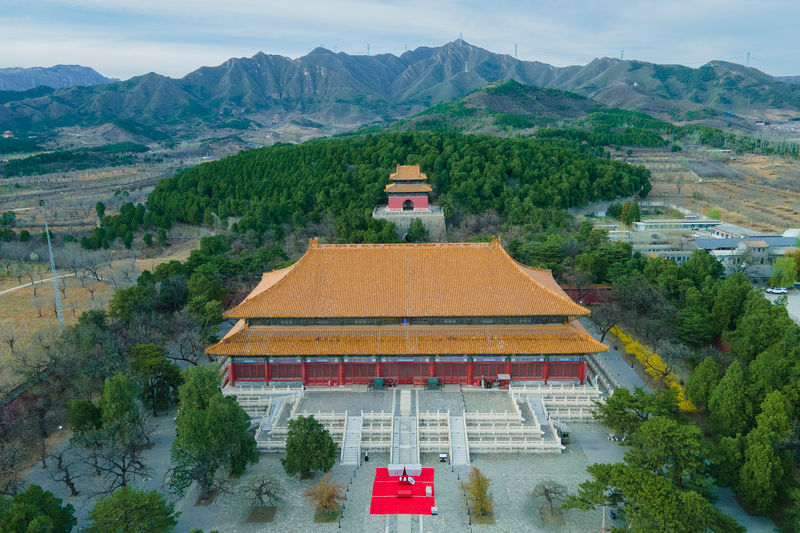
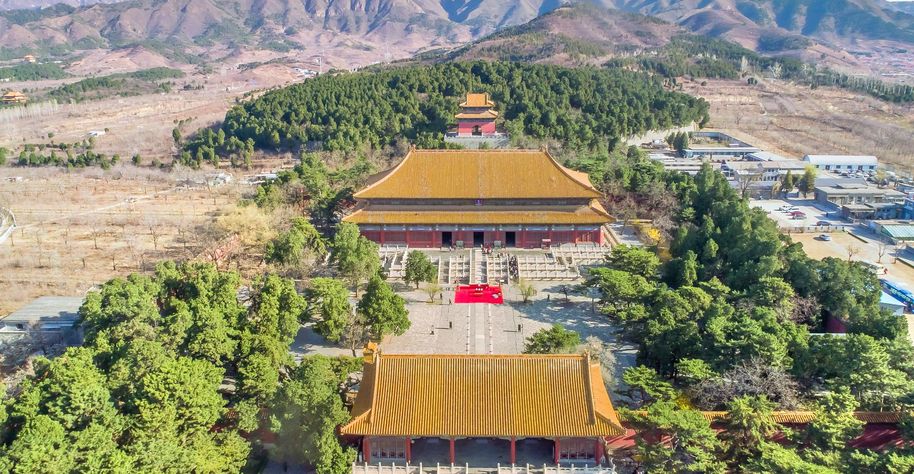
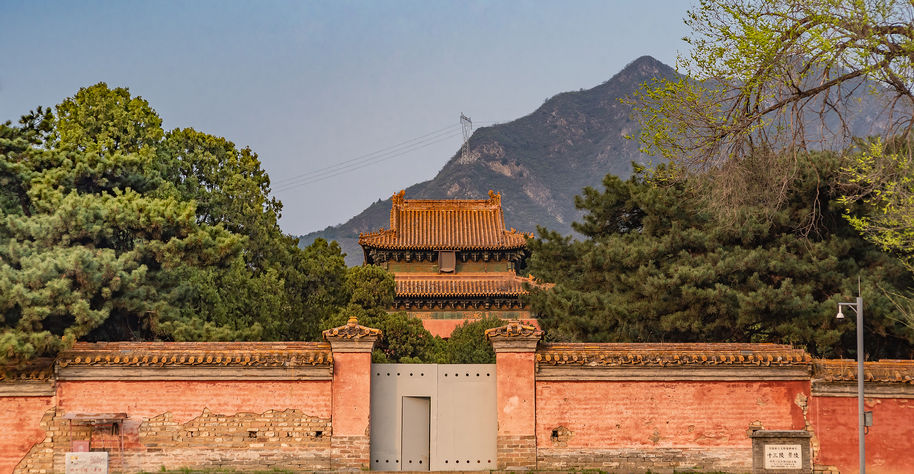
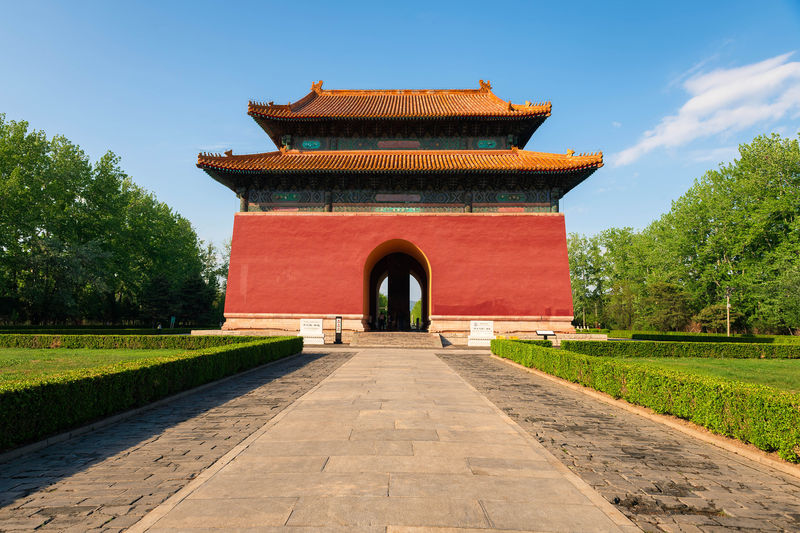
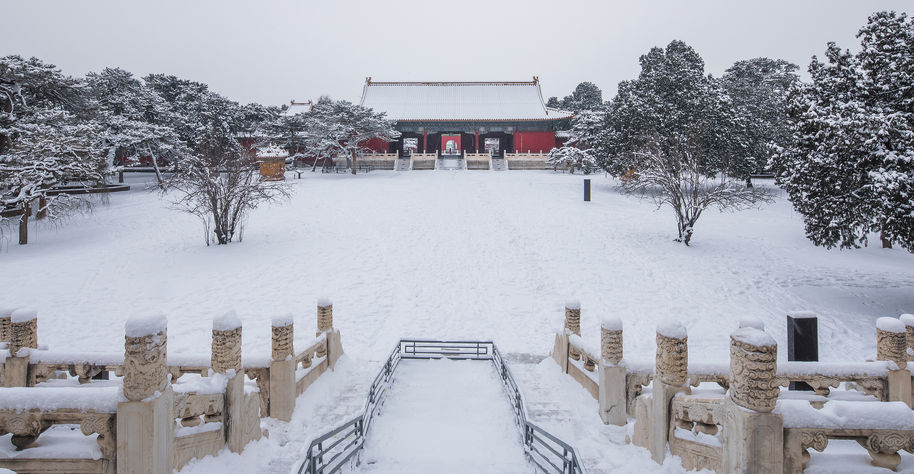
▲ The Ming Tombs, located at the foot of Tianshou Mountain in northern Changping District, Beijing, serve as the burial site for 13 emperors of the Ming Dynasty. After Emperor Yongle moved the capital to Beijing, he began selecting this tomb location for both political and strategic reasons. This highly strategic decision played a crucial role in consolidating imperial power and completely eliminating the remnants of the Mongol Yuan forces.