




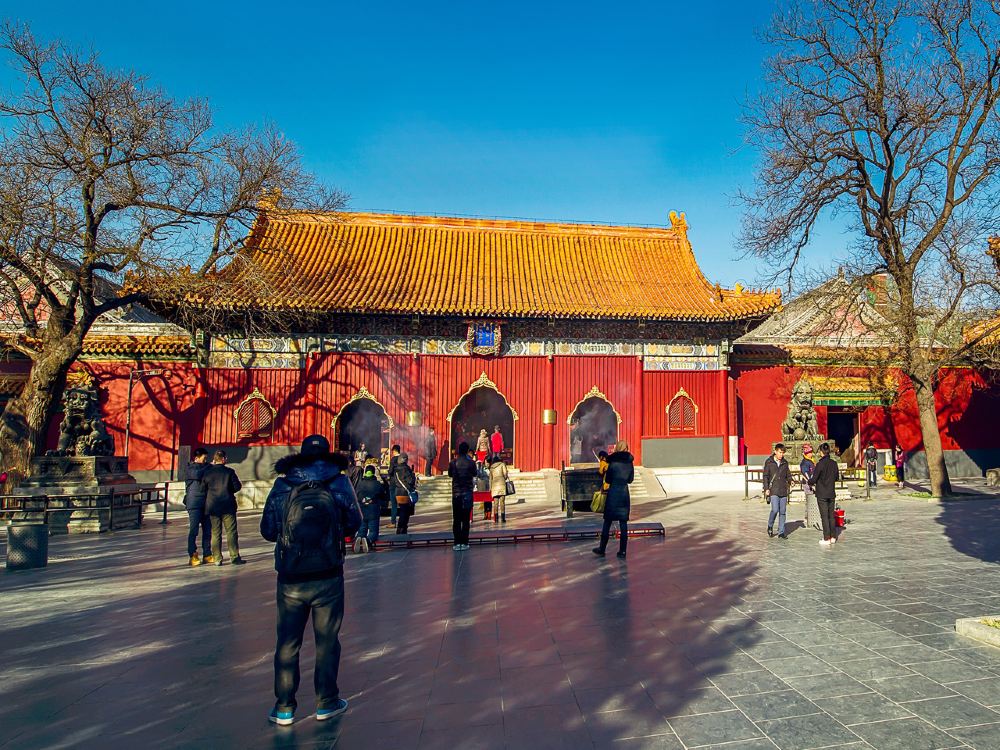
▲ The Lama Temple is one of Beijing's largest and best-preserved Tibetan Buddhist temples, originally built as an imperial residence during the Qing Dynasty. Its architecture seamlessly blends traditional Han palace design with Tibetan Buddhist elements, creating a serene yet majestic atmosphere. Today, visitors can admire exquisite statues, colorful murals, and intricate carvings while experiencing a deep sense of history and spiritual calm.
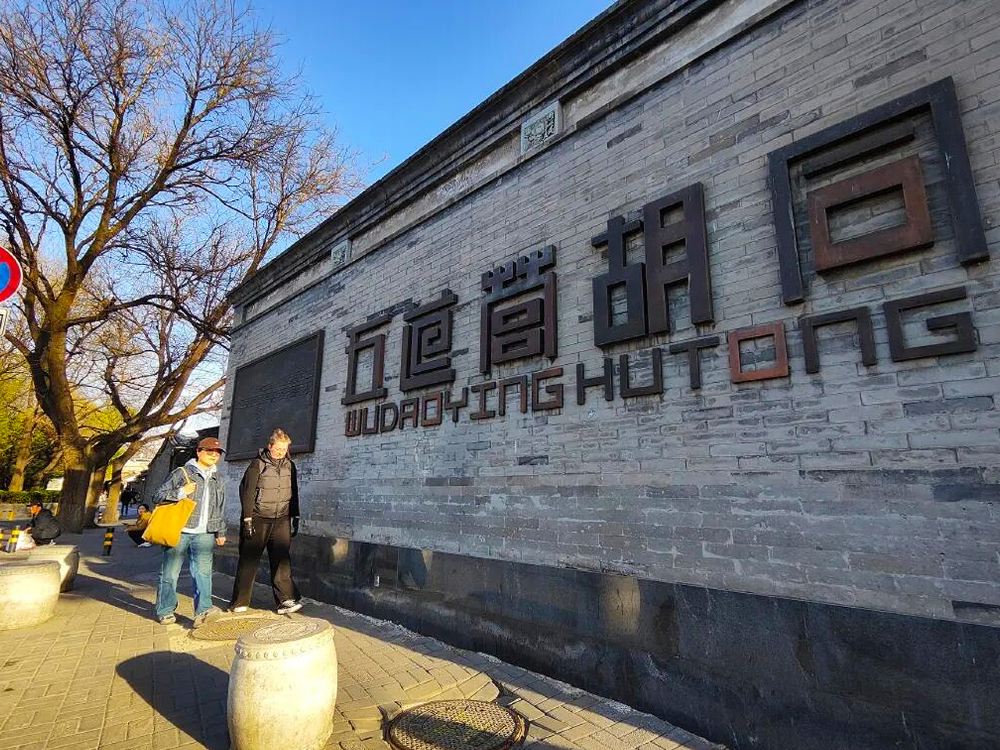
▲ Step into the enchanting streets of Wudaoying and Jianchang Hutongs, where centuries-old Beijing siheyuan courtyards meet a vibrant wave of modern creativity. Wander through narrow alleys lined with cozy cafés, boutique restaurants, artisan craft shops, and intimate galleries, each corner brimming with stories and character. Here, the charm of old Beijing effortlessly blends with contemporary artistic energy, inviting visitors to slow down, explore, and savor the unique rhythm of hutong life.
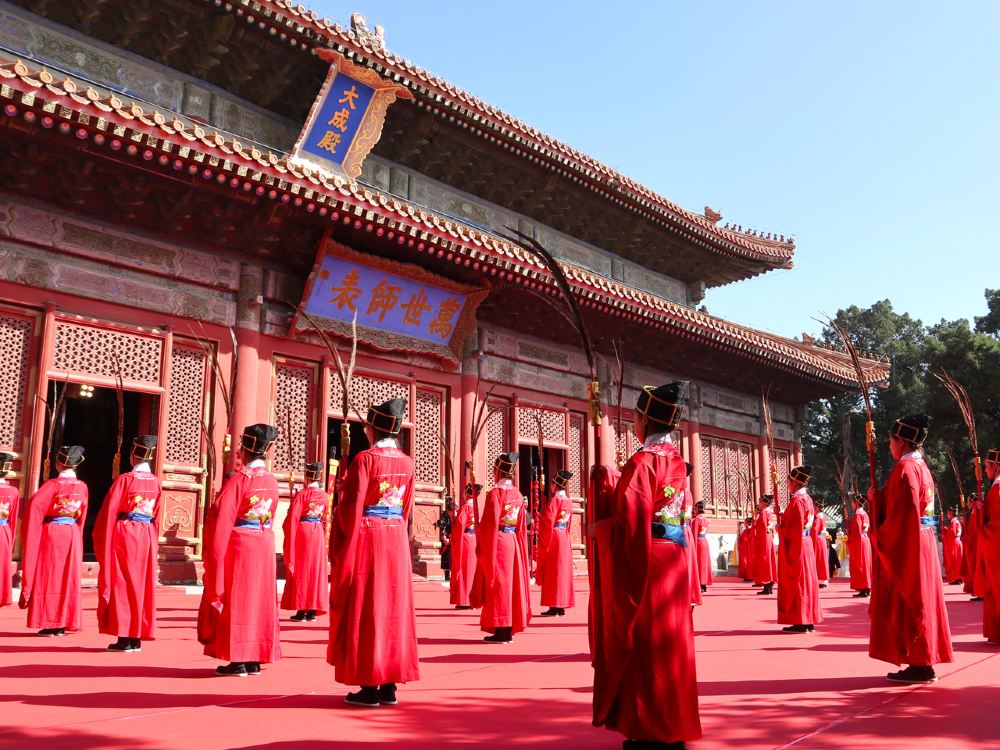
▲ The Kongmiao and Imperial College Museum form a unique cultural site that seamlessly blends ancient traditions, architectural artistry, and the heritage of education. Once a sacred place for honoring Confucius across the Yuan, Ming, and Qing dynasties, it was also home to China's highest academic institution, the Imperial College (Guozijian). Strolling through its grand halls, intricate carvings, and serene courtyards, visitors can feel the stories of centuries-old scholarship and the enduring influence of Confucian thought, immersing themselves in the depth and wisdom of traditional Chinese culture.

▲ Situated along Beijing's historic central axis, the Drum Tower has long stood as a symbol of the city's rhythm. Originally built during the Yuan Dynasty and serving as the capital's official timekeeping center throughout the Ming and Qing periods, its daily drumbeats once resonated across the city, marking the passage of time for generations.