South Korea Visa: K-ETA, Requirements & How to Apply

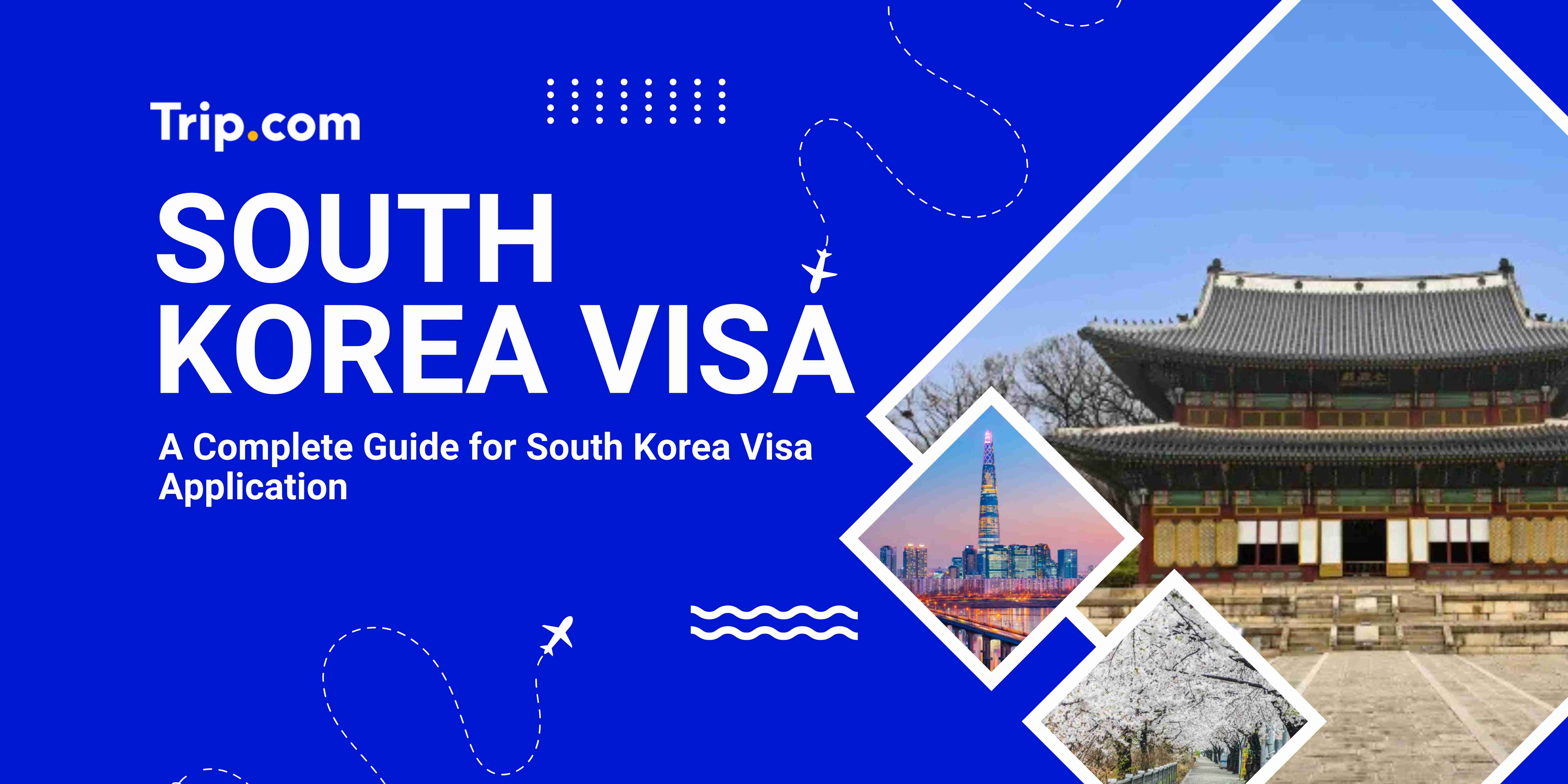
South Korea is a charming travel destination that seamlessly blends tradition and modernity.
In stylish Seoul, ancient palaces stand harmoniously alongside modern skyscrapers, offering a unique urban experience. Jeju Island boasts breathtaking scenery, stunning volcanic landscapes, and beautiful beaches, perfect for nature lovers and adventure seekers alike.
Food lovers will be delighted with traditional Korean dishes such as kimchi and Korean BBQ, which are as flavourful as they are iconic.
Shoppers will find plenty to love with vibrant shopping districts, while fans of Korean culture can immerse themselves in everything from K-pop to hanbok experiences.
Fly from Singapore
See all flights


Do Singapore Citizens Need to Apply for a South Korea Visa?
![[Seoul-Nami island] Nami Island shuttle bus (Round Trip)](https://ak-d.tripcdn.com/images//0582h12000sjd3we07B66_C_1000_1000_Q10.jpg_.webp?_fr=wc)
Singaporean travelers generally do not need to apply for a traditional visa when visiting South Korea, but they must obtain the Korea Electronic Travel Authorization (K-ETA).
Visa exemption policy and K-ETA application:
Singapore and South Korea have a visa exemption agreement until December 31, 2026. Singaporean citizens traveling to South Korea for tourism, business meetings, discussions, conferences, family visits, training, or other non-profit activities can stay in South Korea for up to 90 days without a visa.
So, Singaporeans can enter without K-ETA during this period as it is not required for Singaporeans currently.
Application requirements and documents:
Applicants must hold a valid Singapore passport with at least six months’ validity remaining.
When applying for the K-ETA, applicants need to complete an online application form, providing personal information, travel details, and pay the applicable processing fee.
Restrictions and important notes:
K-ETA applicants are allowed a maximum of three applications within six months.
If an applicant’s K-ETA is rejected three times, they must wait six months from the date of their first application before reapplying.
It is recommended to apply for the K-ETA at least 3 days before travel, as the processing will typically takes 24-72 hours, but it is better to apply earlier to avoid hassle.
Types of Korean Visas for Singaporean Travelers
Diplomatic and Official Visas:
- Visa A-1 (Diplomatic Visa): Issued to diplomats and their families.
- Visa A-2 (Official Visa): For government officials and others traveling to South Korea for official duties.
- Visa A-3 (Agreement Visa): Mainly for certain personnel from countries with specific agreements with South Korea, such as non-military U.S. personnel stationed in Korea and their families.
Tourism and Transit Category:
- Visa B-1: For nationals of some countries with visa exemption agreements with South Korea, allowing entry within a specified period without applying for a traditional visa.
- Visa B-2 (Tourist Transit Visa): For travelers on tourism or transit purposes, including general sightseeing and Jeju Island tours. Usually valid for about 30 days.
Business Category:
- Visa C-2 (Short-Term Business Visa): For short-term business activities like attending meetings or negotiations in South Korea.
- Visa D-7 (Intra Company Transfer Visa): For representatives who have established a permanent office in South Korea.
- Visa D-8 (Business Investment Visa): For individuals investing in businesses in South Korea.
- Visa D-9 (Trade Management Visa): For those involved in trading and business operations in South Korea.
Study and Training Category:
- Visa D-1 (Cultural and Arts Visa): For those participating in cultural and arts exchanges or related research.
- Visa D-2 (Student Visa): The most common visa for international students, exchange students, and language learners in South Korea.
- Visa D-3 (Industrial Training Visa): Mainly for individuals coming for industrial training.
- Visa D-4 (General Training Visa): For students undergoing technical training, internships, vocational skill training, and short-term exchange students receiving internship opportunities in Korea.
Employment Category:
- Visa C-4 (Short-Term Work Visa): For individuals seeking short-term employment in South Korea.
- Visa E-1 (Teaching Visa): For professionals involved in teaching activities.
- Visa E-2 (Conversation Teaching Visa): For those engaged in foreign language conversation instruction and related work.
- Visa E-3 (Research Visa): For individuals involved in research activities.
- Visa E-4 (Technical Guidance Visa): For those providing technical guidance in South Korea.
- Visa E-5 (Specialized Employment Visa): For professionals with specialized skills engaged in related jobs.
- Visa E-6 (Artistic Performance Visa): For performers and artists visiting South Korea.
- Visa E-7 (Special Activity Visa): For certain designated professions specified by the Korean government.
- Visa E-8 (Training and Employment Visa): Mainly for individuals working after completing training in Korea.
- Visa E-9 (Non-Specialized Employment Visa): For workers involved in non-specialized jobs.
- Visa E-10 (Crew Visa): For crew members and staff working on Korean ships.
- Visa H-2 (Visit and Work Visa): For overseas Koreans meeting certain requirements, allowing them to visit and seek employment in South Korea.
Residence and Family Visit Category:
- Visa F-1 (Visiting Family Visa): For those related to Korean nationals or long-term residents, visiting and residing with them in Korea.
- Visa F-2 (Residence Visa): Issued to individuals residing long-term in South Korea, such as spouses of Korean citizens.
- Visa F-3 (Dependent Visa): For family members traveling with visa holders of certain categories.
- Visa F-4 (Overseas Korean Visa): For persons of Korean descent holding foreign citizenship, facilitating family visits and stays in Korea.
- Visa F-5 (Permanent Residence Visa): Grants eligible foreigners permanent residency status in South Korea.
- Visa F-6 (Marriage Immigration Visa): For individuals married to Korean nationals planning to immigrate to Korea.
Other Categories:
- Visa C-1 (Short-Term Interview Visa): For journalists and others coming to Korea for short-term news interviews and related activities.
- Visa D-5 (Interview Visa): For individuals involved in specific interview activities
- Visa D-6 (Religious Visa): For those visiting for religious exchange and activities.
- Visa D-10 (Job-Seeking Visa): For individuals coming to South Korea to seek employment.
- Visa G-1 (Other Visa): For certain government candidates and their dependents.
Travel Experience and Cultural Exposure
Immersive Korean Cultural Experience:
After obtaining a Korean visa, travelers can deeply explore traditional Korean culture by visiting historic palaces and temples, participating in traditional tea ceremonies, trying on Hanbok (traditional Korean clothing), and personally experiencing modern Korean pop culture.
Convenient Travel:
Multiple-entry visas allow travelers to enter South Korea anytime within the visa’s validity without reapplying for a visa repeatedly, saving time and costs. Holding a Korean visa also facilitates smoother arrangements for local travel plans.
Education and Personal Development
- Access to Quality Education:
For students wishing to pursue higher education in South Korea, obtaining the appropriate student visa is essential. - Academic Exchange and Research:
With the proper visa, scholars and researchers can attend academic conferences, engage in collaborative research projects, and participate in academic activities in South Korea.
Employment and Business Collaboration
- Work Opportunities:
Holders of work visas can legally work in South Korea, gaining valuable professional experience. - Business Development:
Business visas enable entrepreneurs and business professionals to travel to South Korea for business inspections, partnership negotiations, trade exhibitions, and related activities.
Long-Term Residence and Living
- Long-Term Stay:
Certain visa types allow holders to reside in South Korea for extended periods, offering a relatively stable living environment. - Social Welfare Benefits:
Individuals who have lived in South Korea long-term with the appropriate visa may enjoy access to social welfare programs, subject to meeting specific requirements.
Ease of Entry and Exit
- Visa Exemptions and Transit Facilities:
Holding a Korean visa may positively influence travel to other countries by offering visa exemptions or transit conveniences in some cases. - Building a Travel Record:
Maintaining a good entry and exit record in South Korea can enhance an individual’s credibility in international travel, potentially improving future visa application success rates for other countries.
Get South Korea eSIM Here!
See all attractions
 433003 booked
![[South Korea] LG U+ 4G/5G eSIM + T-money Transportation Card | 1–90 Days | QR Code](https://ak-d.tripcdn.com/images/0351212000tibdn047F66_C_568_320.png)
Validity Period and Duration of Stay for Korean Visas

The validity period and permitted duration of stay vary depending on the type of visa. Below are the specifications for common visa types:
Single-entry Visa:
- Validity: Generally valid for 3 months from the date of issue.
- Duration of Stay: Usually up to 90 days, but for some single-entry tourist visas like the Korea C-3-9, the stay is typically around 30 days.
Multiple-entry Visa (6 months):
- Validity: Valid for 6 months.
- Duration of Stay: Usually 30 days per visit.
Multiple-entry Visa (5 years):
- Validity: Valid for 5 years.
- Duration of Stay: Up to 90 days per entry, within the overall validity period.
Multiple-entry Visa (10 years):
- Validity: Valid for 10 years.
- Duration of Stay: Up to 90 days per visit.
Business Visas:
- General Business Visa: Valid for 90 days with a stay duration of 30 days.
- Multiple-year Business Visa: Valid for 1 year with multiple entries allowed.
Student Visas:
- C-3 Visa: Short-term comprehensive visa, suitable for language courses less than 90 days. Validity is generally short, usually 3 months from issuance.
- D-4 Visa: Language course visa, for applicants attending language courses longer than 90 days. Validity depends on the course duration.
- D-2 Visa: Long-term study visa for applicants enrolled in professional courses longer than 90 days. Validity varies according to the study plan.
Work Visas:
- E-7 Visa (Specific Activity Visa): Validity and duration of stay depend on factors such as employment contract length. Generally, the visa is valid for the contract period, and the permitted stay aligns with the work permit scope.
🔥Welcome the Start of Summer in Jeju!
Get instant discounts on flights to Jeju Island! Grab S$25 Singapore → Jeju International Airport flight promo codes!

Requirements for Applying for a South Korean Visa
Single-entry Tourist Visa (C-3-9):
- Passport: Valid for at least 6 months.
- Photo: Recent color photo with a white background.
- Proof of Financial Capability: Bank deposit certificates, credit card statements, employment certificates (showing income), etc., to prove sufficient funds to cover travel expenses.
- Travel Itinerary: Include round-trip flight bookings and hotel reservations.
Multiple-entry Tourist Visa:
- One-year Multiple-entry: Only applicants who have successfully traveled to South Korea on a personal tourist visa within the past year and returned on time can apply.
- Five-year Multiple-entry: No specific conditions, but basic documents such as passport, photo, proof of financial strength and stable income (e.g., employment certificate, bank statements) must be provided. Approval is based on comprehensive review by the embassy or consulate.
- Ten-year Multiple-entry: Applicants generally need a good travel record, stable income, and certain social background. Documentary proof must meet embassy or consulate requirements.
Business Visa
General Business Visa (C-2):
- Passport: Original and copy, valid throughout the required period.
- ID Card Copy: For applicants over 16, front and back copies required.
- Proof of Employment: Original documents showing at least 3 months of social insurance participation, income tax payment certificates, and bank transaction details for at least 6 months, confirming regular monthly salary.
- Business License Copy: Must have official company seal.
- Residence Permit: Original and copy if applicable.
- Invitation Letter: Must include detailed invitation reasons and guarantee of return.
- Tax Payment Proof and Official Seal: From inviting party.
- Business Registration Certificate: Required if inviting party is a legal business entity.
Multiple-entry Business Visa (several times per year):
- Personal Information: Valid passport, 2 recent 2-inch color photos with white background, ID copy, household registration book, residence permit if needed.
- Official Submission Letter: Must include work period, visit purpose, responsible department, with official company seal.
- Business License Copy: With official seal.
- Documents from Inviter: Original invitation letter stating reason and guarantee to return, business registration certificate, proof of tax payment, official seal certificates.
Study Visa
C-3 Visa: For language courses shorter than 90 days. Required documents include admission letter, guarantor’s employment and income certificates, bank deposit certificate and deposit slips for over 3 months from major banks, study explanation letter, applicant’s resume, original and copy of final academic qualifications and transcripts, ID or passport copies, color photos, and other supporting materials.
D-4 Visa: For language courses longer than 90 days. In addition to the above, an admission permit issued by the Korean educational institution and related supporting materials are needed.
D-2 Visa: For professional courses longer than 90 days. Applicants must submit admission permits from Korean schools, guarantor’s documents, academic certificates and transcripts, guarantor’s materials, applicant’s resume, and a statement of purpose translated into Korean.
Work Visa (Specific Activity E-7 Visa)
Application Documents:
- Passport
- Visa application form
- Photos
- Employment contract from Korean employer detailing job description, contract period, salary, etc.
- Applicant’s academic certificates
- Professional qualification certificates and other related work certifications
- Health examination certificate
How to Apply for a South Korean Visa
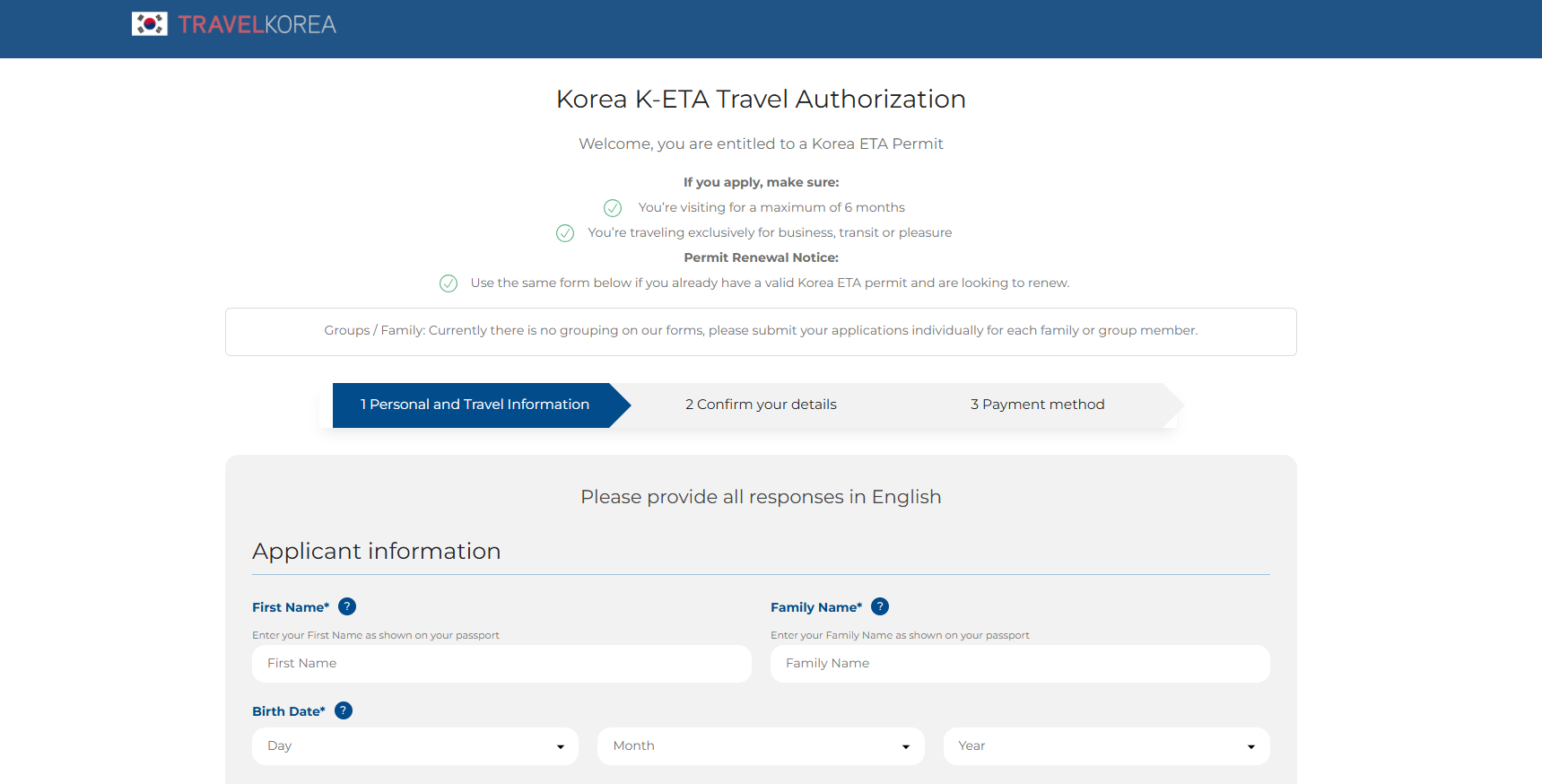
Source: Travel Korea Official Website
Determine Your Visa Type and Consular Jurisdiction
- Decide which visa suits your purpose: tourist visa, business visa, student visa, etc.
- Confirm which Korean consulate or embassy in Singapore you should apply through.
Prepare Application Documents
- Basic Documents: Original and copy of your passport (valid for more than 6 months), original and copy of your Singapore NRIC or other identity documents, and recent color passport-sized photos with white background.
- Financial Proof: Bank deposit certificates, bank statements, credit card statements to prove sufficient funds for your trip, study, or business.
- Employment or Student Certificate:
- For employees: provide an employment certificate stating duration, position, monthly or annual salary, department, with company official stamp.
- For students: provide student ID or school certificate.
- Other Relevant Documents: Depending on visa type. For example, business visa applicants need an invitation letter from the Korean company, business registration certificates, tax payment certificates, etc. Student visas require admission letters, academic transcripts, etc.
Fill in the Visa Application Form
- Download the official visa application form from the Korean Embassy’s website (https://www.visa.go.kr/).
- Complete the form on your computer, print it, and ensure all information is accurate and complete.
Submit the Application
- Submit your documents in person at the Korean Embassy or Consulate during working hours, or via an authorized visa agency.
- Pay the visa application fee during submission.
Wait for Processing
- The embassy or consulate will review your application, usually taking 3 to 10 working days depending on the visa type and application volume.
- They may request additional documents if needed.
Check Your Visa Application Status
- Track your application status by logging into the official visa website https://www.visa.go.kr/ or by contacting the embassy’s hotline.
Collect Your Visa
- Once approved, collect your visa in person from the embassy or consulate, or receive it by mail if that service is available.
How Much Does a South Korean Visa Cost?
The visa fees for South Korea vary depending on the type of visa you apply for. Below are the typical fees applicable for applicants in Singapore:
- Single-entry Tourist Visa: Approximately SGD 53-SGD 80
- Multiple-entry Tourist Visa: Around SGD 100, depending on validity (1-year, 5-year, or 10-year)
- Business Visa: Usually between SGD 30 to SGD 80, depending on the visa type and duration
- Student Visa: Typically around SGD 30 to SGD 50
- Work Visa: Fees vary based on visa category but generally range from SGD 50 to SGD 100
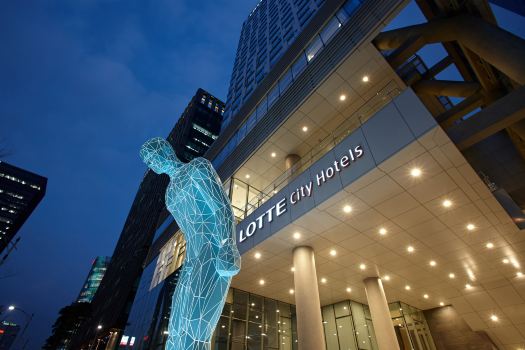
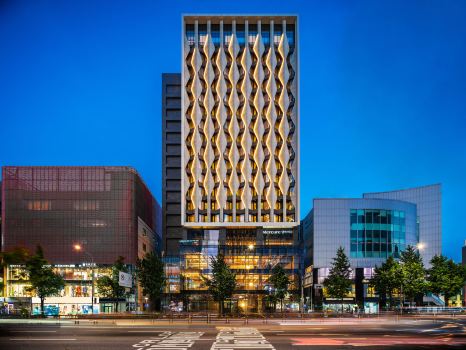
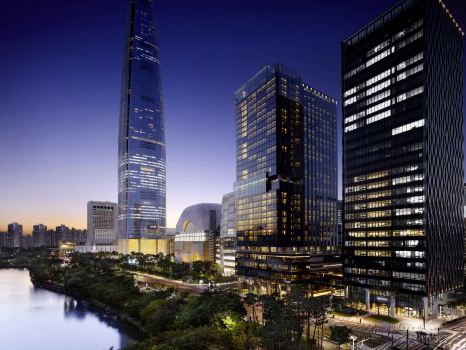
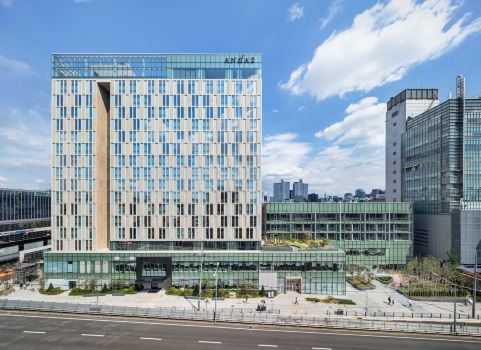
Hotels in Seoul
See All Hotels

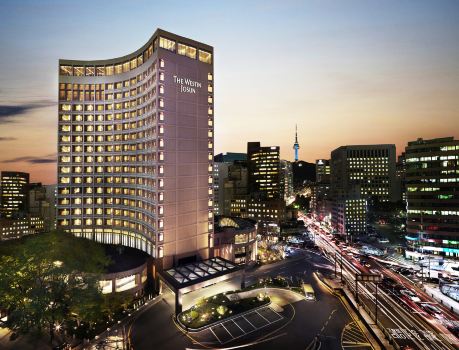


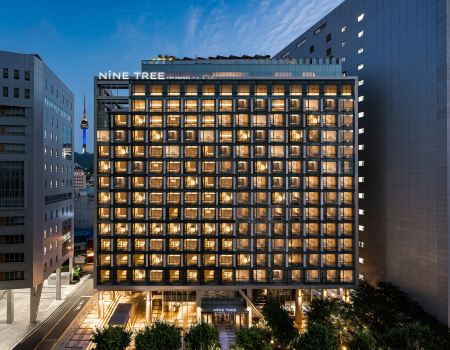
How Long Does It Take to Apply for a South Korean Visa?

Tourist Visa
- Single-entry Tourist Visa (C-3-9): Usually takes about 6 working days to process. If applying through a reputable travel agency for group travel, the visa may be issued within 5 working days.
- Multiple-entry Tourist Visa:
- 1-year multiple-entry: Typically processed in 7 to 10 working days.
- 5-year multiple-entry: Usually takes around 7 to 10 working days, though processing time may vary depending on the applicant’s personal information.
- 10-year multiple-entry: Generally requires 10 to 15 working days, with embassies and consulates conducting more thorough background checks.
Business Visa
- General Business Visa (C-2): Takes about 6 to 8 working days to process.
- Multiple-entry Business Visa: Usually processed within 7 to 10 working days.
Student Visa
- C-3 (Short-term language course): Typically processed in 7 working days.
- D-4 (Long-term language course): Usually takes around 7 working days; however, applicants need to first obtain a “Visa Issuance Permit” from the Korean Ministry of Justice before applying at the embassy or consulate. It’s recommended to apply at least 3 to 4 days in advance.
- D-2 (Long-term academic courses): Generally processed within 7 working days, but applicants should apply 2 to 3 months early to allow time for additional documents or any unforeseen issues.
Work Visa
- E-7 (Specific Activity Visa, e.g., Employment): Usually takes about 7 to 10 working days, though processing may be longer if there are many applicants or if the submitted information is incomplete or requires further verification.
Additional Notes:
- Incomplete or insufficient documents may delay the processing time, as resubmission and additional checks will be required.
- Processing times can also be extended during peak visa application periods.
Top Things To do In Seoul
See all attractions


![[Daehan Hanbok] Hanbok Rental at Seoul Gyeongbokgung Palace](https://ak-d.tripcdn.com/images//0580r12000qlh1tt6C5B4_C_568_320.jpg)



![South KoreaSeoulGyeongbokgung PalaceTravel photography [Hansungan Hanbok Photo]](https://ak-d.tripcdn.com/images/0351v12000rx1dalh96B8_C_568_320.jpg)
Final Thoughts
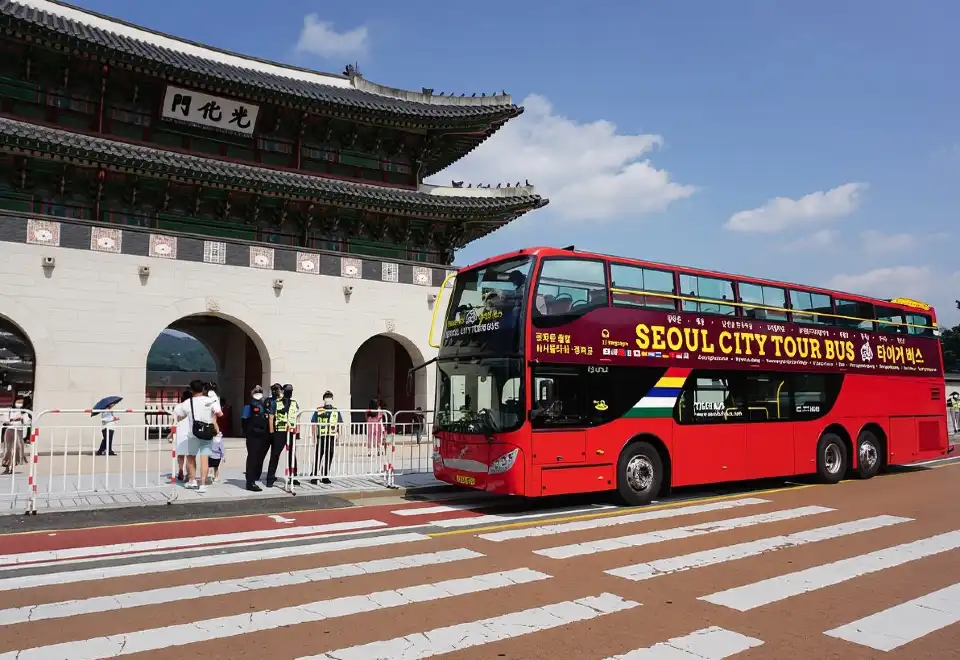
South Korea is an exciting destination offering a mix of modern cities, rich cultural heritage, scenic landscapes, and world-famous cuisine.
For Singaporeans, travelling to South Korea is relatively straightforward thanks to visa-free entry for short-term visits.
However, travellers should always check the latest immigration and entry requirements before departure to ensure a smooth journey.
Whether you're planning a shopping trip to Seoul, a beach holiday in Busan, or a nature escape in Jeju, understanding the visa requirements is the first step towards a hassle-free South Korea adventure.
FAQs About South Korea Visa
-
Do Singaporeans need a visa to visit South Korea?
-
Can I extend my South Korea visa while in South Korea?
-
What happens if I overstay in South Korea?
-
Can I enter multiple times with a South Korea visa-free policy?
-
How long does it take to get a South Korea visa?
Disclaimer: This article has been provided by an individual contributor or third party platform. If there is any discrepancy regarding the copyright, please contact us directly and we will delete the content immediately.
Trending Researches
-
Popular Content
-
Top Flight Links
-
Popular Hotels
-
Popular Things to Do
-
Featured guides
-
Trip.com links
- Trip.com Customer Service
- Buy Now Pay Later
- Singapore Airlines Baggage Allowance
- Trip.com VIP Lounge
- Trip.com Contact
- scoot-baggage-allowance
- How to Use Trip com Promo Codes
- Trip.com Cancellation Policy
- Best Credit Cards
- luggage size cabin
- Best Day to Book Flights
- Air China Baggage Allowance
- How to Book a Student Flight Ticket
- Flight Classes Explained
- Singapore Custom Restrictions
- SQ830 Flight Status
- JT924 Flight Status
- MU7705 Flight Status
- SQ869 Flight Status
- ZG053 Flight Status
- CA1651 Flight Status
- VN654 Flight Status
- Cheap tickets from Singapore to Kuala Lumpur
- Cheap flights from Singapore to Fukuoka
- Plane tickets from Singapore to Bangkok
- Plane tickets from Singapore to Shanghai
- Plane tickets from Singapore to Hanoi
- Cheap tickets from Singapore to Seoul
- Cheap tickets from Singapore to Manila
- Cheap tickets from Hong Kong to Da Nang
- Hotels near Johor Bahru Senai International Airport
- Hotels near Hongcun Aju Theater
- Hotels near Zixiao Palace
- Hotels near Hefeinan Railway Station
- Hotels near Paris Charles de Gaulle Airport
- Kuala Lumpur Hotels
- Chengdu Hotels
- Guangzhou Hotels
- Kunming Hotels
- Hong Kong Hotels
- Hotel Les Matins de Paris
- Mercure Guangzhou Beijing Road Pedestrian Street Hotel
- Crystal Hotel Guangzhou BeijingRoad PedestrianStreet
- Manshan Yise Lake View Hotel
- The Knot Sapporo
- Singapore 4G eSIM | Supports Google Maps / ChatGPT | Daily/Total Data Plans | 24-Hour Billing | 1–30 Days | QR Code
- Vietnam Airport VIP Fast Track Service
- VIP Fast Track service for immigration clearance at Tan Son Nhat Airport in HCM
- Huanglongjiuzhai Railway Station - Jiuzhaigou | Departure/Return | Rideshare/Private Charter | Bus/Nanny/5-9 Seater Business | Shuttle Bus | Vehicle Type Optional | Any Combination | T
- Thailand Dtac 5G eSIM | Local IP | Thailand phone number | 24 hr billing | QR code
- Mainland China 5G eSIM | Supports Google Maps / ChatGPT | Daily/Total Data Plans | 24-Hour Billing | 1–365 Days | QR Code
- VIP Fast Track service for immigration clearance at Da Nang Airport, Da Nang City | Vietnam
- Mainland China 5G eSIM | Dual Network • All AI & TikTok | 1–365 Days | QR Code
- Zhangjiajie SIM Card
- Cebu Airport Services
- Bohol Island SIM Card
- Frankfurt City Pass
- Nha Trang Pocket Wifi Router
- Krabi Town Diving
- Krabi Town Activities
- China Power Bank Limit
- train to kl from singapore
- Shanghai Metro
- Trip.com Customer Service
- China Entry Requirements
- Renew Autopass Singapore
- train from singapore to jb
- Thailand Plug
- universal studios singapore tickets
- China Plug
- Batam Arrival Card
- Shenzhen Metro
- What to Buy in Shenzhen
- mdac malaysia
- 泰国插头
- Big Transport from Tokyo to Fukuoka
- Frankfurt Airport to City
- Bangkok to Pattaya
- Trip.com Promo Code
- Trip.com Flight Deals
- Trip.com Credit Card Promotions
- How to Book Cheap Hotels
- How to Book Cheap Flights
- Trip.com Member Rewards
- Trip Weekly Hotel Sales
- Online Hotel Booking
- Online Flight Booking
- Trip.com Travel Guide
- Book China Train Tickets
- Trip.com Seat Selection
- Singapore Public Holidays 2027
- Trip.com 优惠码
- Trip.com Travel Guides