
Sapporo Map Guide: Top Attractions, Transport Routes & Recommended Stay

Author's Profile Picture
Sapporo Map

Planning a trip to Sapporo? Sapporo is the capital of Hokkaido, Japan's northernmost prefecture. The city has a well-planned street layout, three subway lines and an underground shopping network that makes getting around relatively straightforward, even for first-time visitors from Singapore.

This guide covers the Sapporo toutist map, best neighbourhoods to explore, public transport routes, popular attractions and where to stay for a convenient holiday.

Understanding the Sapporo Map: Where Is Sapporo in Japan?

Sapporo Map

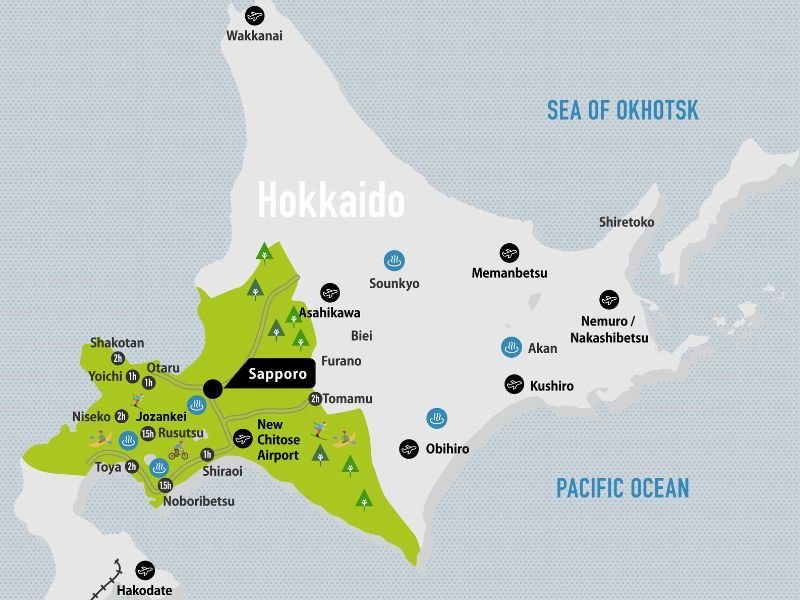
Sapporo is located in the southwestern part of Hokkaido, the northernmost of Japan's four main islands. It is the largest city in Hokkaido and serves as an important gateway for exploring the island's ski resorts, national parks, hot springs and coastal towns.

For Singaporean travellers, Sapporo is often the starting point for a Hokkaido holiday. New Chitose Airport provides access to the city, while JR trains and highway buses connect Sapporo with destinations such as Otaru and other parts of Hokkaido.

The city itself combines urban convenience with easy access to nature. You can spend the morning shopping around Sapporo Station, enjoy a bowl of miso ramen for lunch and head to a mountain viewpoint in the evening.

Sapporo vs Hokkaido: Are They the Same Area?

No. Hokkaido is a prefecture and a large island, while Sapporo is a city within Hokkaido. Sapporo is also the prefectural capital.

Think of Hokkaido as the wider region you are visiting and Sapporo as one of its main destinations.

Name

What it means

Examples of places

Hokkaido

Japan's northernmost main island and prefecture

Sapporo, Otaru, Furano, Hakodate

Sapporo

The capital city of Hokkaido

Odori Park, Susukino, Maruyama

New Chitose Airport

A major airport serving the Sapporo area

Airport trains to Sapporo Station

When looking at a Hokkaido map, Sapporo is one point within a larger region. A Sapporo city map, on the other hand, focuses on local streets, subway stations, shopping districts and attractions.

This distinction matters when planning your itinerary. Attractions within central Sapporo may be reached by walking or subway, while destinations such as Furano or Hakodate require longer journeys outside the city.

Key Districts and Neighbourhoods to Know

Sapporo Map

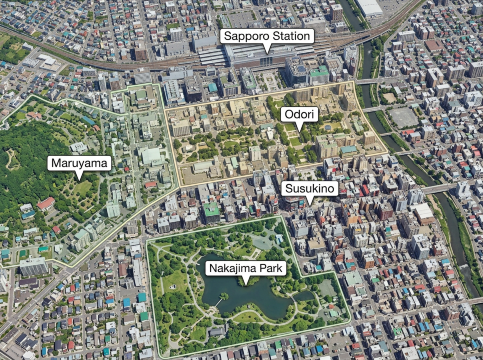
Most first-time visitors will spend much of their time around central Sapporo, where the main shopping, sightseeing and dining areas are relatively close together.

Area

What it is known for

Best for

Sapporo Station

JR trains, department stores and hotels

First-time visitors and day trips

Odori

Central park, landmarks and seasonal festivals

Sightseeing and walking

Susukino

Ramen, seafood, restaurants and nightlife

Food lovers and evening outings

Nakajima Park

Gardens, ponds and peaceful scenery

Couples, families and nature lovers

Maruyama

Hokkaido Shrine, forest walks and the zoo

Culture and outdoors activities

Odori Park and the City Centre: The Heart of the Sapporo Map

Odori Park runs east to west through central Sapporo, stretching approximately 1.5 km across 12 blocks. It is one of the easiest landmarks to identify on a Sapporo sightseeing map and a useful reference point when planning your walking route.

The park is home to seasonal flower displays, fountains and open spaces, with Sapporo TV Tower standing at its eastern end. Nearby streets lead towards the Clock Tower, Susukino and the main shopping districts.

Odori is also a major event venue throughout the year. Visitors can experience the Sapporo Snow Festival in February, the Lilac Festival in spring and the Sapporo Odori Beer Garden in summer. Autumn brings food stalls and Hokkaido produce during Sapporo Autumn Fest.

For Singaporeans visiting during winter, Odori Park is particularly worth mapping out in advance because the Snow Festival's sculptures and event areas can extend beyond the park itself.

Susukino: Sapporo's Entertainment District on the Map

Susukino lies south of Odori and is one of Sapporo's best-known entertainment districts. It is packed with restaurants, bars, izakayas, seafood eateries and ramen shops, making it a convenient place to explore after a day of sightseeing.

Food lovers should look out for Sapporo miso ramen, fresh Hokkaido seafood and local soup curry. Ramen Alley, or Ganso Sapporo Ramen Yokocho, is a popular stop for visitors who want to try different bowls of ramen in a compact setting.

Susukino is also a venue for the Sapporo Snow Festival's ice sculpture displays. During winter, the illuminated ice sculptures create a different atmosphere from the snow sculptures at Odori Park.

Getting there: Odori and Susukino are close enough for many visitors to walk between them. The Namboku subway line also connects Odori Station and Susukino Station in one stop.

Sapporo Station Area: Shopping, Hotels, and Transport Hub

Sapporo Station is the main transport hub for visitors travelling around the city and the wider Hokkaido region. The surrounding precinct has department stores, restaurants, shopping centres and hotels, making it a practical base for a short trip.

Major shopping destinations include:

  • JR Tower and Stellar Place: Shopping, dining and the JR Tower Observatory T38.
  • Daimaru Sapporo: A department store directly connected to the station.
  • Sapporo underground shopping areas: Convenient for walking between parts of the station precinct without going outdoors.

The station has east and west sides, with exits and surrounding streets leading to different buildings and attractions. Check your destination's directions before leaving the ticket gates, especially if your hotel is on the opposite side of the station.

The underground walkway known as Chi-Ka-Ho connects the Sapporo Station area with Odori, allowing visitors to move between these central areas without walking entirely outdoor.

Maruyama and Nakajima Park: Quieter Corners of the Sapporo Sightseeing Map

Maruyama is a greener district west of the city centre. Visit Hokkaido Shrine, walk through Maruyama Park or spend time at Maruyama Zoo. It is a good choice for travellers who want a break from shopping streets and busy restaurants.

Located south of Susukino, Nakajima Park offers ponds, walking paths and a Japanese garden. It is suitable for a slower morning or an afternoon stroll, especially during spring and autumn.

Maruyama is accessible by the Tozai subway line, while Nakajima Park is served by the Namboku line. These districts are farther from the main station area, but both are straightforward to reach by public transport.

🔥Exclusive Flights Deal: Save up to S$20 on Your First Booking!

Discover the world with Trip.com! Book cheap flights to destinations worldwide and enjoy S$5 off flight bookings over S$150 or S$20 off over S$450 (before tax). Start your journey today!
Sapporo Map Train & Subway Guide: Getting Around the City

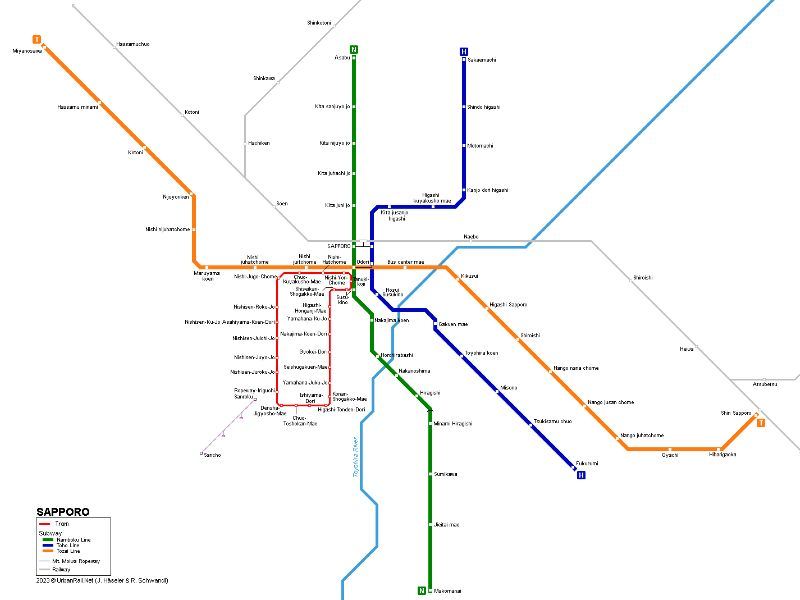
Sapporo's transport network consists of three subway lines, a streetcar system, JR rail services and local buses. For most sightseeing within the central city, the subway and walking will cover many of your needs.

The Three Subway Lines on the Sapporo Map Explained

Sapporo Train Map

Subway line

General direction

Useful stations and areas

Namboku Line (Green)

North to south

Sapporo, Odori, Susukino, Nakajima-Koen

Tozai Line (Orange)

East to west

Odori, Maruyama-Koen, Shin-Sapporo

Toho Line (Blue)

Northeast to southeast

Sapporo, Odori, Fukuzumi

Station names and line colour above follow the commonly used Sapporo subway map. Always check the latest official route map before travelling.

Namboku Line: This is especially useful for visitors staying around Sapporo Station, Odori, Susukino or Nakajima Park. It runs through several of the city's most important central areas.

Tozai Line: Take this line for Maruyama-Koen Station, which is convenient for Maruyama Park and Hokkaido Shrine. It also connects central Sapporo with Shin-Sapporo in the southeast.

Toho Line: This line serves Sapporo and Odori before continuing towards Fukuzumi. Fukuzumi is useful for travellers visiting Sapporo Dome, although you will need to walk or use other local transport to reach the venue.

The three lines intersect at Odori Station, making it a useful transfer point. Sapporo Station is also a major interchange area for the subway and JR services.

Sapporo Streetcar Map: The Scenic Tram Loop for Tourists

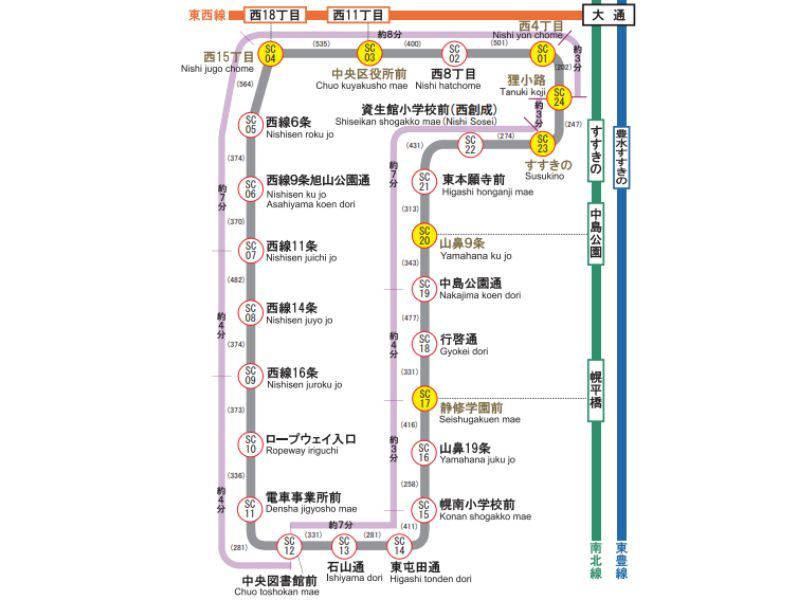
Sapporo Streetcar Map

Sapporo's streetcar , known in Japanese as romen densha, runs along a loop in the southern part of central Sapporo. It offers a slower way to see the city and is particularly useful for areas that are not directly beside a subway station.

The tram is useful for exploring parts of the Susukino area, the streets around Tanukikoji and routes towards the Mt Moiwa Ropeway area. Nakajima Park is also accessible from nearby tram stops, depending on which entrance you plan to visit.

Unlike the subway, the streetcar travels above ground, so you can see more of the surrounding streets during your journey. However, it may take longer than the subway for some routes.

From New Chitose Airport to Sapporo: Mapping Your Arrival Route

For most Singaporean visitors arriving at New Chitose Airport, the JR train is one of the easiest ways to reach central Sapporo.

1. New Chitose Airport Station - Follow the signs to the JR station connected to the airport terminal.

2. Board the JR Rapid Airport train - The Rapid Airport service takes approximately 37 minutes to Sapporo Station. Some faster services take around 33 minutes.

3. Arrive at JR Sapporo Station

Continue by subway, walk to your hotel or explore the station's shopping areas.

JR Hokkaido lists the Rapid Airport journey at approximately 37 minutes, with some Special Rapid services taking around 33 minutes. The airport train station is directly connected to the terminal, and IC cards such as Suica and Kitaca can be used on eligible services.

An airport bus is another option, particularly if you are staying near a hotel with a convenient bus stop. The journey to central Sapporo generally takes around 70 minutes, depending on traffic and the destination.

For your first trip, check your hotel's location on the Sapporo map before deciding between the train and bus. A hotel near Sapporo Station may be easier to reach by JR, while a bus may be more convenient for certain hotel areas.

Sapporo Sightseeing Map: Top Attractions You Should Not Miss

Sapporo has a mix of historical landmarks, green spaces, observation points and food destinations. The easiest way to explore is to group attractions by location instead of travelling across the city several times in one day.

Historic and Cultural Landmarks on the Sapporo Map

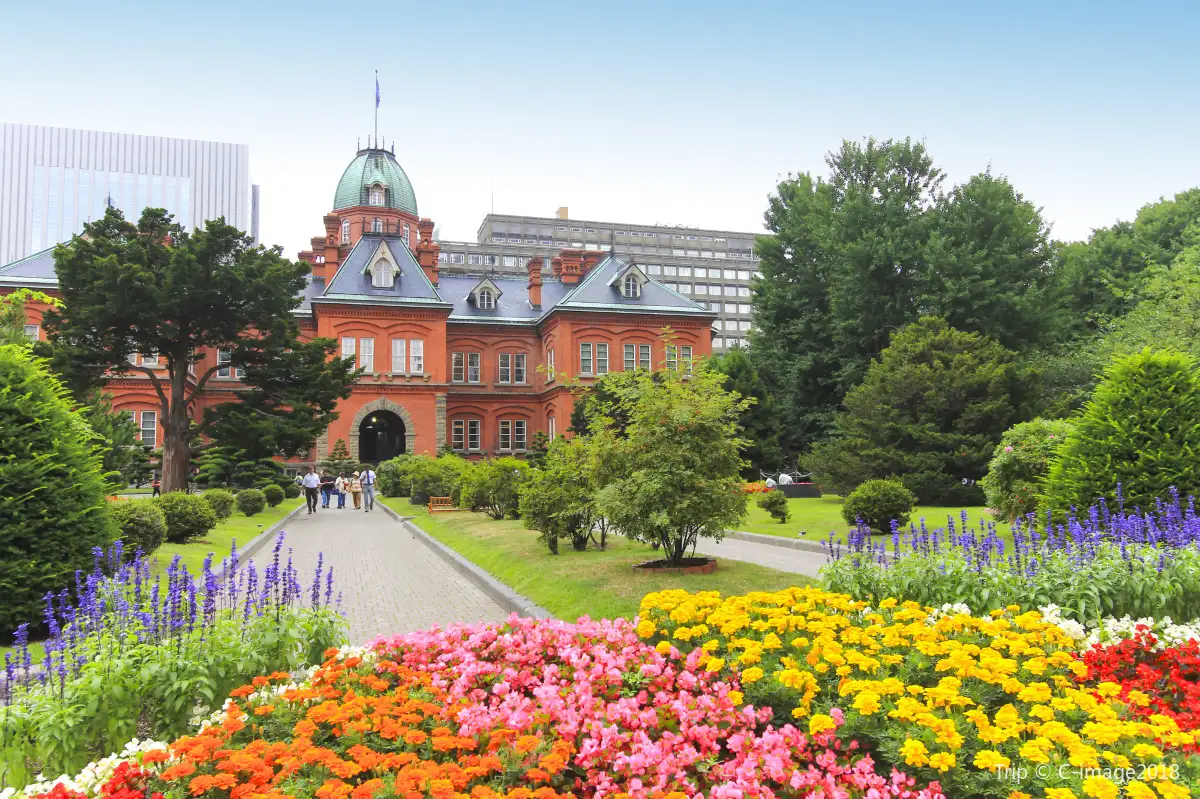
Former Hokkaido Government Office Building Red Brick Building

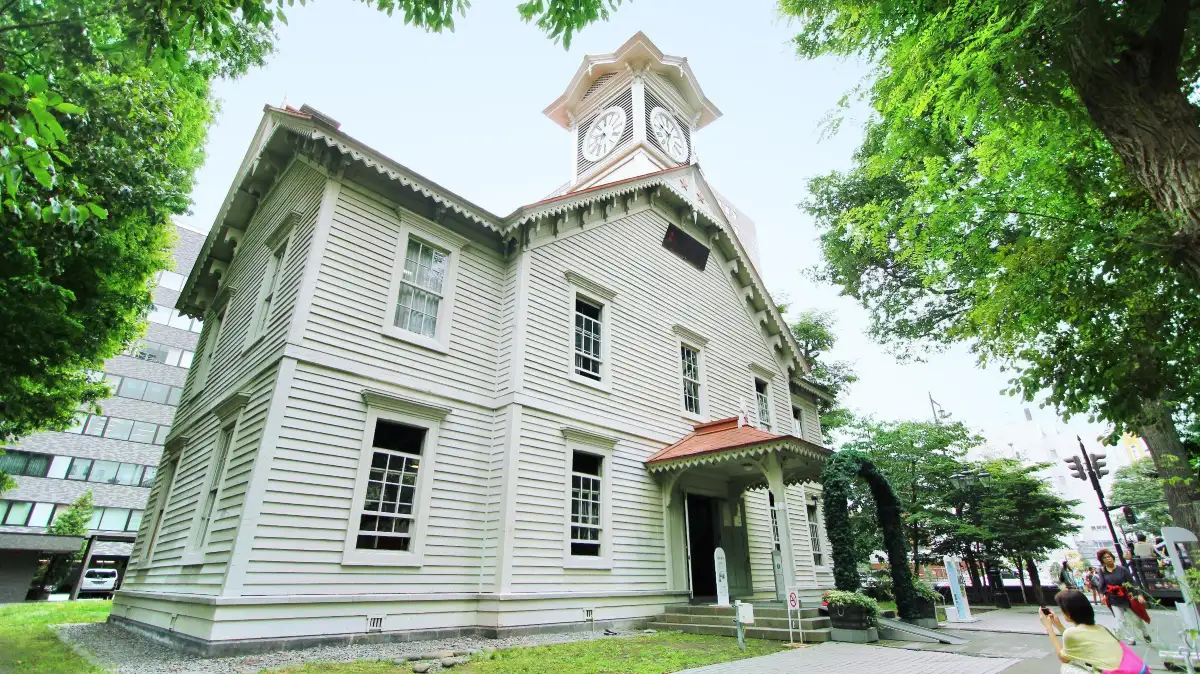
Sapporo Clock Tower

A historic wooden building and one of the city's best-known symbols. It is a short walk from Odori Station and around 10 minutes on foot from JR Sapporo Station. Visitors can explore its exhibitions to learn about the city's early development.

Former Hokkaido Government Building (Red Brick Office)

This historic red-brick landmark sits west of JR Sapporo Station and north of Odori Park. It is a good stop for architecture and history lovers, with a garden that changes with the seasons. Check current visitor arrangements before going, as facilities may change.

Hokkaido Shrine

Located in the Maruyama area, Hokkaido Shrine is a peaceful place to experience traditional Japanese shrine architecture and forest scenery. Pair your visit with Maruyama Park for a half-day outing away from the busiest parts of the city.

These three attractions are in different parts of the central Sapporo map, but the Clock Tower and Red Brick Office can easily be combined into the same walking route. Visit Hokkaido Shrine separately from Maruyama Park.

Nature and Outdoor Spots

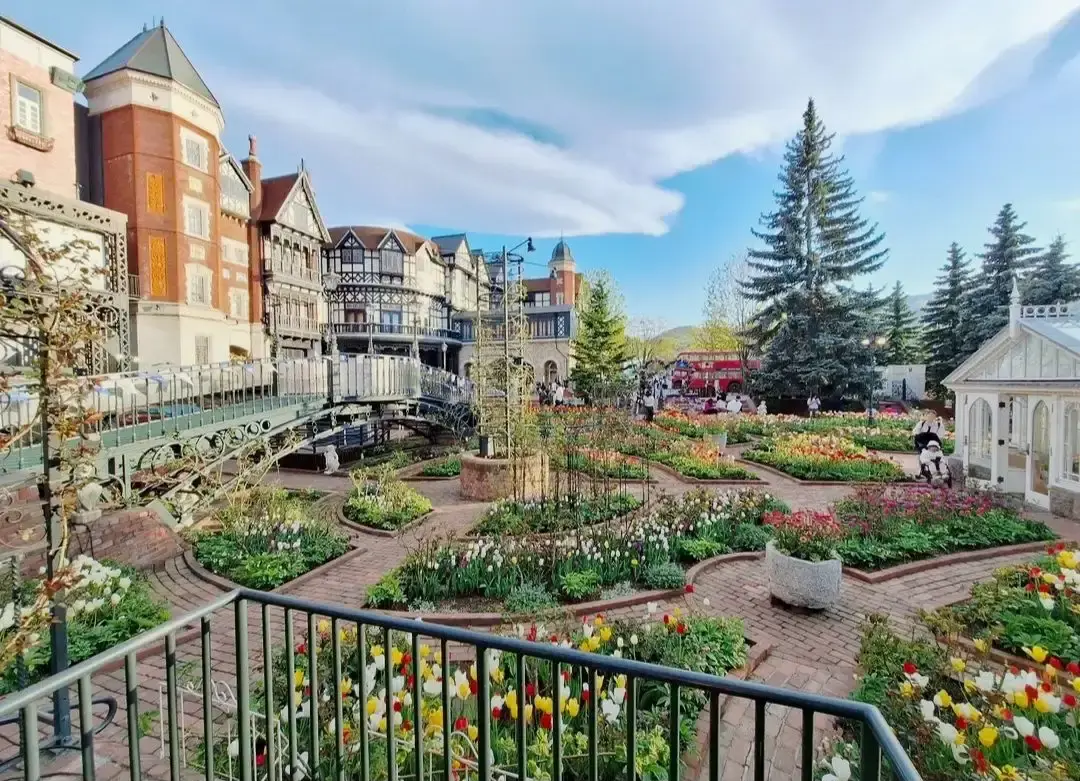
Shiroi Koibito Park

Mt Moiwa

Take the ropeway and mini cable car towards the summit for panoramic views over Sapporo. The mountain is particularly popular in the evening, when the city lights come on. Allow time for the transfer to the ropeway station and check operating conditions before travelling.

Hokkaido University

Just north of central Sapporo, the university campus has leafy paths, historic buildings and seasonal scenery. Its ginkgo avenue is especially popular during autumn. Check campus access guidance and be respectful of university activities when visiting.

Shiroi Koibito Park

A chocolate-themed attraction associated with Hokkaido's famous Shiroi Koibito biscuits. It offers a different experience from the city centre, with themed displays, sweet treats and activities that can appeal to families and couples. Miyanosawa Station on the Tozai subway line is the nearest subway station.

If you have extra time, consider Sapporo Beer Museum, Nijo Market or Sapporo Central Wholesale Market's Outer Market for food-focused stops. These places add more variety to a Sapporo sightseeing map beyond the usual central landmarks.

Seasonal Highlights That Change the Sapporo Map Experience

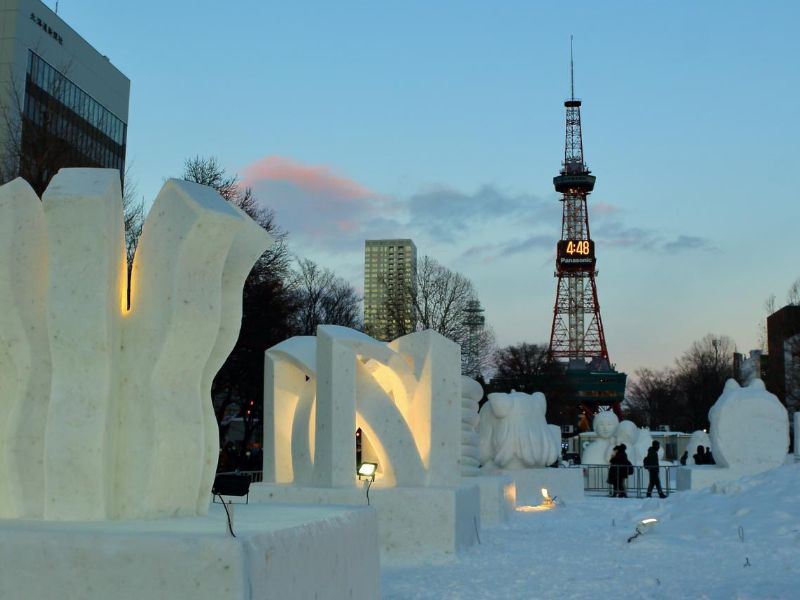
Sapporo Ice Festival

Sapporo looks different throughout the year, so the best places to prioritise depend on your travel dates.

  1. Winter (Sapporo Snow Festival) : Usually held in early February, the festival features snow sculptures at Odori Park, ice sculptures in Susukino and activities at the Tsudome venue. Plan for more walking and allow extra time for snowy or icy paths.
  2. Spring (Sapporo Lilac Festival) : Held around May, this festival brings lilac blooms, food and seasonal activities to Odori Park and other venues. It is a lovely time to explore the city on foot as the weather becomes milder.
  3. Summer (Sapporo Odori Beer Garden) : The park becomes a major gathering place during the summer festival period, with large beer garden areas and food options. It is a good reason to stay within walking distance of Odori and Susukino.
  4. Autumn (Foliage and seasonal food) : Visit Nakajima Park, Hokkaido University and Maruyama for autumn colours. Sapporo Autumn Fest is another attraction for food lovers, with regional dishes and Hokkaido produce featured in the city centre.

Best Areas to Stay in Sapporo: Using the Map to Choose Your Base

Choosing a hotel near the right subway station can save time and make your Sapporo holiday more comfortable. For first-time visitors, the three most practical areas are Sapporo Station, Odori and Susukino.

Area

Main advantage

Best for

Sapporo Station

JR connections, airport access and shopping

First-time visitors, families and day trips

Odori and city centre

Central sightseeing and access to three subway lines

Walkers and first-time visitors

Susukino

Restaurants, ramen and nightlife

Food lovers, couples and evening outings

Sapporo Station Area Hotels: Best for Convenience and Connectivity

Staying near Sapporo Station is a practical choice if you are arriving from New Chitose Airport, travelling with luggage or planning to explore other parts of Hokkaido.

You will have convenient access to JR services, shopping malls, restaurants and the subway. This area is also useful for travellers taking early trains or returning to Sapporo after a day trip.

The main trade-off is that some attractions and nightlife spots require a walk or subway ride. If you prefer a quieter evening after sightseeing, however, this area can be a comfortable base.

From € 60
From € 62

Odori and Susukino Hotels: Best for Sightseeing and Dining

Odori is a strong choice for travellers who want to explore central Sapporo on foot. The park, Clock Tower, shopping streets and underground walkways are all within reach, while the three subway lines meet at Odori Station.

Susukino is better suited to travellers who want restaurants, ramen shops and nightlife close to their hotel. It is also a useful base during the Snow Festival, when the entertainment district hosts its own ice sculpture displays.

If you are visiting during winter, consider a hotel with convenient access to the underground network. This can make the journey between your hotel, shopping areas and subway stations more comfortable in snowy weather.

🔥Exclusive Hotels Deal: Up to 10% OFF for New Users

Discover the world with Trip.com! Book the perfect hotel anywhere in the world and get an unbeatable 10% discount if you're a first-time user! Download our app now and start planning your next trip with ease.

Just click this link and download the Trip.com App, after successfully registering as a member, use it when you place an order!

How Many Days Do You Need for Sapporo? A Map-Based Itinerary

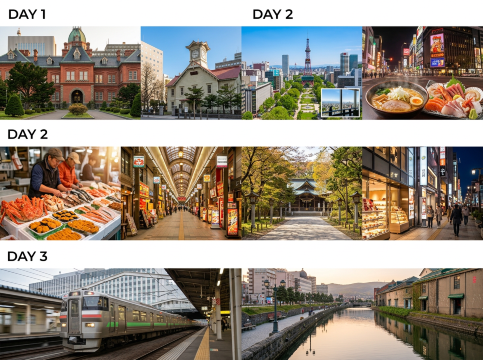
Sapporo 3-Day Itinerary

For a first visit, 2 to 3 days is a good starting point for exploring Sapporo city. Two days gives you time for the central highlights, while three days allows you to add attractions outside the city centre or enjoy a more relaxed pace.

If you plan to explore other parts of Hokkaido, such as Furano, Biei or Hakodate, you will need additional days for those longer journeys.

The tables below include estimated costs in Japanese yen (JPY) and Singapore dollars (SGD) to help Singaporean travellers plan their budgets. Costs are approximate per person and can vary by season, restaurant and transport choice.

2-Day Sapporo Itinerary: Central Map Highlights

Day

Time

Activities and places to visit

Estimated cost per person

Day 1

Morning

Visit the Former Hokkaido Government Building and Sapporo Clock Tower

Free to ¥350 (S$0 to S$3.10)

Day 1

Afternoon

Walk around Odori Park and visit Sapporo TV Tower's observation deck

¥1,200 (S$10.50) for the tower

Day 1

Evening

Explore Susukino and enjoy Sapporo miso ramen or seafood

¥1,500–3,500 (S$13–31)

Day 2

Morning

Have a seafood breakfast at Nijo Market and explore Tanukikoji Shopping Arcade

¥1,500–3,500 (S$13–31), excluding shopping

Day 2

Afternoon

Visit Nakajima Park or Maruyama Park and Hokkaido Shrine

Free, excluding transport

Day 2

Evening

Enjoy dinner, dessert or shopping around central Sapporo

¥1,500–3,000 (S$13–26)

Estimated transport: allow around ¥500–1,000 (S$4.40–8.70) per day for local journeys, depending on your route. Sapporo TV Tower's standard adult admission is ¥1,200.

3-Day Sapporo Itinerary: Expanding Your Map to Outer Districts

Day

Time

Activities and places to visit

Estimated cost per person

Day 1

Morning

Visit the Former Hokkaido Government Building and Sapporo Clock Tower

Free to ¥350 (S$0 to S$3.10)

Day 1

Afternoon

Explore Odori Park and Sapporo TV Tower

Free to ¥1,200 (S$0 to S$10.50)

Day 1

Evening

Have dinner and explore Susukino's ramen and seafood restaurants

¥1,500–3,500 (S$13–31)

Day 2

Morning

Walk along Hokkaido University's campus and ginkgo avenue

Free

Day 2

Afternoon

Visit Shiroi Koibito Park and explore its chocolate-themed attractions

¥1,200 (S$10.50) for the paid area

Day 2

Evening

Return to central Sapporo for dinner

¥1,500–3,000 (S$13–26)

Day 3

Morning

Explore Maruyama Park and Hokkaido Shrine

Free, excluding transport

Day 3

Afternoon

Travel towards Mt Moiwa and take the ropeway and mini cable car

¥2,100 (S$18.30) round trip

Day 3

Evening

Enjoy the night view from Mt Moiwa, then return to the city centre

Allow ¥500–1,000 (S$4.40–8.70) for local transport, depending on route

Alternative for Day 3: If you would rather explore another Hokkaido town, take a JR train to Otaru. The journey from Sapporo can take around 30 to 45 minutes depending on the service, making it a popular day trip. Check the timetable before planning your return.

Sapporo Map Tips: Practical Advice for Singapore Travellers

Sapporo Clock Tower

Sapporo is relatively easy to navigate once you understand how its central districts fit together. For most Singaporean visitors, the best approach is to stay near Sapporo Station, Odori or Susukino, then use subway and walking routes to explore the city.

Keep these in mind:

  1. Group nearby attractions together. Visit the Clock Tower, Red Brick Office and Odori Park on the same day to reduce unnecessary travel.
  2. Choose transport based on your hotel location. JR trains are convenient for airport transfers and regional trips, while the subway is useful for central sightseeing.
  3. Plan for the season. In winter, check festival locations, transport schedules and underground walking routes before leaving your hotel.
  4. Getting an IC card can make taking trains and buses easier because you do not need to purchase a separate paper ticket for every eligible journey.
  5. Download an offline map of Sapporo if you expect to travel through areas with unreliable mobile coverage. Offline maps can help with basic navigation, although live transit information and some search features may not be available.

With a Sapporo map, an IC card and a little planning, you can enjoy the city's food, shopping, history and seasonal scenery without spending too much time figuring our where to go next.

FAQs: Sapporo Map

Disclaimer: This article has been provided by an individual contributor or third party platform. If there is any discrepancy regarding the copyright, please contact us directly and we will delete the content immediately.
Daisy

Daisy

Travel Lover

View profile

I’m a travel lover who can never say no to good food, stunning beaches, and the beauty of nature. Sharing my adventures and travel tips, I hope to inspire you to explore, taste, and unwind wherever you go.

341 articles
Travel Enthusiast Foodie Nature Lover
> >
Sapporo Map