Essential Malaysia Travel Tips: Your Complete Guide


Hello there, fellow traveler! If you're planning a visit to Malaysia, you're in for a surprise! This city has something for everyone. Whether it's the delicious food, the busy shopping streets, or the beautiful mix of modern and traditional buildings. Now, Malaysia is a place where things may feel a little different than you are used to. There are a few rules you should be aware of. Such as the proper manner to greet people, when to tip, and how to navigate the city. Don't worry, it's all part of the experience! In this travel guide, I'll walk you through everything you need to know before arriving in Malaysia. From how to use apps to navigate to how to stay connected and what to expect with payment methods. It's all the little tips that make a big difference once you're on the ground.
Language & Communication Tips in Malaysia 🗣️🌍
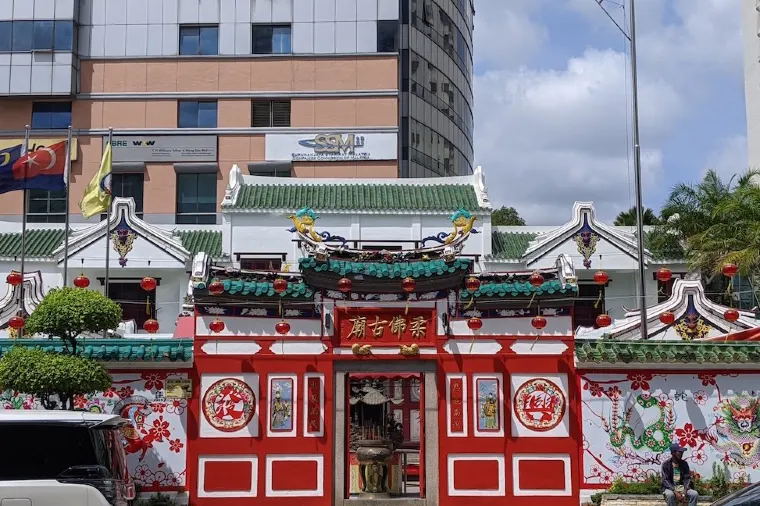
If you're traveling to Malaysia, you're in for a cultural experience. While Malaysia has a variety of languages and dialects, Malay (Bahasa Malaysia) and Chinese is the most widely spoken language in Malaysia, followed by English. Many locals are fluent in English, particularly in the city center, malls, and tourism areas. However, when you travel more into rural areas, your chance of meeting English-speaking people decreases, so knowing a few Malay words is always useful.
Don't worry about not speaking the language well! There are many digital tools available to help you. Google Translate and Papago are really useful apps. Google Translate works offline, making it perfect for situations when you don't have data or Wi-Fi. Make sure you get the language pack before your travel. While you're at it, keep Baidu Translate handy if you know some Mandarin, several places also have Mandarin signs. Malaysians are known for their friendly and polite communication style. People tend to talk gently, especially to strangers, and directness is not usually the case. It's best to be respectful and avoid being overly direct. And if you're trying to make a good impression, a smile goes a long way!
Here’s a handy table with some common phrases to get you started:
| English Phrase | Malay Phrase | Romanization | When to Use |
|---|---|---|---|
Hello | Hello | Hello | When greeting someone |
Thank you | Terima kasih | Te-ree-mah kah-seeh | After receiving help or service |
Where is the toilet? | Di mana tandas? | Dee mah-nah tahn-dahs | Asking for restrooms 🛁 |
I don’t understand | Saya tidak faham | Sa-yah tee-dah fah-ham | If someone speaks too quickly 🗣️ |
How much is this? | Berapa harga ini? | Beh-rah-pah har-gah ee-nee | While shopping 🛍️ |
Please | Sila | See-lah | Asking for something politely |
Final Tip: Before you go, snap a photo of your hotel address in Malay, or better yet, have a bilingual business card handy just in case you need help with directions! It’s a simple trick that makes all the difference when you’re exploring new places.
Payment Methods & Popular Apps in Malaysia 💳📱💸
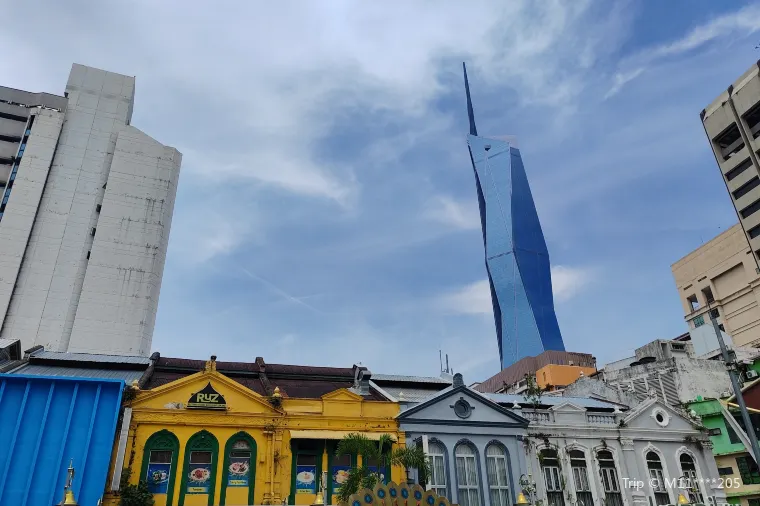
If you're thinking about going on holiday to Malaysia, you should understand how regular transactions work here. Luckily, Malaysia is technologically modern, and you'll find many ways to pay for everything from a dinner to a cab ride.
Cash vs. Card vs. Mobile Payments 💵💳
Cash is still frequently accepted in Malaysia, especially in local markets, hawker stalls, and small businesses. However, credit and debit cards are widely accepted in public locations such as shopping malls, hotels, and restaurants. Card readers are available at larger businesses, however some smaller shops or marketplaces may not accept cards. Contactless mobile payments are a pleasure with choices such as Apple Pay, Google Pay, and Samsung Pay. They are accepted in many locations. However if you are visiting local markets, it is safer to carry some cash for little purchases.
Mobile Wallets & Local Apps 📱
In Malaysia, e-wallets are becoming more common, and they're pretty convenient. The most popular platforms include:
- Touch ‘n Go (used for public transport and toll payments)
- Boost (widely used for various purchases)
- GrabPay (part of the popular Grab app for ride-hailing and more)
As a foreigner, it’s a bit tricky to register for some local e-wallets, but GrabPay allows foreign users to link international cards, making it one of the easiest options for digital payments. However, if you don’t want to deal with the hassle, sticking to cash or cards is still very safe and efficient.
Bank ATMs & Currency Exchange 🏧💵
ATMs are located all around Kuala Lumpur, making it simple to withdraw cash. You will normally have international card access, so withdrawing cash should be simple, however fees may apply depending on your bank. If you want to exchange cash, money changers in Bukit Bintang or retail malls usually give better rates than airports. Use ATMs in isolated areas with caution, and always cover the keypad when entering your PIN.
Popular Everyday Apps 🗺️📱
Here are a few local apps that will make your stay in Kuala Lumpur much easier:
- Grab 🚗 – For ride-hailing and food delivery; this app is a must for getting around.
- Foodpanda 🍱 – For food deliveries; perfect if you’re feeling lazy after a long day of exploring.
- Touch 'n Go 💳 – Used for payments on public transport and toll roads.
- Google Maps 🗺️ – For navigation and directions around the city.
- WhatsApp 💬 – Most people use this for messaging, including businesses.
App Reference Table 📝
| App Type | App Name | Notes / Use Case |
|---|---|---|
E-Wallet | GrabPay | Used for payments, taxi rides, and food delivery |
Ride-Hailing | Grab | Popular for transportation around Kuala Lumpur |
Delivery | Foodpanda | Quick food delivery in urban areas 🍔 |
Messaging | Most locals use for communication 💬 |
Pro Tips 💡
- Download all your apps before you arrive to avoid any delays with SIM registration.
- Keep some small notes handy for local markets—they don’t do PayWave! 💵
- Some tourist SIM cards come bundled with discounts for these apps, so keep an eye out for that! 🏷️
Tipping & Service Etiquette in Malaysia 💵🍽️🧍
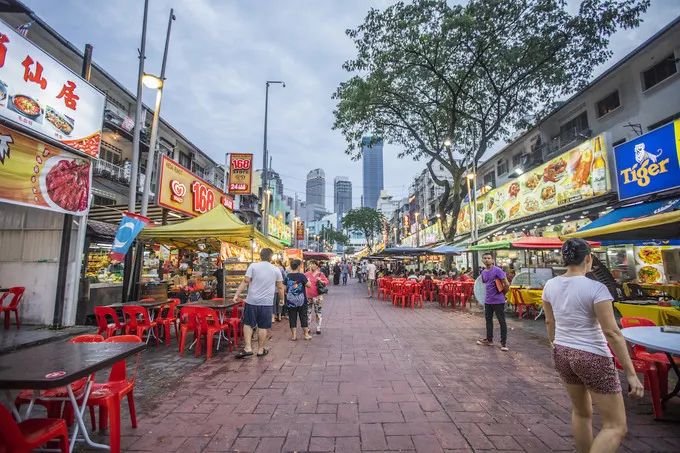
If you're heading to Malaysia, you might be wondering about the tipping culture here, especially if you’re not used to it. Don’t worry—I've got you covered! While tipping isn't mandatory in Malaysia, it’s appreciated and expected in some situations, but you don’t need to stress about it too much.
Tipping Culture Overview 🤔
In Malaysia, tipping is not compulsory, but it's certainly appreciated in certain circumstances. For example, in restaurants, a service charge is usually already added to your bill (typically around 10%), so additional tipping is optional. However, in other places like taxis or hotels, a small tip can go a long way to show your appreciation for good service.
Where and How Much to Tip 💸
Here’s a quick breakdown of tipping expectations:
- Hotels 🏨:
- Bellboys: RM5–10 for helping with your luggage.
- Housekeeping: RM5 per night is a nice gesture if you're staying for a while.
- Restaurants 🍽️:
- If a service charge (10%) is already included, no extra tip is needed, but you can round up your bill or leave RM5–10 for good service.
- If there’s no service charge, 5–10% is a nice range.
- Taxis or Grab 🚖:
- It's common to round up to the nearest RM1–5, but don’t worry about giving a large tip unless the driver has gone above and beyond.
- Salons, Spas, & Massage Parlours 💆♂️:
- A tip of around RM5–10 for a massage or treatment is appreciated.
How to Tip 💵
Tipping is generally done in cash and is handed directly to the service provider, often in an envelope for more formal settings. In restaurants, you can either leave the tip on the table or hand it to the waiter directly. Some modern places and apps (like Grab) also allow you to tip digitally, so you can add a tip through the app if you prefer.
Cultural Nuance or Caution ⚠️
Here’s a small tip (pun intended!)—don’t tip with coins. It's considered less respectful, so always use notes for tipping. Also, keep in mind that in some situations, refusing a tip could be seen as an act of politeness or humility, rather than rejecting the gesture.
Pro Tips💡
If you're ever unsure, rounding up a little bit is always appreciated. Just remember, small gestures go a long way, and no one is expecting big tips. Keep it simple and enjoy your time in Kuala Lumpur!
Flights to Kuala Lumpur

Safety & Emergency Info in Malaysia 🚨🧳👮
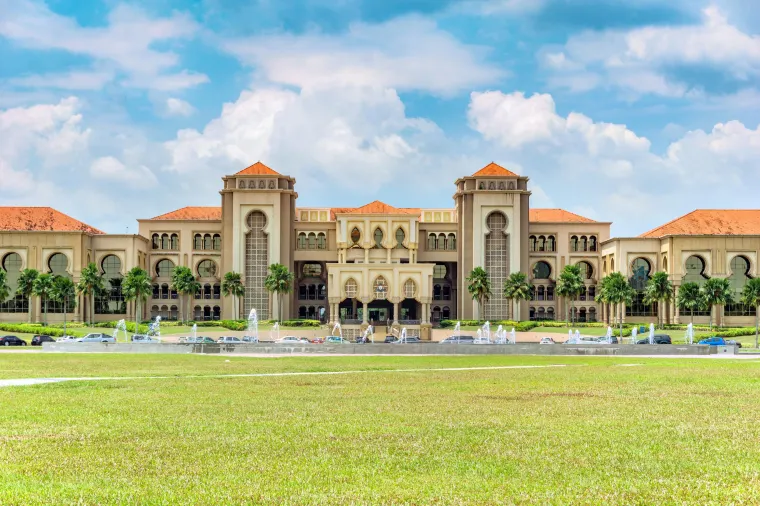
Hey there, traveler! Kuala Lumpur is generally a safe and welcoming city for visitors. Just like in Singapore, most areas in KL feel safe, even at night, as long as you follow some basic common sense. While petty theft or scams can happen in crowded spots (as they can anywhere), it's nothing to be overly concerned about. The city is well-patrolled, and locals are friendly and helpful.
Top Local Safety Tips 🛡️
Here are a few simple safety tips to ensure a smooth and safe trip:
- Be alert in crowded places 👜: Like any bustling city, busy areas like markets, malls, and public transportation hubs can be spots for pickpocketing. Stay aware of your belongings.
- Use official taxis or ride-hailing apps 🚕: For safe and reliable transport, opt for Grab (the local Uber-like app) rather than accepting rides from unmarked taxis.
- Avoid certain areas late at night 🌙: Stick to well-lit, populated areas after dark, especially if you’re unfamiliar with the neighborhood.
- Don’t flash valuables in public 💍: Keep your jewelry, expensive gadgets, and cash out of sight in public to avoid unwanted attention.
Emergency Contacts 📞
Here are the key emergency numbers in Malaysia:
| Emergency Type | Local Number | Notes |
|---|---|---|
Police 👮 | 110 | For theft or suspicious activity |
Ambulance 🚑 | 120 | Public hospitals may require upfront payment |
Fire 🚒 | 119 | Rarely needed but good to know |
Tourist Helpline ☎️ | 12301 | English-speaking line in some cities |
Medical Access & Pharmacies 💊
Finding a clinic or hospital in Malaysia is easy. Many places cater to travelers, and English is commonly spoken in healthcare settings. That said, it’s still a good idea to bring some basic medications with you—fever meds and motion sickness tablets are helpful since pharmacy advice may be in the local language.
Cultural Notes 🌏
One thing you'll notice is that locals are generally very helpful if you ask for directions, even if there's a bit of a language barrier. So don’t hesitate to ask for assistance if you need it!
Closing Reassurance 👍
Kuala Lumpur is generally a safe destination for travelers—just follow basic common sense, stay aware of your surroundings, and you’ll be just fine!
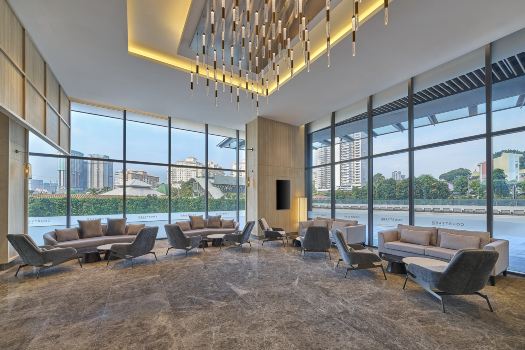
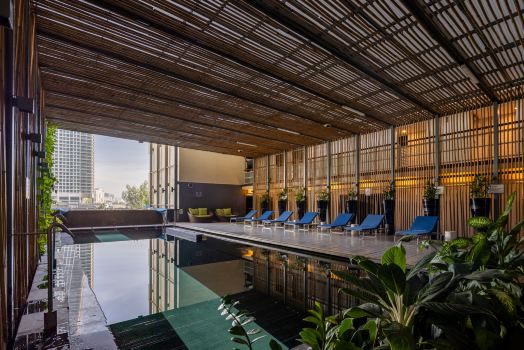
Recommended Hotels in Kuala Lumpur
 NO.1
NO.1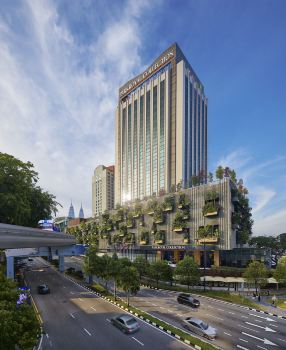

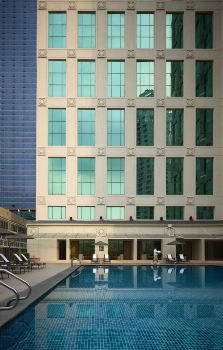
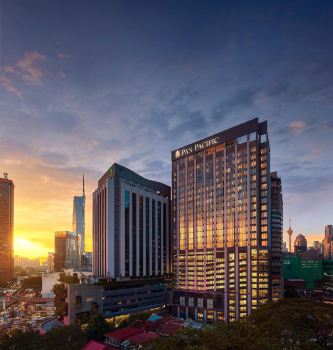
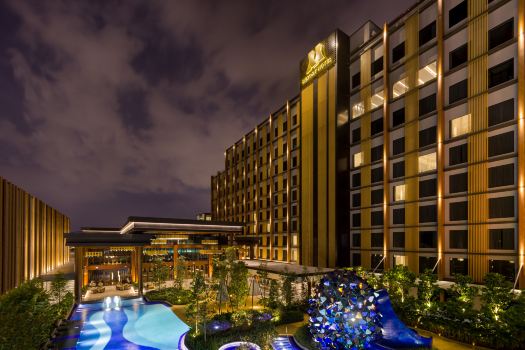
Cultural Etiquette & Local Customs in Malaysia🙏🍽️🧍♂️
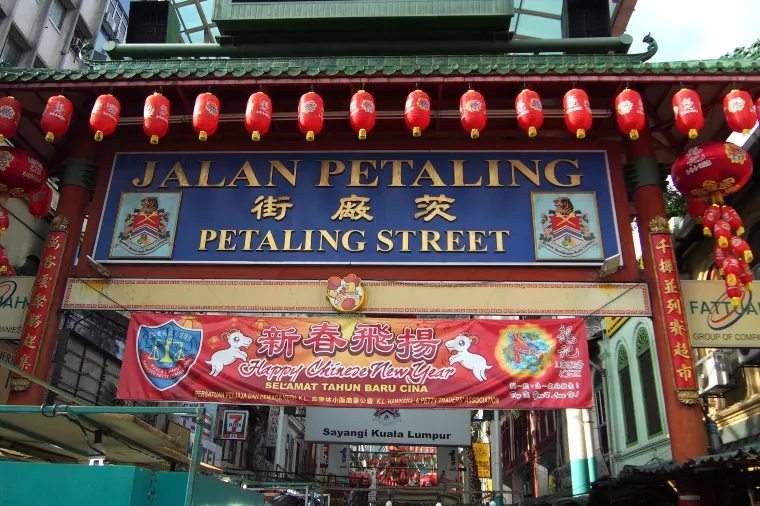
If you're heading to Kuala Lumpur, you're in for a wonderful cultural experience! The locals are friendly and welcoming, but there are a few things to keep in mind to ensure you’re respecting local customs and blending in smoothly. Here’s a quick guide to help you avoid any awkward moments and make the most of your trip!
General Cultural Vibe 🌍
In Kuala Lumpur, people are generally friendly and polite, but they tend to be a bit more reserved in public compared to some other places. You'll notice that respect and humility are highly valued, especially in more formal settings. Malaysians are very hospitable, and people appreciate when visitors make an effort to understand their customs.
Etiquette Do’s & Don’ts 🧑🤝🧑
Here are some key etiquette rules to help you navigate daily life in Kuala Lumpur:
- Take off your shoes before entering a home or some shops 👟: This is a common practice in Malaysian homes and some shops. You’ll often see a shoe rack outside the door.
- Avoid touching someone’s head 🙅♀️: The head is considered the most sacred part of the body in many Asian cultures, including Malaysia, so avoid patting or touching people’s heads, especially children.
- Don’t point with your feet 🦶: Pointing with your feet is considered disrespectful. If you need to point, use your hand instead.
- Use both hands to give and receive items 🤲: Especially when giving something to an elder or in formal settings, it’s polite to use both hands as a sign of respect.
- Avoid public displays of affection 💏: While hand-holding is fine, overt displays of affection (like kissing) are generally frowned upon in public, particularly in more conservative areas.
Dining Etiquette 🍽️
Meals in Malaysia are often shared, and you’ll usually find a variety of dishes placed in the center of the table for everyone to enjoy. Here are a few tips for dining:
- Wait for the host to start eating: As a sign of respect, it’s customary to wait for the eldest or the host to begin before you start eating.
- Slurping is okay: Don’t be shy if you’re eating noodles! Slurping is actually a sign that you’re enjoying your meal.
- Cutlery vs. Hands: In more traditional settings, especially with Malay or Indian cuisine, you might use your right hand to eat, but in restaurants, you’ll typically use cutlery. If you use your hands, make sure to use only the right hand, as the left hand is considered less clean.
Dress Code & Body Language 👚
- Modesty is key: Malaysia is a predominantly Muslim country, so it’s important to dress modestly, especially in places like temples, mosques, or more conservative areas. Cover your shoulders and knees, and if you’re visiting a mosque, you might be required to wear a headscarf or robe.
- Avoid certain gestures: For example, pointing or beckoning with your palm up can be considered rude. Instead, use your fingers to gesture towards yourself.
Interaction Norms 💬
- Greetings: A polite “Hello” or “Selamat datang” (which means “Welcome”) works well when greeting locals. Handshakes are common but typically more gentle than in Western cultures.
- Small talk: Malaysians are generally friendly and happy to chat, but they tend to keep the conversation polite and not too direct. Avoid discussing politics or religion unless you're familiar with the person, as it can be sensitive.
Cultural Curiosity Note 🌱
Remember, locals really appreciate when visitors make an effort to understand their customs—even something as simple as greeting people in Malay or learning a few words can go a long way. Just be respectful, take it all in, and enjoy the rich cultural experience Kuala Lumpur has to offer!
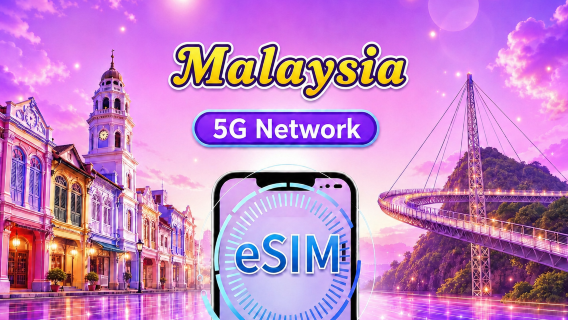
Get Malaysia eSIM Here!
Public Holidays & Travel Seasons in Malaysia 🎉✈️

If you’re planning a trip to Malaysia, it's good to know when major public holidays occur to avoid crowds, price surges, or potential closures. Here are a few key holidays to keep in mind:
Public Holiday Highlights 🎉
- Hari Raya Aidilfitri 🕌: This marks the end of Ramadan, and it’s one of Malaysia's biggest celebrations. Expect crowded transport hubs, higher hotel prices, and packed malls. However, it’s an exciting time to witness local festivities, but prepare for busy streets and limited services.
- Chinese New Year 🧧: Typically celebrated in January or February, this is another major holiday with similar travel impacts—crowded public transport and many businesses closed. The festive atmosphere, with lion dances and vibrant street parades, makes it a fun time to visit if you’re into cultural celebrations.
- Deepavali 💫: This Hindu festival of lights brings festivities, parades, and temple visits. Expect busy temples and some attraction closures during the holiday.
Travel Impact & Local Customs 🚫🛕
Holidays can lead to crowded transport hubs, price hikes for hotels, and attraction closures. However, if you enjoy experiencing local culture and vibrant festivals, these events can be worth witnessing! On the flip side, if you prefer peace and quiet, it’s best to avoid travel during these peak periods.
Seasonal Advice Summary 🌞🍂
- High season: Major holidays like Hari Raya and Chinese New Year, and the dry season (March–August) with pleasant weather.
- Shoulder season: April–early June, when you can enjoy good weather but fewer crowds.
- Low season: September–November, during the monsoon season, but you’ll find fewer tourists and lower prices.
eSIM, Wi-Fi & Connectivity in Malaysia 📱📶🌍

For a tech-savvy traveler like you, staying connected in Kuala Lumpur is a breeze, whether you choose an eSIM or a local SIM. Here's a quick breakdown of your options and everything you need to know:
eSIM vs Local SIM Overview 📱
If you’re only visiting Kuala Lumpur for a short trip, an eSIM is a convenient choice. Many local telecom providers now support eSIMs, allowing you to activate them remotely via apps or during the flight before arrival. This means no need to worry about getting a physical SIM card or swapping it out on arrival. On the other hand, local SIM cards are widely available at airport counters, convenience stores, and kiosks. You’ll get more flexible data plans with local SIMs, but an eSIM offers the advantage of instant activation without the hassle of finding a store.
Best SIM Providers in Malaysia 🌐
- Maxis: One of the top providers, offering good coverage and prepaid options with tourist packages.
- Digi: Known for its affordable data plans and solid coverage throughout the city and beyond.
- Celcom: Another popular provider with widespread coverage, ideal for both short-term and long-term travelers.
Where to Get It 🛒
- eSIM: You can activate it through the provider’s app or services like Trip.com, where you can purchase eSIM for Malaysia in advance and skip the airport hassle.
- Local SIM Cards: Available at airport counters, official kiosks, or any 7-Eleven and convenience stores throughout the city. Keep in mind that passport verification is required for SIM card purchases.
Wi-Fi & Internet Access 🏨☕🚇
- Wi-Fi is widespread in hotels, cafes, and public transport in Kuala Lumpur. Most cafes and restaurants offer free Wi-Fi, and public places like malls and airports typically provide good internet access.
- If you plan to use apps like Google or WhatsApp, you generally won’t need a VPN unless you’re traveling in regions where access is restricted.
Useful Travel Tip 💡
- Download maps or translation packs before arrival so you can navigate even without internet access.
- Keep a backup option like pocket Wi-Fi for areas outside the city where Wi-Fi might be limited.
Final Travel Advice & Helpful Links for Malaysia🧳🌏

Okay, you're all set! With these suggestions, you'll be able to explore Malaysia like a pro. Knowing how to get around, understanding tipping standards, and using the right apps are all tiny details that will make your trip go more smoothly and enjoyable. Every nook in Kuala Lumpur, and Malaysia as a whole, offers something unique. Whether you're exploring KL's lively streets, strolling through verdant parks, or satisfying in local cuisine, there's always something new to discover.
If you're looking to make your trip even easier, don’t forget to check out:
- ✈️ flights to Kuala Lumpur for great deals
- 🏨 hotels in Kuala Lumpur to find the perfect place to stay
- 📍 Things to Do in Kuala Lumpur for inspiration on what to see and do while you're there
FAQs for Malaysia Travel Tips
-
What is the best time to visit Malaysia?
-
Do I need a visa to visit Malaysia?
-
Is Malaysia safe for travelers?
-
How do I get around in Malaysia?
-
What’s the tipping culture in Malaysia?
Trending Researches
-
Featured guides
-
Trip.com links
- train to kl from singapore
- Shanghai Metro
- China Power Bank Limit
- Trip.com Customer Service
- mdac malaysia
- train from singapore to jb
- Renew Autopass Singapore
- Batam Arrival Card
- Vietnam Arrival Card
- Anywheel Singapore
- Shenzhen Metro
- Touch n Go App
- China Entry Requirements
- universal studios singapore tickets
- Thailand Plug
- Big Transport from Tokyo to Fukuoka
- Osaka Station to Kyoto Station
- Bangkok to Pattaya
- Trip.com Promo Code
- Trip.com Flight Deals
- Trip.com Credit Card Promotions
- How to Book Cheap Hotels
- How to Book Cheap Flights
- Trip.com Member Rewards
- Trip Weekly Hotel Sales
- Online Hotel Booking
- Online Flight Booking
- Trip.com Travel Guide
- Book China Train Tickets
- Trip.com Seat Selection
- Singapore Public Holidays 2027
- Trip.com 优惠码
- Trip.com Travel Guides
- Trip.com 8.8 Sale