Flight Cancelled Due to Snow: What Singapore Travellers Should Know

Author's Profile Picture

By Trip.com

September 15, 2026

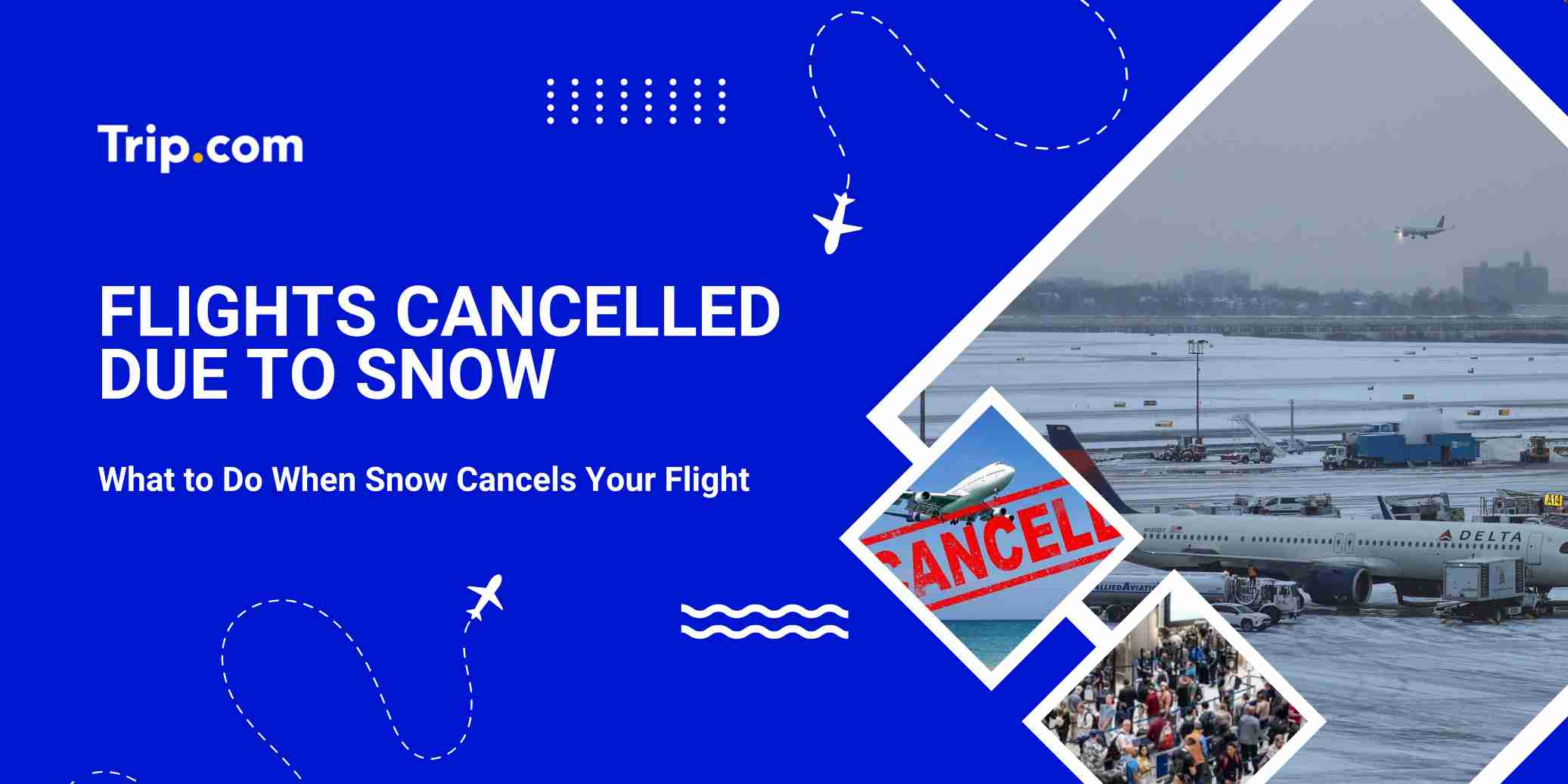
Flights Cancelled Due to Snow

A flight cancellation is stressful enough, but it can be especially confusing when the reason is snow. For Singaporean travellers heading to Japan, South Korea, Europe, the UK, Canada or the US, winter weather can affect flights in ways that are less familiar in Singapore.

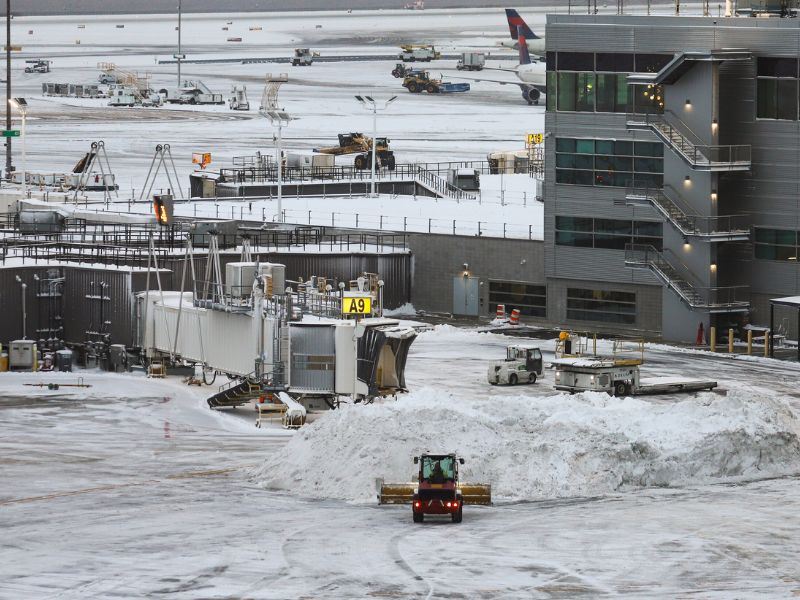
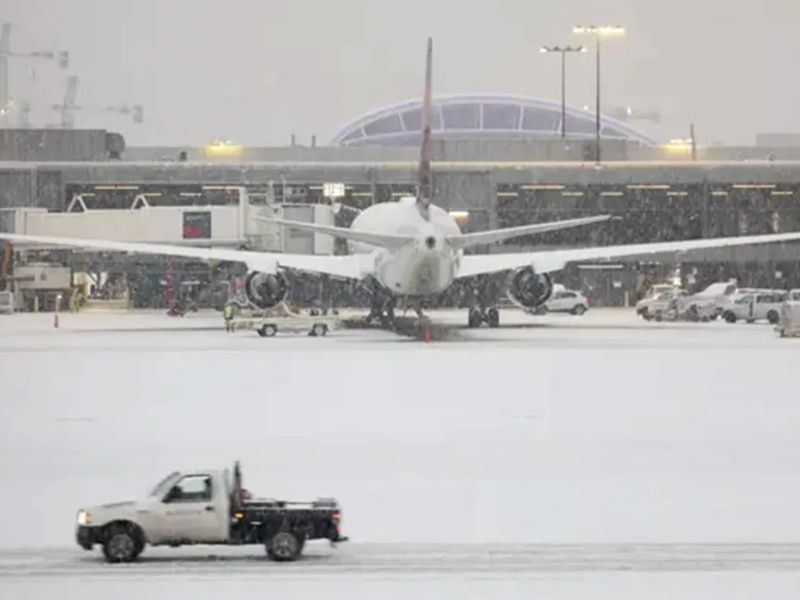
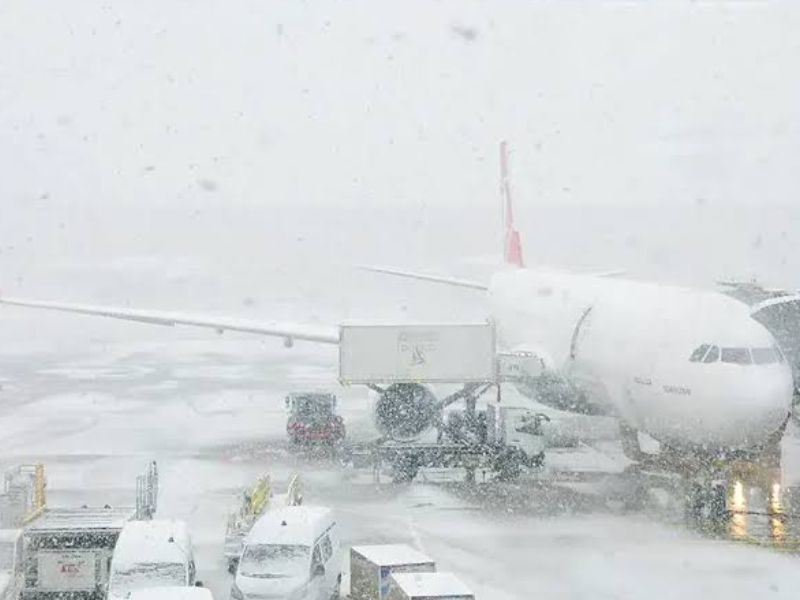
Heavy snowfall can reduce visibility, make runways and taxiways slippery, slow down aircraft movements and create long queues for de-icing. Even when an airport remains open, airlines may cancel or reduce flights to keep operations safe and manageable.

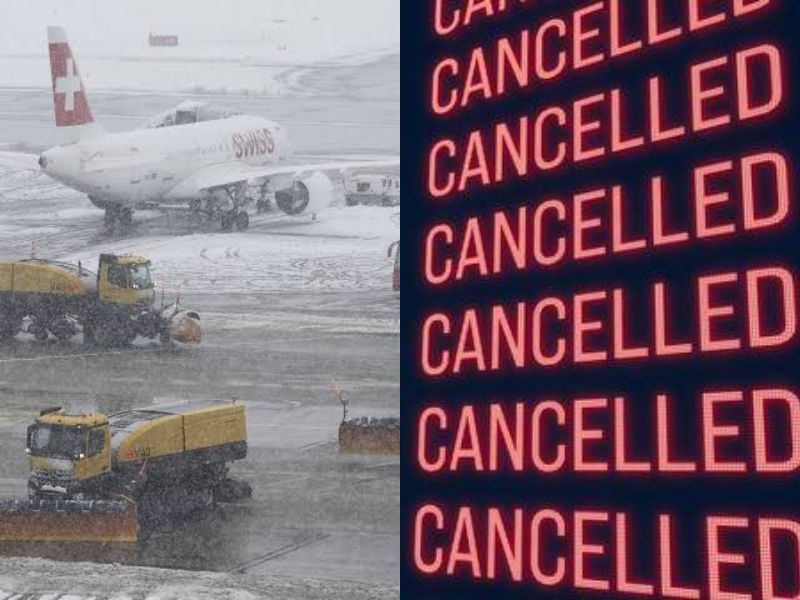
The good news is that a snow-related cancellation does not necessarily mean you are left without options. Depending on where your flight operates and which rules apply, you may be entitled to a refund, alternative flight, meals, accommodation or other assistance.

Get the Best Airfare Deals
HONG KONG
TAIPEI
BANGKOK
KUALA LUMPUR
GOLD COAST
See all flights

Understanding Why Flights Get Cancelled Due to Snow

Flights Cancelled Due to Snow

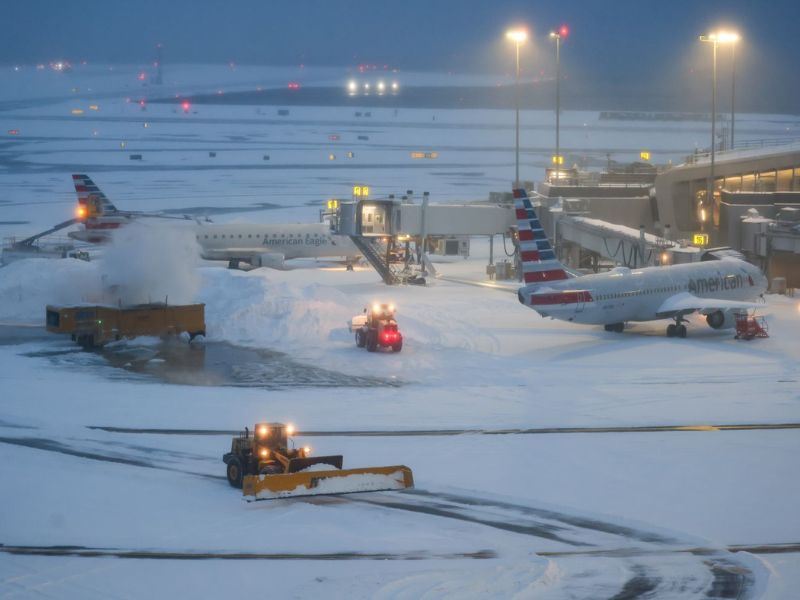
Snow does not automatically mean an airport has to close. Airports in snowy destinations are equipped with snow-clearing and de-icing systems, but severe weather can still reduce the number of flights that can safely operate.

Some of the main reasons include:

Reason

How it affects your flight

Poor visibility

Heavy snow can make it harder for pilots and air traffic controllers to maintain safe operating conditions.

Snow or ice on runways

Runways and taxiways need to be cleared and treated before aircraft can safely use them.

Aircraft de-icing

Aircraft may need to be de-iced or anti-iced before departure. During heavy snow, this can take much longer than usual.

Slower aircraft movement

Snow and ice can slow taxiing, pushback, boarding and ground handling.

Air traffic control restrictions

ATC may reduce the number of aircraft allowed to depart or arrive when weather affects airport capacity.

Knock-on disruption

A flight may be cancelled even when the weather at your airport has improved because the aircraft or crew is stuck elsewhere.

Airport capacity limits

Airlines may reduce schedules in advance when severe weather is forecast to prevent a larger operational backlog.

The UK's Met Office explains that snow, ice, fog and crosswinds can mean larger gaps are needed between aircraft, reducing the number of flights an airport can handle. Aircraft that have been sitting in freezing conditions may also need de-icing before departure.

For example, Heathrow has dedicated winter operations procedures covering snow clearance, aircraft de-icing and airfield operations.

This is why a flight can be cancelled even if the snow does not look particularly severe from inside the terminal.

Airports and Routes Commonly Affected by Snow Disruptions

Flights Cancelled Due to Snow

For Singaporean travellers, winter disruptions are most relevant when travelling through airports in regions that regularly experience snow and freezing temperatures.

These major hubs can experience weather-related delays or cancellations during significant winter events:

Airport

Common Singapore traveller routes

Winter disruption to watch for

Tokyo Narita and Haneda

Singapore to Tokyo and onward domestic connections

Snow or ice can affect aircraft de-icing, runway operations and airport capacity during major winter weather events.

London Heathrow

Singapore to London and onward European connections

Snow, low visibility and freezing conditions can reduce airport capacity and slow ground operations. Heathrow maintains dedicated winter and snow procedures.

JFK and Newark

Singapore to New York, including direct and connecting services

Snowstorms can affect airport capacity, aircraft movements, ground handling and connections across the Northeast US.

Incheon

Singapore to Seoul and onward connections

Snowfall can require aircraft de-icing and dedicated winter operating procedures. Incheon Airport's operating procedures include designated de-icing areas and sequencing for aircraft during snowfall.

Frankfurt

Singapore to Frankfurt and onward European connections

Snow and freezing conditions can affect runways, taxiways, de-icing and connecting flights.

Zurich

Singapore to Zurich and onward Swiss or European connections

Zurich Airport operates coordinated winter procedures covering snow clearance and aircraft de-icing.

This does not mean flights at these airports are regularly cancelled whenever it snows.

Major airports are designed to operate in winter conditions. The biggest disruptions usually happen when snowfall is heavy, prolonged or combined with other difficult weather conditions.

How Airlines Decide to Cancel Flights in Snow Conditions

Flights Cancelled Due to Snow

Flight cancellations are generally not based on a simple rule such as "snow equals no flights".

Airlines, airports, ground handlers, meteorological services and air traffic control work together to assess whether flights can operate safely and whether the airport can handle the expected traffic.

The process can include:

  1. Weather monitoring
    Airlines and airports monitor forecasts, snowfall, temperature, wind and visibility. Severe weather may be identified hours or even days before it arrives.
  2. Airport capacity assessment
    The airport assesses whether runways, taxiways, aircraft stands and other facilities can continue operating safely.
  3. De-icing capacity
    Airlines and ground handlers consider how many aircraft can be de-iced within the available time. During heavy snowfall, demand for de-icing can increase quickly.
  4. Air traffic control restrictions
    ATC may reduce departure or arrival rates when weather reduces the airport's operating capacity.
  5. Airline network planning
    Airlines may cancel selected flights before the worst weather arrives. This can reduce the number of aircraft and passengers stranded at the airport later.
  6. Aircraft and crew availability
    A snowstorm can disrupt an aircraft's previous flight. Even if conditions are acceptable in Singapore or at your destination, your flight could still be cancelled if the aircraft or crew cannot reach the airport.

This explains why two flights scheduled around the same time can have different outcomes. They may use different aircraft, crews, terminals, routes or operational plans.

The Met Office also notes that planned cancellations can sometimes be used during very severe weather to minimise wider disruption and help the remaining flights operate more efficiently.

🔥Exclusive Flights Deal: Save up to S$20 on Your First Booking!

Discover the world with Trip.com! Book cheap flights to destinations worldwide and enjoy S$5 off flight bookings over S$150 or S$20 off over S$450 (before tax). Start your journey today!
What to Do Immediately When Your Flight Is Cancelled Due to Snow

Flights Cancelled Due to Snow

When a snow cancellation happens, speed matters. Alternative flights can sell out quickly, especially during school holidays and peak winter travel periods.

Follow these steps:

  1. Check the official cancellation notice
    Look at the airline app, website, email or SMS to confirm that the flight has officially been cancelled.
  2. Do not rush to buy a new ticket
    Contact the airline first. You may have a right to free re-routing or another alternative.
  3. Check your available rebooking options
    Compare the airline's proposed flight with other available options offered under its disruption policy.
  4. Keep all receipts
    Save receipts for reasonable meals, accommodation, transport and other expenses if you are required to make your own arrangements.
  5. Check your connecting flights
    If your cancelled flight is part of a larger itinerary, check what happens to the remaining sectors before making any separate booking.
  6. Contact your travel insurance provider
    If the disruption causes additional costs, check whether your policy includes travel delay, missed connection or other weather-related benefits.
  7. Keep screenshots and emails
    Save the cancellation notification, rebooking details and any communication with the airline or booking platform.

Emergency Accommodation: What to Do If You're Stranded at the Airport

If the cancellation means you have to stay overnight, your options depend on the passenger rights rules that apply to your flight.

Under EU rules, eligible passengers waiting for re-routing can be entitled to accommodation and transport where an overnight stay is necessary.

UK passenger protection rules similarly require airlines to provide accommodation and transport when applicable, regardless of whether the cancellation was caused by bad weather.

If the airline tells you to arrange your own hotel:

  1. Ask the airline whether there is a maximum reimbursement amount.
  2. Choose a reasonable hotel close to the airport.
  3. Keep the hotel invoice.
  4. Keep receipts for airport transfers and reasonable meals.
  5. Save any email or message from the airline confirming the arrangement.

During a major snowstorm, airline staff may be overwhelmed. The UK CAA advises passengers to arrange reasonable care themselves if the airline cannot provide it and then claim the reasonable costs back, while keeping itemised receipts.

Do not assume that every hotel or expense will be reimbursed. Luxury accommodation, alcohol and excessive spending may not qualify.

🔥Exclusive Hotels Deal: Up to 10% OFF for New Users

Discover the world with Trip.com! Book the perfect hotel anywhere in the world and get an unbeatable 10% discount if you're a first-time user! Download our app now and start planning your next trip with ease.

Just click this link and download the Trip.com App, after successfully registering as a member, use it when you place an order!

How to Claim a Refund for Flights Cancelled Due to Snow

Flights Cancelled Due to Snow

If you no longer want to travel, check your refund options before accepting another flight or travel credit.

A simple process is:

1. Confirm that the airline cancelled the flight

Keep the cancellation notification as evidence.

2. Check whether you want a refund or rebooking

If you still want to complete your trip, rebooking may be more useful than taking a refund.

3. Submit the refund request

Use the airline's official refund channel or contact the booking platform if you purchased the ticket through a third party.

4. Keep your booking details

Prepare your booking reference, passenger information, ticket number and cancellation notification.

5. Track the refund

Save your refund request number and monitor your original payment method.

6. Escalate if necessary

If you believe the airline has failed to provide a refund required under the applicable rules, check the relevant aviation authority's complaint process.

For US flights covered by DOT rules, eligible refunds are generally required even when the cancellation was caused by weather, provided the passenger does not accept the alternative transportation or other offered option.

For eligible EU flights, the official guidance states that a refund should generally be made within seven days of the cancellation.

If you booked through a third-party platform, the process may take longer because the refund may have to pass through the booking channel before reaching your original payment method.

Best Times to Travel to Snow-Prone Destinations to Avoid Major Disruptions

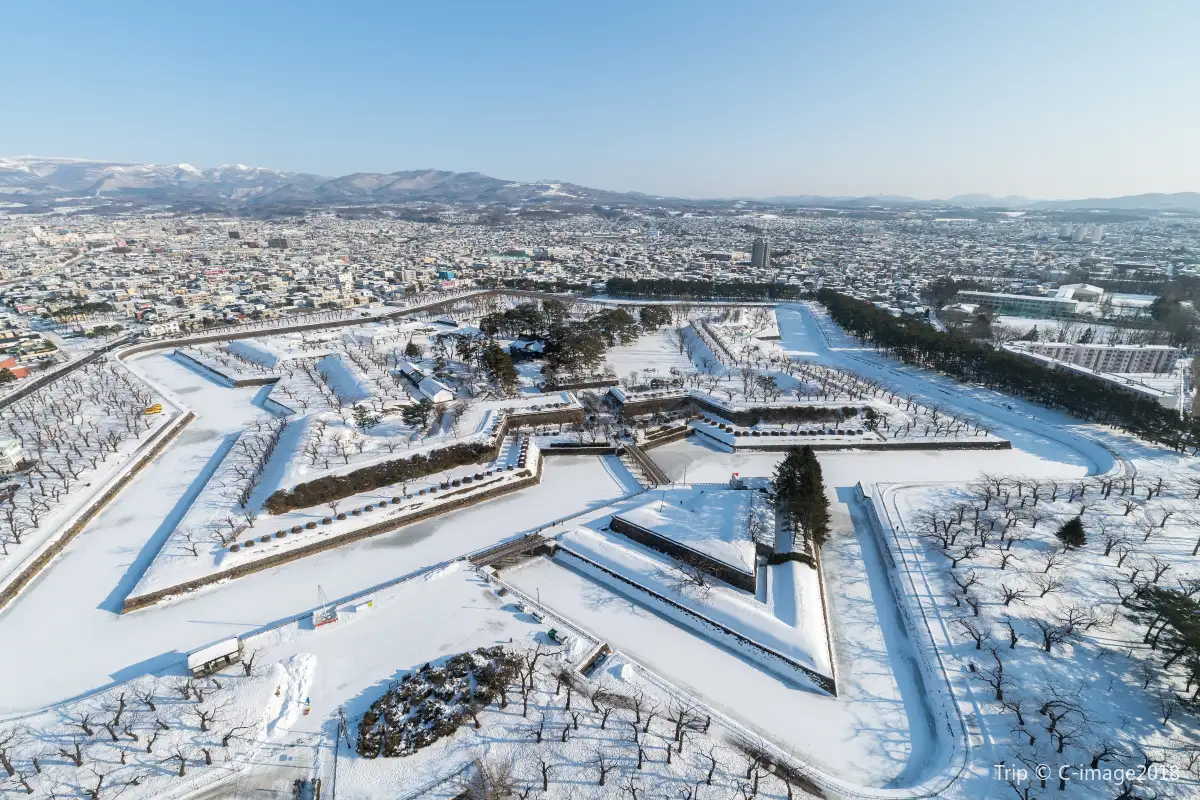
Goryokaku Park

There is no completely snow-free travel period for destinations that experience winter. However, travelling outside the coldest and snowiest part of winter can reduce the likelihood of major snow disruption.

Destination

Higher snow disruption period

Lower-risk travel approach

Tokyo

Generally December to February, although major snow events are not frequent every winter

Consider late autumn or early spring if avoiding winter weather is a priority

Hokkaido

Generally December to March

Choose November or later spring for less severe winter conditions, depending on your activities

Seoul

Generally December to February

Late autumn or spring can offer a lower snow risk

London

Snow can occur during winter, particularly December to February

Autumn or early spring can reduce the chance of major snow disruption

Frankfurt

Winter months, particularly December to February

Late spring to autumn generally has lower snow risk

Zurich

Winter months

Late spring to autumn generally has lower snow risk

New York

December to March

Spring and autumn generally have a lower snow disruption risk

These are seasonal patterns, not guarantees. A major snowstorm can happen outside the usual peak period, while some winters may have relatively little snow.

If your main goal is skiing or seeing snow, travelling during winter may be unavoidable. Instead, build some flexibility into your itinerary.

Final Tips for Singaporeans Flying During Snow Season

Swiss Pass

Snow cancellations can be frustrating, but being prepared can make a major difference.

Remember these five things before a winter trip:

  1. Snow does not automatically mean your flight will be cancelled.
  2. Check the airline's notification before making separate travel arrangements.
  3. Refund and compensation are different rights.
  4. Severe weather can remove fixed compensation under EU and UK rules, but it does not necessarily remove your right to rebooking, refund or care.
  5. Keep receipts and travel documents if a cancellation causes extra expenses.

For Singaporean travellers, the safest approach is to leave some flexibility in your winter itinerary, especially when travelling during peak snow periods. A little extra buffer can help protect your holiday from turning into a stressful airport scramble.

Plan Your Memorable Trip Now
HONG KONG
TAIPEI
BANGKOK
KUALA LUMPUR
GOLD COAST
See all attractions

FAQs: Flights Cancelled Due to Snow

Disclaimer: This article has been provided by an individual contributor or third party platform. If there is any discrepancy regarding the copyright, please contact us directly and we will delete the content immediately.
> >
Flights Cancelled Due to Snow