



New Zealand is a land of stunning mountains, clear lakes, and beautiful coastlines. Each season brings its own charm, from snowy peaks in winter to sunny days perfect for road trips in summer. The weather can change quickly, so choosing the right time to go helps you enjoy the best of nature, adventure, and local culture during your trip.
When Is the Best Time to Visit New Zealand?
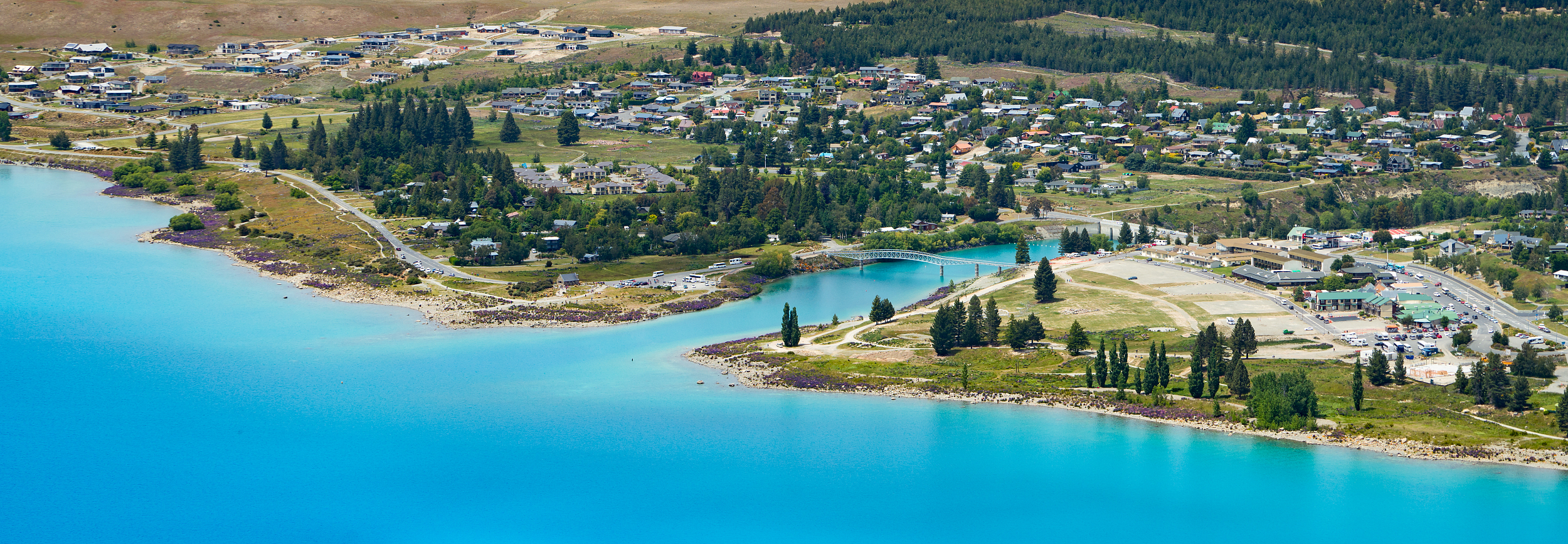
The best time to visit New Zealand is in spring (September to November) and autumn (March to May).
During these seasons, the weather is mild, usually between 15°C and 20°C, which makes it perfect for outdoor activities like hiking, road trips, and exploring small towns. Spring is a beautiful time with flowers blooming and baby lambs in the fields, while autumn gives you cool breezes and golden leaves across the countryside. Both seasons let you enjoy New Zealand’s scenery and food without the summer crowds or winter chill.
Weather & Seasons in New Zealand
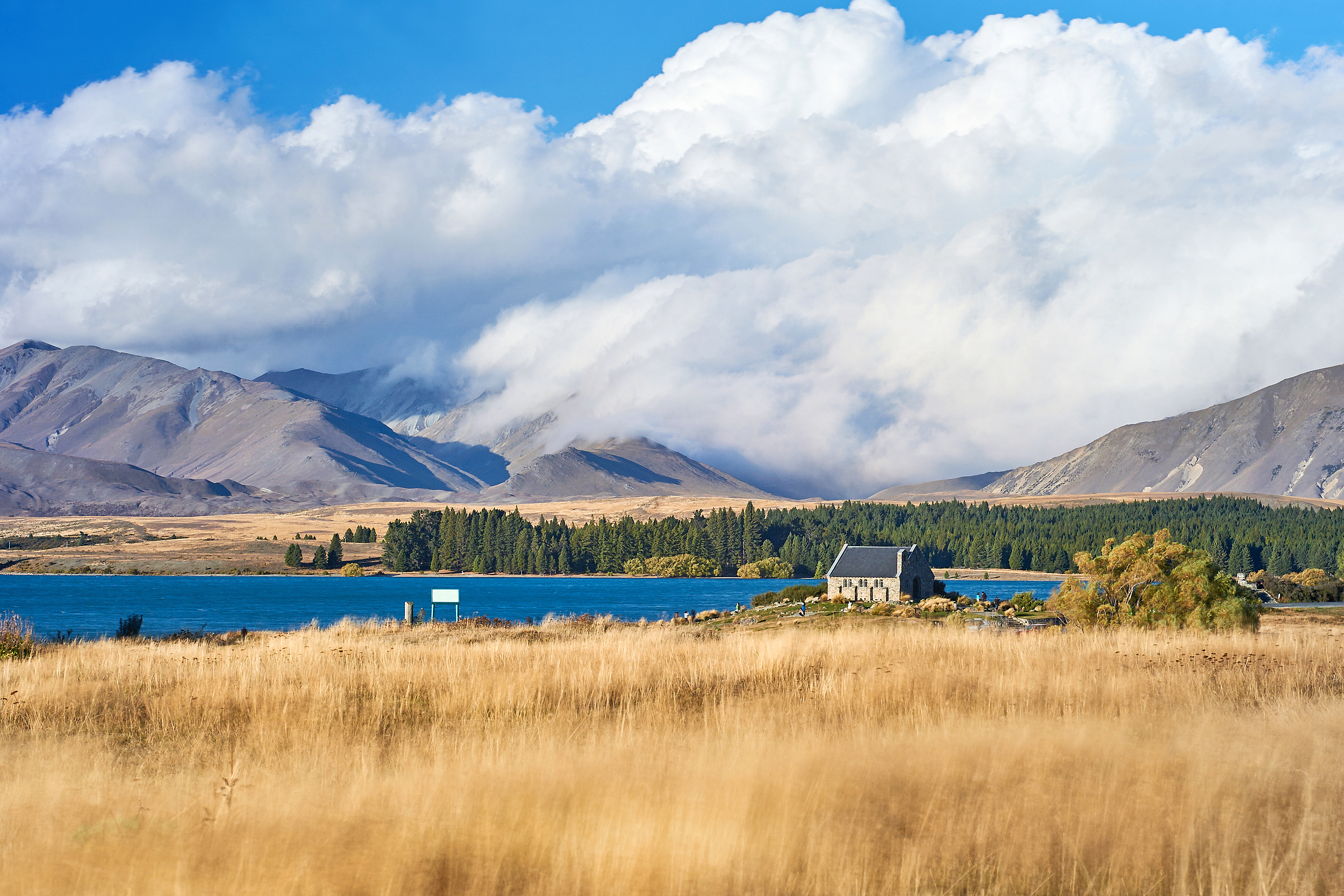
The weather in New Zealand changes a lot with each season, and every time of the year shows a different side of the country. Some people enjoy the snowy mountains in winter, while others love the long sunny days of summer. Knowing what each season offers will help you plan a trip that matches what you want to see and do.
Spring (September – November)
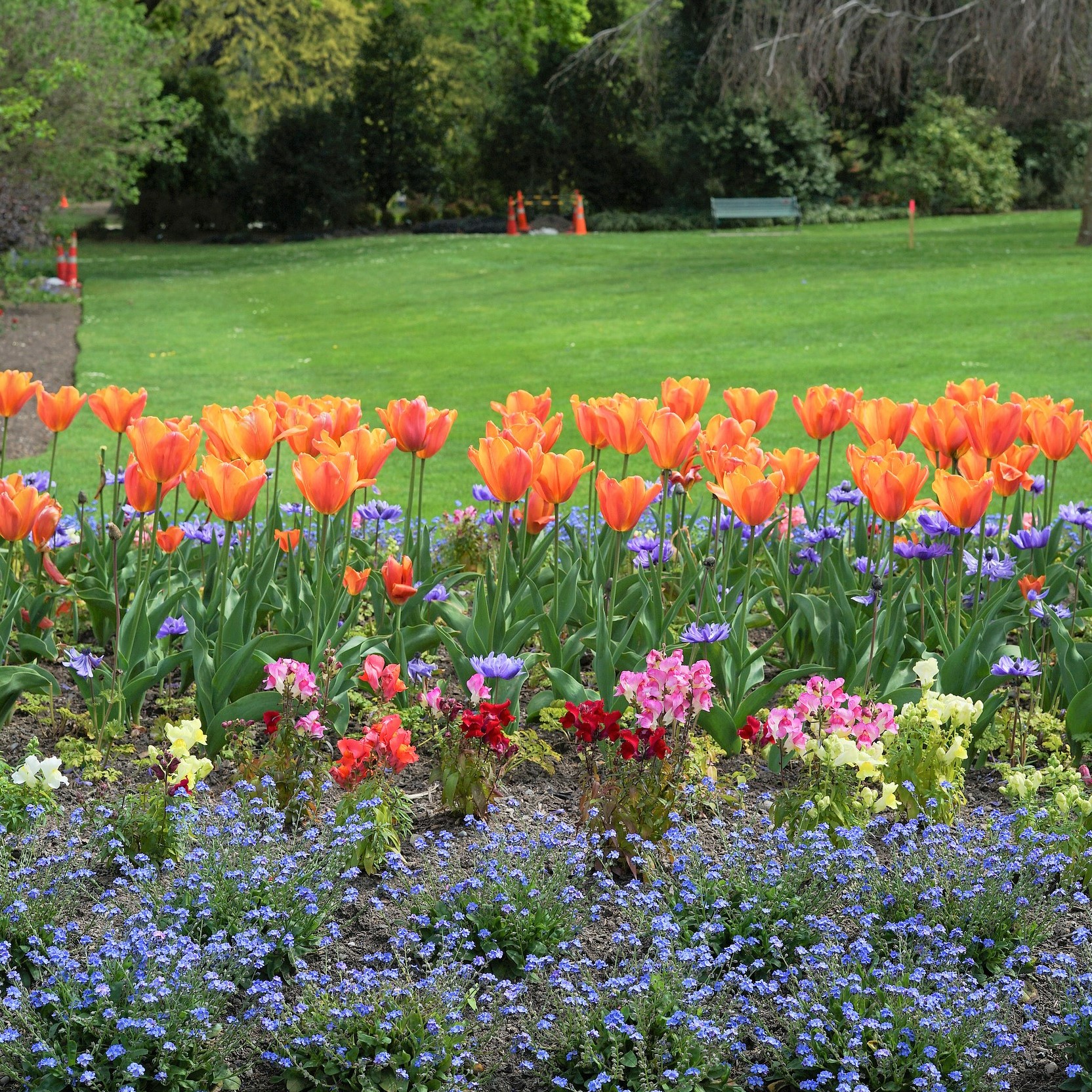
Spring is fresh and lively, with temperatures between 10°C and 20°C. Flowers bloom everywhere, and the fields are full of lambs. It’s a good time for road trips and nature walks.
🌿 What to wear:
- Light layers with a jacket, as mornings and nights can be cool.
🌸 Best things to do:
- Visit gardens and see flowers in bloom.
- Take a road trip through the countryside.
- Go hiking to enjoy clear, fresh air.
Summer (December – February)
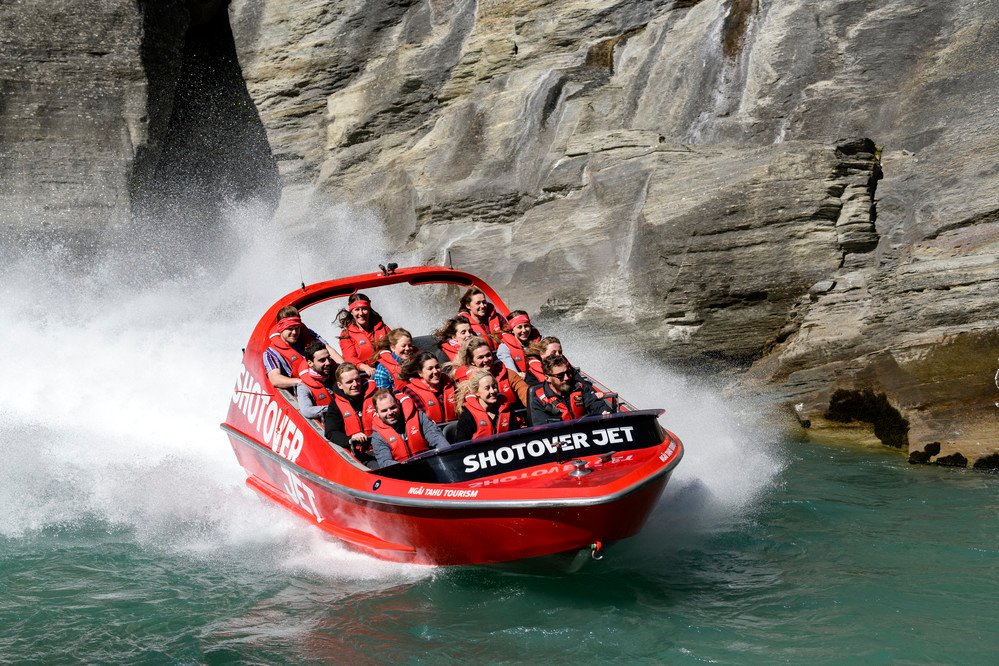
Summer is warm and sunny, with temperatures between 20°C and 30°C. It’s the busiest season with many tourists, but also the best time for outdoor adventures.
👕 What to wear:
- Light and breathable clothes, sunscreen, hat, and sunglasses.
☀️ Best things to do:
- Relax on beaches and enjoy water sports.
- Go hiking or try bungee jumping.
- Join local food and wine festivals.
Autumn (March – May)
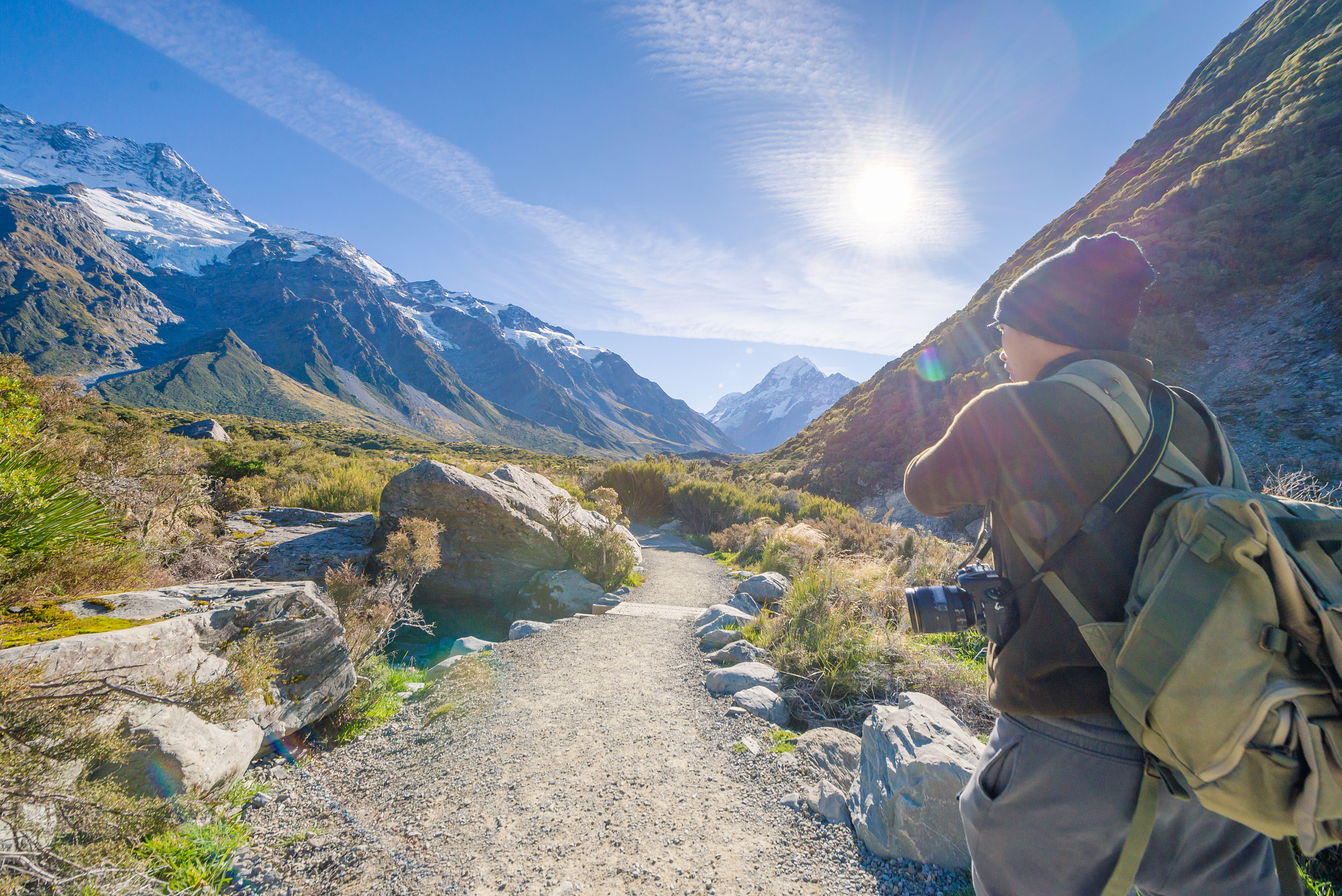
Autumn is one of the best times to visit, with mild weather between 10°C and 20°C. The countryside turns red, orange, and gold, making it very scenic.
🧥 What to wear:
- Layered clothing with a light jacket for evenings.
🍁 Best things to do:
- Take road trips to see autumn colours.
- Visit wineries and try local food.
- Go hiking with fewer crowds on the trails.
Winter (June – August)
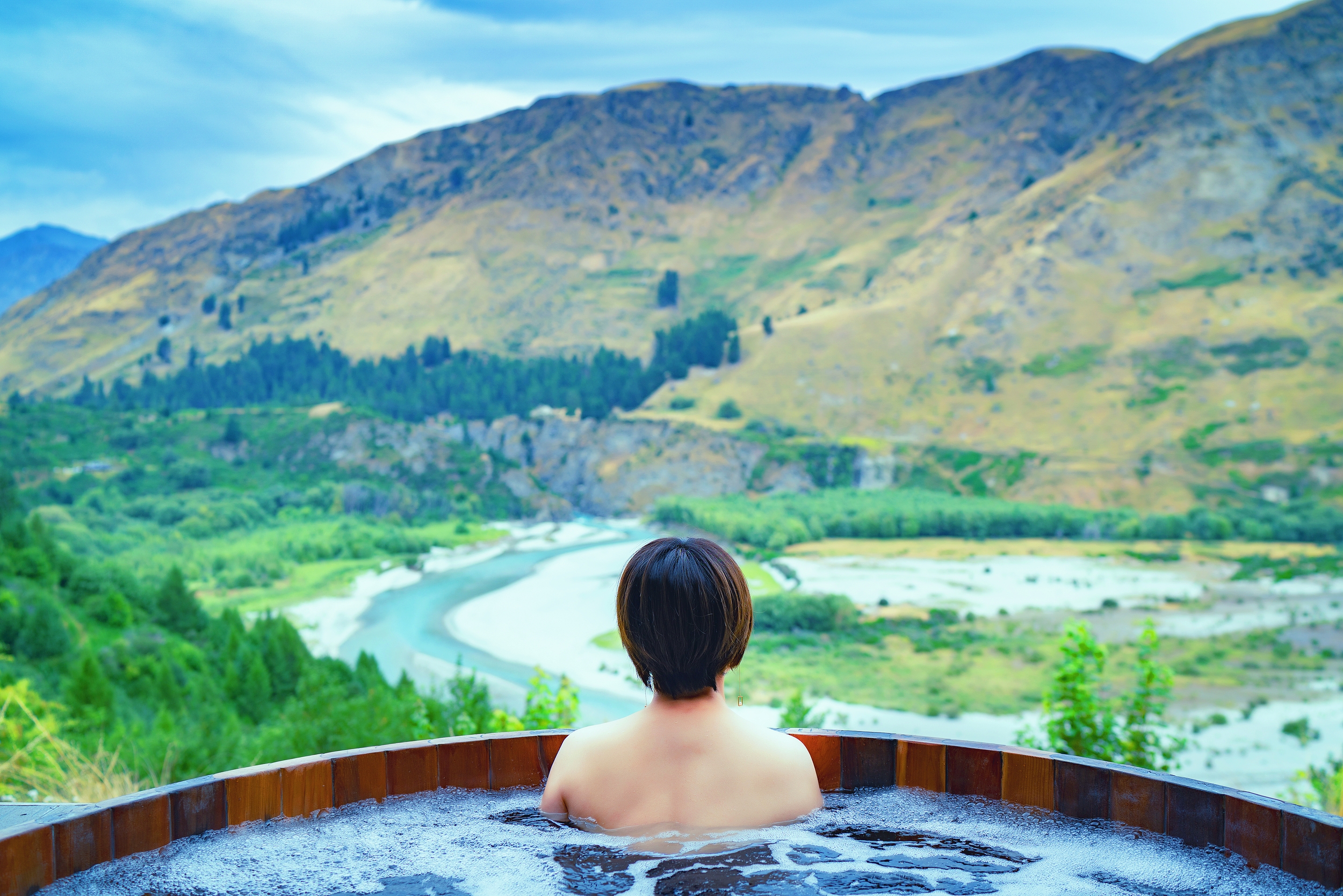
Winter is cold, with temperatures between 0°C and 10°C in most areas. In the mountains, it can drop below zero, making it perfect for snow sports.
🧣 What to wear:
- Thick jackets, gloves, scarves, and warm layers.
❄️ Best things to do:
- Ski or snowboard in Queenstown or Wanaka.
- Relax in hot springs.
- Visit glowworm caves and indoor attractions.
Best Time to Visit New Zealand (Month by Month)
Here’s a month-by-month breakdown to help you plan the best time to visit New Zealand based on weather and events.
Month | Temperature (°C/°F) | Rainfall (mm/inches) | Travel Highlights |
January | 20°C to 30°C (68°F to 86°F) | 70 mm (2.8 inches) | Peak summer. Long days for beaches, hiking, and festivals. Book hotels early as it is the busiest time. |
February | 18°C to 28°C (64°F to 82°F) | 65 mm (2.6 inches) | Warm and sunny. Great for outdoor adventures like bungee jumping and kayaking. Slightly fewer crowds than January. |
March | 15°C to 25°C (59°F to 77°F) | 75 mm (3.0 inches) | The start of autumn. Comfortable weather with colourful landscapes. Perfect for road trips and wine tasting. |
April | 10°C to 20°C (50°F to 68°F) | 85 mm (3.3 inches) | Autumn colours at their best. Scenic drives, hikes, and quieter tourist spots. Bring a light jacket for evenings. |
May | 8°C to 16°C (46°F to 61°F) | 90 mm (3.5 inches) | Cooler weather with fewer tourists. Great for hot springs and nature walks. Early snow may appear in the mountains. |
June | 5°C to 12°C (41°F to 54°F) | 95 mm (3.7 inches) | Start of winter. Ski season begins in the South Island. Enjoy indoor attractions and cosy cafés. |
July | 0°C to 10°C (32°F to 50°F) | 100 mm (3.9 inches) | Coldest month. Best for skiing in Queenstown or Wanaka. Snowy mountains create stunning scenery. |
August | 2°C to 12°C (36°F to 54°F) | 90 mm (3.5 inches) | It's still winter but days get longer. Good for snow sports and hot pools. Less crowded than July. |
September | 6°C to 15°C (43°F to 59°F) | 85 mm (3.3 inches) | Spring begins. Flowers start to bloom, and lambs appear in the fields. Great time for nature walks and fewer crowds. |
October | 10°C to 18°C (50°F to 64°F) | 95 mm (3.7 inches) | Mild spring weather. Ideal for hiking and exploring national parks. Gardens are in full bloom. |
November | 12°C to 20°C (54°F to 68°F) | 80 mm (3.1 inches) | Warm and fresh. A good balance of sunny days and manageable crowds. Perfect for road trips. |
December | 15°C to 25°C (59°F to 77°F) | 75 mm (3.0 inches) | The start of summer. Beaches, outdoor festivals, and lively cities. A festive atmosphere with Christmas and New Year events. |
Best Flights to New Zealand

Peak, Shoulder & Off‑Peak Seasons in New Zealand
Peak season to visit New Zealand
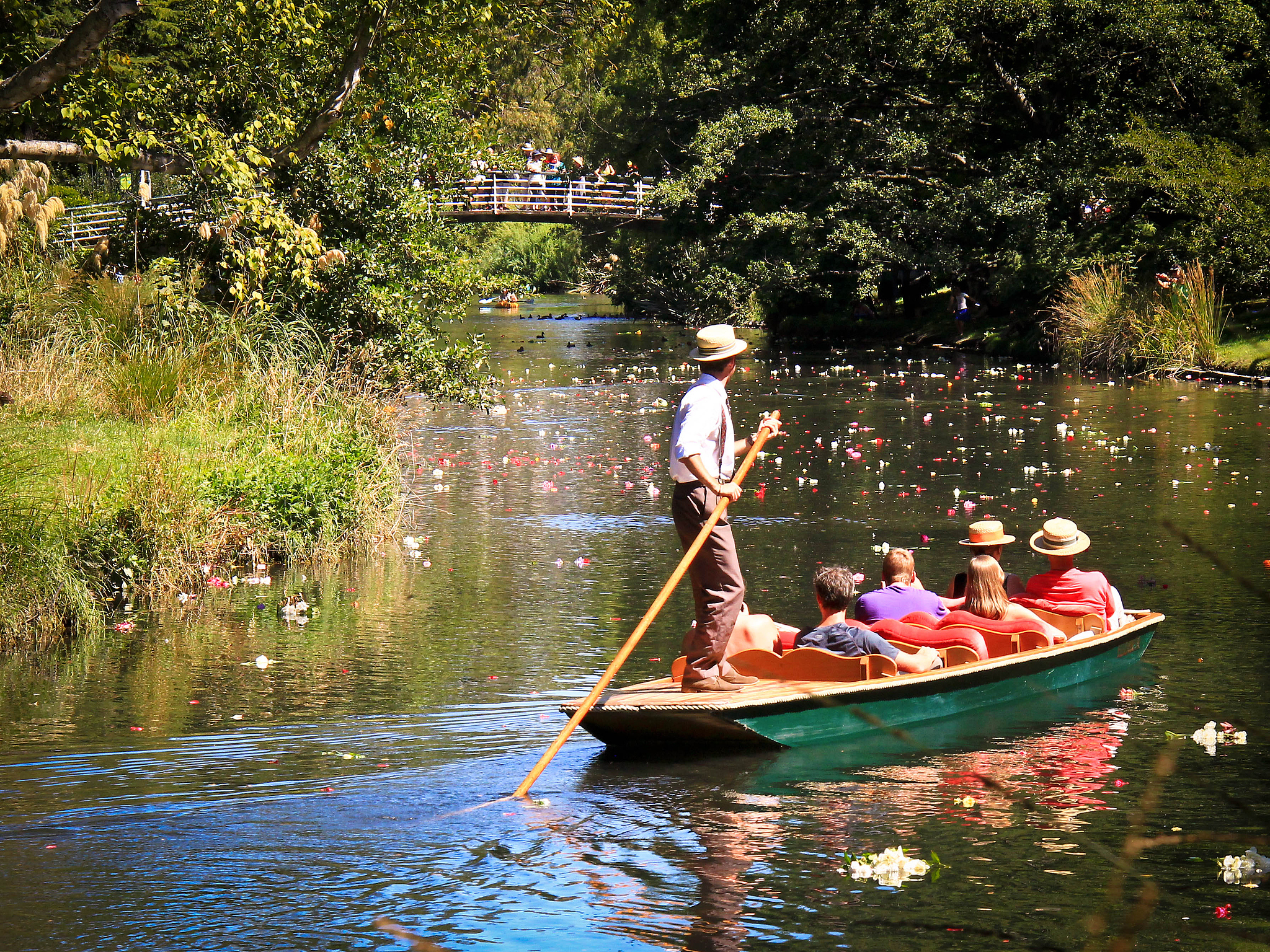
💥 Peak season: December to February
This is summer in New Zealand and the most popular time to visit. The weather is warm, usually between 20°C and 30°C, perfect for beaches, hiking, and outdoor adventures. Cities and towns are lively with festivals and holiday vibes.
Crowds & Costs:
Tourist spots and national parks are busier, and hotel prices are higher. It’s best to book flights and stay early.
Pros:
Long daylight hours, great for sightseeing and road trips. Lots of events and activities to enjoy.
Cons:
More tourists and higher costs for hotels, tours, and flights.
Shoulder season to visit New Zealand

🔥 Shoulder season: March to May & September to November
These months are some of the best times to travel. Temperatures range from 10°C to 20°C, comfortable for walking, hiking, and exploring. Autumn (March to May) shows golden leaves across the countryside, while spring (September to November) brings flowers in full bloom.
Crowds & Costs:
Moderate visitor numbers and fair hotel rates. Attractions are easier to enjoy without the peak season rush.
Pros:
Pleasant weather, beautiful scenery, and good value for money.
Cons:
Weather can still change quickly, so it’s good to carry a jacket or umbrella.
Off-peak season to visit New Zealand

😊 Off-peak season: June to August
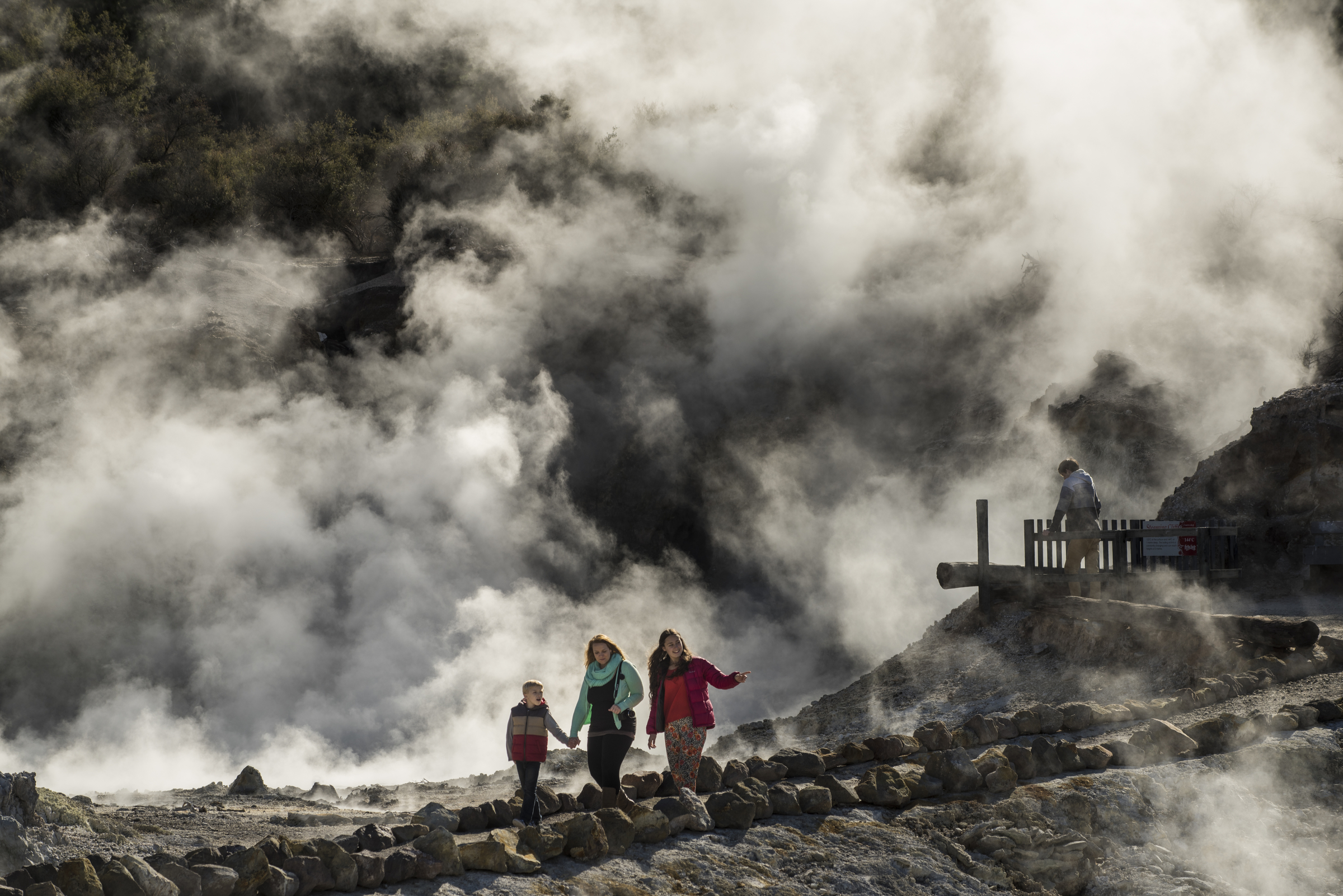
This is winter in New Zealand. The South Island becomes a paradise for skiing and snowboarding, especially around Queenstown and Wanaka. In the North Island, it’s cooler but still good for hot springs, indoor attractions, and cosy cafés. Temperatures are usually between 5°C and 12°C in most places.
Crowds & Costs:
Fewer tourists mean quieter attractions and cheaper hotels. Airfares are also more affordable.
Pros:
Great time for snow sports, fewer crowds, and good travel deals.
Cons:
Shorter days, cold weather, and some outdoor activities are limited.
Hotels in New Zealand
 NO.1
NO.1




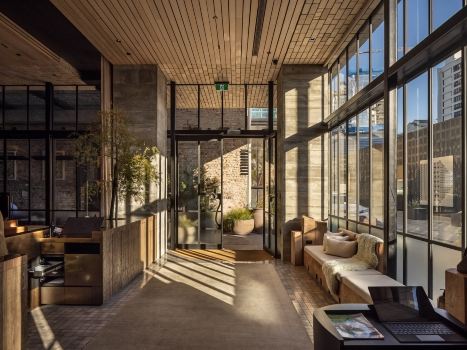
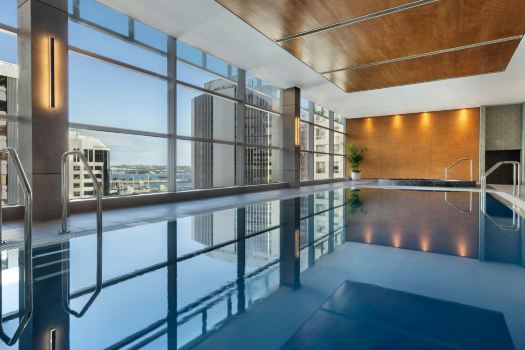
Best Time to Visit New Zealand Based on Your Travel Style
👉 Budget travellers visiting New Zealand
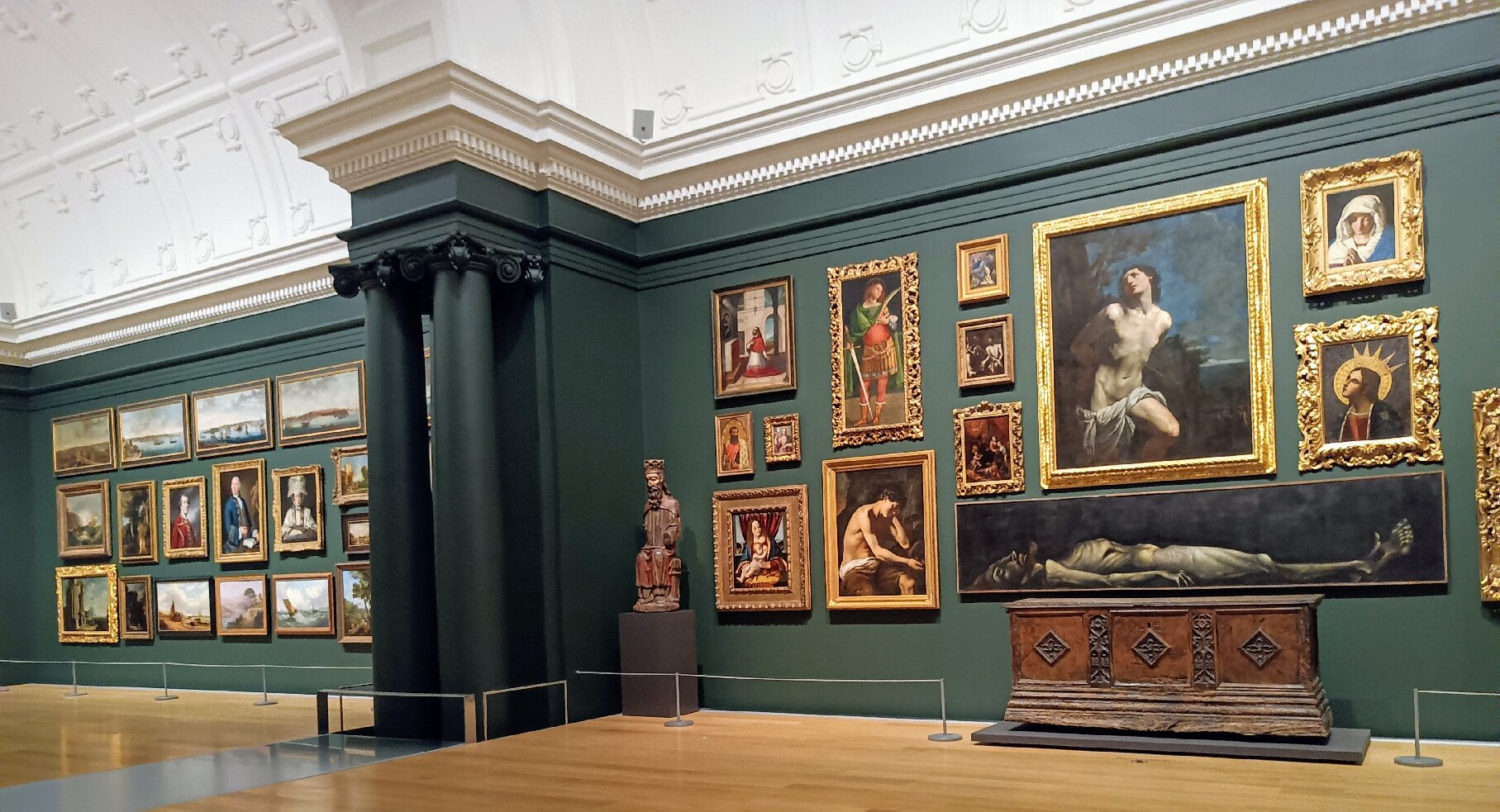
If you are travelling on a budget, the best time to go is during winter (June to August). Airfares and hotel rates are usually cheaper, and you can still enjoy many attractions without the big crowds of summer.
Why it’s ideal:
- Lower Prices: Accommodation and flights are more affordable.
- Fewer Tourists: Quieter hiking trails, towns, and sightseeing spots.
👉 Luxury travellers visiting New Zealand
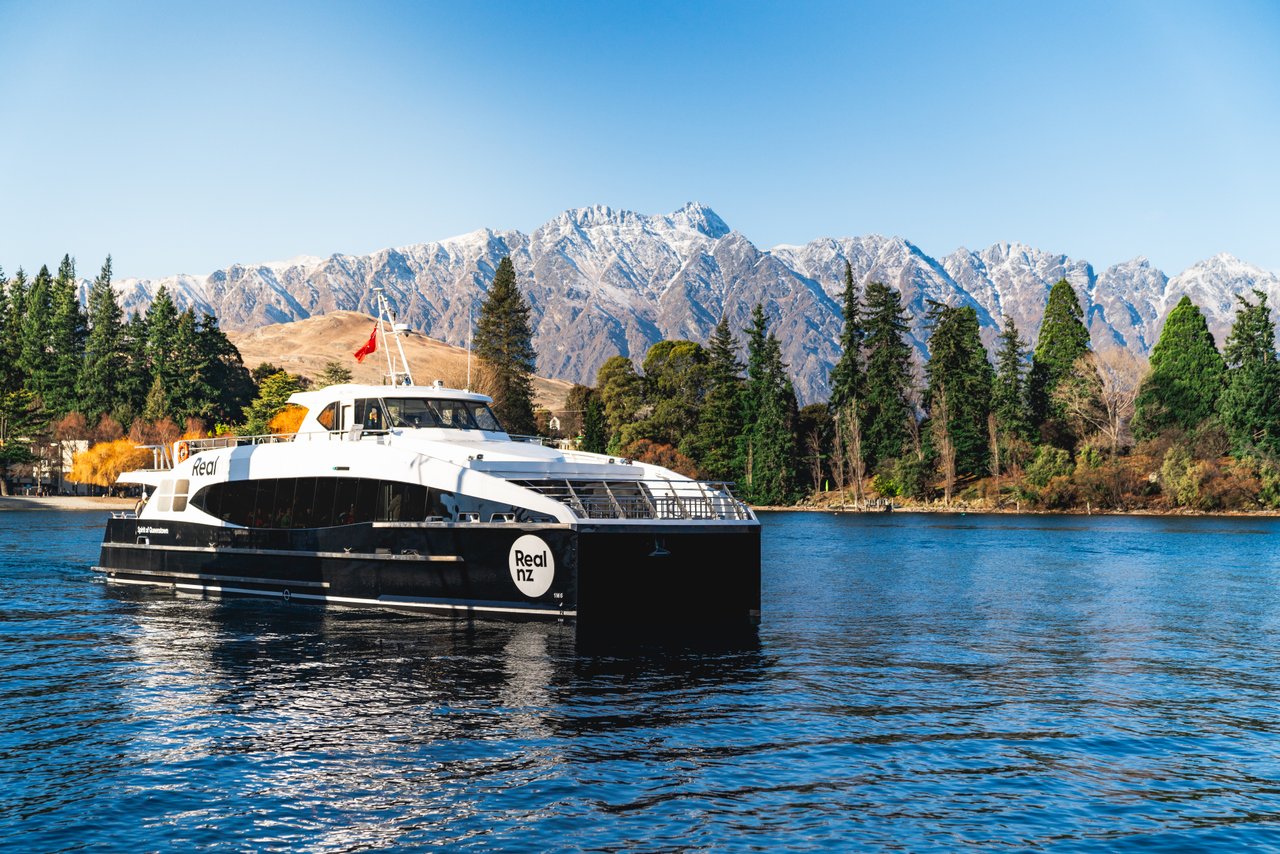
For a more premium experience, spring (September to November) and autumn (March to May) are the best seasons. The weather is mild, the landscapes are stunning, and it is easy to enjoy comfort with less rush.
Why it’s ideal:
- Perfect Weather: Comfortable temperatures between 10°C and 20°C.
- Exclusive Experiences: Luxury lodges, vineyard tours, helicopter rides, and fine dining are best enjoyed during these months.
👉 Sightseeing & outdoor enthusiasts visiting New Zealand

If you love hiking, cycling, or road trips, the best time to visit is spring (September to November) or autumn (March to May). The air is fresh, the landscapes are colourful, and the weather is just right for outdoor exploring.
Why it’s ideal:
- Best Conditions for Exploring: Ideal for tramping (hiking), cycling, and long drives.
- Scenic Activities: Spring brings blooming flowers and newborn lambs in the fields, while autumn covers the countryside in golden colours.
👉 Families visiting New Zealand
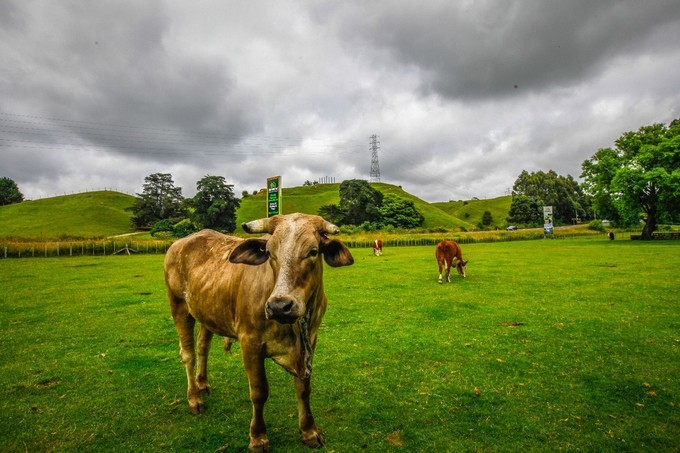
For family trips, spring (September–October) and summer (December–February) are the easiest times. The weather is mild to warm, which makes it comfortable for children and older family members to move around.
Why it’s ideal:
- Family-Friendly Weather: Not too cold, with longer daylight hours in summer.
- Relaxed Attractions: Easier to enjoy zoos, wildlife parks, and family-friendly hikes.
👉 Cultural enthusiasts visiting New Zealand

If you enjoy festivals, local traditions, and Maori culture, the best times are summer (December–February) and autumn (March–April). These seasons are lively with events and performances.
Why it’s ideal:
- Festivals and Events: Enjoy food and wine festivals, Maori cultural shows, and local summer markets.
- Local Experiences: Learn about Maori history at cultural villages, or join seasonal events like Matariki (the Maori New Year, usually in June–July).
Affordable eSIM in New Zealand



Travel Tips for Your New Zealand Trip
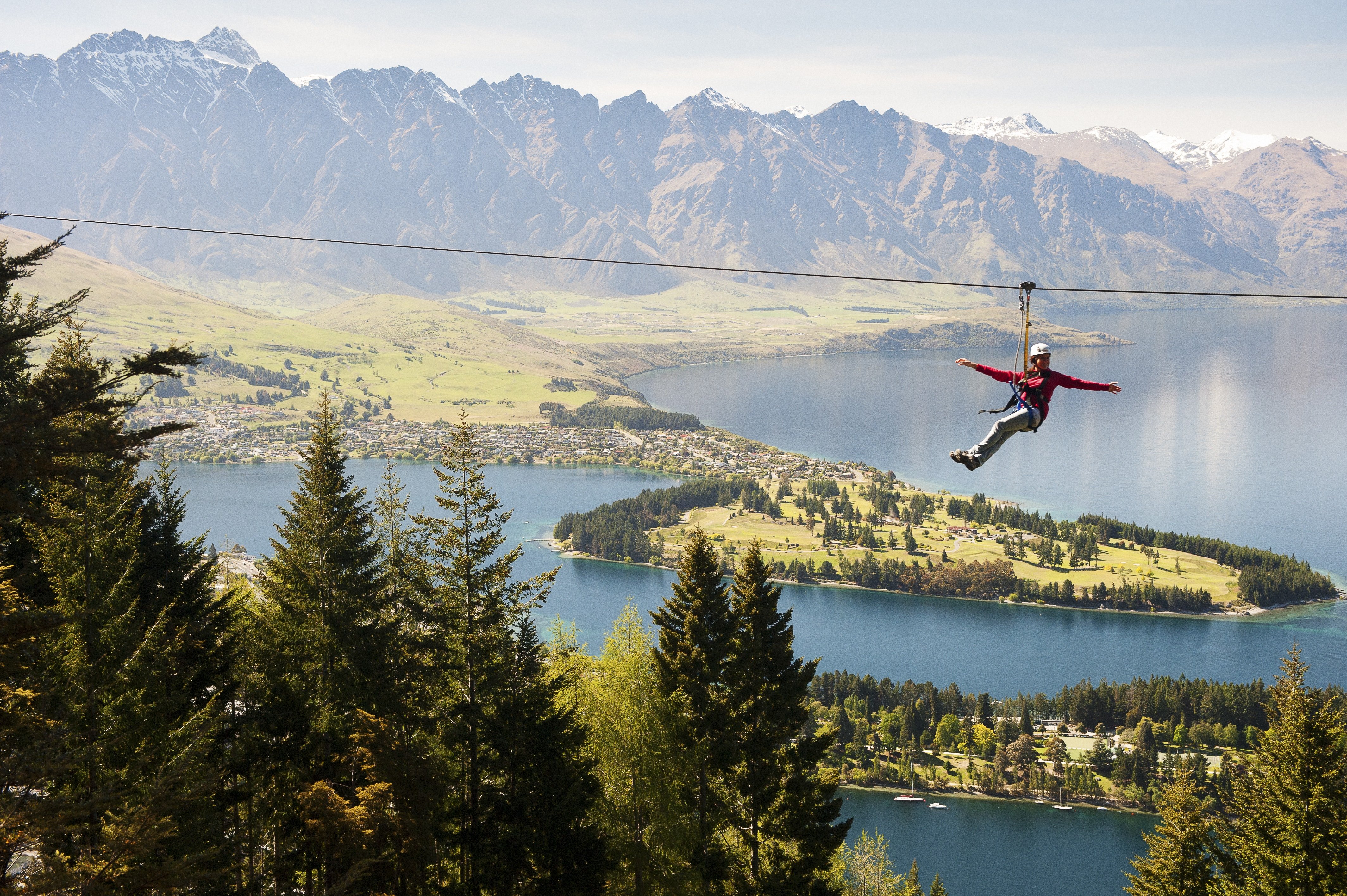
🏨 Booking:
Hotels in New Zealand can get full during the busy travel months, especially in summer (December to February) and around Christmas or New Year. To avoid high prices and last-minute stress, it’s better to book your stay early. If you prefer a calmer experience, look for smaller towns just outside the main tourist spots, where you’ll still find good food and easy access to attractions.
📶 Connectivity:
Getting a local SIM card or eSIM when you land is very useful for using maps, booking activities, or checking bus and ferry schedules. Free Wi-Fi is common in cafés, hotels, and even some public areas, but having your own data makes travelling around smoother.
💰 Payments:
Most shops, cafés, and restaurants in New Zealand accept credit and debit cards, including international ones. Contactless payments are widely used, but it’s still a good idea to keep some cash in New Zealand dollars for small towns, local markets, or places where cards are not accepted.
FAQs about New Zealand Guide
When is the best time for outdoor adventures in New Zealand?
From December to February, the weather is warm and great for hiking, kayaking, and road trips.When is snow seasons in New Zealand?
From June to August you can enjoy snow sports at Queenstown, Wanaka, and Mount Ruapehu.When is the cheapest time to visit New Zealand?
May and September are shoulder months with fewer tourists and better deals on flights and hotels.When can I see the blooming lupins?
From late November to early January, the South Island is filled with colorful lupins that are perfect for photography.