Summer Palace
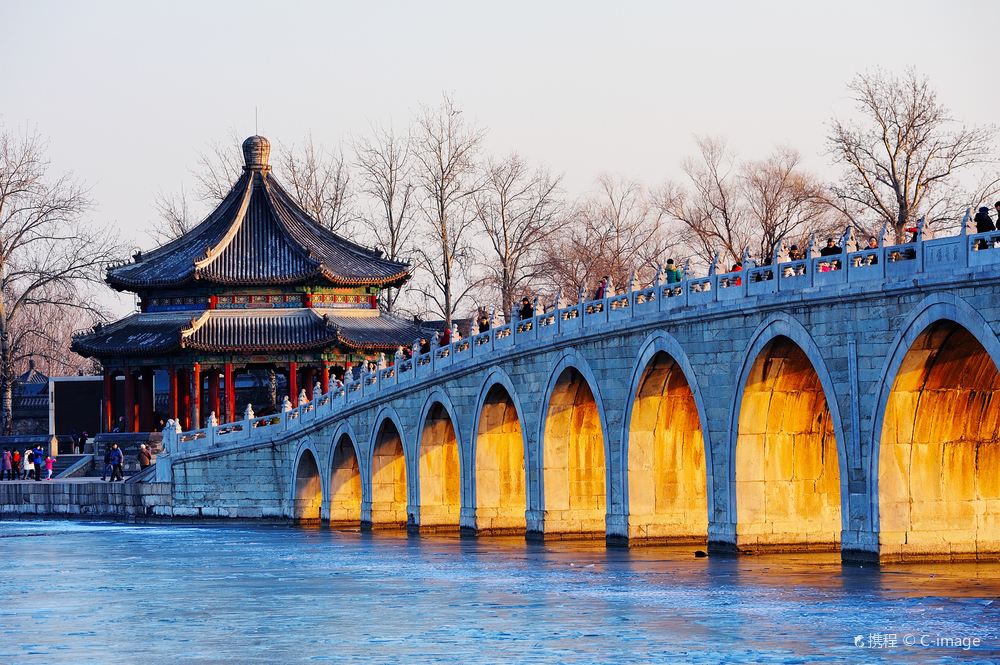
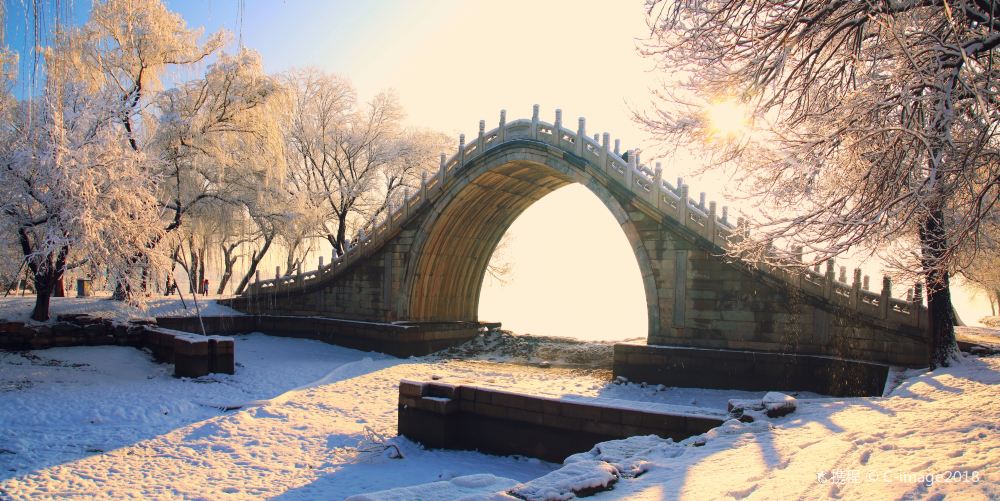
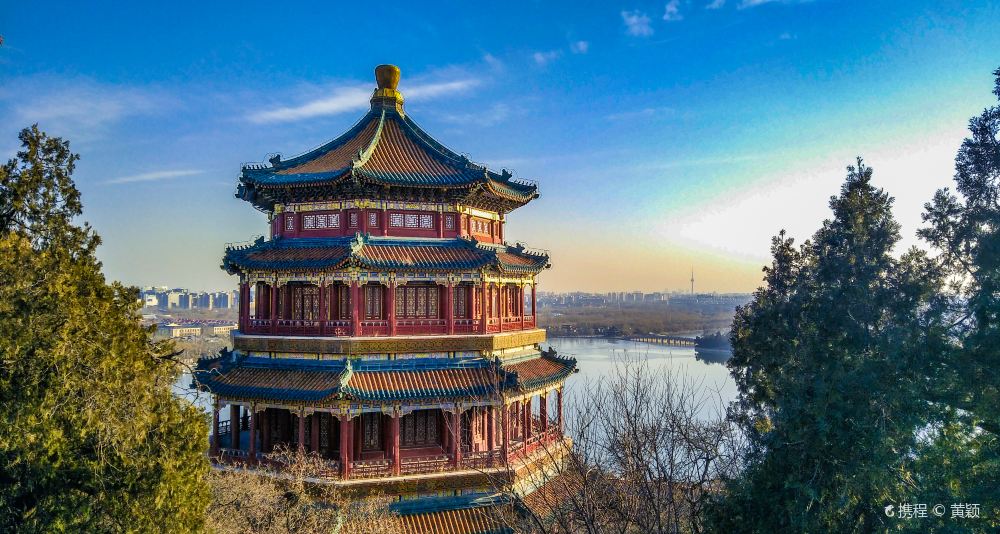
The Summer Palace was originally a temporary palace and garden for Qing Dynasty emperors, also known as Qingyi Garden. Built on the foundation of Kunming Lake and Longevity Hill and designed in the style of Jiangnan gardens, it is the largest and best-preserved imperial garden in China, with highly elegant scenery and many precious cultural relics, and is known as the "Museum of Imperial Gardens." Area overview: The Summer Palace is grand in scale and can be divided into three areas: the political activity area centered on the Hall of Benevolence and Longevity; the living area for emperors and empresses, mainly comprising the Hall of Jade Ripples and the Hall of Joyful Longevity; and the garden area, mainly along the Long Corridor, the back hill, and the western section. About three-quarters of the entire park is occupied by Kunming Lake. Along the lakeside are more than 100 pavilions, terraces, towers, chambers, corridors, and waterside houses, totaling over 3,000 rooms, among which the Tower of Buddhist Incense, the Long Corridor, the Marble Boat, Suzhou Street, and the Seventeen-Arch Bridge are all well-known representative structures and unmissable spots in the Summer Palace. Boating on Kunming Lake: At the Summer Palace, besides visiting the magnificent halls and buildings, taking a cruise on Kunming Lake is both relaxing and convenient, without missing the sightseeing. There are 8 cruise docks in the park: Bafang Pavilion, Wenchang Pavilion, Hall of Jade Ripples, Cloud-Dispelling Hall, Shizhang Pavilion, Bronze Ox, Marble Boat, and South Lake Island, with 5 types of cruise boats: pedal boats, rowboats, battery-powered boats, dragon boats, and large painted pleasure boats. Cruise prices and routes vary, so you can choose according to your needs. On-site food & beverages: The Summer Palace is quite large, and a complete visit takes at least 4-5 hours. If you get tired and hungry while strolling, you can sit down and recharge. There are three fast-food kiosks in the park, located at Zhichun Pavilion, the east nine rooms of Cloud-Dispelling Hall, and Shizhang Pavilion, mainly serving everyday meals and noodles at relatively reasonable prices. If you want to match the occasion, there is also a traditional restaurant in the park specializing in imperial court cuisine: Tingli Hall, where you can taste food with imperial court flavors, though the prices are somewhat higher than everyday dishes.

Beijing Zoo
Beijing Zoo is located on Xizhimenwai Street in Xicheng District, Beijing. It is one of China's larger urban zoos with a relatively comprehensive variety of animal species, and it has a history of more than a century since the 32nd year of the Guangxu reign. The zoo is divided into three areas: east, south, and north.
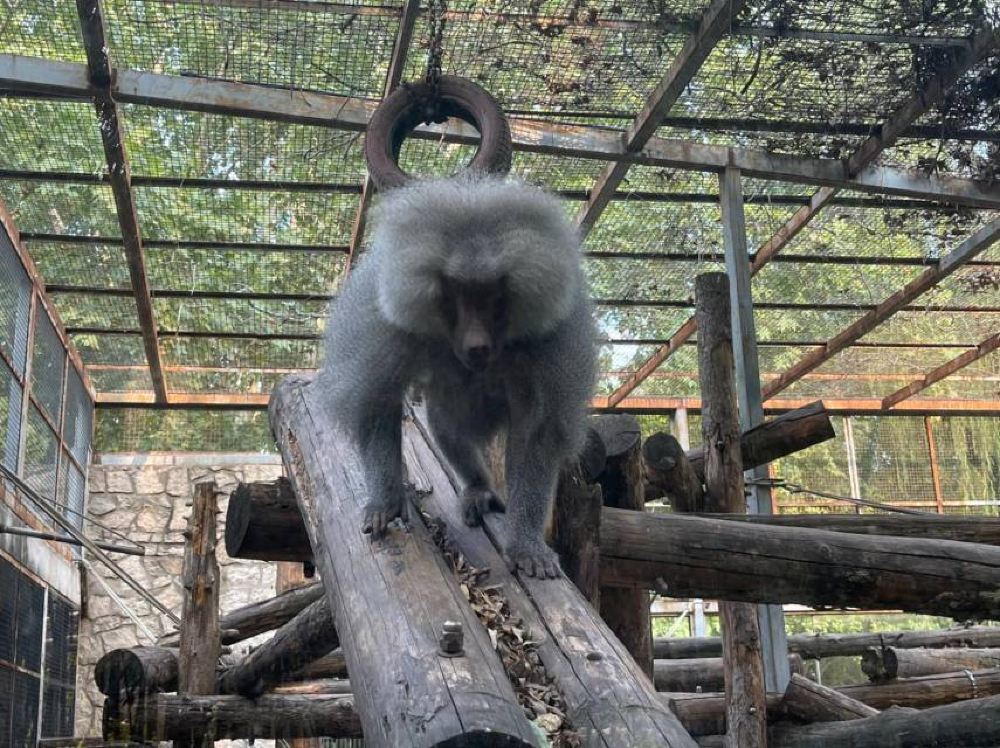
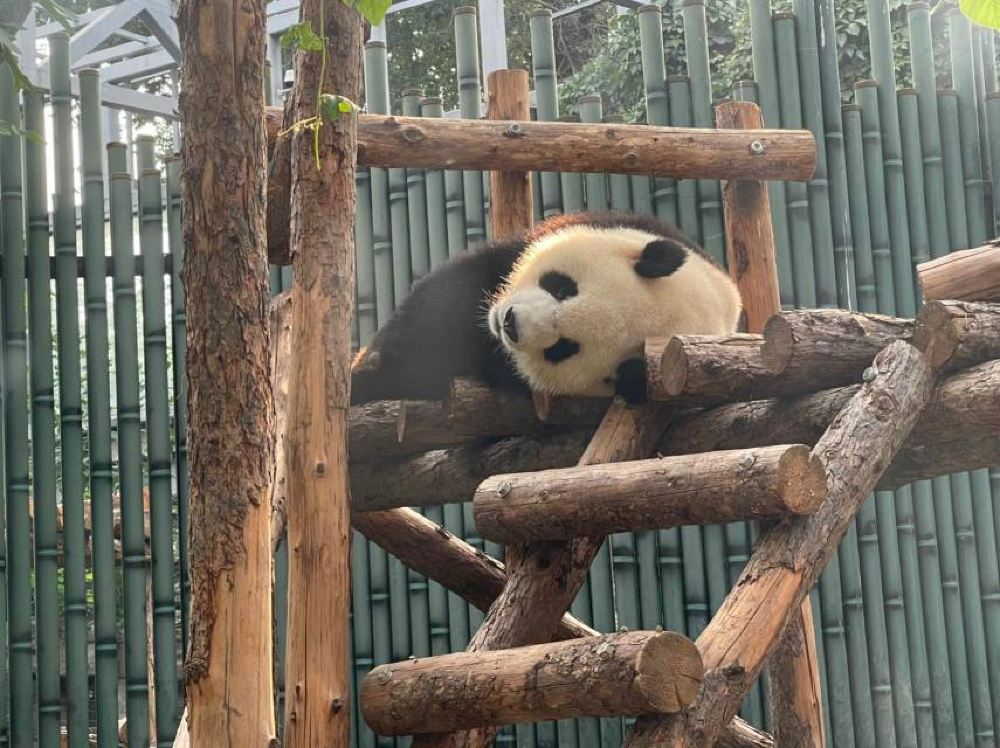
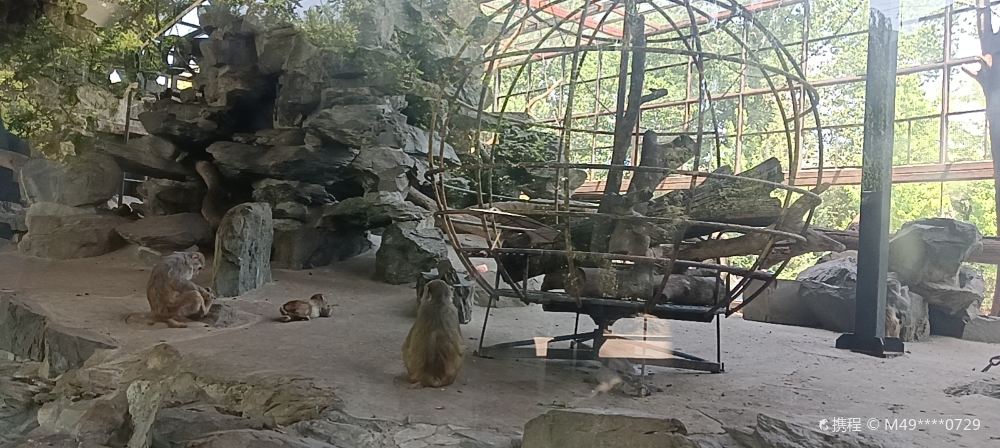
Among the precious animals that have settled here are China's endemic species such as the giant panda, golden snub-nosed monkey, Siberian tiger, white-lipped deer, Père David's deer, miniature horse, and red-crowned crane, as well as representative animals from around the world such as chimpanzees from Africa, kangaroos from Australia, jaguars, Mexican manatees, and European bison. There is also an amphibian and reptile house, which is divided into upper and lower floors and displays more than 100 species of reptiles from around the world, including one of the world's largest crocodiles—the saltwater crocodile.
The Peony Garden in the Zoo covers an area of 1,500 square meters and is located east of the current Waterfowl Island and west of the Binfeng Hall. The garden features a peony pavilion and a covered corridor as its main structures, and the peonies that bloom from late April to early May each year create a charming contrast with the corridor. In midsummer, the pink lotus flowers and dark green lotus leaves in the lake beside the pavilion reflect each other, making it a distinctive scenic area within the garden. The Peony Garden currently cultivates nearly 400 peonies. Preliminary identification shows that it brings together peony varieties from home and abroad, including 54 varieties in 10 color series, mainly consisting of the two major variety groups of Central Plains peonies and Jiangnan peonies.
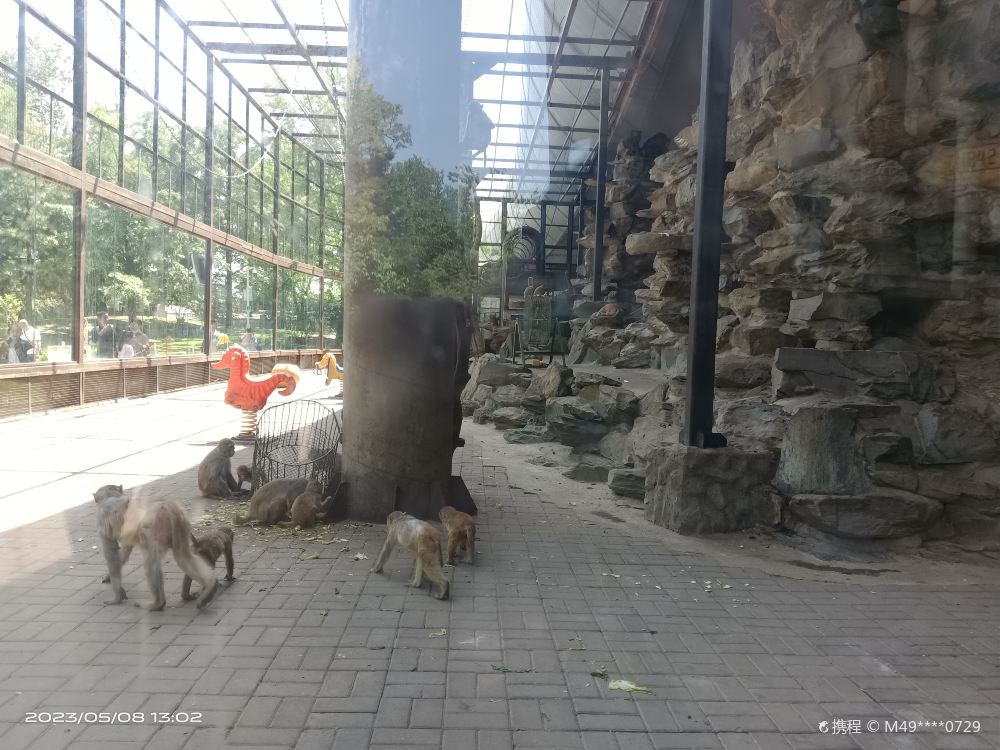
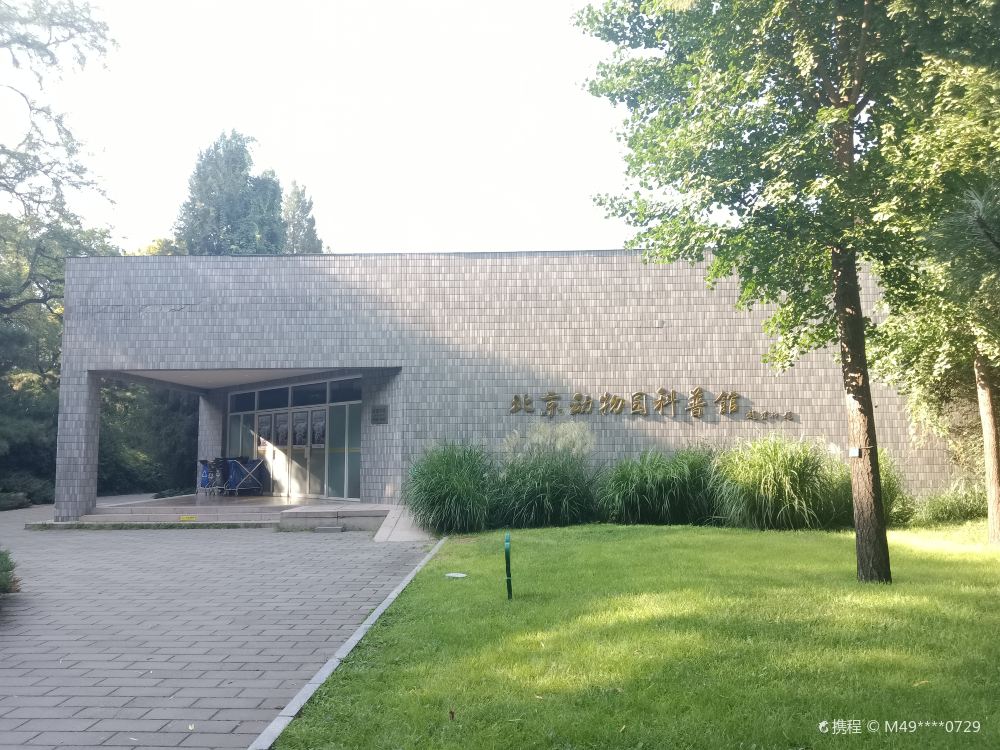
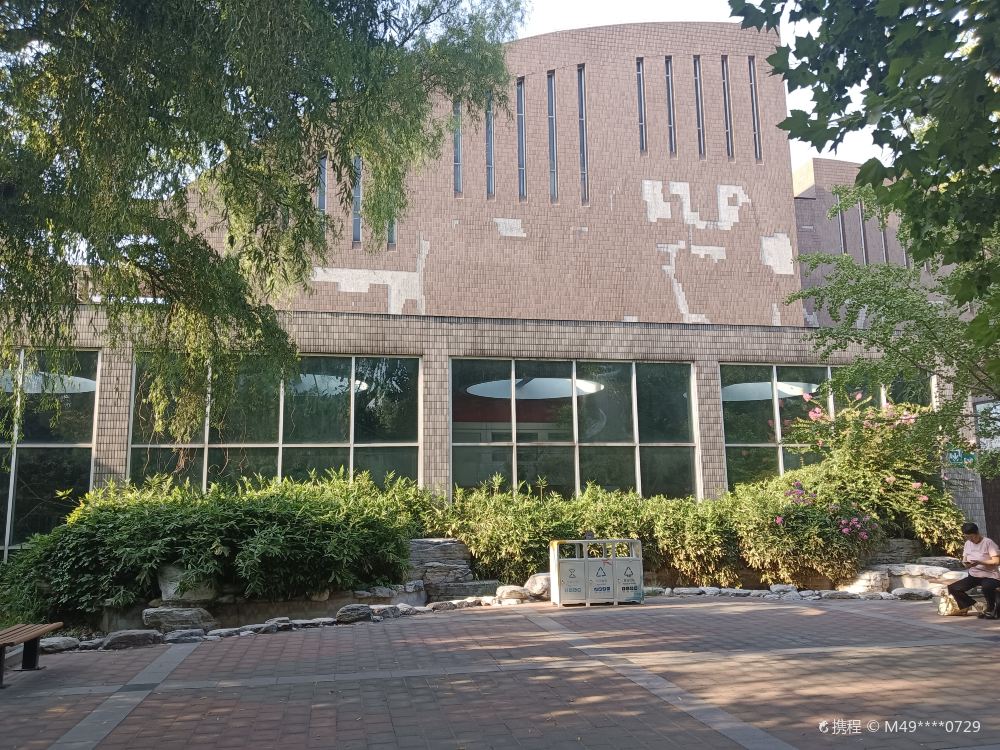
The zoo also features a science education center, offering weekend animal classes specifically for preschool children. Led by teachers, children can have close encounters with small animals, listen to little stories about them, and learn about the wonders of animals through various enriching activities such as games and crafts with their peers.
Visitor photo