




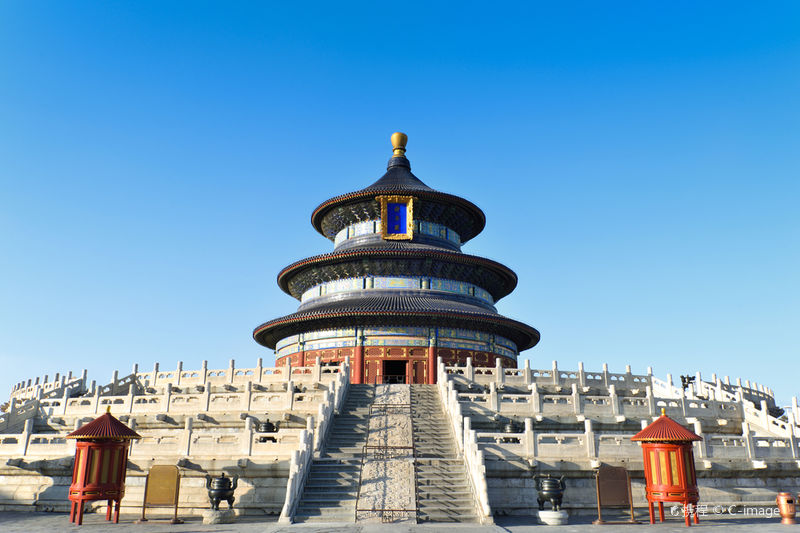
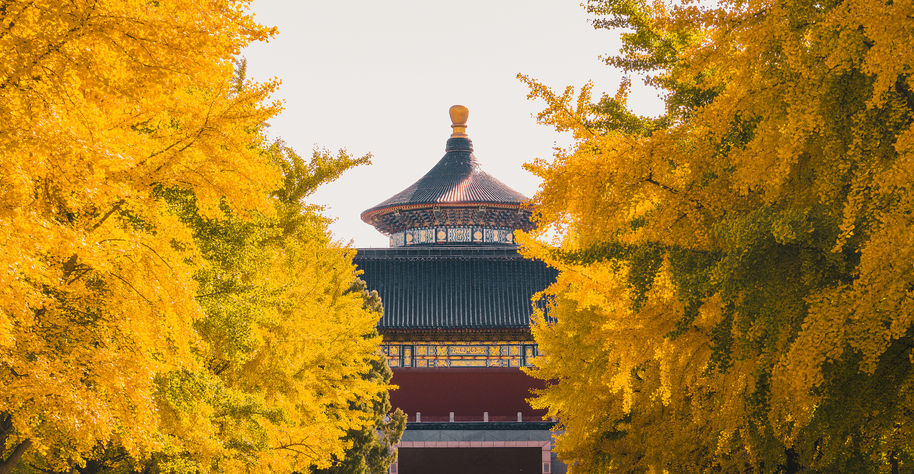
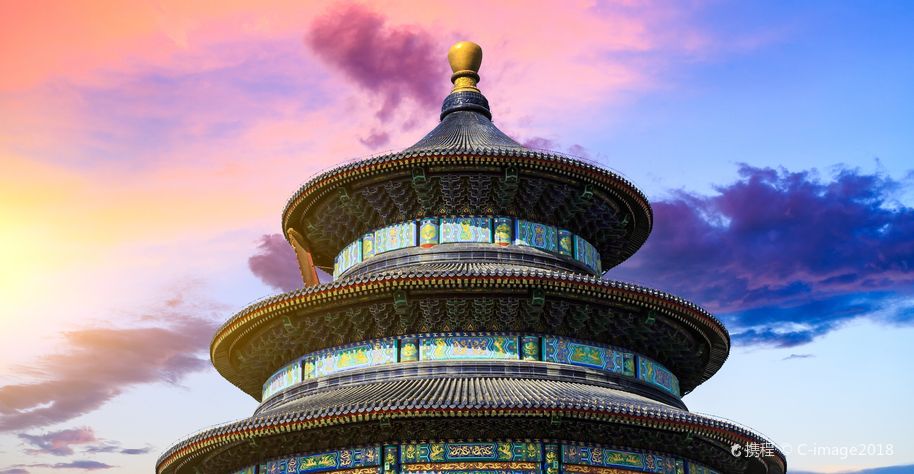

▲ ▲ The Temple of Heaven is one of Beijing's most important imperial landmarks and a masterpiece of ancient Chinese architecture. Built in the 15th century, it was where emperors of the Ming and Qing dynasties prayed for good harvests and harmony between heaven and earth. Its elegant blue-tiled roofs, precise symmetry, and symbolic design reflect traditional Chinese philosophy and cosmology. Today, the surrounding park offers a peaceful retreat where visitors can experience history, culture, and the rhythms of local life.

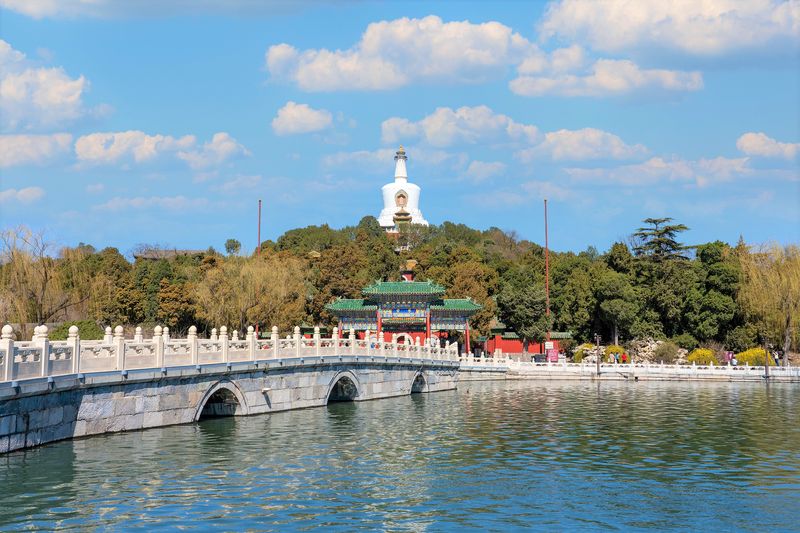
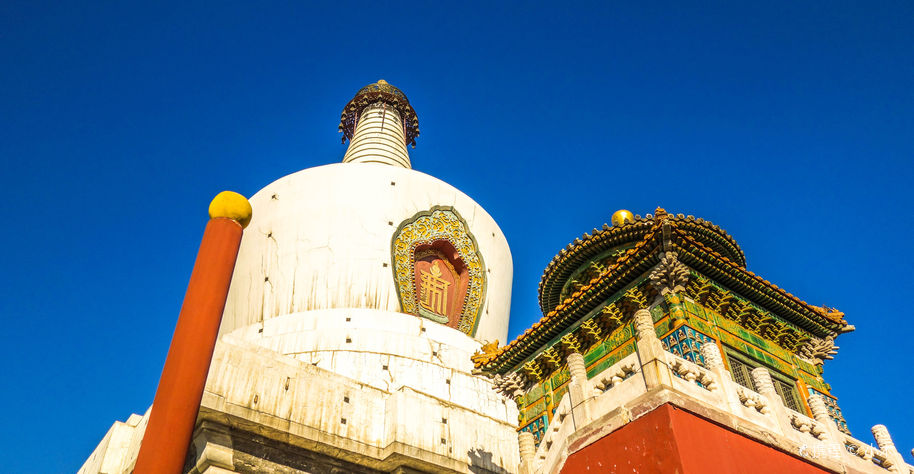
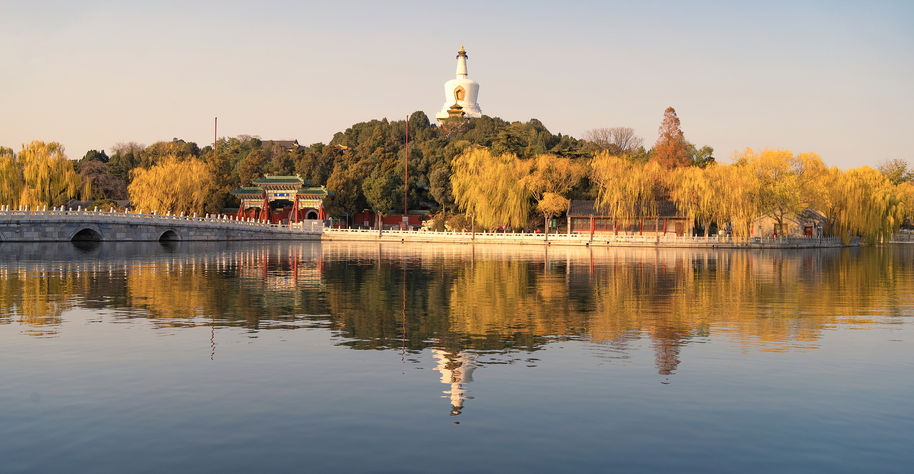
▲ ▲ Beihai Park, just northwest of the Forbidden City, is one of Beijing's oldest and most beautiful imperial gardens. Centered on a tranquil lake and the iconic White Dagoba, it features classic pavilions, stone bridges, and willow-lined paths. Visitors can enjoy peaceful walks, boat rides, and a quiet escape from the city's busy streets.

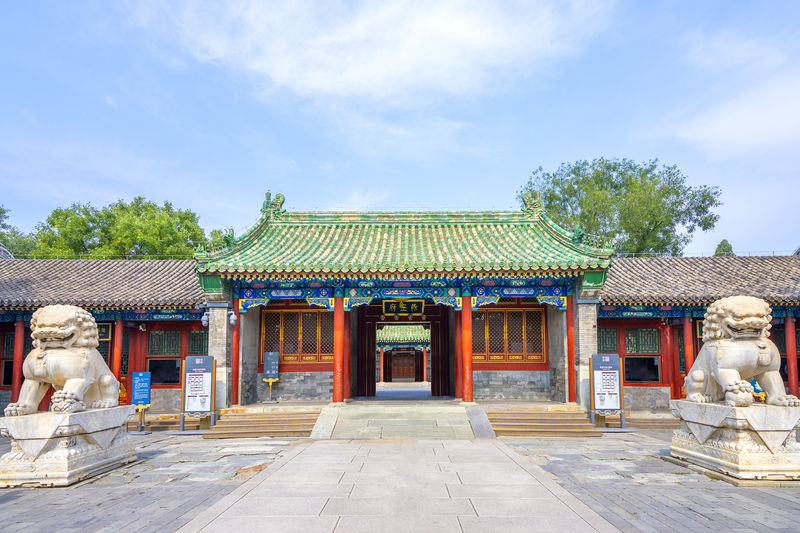
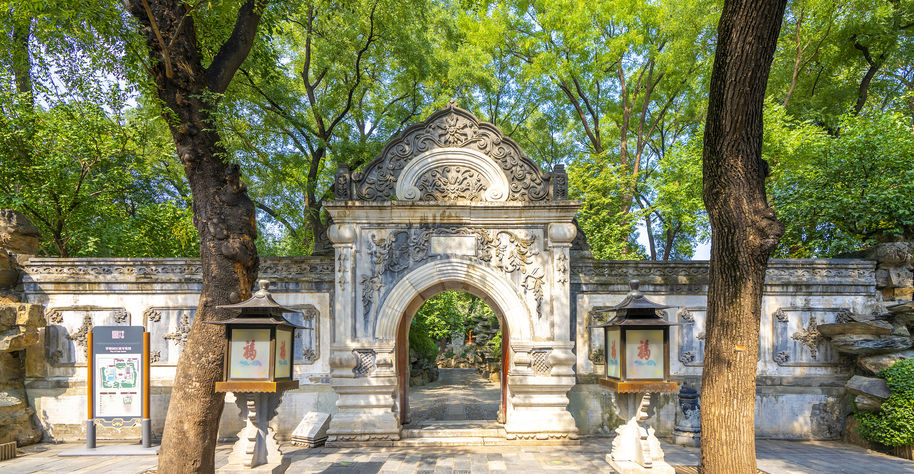
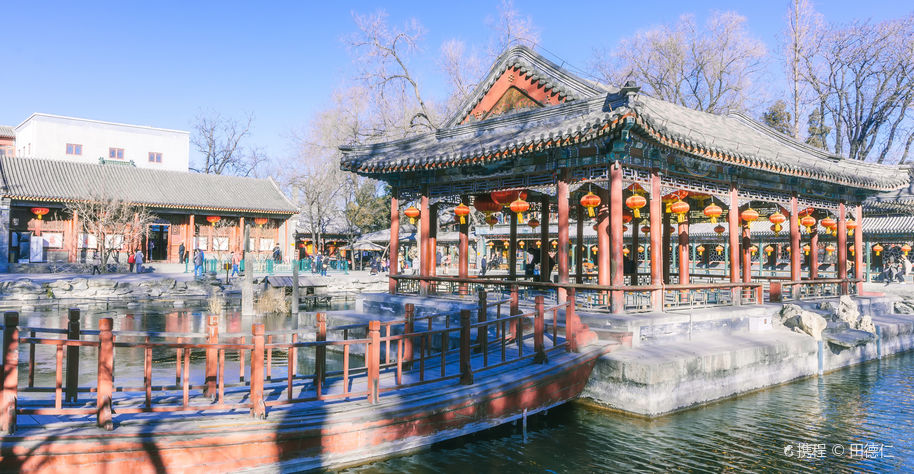
▲ ▲ Prince Gong's Mansion, near Beijing's Shichahai, is the best-preserved princely residence of the Qing Dynasty. Built in the 18th century, it blends grand courtyards, elegant halls and a large classical garden with pavilions, rockeries and ponds. Visitors can explore its ornate opera stage, learn stories of court life, and spot hidden bat and “fu” motifs symbolizing good fortune.

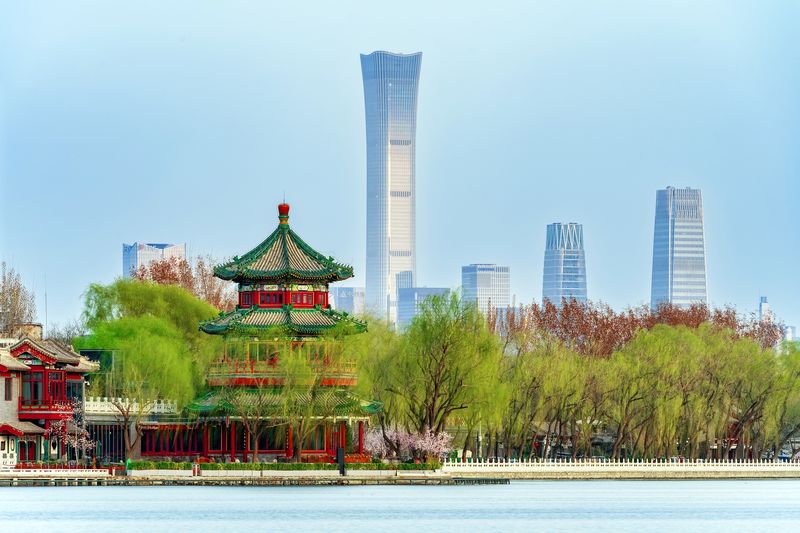
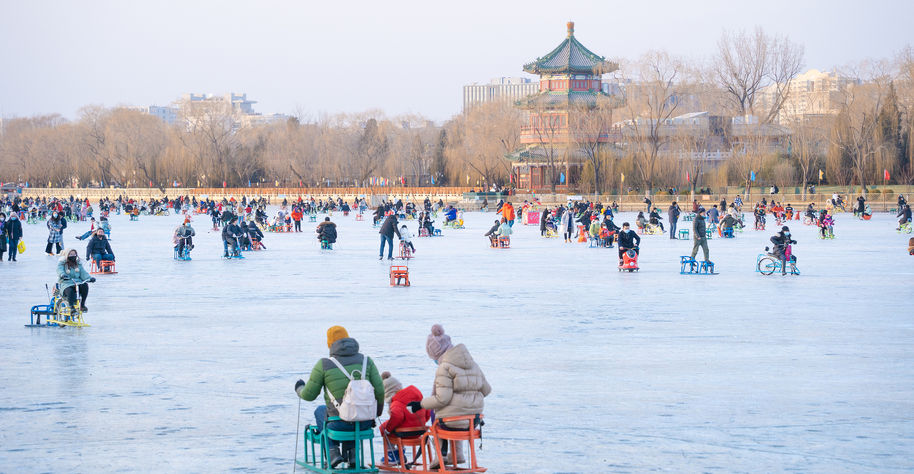
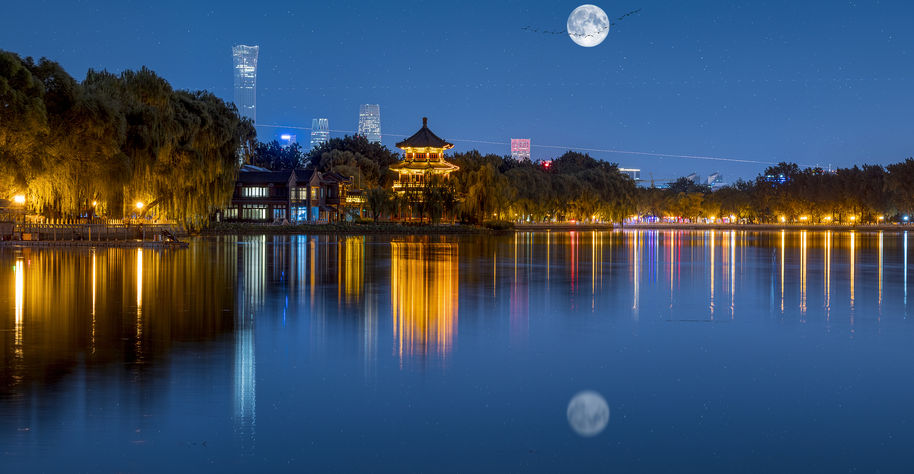
▲ ▲ Meander through the old alleyways to the Shichahai Lakes, the vibrant "heart of old Beijing." This area is a living, open-air museum where traditional hutongs, old tea houses, cycle rickshaws, modern bars, and street performers create a dynamic portrait of the city's past and present.