

View all 15 photos
Kyoto two thousand-year-old temples, Fushimi Inari Taisha, one-day historical tour
38 booked
Join-in tour
Meet at meeting point
Free cancellation by 00:59, 1 day before the date of use
From
€ 41.18
per person
Limited-time sale
8% off
Select package
Highlights
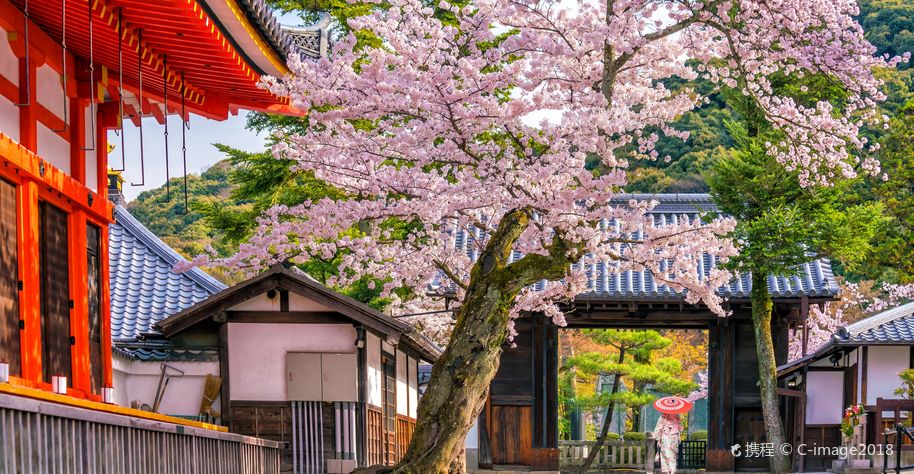
Discover the Charm of the Ancient Capital's Historic Temples
Famous classic attractions and popular spots in Kyoto
A World Cultural Heritage site, Oneof the oldest temples in Kyoto, A Japanese National Treasure
Last updated on 27 October 2026
Prices start from €41.18 per person, offering great value for your next unforgettable experience
Plan your trip with 4 available packages, including options like Kyoto two thousand-year-old temples, Fushimi Inari Taisha, one-day historical tour-A-car (type to be confirmed)-A-Get off at Osaka-English-English
Only 46 spots left! Book now to secure your spot. Available from 28 October 2026.

Package and price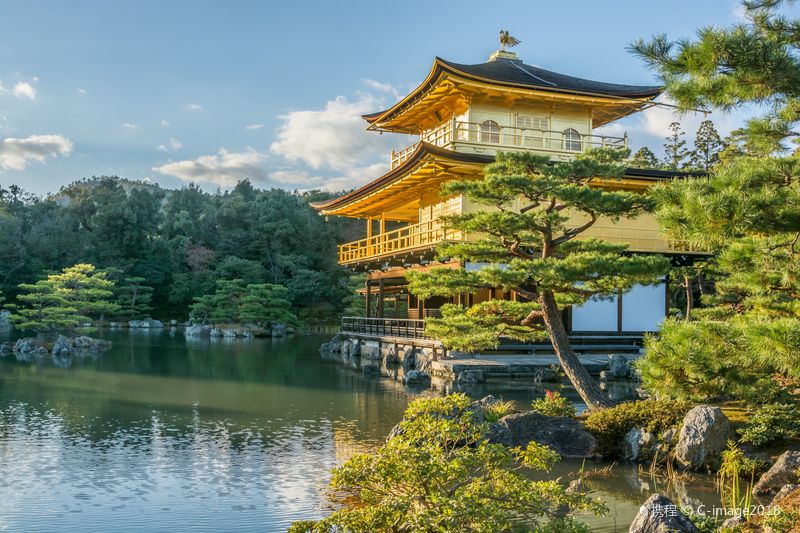
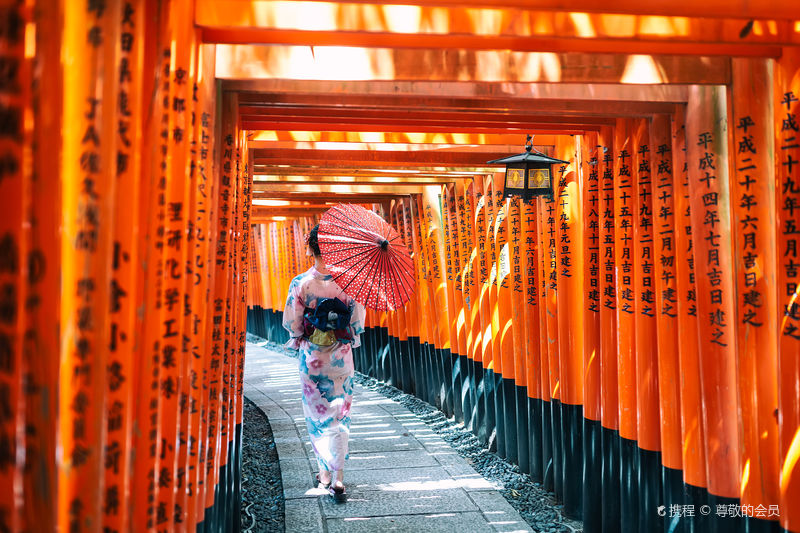
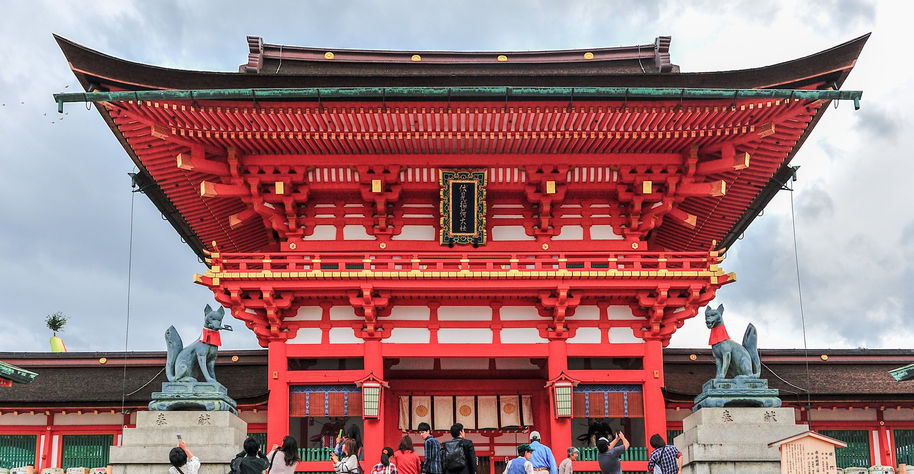
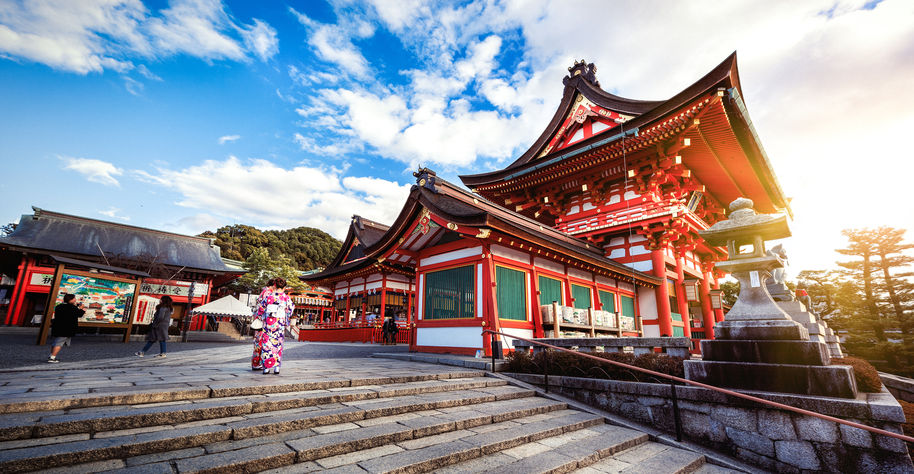
Date of use
2026-10-28
2026-10-29
2026-10-30
All
Local timeCurrency: USDPrices shown are the lowest prices for the current date
Package
Chinese
English
Get off at Osaka-English
FromUS$41.18
Get off at Osaka-Chinese
FromUS$41.18
Get off at Kyoto-English
FromUS$41.18
Get off at Kyoto-Chinese
FromUS$41.18
Booking information
US$44.77
FromUS$41.18
per person
8% off
Book now
Overview
Departs from Osaka, Kyoto
Starts at 08:25 and ends at 18:00
Tour guide (English)
Transportation options: Car, car (type to be confirmed)
Details
Meet at meeting point
08:25 meet at Exit 2 at Nihombashi Station , Osaka Details
1. The above meeting information is for reference only. Detailed travel information will be sent to you via email before 8:00 PM the day before departure. Please check your email and add the tour guide's contact information. For any issues at the meeting point, please contact the tour guide directly.
2. If you need to bring luggage, please inform customer service in advance. Some vehicle types do not allow luggage.
*As our tour is a "shuttle bus" type group, please arrive at the meeting point 10 minutes in advance. Seating is on a first-come, first-served basis and cannot be assigned or chan
09:35 meet at The bus parking lot at the Hachijo Exit of Kyoto Station , Kyoto Details
1. The above meeting information is for reference only. Detailed travel information will be sent to you via email before 8:00 PM the day before departure. Please check your email and add the tour guide's contact information. For any issues at the meeting point, please contact the tour guide directly.
2. If you need to bring luggage, please inform customer service in advance. Some vehicle types do not allow luggage.
*As our tour is a "shuttle bus" type group, please arrive at the meeting point 10 minutes in advance. Seating is on a first-come, first-served basis and cannot be assigned or chan
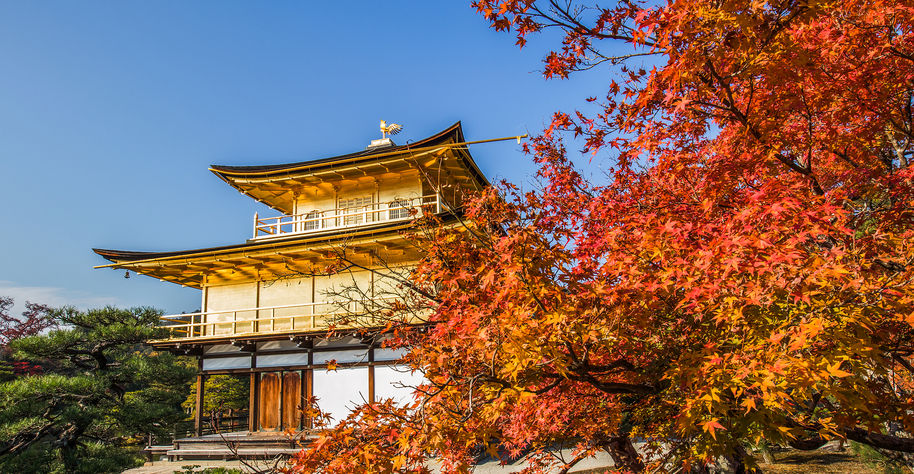
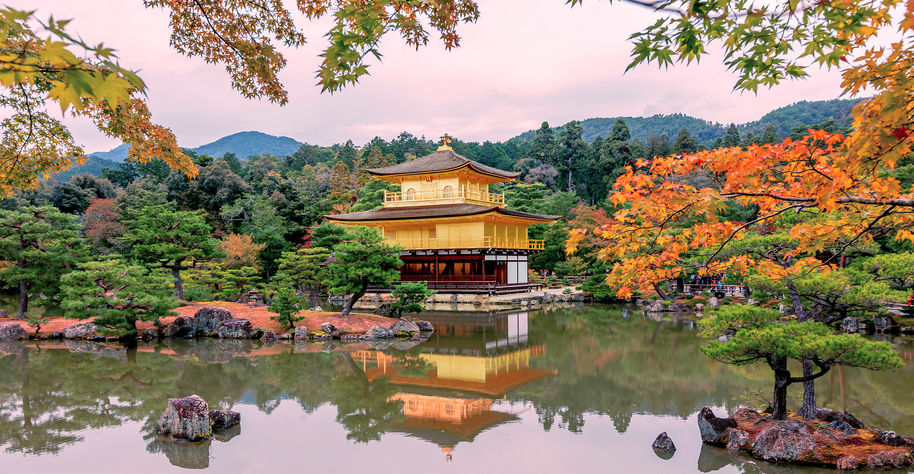
Kinkaku-ji Details
Enter attraction
Enter attraction
Paid attraction
Entry tickets not included
Arrive at Kinkaku-ji around 10:30. (Admission: 400 yen, payable individually).
1 hour
Transportation via Car
Depart for Kiyomizu-dera around 11:30.
Travel time: Approx. 50 minutes
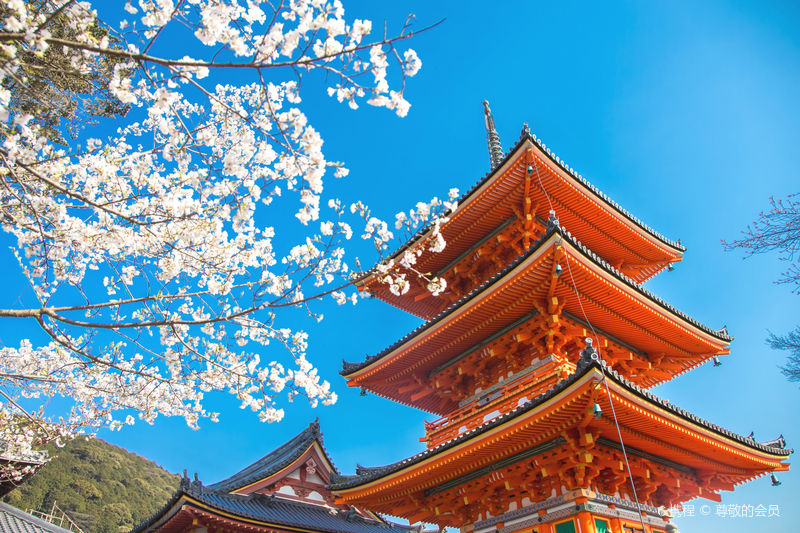
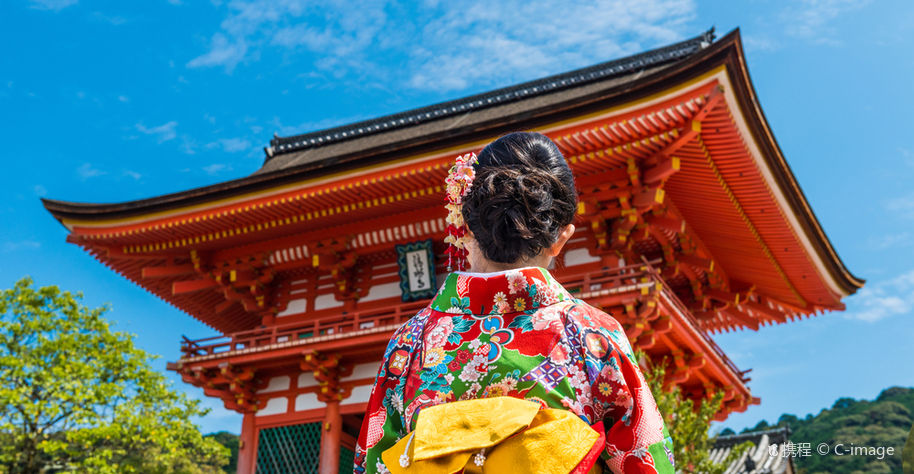
Kiyomizu-dera Temple Details
Enter attraction
Enter attraction
Paid attraction
Entry tickets not included
Arrive at Kiyomizu-dera around 12:20.Free time
2 hours30 minutes
Lunch
At your own expense
Expenses are at your own expense
30 minutes
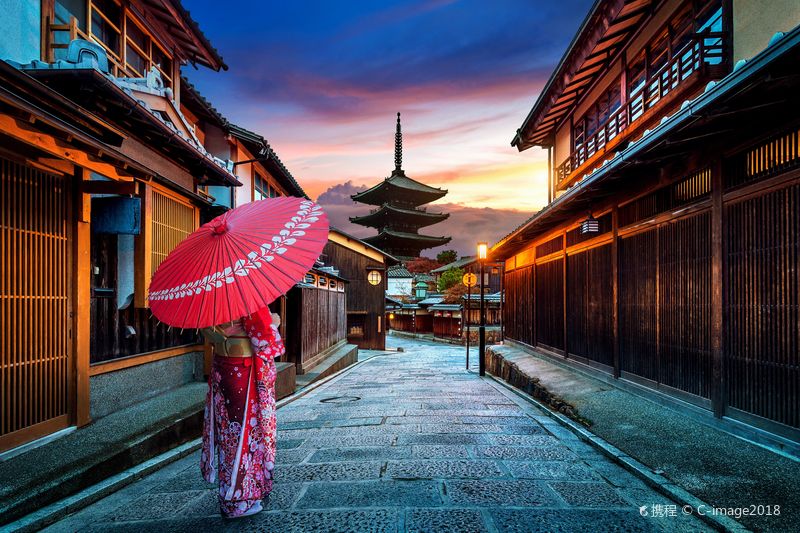
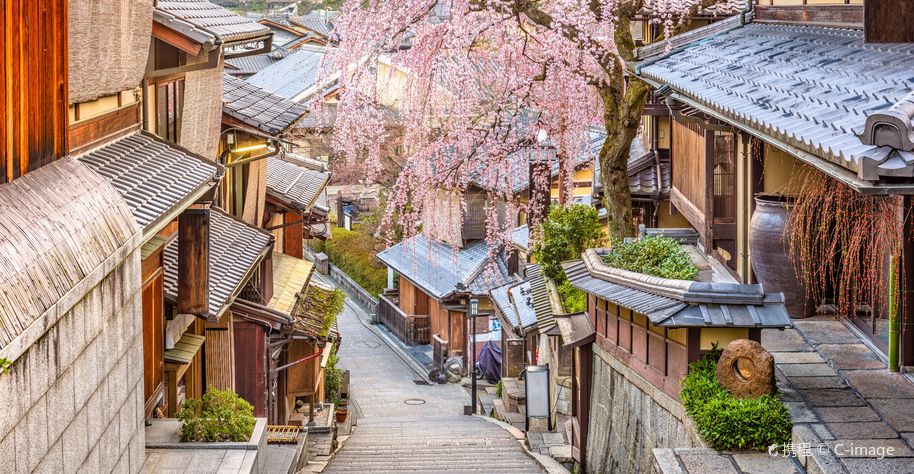
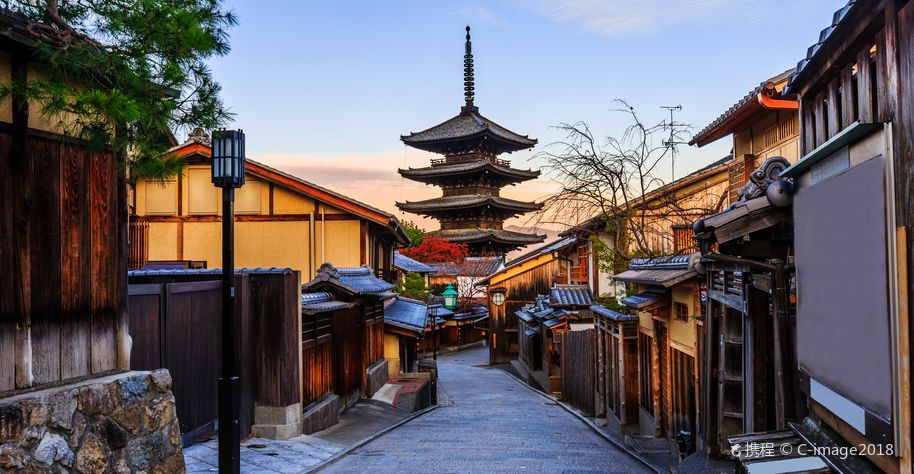
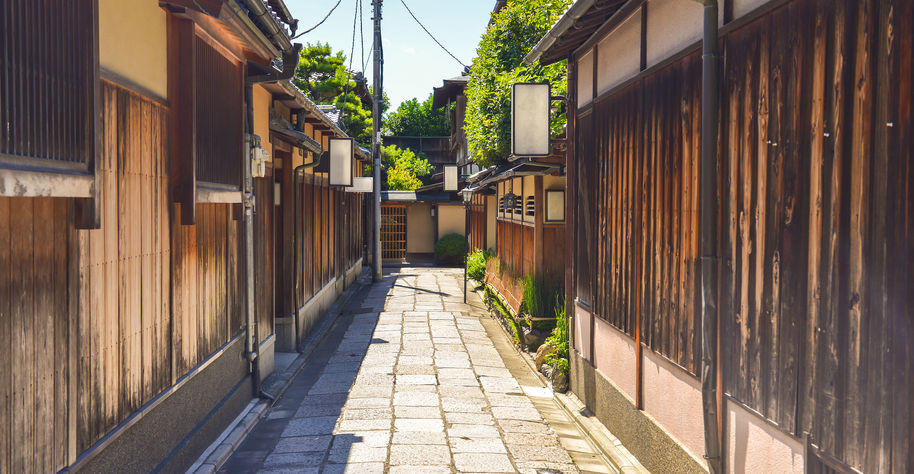
Sannenzaka & Ninenzaka Details
Enter attraction
Enter attraction
Free attraction
Entry tickets not included
20 minutes
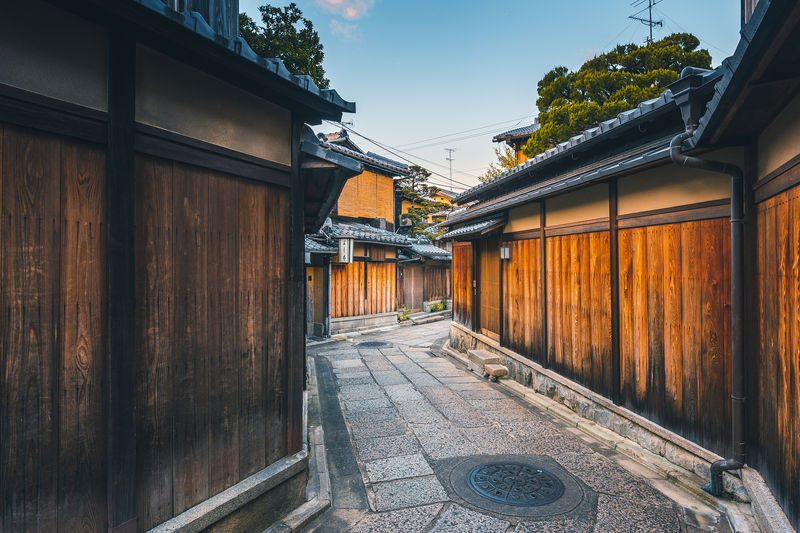
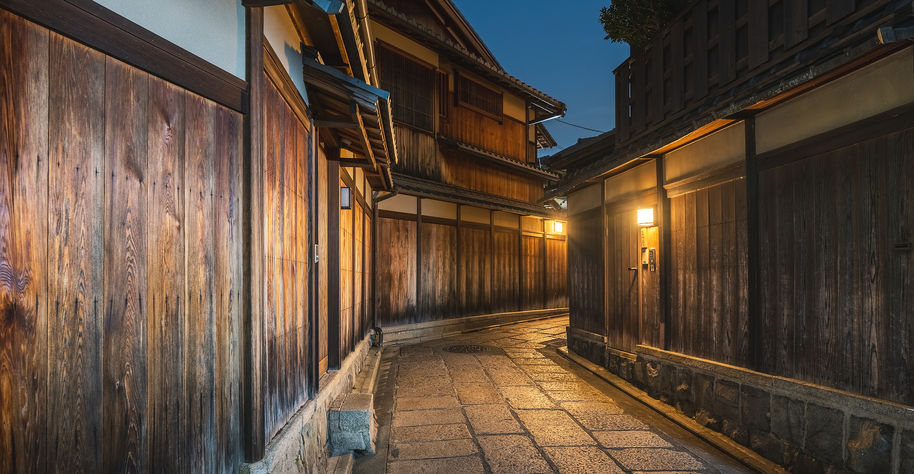
Ishibe Alley Details
Enter attraction
Enter attraction
Free attraction
Entry tickets not included
10 minutes
Transportation via Car
Arrive at Fushimi Inari Taisha around 15:40
Travel time: Approx. 20 minutes
Fushimi Inari Taisha Details
Enter attraction
Enter attraction
Free attraction
Entry tickets not included
1 hour10 minutes
Transportation via Car
Begin return journey around 16:50.
Travel time: Approx. 20 minutes
Return to designated point
18:00 return to KOKO HOTEL Osaka Namba Sennichimae,
Option to disembark in Kyoto.
All times are in local time and may change due to weather, road conditions, or other factors. Thank you for your understanding.
What's included
Trip.com picks
Popular Destinations
Popular activities
Unique experience
Popular Tour Products in Kyoto
Popular Experiences in Kyoto
Things to do in ShanghaiThings to do in BeijingThings to do in Hong KongThings to do in OsakaThings to do in ZhangjiajieThings to do in SingaporeThings to do in ChongqingThings to do in TokyoThings to do in GuangzhouThings to do in Xi'anThings to do in ChinaThings to do in JapanThings to do in ThailandThings to do in VietnamThings to do in South Korea
Paris: Kids Bike TourBali: Ubud Village & Gate of Heaven Private TourBarcelona Surroundings, Spain - Sitges + Tarragona Coast and Ancient City - Private Charter - Top PickSan Diego: Hop-on Hop-off Old Town TrolleyDongying Yellow River Mouth Eco-Tourism Area + Gudong Sea Day Tour NYC: MoMA Before-Hours Tour with Art ExpertRotterdam: Beer Brewery 'Noordt' Beer TastingAuthentic Shanghai Food & Culture Tasting Tour with The Bund&Nanjing Road WalkingMount Etna: Trekking Etna South 3000 metersFlorence: Uffizi Gallery Semi-Private Guided TourWater Activities in Vung TauSuzhou City PassVenice ActivitiesIne Day ToursOsaka Costume ExperienceSwitzerland ActivitiesWater Activities in Kota KinabaluJilin SIM CardKoh Samet Day ToursMadrid Airport Services Kiyomizu-dera Temple + Arashiyama + Fushimi Inari Taisha · Bilingual service in Chinese and EnglishKyoto: Gion Food Tour 13 dishes and 4 Local EateriesKyoto, Japan Arashiyama + Sanzen-in Temple + Bamboo Forest Trail Day TourOsaka-Kyoto private chartered tour | Classic route, itinerary can be adjusted 1-day tour from Osaka/Kyoto: Arashiyama Bamboo Forest, Nara Park Deer, and Fushimi Inari TaishaKyoto: Gion World of the Geisha Guided Walking TourKyoto 1-day tour: ancient temples, old streets and Senbon Torii full itinerary check-in Kyoto: IMAGINE NOH - Traditional Japanese Theater Show1-day tour to Kyoto and Nara Skip the lines Basic Ticket at SAMURAI NINJA MUSEUM KYOTOKyoto Geisha & Maiko Dinner: Intimate Cultural ExperienceKyoto: Authentic Udon Making Class With Local HostBest of Kyoto: Red Gates of Fushimi Inari & Kiyomizu TemplePremium small group of 9 - Katsuo-ji, Minoh Park, Kiyomizu-dera Temple, optional hotel transferKyoto Gion Geisha District Walking Tour - The Stories of GeishaKyoto Boat TicketsKyoto Connectivity SolutionsKyoto Shopping DiscountsKyoto Restaurant DiscountsKyoto Bus TicketsKyoto SIM CardKyoto Travel EssentialsKyoto ClassesKyoto Travel ServicesKyoto Transport CardKyoto TransportationKyoto Cultural ExperienceKyoto City PassKyoto Sports & AdventureKyoto Costume Experience