

Shirdi is one of the most visited pilgrimage towns in India, welcoming millions of Sai Baba devotees every year. Located in Maharashtra, Shirdi has a dry tropical climate with warm days, cool nights, and clear seasonal patterns. Knowing the temperature in Shirdi helps travellers plan temple visits, darshan timings, and outdoor movement comfortably.
Whether you are coming for spiritual reasons or a peaceful short getaway, understanding Shirdi weather makes your trip smoother and more enjoyable.
Weather Overview in Shirdi
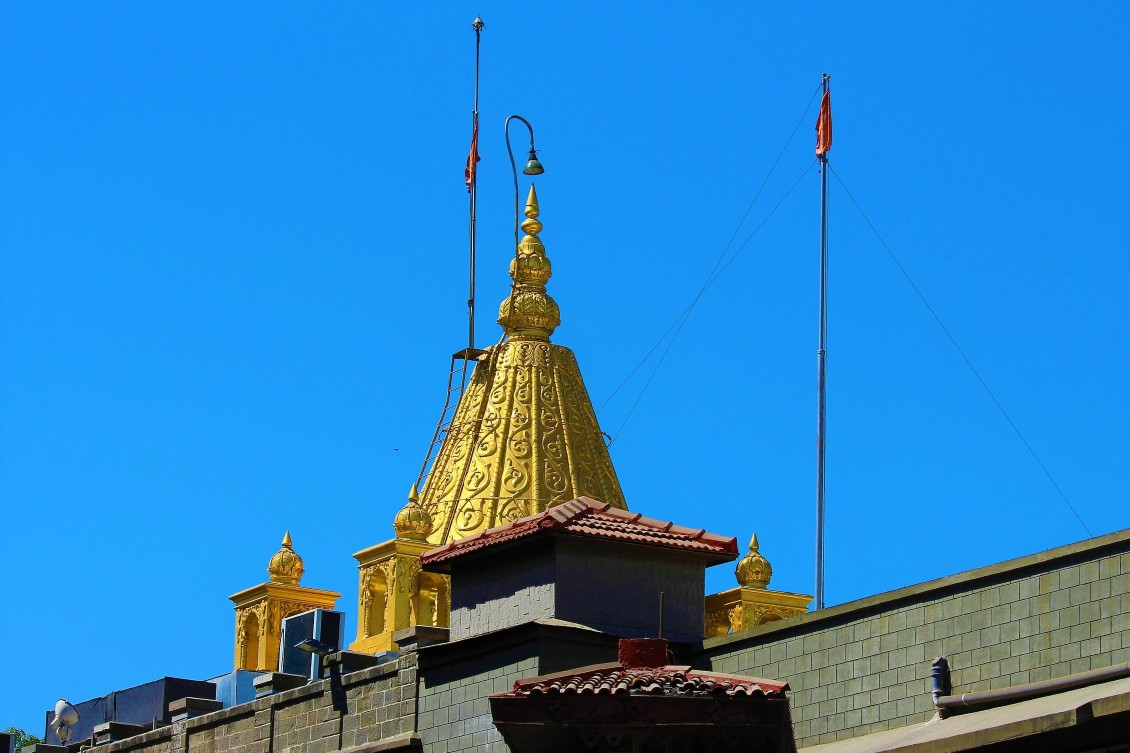
Shirdi experiences three main seasons. Summer is hot and dry. Monsoon brings rainfall and fresher air. Winter is mild and pleasant, making it the most popular time to visit.
Summer months can feel intense during the afternoon, while mornings and evenings are usually manageable. Monsoon adds greenery around the town but comes with occasional heavy rain. Winter offers cool mornings and comfortable daytime temperatures, perfect for temple queues and sightseeing.
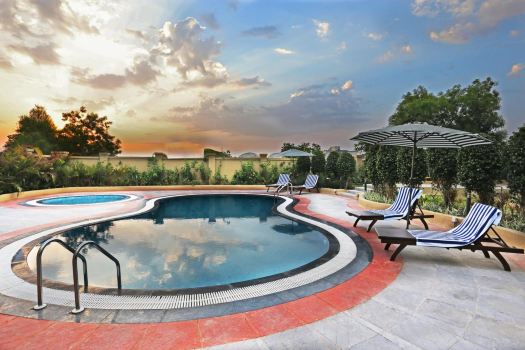
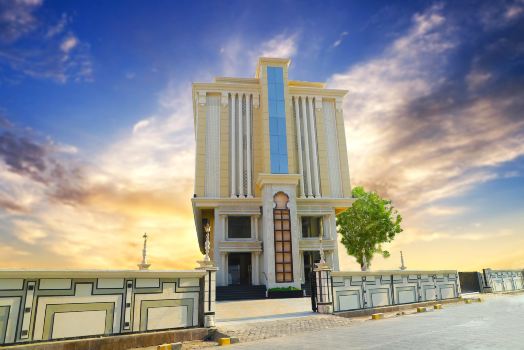
Hotels in Shirdi
 NO.1
NO.1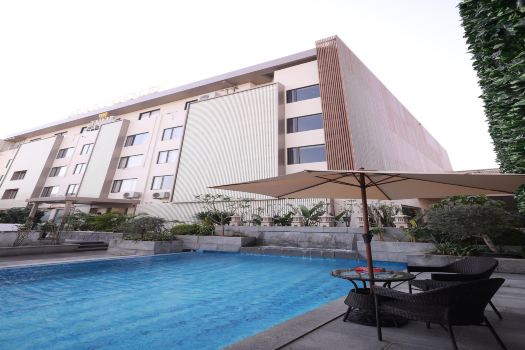




Shirdi Temperature by Month

Below is the latest average temperature guide to help you plan your visit better.
Month | Average High | Average Low | Average High | Average Low |
January | 30°C | 14°C | 86°F | 57°F |
February | 32°C | 16°C | 90°F | 61°F |
March | 35°C | 20°C | 95°F | 68°F |
April | 38°C | 23°C | 100°F | 73°F |
May | 40°C | 25°C | 104°F | 77°F |
June | 34°C | 24°C | 93°F | 75°F |
July | 30°C | 23°C | 86°F | 73°F |
August | 29°C | 22°C | 84°F | 72°F |
September | 31°C | 22°C | 88°F | 72°F |
October | 33°C | 20°C | 91°F | 68°F |
November | 32°C | 17°C | 90°F | 63°F |
December | 30°C | 14°C | 86°F | 57°F |
Best Time to Visit Shirdi
The best time to visit Shirdi is from October to March. During these months, temperatures are pleasant and suitable for long temple visits, walking barefoot in temple areas, and attending early morning or late evening aarti.
- Summer visits from April to May are still possible but expect strong heat during the day.
- Monsoon months from June to September are quieter and greener, ideal for travellers who prefer fewer crowds.






What to Wear in Shirdi
- Light cotton clothes are best for most of the year
- Carry a light jacket or shawl for early mornings in winter
- Comfortable footwear is important due to long walking hours
- Modest clothing is recommended when visiting Sai Baba Temple
- An umbrella or light raincoat is useful during monsoon season
Fun Facts About Shirdi’s Climate

Sunny almost all year
Shirdi enjoys plenty of sunshine throughout the year, making early morning temple visits especially peaceful and bright.
Hot afternoons, cool mornings
Even during summer, mornings in Shirdi can feel surprisingly pleasant, which is why many devotees prefer early darshan times.
Monsoon brings fresh greenery
From June to September, rainfall transforms the surroundings into lush green landscapes, giving Shirdi a calmer and refreshing atmosphere.
Winter is peak season for pilgrims
Cool temperatures from October to February make long temple queues more comfortable, which is why this period attracts the most visitors.
Very rare extreme cold
Shirdi does not experience extreme winter cold or frost, making it an easy destination for travellers who prefer mild weather.
Low humidity compared to coastal cities
Unlike many Indian destinations, Shirdi has relatively dry air for most of the year, especially outside the monsoon season.
Travel Tip for Shirdi Visitors
Temple queues can take time, especially during weekends and festivals. Visiting during cooler months makes the experience far more comfortable. Booking Shirdi hotels early is highly recommended during peak pilgrimage seasons to secure better locations near the temple.
FAQs About Temperature in Shirdi
What is the average temperature in Shirdi?
Shirdi has an average yearly temperature ranging from about 14°C during winter nights to around 40°C during peak summer afternoons.Which month is the hottest in Shirdi?
May is usually the hottest month in Shirdi, with daytime temperatures often reaching around 40°C.When is the best time to visit Shirdi based on weather?
The best time to visit Shirdi is from October to March, when the weather is cooler and more comfortable for temple visits.Does Shirdi experience heavy rainfall?
Shirdi receives moderate rainfall during the monsoon season from June to September, with July and August being the wettest months.Is winter cold in Shirdi?
Winter in Shirdi is mild. Early mornings and nights can feel cool, but daytime temperatures remain pleasant.Can I visit Shirdi during summer?
Yes, visiting Shirdi in summer is possible, but it is recommended to plan temple visits early in the morning or evening due to high daytime temperatures.