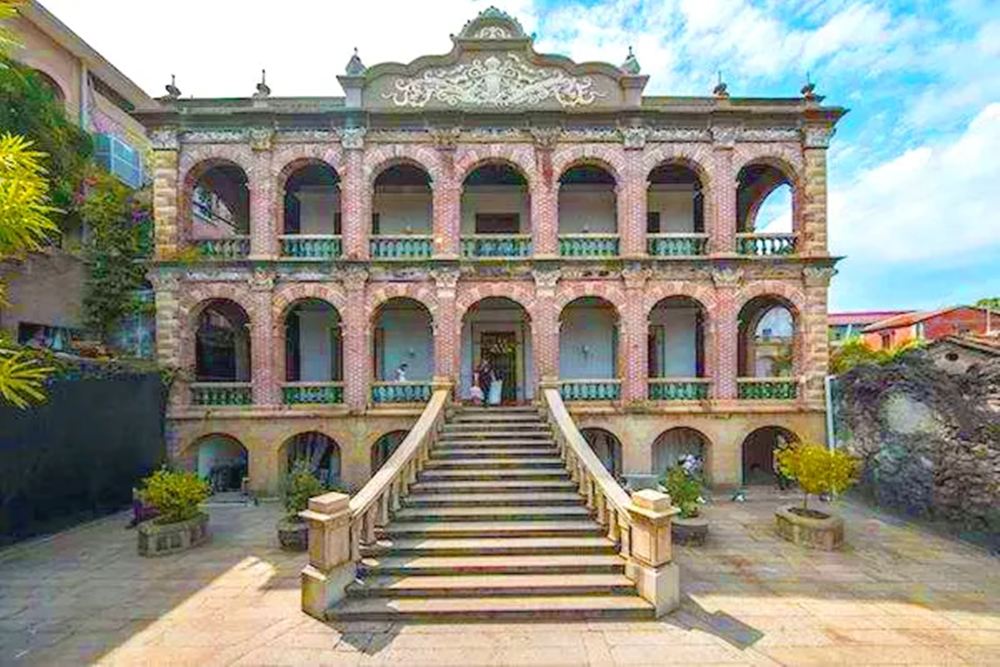
▲ Trip arrangement reference 08:00 pickup - departure from hotel 09:00 Take the ferry to the island 09:30 Gulangyu (World Cultural Heritage - International Architecture Exhibition) 10:00 Shuzhuang garden & piano museum (seaside garden) 11:00 Huang Family Garden Villa (China's first villa) 12:00 Longtou Road food street (lunch) 13:30 Hai Tian Tang Gou (a model of East-meets-West architecture) 14:30 Fan Po Lou (Filial Piety Building) 15:30 Bagua building (organ museum) 17:00 Outlying islands, free dismissal Note: The itinerary sequence and time are for reference only. The tour guide will make reasonable and flexible adjustments based on the crowd and traffic conditions at the attractions to ensure travelers' playtime and experience.
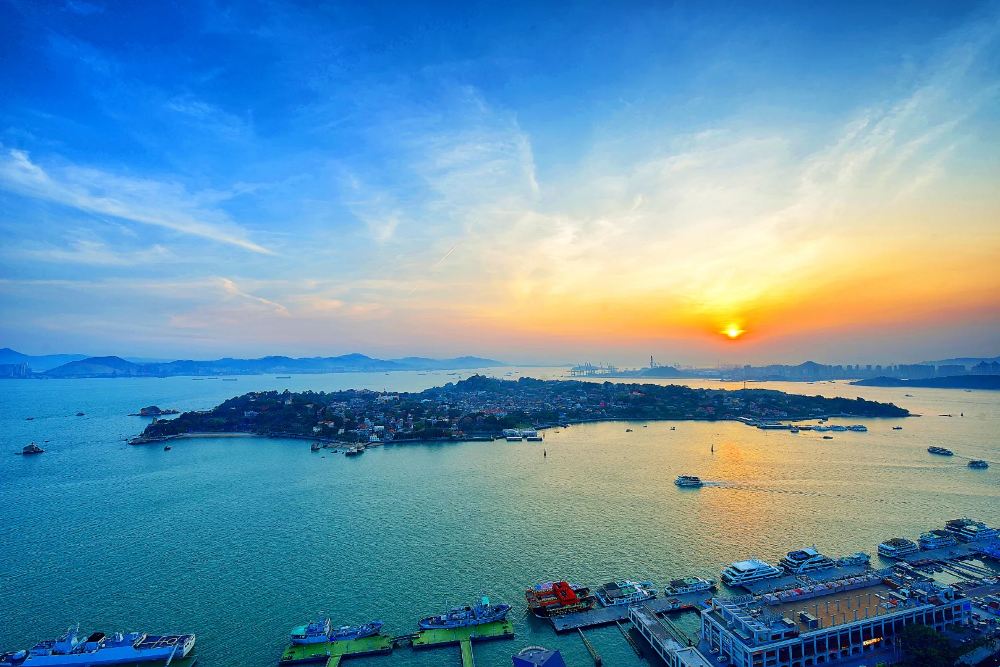
▲ Pack your bags and escape the concrete jungle to this hidden paradise kissed by sea breezes. [Gulangyu] is not just an island, but a way of life. Stroll through sun-dappled alleys and gaze at bougainvillea cascading over walls, while faint piano melodies drift from unnamed villas. As sunset paints the island in golden hues, board a boat to watch red-roofed houses and green trees whisper in the twilight. In this moment, all worries dissipate with the gentle sea wind. Our journey leaves ample time for you, just to let this ultimate romance heal your heart.
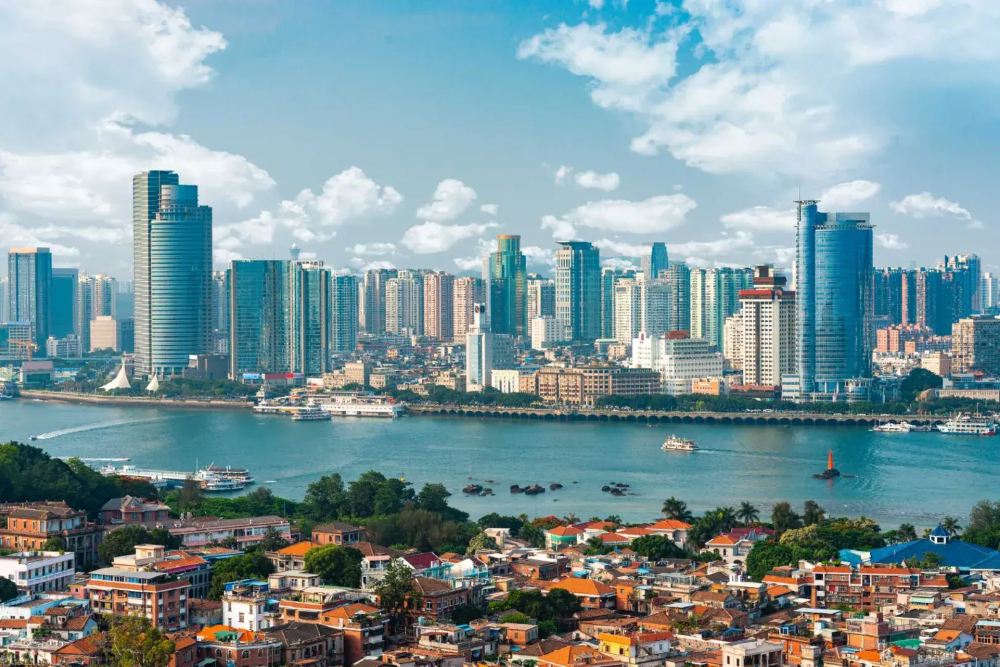
▲ The left bank is a place of red tiles and green trees, steeped in a century of history. Old Nanyang-style villas are nestled in an orderly fashion among dense banyan trees, where time seems to slow down, filled with the hustle and bustle of daily life and the lingering charm of history. On the right bank stands a modern skyline that pierces the clouds. The glass curtain walls refract a cool gleam under the sunlight, echoing the vibrant pulse of the city. Connecting these two shores is the sparkling waters of Gulang Bay. Take the [Gulangyu ferry] to start our journey today.
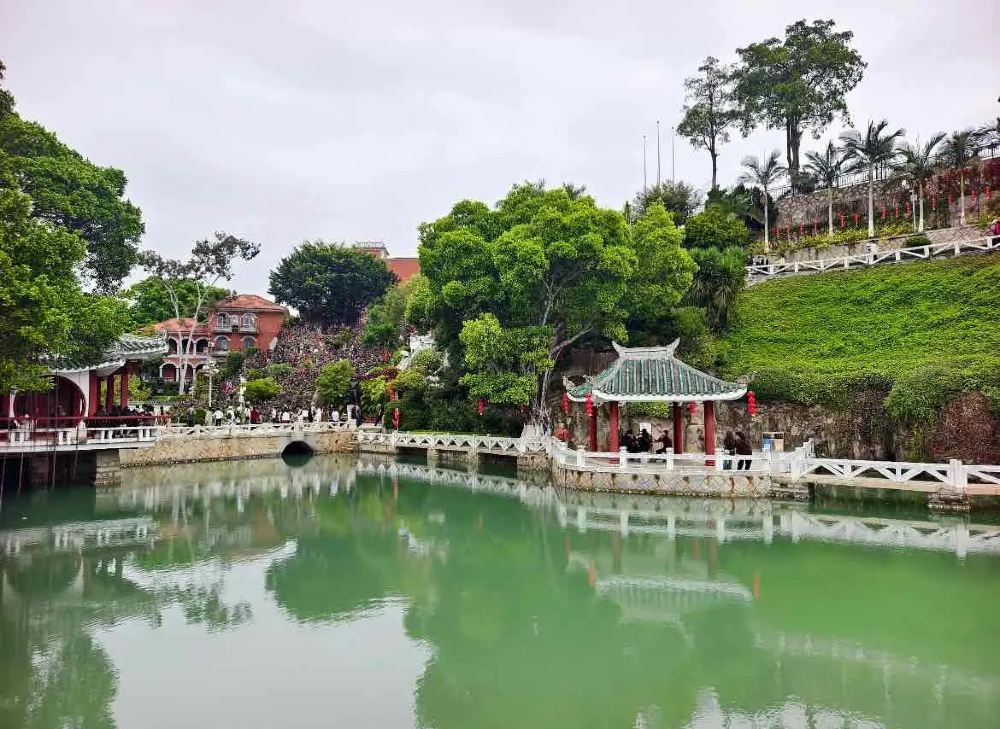
▲ Strolling through Shuzhuang Garden, you'll marvel at the ingenious concept of "hiding the sea." By concealing the ocean within the garden and skillfully utilizing the natural terrain, it creates a landscape of winding paths and hidden wonders. The white marble bridge (Forty-Four Bridge) spans the waves with grace, while the rockeries in Bushan Garden playfully reflect on the water's surface. Red-brick castles nestle among century-old banyan trees and vines. Once the private villa of Taiwanese tycoon Lin Erjia, every stone and pool here carries the elegance and spirit of literati from a hundred years ago. Follow our professional guide to explore the past and present of this "garden on the sea" in detail
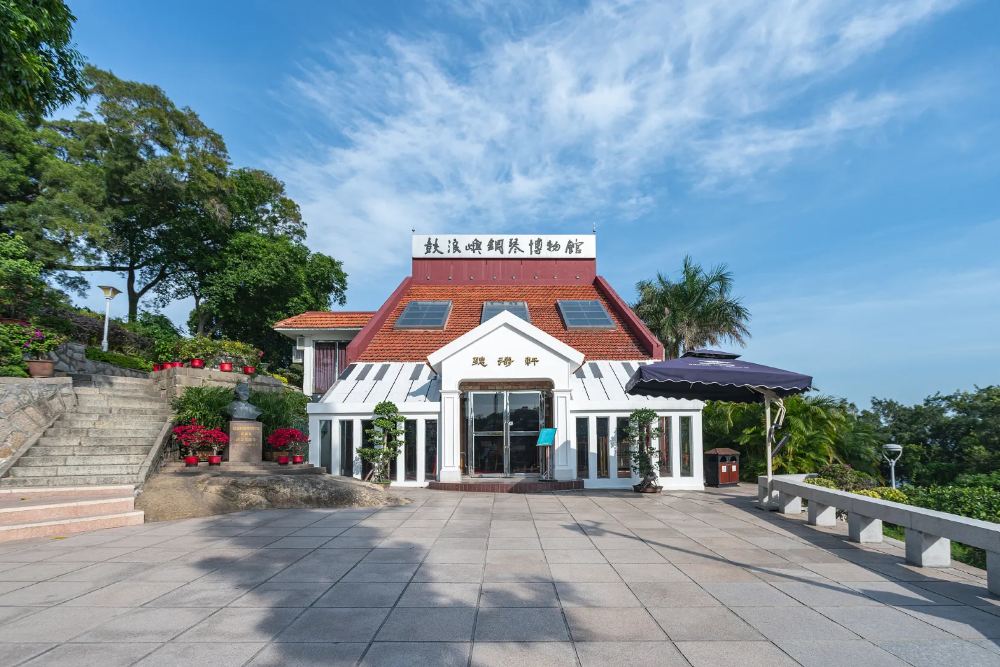
▲ Ascending the stone steps, a stunning red-roofed, white-columned building comes into view against the backdrop of blue skies and green trees. This is the famous "Tingtao Pavilion"—the Gulangyu Piano Museum. Observe the sloping red-tiled roof, resembling an open piano lid, while the white colonnades and arches evoke rows of lively piano keys. Here, the azure sea isn't just scenery—it's nature's amplifier. Step inside, and century-old pianos from around the world stand in silent elegance; step outside, and the sea breeze sweeps over the hills, carrying echoes of Chopin or Beethoven's melodies. Arrive with the anticipation of visiting the "most piano-like building," and leave with reverence for the island's century-old musical heritage.
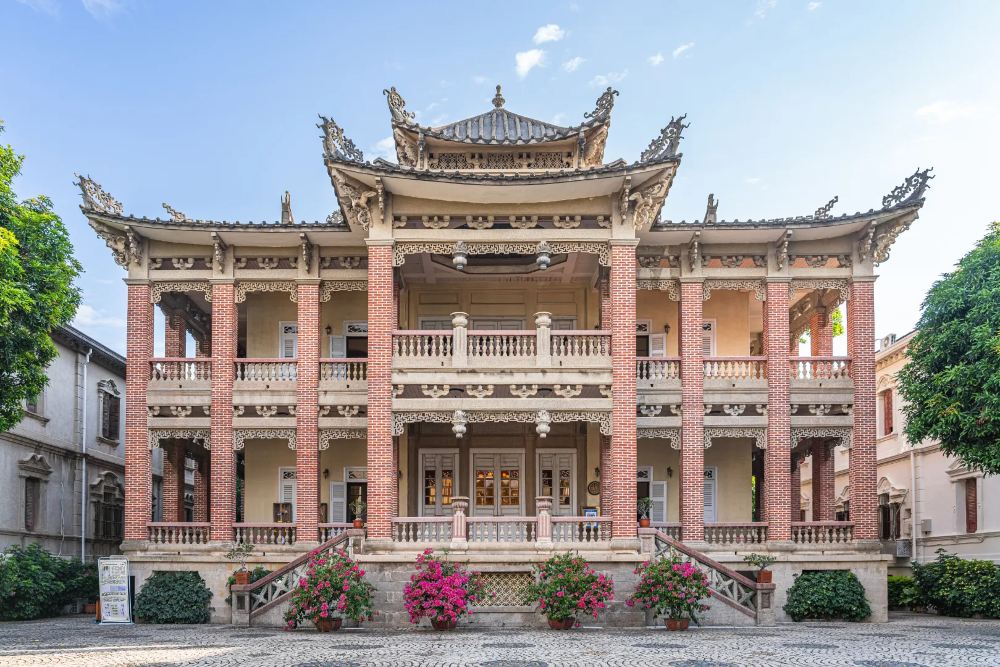
▲ Stepping into the courtyard of [Hai Tian Tang Gou], it feels like an instant journey back to the Nanyang dreams of a century ago. The red brick walls support classical Chinese upturned eaves—a brilliant fusion of "Western-style body and Chinese-style roof," mirroring Gulangyu's all-embracing character. On both sides of the stone steps, clusters of bougainvillea bloom vibrantly, adding lively charm to this majestic century-old mansion. The blend of Chinese and Western pillars and carvings creates perfect symmetrical aesthetics under the azure sky. This is not just a building but a condensed history of overseas Chinese struggles. Here, slow your pace to feel the whispers of the wind, the play of light and shadow, and the century-long journey of crossing oceans before returning to roots.
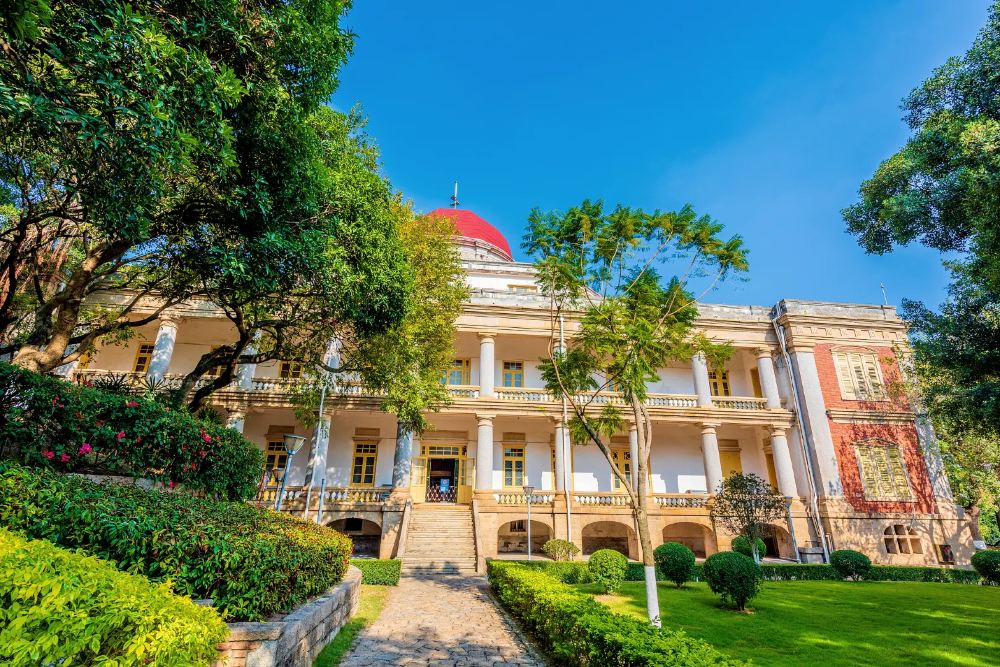
▲ As you approach the foot of Penghu Mountain, your gaze will be drawn to the stunning crimson dome of the Bagua Building, a sight that captivates the entire island. Built in 1907, it boasts not only 82 majestic columns reminiscent of ancient Greek temples but also blends Islamic-style domes with traditional Chinese flying eaves. The massive red roof, set against the blue sky and white clouds, resembles a ruby embedded in lush greenery. Once hailed as the "foremost scenic spot along the Lujiang River," it stands as a microcosm of the Chinese nation's unyielding spirit and the fusion of Eastern and Western cultures. Beyond its breathtaking architectural exterior, the building houses century-old pipe organs waiting for you to open its doors and immerse yourself in a timeless auditory feast.
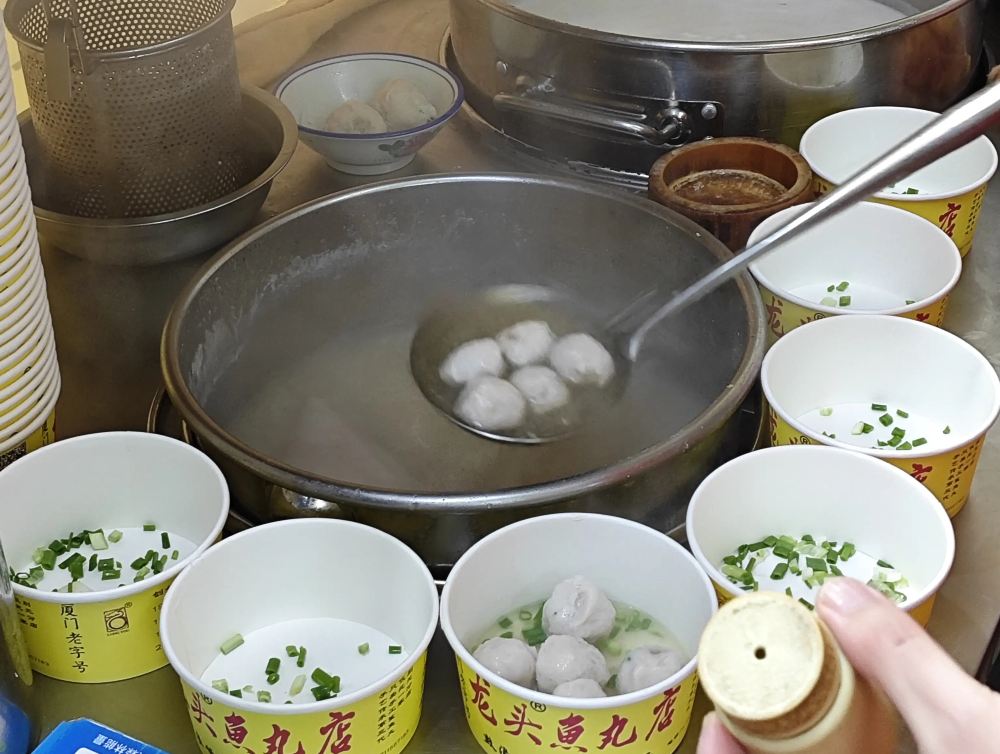
▲ Strolling along Longtou Road, you'll find shops lining the streets and the lively chatter of crowds. The most captivating sight is undoubtedly the large boiling pot by the roadside—a classic street scene of Gulangyu. Squeezed among the crowd, holding a steaming bowl of "Longtou fish balls," you watch as the sea breeze disperses the rising heat. The warmth radiating from your palms, accompanied by the mild spiciness of pepper and the fresh sweetness of the fish balls, creates an incredibly grounding and blissful moment during your travels. More food recommendations: Ye's glutinous rice balls, oyster omelet, satay noodles, braised pork dumplings, Shen's southern Fujian rice rolls, northern-style pancakes, peanut soup, and more