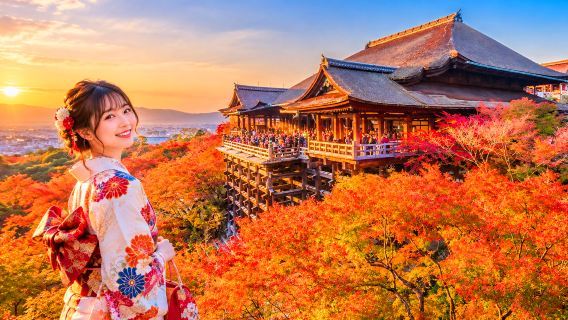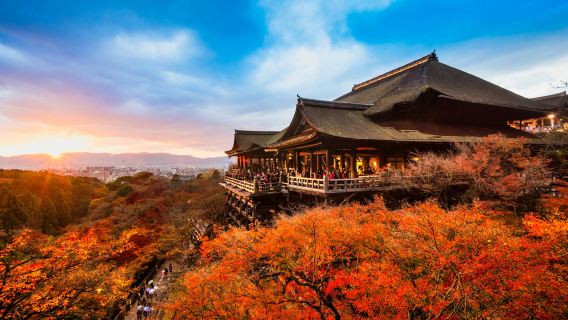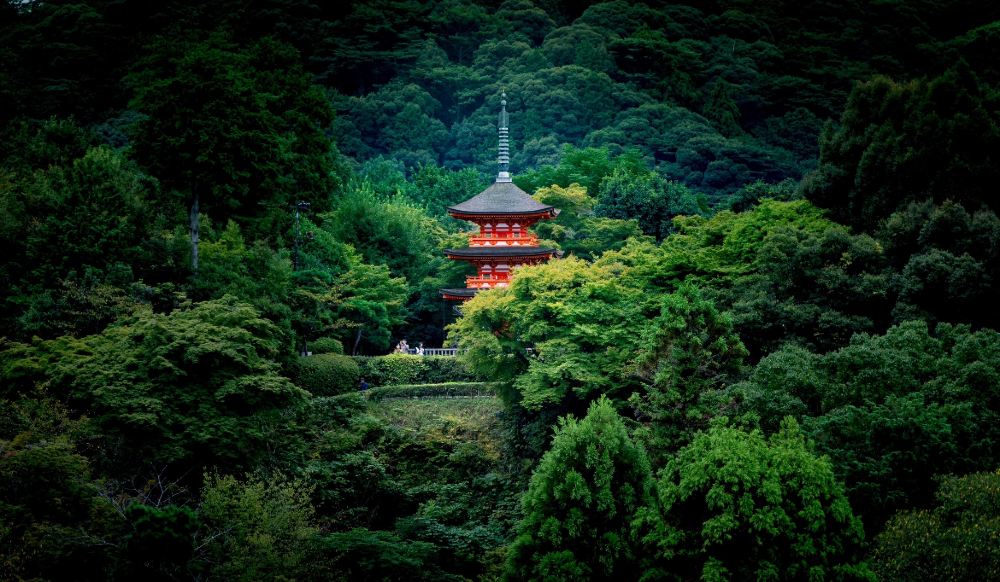
▲ Kiyomizu-dera temple, founded in 778, is located on the slopes of Mount Otowa in Kyoto's Higashiyama district. It was designated as a UNESCO World Heritage Site in 1994. The temple derives its name from the pure waters within its grounds. Below the Okunoin hall flows the Otowa waterfall, divided into three streams representing: Longevity Health Wisdom Visitors often drink from these waters to pray for blessings. Kiyomizu stage (must-see) Built suspended on the mountainside cliff Supported by numerous wooden pillars (without nails) Offers panoramic views of Kyoto and serves as an iconic photo spot Otowa waterfall (prayer site) Three streams symbolize different wishes Many visitors queue to collect the sacred water for prayers Temple complex includes: Main hall Three-story pagoda Nio gate All designated as national treasures

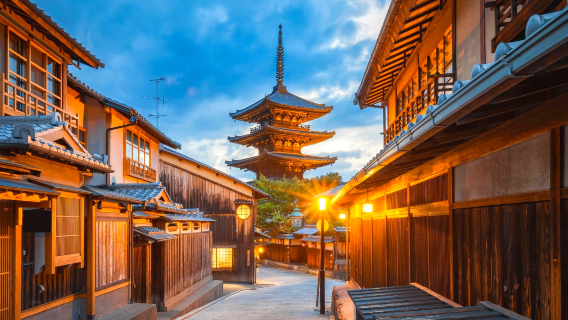
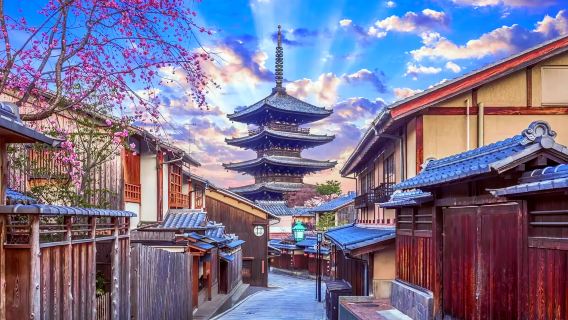
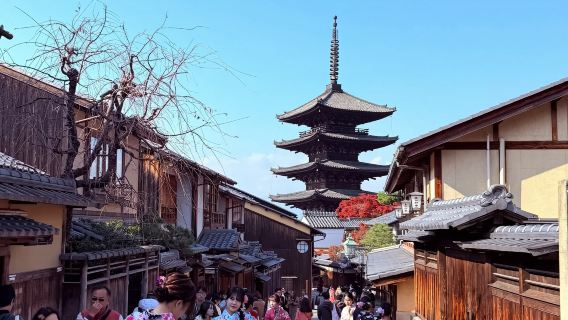
▲ Ninen-zaka and Sannen-zaka Located in Higashiyama, Kyoto, these traditional stone-paved slope streets connect to Kiyomizu-dera Temple and preserve Kyoto's traditional machiya architecture, making them an important area to experience the atmosphere of a historic district. Ninen-zaka and Sannen-zaka are linked by cobblestone paths, with traditional wooden buildings lining both sides of the slopes. The area is filled with teahouses, dessert shops, and handicraft stores. Visitors can immerse themselves in the nostalgic streetscape of old Kyoto while walking toward Kiyomizu-dera Temple. Origin of the names Ninen-zaka: A gentle slope connecting to Sannen-zaka Sannen-zaka (Sannen-zaka or "Safe Childbirth Slope"): A local saying warns, "If you fall here, you'll have three years of bad luck," serving as a reminder to watch your step. Suggested expression: "Slow down and walk—even the steps here have stories to tell." Experience highlights Traditional Japanese streetscape photography (cobblestone
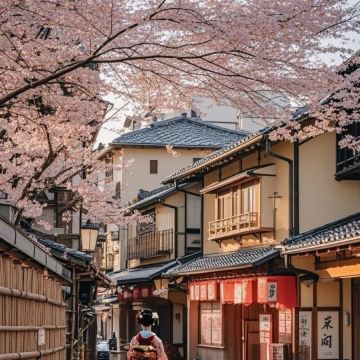

▲ Hanamikoji-dori is located in Kyoto's Gion district, a stone-paved street brimming with Edo-period charm, lined with well-preserved traditional machiya houses. This area was once a thriving center of geisha culture, and you may still encounter geiko or maiko in kimonos passing by. During the day, it offers a quiet and elegant atmosphere perfect for leisurely strolls and photography. From evening into night, the lantern-lit street transforms into a classically enchanting scene, embodying the quintessential Kyoto ambiance.

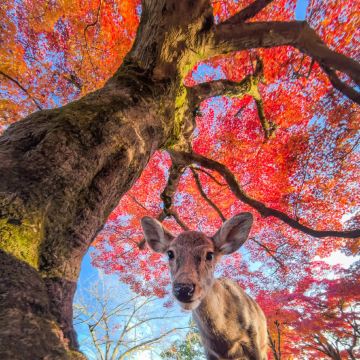

▲ Nara Park is a massive park located in Nara Highlights: deer that "bow" The park has over 1,000 wild deer They nod (bow) to visitors asking for deer crackers
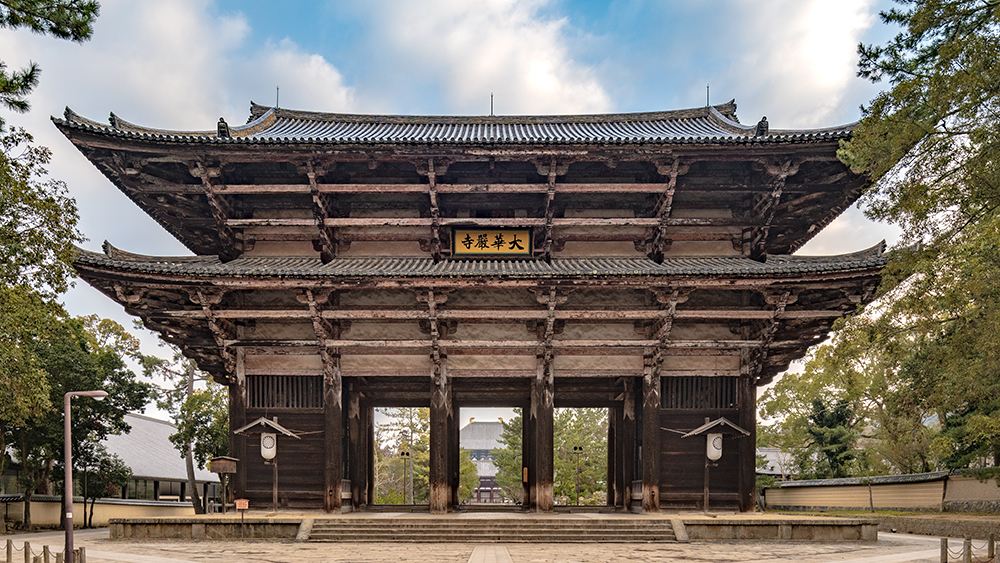
▲ Tōdai-ji Located in Nara Park, Nara, it was founded in the 8th century (Nara period) and is one of Japan's representative Buddhist temples, also listed as a UNESCO World Heritage Site. Tōdai-ji is renowned for its grand temple complex and historical-cultural value. The **Vairocana Buddha (Nara Daibutsu)** enshrined here is one of the important symbols of Japanese Buddhism. The temple combines ancient wooden architecture with religious culture, serving as a significant site for understanding Nara period history in Japan. Key highlights Great Buddha Hall (landmark structure) Wooden Buddhist hall with solemn grandeur Houses the Nara Daibutsu inside Spacious interior with visually stunning impact Nara Daibutsu (Vairocana Buddha) Bronze-cast Buddha statue Approx. 15m tall Symbolizes Buddhist cosmology and national stability