Indonesia Travel Tips to Save Time and Money

Thinking of heading to Indonesia?
You’re not alone. From weekend getaways in Bali to off-the-beaten-path adventures in Yogyakarta or Lombok, Indonesia’s a favourite for many travellers.
But while Indonesia is easy to enjoy, it does come with its own quirks. Things like whether to tip at restaurants, which apps actually work for transport or food delivery, or what to expect when buying a SIM card. The kind of stuff you might only figure out on Day 3 unless someone tells you first.
That’s what this guide is for. It’s packed with practical Indonesia travel tips to help you get settled quickly, avoid common slip-ups, and make the most of your time.
Let’s get started.
Language & Communication in Indonesia
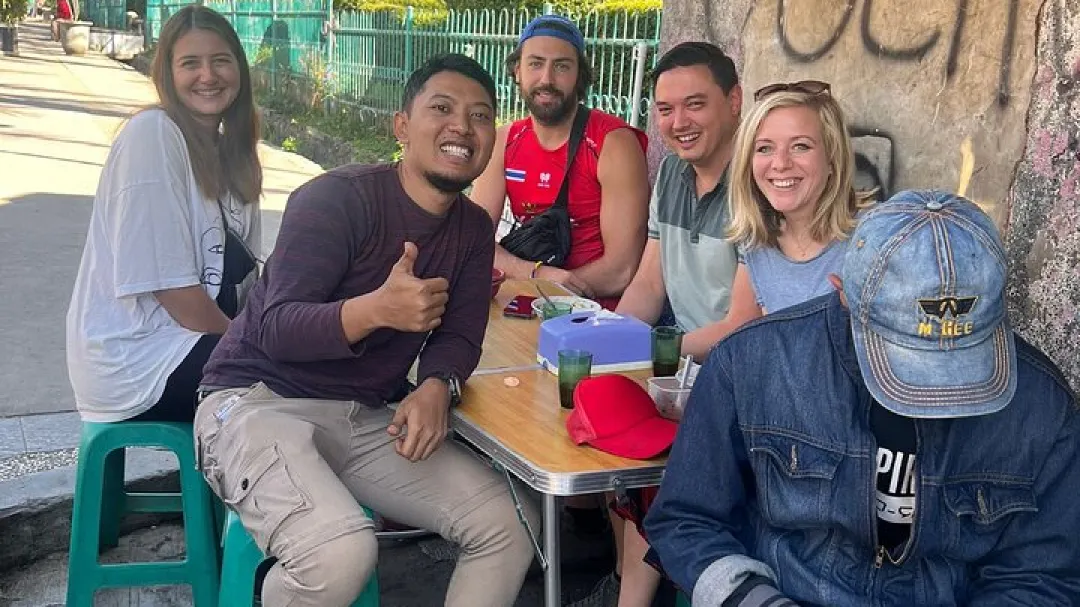
If you’re sticking to places like Bali or Jakarta, getting by with English is usually okay. Most hotel staff and tour guides speak enough to help you out. But once you step into smaller towns or wander into a local eatery, you might hit a language wall.
I didn’t speak Bahasa Indonesia when I first went, but picked up a few key phrases quickly. It’s actually not that hard to learn the basics. No strange grammar rules, and the pronunciation’s pretty much as you see it.
Here are a few phrases I used the most:
- Halo – Hello
- Terima kasih – Thank you
- Maaf – Sorry / Excuse me
- Berapa? – How much?
- Toilet di mana? – Where’s the toilet?
- Saya tidak faham – I don’t understand
I kept those in my phone notes and used Google Translate when I got stuck. It helped a lot, especially with menus or signs that didn’t have English.
Locals were generally patient even more so when they saw you trying. No need to be perfect. Just say a word or two, smile, and they’ll usually meet you halfway. Some would even teach me the right way to say it, which was nice.
Money, Payments & Apps
If you’re heading to Indonesia, just know that cash is still king in most places.
I could use my card at hotels and some cafés, especially in Bali and Jakarta. But once I started venturing into local food stalls or small shops, they’d often just shake their head when I pulled out a card.
What worked best was carrying a mix: some small notes for day-to-day spending, and my credit card for big-ticket stuff like hotels or tours.
You can get cash from ATMs pretty easily as they’re everywhere in the cities. I usually stuck to the ones inside Indomaret or Alfamart convenience stores. Safer that way, and no weird transaction errors.
For apps, these were my go-tos:
- Gojek: Honestly a lifesaver. I used it to get around, order food, and even for small deliveries once. It’s like Grab, but a bit more local.
- Grab: Pretty solid too. I ended up switching between both to compare prices.
- Trip.com: I booked a couple of domestic flights and a last-minute hotel through the app. Everything was confirmed instantly, no drama.
- WhatsApp: Everyone, from drivers to guesthouse owners, uses WhatsApp. Most of my local bookings were confirmed through there.
- Google Maps: Worked well in the cities, but in smaller towns or islands? Take it with a pinch of salt. Sometimes I just asked a local instead.
Locals love using apps like GoPay and OVO to pay for everything from bubble tea to petrol. As a foreigner, though, setting those up was a bit of a hassle. I didn’t bother in the end as cash and card got me through just fine.
If you’re unsure about a price or not sure if something’s fair, open up Gojek or Grab and check the rates. I did that a few times just to avoid paying “tourist tax” when I flagged down a ride.
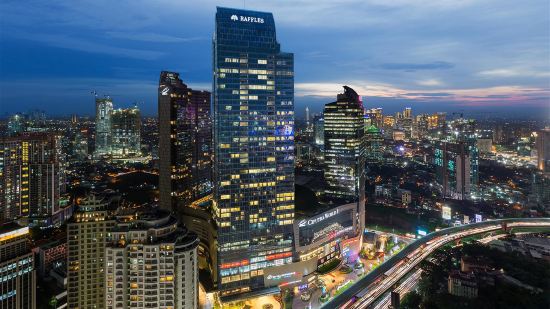
Recommended Hotels In Jakarta
 NO.1
NO.1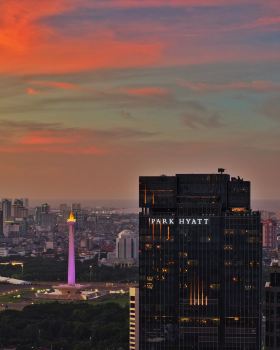



Tipping & Service Etiquette
No one’s going to expect a tip in Indonesia but when the service is good, giving a little extra is just a nice thing to do.
I didn’t tip everywhere, but when someone was genuinely helpful or friendly, I usually left something small or rounded up.
At cafés and casual restaurants, I’d leave IDR 10,000 to 20,000 (about SGD 0.90 to 1.80) if the food and service were decent. In more touristy spots, some places already include a service charge so check the bill before tipping twice.
For hotel staff, I kept a few smaller notes in my pocket. Giving IDR 5,000 to 10,000 (around SGD 0.50 to 0.90) to the porter or housekeeping staff was always appreciated.
For drivers, I just played it by ear. If it was a short Gojek or Grab ride, I tipped through the app… nothing big, just a bit extra if the ride was smooth.
For full-day drivers or private guides, I gave cash at the end. Usually around IDR 50,000 to 100,000 (SGD 4.50 to 9), depending on how the day went. Just a quiet thanks and a smile.
At the end of the day, tipping in Indonesia is up to you. But if someone made your day a little easier or more enjoyable, that small gesture really does go a long way.
Safety & Emergency Info

Indonesia felt pretty safe to me. I walked around Ubud at night a couple of times with no issues. Seminyak too, as long as I stuck to the busier streets.
But like anywhere else, you still have to stay sharp, especially in packed places like night markets or when you're squeezing onto a local bus.
I kept my bag zipped and phone out of reach in crowds, just to be safe. Pickpockets exist, just like anywhere else.
Recommended Hotels In Bali




One thing I avoided was taking random taxis off the street. I stuck to Grab or Gojek.
It was easier to track the ride and know what I was paying. If you’re getting on a motorbike taxi, just make sure the helmet fits and isn’t falling apart. Some don’t even offer one unless you ask.
Here are some emergency numbers I saved on my phone, just in case:
- Police: 110
- Ambulance: 118
- Fire: 113
- Tourist Police (Bali): +62 361 754599
Pharmacies are everywhere in cities and towns, just look out for signs that say “Apotek.”
Staff may speak basic English, but I usually showed a photo or pointed. For anything more serious, head to a private hospital. In places like Bali or Jakarta, some clinics cater specifically to tourists and have English-speaking staff.
I also kept a small pouch of meds with me: painkillers, charcoal pills, and plasters. Handy when you’re out all day and not near a pharmacy.
Cultural Etiquette & Social Norms
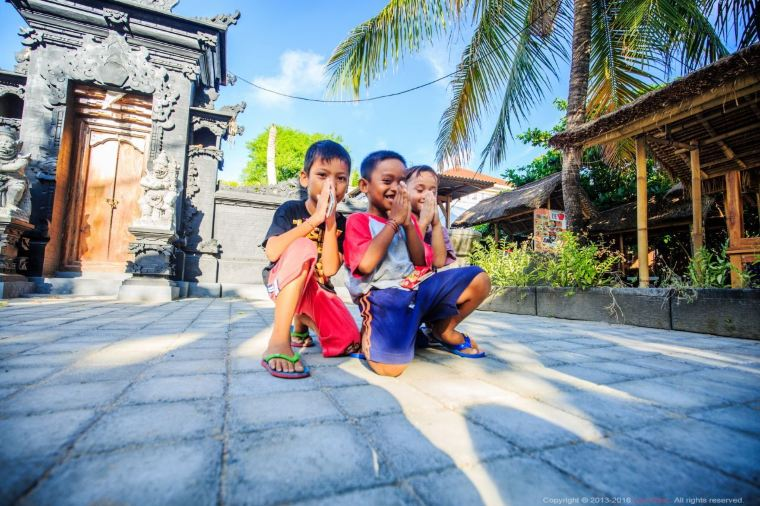
Most Indonesians I met were warm, polite, and pretty reserved.
You don’t need to go out of your way to be overly formal, but small things like smiling, being soft-spoken, and showing respect go a long way.
Dress-wise, it depends where you are. In Bali, it’s more relaxed in shorts and tank tops when you go everywhere.
But if you’re heading to a temple, mosque, or more conservative areas like parts of Java or Lombok, you’ll want to cover your shoulders and knees. I always carried a scarf or sarong just in case.
When entering homes or small shops, take off your shoes if you see others doing it. And when giving or receiving something: cash, food, change, use your right hand or both hands. Using your left hand alone can come off as rude.
Public displays of affection? Try to keep it low-key. Holding hands is okay, but kissing or hugging in public might get a few stares, especially in less touristy places.
At meals, people usually wait for the eldest or host to start eating first. It’s also normal to eat with your hands in some places. If you do, use your right hand.
And remember, don’t point with your finger! If you’re gesturing at something, just nod or use your whole hand instead. It’s a small detail, but locals notice.
Travel Seasons & Public Holidays

Indonesia’s weather is pretty straightforward: you’ve got the dry season and the rainy season.
Dry runs from around May to September, and that’s when most people go. Think clear skies, great beach days, and easier ferry rides if you’re island-hopping.
October to April is the rainy season. It doesn’t mean it rains all day, every day but you’ll likely get short, heavy downpours in the afternoon.
Some islands can get real muddy, and roads flood more easily. I went once in January and still enjoyed it, but had to plan indoor stuff in the afternoons.
If you’re trying to avoid crowds or price hikes, keep an eye on school holidays and major local festivals.
A few public holidays worth knowing:
- Nyepi (Balinese New Year) – Usually in March. Bali shuts down completely for 24 hours. No flights, no Wi-Fi, no going outside. Quietest day you’ll ever experience.
- Ramadan – The fasting month varies year to year. During this time, some restaurants may close during the day, especially outside of Bali.
- Eid al-Fitr (Lebaran) – Huge. People travel back to their hometowns, and domestic flights, buses, and trains get booked out weeks in advance. Prices shoot up too.
If you’re going during one of these periods, book everything early… hotels, transport, even ferries.
For most travellers, June to August is the sweet spot. Good weather, festive mood, and most areas are fully open. But if you don’t mind a little rain, shoulder months like April or October can be less crowded and a bit cheaper.
Top Things To do In Bali


SIM Cards, Wi-Fi & Staying Connected

If you’re the kind of traveller who needs data on the go (for maps, rides, food delivery, or just peace of mind), getting a SIM card in Indonesia is worth it and pretty easy.
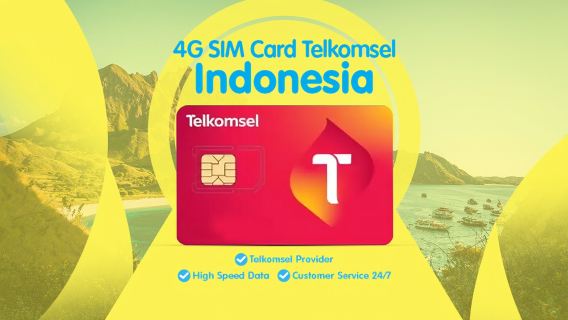
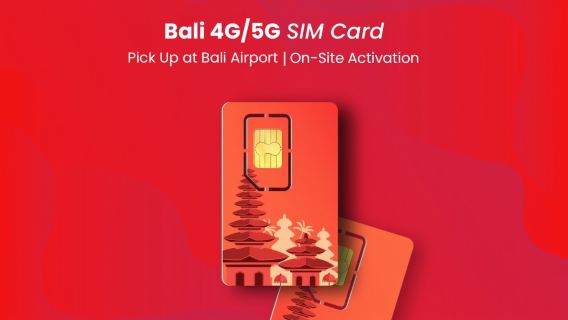
You can grab a SIM card as soon as you land. At major airports like Bali’s or Jakarta’s, there are counters selling tourist SIMs. I’ve used Telkomsel and XL Axiata and both worked fine. Just bring your passport, and they’ll set it up for you on the spot.
Plans vary, but I paid around IDR 100,000 to 150,000 (SGD 9–13) for a week’s worth of data. Enough for maps, social media, booking stuff, and the occasional Netflix download. You can top up easily at convenience stores like Indomaret.
If your phone supports Indonesia eSIM, that’s even easier. You can buy it online before your trip and get connected right after landing. No physical SIM needed, no queue.
Buy Cheap Indonesia eSIM


Wi-Fi is decent in most hotels and cafés, especially in tourist areas. In more remote spots, don’t count on it. I stayed at a beach hut once in Lombok that claimed to have Wi-Fi—but it barely loaded a message. So, your own data helps.
Final Indonesia Travel Tips

Indonesia can be as chill or as full-on as you want it to be. You’ve got beach towns, volcano hikes, street food, temple visits, long ferry rides, sometimes all in the same week. And while the country’s super welcoming, it does help to know a few things upfront.
Having a local SIM saves a lot of trouble. Apps like Gojek make getting around easy. Carrying small change is still a thing. And just being polite: smiling, speaking slowly, dressing a little more modestly when you’re not in a resort goes a long way.
Still booking? You can check these out:
Enjoy the trip, take it slow when you can, and be ready to go with the flow. You’ll come back with stories.
Indonesia Travel Tips FAQs
-
Can I use cards in Indonesia or should I carry cash?
-
Do people expect tips in Indonesia?
-
When’s a good time to go?
-
What apps did you actually use?
Find Cheap Travel Deals & Explore Destinations on Trip.com
-
Featured guides
-
Trip.com links
- China Power Bank Limit
- Trip.com Customer Service
- train to kl from singapore
- Shanghai Metro
- China Train Map
- China Entry Requirements
- train from singapore to jb
- Thailand Plug
- Renew Autopass Singapore
- Vietnam Arrival Card
- China Plug
- Singapore Malaysia Cross Border Taxi
- universal studios singapore tickets
- 泰国插头
- Singapore Public Holiday 2027
- Big Transport from Tokyo to Fukuoka
- Frankfurt Airport to City
- Osaka Station to Kyoto Station
- Trip.com Promo Code
- Trip.com Flight Deals
- Trip.com Credit Card Promotions
- How to Book Cheap Hotels
- How to Book Cheap Flights
- Trip.com Member Rewards
- Trip Weekly Hotel Sales
- Online Hotel Booking
- Online Flight Booking
- Trip.com Travel Guide
- Book China Train Tickets
- Trip.com Seat Selection
- Singapore Public Holidays 2027
- Trip.com 优惠码
- Trip.com Travel Guides
- Trip.com 10.10 Mega Sale