All
All
All


Popular cruises
Show all
- Dream Cruises
- StarCruises
- Disney Cruise Line
- Royal Caribbean International
- MSC Cruises
- Costa Cruises
- Norwegian Cruise Line
- Princess Cruises
- Ritz-Carlton Cruises
- Ponant
- Swan Hellenic
- Cunard Cruise
- Celebrity Cruises
- Hurtigruten Cruises
- Adora Cruises
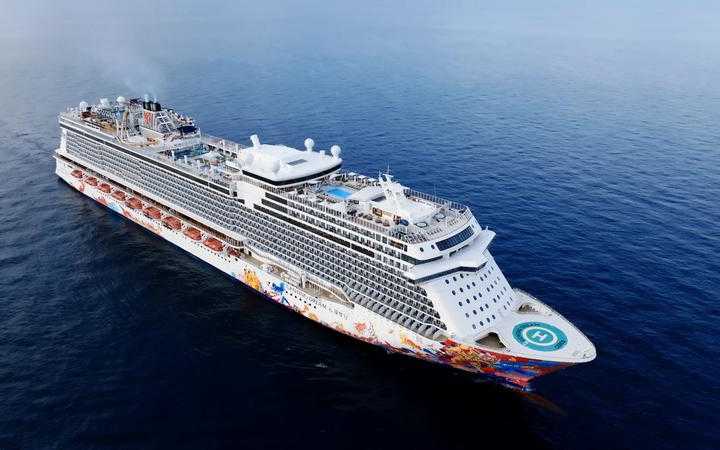 Genting Dream
3 days · Singapore - Ocean voyage - Singapore
Genting DreamSingaporeFrom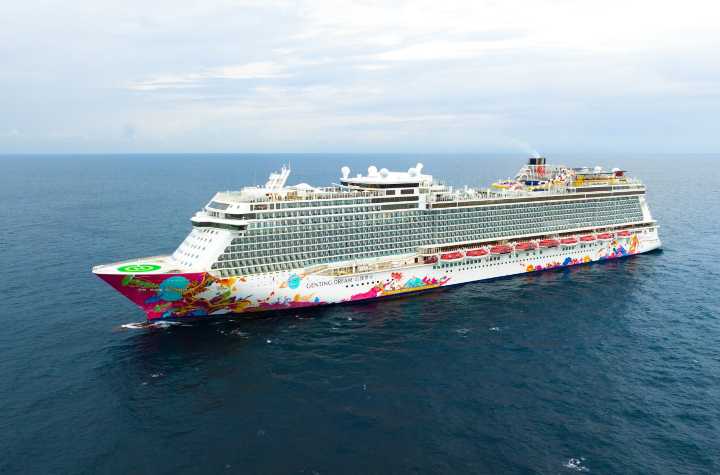 Genting Dream
3 days · Singapore - Melaka - Singapore
Genting DreamSingaporeFrom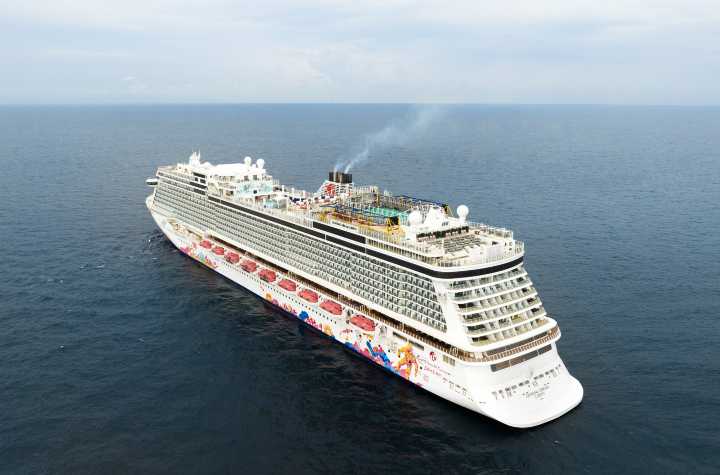 Genting Dream
4 days · Singapore - Phuket - Singapore
Genting DreamSingaporeFrom- Genting Dream
4 days · Singapore - Penang - Port Klang (Kuala Lumpur) - Singapore
Genting DreamSingaporeFrom
See more
Reviews
Frequently Asked Questions
You must carry a passport with an expiration date that meets the destination's requirements (usually valid for at least 6 months after the cruise ends; please refer to the actual boarding information), your cruise boarding pass (e-ticket or printed copy), and any visas required by all countries/regions on your itinerary. Depending on your nationality, other identification documents (such as a residence card or national ID card) may also be required. Please confirm the final requirements with the relevant embassies or consulates and the cruise line before departure.
Modern large cruise ships are equipped with advanced stabilizers and are routed to avoid rough seas, meaning most passengers never experience noticeable seasickness. If you are prone to motion sickness, consider booking a cabin on the mid-to-lower decks where movement is minimal. Other helpful tips include packing motion sickness medication, wearing anti-nausea wristbands, and getting fresh air on open decks. Note: Medication availability at the onboard medical center varies, so please check with your specific cruise line.
The vast majority of cruises automatically charge a fixed service fee to your daily cruise card account. For specific rates and collection methods, please refer to the information published by the cruise line after boarding. This fee typically covers basic gratuities for room service, dining staff, and more. Unless you wish to tip extra for exceptional service, additional cash tips are not required. We recommend consulting the cruise line's official guidelines when booking or after boarding.
Most international cruise lines use the US Dollar as their onboard currency. Upon boarding, you will link a credit card (Visa, Mastercard, American Express, etc.) to your cruise card. The ship operates on a "cashless" system, meaning all onboard purchases (dining, drinks, shopping, service fees) are charged directly to your account and settled at the end of the trip. While you don't need large amounts of cash on board, we recommend bringing some small bills (USD or local currency) for minor expenses and tips at ports of call.
Usually, within an hour after leaving port, your phone will connect to a maritime roaming network, which carries extremely high call and data roaming charges (often exceeding US$ 5/minute). We strongly advise putting your phone in Airplane Mode and relying solely on the ship's Wi-Fi. Most ships offer paid Wi-Fi packages. Purchasing a voyage-long package is generally much more cost-effective than paying by the day. Some luxury cruise lines include basic Wi-Fi in your fare.
Every international cruise ship is equipped with a medical center staffed by at least one internationally certified doctor and nurse. They are fully capable of treating common illnesses (colds, gastroenteritis) and minor injuries. Please note: Onboard medical care is quite expensive, and the pharmacy has limited stock. We strongly recommend purchasing travel insurance with cruise medical coverage and packing an ample supply of any prescription or over-the-counter medications you regularly use.
After boarding, you must attend a mandatory safety drill (usually required to be completed within 24 hours). During the drill, you will hear the ship's dedicated alarm signal. Please immediately put on your life jacket (located in your cabin closet) and follow the evacuation route map on the back of your door to your designated assembly station. Please keep in mind: Do not use the elevators, follow the crew's instructions, and stay calm. Even if you have been on multiple cruises, you must participate in the drill on every new voyage. Please refer to the ship's on-site broadcasts and guidance for the specific signal and assembly location.
The night before disembarkation, affix luggage tags to all checked bags as instructed by the cruise operator and leave them at the marked zone outside your cabin. Do not pack items required for the next day such as daily wear, official documents and valuables into checked luggage.
Retain your passport, room key and hand luggage with yourself. On disembark day, exit your cabin by the stated timing and proceed ashore in allocated groups per announcements. Avoid remaining inside the cabin. Inspect every drawer, closet and cabin safe thoroughly. Exact timings and baggage rules follow the cruise line’s Disembarkation Guide.
Trip.com recommended
- Cruises from Philadelphia
- Cruises from Brest
- Cruises from Vlissingen
- Cruises from Florence
- Cruises from Bangkok
- Cruises from Santa Cruz de Tenerife
- Cruises from Bali
- Cruises from Nice
- Cruises from Incheon
- Cruises from Sorong
- Cruises from Tema
- Cruises from Bridgetown
- Cruises from Juneau
- Cruises from Lisbon
- Cruises from Cadiz
- Cruises from Manaus
- Cruises from Athens
- Cruises from Valletta
- Cruises from Callao
- Cruises from Tianjin
- Cruises to 新西兰
- Cruises to 挪威
- Cruises to 百慕大
- Cruises to 圣卢西亚
- Cruises to 德国
- Cruises to 肯尼亚
- Cruises to 巴布亚新几内亚
- Cruises to 法属波利尼西亚
- Cruises to 特克斯和凯科斯群岛
- Cruises to 越南
- Cruises to 澳大利亚
- Cruises to 纽埃(新西兰属)
- Cruises to 泰国
- Cruises to 加拿大
- Cruises to 危地马拉
- Cruises to 菲律宾
- Cruises to 塞内加尔
- Cruises to 突尼斯
- Cruises to 马耳他
- Cruises to 法罗群岛
- Viking Cruises•Viking Rolf
- Captain Cook Cruises Australia •PS Murray Princess
- Norwegian Cruise Line•Norwegian Viva
- Celebrity Cruises Inc•Celebrity Xcel
- ANEK LINES •Elyros ferry
- Adventure Resorts and Cruises India •MV Mahabaahu
- Ritz-Carlton Cruises•Ritz-Carlton Azora
- Holland America Line•None 4
- World Cruises•World Legacy
- Saga•Spirit Of Adventure
- Norwegian Cruise Line•Pride of America
- American Cruise Lines•American Heritage
- American Cruise Lines•American Constellation
- Costa•Costa Smeralda
- Riviera River Cruises•MS Riviera Radiance
- Blount Small Ship Adventures •Grande Mariner
- P&O Cruise Australia•Pacific Explorer
- Silversea Cruises•Silver Whisper
- AmaWaterways•AmaVenita
- Emerald Waterways•Adriatic Princess 2 yacht
- Cruises from Quebec City
- Cruises from Gran Canaria
- Cruises from Yokohama
- Cruises from Galveston County
- Cruises from Nassau
- Cruises from Reykjanesbaer
- Cruises from Civitavecchia
- Cruises from San Francisco
- Cruises from Kumamoto City
- Cruises from Luanda
- Cruises from Lyon
- Cruises from Cagliari
- Cruises from Toronto
- Cruises from Norfolk
- Cruises from Dunedin
- Cruises from San Cristobal Island
- Cruises from Split
- Cruises from Bari
- Cruises from City of Manila
- Cruises from Punta Arenas
- Cruises to World Cruise Segment
- Cruises to River Cruise
- Cruises to World
- Cruises to Caribbean
- Cruises to Greater China
- Cruises to West Coast
- Cruises to Africa
- Cruises to Southeast Asia
- Cruises to South America
- Cruises to Mexico
- Cruises to Bahamas
- Cruises to Bermuda
- Cruises to Canada/New England
- Cruises to Alaska
- Cruises to Hawaii
- Cruises to Panama Canal
- Cruises to Middle East
- Cruises to Pacific Coastal
- Cruises to Arctic
- Cruises to
- Things to do in Shanghai
- Things to do in Beijing
- Things to do in Hong Kong
- Things to do in Osaka
- Things to do in Zhangjiajie
- Things to do in Singapore
- Things to do in Chongqing
- Things to do in Tokyo
- Things to do in Guangzhou
- Things to do in Xi'an
- Things to do in China
- Things to do in Japan
- Things to do in Thailand
- Things to do in Vietnam
- Things to do in South Korea