St. Sofia Church
 No. 1 of Best Things to Do in Bulgaria
Opening hours of St. Sofia Church
St. Sofia Church attraction highlights
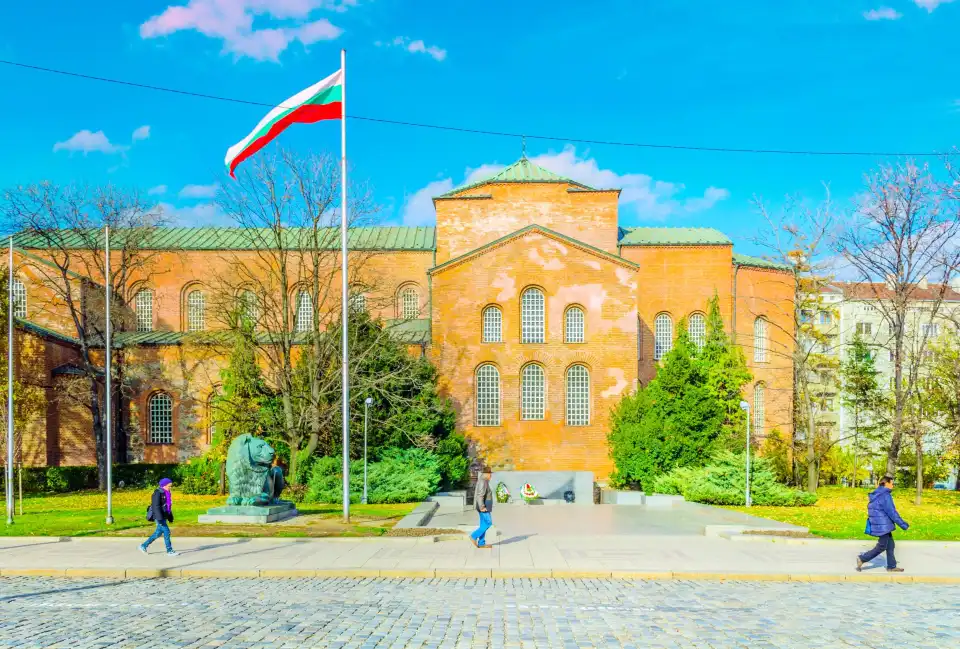
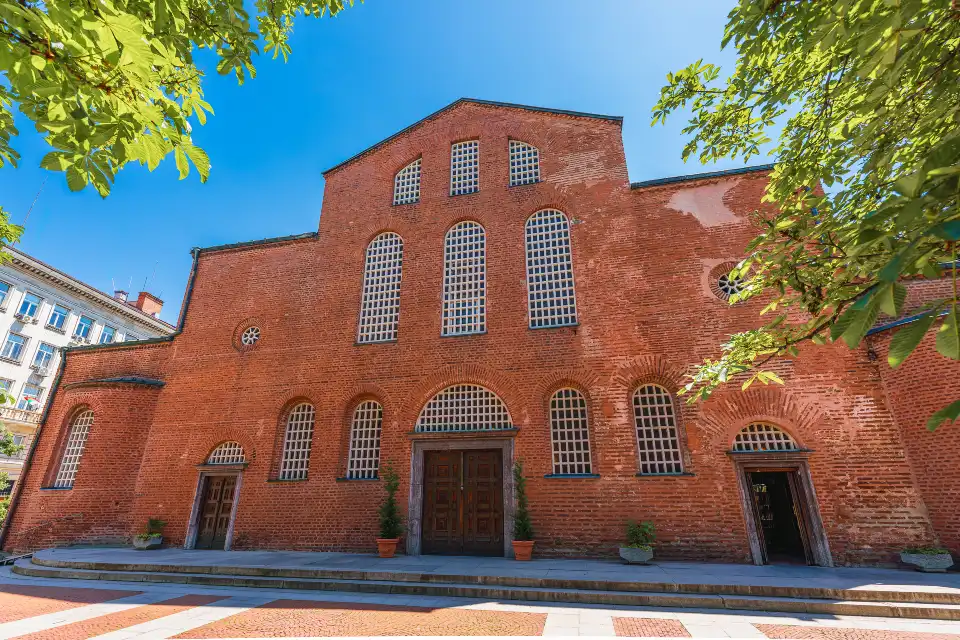
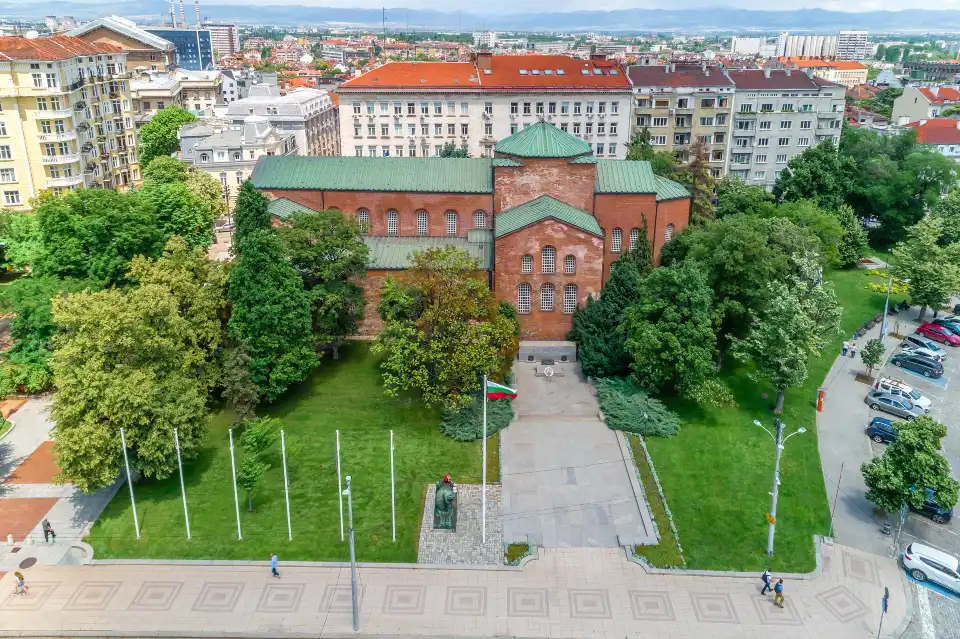
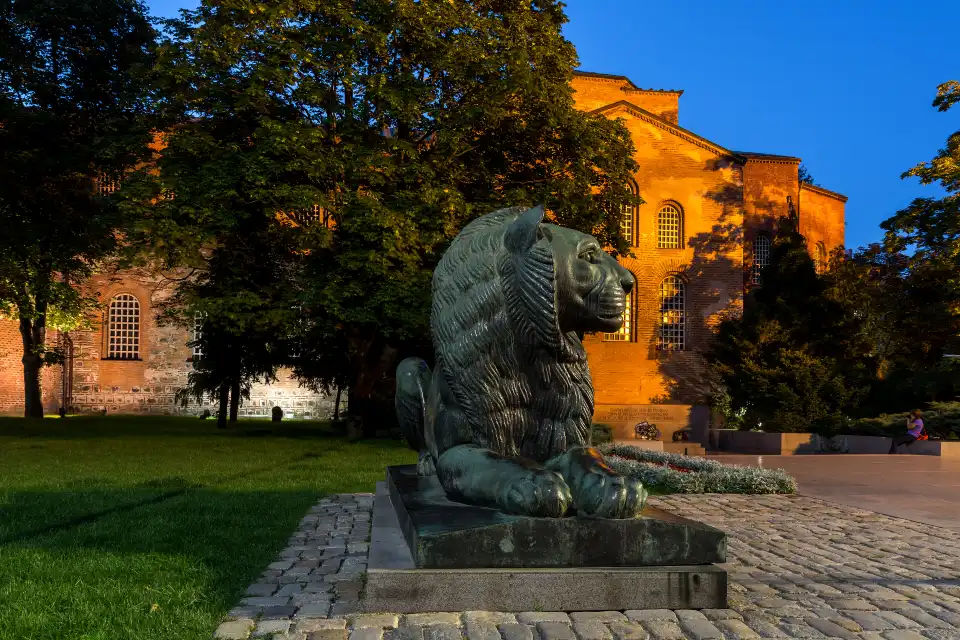
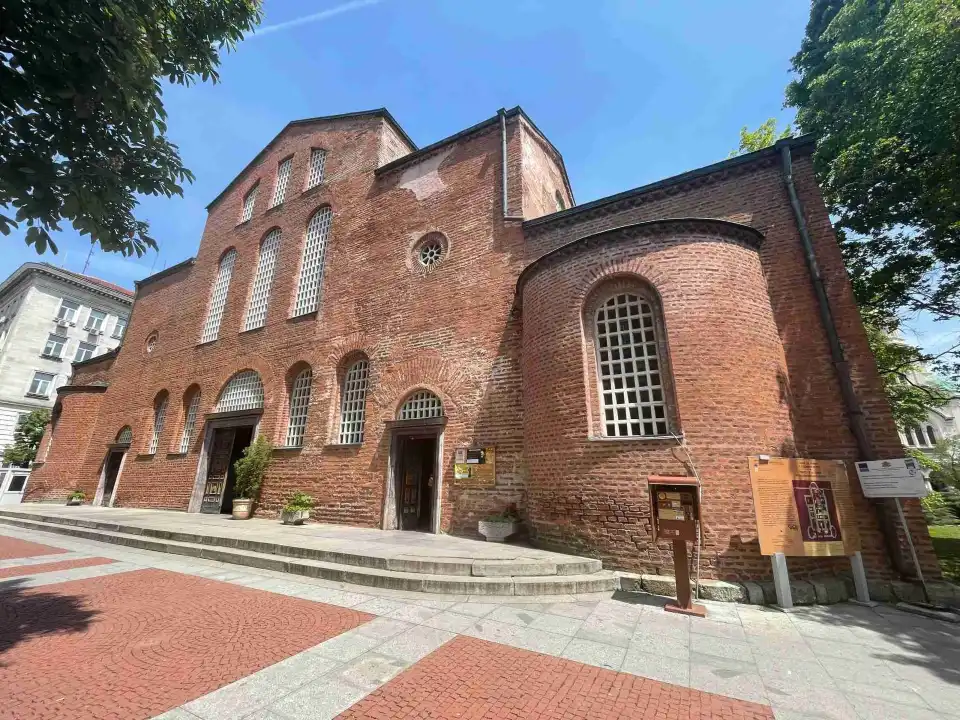
St. Sofia Church is one of the oldest churches in the city of Sofia. The existing red-brick cruciform structure, along with its two eastern towers and a domed tower, was built in the mid-6th century during the Byzantine era under the reign of Justinian I. It is contemporary with the famous cathedral of the same name in Istanbul and serves as an important remnant of early Christian architecture in Southeast Europe. In the 14th century, Sofia was named after this church, and the church's image is still preserved on the city's coat of arms today. The highlight inside the church is under your feet: the floor is covered with early Christian-era mosaics. The intricate, interlacing floral, animal, and geometric patterns require a closer look to fully appreciate their craftsmanship. Since "St. Sofia" means "Holy Wisdom," the icon inside depicts Sofia as the young Christ seated on a rainbow, which is quite different from typical saint icons. This building has also experienced its share of hardships: the 12th-century frescoes were destroyed, it was converted into a mosque during the Ottoman period, it was abandoned after two earthquakes in the 19th century, and it was only restored and reopened in the 20th century. An archaeological exhibition area has been opened beneath the church, displaying sarcophagi, brick-vaulted tombs, and dozens of burial sites from the 3rd–5th centuries from the eastern necropolis of the ancient Roman city of Serdica, as well as remains of earlier generations of churches. Some tomb walls still bear paintings; notably, a 5th-century tomb on the northwest side is famous for its red inscription "Honorius, servant of God." Don't miss this "underground city" when you visit. In front of the church's main entrance is the Monument to the Unknown Soldier and the eternal flame. Nearby lies the Bulgarian writer Ivan Vazov, and the Alexander Nevsky Cathedral is within walking distance for a combined visit.
Other visitors' reviews of St. Sofia Church
Show More ReviewsHagia Sophia is the second oldest church in Sofia, dating back to the 6th century. In the 14th century, the city of Sofia was named after Hagia Sophia. Hagia Sophia was built on the basis of several existing churches. In the 2nd century AD, it was a Roman theater. The main hall and two towers on the east side and a domed tower were all built in the middle of the 6th century during the reign of Byzantine King Justinian I. As one of the most precious early church buildings in southeastern Europe, the church floor has complex early Christian decorations or mosaics with floral and animal patterns, and there are tombs underground and around it that are older than the church was built. People believe that Hagia Sophia has been blessed by mysterious forces and has not been damaged by human invasion and natural disasters for centuries. It is an architectural representative of elegance, simplicity and symmetrical beauty at that time.