


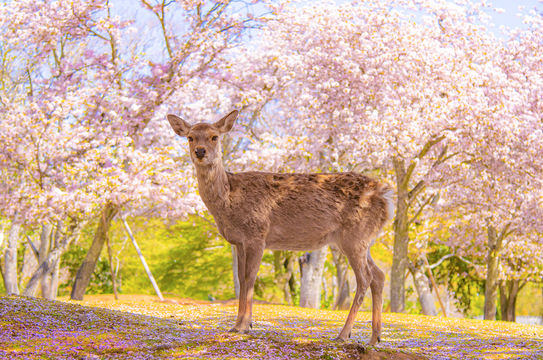
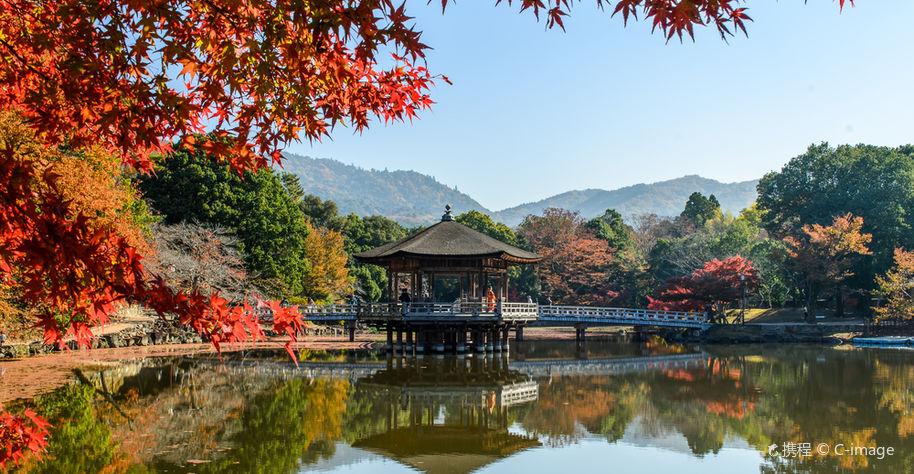
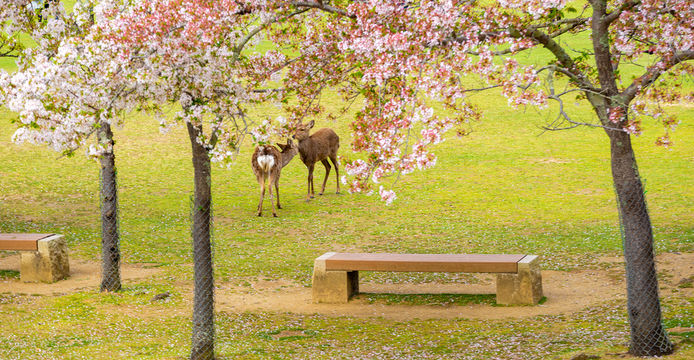

▲ Nara Park: Nara Park is located on the east side of Nara City, covering a vast area and is a renowned historical park in Japan. The park features lush greenery, with over a thousand sika deer roaming freely and unafraid of visitors. It houses world heritage sites such as Tōdai-ji and Kasuga Taisha, offering pleasant seasonal scenery with cherry blossoms in spring and maple leaves in fall.

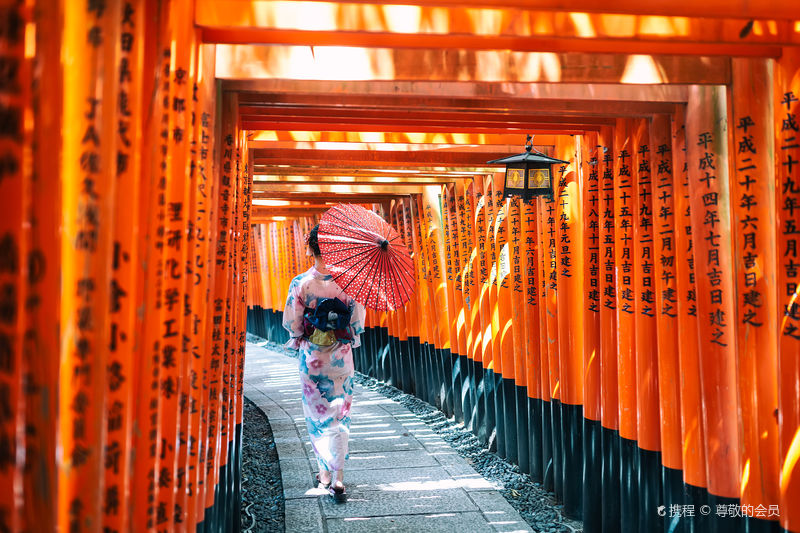
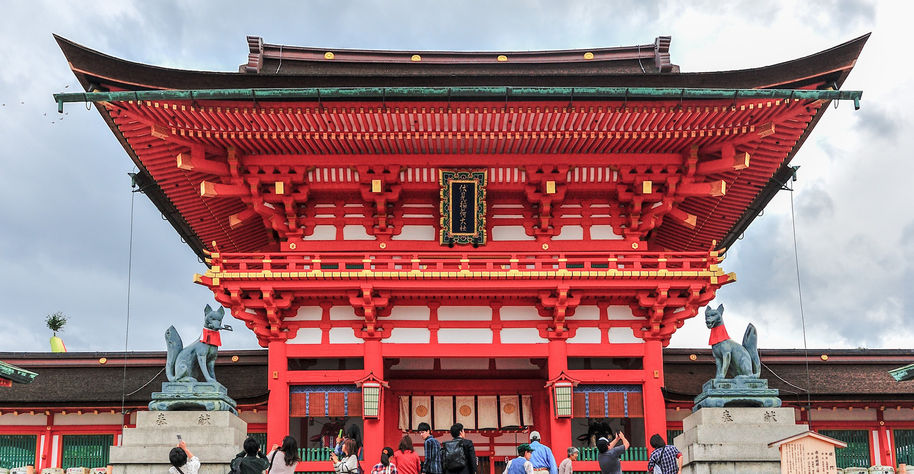
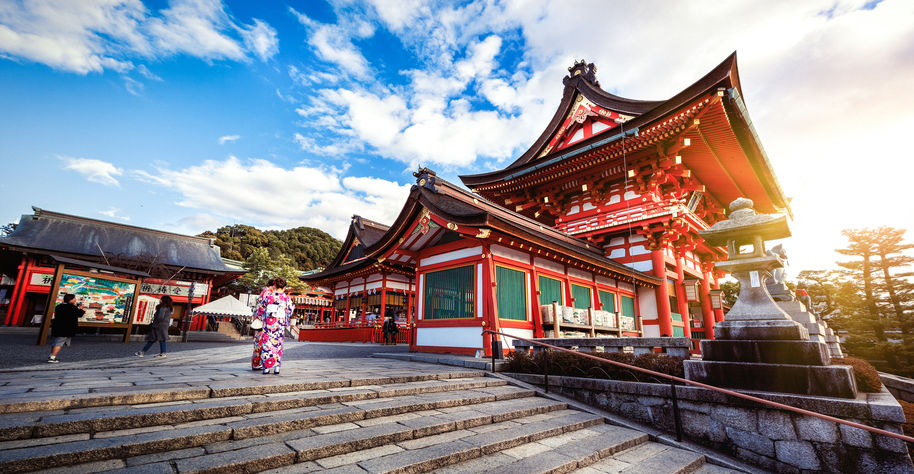
▲ Fushimi Inari Taisha: Fushimi Inari Taisha is located in Kyoto and was built in the 8th century, primarily enshrining Inari, the god of agriculture. The shrine is famous for its thousand torii gates, where vermilion torii gates stretch along the mountainside, forming a long pathway. Fox statues are the symbol of the shrine, and the grounds are lush with ancient trees, making it a great place to experience Japanese shrine culture.

▲ The thousand torii gates: The thousand torii gates are the iconic view of Fushimi Inari Taisha, formed by thousands of vermilion torii gates connected in series. The gates ascend the mountain path in orderly layers, creating a mysterious and profound spatial sense as light and shadow intertwine. Strolling through them, you can experience the rhythmic beauty of Japanese architecture, making it suitable for visits in all seasons.

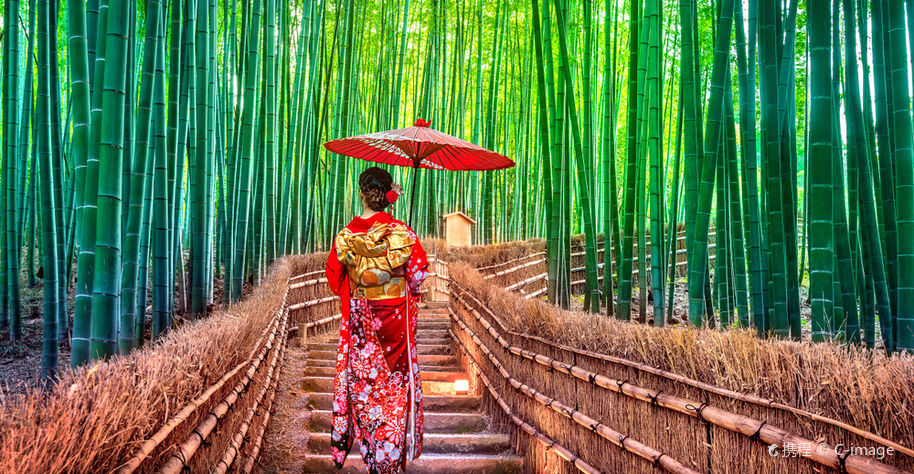
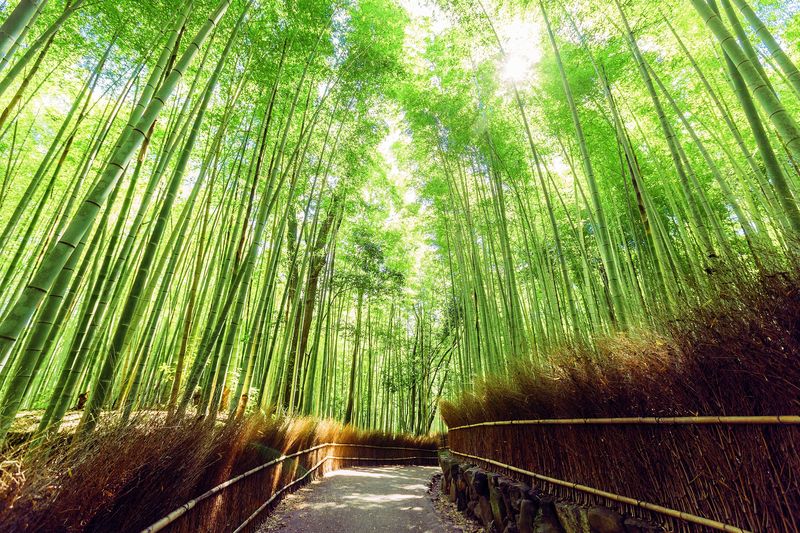
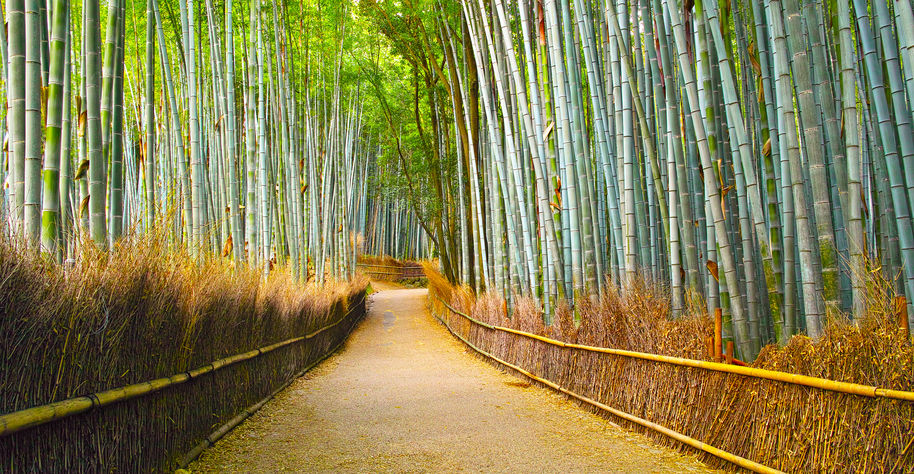
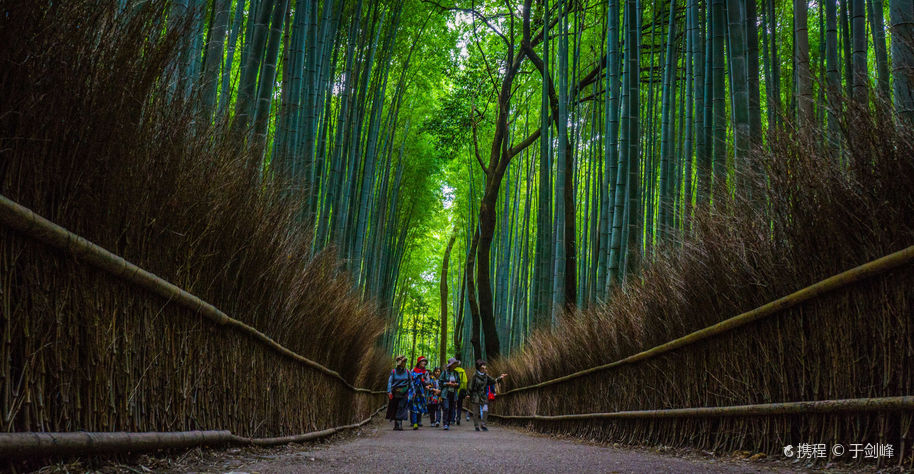
▲ Arashiyama bamboo path: The Arashiyama bamboo path is a renowned trail in Kyoto's Arashiyama, surrounded by lush bamboo groves Trip.com. The path is tranquil and serene, with sunlight filtering through the bamboo gaps and shadows swaying in the breeze, creating an elegant scenery. The trail connects multiple historic sites, each season offering its own charm—cherry blossoms in spring, verdant greenery in summer, maple leaves in fall, and mist in winter.

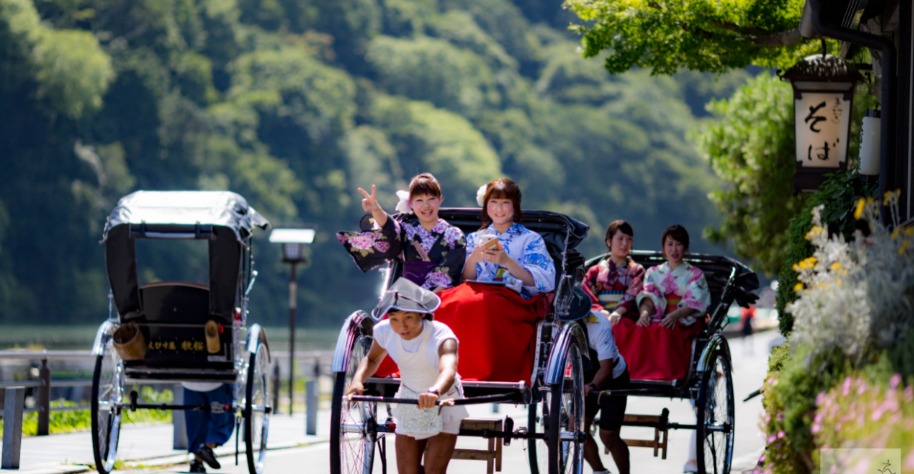
▲ Togetsukyō Bridge: Spanning the Hozugawa River, the Togetsukyō Bridge is a historic landmark of Arashiyama. With its simple and elegant structure, the bridge offers picturesque views of Arashiyama's layered mountains and meandering waters. Surrounded by lush vegetation, it is adorned with cherry blossoms in spring and maple leaves in fall, making it an ideal spot to enjoy Arashiyama's seasonal scenery.

▲ Tenryu-ji: Tenryu-ji is located in Arashiyama, Kyoto, founded in the Kamakura period and is a UNESCO World Heritage Site. The temple features simple and elegant architecture, with meticulously designed gardens where ponds, rockeries, and ancient structures complement each other, embodying Japanese garden aesthetics. The temple houses numerous cultural treasures and offers beautiful seasonal scenery, allowing visitors to experience the serene essence of an ancient Japanese temple.

▲ Yuzen kōrin: Yuzen kōrin is an art space located in Arashiyama that showcases the kyō-yūzen dyeing technique. Hundreds of handcrafted kyō-yūzen kimonos are suspended between acrylic pillars, featuring traditional patterns and elegant colors. Under the interplay of light and shadow, the textiles exhibit a flowing beauty, demonstrating the exquisite craftsmanship of Japan's traditional dyeing techniques.