


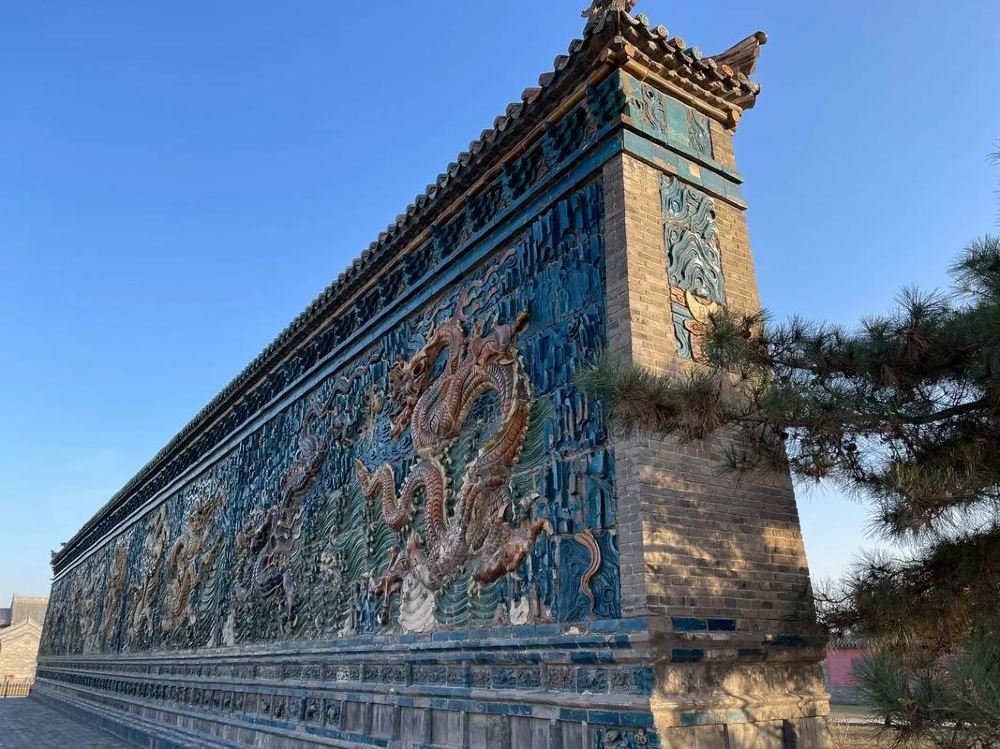
▲ Nine-Dragon Wall entrance The Datong Nine-Dragon Wall is located on the south side of Dadong Street in the ancient city of Datong. It is a glazed screen wall fired during the Hongwu period of the Ming dynasty for the Prince Dai's residence. The tour gathers here, explaining the construction date of the Nine-Dragon Wall, the background of the princely residence to which it belonged, and its position within the ancient city, helping travelers build an overall understanding.
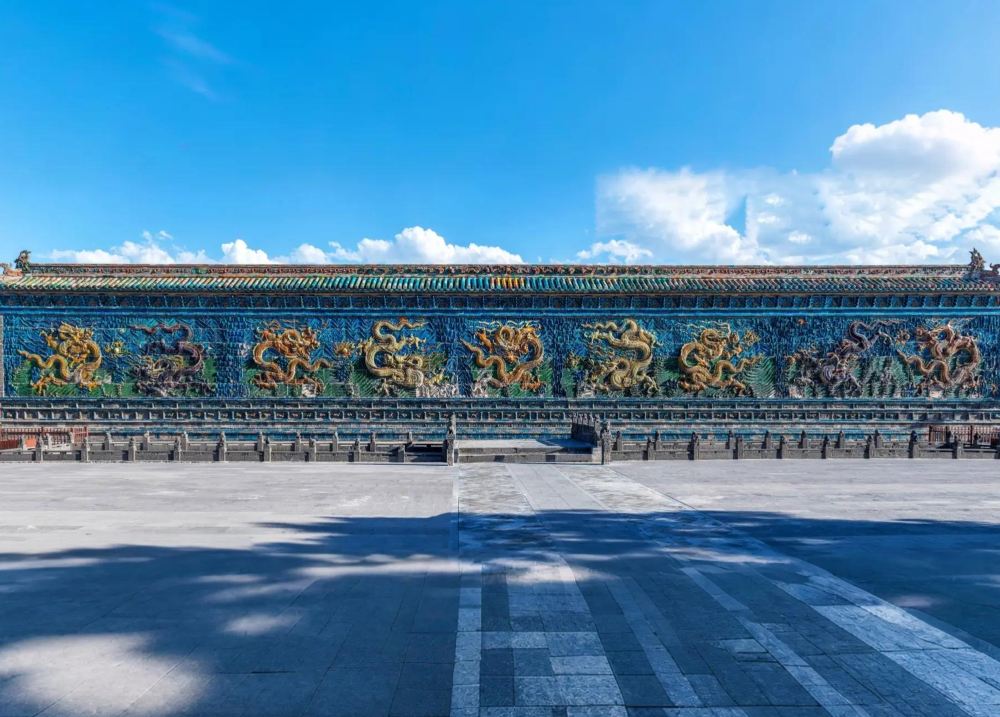
▲ Overall composition observation of the Nine-Dragon Wall The Nine-Dragon Wall is entirely constructed of glazed tiles, with its surface divided into upper, middle, and lower sections, the middle section being the main tableau of nine dragons. The guide explains the arrangement of the nine dragons, their symmetrical structure, and the patterns of river water and rocks in the background, first allowing visitors to clearly see the overall layout logic of the nine dragons.
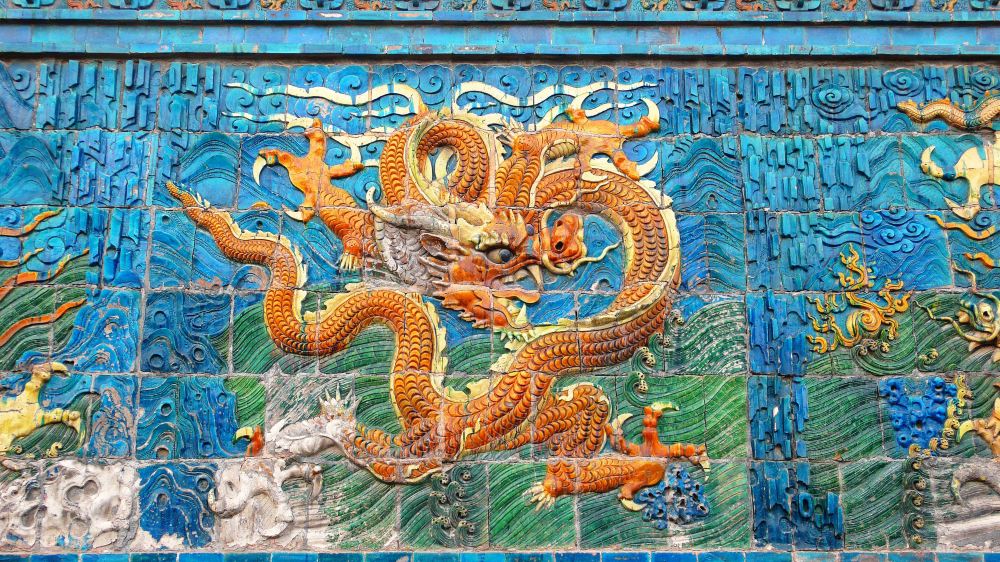
▲ Central Zhenglong The one in the center of the wall is a seated dragon, positioned on the central axis, with an upright posture and a coiled body. The guide explains the differences in posture and position between the central main dragon and the other eight dragons, as well as the meaning of "the seated dragon occupying the center" in the screen walls of Ming dynasty palaces and gardens.
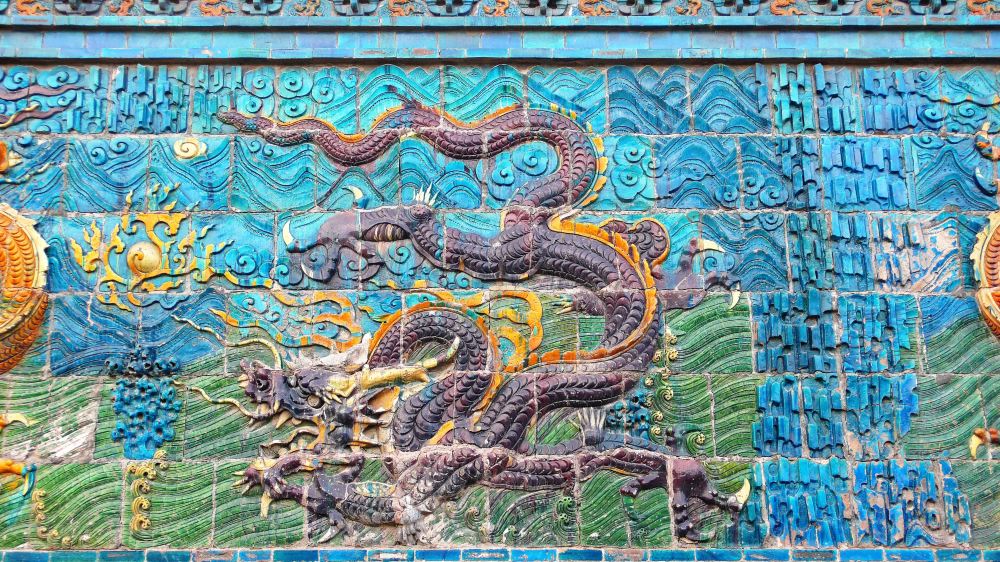
▲ Identifying the eight dragons on the left and right one by one Flanking the central seated dragon are four dragons on each side, namely ascending dragons and descending dragons, each with different postures and orientations. The guide leads visitors to identify the posture of each of the eight dragons from left to right, along with details such as the dragon claws, flaming pearls, and cloud-and-water patterns, explaining the differences among each dragon.
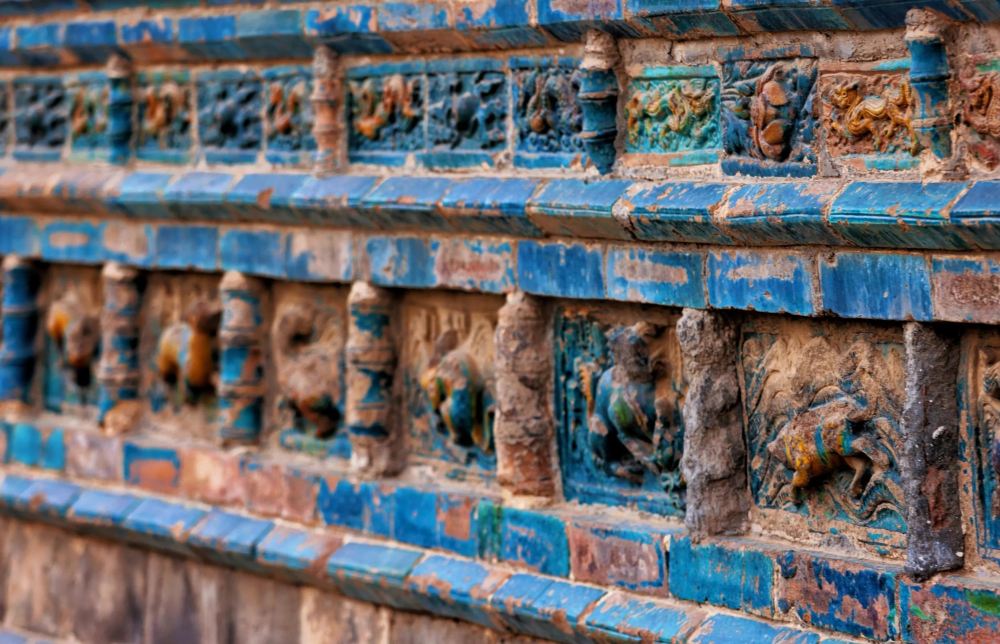
▲ Glazed tile colors and firing techniques The dragons on the Nine-Dragon Wall are fired in glazed tiles of yellow, green, blue, purple, white, and other colors, with bright glaze that does not easily fade. The guide explains the glaze formula of the glazed tiles, the high-temperature firing process, and how the glazed components are assembled into the entire dragon wall, explaining the reasons why it has been preserved to this day.
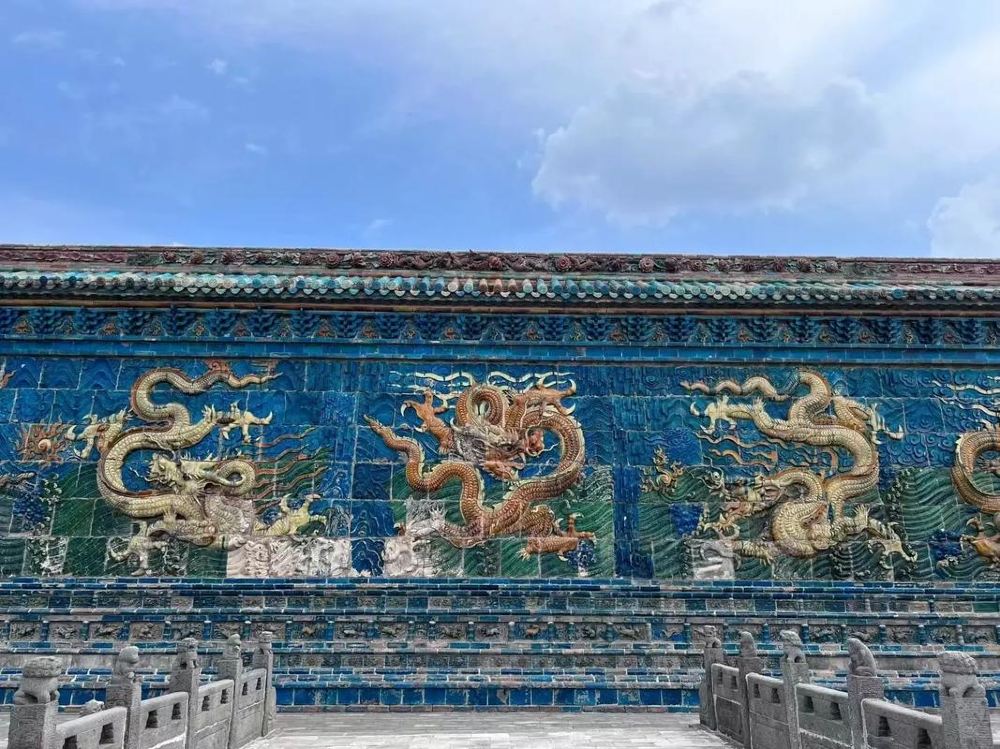
▲ Sumeru pedestal pattern The lower part of the wall body is a sumeru pedestal, whose body is carved in relief with intertwining branches, animals, and auspicious beast motifs, commonly featuring themes such as two dragons playing with a pearl, striding dragons, qilin, deer, and horses. The guide explains the tiered structure of the sumeru pedestal and the content of each group of reliefs, as well as the relationship between the motifs and Ming dynasty decorative conventions.
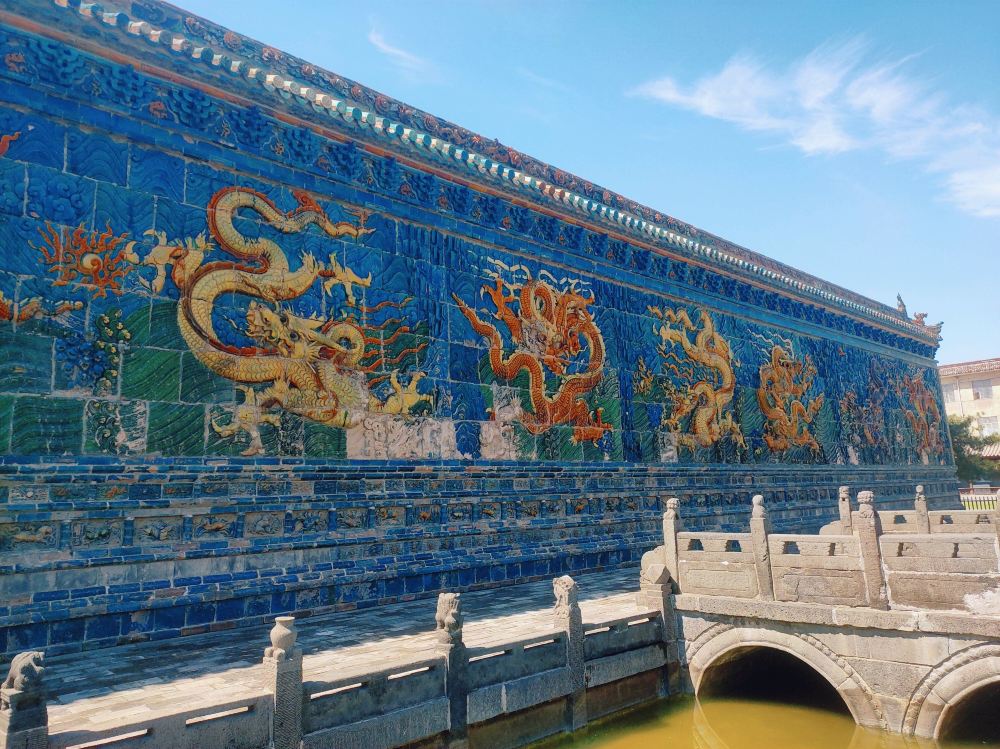
▲ Pool and reflection design in front of the wall A rectangular pool is set in front of the Nine-Dragon Wall, filled with water; on clear days, the reflections of the nine dragons on the wall can be seen in the pool, creating a viewing effect of "wall and water reflecting each other." The guide explains the pool's location and dimensions, the way to appreciate the reflections, and the common practice of pools as a companion feature to screen walls.
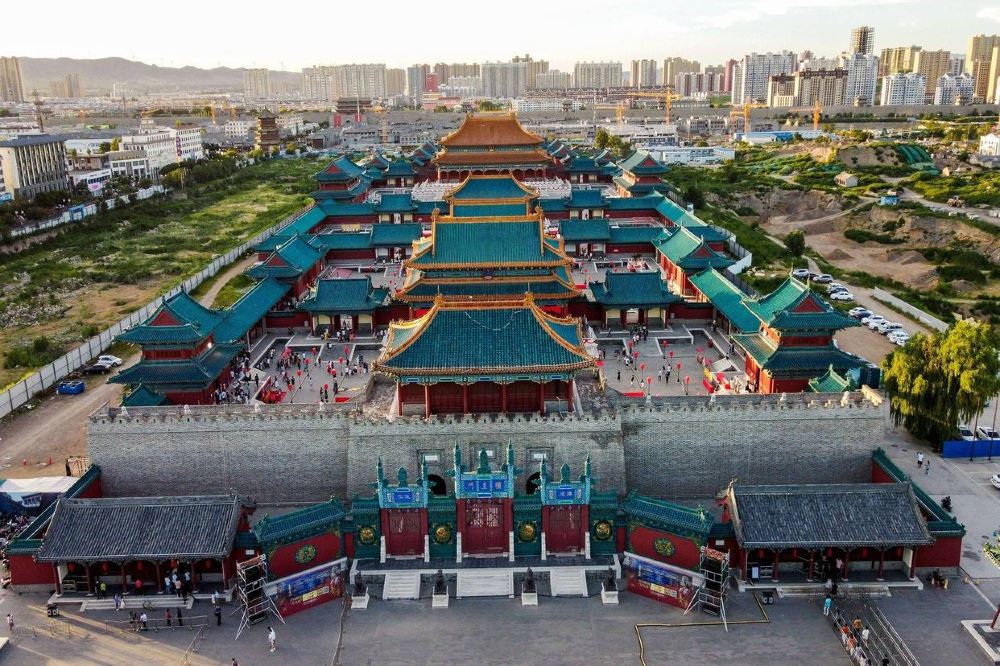
▲ Location relationship of the original Prince Dai's mansion The Nine-Dragon Wall was originally the screen wall in front of the main gate (Duanli Gate) of the Prince Dai's Residence. The main body of the residence was destroyed in the late Ming Dynasty, and only the screen wall remains. The guide uses a restoration diagram to explain the correspondence between the screen wall and the central axis of the residence, helping visitors understand the complete spatial context in which this wall was originally situated.
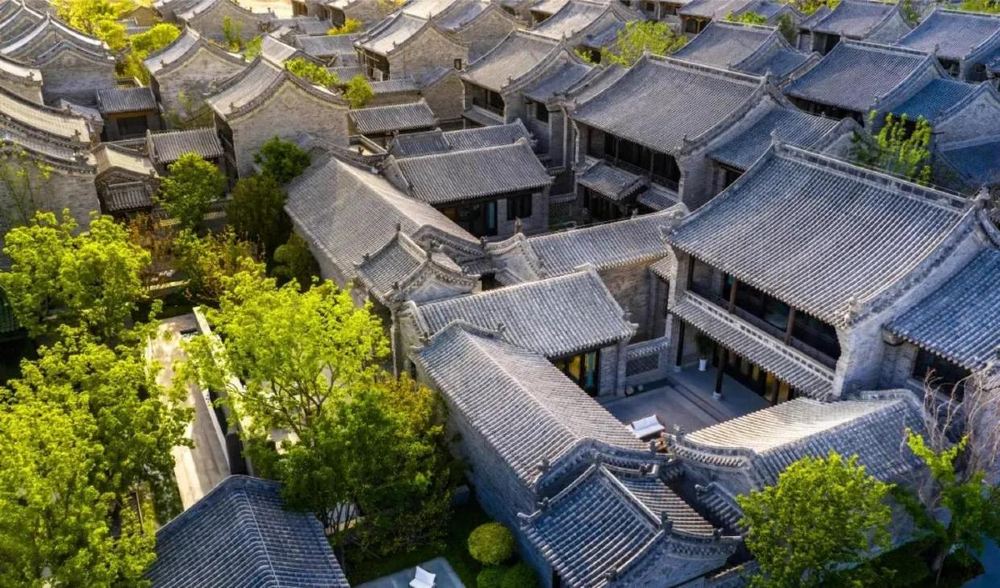
▲ Southeast Yi (surrounding historical blocks) Southeast of the Nine-Dragon Wall lies the southeast historic district of the ancient city of Datong, where some traditional alleys and residential layouts are preserved. The tour concludes in the district, explaining the spatial relationship between the Nine-Dragon Wall and the surrounding blocks, as well as the current historic character and touring routes of the ancient city area.