
Things to do in Datong
Explore top experiences
Top 10 attractions in Datong




Traveller favourites curated for you


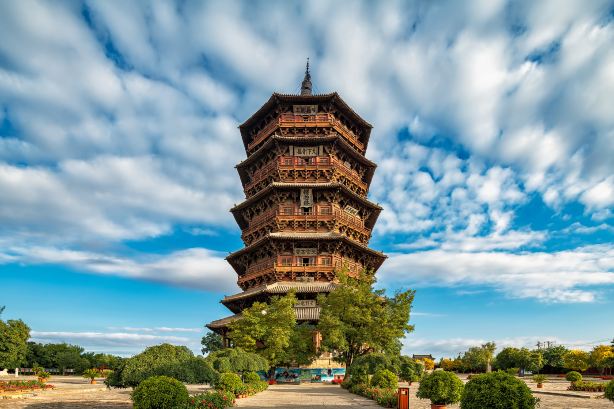
2D1N • China + Shanxi + Datong + Xuankong Temple + Yungang Grottoes + Yingxian Wooden Pagoda + Jinhuagong National Mine Park
Pre-book tickets for famous ancient sites. Secure reservations for Yungang Grottoes, Hanging Temple and other hot attractions. Free cancellation or modification is available 2 days prior to departure | Flexible English-speaking guides can be booked by day. Enjoy a 100% no-shopping trip aboard a clean, smoke-free private car with an experienced local driver. | Thoughtful travel support. Vegetarian and halal meals can be arranged on request. We offer free restaurant reservations . Itinerary can be fully customized for your preferences.From NZD 271

 6D5N • Shanxi Taiyuan, Datong, Mount Wutai, Pingyao Ancient City, Yanmenguan, Hukou Waterfall, Ying County Buddhist Temple
Adult packages include the main entrance tickets to all 10 must-see scenic spots. | The designated hotel for your stay in Taiyuan is the 5-diamond InterContinental Hotel. | Single travelers welcome. This fully guided trip includes a dedicated driver. Groups of 12 or more will enjoy an upgraded, spacious coach with three-across seating for a more comfortable journey.From NZD 1,157
Experiences you can't miss in Datong
Featured Culture & history in Datong
View all Culture & history
4.9/5
· 57 reviews· 277 bookedFree cancellation
Instant confirmation
Book now for tomorrow
Trending Day tours
FromNZD 90.99
4.9/5
· 51 reviews· 220 bookedFree cancellation
Instant confirmation
Book now for tomorrow
51 consecutive positive reviews
FromNZD 97.05

5.0/5
· 2 reviewsFree cancellation
Instant confirmation
Book now for tomorrow
FromNZD 29.66
5.0/5
· 7 reviews· 48 bookedInstant confirmation
Book now for tomorrow
FromNZD 103.12

4.5/5
· 10 reviews· 32 bookedFree cancellation
Instant confirmation
FromNZD 91.07
4.7/5
· 3 reviews· 52 bookedFree cancellation
Instant confirmation
Book now for tomorrow
FromNZD 132.91
4.7/5
· 19 reviews· 79 bookedInstant confirmation
Book now for tomorrow
FromNZD 113.74
5.0/5
· 4 reviewsFree cancellation
Instant confirmation
Book now for tomorrow
FromNZD 90.99
Featured Food & drink in Datong
View all Food & drink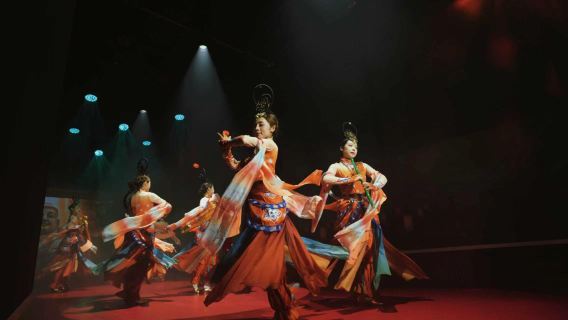
FromNZD 76.87
FromNZD 22.16
Free cancellation
Instant confirmation
Book now for tomorrow
FromNZD 137.45
Free cancellation
Instant confirmation
Book now for tomorrow
FromNZD 140.39
Free cancellation
Instant confirmation
Book now for tomorrow
FromNZD 142.52
Free cancellation
Instant confirmation
Book now for tomorrow
FromNZD 303.29
Free cancellation
Instant confirmation
Book now for tomorrow
FromNZD 139.59
Featured Day tours in Datong
View all Day tours
4.9/5
· 39 reviews· 138 bookedFree cancellation
Instant confirmation
Book now for tomorrow
97.4% of travelers recommend
FromNZD 101.19

5.0/5
· 13 reviews· 60 bookedFree cancellation
Instant confirmation
Book now for tomorrow
FromNZD 60.66

4.9/5
· 44 reviews· 122 bookedFree cancellation
Instant confirmation
Book now for tomorrow
36 consecutive positive reviews
FromNZD 106.15
5.0/5
· 7 reviews· 25 bookedFree cancellation
Instant confirmation
Book now for tomorrow
FromNZD 72.79
More things to do
Private Tours in Datong
View More Private Tours in Datong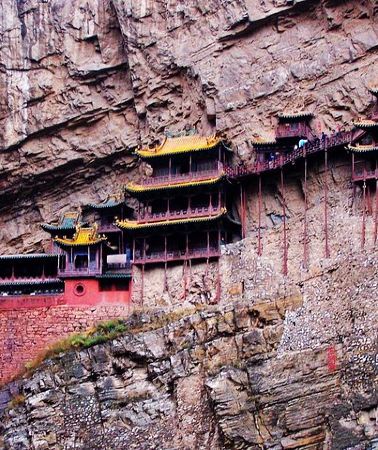



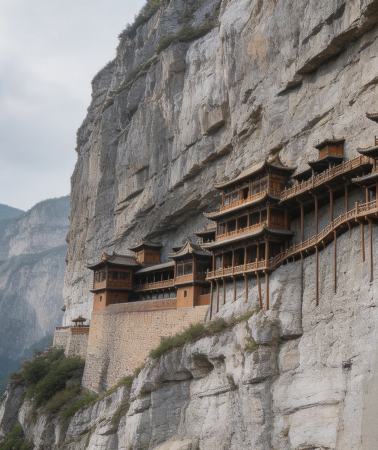
Group Tours in Datong
View More Group Tours in Datong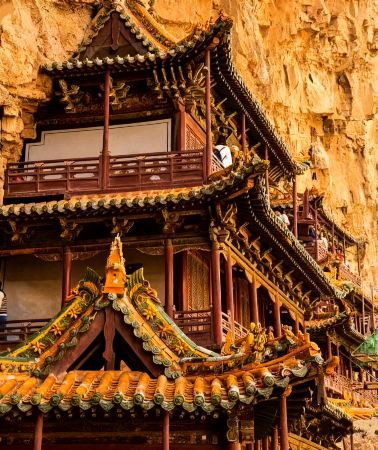

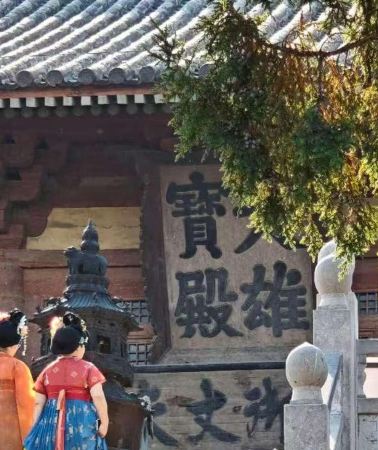
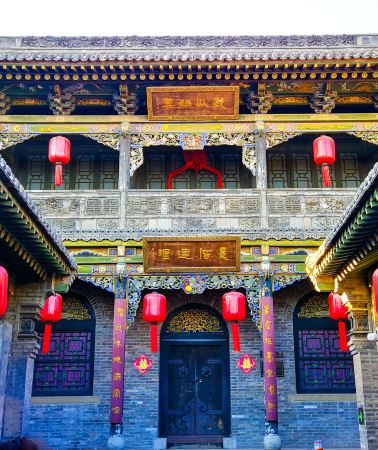

Datong Today's weatherOvercast -4-16℃
Datong weather for the next 2 days11/5: -9-10℃, 11/6: -7-7℃
Free things to do in Datong


What travellers say about Datong

Anonymous user3 November 2026
5.0
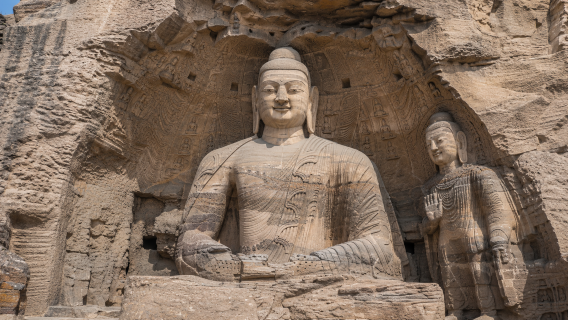
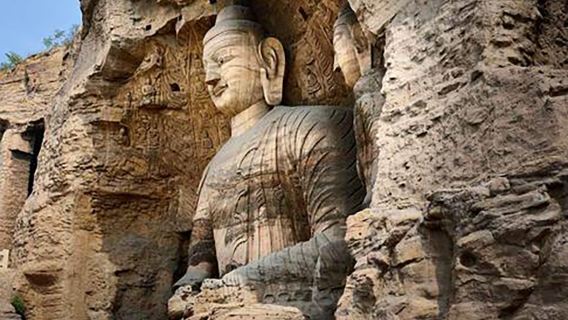
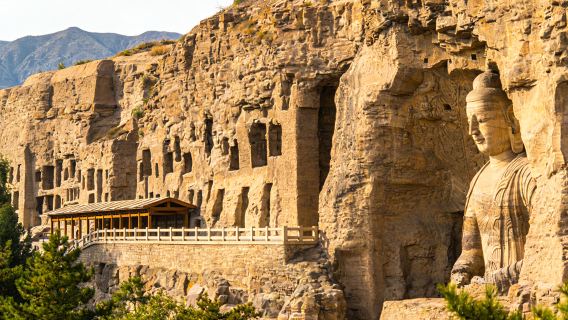
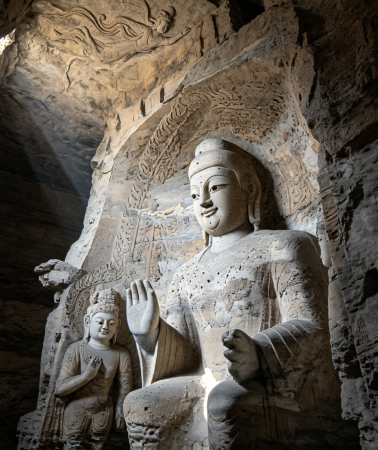
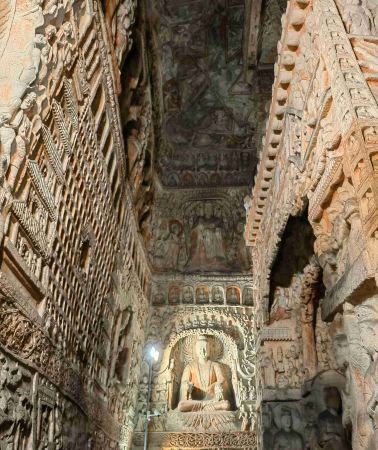
The Yungang Grottoes represent the pinnacle of Northern Wei stone carving art. Each Buddha statue possesses a unique expression, the open-air Buddha is solemn and majestic, and the lines of the sculptures are simple yet vivid, remaining captivating despite the passage of time. The grottoes are spread out in a continuous chain, and as you walk through them, you are immersed in a wealth of history. The scenic area has excellent facilities, and hiring a guide is highly recommended to learn about the stories behind the statues. Seeing it in person is far more breathtaking than seeing pictures; its cultural value is immense, and it's a must-see when visiting Datong. Five stars!
Yungang Grottoes

Ethan 7773 November 2026
5.0
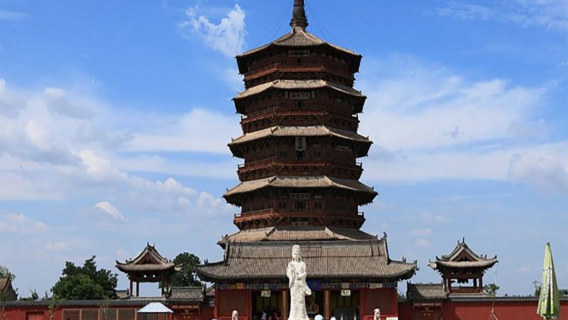
The scenic area isn't large; the main attraction is the tower. The building itself is magnificent, and after learning some background information, it feels even more like a miracle. However, the excessive number of signs around the perimeter significantly detracts from the overall aesthetic appeal.
Yingxian Wooden Pagoda
Anonymous user3 November 2026
5.0
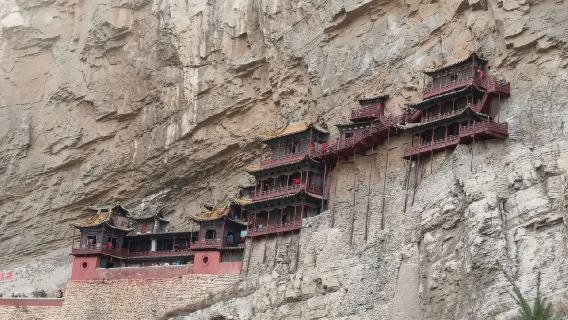
The Hanging Temple is ingeniously built into the cliff face, nestled against the mountainside, and has stood for over a thousand years, a testament to the architectural wisdom of the ancients. The temple grounds are small, with narrow and steep steps, so proceed with caution. From afar, it appears rugged and unique; up close, its structure is exquisite, with Confucian, Buddhist, and Taoist halls coexisting in a distinctive way. Combining scenic beauty with historical significance, it's a photographer's paradise. It's recommended to visit early to avoid crowds; a must-see spectacle in Datong, it's definitely worth a visit.
Xuankong Temple

fanfanli4 November 2026
5.0
Stepping into Huayan Temple, the ancient and imposing Liao and Jin dynasty architecture immediately comes into view. Stone lions stand silently at the entrance, ancient pines shade the plaques, and wind chimes sway gently on the eaves, exuding a serene atmosphere.
The bell tower and drum tower face each other across the hall, their red walls and gray tiles adorned with spring blossoms. Tender buds and white plum blossoms blend seamlessly with the ancient halls, every brick and tile carrying the charm of history. Strolling through the courtyard, one can admire the exquisite bracket sets and the rebirth of ancient trees. The hustle and bustle is shut out, allowing one to slowly appreciate the unique solemnity and gentleness of the ancient architecture. It is a temple well worth a quiet and contemplative visit.
Huayan Temple

M11***533 November 2026
4.0
There are simply too many temples in Shanxi, many of them over a thousand years old. Shanhua Temple would be unparalleled in any other city. I was amused by the mountain god's OK sign as soon as I entered.
Datong Ancient City
Anonymous user21 October 2026
5.0
Shanhua Temple, located in the ancient city of Datong, Shanxi Province, is commonly known as the South Temple. It was among the first batch of national protected sites. Originally built during the Kaiyuan era of the Tang Dynasty, it was destroyed by fire and rebuilt by Master Yuanman during the Jin Dynasty. It was named Shanhua Temple during the Zhengtong era of the Ming Dynasty. It retains four original Liao and Jin Dynasty buildings: the Liao Dynasty Mahavira Hall (with the Jin Dynasty Twenty-Four Deities painted sculptures inside, which are masterpieces of Liao and Jin sculpture, especially the auspicious goddess), the Jin Dynasty Heavenly King Hall (the largest Jin Dynasty hip-roofed mountain gate in China), the Three Saints Hall (famous for its magnificent sloping arches and Jin Dynasty vermilion tablet), and the Puxian Pavilion. The whole temple faces south and has a complete layout. It is the best-preserved Liao and Jin Dynasty temple complex in China and was highly praised by Liang Sicheng. There are also remnants of the Ming Dynasty Five Dragon Wall in front of the temple.
Shanhua Temple

Ping Punnapa1 November 2026
5.0
Long walk but it's okay for the fresh air and beautiful view .
Heng Shan Mountain

tmbaw1 November 2026
5.0
The evening performance was fantastic, especially the final iron-flower display, which brought the atmosphere to a fever pitch. The building's architecture follows a courtyard-style layout, with seven courtyards in total. The temperature in Datong is pleasant in the evening, and there were far fewer people than during peak tourist season, making for a great viewing experience. Highly recommended.
Dai Wang Fu·Daming Baixi Garden

_We***087 October 2026
5.0
One of the three major Nine-Dragon Walls, it's definitely worth a visit. The venue is rather small; it's actually only one side, so you can see the whole thing from the outside. However, there are explanations inside, so if you want to learn about the history, it's worth going in.
Nine-Dragon Wall

139***555 August 2026
5.0
During the Spring Festival, the lantern festival and traditional song and dance performances were impressive and charming, and the crowds were quite large, making it very lively. There were also float parades, allowing you to see the performers up close. The ancient city wall is very long, and if you like walking, you can walk and practice on it.
Datong Ancient City Wall
Trip Moments in Datong

Popular cities near Datong


Frequently asked questions
What are the must-do things in Datong?
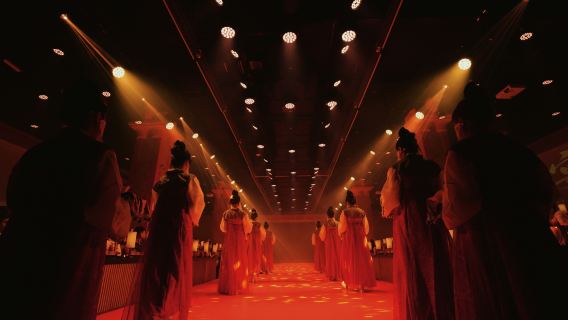
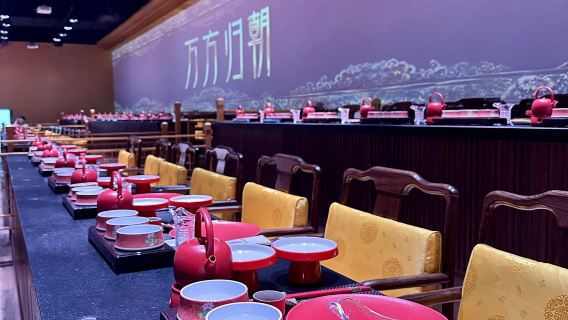
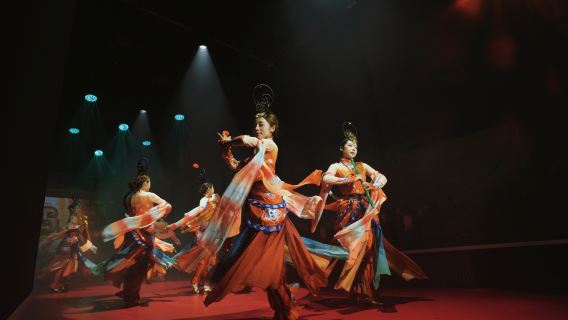
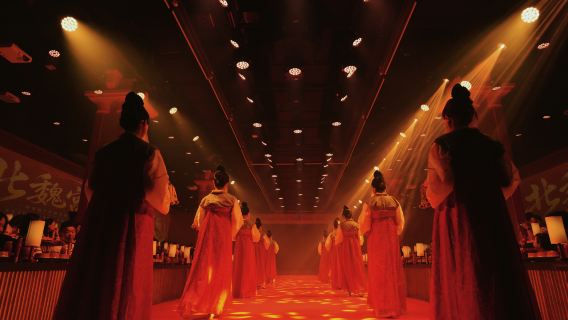
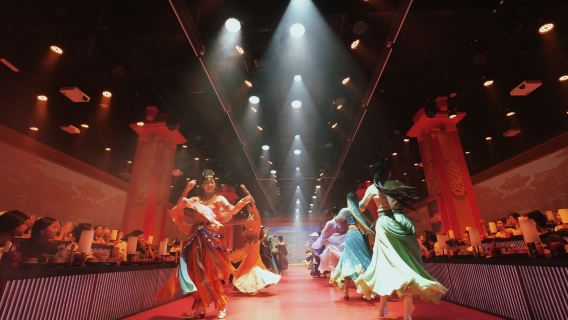
Don't miss these attractions in Datong: Yungang Grottoes, Yingxian Wooden Pagoda, and Xuankong Temple. If you like Culture & history, try ※1-day private charter tour to Xuankong Temple + Yungang Grottoes in Datong [Hotel pickup included]. If you enjoy Food & drink, try Datong Northern Wei palace banquet - immersive imperial dining experience (luxury enjoyment + ancient-style music and dances + imperial feast + ancient costume changing experience).
What are the must-try foods and restaurants in Datong?
You can give Datong Northern Wei palace banquet - immersive imperial dining experience (luxury enjoyment + ancient-style music and dances + imperial feast + ancient costume changing experience) and Datong Northern Wei imperial banquet·Immersive royal feast (luxury enjoyment + ancient-style music and dance + imperial banquet + ancient costume-changing experience) a try. Before you go, please check their opening hours and menus online. Reservations are recommended, especially during peak hours.
What are the recommended tours and excursions in Datong?
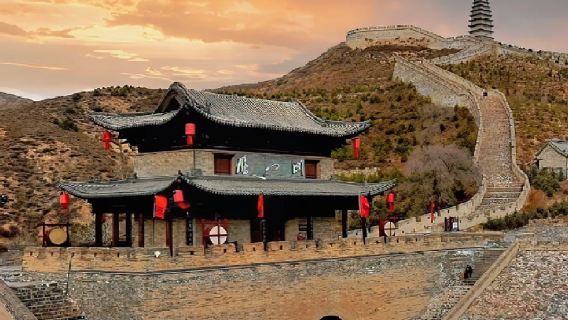
When choosing a tour, start with how much time you have and the kind of experience you're looking for. Trending options right now include Yungang Grottoes + Hanging Temple + Yingxian Wooden Pagoda Excluding tickets day tour, Tour from Datong: Xuankong temple + Ying County wooden pagoda + volcano (admission ticket not included), and Private Car Tour to Yungang Grottoes and Hanging Temple. Check the real-time availability and itinerary before you book.
What's the typical cost of day tours and activities in Datong?
As of 4 November 2026, the reference price for day tours and activities in Datong is around NZD 60.66 – NZD 106.15. Rates vary by duration, group size, transport, tickets, meals, and any special admission requirements. Before you book, please confirm the billing currency and whether the price is quoted per person or per group.
How can I contact Trip.com customer support?
Get help anytime, anywhere within 30 secondsContact customer support
Can I change or cancel my booking?
Change and cancellation policies vary by attractions and tours. Please check the product details page for more information.
How can I get discounted prices?
Ticket prices may vary between weekdays and weekends, as well as during peak and off-peak seasons. When booking with Trip.com, you can also use Trip Coins to get extra savings. For more tips on booking discounted tickets, please visit Trip.com for the latest information.
Trip.com picks
Popular cities in China
Popular Tour Products in Datong
Popular Experiences in Datong
Recommended Car Rentals in China
Things to do in YangshuoThings to do in QingdaoThings to do in JiuzhaigouThings to do in MacauThings to do in DujiangyanThings to do in YulongThings to do in ChengduThings to do in SanyaThings to do in HarbinThings to do in ChinaThings to do in ZhangjiajieThings to do in GuangzhouThings to do in ShenzhenThings to do in ZhuhaiThings to do in Chongqing
Xuankong Temple + wooden pagoda + Yungang 5-9-seater private chartered tourShanhua Monastery Admission Ticket + 1-Hour Premium Guided Tour※Datong Xuankong Temple + volcanoes + Ying County wooden tower private charter 1-day tour 1-day tour of Datong Ancient City + Pure Land Temple + Datong Museum with Chinese and English servicesDatong Yungang Grottoes half-day tour1-day tour to Datong Ying County wooden pagoda + Yungang Grottoes with private charter and free downtown pickup ※1-day private charter tour to Xuankong Temple + Yungang Grottoes in Datong Yungang Grottoes - Huayan TempleDatong departure pure play groupYungang Grottoes & Hanging Temple UNESCO Hotel Pickup Datong Private day tourPrivate Car Tour to Yungang Grottoes and Yingxian Wooden Pagoda Premium small group/private tour of 15 people with Datong Yungang Grottoes live guide + headsets Yungang Grottoes, Huayan Monastery, Shanhua MonasteryYungang Grottoes - 3-hour in-depth guide Datong Ancient City Night Food Tour: Taste 10 Local Northern Snacks & Ancient Hutong WalkDatong Day ToursDatong Travel EssentialsCar rentals in BeijingCar rentals in KinmenCar rentals in PingtungCar rentals in TaipeiCar rentals in Chiayi CityCar rentals in TaichungCar rentals in HualienCar rentals in MacauCar rentals in Hong KongCar rentals in PenghuCar rentals in KaohsiungCar rentals in ShanghaiCar rentals in YilanCar rentals in TaitungCar rentals in Guangzhou