


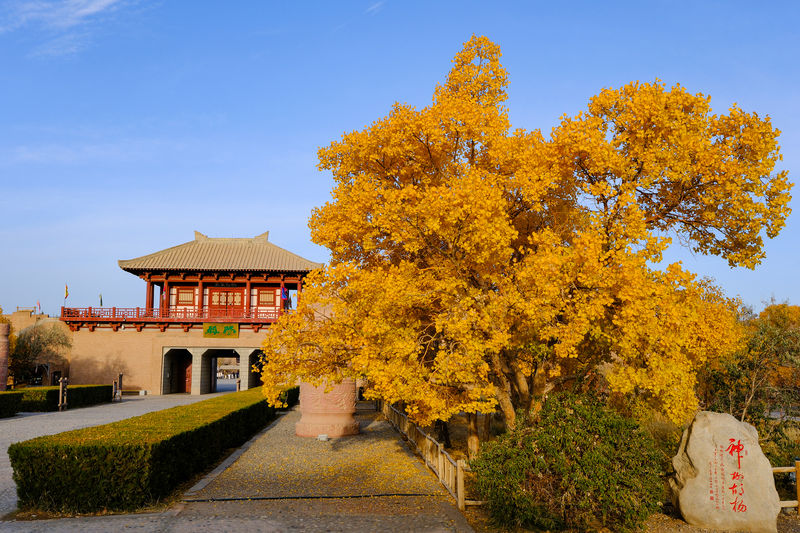
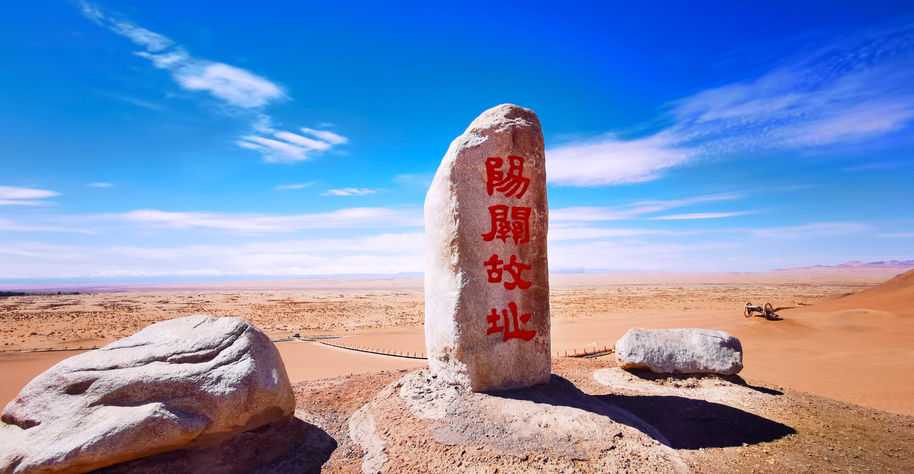
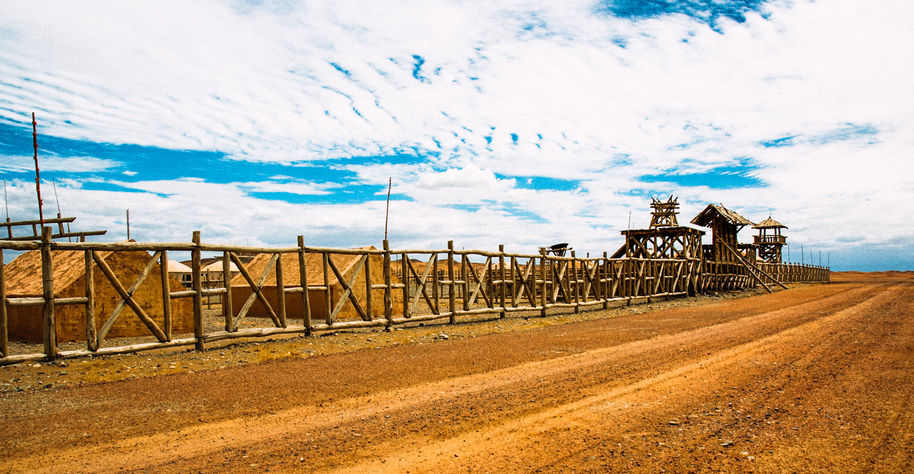
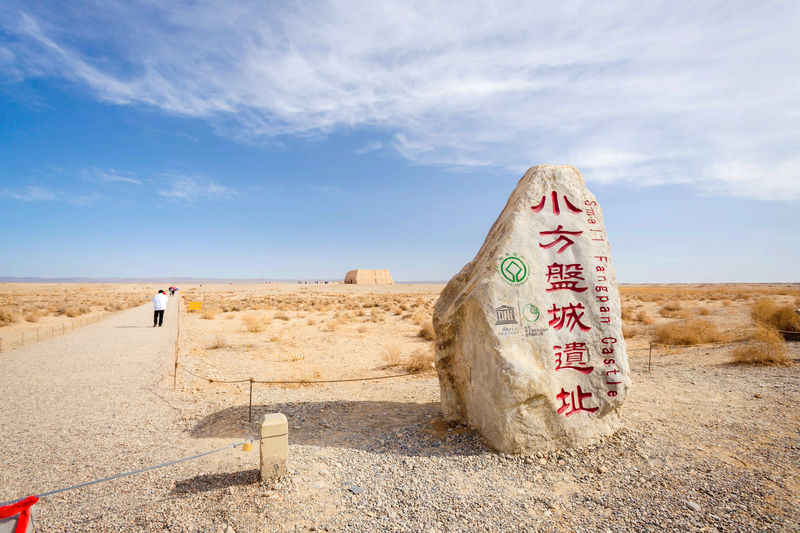
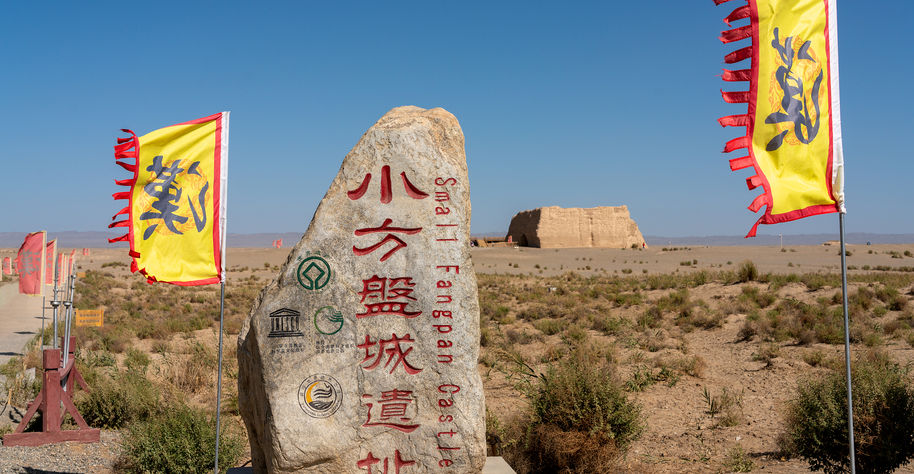
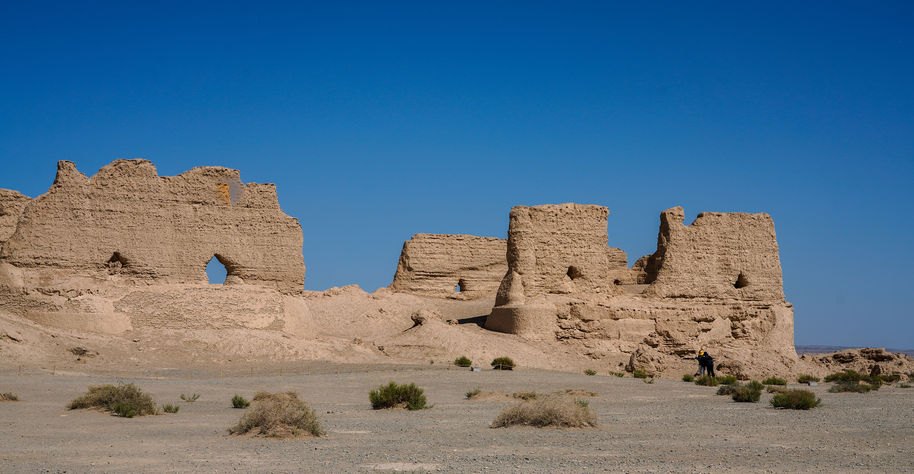

▲ Yang Pass is situated on the Gobi Desert approx. 70 km southwest of Dunhuang city in Gansu province, forming a strategic pair with Yumen Pass to the north. As a key fortification in the Han Dynasty's Great Wall defense system, this vital Silk Road southern route checkpoint was established during Emperor Wu of Han's reign (1st century BC), making it one of China's earliest customs posts. It served dual purposes of military defense and facilitating Sino-Western trade and cultural exchange. "Journeying west beyond Yang Pass" represented not just a geographical boundary but also embodied the ancient farewell sentiments and cultural symbolism of expeditions to the western regions.

▲ Yumen Pass derived its name from the jade transported from the western regions into central China. Serving as a pivotal gateway at the western end of the Hexi Corridor during the Han Dynasty, it stands on the Gobi Desert approx. 80 km northwest of Dunhuang at an elevation of approx. 1400 m. Together with Yang Pass to the south, it guarded the vital Silk Road artery. Constructed during Emperor Wu of Han's reign (approx. 116-105 BC), it functioned as both a military stronghold and a crucial commercial hub.

▲ Yang Guan museum