




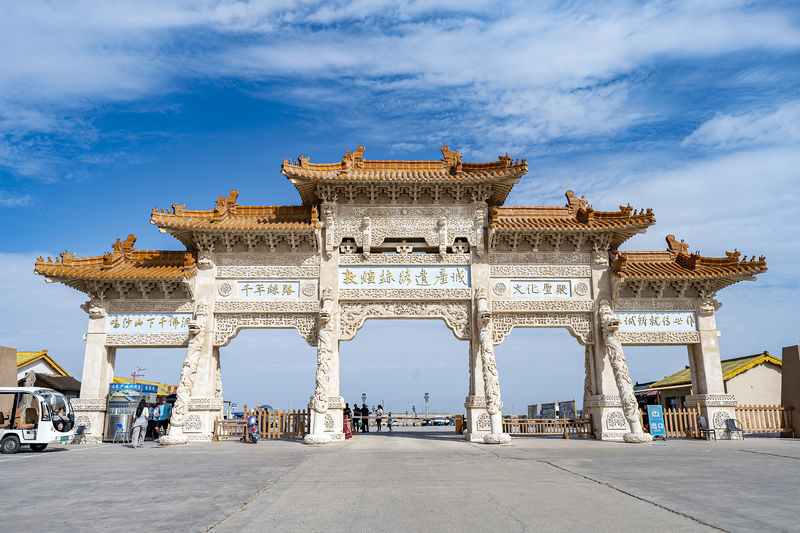
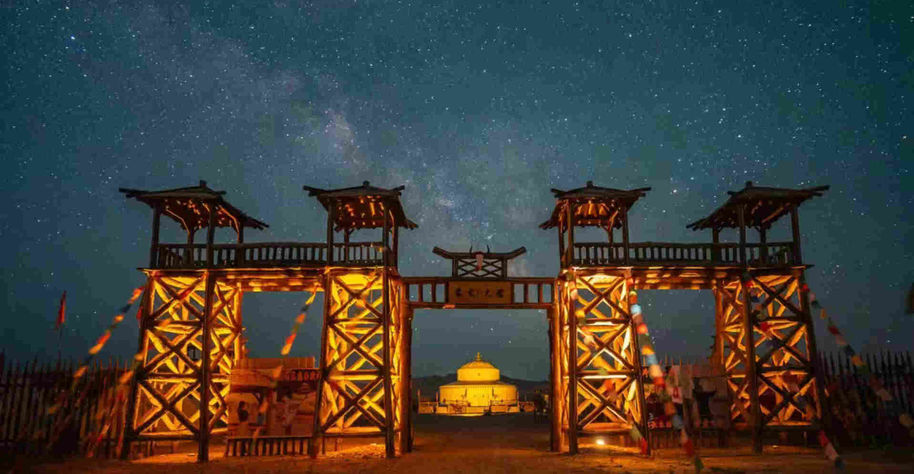
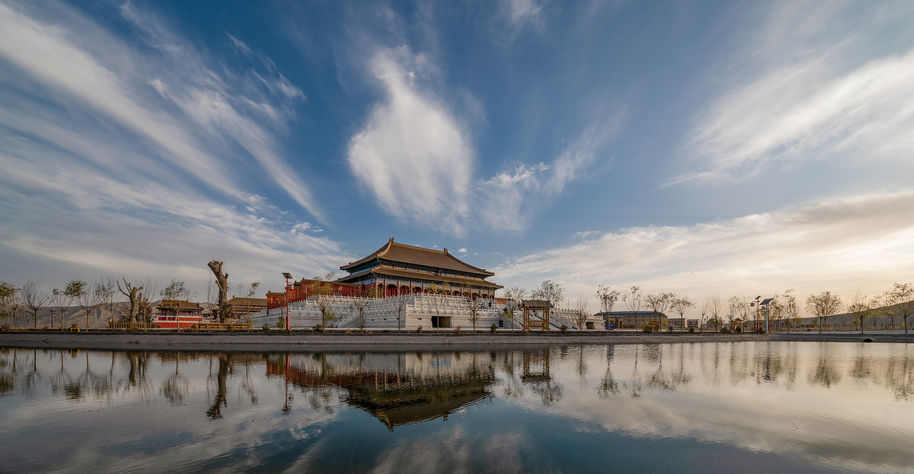


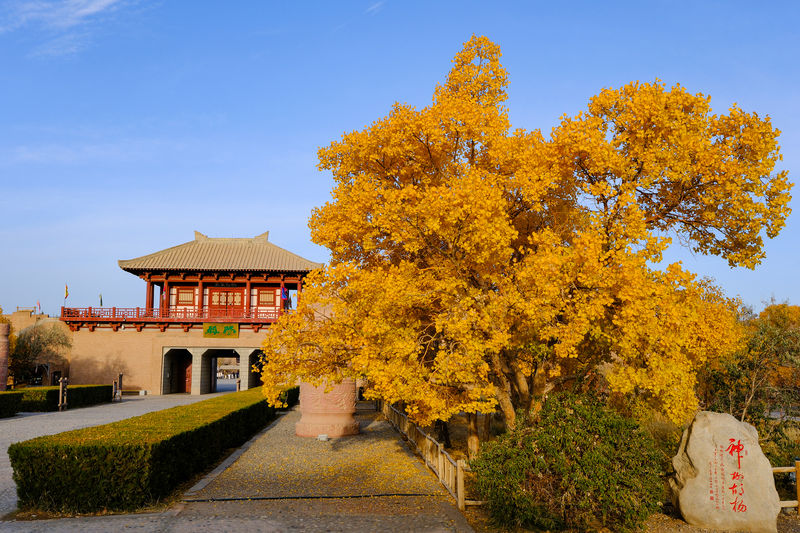

▲ The Dunhuang Silk Road Heritage City is a comprehensive cultural attraction integrating history, culture and education, located in the world-renowned Silk Road hub of Dunhuang. As a site dedicated to preserving and inheriting Silk Road cultural heritage, it provides visitors with a window to deeply understand the glorious history of the Silk Road.

▲ The Dunhuang Silk Road Heritage City features multiple thematic exhibition halls showcasing the rich cultural heritage and historical artifacts along the Silk Road. Through carefully curated exhibitions, visitors can explore the arduous journeys of ancient merchant caravans, understand the historical process of east-west cultural exchange, and appreciate Dunhuang's pivotal role on the Silk Road. The multimedia interactive facilities and immersive experience programs transform static historical displays into vivid journeys.

▲ The western thousands Buddha grottoes, a key component of Dunhuang's cave art, is renowned as the "sister caves" of Mogao grottoes. Named for its location west of Dunhuang's Mogao caves, it's situated approx. 3 km east of Danghe reservoir in Gansu province's Dunhuang city, along the valley cliffs carved by Danghe river's eastward flow through the Gobi desert. The cave complex spans 2.5 km from Nanhudian in the east to Danghe reservoir in the west. It preserves 34 painted sculptures and over 800 m² of murals.

▲ The western thousands Buddha grottoes, a key component of Dunhuang's cave art, is renowned as the "sister caves" of Mogao grottoes. Named for its location west of Dunhuang's Mogao caves, it's situated approx. 3 km east of Danghe reservoir in Gansu province's Dunhuang city, along the valley cliffs carved by Danghe river's eastward flow through the Gobi desert. The cave complex spans 2.5 km from Nanhudian in the east to Danghe reservoir in the west. It preserves 34 painted sculptures and over 800 m² of murals.

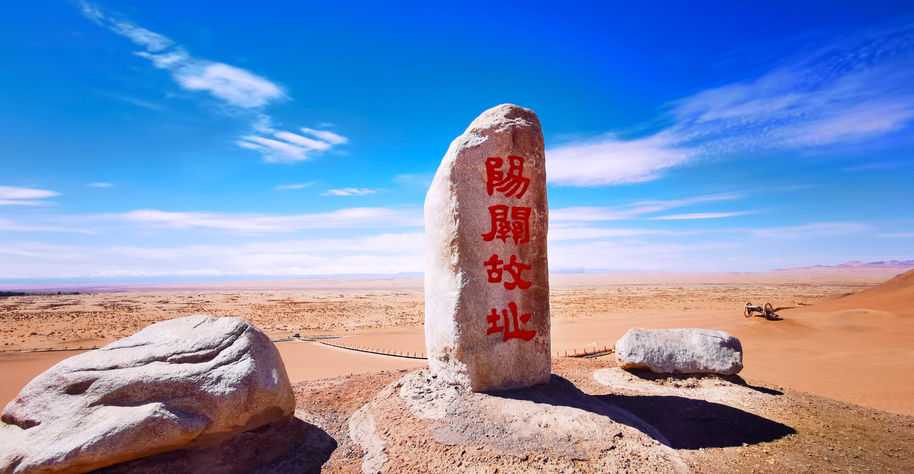
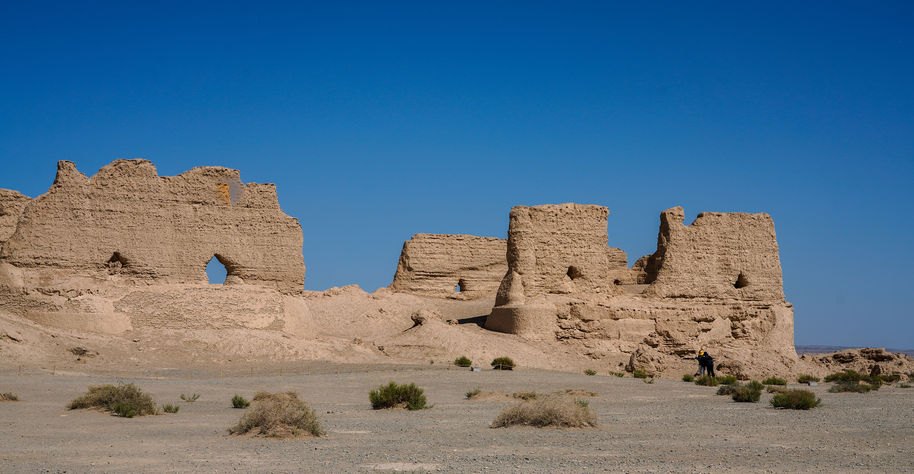
▲ Yang Guan is located in Gudongtan, 70 km southwest of Dunhuang city, Gansu province. Established during the Western Han Dynasty, it served as a gateway to the Western Regions alongside Yumen Pass and was a crucial checkpoint on the southern route of the Silk Road. Its name derives from its position south of Yumen Pass. The Yang Guan attraction preserves numerous historical relics from the Han Dynasty, including the ancient Yang Guan ruins, beacon towers, ancient pathways, Shouchang city ruins, Han Dynasty Great Wall fortifications, the Wowa Pool site, Xitugou (Tang Wulu Gully) ruins, ancient tombs, and pottery kilns.


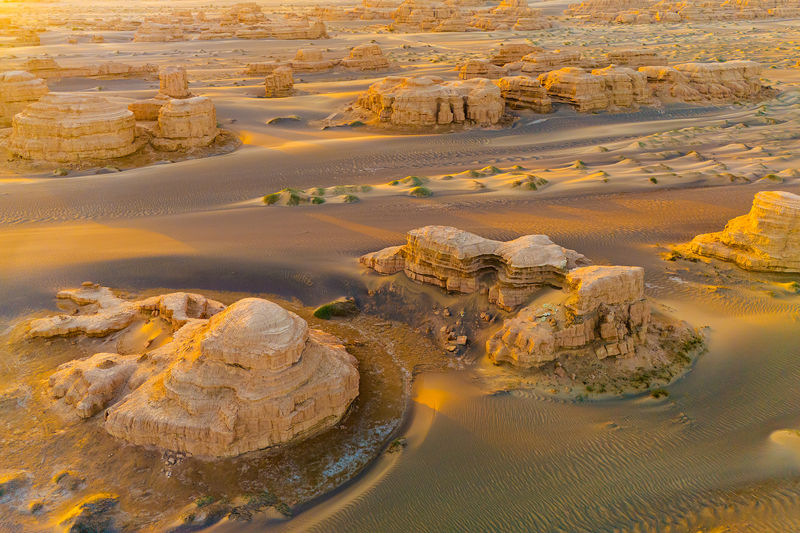
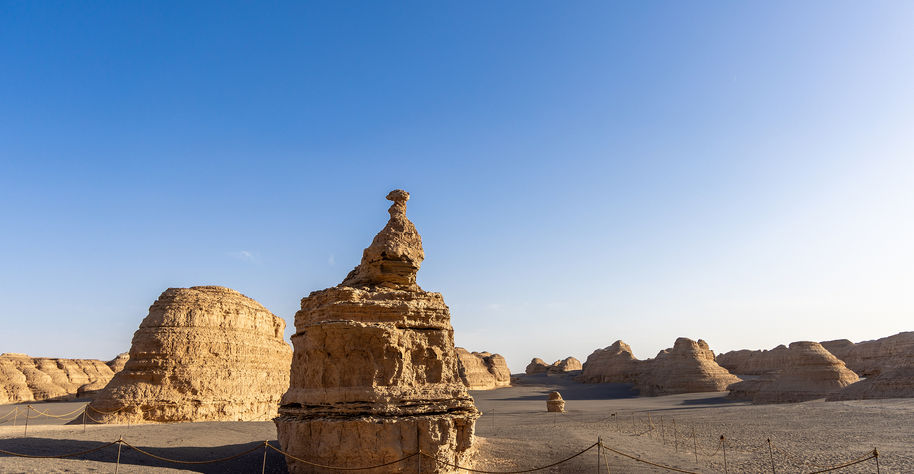
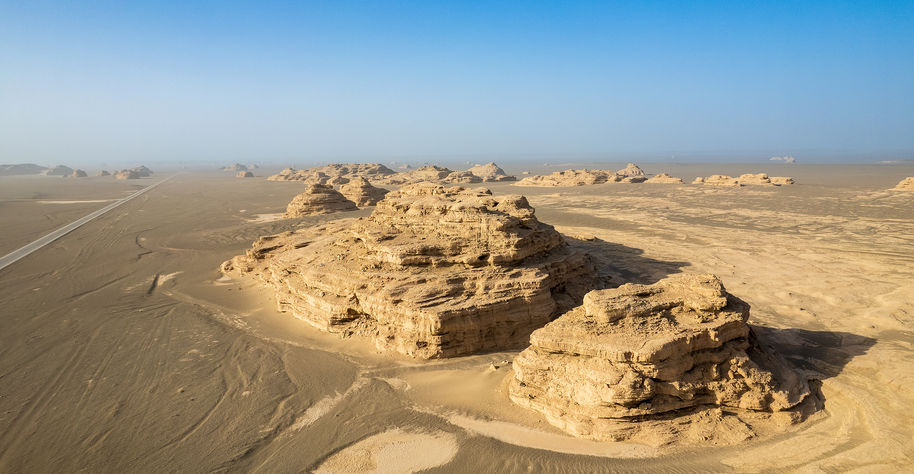
▲ The Dunhuang Yardang landform is part of the ancient Lop Nur. On this magical land of Dunhuang, nature has created many wonders. Located at the border of Xinjiang and Gansu provinces, about 80 km northwest of Yumen Pass, there lies a typical Yardang landform cluster with orderly layout and unique shapes - a rare natural sculpture museum. It can be called another wonder of Dunhuang, a masterpiece of nature's exquisite craftsmanship and infinite marvels.