




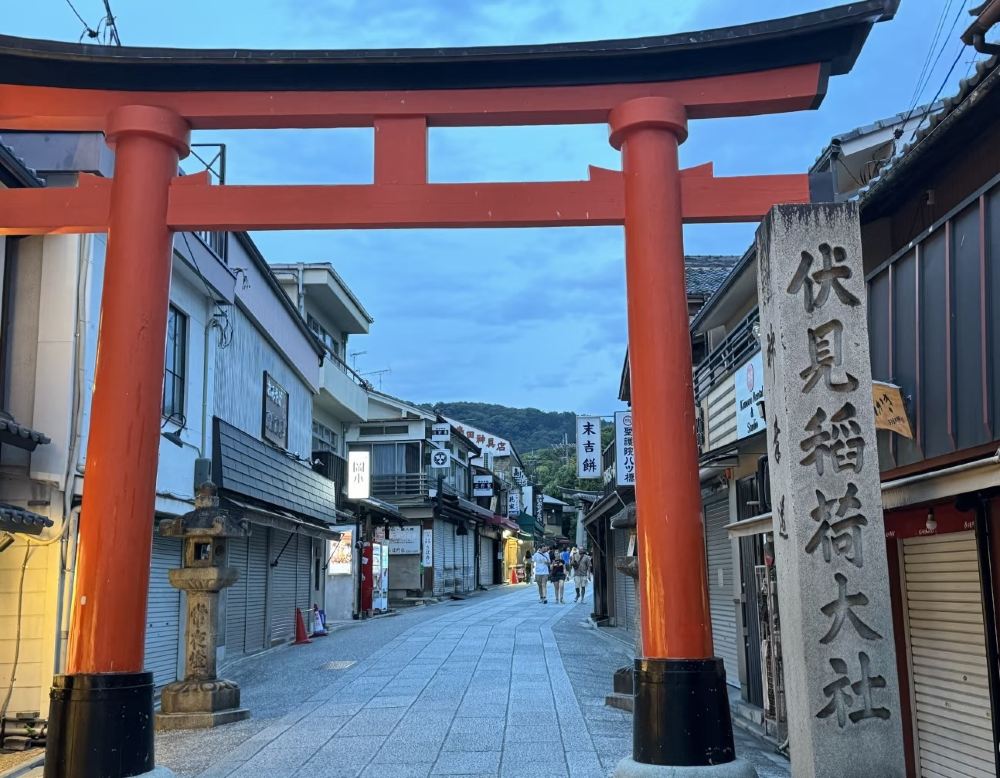
▲ Founded in 711, it serves as the head shrine of over 30,000 Inari shrines across Japan. The main deity worshipped is Inari (god of agriculture and commerce), featuring the iconic Senbon Torii (approx. 10,000 vermilion torii gates stretching to Mount Inari's summit), with fox statues serving as divine messengers.
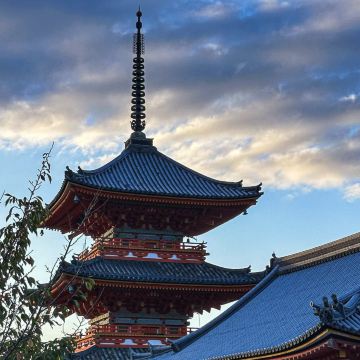

▲ Founded in 778 and designated as a UNESCO World Heritage Site in 1994, this is one of Kyoto's oldest temples. Features include the iconic Kiyomizu Stage (a 13m-high wooden structure built without nails) and Otowa Waterfall (three streams symbolizing health, academic success, and love). The surrounding Ninenzaka and Sannenzaka districts exude traditional charm.
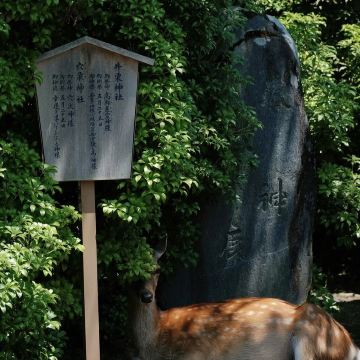

▲ Covering approx. 660 hectares, this park opened in 1880 and was designated a UNESCO World Heritage Site in 1998. It is home to over 1,300 freely roaming sika deer (considered divine messengers) and encompasses historic landmarks such as Todai-ji Temple, Kasuga Taisha Shrine, and Kofuku-ji Temple.