

Osaka Travel Guide 2026: Top Attractions, Local Food & Travel Tips | Trip.com
About Osaka
Recommended trip: 2–5 day(s)
Recommended trip: 2–5 day(s)Current weather conditions
 19°C
Osaka Local Experiences Map










Trending in Osaka
Osaka Local Travel Guide 2026
Osaka Brief Guide
Osaka is an experience—Japan’s second biggest city pulses with life and bold flavors. Osaka Castle stands tall over its history, while Universal Studios Japan cranks up the fun. Dotonbori’s neon lights and riverbanks fire up with food stalls—think sizzling snacks and late-night bites. Shoppers flood Umeda and Namba, wallets ready. This isn’t subtle Japan—Osaka blends bold eats, wild fun, and city buzz—dive in and feel the spark.
Osaka Must-try local experiences
1. Neon-Lit Street Feasts Stroll Dotonbori’s canal where the Glico Running Man glows and takoyaki sizzles—night’s when the chaos peaks with food stalls and photo ops. Steps away, Shinsaibashi’s covered arcade buzzes with shops selling quirky threads and sweets. Hit it after dark; it’s Osaka’s loudest, tastiest welcome—grab a snack and dive in. 2. Historic Heights and Gardens Climb Osaka Castle’s keep for a skyline sweep over its moat—spring’s plum blossoms below are picnic-perfect. Osaka Museum of History offers interactive floors unpacking the city’s past with castle views through the glass. Morning’s quiet at both—plenty of time to soak in Osaka’s heritage. 3. Oceanic Wonders and Harbor Escapes Dive into Kaiyukan Aquarium near Tempozan, where whale sharks glide in a massive tank—tunnels make it feel like you’re underwater too. Tempozan Harbor Village has a bayside stroll or a spin on the giant Ferris wheel. Early visits (10 AM opening) dodge the rush; it’s a sea-and-sky breather. 4. Sky-High City Views Ascend Abeno Harukas’ 60th floor for sunset views that paint Osaka gold—mountains rim the horizon. Umeda Sky Building’s Floating Garden offers a high perch above the city for a second dose of awe. Dusk catches the glow. 5. Theme Park Thrills Spin through Universal Studios Japan—Harry Potter’s castle looms, Minions run wild, and Super Nintendo World drops you into pixel races. Hirakata Park brings roller coasters and seasonal flower gardens—a local gem with retro charm. Midweek keeps USJ lines sane. 6. Temple Trails and Serenity Wander Shitenno-ji’s ancient grounds—Japan’s oldest Buddhist temple with pagodas and calm paths. Sumiyoshi Taisha’s red bridge and shrine halls glow with sailor’s prayers since the 3rd century. Kimono rentals nearby amp the vibe; mornings keep it peaceful at both. 7. Festival and Riverside Revelry Catch Tenjin Matsuri in July—boats parade down the Okawa River with lanterns swaying, fireworks cracking overhead. Nakanoshima Park’s riverbanks draw locals for picnics and twinkling lights post-fest. Late afternoon gets you a bank spot—summer’s loudest heartbeat kicks in then. 8. Market and Alley Eats Hit Kuromon Ichiba at dawn for sashimi sliced fresh and grilled octopus—it’s a foodie frenzy. Ura-Namba’s back alleys hide izakayas frying kushikatsu skewers and pouring sake—grittier, cozier vibes. Early market runs (8 AM) catch the freshest bites; alleys hum after 8 PM. 9. Nature’s Quiet Retreats Trek to Minoh Falls through cedar trails—autumn’s red leaves dazzle, and shops sell roasted chestnuts along the way. Tennoji Park’s gardens offer a quick green escape with tea houses tucked among trees. Minoh’s a short train from Umeda; Tennoji’s walkable—fall’s the sweet spot. 10. Retro Shopping and Youth Vibes Wander AmeMura near Shinsaibashi—vintage tees and indie cafes pack tight streets with a counterculture pulse. Horie district mixes trendy boutiques and chill bars for Osaka’s hip edge. Afternoons keep it chill at both—bring cash for small finds. 11. Baseball Fever and Sports Lore Feel Koshien Stadium’s roar—high school stars clash in national tournaments, like Spring Koshien, where raw talent and deafening chants turn games into a rite of passage. It’s Japan’s baseball heart, a century-old shrine where pros and legends began, drawing fans who pack the stands with a fervor that rivals any world stage. Banpaku Kinen Koen nearby offers sports fields with a nod to Expo ‘70’s legacy—a quieter slice of Osaka’s athletic past.
Osaka Must-see Attractions
Osaka weaves history, thrill, and bustle into its core—here’s why these five landmarks demand your time. Universal Studios Japan in Osaka features immersive film-themed areas like The Wizarding World of Harry Potter and Jurassic Park. Attractions boast innovative technology, including 4K3D effects and thrilling rides like The Flying Dinosaur. Beyond rides, guests can cast spells in Hogsmeade Village and enjoy seasonal pop culture events. This unique blend of Hollywood and Japanese culture offers a memorable experience for all ages. Osaka Castle Park offers a blend of Japan's rich past and vibrant present, with the iconic Osaka Castle Tower as a symbol of Japan's unification. The castle's impressive architecture showcases the craftsmanship of the Azuchi-Momoyama period. Osaka Castle Park offers beautiful natural surroundings with seasonal blooms, various gardens, and tranquil spots for relaxation and photography. Cultural experiences include open-air music theatre and concert hall performances. With historical monuments, cultural facilities, and natural beauty, it is a must-visit destination in Osaka. Osaka Aquarium Kaiyukan shows the vibrant marine life of the Pacific Rim. With over 15 large tanks recreating specific regions, visitors embark on a virtual tour of the Pacific Ocean. The centerpiece is the "Pacific Ocean" tank, home to majestic whale sharks. The aquarium offers multiple perspectives, and interactive experiences, and aims to inspire appreciation for marine biodiversity. With a collection of 30,000 creatures across 620 species, Kaiyukan emphasizes the interconnectedness of life and environmental conservation. Dotonbori, a vibrant district in Osaka, is renowned for its dynamic nightlife and entertainment scene. Visitors can immerse themselves in the local culture of kuidaore, exploring the myriad of izakayas, restaurants, and bars. The district's energy is most palpable at night, with neon lights reflecting off the Dotonbori canal. Remnants of its theater past can be seen at the Shochikuza Theater. Dotonbori's blend of history, culinary delights, and visual extravagance makes it a must-visit destination in Osaka. Shinsaibashi-Suji Shopping Street, a vibrant and iconic destination in Osaka, is renowned for its seamless blend of traditional charm and contemporary flair. This bustling arcade, approximately 600 meters in length, is a shopper's haven, offering an array of options from high-end designer labels and trendy boutiques to traditional crafts and modern Japanese brands. The street's history dates back 380 years, and today it stands as a symbol of Osaka's enduring commercial spirit. With an estimated footfall of 60,000 on weekdays and double that on weekends, Shinsaibashi-Suji is not just a shopping destination but a cultural experience, reflecting the city's dynamic atmosphere.
Osaka Food Guide
Osaka's food scene is a vibrant mix of soulful and interactive dishes like the customizable Okonomiyaki, luxurious Unadon, diverse Osaka Ramen, iconic Takoyaki, and seasonal crab delicacies, each offering a unique taste of the city's rich culinary culture. A savory Japanese pancake that's a must-try in Osaka, where it's considered soul food. This customizable dish is made by mixing ingredients like cabbage and meat into a wheat flour batter, then frying it on a teppan and topping it with condiments such as Okonomiyaki sauce, Japanese mayonnaise, and bonito flakes. While there are variations like Hiroshima style, the Osaka or Kansai style is characterized by its compactness and the option to cook it yourself at specialized restaurants, making it a fun and interactive dining experience. A traditional Japanese dish in Osaka that features grilled eel on a bed of rice, often enjoyed for its stamina-boosting properties during the summer. Known for its sweet and teriyaki-like sauce, the eel is grilled to achieve a crispy skin and tender meat, creating a delightful texture contrast. While considered a luxury, places like Izumo Unagi in Osaka's LUCUA mall offer a more casual dining experience, allowing patrons to savor this delicacy alongside sake. Osaka Ramen is a staple of Japanese soul food, offering a variety of regional styles. The city's ramen scene includes the tonkotsu ( pork bone ) broth introduced by Kinryu Ramen Dotonbori, a favorite among locals and tourists alike. With options ranging from the lighter shio ramen of Ryukishin RIZE to the unique soy sauce ramen of Kingemon, each bowl is a reflection of Osaka's rich culinary culture. Osaka's iconic street food, a savory ball of batter with a piece of octopus at its heart, has been delighting locals and tourists alike. These octopus balls are crispy on the outside, tender on the inside, and are typically topped with a sweet and savory sauce, mayonnaise, bonito flakes, and dried seaweed, making them a flavorful snack that's both quick and affordable. Often served in boat-shaped containers for easy eating, takoyaki is not just food but a cultural experience, enjoyed at street corners, in restaurants, and at home, symbolizing the communal and innovative spirit of Osaka's culinary scene. A winter delicacy in Osaka, where the red king crab, snow crab, and horsehair crab are celebrated for their distinct flavors and textures. Kani Doraku, the city's most famous crab restaurant, is known for its mechanical crab display and offers a variety of crab menus including sashimi and sushi rolls. For a comprehensive crab experience, Isohei's Crab Course provides an array of preparations such as sashimi, marinated, grilled, and tempura options.
Osaka Transportation
Osaka is well-connected domestically and internationally, making it accessible by air, train, bus, or ferry. By Air Kansai International Airport (KIX): Osaka’s main international gateway, located about 40 km south on an artificial island. It serves major international airlines and budget carriers with flights from Asia, Europe, and North America. From KIX to Osaka: Train - Nankai Rapi:t Airport Express: This is the fastest train option, reaching Namba Station in about 34 minutes. - JR Haruka Express: This train connects KIX to Tennoji and Shin-Osaka stations. - Kansai Airport Rapid Service: This train connects to Osaka Station and other major stations in Osaka. Airport Bus - Airport Limousine buses run to various locations in Osaka, including stations and hotels. Taxi Expensive (~¥15,000-¥20,000 to Umeda), suitable for groups or late-night arrivals. Osaka Itami Airport (ITM): Primarily domestic, 14 km north of central Osaka. Handles flights from Tokyo, Sapporo, or Okinawa. Airport buses to Umeda or Shin-Osaka are the most direct option. Train via Monorail Walk to the adjacent Osaka Monorail Itami Airport Station. Take the monorail to Hotarugaike Station (approx. 2 mins). Transfer to the Hankyu Takarazuka Line or Imazu Line bound for Osaka-Umeda Station. By Train Shinkansen (Bullet Train): Shin-Osaka Station Key Routes: Tokyo → Shin-Osaka: 2.5 hrs. Kyoto → Shin-Osaka: 15 mins. Hiroshima → Shin-Osaka: 1.5 hrs. The Japan Rail Pass is valid on most routes (excludes fastest Nozomi trains). By Bus Terminals: Umeda (Osaka Station), Namba (OCAT). Tokyo (Shinjuku) → Osaka: 8–10 hrs overnight. Cheap, overnight options save accommodation costs. Metro/Subway: Osaka Metro’s 9 color-coded lines cover all major areas and most attractions. Fares are distance-based, with English signage and ticket machines. Use IC cards (ICOCA, Suica) for seamless transfers. The Osaka Metro 1-Day Pass (¥820) offers unlimited rides, ideal for tourists. JR Trains: The JR Osaka Loop Line circles key sites like Osaka Castle and Tennoji. The JR Yumesaki Line to Sakurajima Station connects to Expo 2025 via a shuttle bus. JR Pass holders can use these lines without extra cost. Buses: Osaka City buses serve areas beyond the metro, but are less tourist-friendly due to limited English. Fares start at ¥210; use ICOCA or cash. The Osaka Metro/Bus Pass covers both for a day. Taxis/Ride-Hailing: Taxis are plentiful in Umeda, Namba, and near Expo’s Yumeshima Traffic Terminal. English-speaking drivers are rare; use apps like GO or Uber for convenience. Taxis are ideal for late-night trips or groups, but they can be costly in traffic. Bicycles: Bike-friendly in flat areas like Umeda or along the Yodogawa River. Rentals like Osaka Bike are available near major stations. Car Rentals: Useful for day trips (e.g., Nara, 40 min) but not ideal in Osaka due to traffic and parking costs. An International Driving Permit is needed.
Osaka Where to Stay
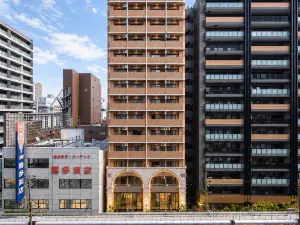
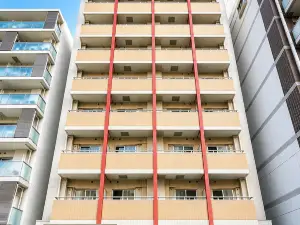
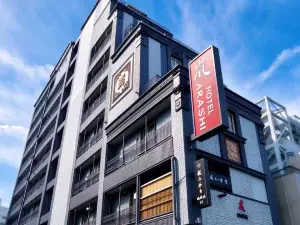
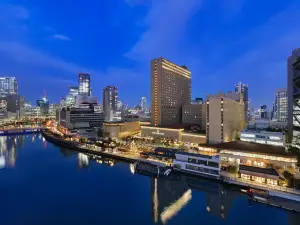
Osaka is a dynamic city in Japan, known for its modern architecture, vibrant nightlife, and delicious street food. The city's accommodation is spread across various districts, each offering unique experiences and conveniences for travelers. Shinsaibashi is a premier shopping district in Osaka, boasting a history of 380 years. This area is a shopping paradise, with a covered arcade stretching for 600 meters, offering everything from traditional kimonos to the latest fashion trends. Visitors can enjoy a variety of dining options, from fast food to gourmet restaurants. Cultural experiences are also abundant, with street performances and proximity to Amerikamura, a hub for youth fashion and culture. The region is easily accessible via Shinsaibashi Station on the Osaka Metro Midosuji and Nagahori Tsurumi-ryokuchi Lines, making it a convenient location for tourists to stay and explore. Umeda serves as a major transportation hub and is part of Osaka's Kita district. It is known for its modern amenities, including extensive shopping, dining, and lodging options. The area is home to landmarks like the Umeda Sky Building and the HEP FIVE Ferris Wheel, offering panoramic views of the city. Umeda's accessibility is unparalleled, with multiple train lines, including the JR Osaka Loop Line. The district's underground shopping arcades and proximity to cultural attractions like the Nakazakicho District and the Koji Kinutani Tenku Art Museum add to its appeal for travelers. Universal Studios Japan is an entertainment hotspot located near the Osaka Bay Area. It is a family-friendly destination with a range of attractions and shows based on popular movies and franchises. The park offers various ticket options, including Universal Express Passes to skip lines for popular rides. While staying in this region, visitors can enjoy themed dining experiences and shop for exclusive merchandise. Access to Universal Studios Japan is straightforward, with direct train routes from central Osaka. The area around it also features other attractions, such as the Osaka Aquarium Kaiyukan, making it a comprehensive entertainment district for all ages.
Osaka Best Time to Visit
Osaka has a humid subtropical climate with four distinct seasons. Temperatures range from 0°C to 37°C (32°F to 99°F), featuring hot summers, cold winters, and significant seasonal rainfall shifts. The optimal time to visit is from late March to April for the cherry blossoms and from October to November for the autumn foliage and mild weather. Summer: Mild temps 8°C–23°C (46°F–73°F), low humidity, minimal rain. Cherry blossoms (late Mar–Apr), ideal for parks and street food tours. Peak crowds; hotel rates +35% during sakura season (book 5+ months ahead). Summer: High heat 22°C–37°C (72°F–99°F), humidity 80–95%, heavy rain in June–July. Vibrant festivals (Tenjin Matsuri in July), discounted hotel rates (except Obon week). Typhoon risk (Aug–Sep); high heat limits midday exploration. Fall: Comfortable 15°C–28°C (59°F–82°F), low humidity, minimal rain after September. Fall foliage (Nov), food festivals, and fewer crowds than spring. Early September typhoons; hotel rates rise during the fall foliage peak. Winter: Chilly 0°C–12°C (32°F–54°F), dry, occasional light snow. Illuminations (Midosuji Boulevard), the lowest hotel rates. Limited outdoor dining; some gardens close early.
Osaka Travel Tips
1. Book USJ Ahead Universal Studios Japan (USJ) sells out fast—peak seasons like spring and summer zap tickets and Fast Passes. Reserve online weeks early for Nintendo and Harry Potter thrills. Holidays jack up wait times without pre-booking—plan ahead to skip the long lines. 2. Carry a Trash Bag Public bins are scarce—Osaka sorts waste into burnable, plastic, and cans/bottles. Pocket a small bag for later; littering’s frowned on in this tidy city, and fines can sting. Dispose at stations or convenience stores. 3. Stand Right on Escalators Osaka flips Japan’s norm—stand right, walk left on escalators, unlike Tokyo’s left-stand rule. This Kansai quirk keeps the commuter tide smooth, especially at Umeda Station. Match the flow; ignoring it draws glares during rush hours. 4. Keep Yen Handy Kuromon Market and Dotonbori stalls thrive on cash—cards falter at small vendors. Hit 7-Eleven ATMs; coins work for quick bites and buses too. Street food spots like takoyaki carts often stick to cash-only. 5. Mind the Hotel Tax Rooms over a certain rate add a small tax—check if it’s in your booking or due at check-in. 6. Dodge Peak Crowds Late April to early May—Golden Week—jams trains and sights like Osaka Castle with holiday hordes. Kita’s Umeda Station chokes during morning and evening commutes—salarymen flood the rails then. Shift trips a week off-peak or aim for midday rides; you’ll slip through the crush easier. 7. Grab an Osaka Metro Pass The Osaka Metro Pass unlocks unlimited rides and discounts at spots like Kaiyukan. Snag it at stations; it’s a budget win for explorers, cutting fares noticeably. 8. Beware Dotonbori Touts Dotonbori’s packed with pushy touts hawking bars or “massage” parlors—some lead to scams with hidden fees or overpriced drinks. Stick to spots with visible menus or reviews; a firm “no” keeps them moving—don’t follow strangers into alleys. 9. Check Shinsekai Seating Fees Shinsekai’s retro vibe hides a catch—some izakayas tack on “tsukidashi” (seating) fees for tiny, unasked-for snacks. Ask upfront if there’s a charge or skip places without clear pricing; it’s legal but a surprise that stings the wallet. 10. Steer Clear of Bike Lanes Osaka’s sidewalks swarm with cyclists—Kita and Namba are hotspots where bells ring nonstop. Stick to the edges or marked pedestrian paths; wandering into bike lanes risks a collision, and locals won’t brake for you.
Osaka Useful Guide
Osaka’s primary language is Japanese. English is functional at major attractions (Universal Studios, Osaka Castle) and hotels. Limited elsewhere. Osaka e-Pass (Discover OSAKA): Offers digital passes for attractions (e.g., Osaka Castle, Umeda Sky Building), cultural bookings, and discounts. Japan Travel (Navitime): Maps train, bus, and subway routes, with fares and Wi-Fi locator. GO Taxi: Books taxis with English support and card payments. Y! Weather & Quake: Tracks weather, typhoon alerts, and earthquake warnings. Tabelog: Restaurant reviews with English filters. eSim: A hassle-free way to get online in Osaka. You can download and activate the eSIM directly on your phone, eliminating the need to find a physical SIM card. Several providers offer tourist deals, prebook online. SIM Cards: Available at Kansai International Airport (KIX, Terminals 1–2, 24/7 counters near arrivals, e.g., JAL ABC), Yodobashi Camera, or Bic Camera in Umeda. Buy a Mobal SIM with a +81 number. Pocket WiFi: Rent at the airport or prebook online (e.g., Ninja WiFi, Japan Wireless) for unlimited data. Ideal for groups or heavy users. Public WiFi: Free “Osaka Free Wi-Fi” and “SoftBank Free Wi-Fi” hotspots (7000+) cover many areas but require a Japanese phone number for SMS verification. Use 7-Eleven/Starbucks Wi-Fi (password on receipts). Osaka uses the Japanese Yen (JPY), with cash, cards, and digital payments offering flexibility. Cash remains important in Osaka and Japan generally, despite the growing acceptance of credit cards. Many smaller establishments, especially in more rural areas or near temples, shrines, and markets, still prefer or require cash payments. Cards: Visa, Mastercard, and UnionPay are accepted at hotels, bigger restaurants, and popular attractions. American Express is less common. Digital Payments: ICOCA/Pasmo rechargeable IC cards for trains, buses, and retail. Accepted nationwide, including at 1 million+ locations. Apple Pay/Google Pay: Accepted at major retailers and ICOCA-compatible stations.
Trip.Best: Osaka






Plan Your Osaka Trip
What to do


Where to stay





What to eat


Osaka Moments: Through Travelers' Eyes
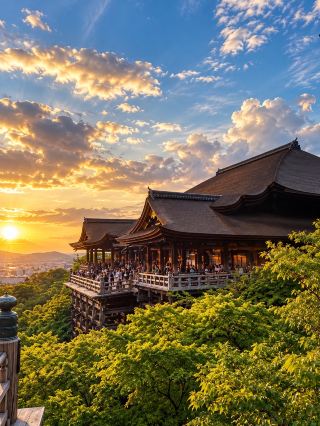
🇯🇵 JAPAN JOURNEY | 3 Cities, 8 Moments That Will Make You Fall in Love with Japan 🏯 If you love beautiful architecture, ancient temples, and a Japanese atmosphere that feels like something out of a movie, you must visit Kansai at least once! This trip takes you to experience the charm of Osaka, Kyoto, and Nara, each with its own unique character. 📍 Osaka — Admire the grandeur of Osaka Castle, the five-story pagoda of Shitennoji Temple, and the iconic red bridge of Sumiyoshi Taisha Shrine. 📍 Kyoto — Be captivated by Kinkaku-ji Temple (Golden Pavilion), admire the beauty of Byodo-in Temple in Uji, and capture stunning sunset photos at Kiyomizu-dera Temple. 📍 Nara — Experience the magnificence of Todaiji Temple and its breathtaking ancient wooden architecture. 🌆 Another unforgettable experience is strolling along the small streets, enjoying the lights from the restaurants and observing the daily life of the Japanese people. Each place has its own story and beauty. Some are breathtaking, while others make you want to stop time. ✨ Because the charm of Japan isn't just in the destination, but in every moment of the journey. What about you? #tripmoments #tripcom #japantravel #osaka #kyoto #nara #traveljapan #travelkansai #japantrip

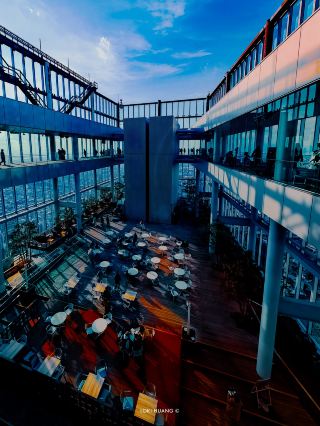
Heiji and Kazuha's romantic pilgrimage site 📍 Osaka · Abeno Harukas 300

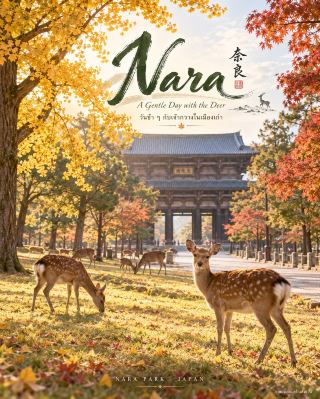
🦌🍂 NARA — A slow day with deer amidst the golden autumn colors 🇯🇵

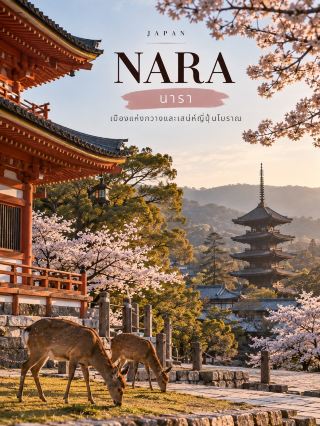
🇯🇵🦌 Nara, Japan: A charming small city brimming with history. If you want a relaxing trip to Japan, close to nature and visiting ancient temples with long histories, you must visit Nara, a historical city not far from Osaka and Kyoto. 💚 What sets Nara apart from other cities is the herds of deer roaming freely in its parks amidst large trees, ancient temples, and an atmosphere that makes you want to spend the whole day strolling around. 📍 3 Must-See Places: 🦌 Nara Park: A highlight of the city with a large deer population. You can see the deer up close, but please feed them only with deer-friendly senbei crackers sold in the area and follow safety instructions. 🏯 Todaiji Temple: An important Buddhist temple with a large wooden hall and the famous Daibutsu (Great Buddha) statue. It's a place that impressively reflects the grandeur of Japanese history. ⛩️ Kasuga Taisha Shrine: An ancient shrine famous for its numerous lanterns, nestled amidst lush greenery. Offering a peaceful and tranquil atmosphere, a stark contrast to the big city areas. 🍡 Foods you should try: Fresh mochi from local shops, traditional Japanese sweets, and kakino-hazushi, or sushi wrapped in persimmon leaves, a famous dish of the region. 🚆 Transportation: You can take the train to Nara from Osaka or Kyoto. Once at the station, you can walk to many of the main attractions, but be sure to wear comfortable walking shoes as there is quite a bit of walking involved. ✨ Nara may not be a city full of bright lights, but it's a charming city with natural beauty, history, and simplicity, perfect for those who want to escape the hustle and bustle and experience a different side of Japan. #TravelJapan #Nara #NaraJapanTravelReview

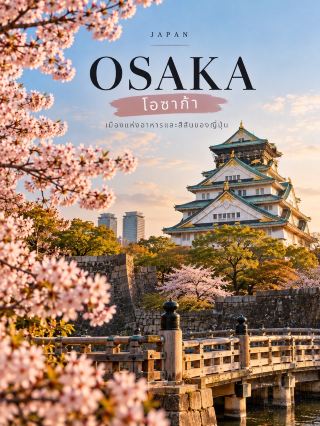
🇯🇵🍜 Osaka, Japan: The Culinary Hub You’ll Never Tire Of!
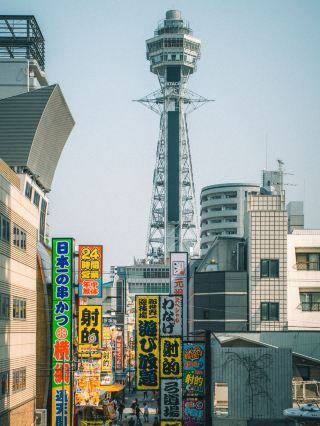
Osaka: City Break Vibes vs. Nature Escapes in Japan’s Kitchen 🍜🌳

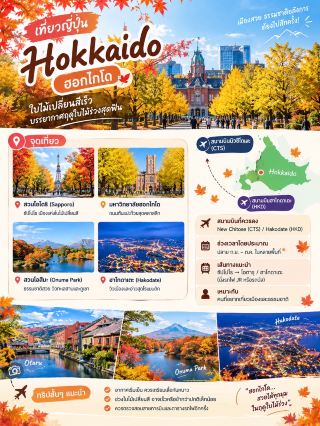
Japan Autumn Foliage Guide: Best Regions, Airports, and Timing for Your Trip


When you think of Harry Potter, everyone...

Best of Osaka
Top 10 Hot Springs Attractions in Osaka


Top 10 Vacation Homes in Osaka






Top 10 Gourmet Hotels in Osaka


Top 20 Premium Hotels in Osaka



Top 20 4-Star Select Hotels in Osaka





Popular Best Things to Do Near Osaka



Popular Family-friendly Attractions Near Osaka




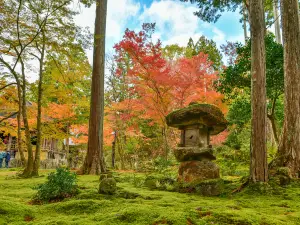
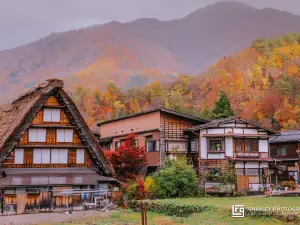
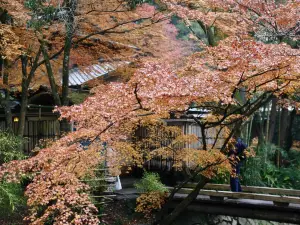
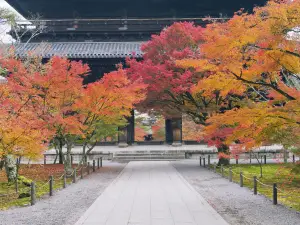
Popular Fall Viewing Attractions Near Osaka



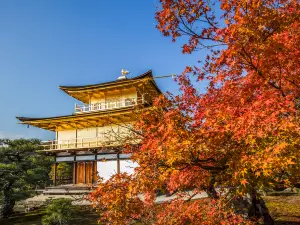

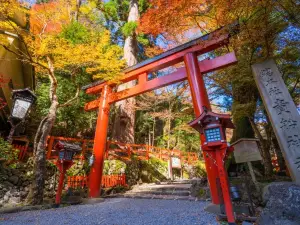
Popular Hot Springs Attractions Near Osaka


Popular Luxury Hotels Near Osaka


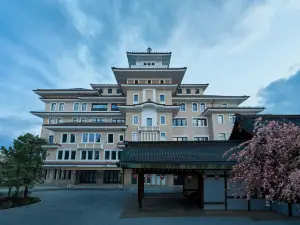

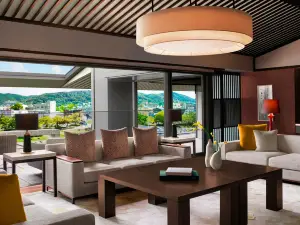


Other recommended cities

Tokyo
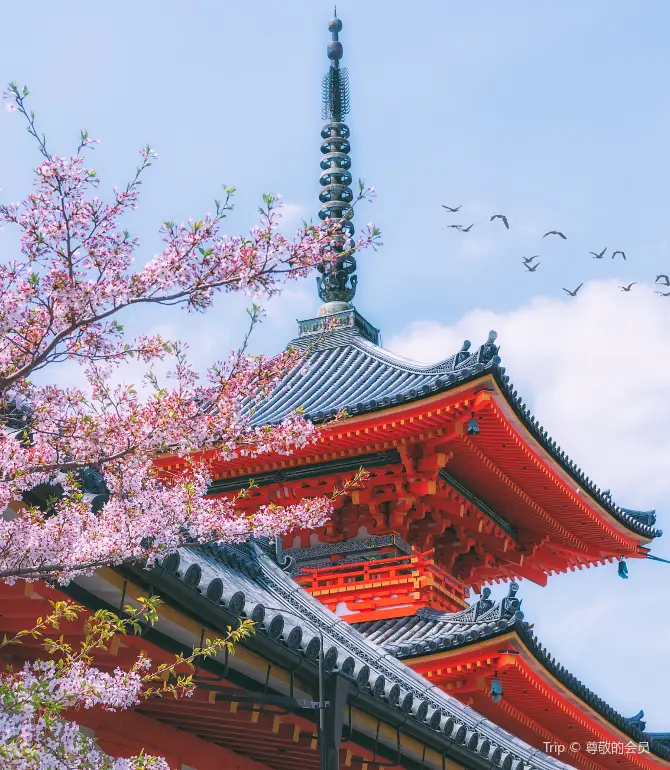
Kyoto
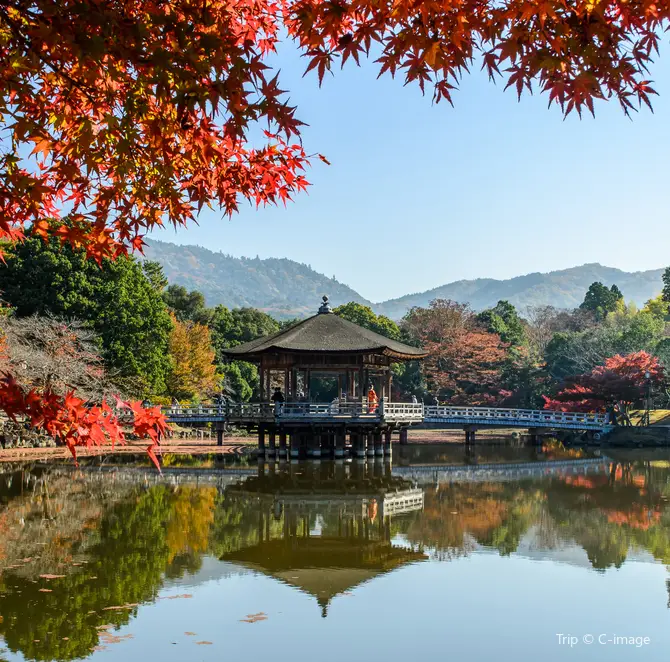
Nara City