


[Pre-trip notification email reminder] You will receive a pre-trip notification email between 19:00-22:00 (Japan time) the night before your trip. The email will include the tour leader's contact info, vehicle license plate information, meeting location map, and important notes. Please check your inbox promptly and also monitor your spam folder. During peak season, there might be slight delays in email delivery. Your understanding is appreciated.
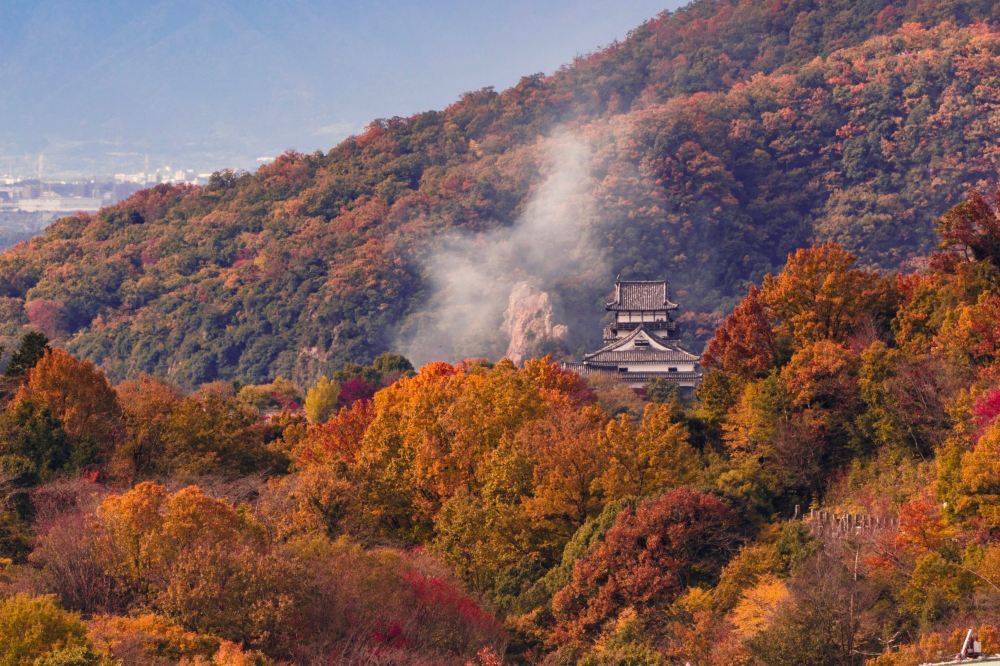
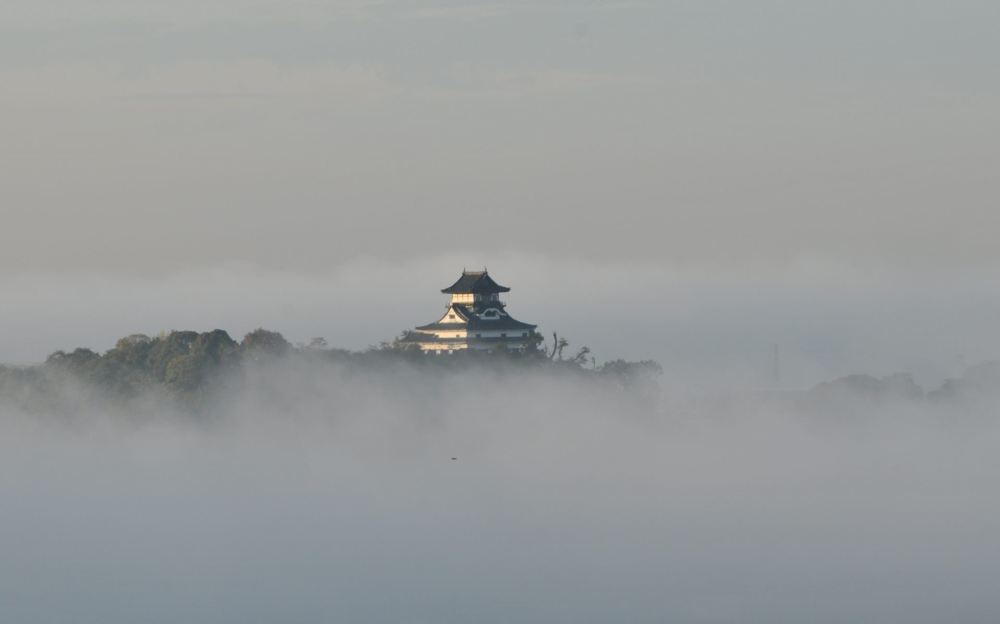
[Inuyama Castle] Also known as White Emperor City, it was named by Edo-period Confucian scholar Ogiso Sōkuro due to its resemblance to the White Emperor City described in Li Bai's poem, as it stands on a 40 m-high cliff by the Kiso River. One of Japan's oldest surviving castle towers, built in 1537 (70 years earlier than Beijing's Forbidden City), it is the only original castle tower among Japan's 12 remaining feudal-era structures to retain its authentic form, designated as a national treasure. Along with Himeji Castle, Matsumoto Castle, and Hikone Castle, it is counted among the "Four National Treasure Castles of Japan."
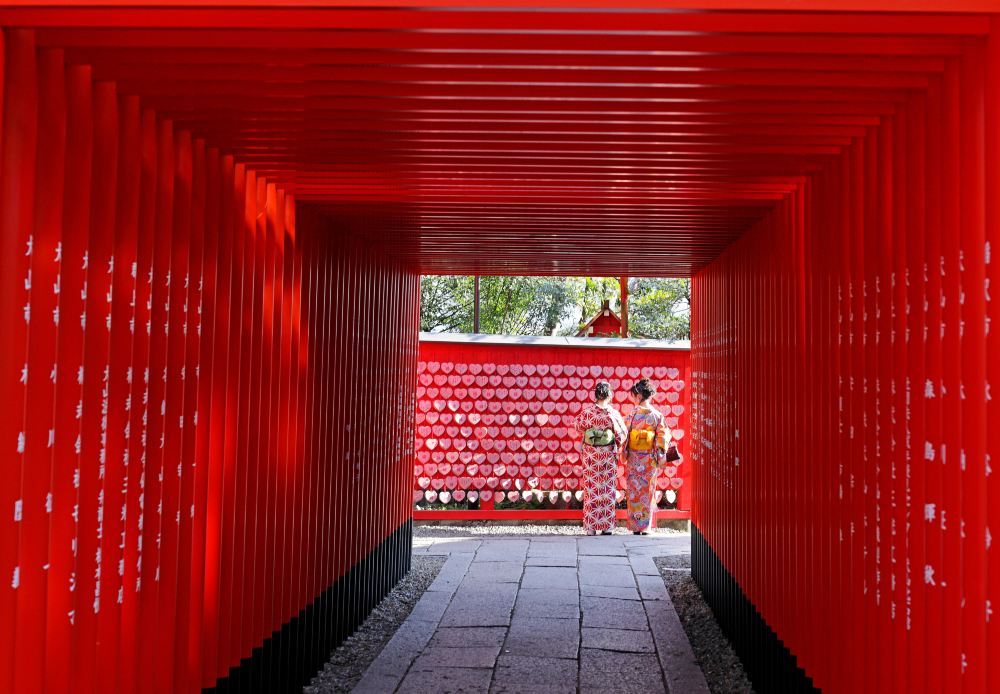
[Sanko Inari] Shrine is the guardian shrine of Inuyama Castle, enshrining Inari (Ukanomitama-no-Kami), whose worship originated from ancient Japanese agricultural deity veneration and later expanded to commerce and industry. The vermilion torii gates symbolize Inari's divine power. Since the Edo period, the shrine has served as a spiritual hub for townspeople praying for agricultural abundance and business prosperity, deeply revered by locals and distant worshippers alike, attracting numerous travelers. In recent years, its pink heart-shaped ema and fall ginkgo views have become popular check-in spots.
Legend has it that "washing money" here involves placing coins in a small basket and rinsing them with the sacred water in the courtyard, which is believed to multiply the money returned. Beside the main hall, there are stones called "light and heavy stones." Close your eyes, stand in front of the stone while thinking of your wish, and lift it. If the stone feels light, your wish will come true.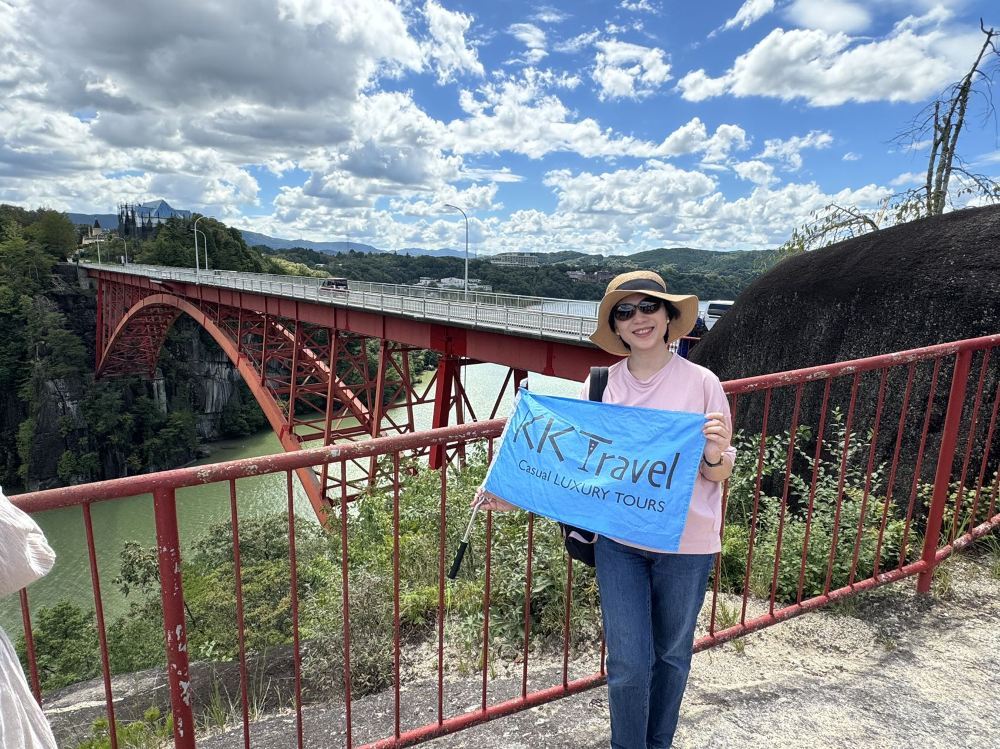
[Ena ravine large bridge observation deck] The Ena ravine large bridge observation deck is the perfect vantage point to admire the canyon scenery of Ena ravine. Formed by the erosive forces of the Kiso River, this magnificent canyon features steep cliffs towering up to 100 m on both sides, with remarkable rock formations like "Sword Rock" and "Folding Screen Rock" designated as national natural monuments. The canyon is renowned for its spectacular rock cliffs and distinct seasonal views - cherry blossoms adorn the cliffs in spring, lush greenery in summer, fiery fall foliage, and snow-covered landscapes in winter, with the fall colors and winter snowscapes being particularly favored by photography enthusiasts.
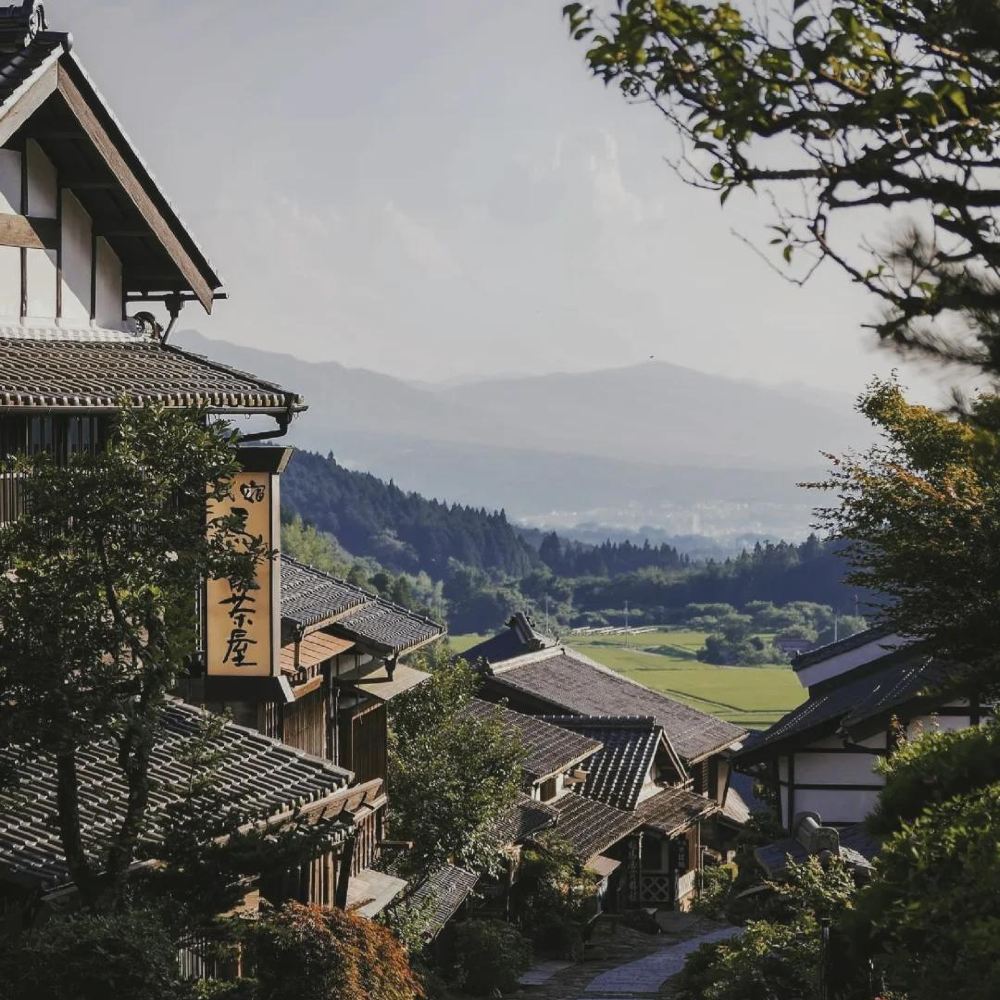

[Magome-juku] Magome-juku is a well-preserved Edo-period post station along the ancient highway in Nakatsugawa, Gifu Prefecture, Japan. Tsumago-juku and Magome-juku are located at the midpoint of the Nakasendo, with Magome-juku being the 43rd of the 69 post stations along the route, approximately 332 km from the starting point at Nihonbashi in Edo. Built with stone along steep mountain paths, the rugged terrain made it difficult for horses to pass, forcing travelers to leave their horses at the station—hence the name "Magome-juku." At the center of the post station, you'll find the honjin (main lodging), waki-honjin (secondary lodging), as well as hatago (inns) and eateries lining the streets. The entire station retains a 600-meter-long cobblestone slope, preserving the old streetscape of the Edo period, with wooden houses, historic post offices, and teahouses along the way. A leisurely lunch here is highly recommended.
The fall scenery experience blends natural beauty, historical ambiance, and a sense of tranquil living—offering both "scenic views" and cultural immersion. With cooler fall temperatures, it's perfect for strolling in light kimonos or travel attire, especially for capturing that "classic aesthetic vibe" in photos. It has earned one star in the Michelin greener guide.
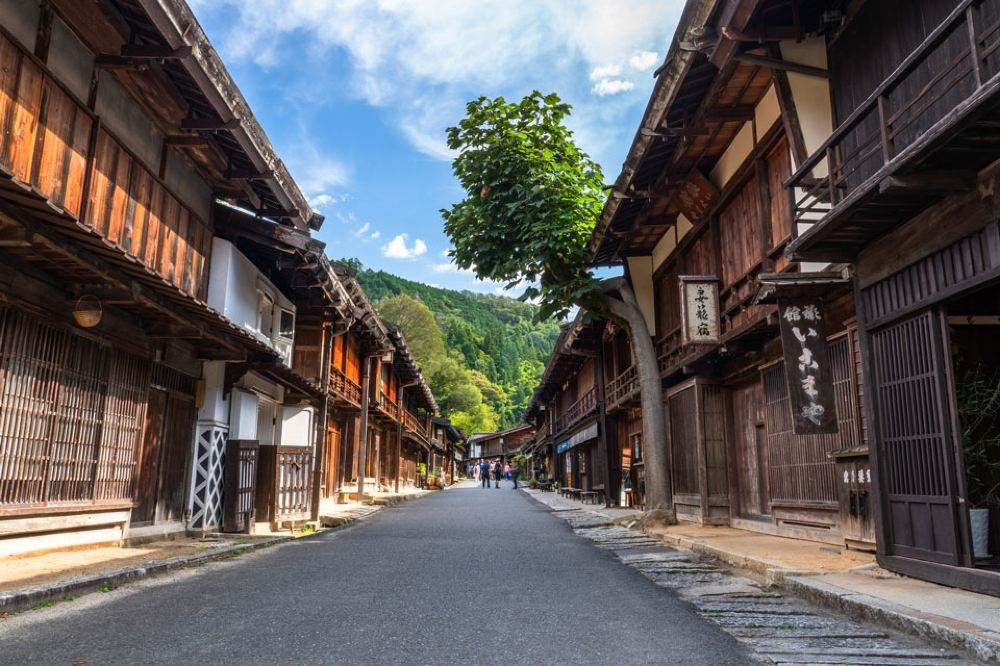
[Tsumago-juku] Tsumago-juku and Magome-juku were two adjacent post stations on the Nakasendo (Kiso Road) during Japan's Edo period. As the 42nd post station on the Nakasendo, though belonging to different administrative districts, they together form the core view area of the "Eleven Kiso Post Stations".
Legend has it that this place was named "Tsumago" because brides from ancient mountain villages would wait here for their grooms to come and marry them. It is a charming small town, more rustic and peaceful than Magome-juku, and is also a renowned traditional preservation district of famous Japanese buildings. The old post road between Magome-juku and Tsumago-juku has now become a popular hiking trail, awarded one star in the Michelin greener guide.
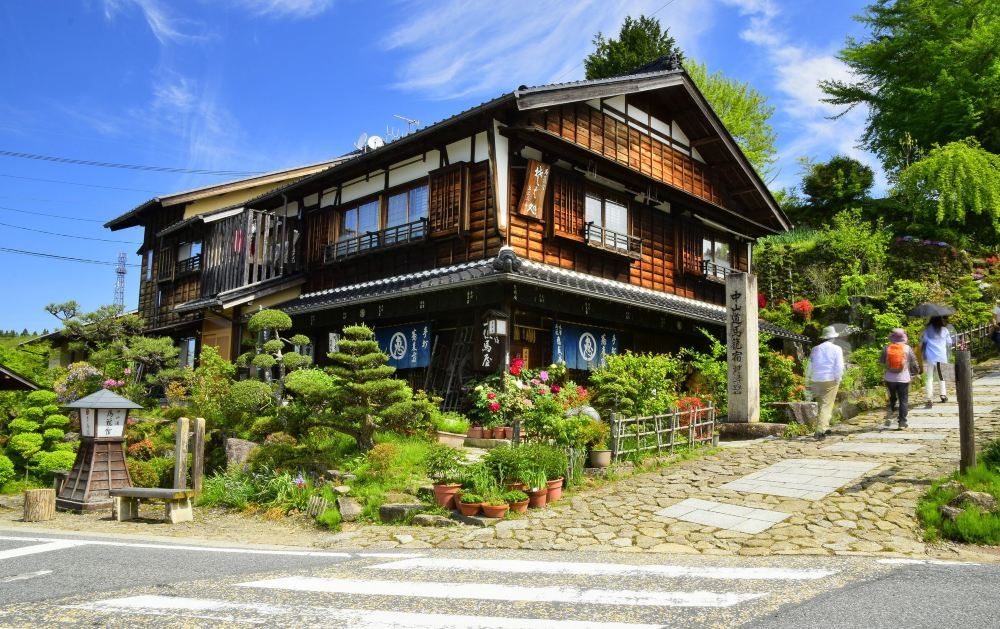
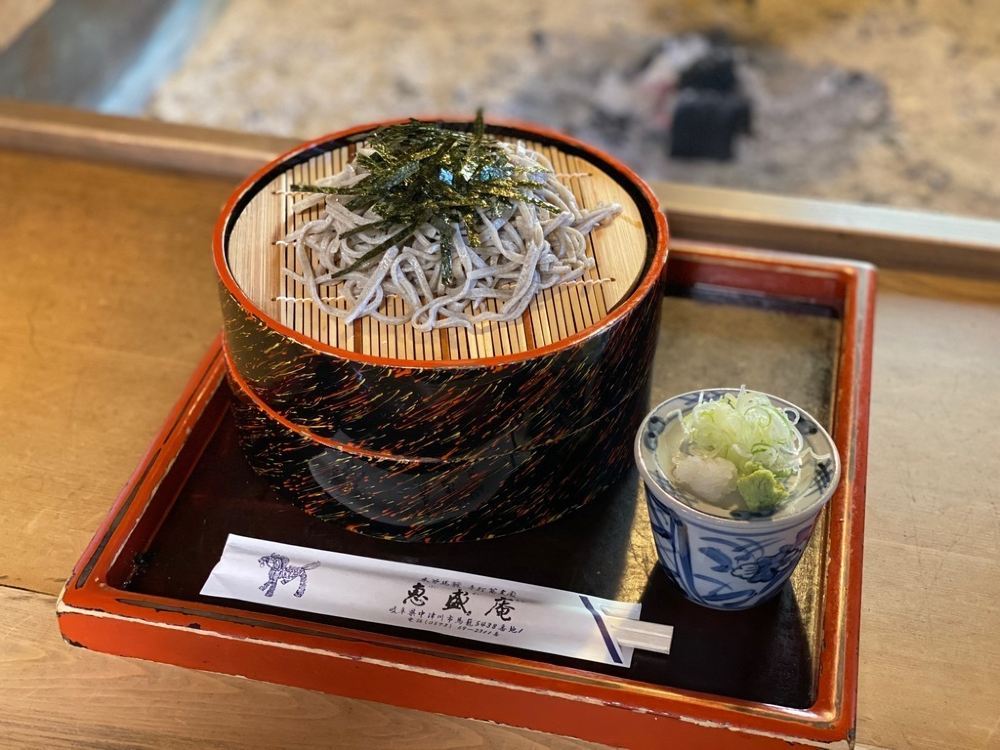
Kiseian is a handmade soba noodle shop featuring a stone mill that grinds whole buckwheat from Nagano prefecture, where you can fully enjoy the unique flavor and texture of hand-ground stone mill soba.