


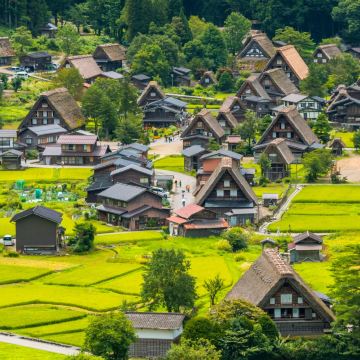

▲ Shirakawa-go is a UNESCO World Heritage Site recognized for its iconic gassho-zukuri houses with steep thatched roofs resembling hands in prayer. This unique architectural design effectively withstands heavy winter snowfall. The village preserves traditional rural scenery and maintains the communal spirit of "yui-no-kokoro" (bond of cooperation).
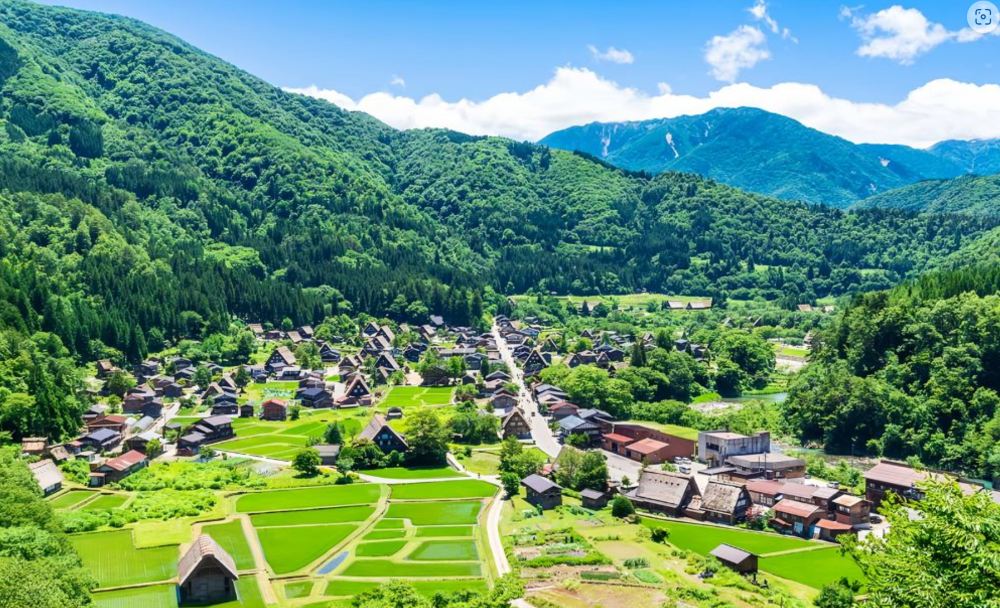
▲ Ogimachi castle ruins observation deck: A fantastic spot to enjoy a panoramic view of the Ogimachi village with its clustered gassho-style houses. ※You can walk up to the observation deck (via the forest path), taking about 15 minutes one-way. Alternatively, you can take the village bus for a fee (300 CNY one-way, please prepare coins), boarding at the Wada family gate, with buses running approximately every 20 minutes.
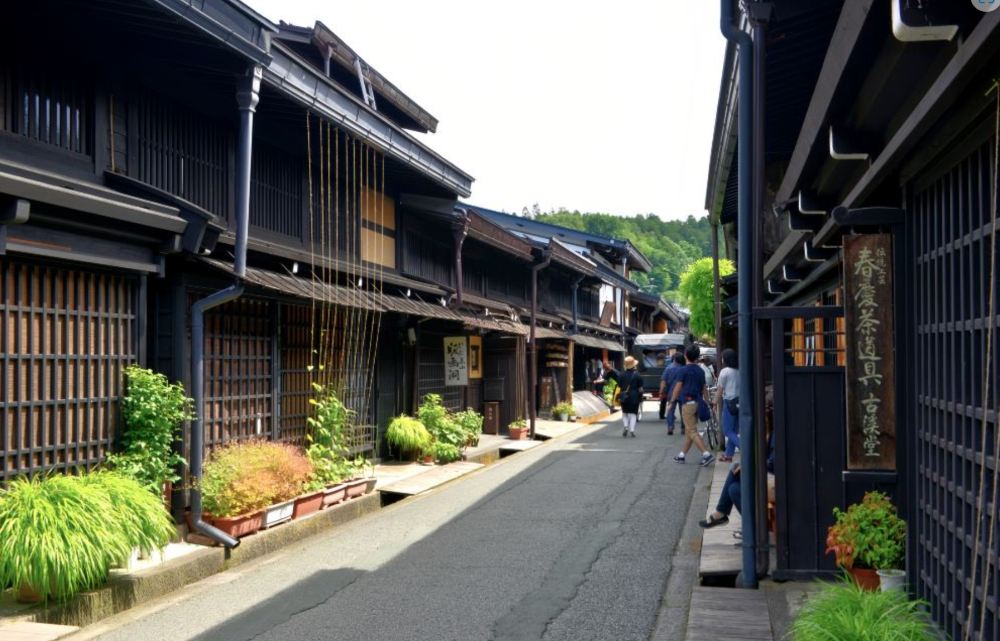
▲ This well-preserved historic district is known as "Little Kyoto of Hida." The streets are lined with traditional machiya houses dating back to the Edo period, featuring black wooden lattice windows, old sake breweries, and craft shops that create a rich traditional atmosphere, making it the heart of Takayama's history and culture.
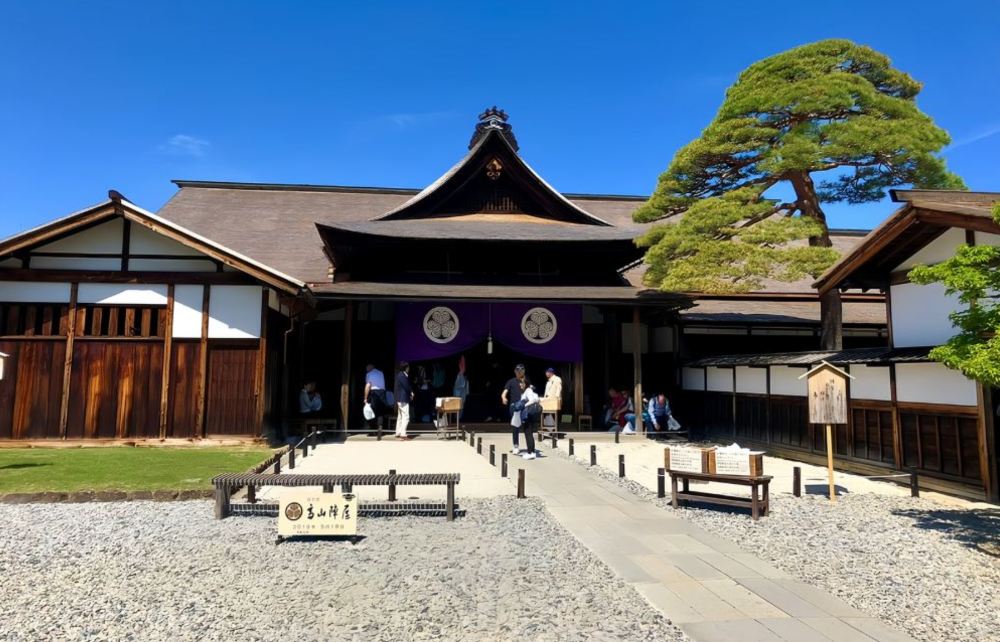
▲ Takayama jinya is the only surviving Edo-period magistrate office building in Japan. Constructed approximately 400 years ago, it served as Hida region's administrative center for nearly 300 years. The restored interior includes original office spaces, gardens, and storehouses, showcasing the architecture and history of Edo-period government buildings.
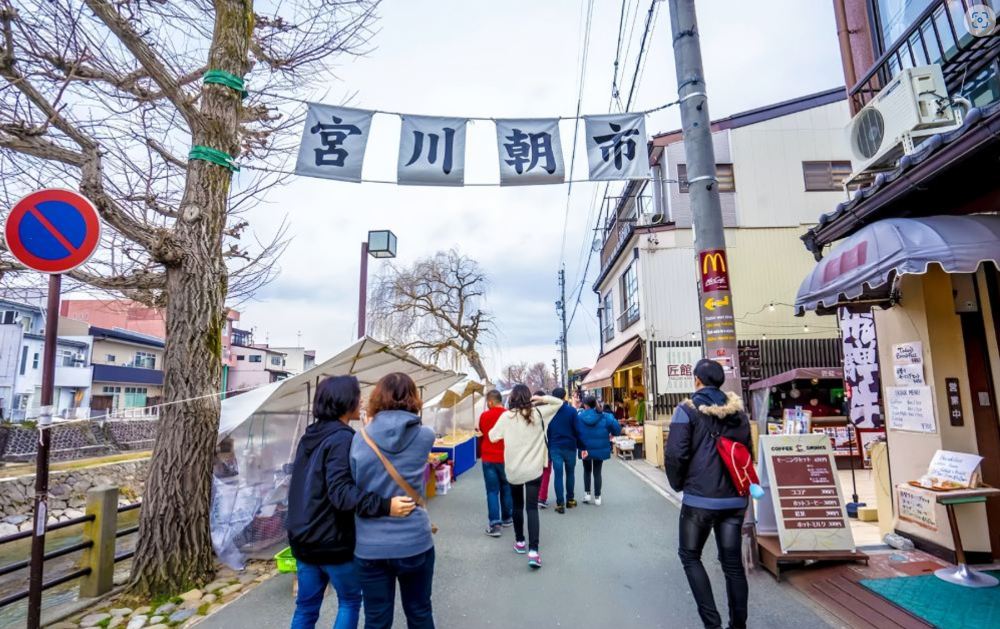
▲ The Miyagawa morning market is one of Japan's famous morning markets with a history of approx. 300 years. Stretching along the Miyagawa River, it offers locally harvested fresh produce, traditional pickles, handmade crafts, and specialty snacks, allowing visitors to experience Takayama's vibrant morning atmosphere. [Note: During severe traffic congestion, the market may have already closed by the time of arrival.]