Booking notice for foreign guests
● Please ensure your instant messaging account info is filled when booking. WeChat/WhatsApp is supported. Travelers can choose either one or send the QR code image to 3234908478@qq.com. Due to China's network environment, WeChat is the stable option, while WhatsApp and similar apps may fail to connect. We strongly recommend filling in WeChat first.
● Please check your instant messages between 19:00 and 22:00 the evening before departure. The guide will add you as a friend to contact you. If you don't receive a message from the guide by 22:00 the day before departure, please contact trip.com online customer support.
Differences in 1-day tour routes in Quanzhou urban area
●16-person premium small group tour to attractions: Xunpu Village, Kaiyuan Temple, West Street, and Luoyang Bridge (female participants will receive complimentary hairpin flowers; this is a complimentary item, and fees will not be refunded if you choose not to wear them)
●50-person regular large group tour to attractions: Luoyang Bridge, Kaiyuan Temple, West Street, South Shaolin, and Xunpu Village

▲Xunpu Village: A fishing village with a history of over a thousand years, it became a commercial fishing port during the Song and Yuan dynasties. The name "Xunpu" derives from its abundance of red crabs. The village preserves historical sites such as the Ming Dynasty inspection office, Shunji Temple, and Ninghai Temple.
Xunpu women's floral headwear: Listed as intangible cultural heritage in 2008. Known as the "garden on the head," it symbolizes prayers for safe voyages, warding off evil, and the inheritance of beauty.
Oyster shell houses (ancient dwellings): Built with large oyster shells brought back by ocean-going merchant ships, embodying the saying "bricks last a thousand years, oyster shells ten thousand." Featuring warmth in winter and coolness in summer, waterproof and insect-proof, resistant to sea wind erosion—a living fossil of maritime silk road culture.

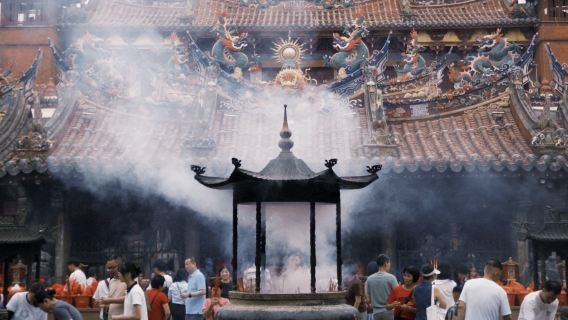
▲A temple preserving millennia, twin pagodas guarding the ancient city, half worldly charm and half Zen spirit—the maritime Silk Road culture finds its expression in Kaiyuan Temple. Located on West Street in Licheng District, Quanzhou, Kaiyuan Temple was first built in the second year of the Chuigong era of the Tang Dynasty (686 AD), boasting a history of over 1,300 years. The temple covers an area of approx. 70,000 m² and is one of the largest Buddhist architectural complexes in Fujian. In 2021, it was inscribed on the UNESCO World Heritage List as part of "Quanzhou: Emporium of the World in Song-Yuan China."

▲West Street in Quanzhou is a millennium-old street dating back to the Tang Dynasty, one of the best-preserved historic districts in the ancient city. The red-brick ancient houses line the street, adjacent to the UNESCO-listed Kaiyuan Temple, with its twin pagodas reflecting the ancient charm of the street.

One of China's four famous bridges: Quanzhou Luoyang Bridge is a sea-crossing stone bridge built in the Northern Song Dynasty and one of the core world heritage sites. The bridge body is constructed with granite, featuring boat-shaped piers and pioneering technologies like raft foundations and oyster-based reinforcement. Spanning rivers and seas, this ancient bridge witnessed maritime trade along the Silk Road, embodying both engineering value and historical significance.

▲Quanzhou South Shaolin Temple was first built in the Tang Dynasty at the eastern foot of Qingyuan Mountain, serving as the birthplace of southern martial arts and the ancestral hall of Nanquan. Having undergone three rises and falls over a millennium, it was rebuilt in 1992, integrating Zen and martial arts, with Wuzuquan recognized as intangible cultural heritage. This ancient Minnan temple offers a chance to witness monks practicing martial arts!
Note: The 16-person group does not visit Nan Shaolin temple