Jingzhou
It was the site of Chugoku Palace (a riverside palace facing the Yangtze River) during the Warring States period of the Chu State.
The capital of Chu at that time was Jinan City, located 5 kilometers north of Jingzhou.
After Qin conquered Chu, it was named Jiangling by the Qin dynasty.
This is the "Jiangling" mentioned in Li Bai's poem: "Returning from a thousand-mile journey to Jiangling in a single day."
Jingzhou is also a place associated with Liu Bei.
Although Liu Bei once allied with Cao Cao for a period, he disliked remaining as a subordinate and left Xuchang. The place where he eventually settled was Jingzhou. Relying on Liu Biao, a member of the imperial clan, he spent about four years here.
Jingzhou Ancient City
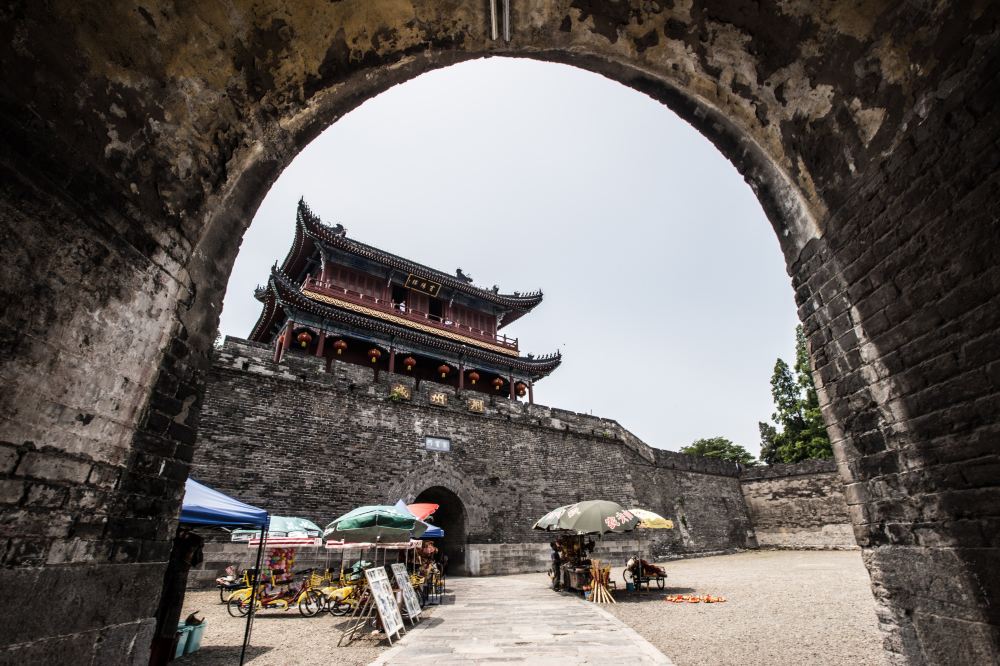
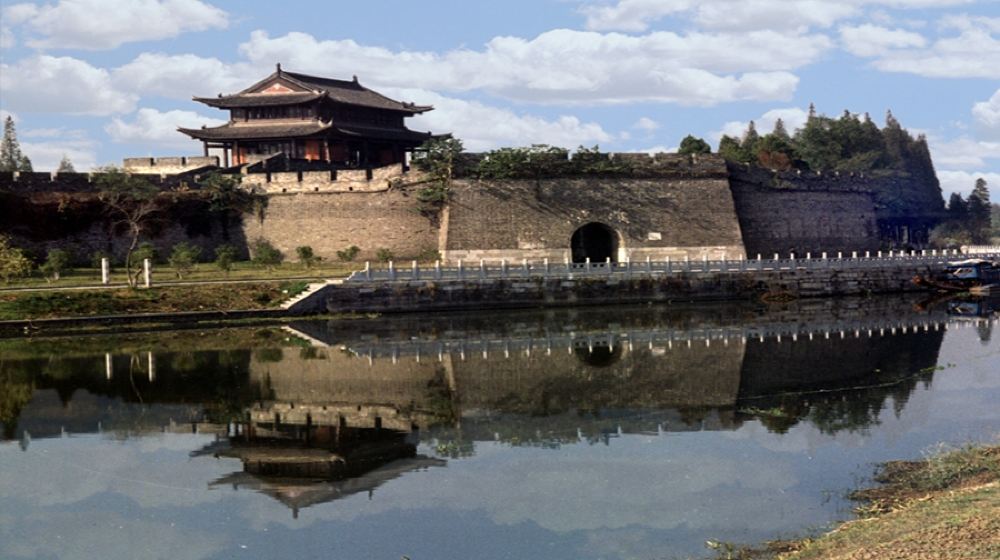
The remaining castle walls currently measure 9.3 km in circumference, 8.8 m in height, and approximately 10 m in thickness.
It was rebuilt in the third year of the Shunzhi era (1646) during the Qing Dynasty.
The city walls originated as earthen fortifications built by General Guan Yu of Shu during the Three Kingdoms period, but it wasn't until the Southern Song Dynasty that they were reconstructed with bricks.
There are not many cities in all of China where the city walls remain so beautifully preserved.
Jingzhou Museum
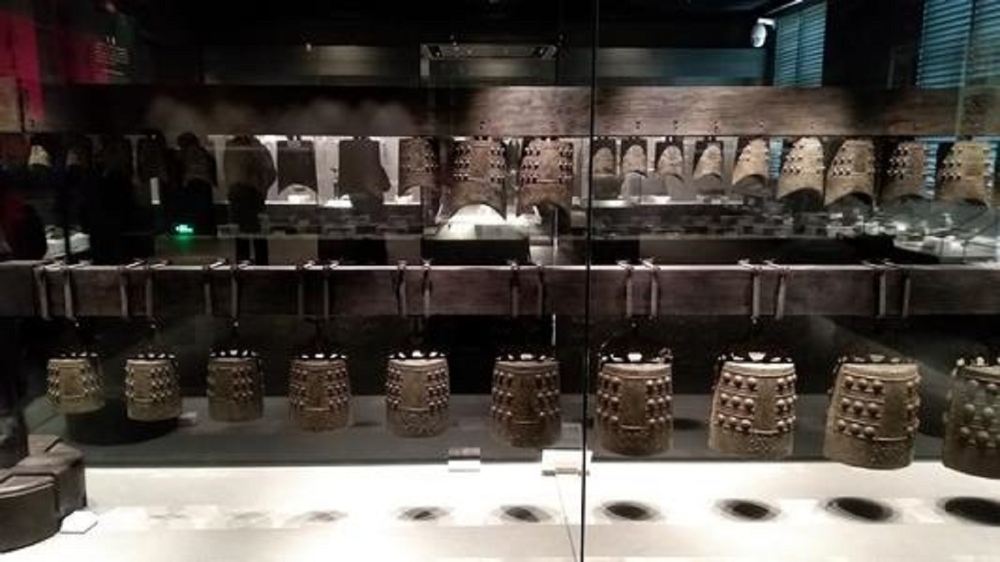
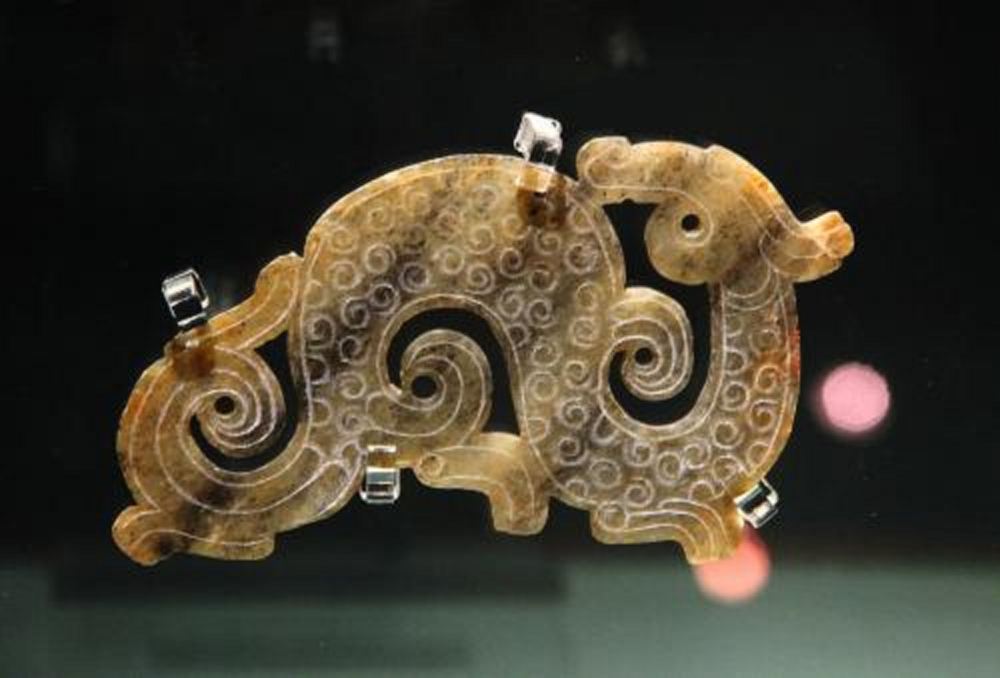
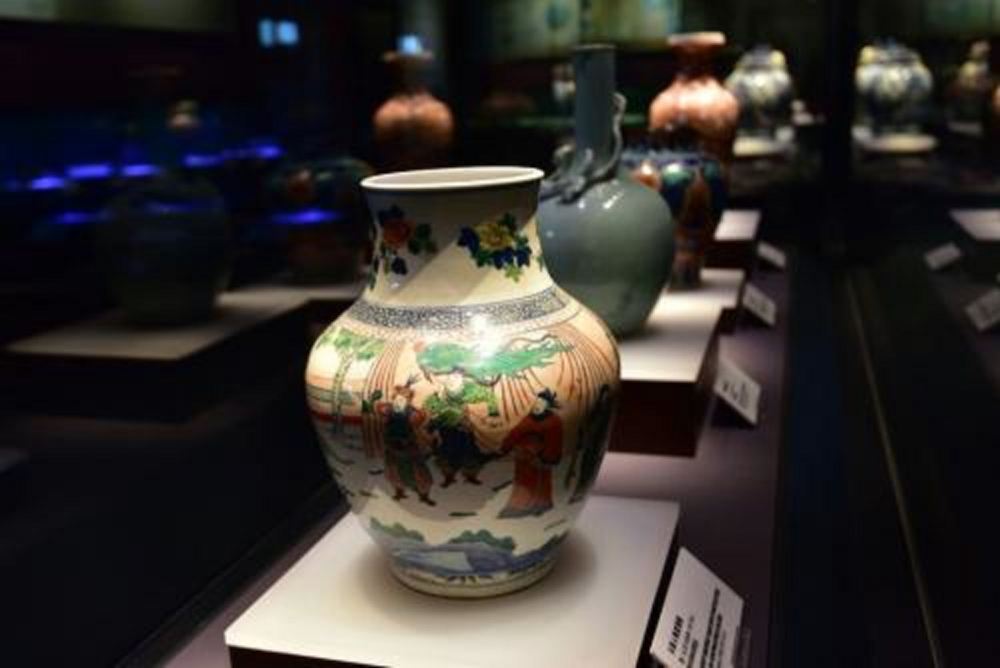
It is located within the city walls.
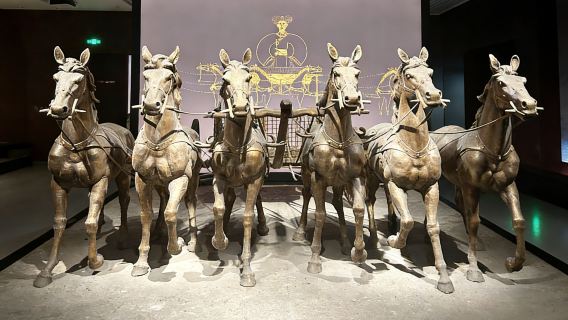
There are many exhibits of artifacts from the Chu State during the Spring and Autumn and Warring States periods.
The site of Jinan City, the former capital of the Chu State, features numerous constructed tombs, with excavated artifacts from them now on display.
This exhibition vividly showcases the distinct ethnic groups and cultures that flourished here, clearly different from those of the Central Plains.
Also on display is a male mummy from the Western Han Dynasty, similarly excavated in the Kii region.
Kantei-byo (Guan Di Temple)
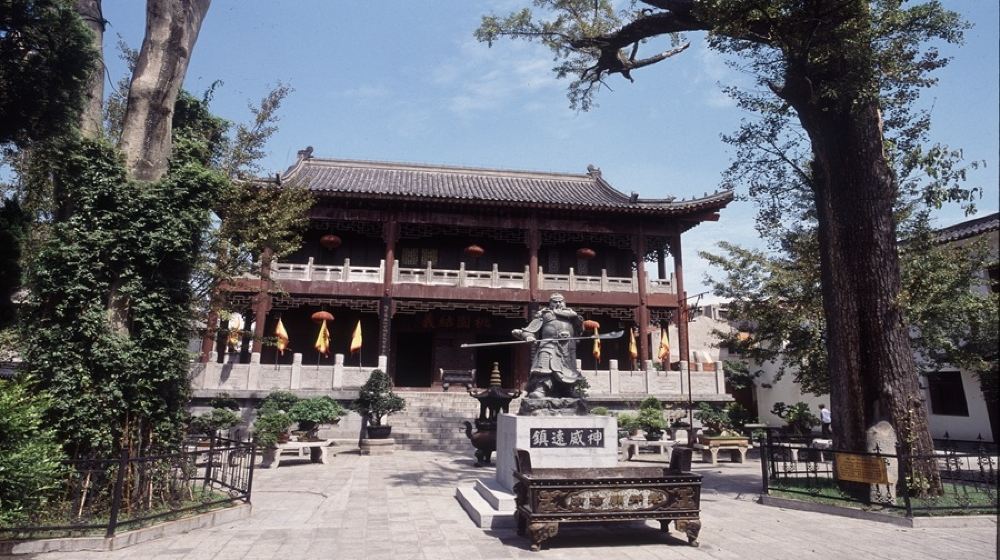
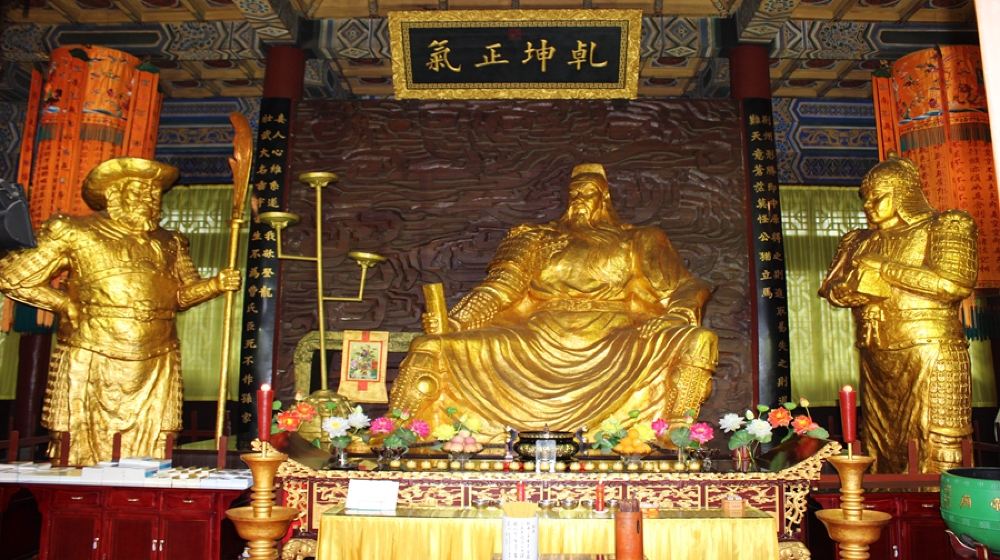
It is located at the south gate of Jingzhou Ancient City.
The site covers an area of 4,500㎡, originally constructed in the 29th year of the Hongwu era (1396 AD) during the Ming Dynasty, rebuilt during the Wanli era, and expanded in the 10th year of the Shunzhi era (1650 AD) and the 10th year of the Yongzheng era (1732 AD) during the Qing Dynasty.
During Guan Yu's tenure as the Governor of Jingzhou, he administered the Jingxiang Nine Commanderies here for over 10 years.
Unfortunately, the original building was burned down by Japanese military fire during the Second Sino-Japanese War when they attacked Wuhan.