Chengdu (Seito)
The capital of Sichuan Province. Located in the western part of the Sichuan Basin, it enjoys a mild climate and abundant water sources, and has been a land rich in produce since ancient times. It is called the "Land of Abundance."
It was in 221 during the Three Kingdoms period that Liu Bei Xuande founded the state of Shu Han in this land. It was also in the eighth century that Du Fu built a thatched hut here and, amid his wandering life, enjoyed a relatively settled existence.
It is also the home of Sichuan cuisine. There are many dishes familiar to Japanese people, such as "mapo tofu" and "dandan noodles." However, the way chili peppers and Sichuan pepper are used is a little different. It makes your mouth tingle.
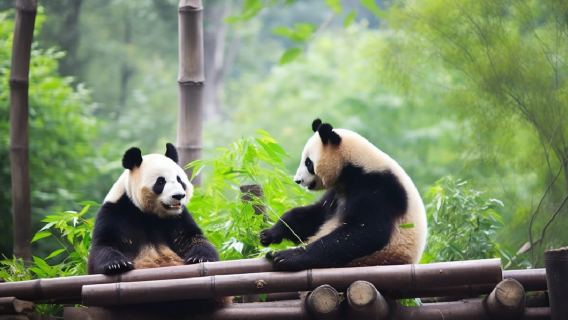
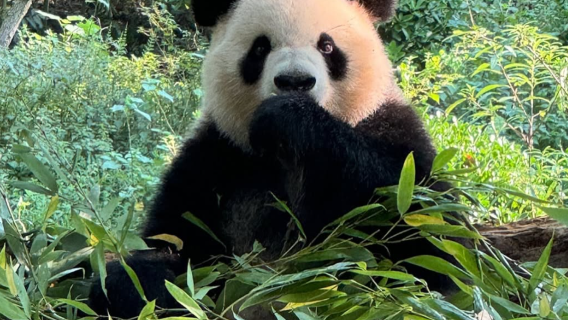
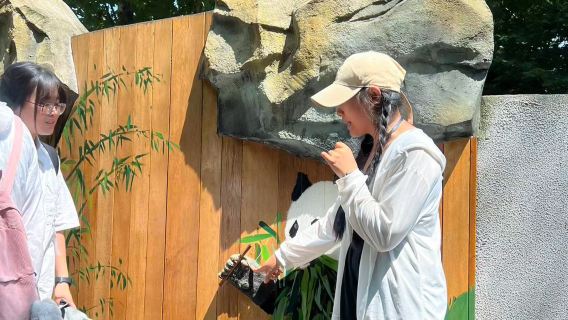
Panda breeding base
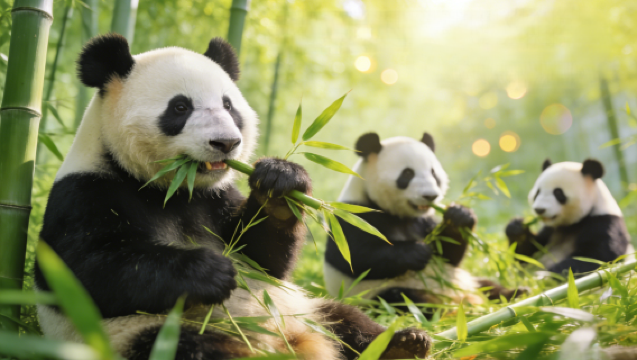
Sichuan means pandas.
A panda conservation and breeding base built in 1987 with the cooperation of the Chengdu city government.
Currently, dozens of adorable pandas live within the base, and you can see each of them up close, from baby pandas to adult pandas.


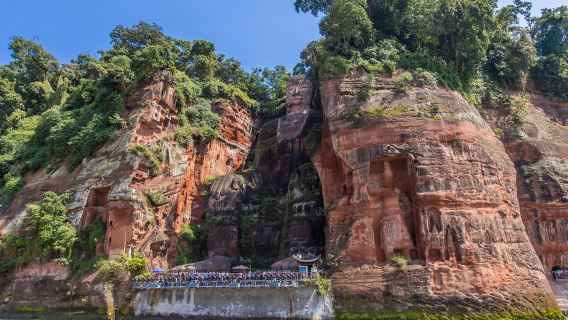
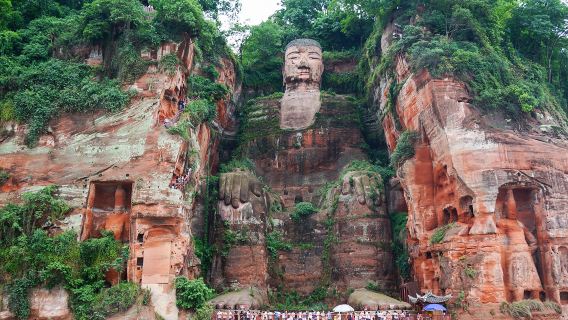
Leshan Giant Buddha (Rakuzan Daibutsu)
It was registered as a World Cultural and Natural Heritage site in 1996!
During the Tang dynasty (713), it was carved over a period of ninety years in prayer for flood control and safe navigation, and was completed in 803.
It sits with Lingyun Mountain at its back, overlooking the Min River.
At 71 meters tall and 29 meters wide, it is China's largest seated stone carved Buddha and is also designated as a UNESCO World Heritage Site.
It is said that as many as 100 people can stand on the top of its foot.
As the saying goes, "The mountain is Buddha, and Buddha is the mountain," its majestic presence is like an entire mountain has become a Buddha statue.