




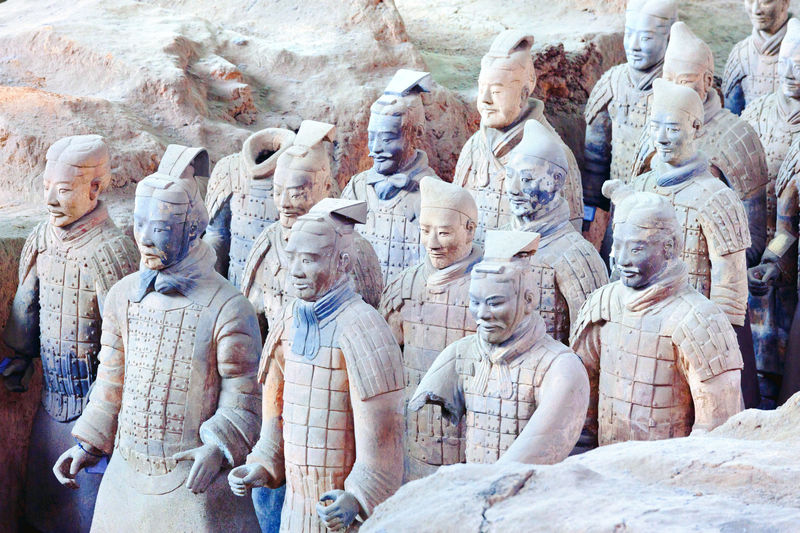
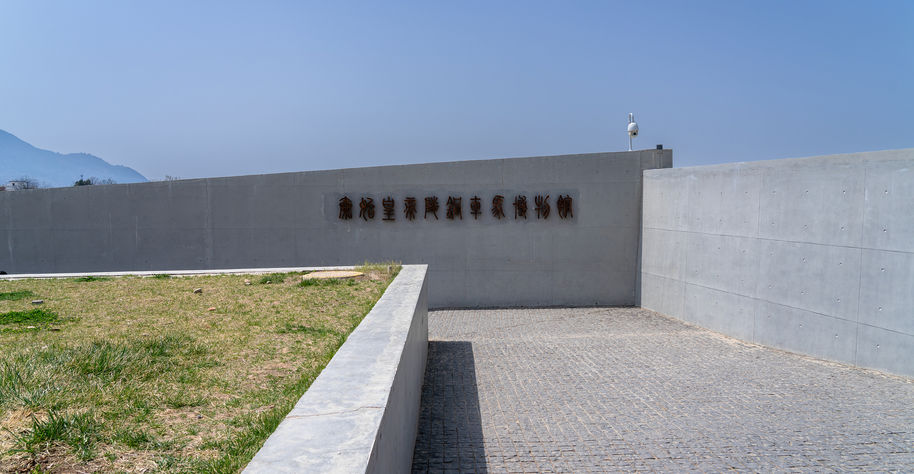
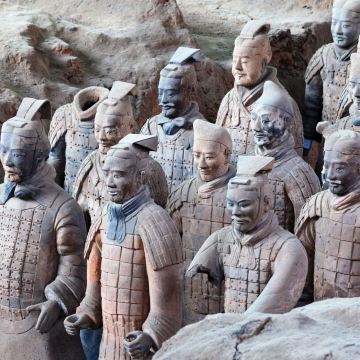
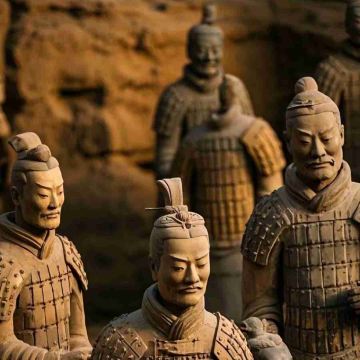
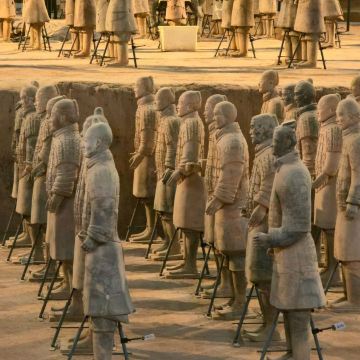
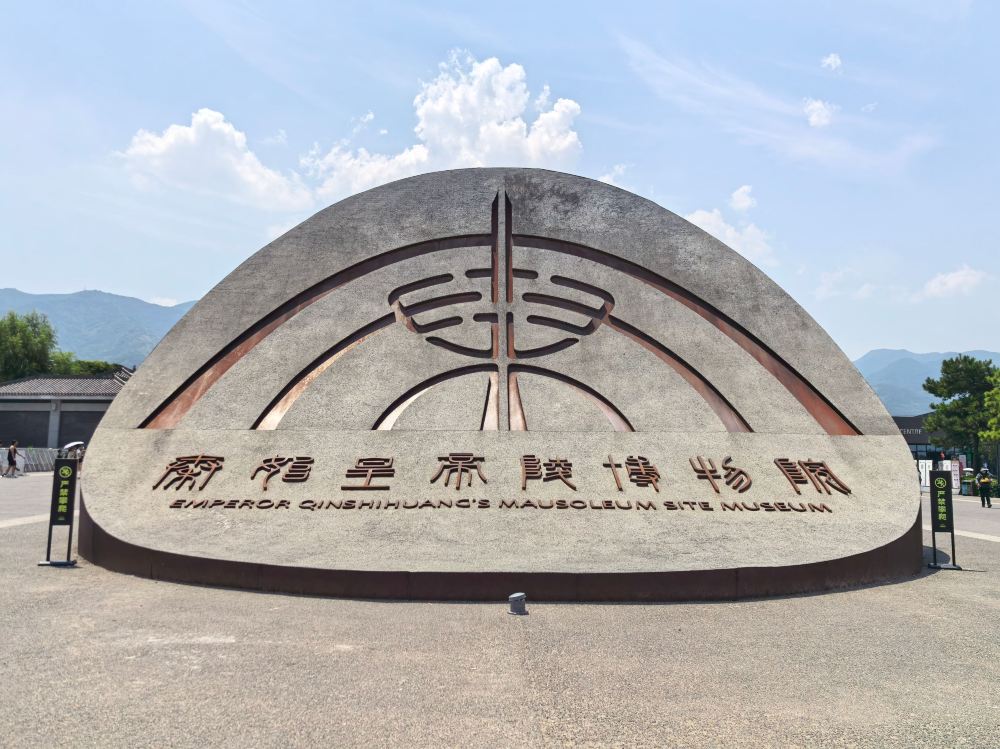
▲ The terracotta warriors of Emperor Qin Shi Huang are located in Lintong, Xi'an, serving as the burial pits of the Qin Shi Huang Mausoleum. Listed as a UNESCO World Heritage Site, they are hailed as the "Eighth Wonder of the World." This underground terracotta army was created over two thousand years ago during the Qin dynasty, with thousands of life-sized figures, **each with unique facial expressions and postures, no two alike**. The distinctions between warriors and officers are clear, and their armor and hairstyles are intricately detailed, faithfully recreating the equipment and appearance of the Qin army. Originally adorned with vibrant painted colors, the figures rapidly oxidized and faded upon exposure to air, leaving only a few fragments with traces of pigment. Standing before the pits, visitors are awed by the grand formation, experiencing the exquisite sculptural craftsmanship and the mighty imperial spirit of the Qin dynasty. This is an unmissable core historical attraction in Xi'an.
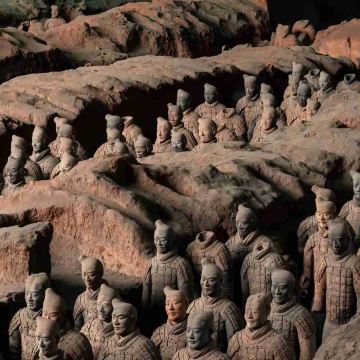

▲ The terracotta warriors are the underground garrison of Emperor Qin Shi Huang's mausoleum, built following the ancient concept of "serving the dead as serving the living." They simulate the actual battle formations of the Qin army to guard the emperor's underground tomb. Accidentally discovered in 1974 by local villagers digging a well, they immediately became the most astonishing archaeological discovery of the 20th century. The entire army includes infantry, archers, chariots, and warhorses, meticulously arranged according to military organization, with a rigorous battle layout that replicates the combat system of the Qin dynasty. Buried for over two thousand years, most of the terracotta figures were shattered upon excavation. Archaeologists spent considerable time painstakingly restoring them piece by piece to reassemble this vast army. The site has hosted hundreds of world leaders and serves as a global ambassador of Chinese civilization. Visiting in person allows one to appreciate the arduous efforts of archaeological restoration and understand the grand vision of the Qin Empire's unification of the land.

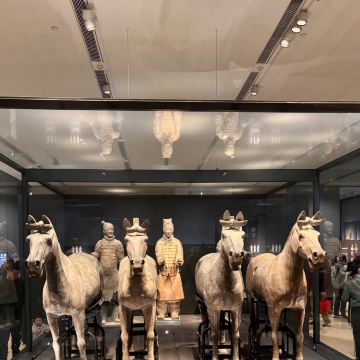

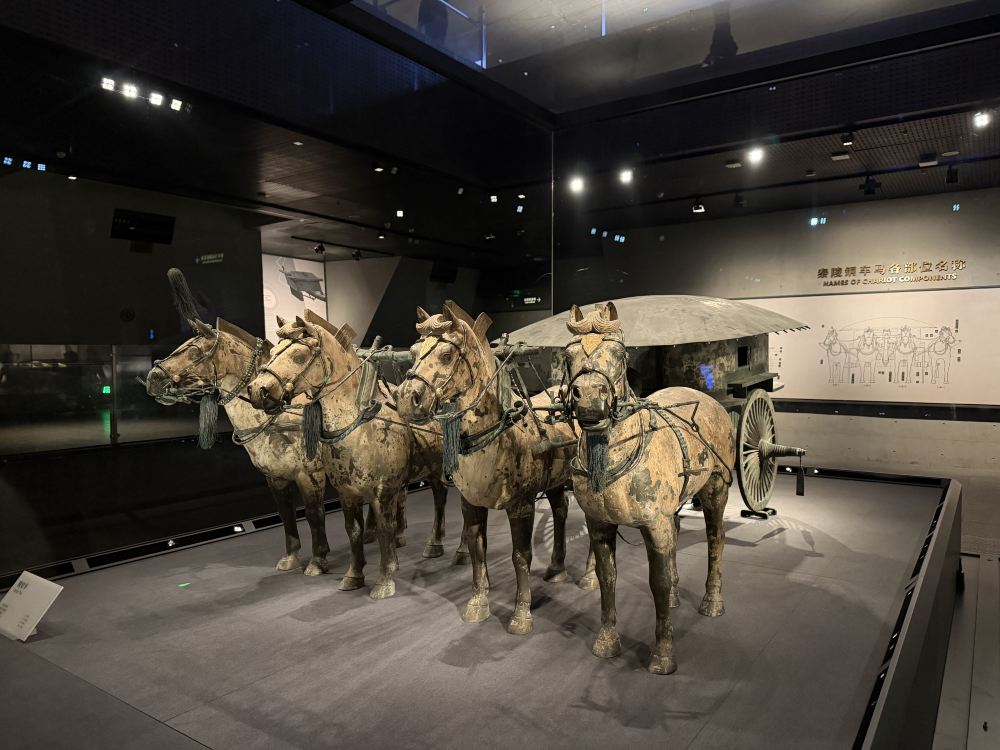
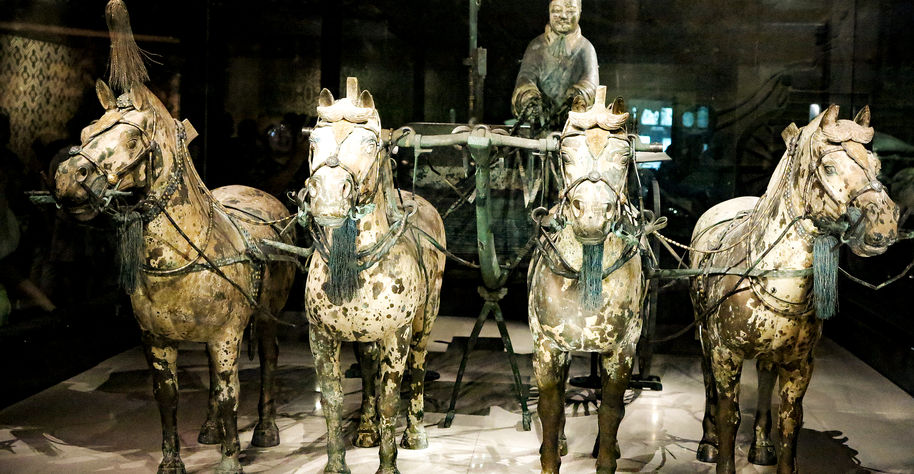
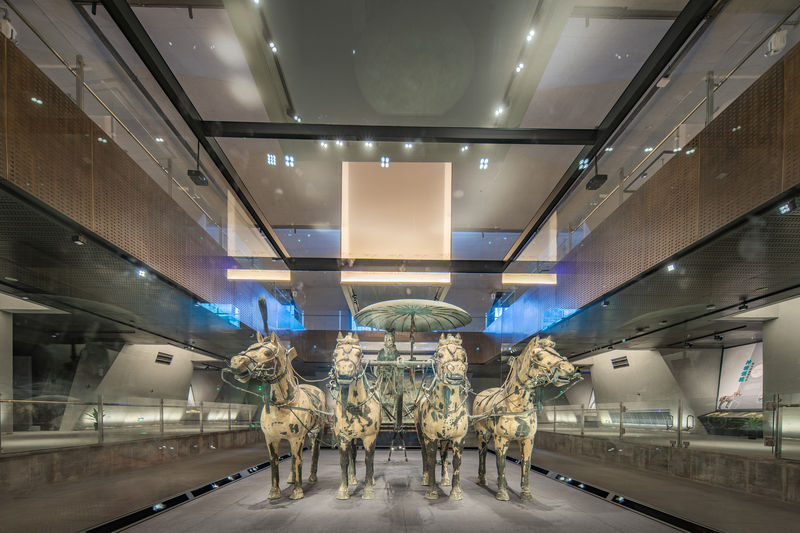
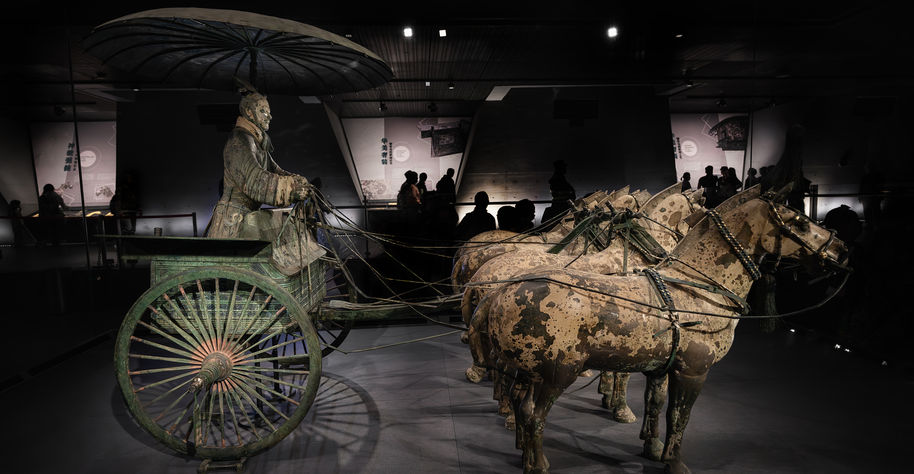
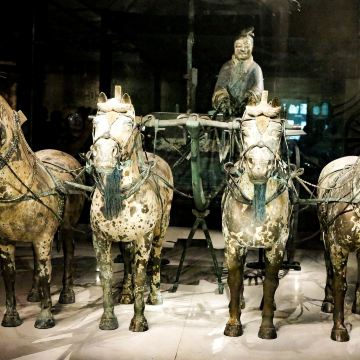
▲ The bronze chariot and horses were unearthed on the western side of the mausoleum mound of Emperor Qin Shi Huang, serving as the national treasure of the Terracotta Warriors exhibition area and hailed as the "crown of bronze artifacts." This set of bronze chariots and horses consists of four majestic bronze steeds, a charioteer figure, and a luxurious carriage, meticulously cast at half the scale of real chariots and horses. The horses are portrayed with robust physiques and lifelike depictions of bones and muscles, while the charioteer figure exudes a solemn demeanor with exquisitely detailed clothing patterns. Comprising thousands of components, the set employs complex techniques such as casting, inlaying, and gold inlay, representing the pinnacle of metalworking in the Qin Dynasty. It is both a microcosm of imperial procession ceremonies and a masterpiece of bronze craftsmanship from over 2,000 years ago. Viewing this national treasure up close to appreciate the advanced handicraft skills of the Qin Empire is an unmissable highlight of any visit to the Terracotta Warriors.
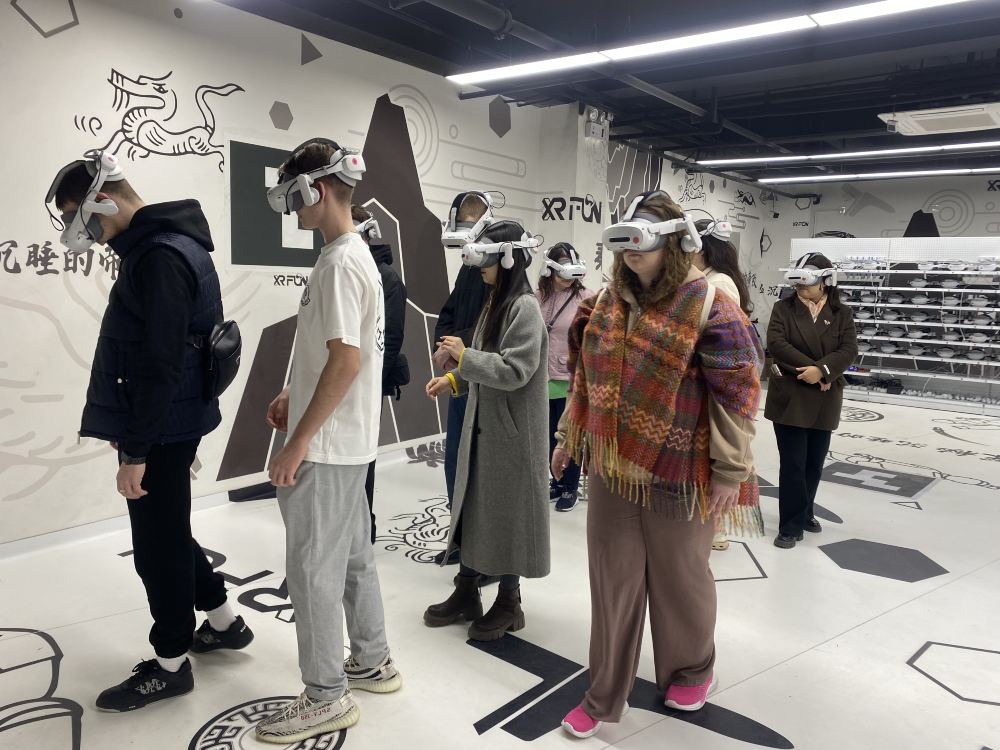
▲ Explore the sleeping emperor's mausoleum XR experience
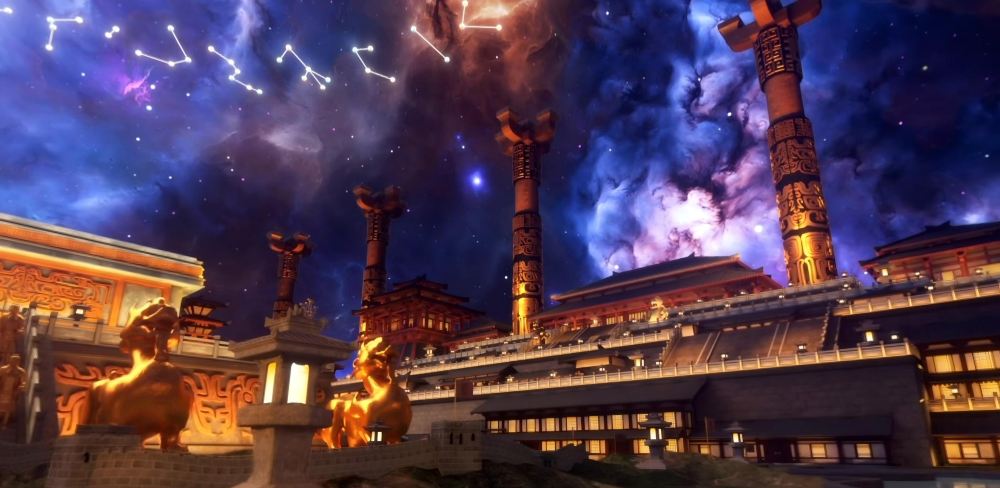
▲ Explore the sleeping emperor's mausoleum XR experience