


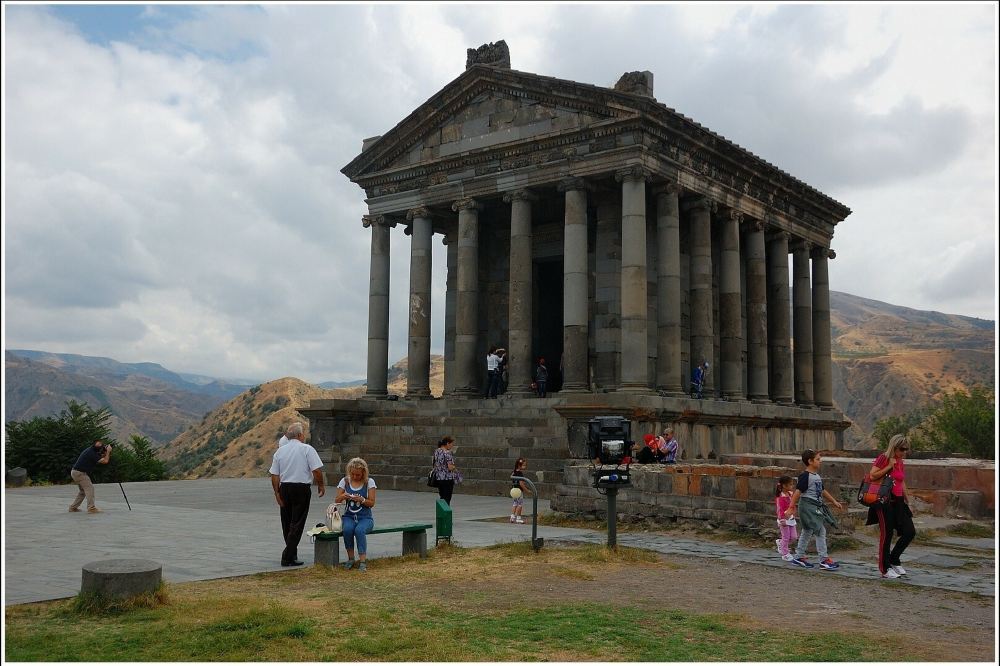
▲ Garni Temple, Armenia's pagan classical shrine, is surrounded by Ionic columns, with its exquisite proportions and fine reliefs inspiring awe. Ascending the temple steps feels like stepping into the ancient Roman Pantheon, while gazing out reveals the majestic Geghard Valley behind. The guide will share the legends of Mihr, the sun god worshipped here, and the temple's remarkable preservation after the arrival of Christianity.
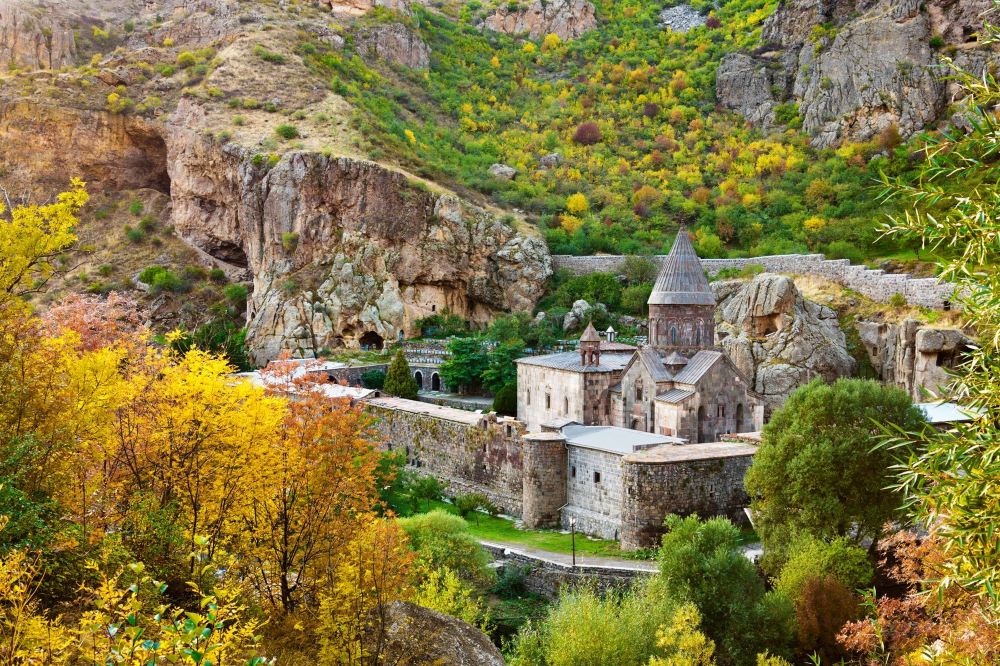
▲ Geghard (Geghard Monastery) is a UNESCO World Heritage site carved into rock, surrounded by steep cliffs. This 4th-century monastery is spiritually and architecturally breathtaking.
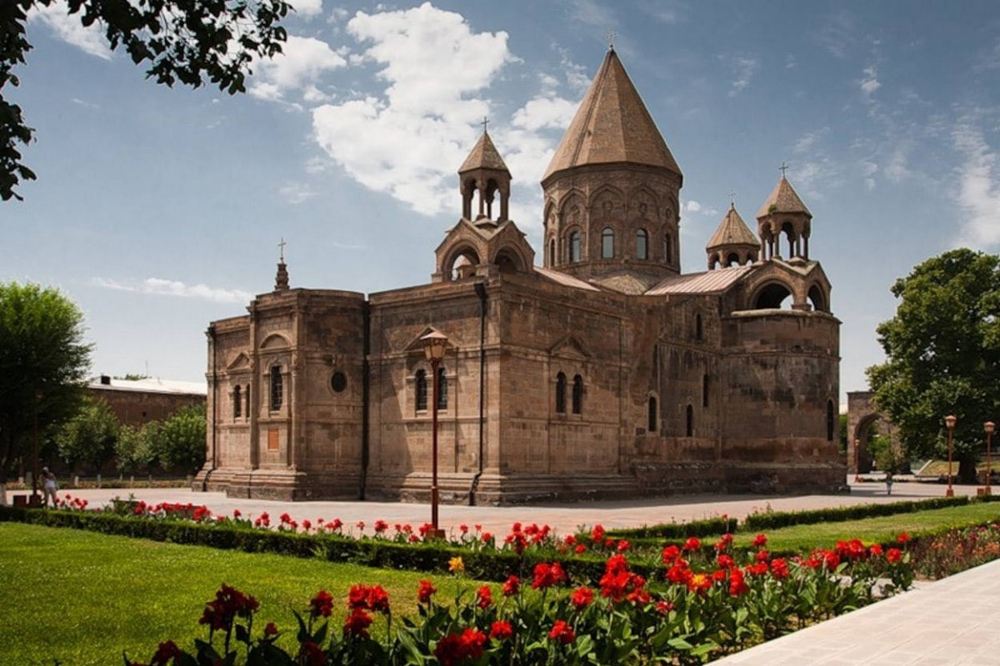
▲ The Holy Church Mother See of Holy Etchmiadzin (Etchmiadzin Cathedral), built in 303 AD, is one of the world's exceptionally ancient national churches and the residence of the current Catholicos of the Armenian Church. The church has a simple yet solemn exterior and a resplendent interior, housing sacred relics such as the Holy Nail believed to have been used in Jesus' crucifixion. Every Sunday, grand Mass ceremonies are held here, with choirs chanting ancient Armenian hymns in a solemn and moving atmosphere. Strolling through the church courtyard, you can see black-robed monks quietly passing by and faithful believers kissing the altar and making the sign of the cross, all reflecting the devout religious traditions of the Armenian people. In Vagharshapat, history and faith are seamlessly intertwined, allowing us to glimpse the wellspring of strength in the soul of the Armenian nation.
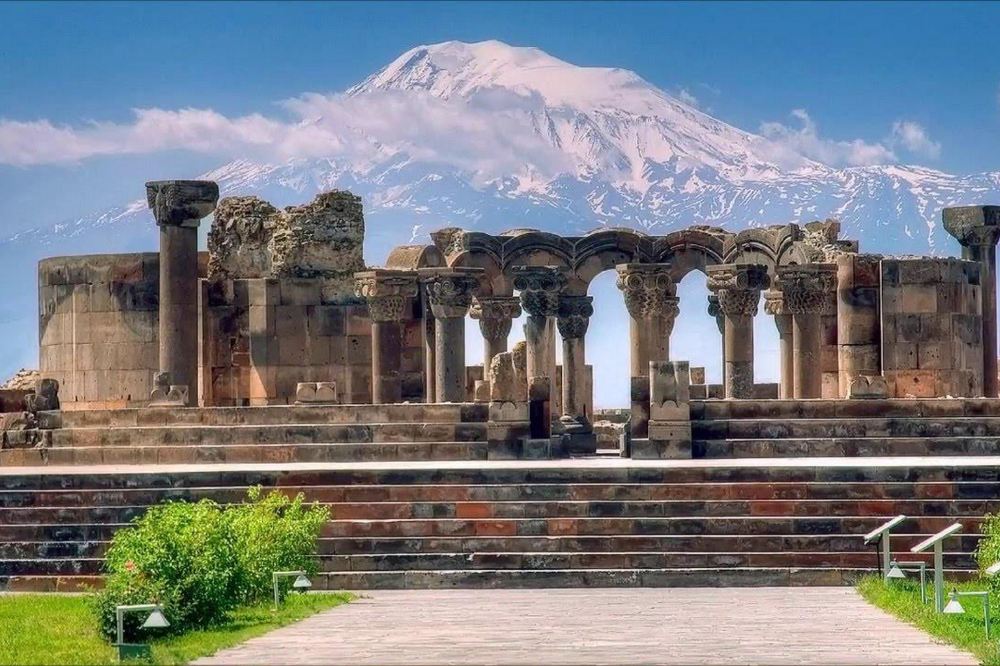
▲ The Zvartnots Cathedral, meaning "Temple of Vigilant Powers" or "Temple of Angels" in Armenian, is an extraordinary structure located just 10 km from Yerevan, near the international airport bearing its name, on the road to Vagharshapat (also known as Echmiadzin). Built in the 7th century during the time of Catholicos Nerses III, this cathedral witnessed a remarkable historical moment: Byzantine Emperor Constans II personally attended its consecration. Constans II was so awed by the grandeur of the cathedral that he even expressed a desire to build a replica in Constantinople—a wish that, unfortunately, never came to fruition.