

View all 19 photos
Kobe Customized Half-Day Tour with Licensed Local Guide
4.5/5
Good(21 reviews)
Join-in tour
Free cancellation by 00:00, 1 day before the date of use
From
HK$ 1,567.13
per person
Select package
Package and price


Date of use
2026-09-17
2026-09-18
2026-09-19
All
Local timeCurrency: USDPrices shown are the lowest prices for the current date
Package
4hr Walking Tour (2–3 sites)|10:00 (10:00)
FromUS$1,567.13
4hr Walking Tour (2–3 sites)|09:30 (09:30)
FromUS$1,567.13
4hr Walking Tour (2–3 sites)|09:00 (09:00)
FromUS$1,567.13
4hr Walking Tour (2–3 sites)|11:30 (11:30)
FromUS$1,567.13
4hr Walking Tour (2–3 sites)|12:30 (12:30)
FromUS$1,567.13
4hr Walking Tour (2–3 sites)|11:00 (11:00)
FromUS$1,567.13
4hr Walking Tour (2–3 sites)|12:00 (12:00)
FromUS$1,567.13
4hr Walking Tour (2–3 sites)|13:00 (13:00)
FromUS$1,567.13
4hr Walking Tour (2–3 sites)|10:30 (10:30)
FromUS$1,567.13
6hr Walking Tour (3–4 sites)|10:00 (10:00)
FromUS$2,455.15
6hr Walking Tour (3–4 sites)|09:00 (09:00)
FromUS$2,455.15
6hr Walking Tour (3–4 sites)|10:30 (10:30)
FromUS$2,455.15
6hr Walking Tour (3–4 sites)|11:00 (11:00)
FromUS$2,455.15
6hr Walking Tour (3–4 sites)|09:30 (09:30)
FromUS$2,455.15
Booking information
FromUS$1,567.13
per person
Book now
Overview
Details
Mt. Rokko
Enter attraction
Free entry
Mount Rokko (六甲山, Rokkōsan, 931 meters) is the highest peak in the Rokko mountain range, which provides the pleasant green backdrop to the city of Kobe. Panoramic views of the heavily urbanized Hanshin region (Kobe and Osaka) can be enjoyed from the mountain and are particularly spectacular around sunset.
Shin-Kobe Trail Details
Enter attraction
Enter attraction
Shin-Kobe Ropeway (新神戸ロープウェー) is one of three services that lifts tourists up the southern slopes of the Rokko mountain chain. The ropeway departs from next to Shin-Kobe Station, Kobe's shinkansen station. As it ascends, it passes by the Nunobiki Waterfall and the Nunobiki Herb Garden, giving a nice aerial view of both. The highlight of the ride lies in the observation deck located just beside the top station, which offers spectacular views of Kobe and is a popular night view spot.
5 minutes
神戸港震災メモリアルパーク Details
Enter attraction
Enter attraction
On January 17, 1995 at 5:46 am, the city of Kobe was hit by the Great Hanshin Awaji Earthquake, resulting in the death of more than 5000 people and the destruction of tens of thousands of homes.
The Earthquake Memorial Museum, part of the Disaster Reduction and Human Renovation Institution (人と防災未来センター, Hito to Bōsai Mirai Center), was opened in 2002 to commemorate the tragic event and to educate visitors about earthquakes and disaster prevention. The museum includes a large screen theater with realistic images of the earthquake's destructiveness, a documentary film about the recovery process, lots of information about the earthquake and various interactive games about disaster prevention.
Kitano Ijinkan-gai
Enter attraction
Free entry
Kitano-cho (北野町, Kitanochō) is a city district at the foot of the Rokko mountain range where many foreign merchants and diplomats settled after the Port of Kobe was opened to foreign trade in the second half of the 19th century. More than a dozen of the former mansions, known as Ijinkan, remain in the area and are open to the public as museums.
Most of the houses charge an admission fee between 550 to 750 yen, while combination tickets are available to see multiple houses. The entire district is pleasant to walk through and offers a variety of cafes, restaurants and boutiques, making it a favorite among young Japanese couples.
Kobe Harborland Details
Enter attraction
Enter attraction
Free entry
Kobe Harborland (神戸ハーバーランド) is a shopping and entertainment district between JR Kobe Station and the waterfront of Kobe's port area. The district offers a large selection of shops, restaurants, cafes and other amusements, which, together with the romantic evening atmosphere, have made it a popular spot for couples and tourists alike. The most prominent shopping complex in Kobe Harborland is Umie which consists of three parts: Mosaic, South Mall and North Mall.
Mosaic stretches along the waterfront and offers a wide selection of restaurants. Many of the eateries overlook the harbor with views of Kobe Port Tower and the Kobe Maritime Museum across the water, which are especially nice in the evenings when they are illuminated. At the southern end of Mosaic stand a Ferris wheel and the Anpanman Museum, a museum dedicated to the popular manga and anime series about the bread-headed superhero. The South Mall and North Mall are enclosed shopping malls featuring a department store and more various smaller shops.
Hakutsuru Sake Brewery Museum Details
Enter attraction
Enter attraction
Free entry
Kobe's Nada (灘) district is Japan's top sake producing region. It has long been famous for its sake due to the availability of high quality rice, suitable water and favorable weather conditions in the area. Its proximity to Kobe Port and Osaka has also facilitated physical distribution since olden times.
Many sake breweries operate in the Nada district, which stretches approximately three kilometers east to west. Some open stores and/or exhibition rooms to the public and allow guests to taste their sake. A couple of them also maintain a museum introducing the process of sake brewing.
5 minutes
Sawanotsuru Museum Details
Enter attraction
Enter attraction
Sawanotsuru Sake Museum was opened in 1978 with the aim of commemorating the sake-brewing heritage of the Nada district. It was destroyed by the Great Hanshin Earthquake in 1995 and was subsequently rebuilt in 1999. Visitors can learn about traditional brewing methods and the ingredients involved. English pamphlets are available.
Kobe Chinatown Nankin-machi Details
Enter attraction
Enter attraction
Free entry
Nankinmachi (南京町) is a compact Chinatown in central Kobe and a center of the Chinese community in the Kansai Region. The area was developed by Chinese merchants who settled near Kobe Port after the port was opened to foreign trade in 1868. As the Chinatown developed, it became known as Nankinmachi after Nanjing, the former Chinese capital.
Nankinmachi is a popular tourist attraction and shopping and dining district. Two main streets run through the district, meeting each other at a small plaza in the center. They are packed with shops, restaurants and food stands that sell popular items such as steamed buns (manju), ramen, tapioca drinks and various other Chinese dishes, many of which have been Japanized to a certain degree.
Sakuramasamune Museum Sakuraen Details
Enter attraction
Enter attraction
Sakuramasamune has a small exhibition space which showcases some tools and simple machines used in the past for sake production. There is also a video presentation showing clips of its traditional brewing process. Sake tasting is available at a shop selling its sake brews. There is limited English information at this location.
10 minutes
Hamafukutsuru Ginjo Brewery
Enter attraction
Free entry
Hamafukutsuru has won several awards for its high-grade "ginjo" sake. The exhibition space on the second level of the building explains to guests their sake brewing process through diagrams and written information (English available). Visitors are also able to peer through windows to look at brewing machines as they are being used.
Kiku-Masamune Sake Brewery Museum Details
Enter attraction
Enter attraction
Free entry
Kikumasamune Sake Museum is housed in a nice wooden-plaster building. Wooden tools, containers and machinery are exhibited in a room accompanied by atmospheric lighting and traditional music. Well-written pamphlets are available in nine languages.
10 minutes
Kobe Shu-shin-kan Breweries
Enter attraction
Free entry
Shushinkan has a large shop selling sake and sake-related products, as well as a restaurant serving Japanese cuisine in combination with sake. Free guided tours of the sake warehouse are held once per day except in December. Sake tasting is available as well.
Akashi-Kaikyo Bridge Details
Enter attraction
Enter attraction
Entry tickets not included
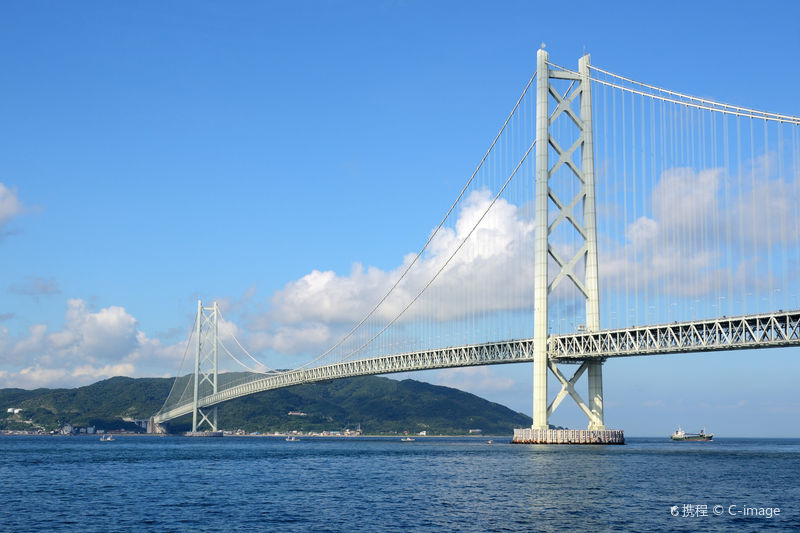
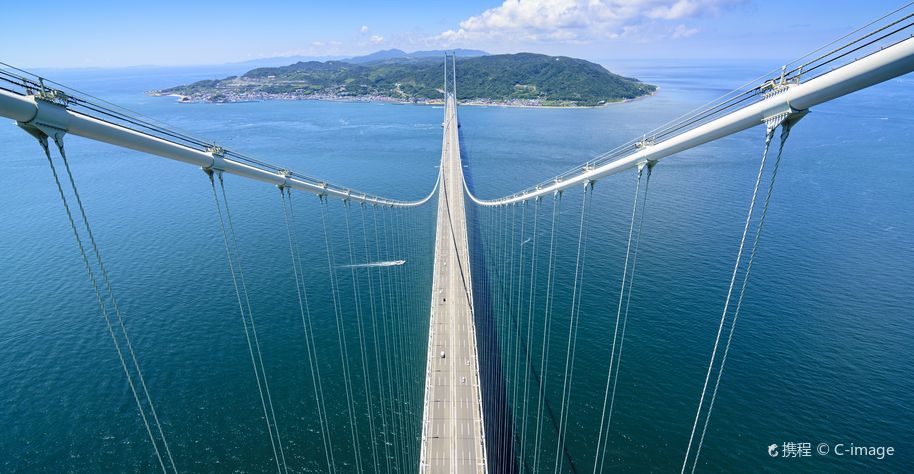
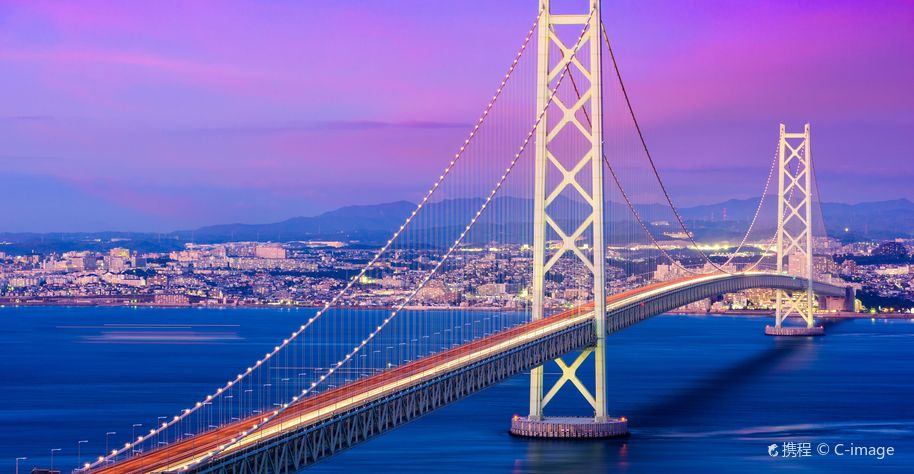
The Akashi Kaikyo Bridge is, with a length of almost four kilometers, the world's longest suspension bridge. Opened in 1998, it spans the Akashi Strait (Akashi Kaikyo) between Kobe and Awaji Island and is part of the Kobe-Awaji-Naruto Expressway, one of three expressways which connect Honshu with Shikoku.
The Bridge Exhibition Center at the foot of the Kobe side of the bridge provides well-presented information about the planning and construction of the bridge and about other suspension bridges around the world, although the detailed explanations are available in Japanese only.
All times are in local time and may change due to weather, road conditions, or other factors. Thank you for your understanding.
What's included
Trip.com picks
Popular Products
Popular activities
Popular Things to Do
JR Pass — Japan Rail PassJR East Pass (Eastern Japan)JR West Pass (Western Japan / Kansai Area)JR Hokkaido PassJR Kyushu PassJR Shikoku PassJR Hokkaido Rail PassJR Pass Kansai Wide AreaJR Pass Setouchi AreaJR Pass Sapporo Furano AreaKansai JR Rail Pass 1-4 Days
Paramotor flight in Ronda , near MarbellaPrague Old Town, Charles Bridge & Prague Castle: 3-Hr Guided Walking TourNew Zealand Tekapo Chameleon Stargazing Tour Irish Whiskey Museum: Whiskey Blending ExperienceInsider Chelsea Market, High Line & Meatpacking Tour NYCFrom Las Vegas: Antelope Canyon and Horseshoe Bend Day Trip Nagoya's 3 Must Visit Spots: Shirakawago & Takayama & Gujo Hachiman Day TourGuangzhou 1-day tour | Whampoa Military Academy + Chen Clan Ancestral Hall + Xiguan Yongqingfang Tourist Area | optional English service | door-to-door pickup10-Hour Customized Shenzhen Modern Exploration TourLisbon 2-Hour River CruiseThings to do in LondonThings to do in SantoriniThings to do in VancouverThings to do in Chiang MaiThings to do in Hua HinThings to do in South KoreaThings to do in AtlantaThings to do in NanjingThings to do in ThailandThings to do in Kuala LumpurThings to do in Kumamoto CityThings to do in YangshuoThings to do in New OrleansThings to do in FujianThings to do in Busan