


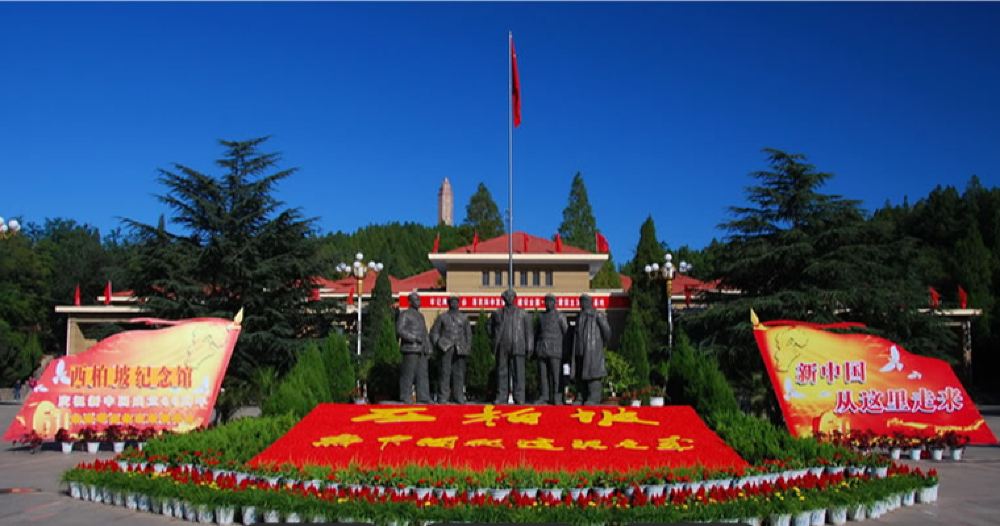
▲ Xibaipo is located in the central part of Pingshan county, Shijiazhuang city, Hebei province, covering a total area of 16,440 m. It was once the headquarters of the Central Committee of the Communist Party of China. Here, the Party Central Committee commanded the three major campaigns of Liaoshen, Huaihai, and Pingjin that shocked the world, convened the historic Second Plenary Session of the Seventh Central Committee and the National Land Conference, and liberated all of China. Hence, it is honored as "the place where new China began" and "the village that decided China's destiny." As one of China's revolutionary sacred sites, it is a national key cultural relics protection unit and a national AAAAA-level tourist attraction.
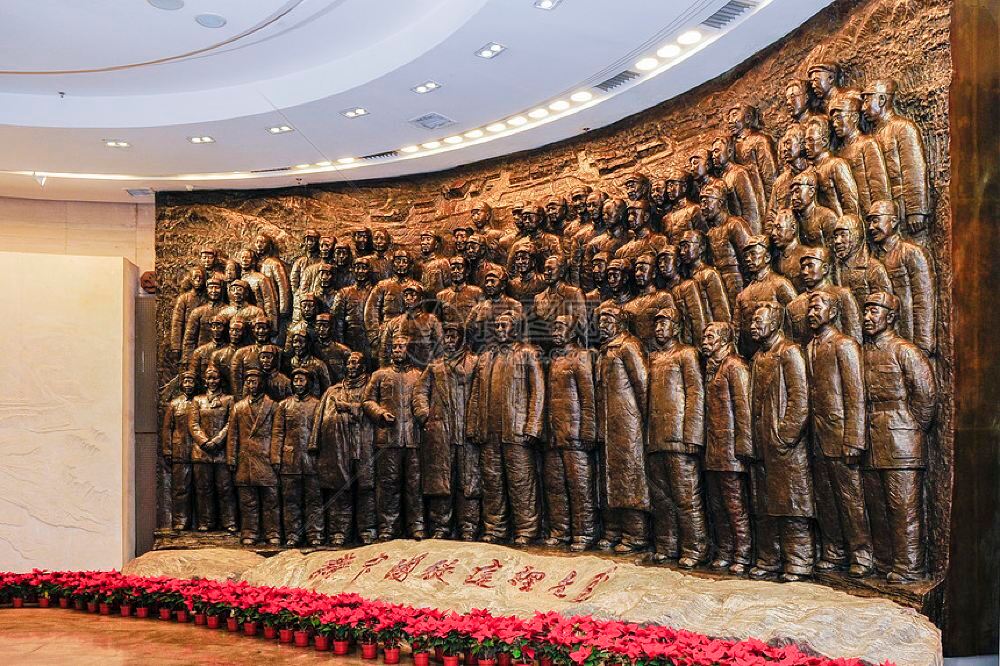
▲ Xibaipo Memorial Hall: Systematically presents the command history of the three major campaigns and the origin of the "two musts" spirit through over 2,000 cultural relics and scenario simulations. The interactive vintage telephone installation on the third floor offers an immersive time-travel experience.
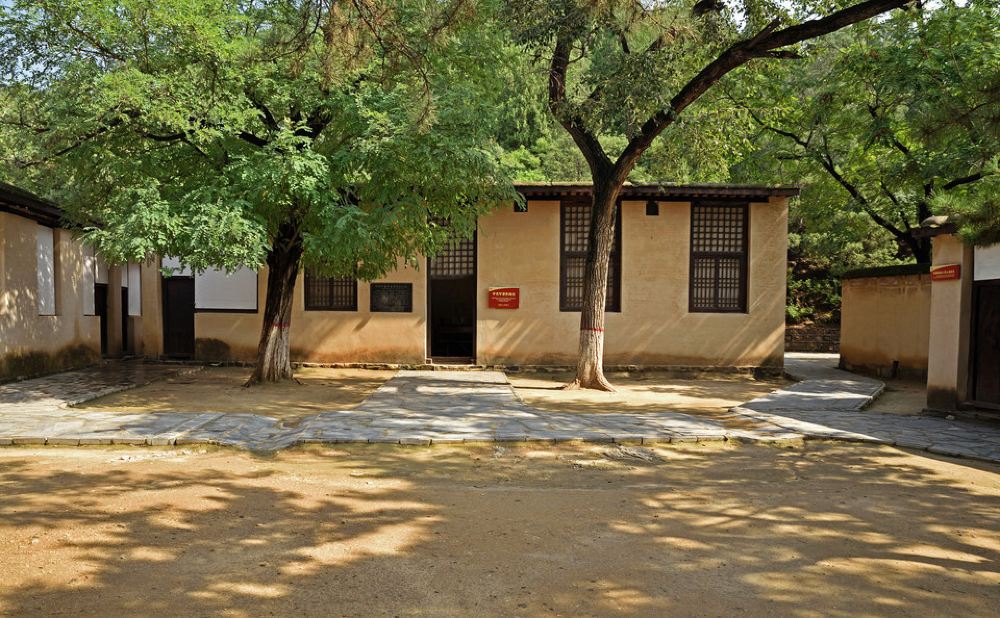
▲ The former site of the CPC Central Committee covers an area of 16,440 m. The 12 open revolutionary relics are all small single-story courtyard houses built with adobe, preserving their authentic historical appearance. Among them, the millstone at Mao's former residence, the "Northern Shaanxi cave-style" stone house at Zhu's former residence, the military maps in the Military Commission's operations room, and the gray brick floor at the site of the Second Plenary Session of the Seventh CPC Central Committee vividly recreate the office and living scenes of the revolutionary era. Operational orders for the three major campaigns were issued from here, and over 20 works in the fourth volume of Selected Works of Mao Zedong were written at this location.
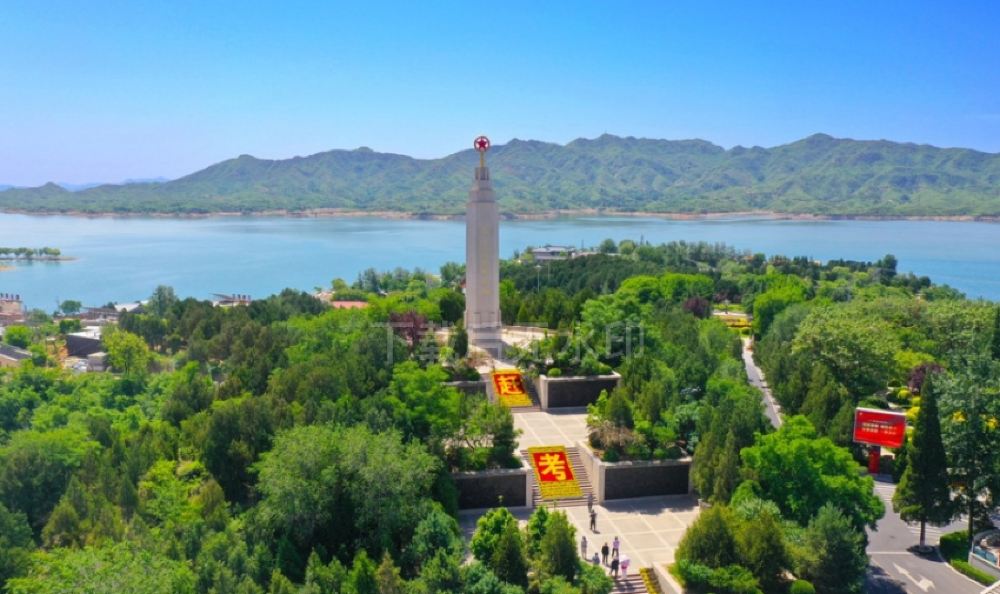
▲ Along the way, you can visit featured exhibition halls such as the integrity education museum and national security education museum, forming an in-depth study loop of "historical origins + spiritual inheritance".