




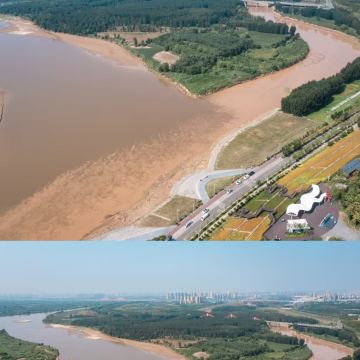

▲ The Jingwei Distinct Viewing Platform. This is the confluence of the Wei River and the Jing River, where the clear waters of the Jing River meet the turbid waters of the Wei River, forming a distinct boundary at their junction. This phenomenon is the origin of the Chinese idiom "Jingwei Fenming" (literally "Jing and Wei distinct and clear").
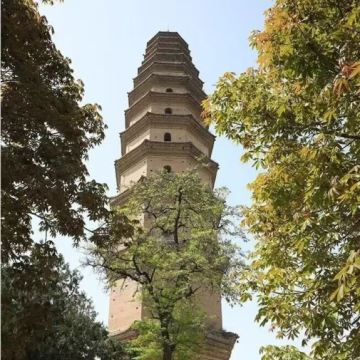

▲ The Gaoling Museum is adjacent to the Zhaohui Pagoda Courtyard. The Zhaohui Pagoda, also known as the Gaoling Pagoda or Sanyang Temple Pagoda, was built during the Dazhong era of the Tang Dynasty and has a history of over 1,000 years. It is a national key cultural relic protection unit. The pagoda stands 53 m tall with 13 levels, featuring a unique architectural style. The lower levels are pavilion-style, while the upper nine levels adopt the dense-eave style. Each level has corbelled eaves and an octagonal shape, showcasing exquisite craftsmanship. Despite enduring centuries of weathering, earthquakes, and wars, the pagoda remains majestic and towering.
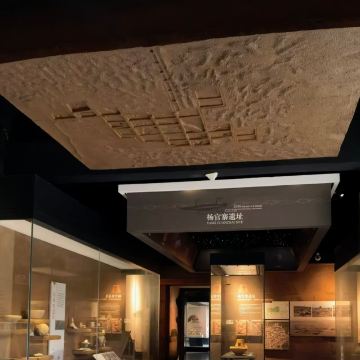

▲ The museum features a Tang Dynasty-inspired garden-style design, with a poetic layout comprising one pavilion, one courtyard, two corridors, two zones, two halls, and six exhibition rooms. It showcases historical and cultural relics and materials documenting people's production and daily life since the Neolithic Age. In the historical culture exhibition hall, visitors can admire exquisite pottery unearthed from the Yangguanzhai Site and the exquisitely crafted Zhou Dynasty bronze mirror with linked-pearl patterns. The red culture exhibition hall displays historical materials on the Party's history in Gaoling, while the outdoor stele corridor showcases China's stone inscription culture. The Tang Dynasty Zhaohui Pagoda and the renowned Tang Dynasty Li Sheng Stele, celebrated as the "Stele of Three Excellences," are also located here.
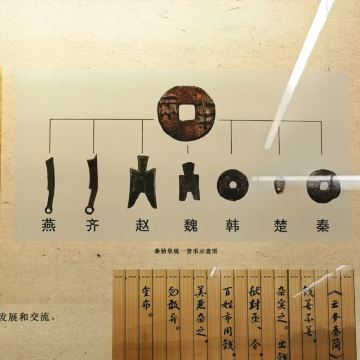

▲ This museum is the culmination of half a century's dedication by Mr. Zhang Zhenlong, a numismatic collector, and offers free admission. It closes for a break from 12:00 PM to 1:30 PM daily. The exhibition follows a chronological display of Chinese currency, featuring everything from prehistoric shell money, Qin and Han Dynasty's Ban Liang coins and Wu Zhu coins, to currencies of the Tang, Song, Yuan, Ming, and Qing dynasties, all the way to modern monetary systems. The museum's prized collections include the pre-Qin "Iron Ban Liang" coin and the Xin Mang Dynasty's "National Treasure Gold Vault Worth Ten Thousand," both exceptionally rare. Visitors can systematically explore the evolution of Chinese currency and appreciate the economic and cultural shifts reflected in these monetary artifacts.
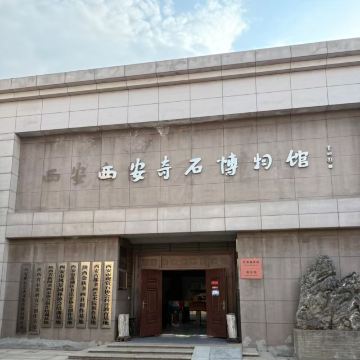

▲ The Odd-Shaped Stone Museum and Fossil Hall. The museum houses a collection of uniquely shaped and exquisitely textured odd-shaped stones. In addition to the stone exhibits, visitors can explore the adjacent Fossil Hall, which displays various ancient biological fossils including fish, shellfish, and dinosaur fossils. This experience allows you to travel through time and glimpse Earth's life forms from hundreds of millions of years ago.