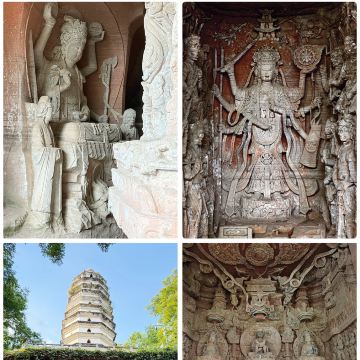
Beishan Rock Carvings: Focus on "exquisite"—two caves in 1 hour
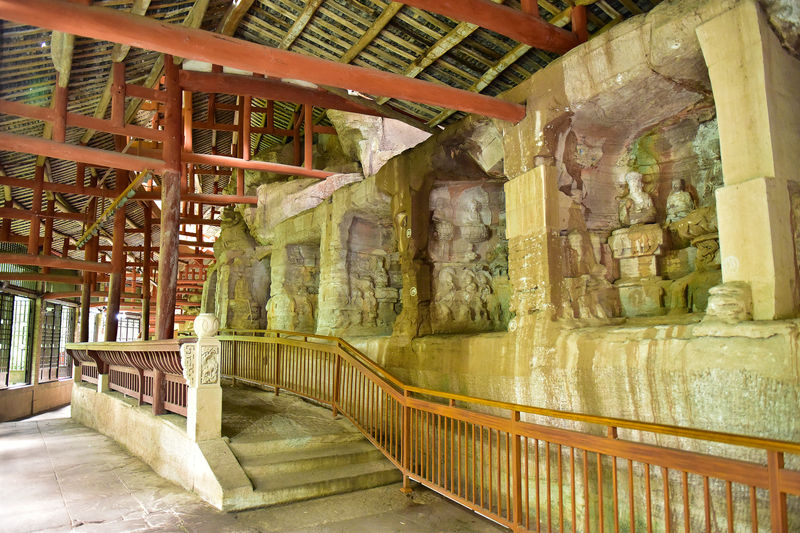
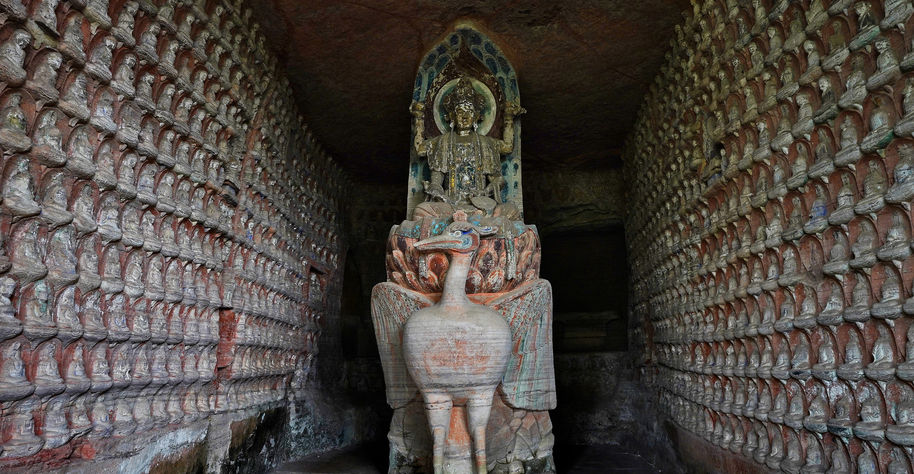
Beishan is smaller in scale but features more exquisite statues, renowned as the "exhibition hall of Tang and Song dynasty stone carving art." With limited time, head straight to Fowan and focus on two highlights:
The rosary-holding Guanyin: Hailed as the "Venus of the East," this statue features an elegant figure with natural drapery folds and is the most iconic sculpture of Beishan.
The sutra revolving repository cave: Its central stone pillar conceals a mechanism, with eight golden dragons coiling around the columns. The flying apsaras on the vaulted ceiling have wind-swept ribbons, showcasing exquisite carvings.
The northern mountain has far fewer travelers than Baoding mountain, perfect for quietly viewing the caves and taking photos.
Admission ticket not included: Combo ticket for Baoding Mountain + Beishan (approx. CNY 140, includes shuttle bus).

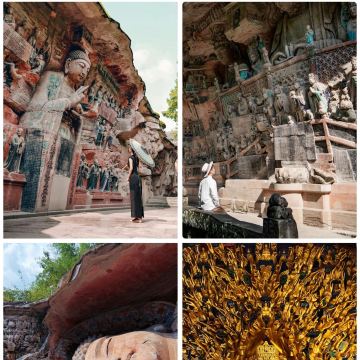
Dazu Rock Carvings (including museum): Understand first, then observe—focus on the big picture
Tour sequence (key): Museum first, then rock carvings. The museum is included in the Baodingshan admission ticket. Spend 30-40 minutes viewing the exhibits first to learn about the grotto history and the thousand-hand bodhisattva restoration process, then seeing the actual artifacts doubles your comprehension.
Museum highlights: Focus on the thousand-hand bodhisattva restoration exhibition and 3D exhibits, where you can see the details of the rock carvings. The spiral staircase inside is highly photogenic, but don't linger too long—save ample time for the carvings.
Must-see list of Dazu Rock Carvings:
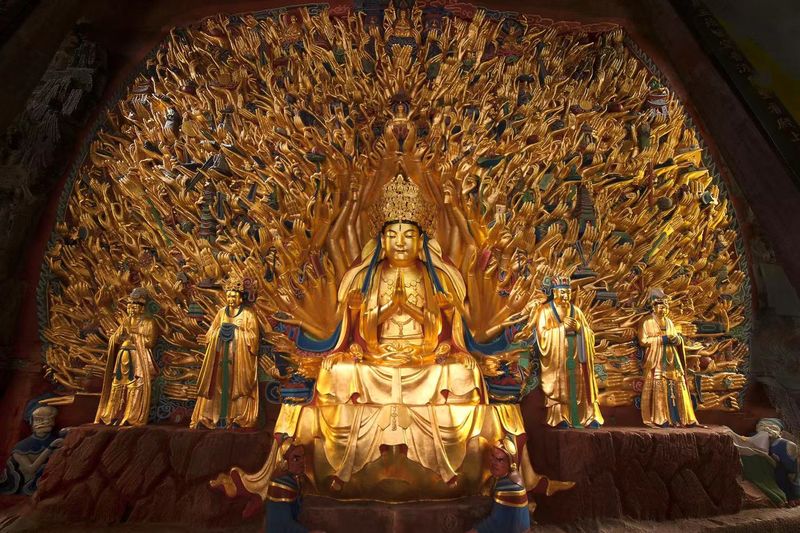
Thousand-hand Guanyin: With 1007 hands spreading like a peacock's tail and shining gold foil, it is the centerpiece of Baoding Mountain. Walk around to observe and spot amusing details like the "ear-picking hand" and "embroidery hand".
Nirvana of Sakyamuni (reclining Buddha): The entire sculpture is 31 m long, with only the upper half carved, symbolizing "the boundless dharma." Note the varied expressions of the 18 disciples at the feet, transitioning from grief to enlightenment.
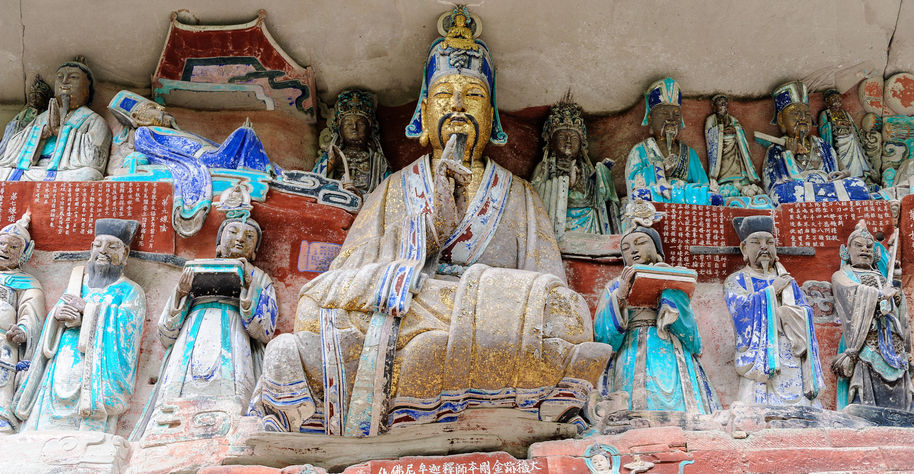
The wheel of life: A visual guide to understanding Buddhist reincarnation, with the white monkey on the right representing "ignorance," and the pig, snake, and chicken symbolizing the "three poisons."
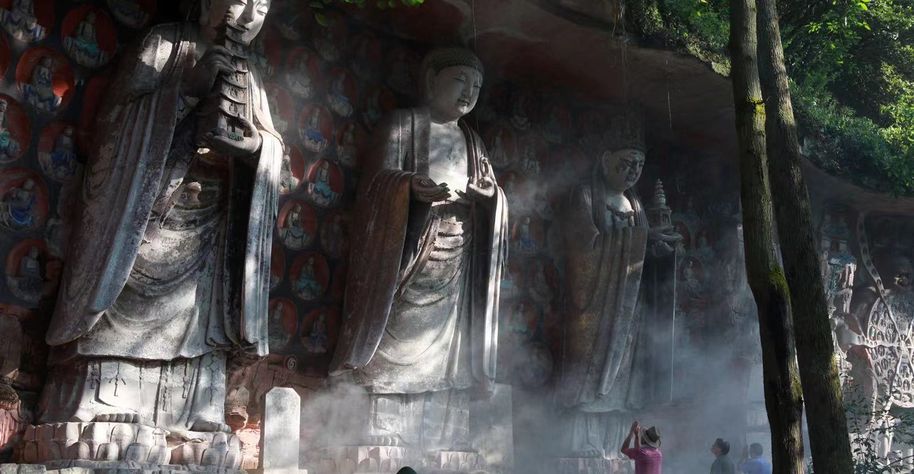
The three saints of Huayan: Manjusri Bodhisattva holds a thousand-jin stone pagoda that hasn't fallen for millennia, demonstrating how the kasaya forms a triangular support structure.
Yuanjue cave: A "black technology" of drainage and lighting from the Song dynasty, featuring exquisite statues inside and doorways perfect for framed composition photography.
Photography tips: Capture the golden light background from the side of the Thousand-Hand Guanyin; use the arched doorway of Yuangue Cave for frame composition; shoot the Huayan Triad from a low angle to emphasize their grandeur.
Friendly reminder: The museum is closed on Monday. Please be advised.

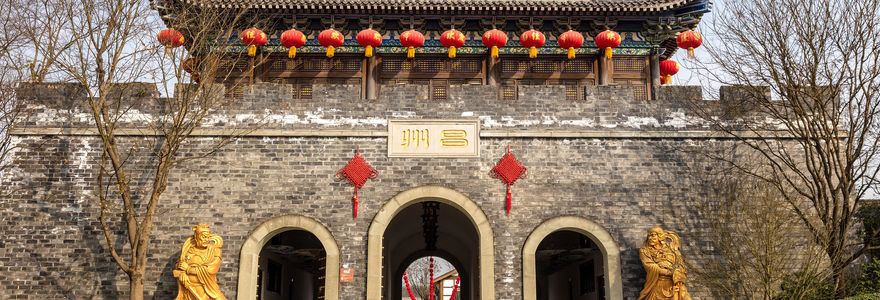
Changzhou Ancient City + Northern Song Street: Free photo spots, don't expect a "real ancient city"
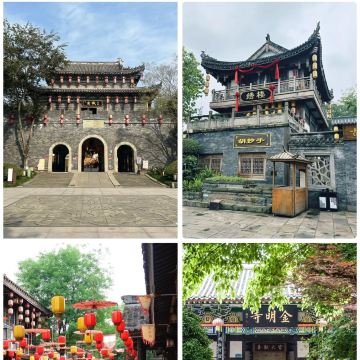
Changzhou Ancient City is a man-made block in replica Song Dynasty style, open for free and themed on the style and charm of the Song Dynasty, featuring buildings such as the Changzhou city gate tower, government office and opera stage. Its core value lies in being photogenic with few travelers, almost no crowds and no need to queue for photo spots.
How to visit: Quickly pass through replica Song-style blocks like Suzaku Avenue and Changle Street, then take a few vintage-style photos in front of the Changzhou city gate tower and along the grey-brick alleyways. Don't expect "historic relics"—treat it as a free photo studio for quick stops.