


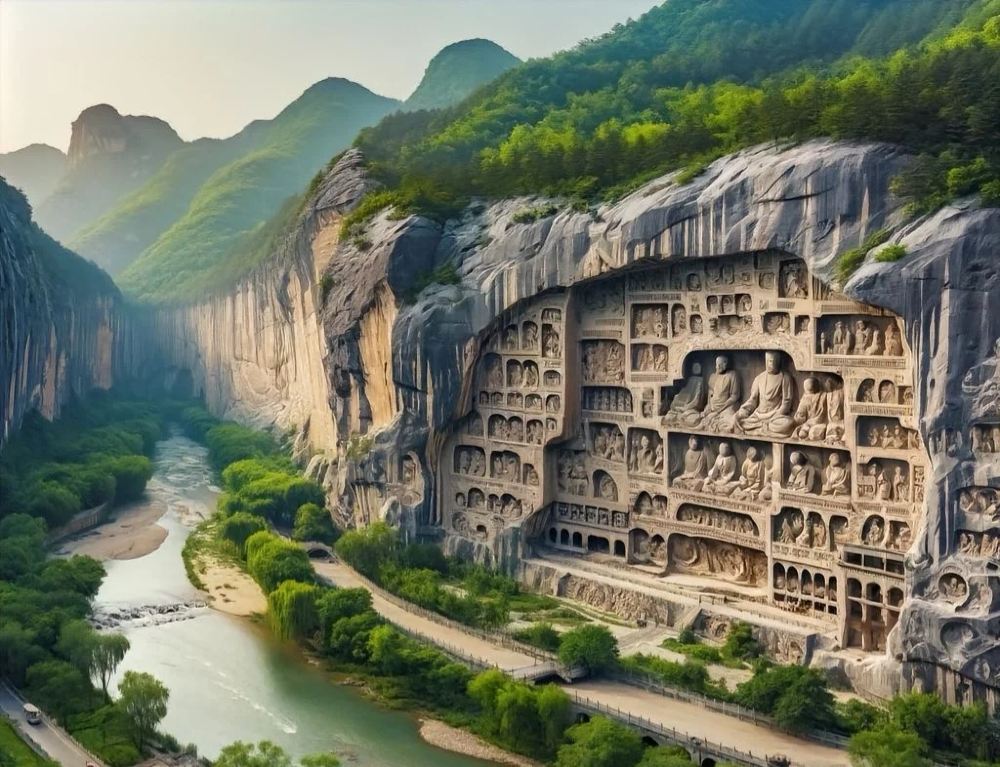
▲ Longmen Grottoes is a treasure trove of Chinese stone carving art, renowned as one of China's three major grottoes alongside the Mogao Caves in Dunhuang and Yungang Grottoes. The construction began around the time when Emperor Xiaowen of the Northern Wei Dynasty moved the capital to Luoyang (494 AD) and continued for over 400 years through multiple dynasties. Located in the southern suburbs of Luoyang, the grottoes comprise 2,345 existing caves, more than 100,000 Buddhist statues, and over 2,800 stone inscriptions. These relics not only showcase the essence of Buddhist art but also provide invaluable material for studying ancient history, culture, art, and religion.
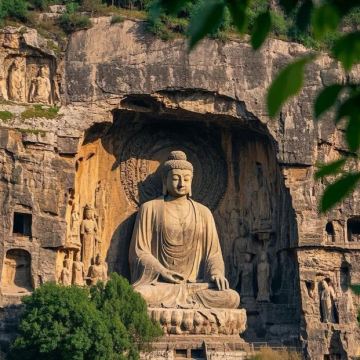

▲ The most representative feature of the Longmen Grottoes is the Vairocana Buddha statue located in Fengxian Temple. ·Fengxian Temple houses the largest cliffside niche carved during the Tang Dynasty. The Vairocana Buddha stands 17.14 meters tall, surpassing all other Buddha statues at the Longmen Grottoes in both size and artistic value. The statue's plump, rounded face features slender arched eyebrows and serene, smiling eyes that gaze slightly downward. Its overall demeanor exudes solemn dignity while retaining feminine grace, representing the pinnacle of Tang Dynasty stone carving artistry. Historical records indicate this niche was commissioned by Emperor Gaozong of Tang, with legends suggesting Empress Wu Zetian contributed funds to its construction. Folklore also claims the Vairocana Buddha's facial features were modeled after Wu Zetian's likeness.
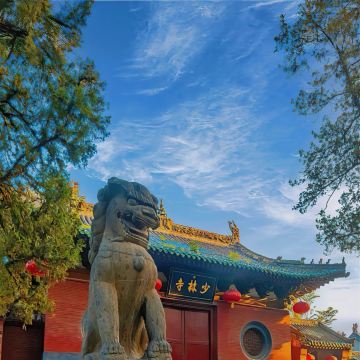

▲ Songshan Shaolin Scenic is located at the foot of Shaoshi Mountain in Songshan, Henan, and was first built in the 19th year of the Taihe era of the Northern Wei Dynasty (495 AD). · "Cradle of Zen Buddhism": As the Indian monk Bodhidharma once meditated and taught Zen here, Songshan Shaolin Scenic is revered as the ancestral temple of Chinese Zen Buddhism. · "Holy Land of Kung Fu": The monks' long-standing martial arts practice developed the profound Shaolin Kung Fu system, earning the saying "All martial arts under heaven originate from Shaolin." The legendary story of the "Thirteen Stick Monks Rescuing the Tang Emperor" further cemented its fame. · World Heritage Site: In 2010, the historic architectural complex "The Center of Heaven and Earth," centered around the Songshan Shaolin Scenic's main temple, Pagoda Forest, and Chuzu Temple, was inscribed on the UNESCO World Heritage List.
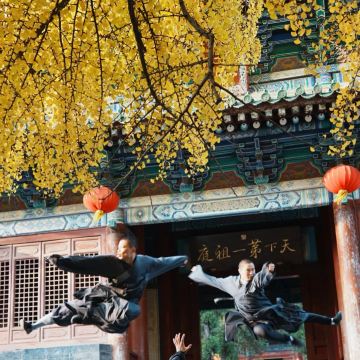

▲ The core appeal of Shaolin Kung Fu lies in the fact that it is not merely a martial art, but a culture that embodies the unity of "Zen and martial arts." It combines physical training with spiritual practice (Zen meditation), meeting the modern pursuit of physical and mental well-being, inner peace, and self-improvement. Statistics show that over 60 million people worldwide practice Shaolin Kung Fu. Among the 100 most commonly spoken Chinese words by foreigners, "Shaolin" ranks at the top.