


- When people think of Sichuan, the first thing that comes to mind is its bold and flavorful cuisine—bubbling hotpots, fiery poached fish in chili oil, and aromatic mapo tofu. But to truly understand Sichuanese food, merely tasting it at the table isn't enough. Hidden in Chengdu's Pidu District lies a living museum dedicated to Sichuan cuisine. More than just an "encyclopedia" of culinary culture, it offers an immersive feast for the senses—where visitors can see, learn, taste, and interact. Why is a visit to the Sichuan Cuisine Museum a must? The answer lies in every carefully crafted detail.
- Sichuan cuisine is never just synonymous with "spicy and numbing" flavors. Behind it lies thousands of years of historical accumulation and cultural integration. Stepping into the Sichuan Cuisine Museum is like opening a door to the history of this culinary tradition, allowing you to truly appreciate the profound heritage behind this cuisine.
- The museum's collection spans multiple dynasties, from Neolithic cooking utensils to bronze food vessels of the Shang and Zhou periods, and porcelain tableware from the Ming and Qing dynasties. Each artifact tells the story of Sichuan's culinary evolution. You'll discover how ancient Ba-Shu people utilized their unique geographical environment to prepare food, learn how the historical "salt shortage in Shu" gave rise to flavor-enhancing cooking techniques, and truly understand the essence of Sichuan cuisine—"one dish, one style; a hundred dishes, a hundred flavors." Far beyond just numbing-spicy flavors, twenty-four distinct taste profiles including savory, sweet-sour, fish-fragrant, and peculiar flavors together form Sichuan cuisine's rich spectrum. Here, you'll realize that what we're tasting isn't just a dish, but a piece of history carrying the cultural heritage of Ba-Shu.
- Unlike traditional museums with their "look but don't touch" coldness, the charm of Sichuan Cuisine Museum lies in its "living exhibition" – no glass barriers here, just steaming stoves and master chefs teaching Sichuan cuisine hands-on.
- Want to experience the "soul craft" of Sichuan cuisine? You can personally make a batch of intangible cultural heritage food "Pixian Douban" (Pixian chili bean paste), witnessing how soybeans transform into rich, aromatic sauce through sunlight and time fermentation. Want to learn an authentic Sichuan dish? From mapo tofu, kung pao chicken, to fish-flavored shredded pork... masters will guide you step by step through ingredient selection, knife skills, and heat control to unlock the cooking secrets of Sichuan cuisine. Here, you're no longer just a "spectator" of food but a "participant" in Sichuan culinary culture. The dishes you make with your own hands become even more delicious and memorable thanks to this unique experience.
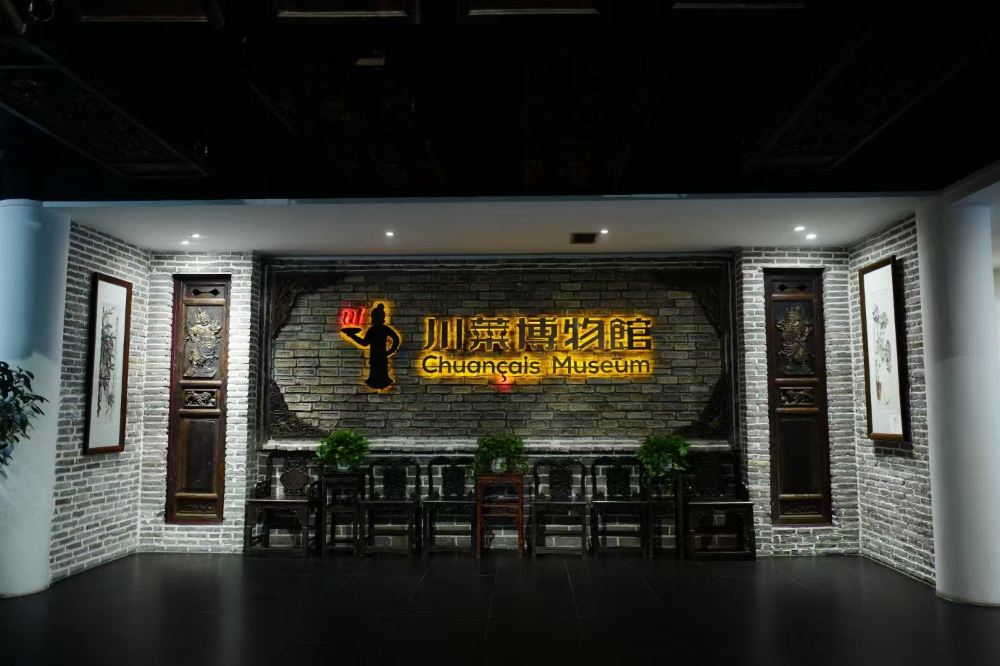
- This is the "time tunnel" of Sichuan cuisine culture, where you can understand the past and present of Sichuan cuisine.
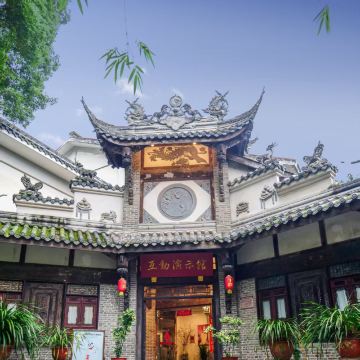

- Stepping into the Sichuan Cuisine Museum is like opening a door to the history of Sichuan cuisine, allowing you to appreciate the profound heritage behind this culinary tradition.
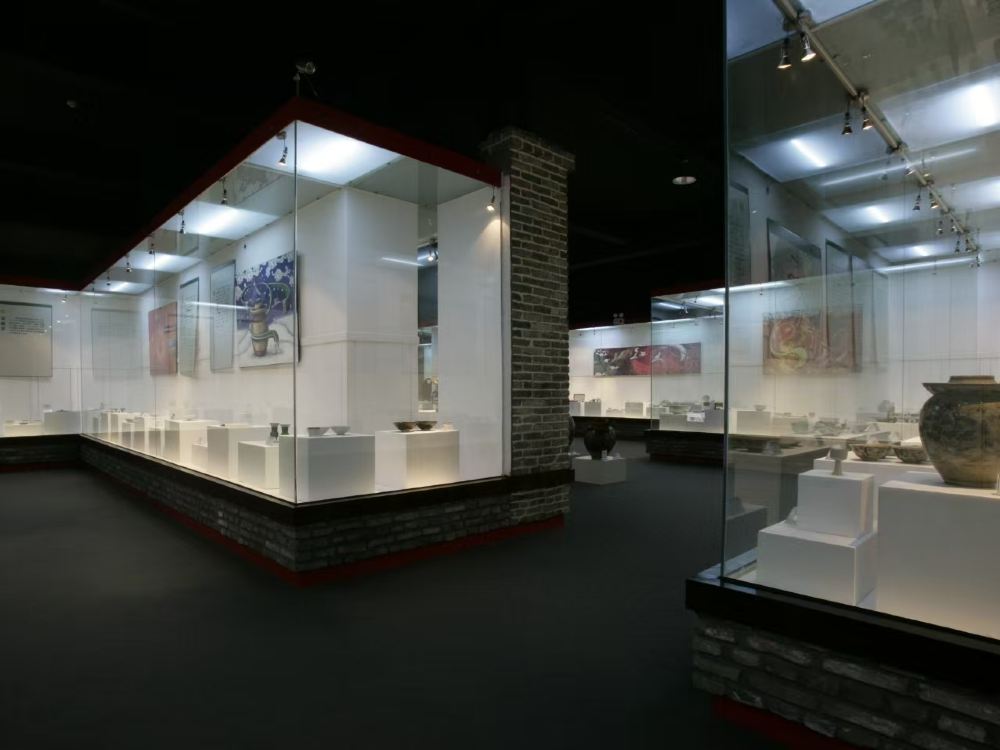
- The museum's collections span multiple dynasties, from Neolithic cooking utensils to Shang and Zhou bronze food vessels, and Ming and Qing porcelain tableware, with each artifact telling the story of Sichuan's culinary evolution.
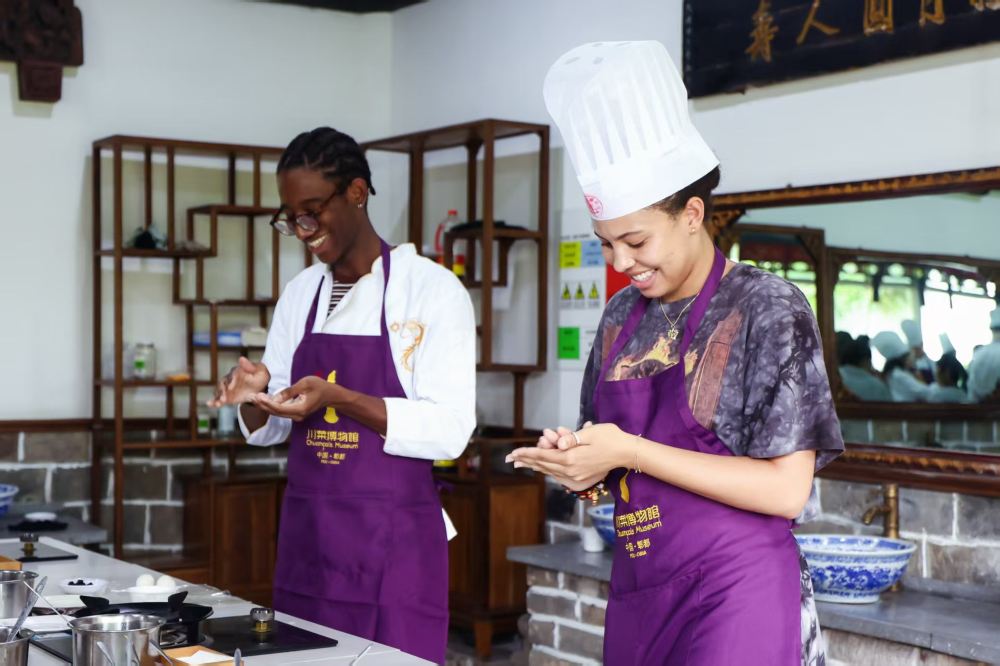
- This is a "living" kitchen where you can personally touch the soul of Sichuan cuisine creation.
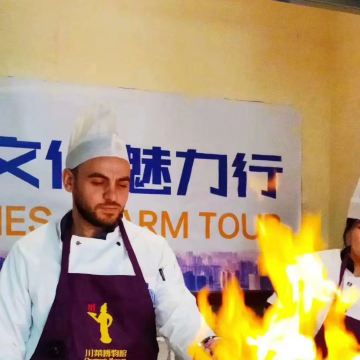

- Here, you're no longer just an observer of cuisine, but an active participant in Sichuan culinary culture. The food you make with your own hands becomes even more delicious and memorable through this unique experience.
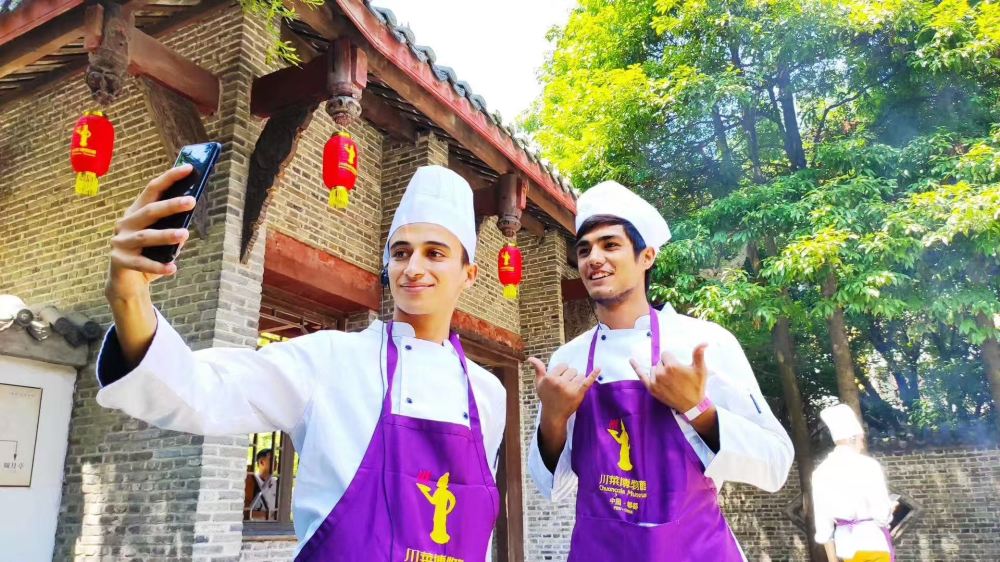
- Here, you can calm your mind, listen to stories of Sichuan cuisine, learn cooking skills, taste authentic Sichuan flavors, and experience the vibrant, warm side of Ba-Shu culture.
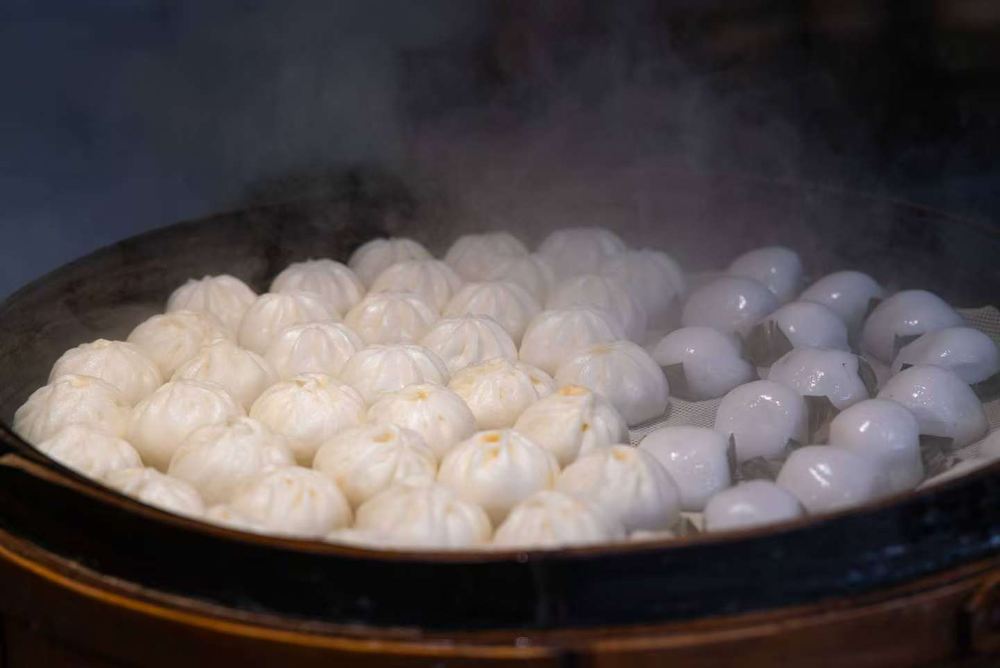
- Come to the Sichuan Cuisine Museum for a flavorful rendezvous with authentic Sichuan tastes, where both your palate and soul will find ultimate satisfaction.
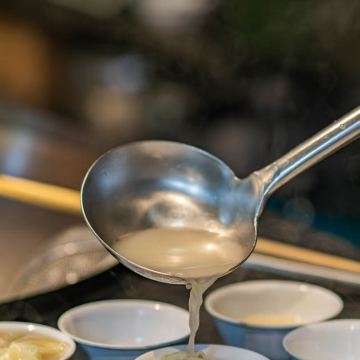

- It helps you understand the essence of Sichuan cuisine, which is characterized by "one dish, one style; a hundred dishes, a hundred flavors" – not just spicy and numbing, but also savory, sweet and sour, fish-fragrant, and uniquely flavored, among 24 distinct taste profiles that form the rich spectrum of Sichuan cuisine.
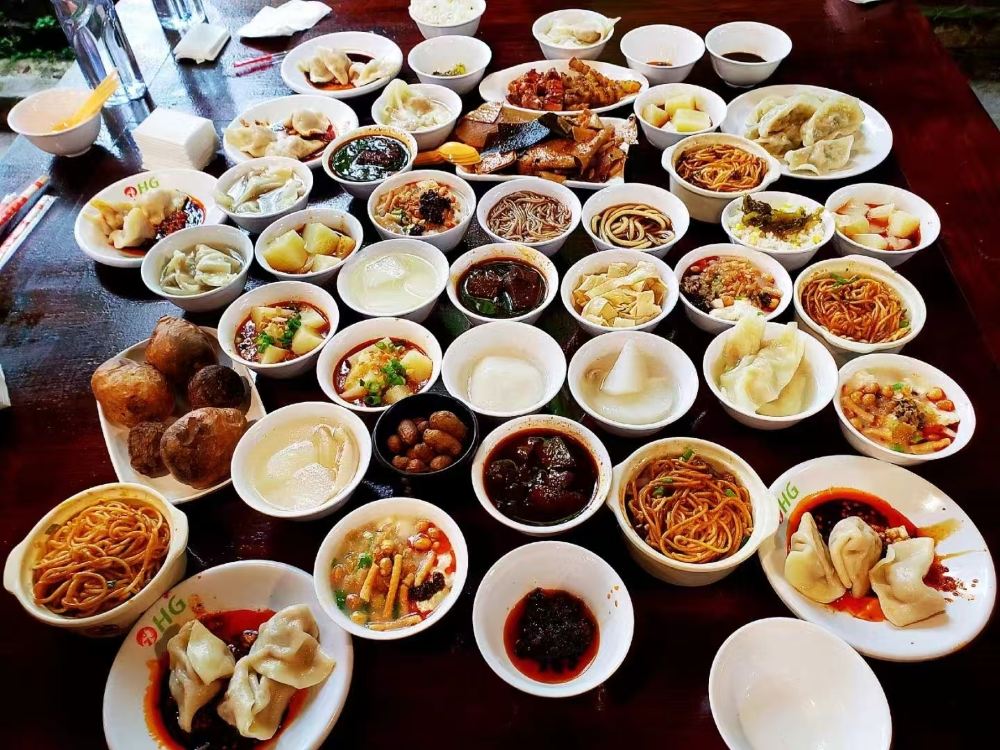
- If you love food, this place lets you understand the stories behind culinary delights; if you appreciate culture, it allows you to touch the soul of Sichuan cuisine; if you seek an escape from urban hustle, here you'll rediscover long-lost comfort amid the lively atmosphere.
How It Works
8:30 AM: Depart from the hotel
9:20 AM: Arrive at Sichuan Cuisine Museum
9:20 AM: Check-in, wear admission wristband, listen to safety briefing
9:30 AM: Visit the museum to learn about Sichuan cuisine culture and history
9:50 AM: Visit the ingredient display area to personally stir the fermented bean paste and pour soy sauce.
10:10 AM: Watch the intangible cultural heritage culinary knife skills performance - blindfolded golden thread noodle cutting demonstration
10:30 AM: Change into Hanfu to worship the Kitchen God, reflecting on how every grain comes from hard work
10:50 AM: Pushing the millstone – labor creates beauty
11:10 AM: Prepare snacks: Panda-shaped steamed dumplings. Cook Sichuan dishes: Mapo tofu (low heat), Kung Pao chicken (high heat)
12:20 PM: Certificate presentation and key knowledge summary
12:30 PM: Taste the dishes you've prepared
1:00 PM: Enjoy the buffet at the snack area
2:00 PM: Return to your hotel (Note: The time is for reference only and may vary depending on daily park attendance, weather conditions, and travelers' individual circumstances)