
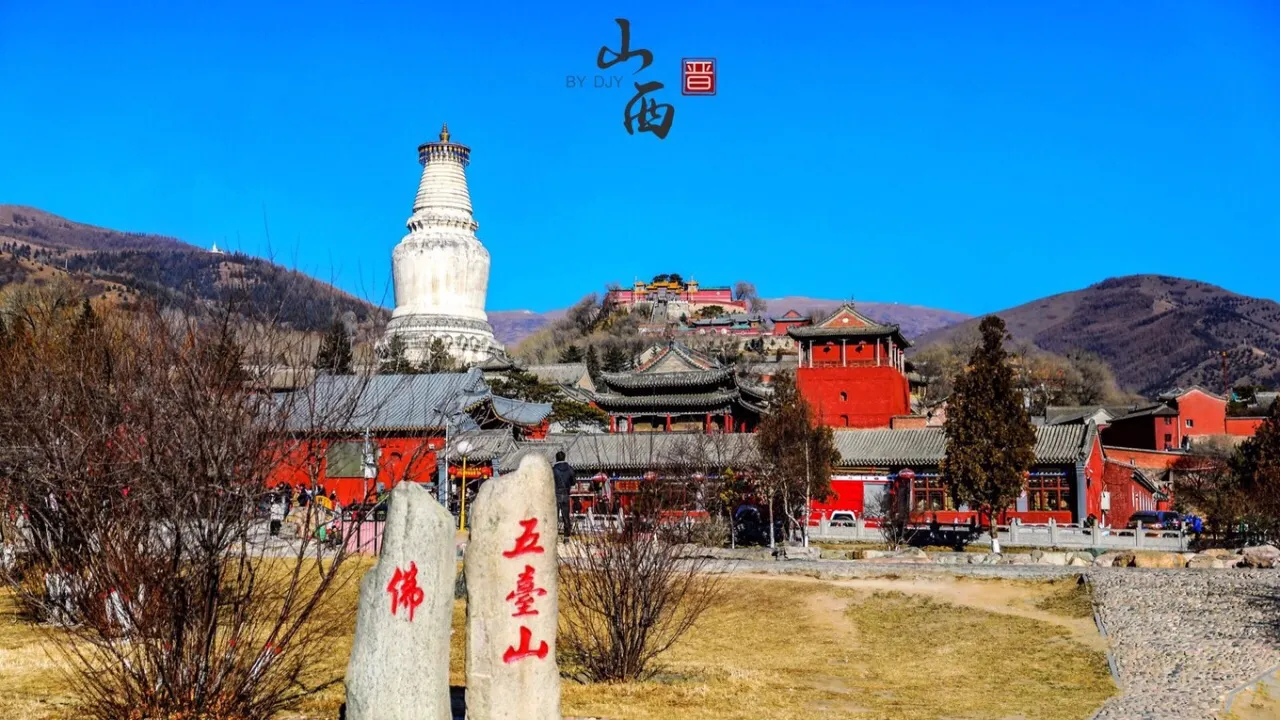
Things to do in Wutai Mountain
Explore top experiences
Top 10 attractions in Wutai Mountain


Experiences you can't miss in Wutai Mountain
Featured Culture & history in Wutai Mountain
View all Culture & history
Free cancellation
Instant confirmation
Book now for tomorrow
FromDKK 458.95
Free cancellation
Instant confirmation
Book now for tomorrow
FromDKK 370.87

Free cancellation
Instant confirmation
Book now for tomorrow
FromDKK 2,344.73
Free cancellation
Instant confirmation
FromDKK 1,732.79
5.0/5
· 1 reviewFree cancellation
Instant confirmation
Book now for tomorrow
54 travellers saved
FromDKK 2,752.68
More things to do
Private Tours in Wutai Mountain
View More Private Tours in Wutai Mountain

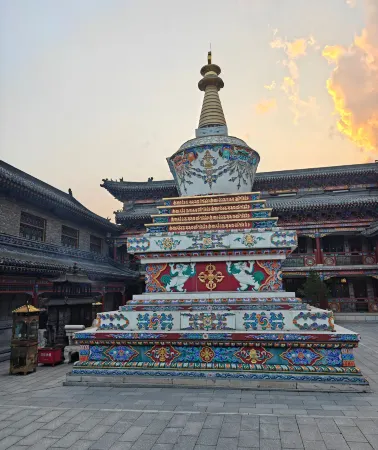

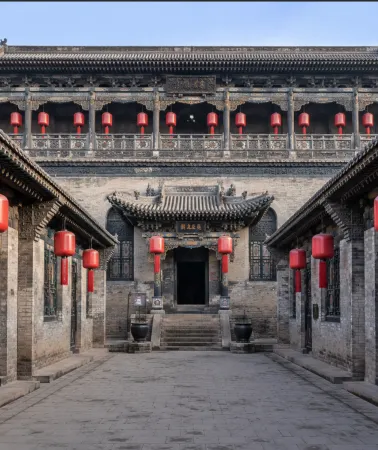
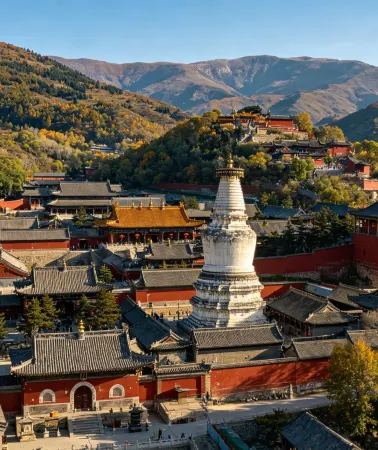

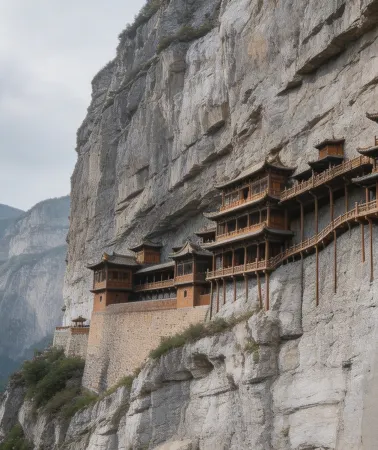
Group Tours in Wutai Mountain
View More Group Tours in Wutai Mountain
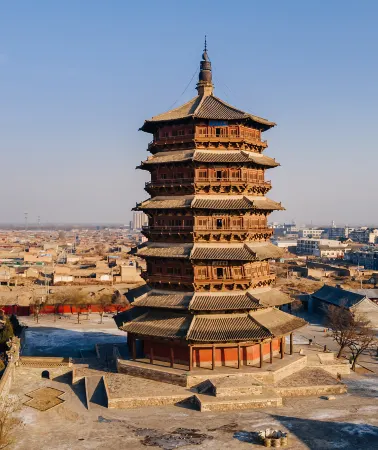
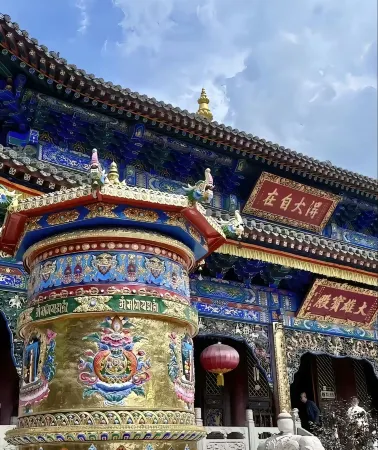
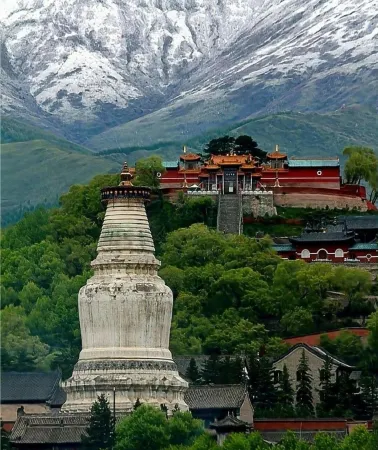
Wutai Mountain Today's weatherClear -11-3℃
Wutai Mountain weather for the next 2 days11/22: -10-5℃, 11/23: -14-4℃
Free things to do in Wutai Mountain


What travellers say about Wutai Mountain

亮点liangpoint30 November 2022
5.0
Longquan Temple is backed by Jiulong Mountain and surrounded by nine peaks, which is majestic. There is a mountain spring beside the temple, and the spring water gushes out from the mouth of a stone dragon. Because the spring water originates from a vein of Jiulonggang and spits out from the dragon's mouth, it is called Longquan. According to legend, there were nine dragons that did evil in the past, and Manjusri Bodhisattva pressed them under the mountain, so the temple here was named "Longquan Temple".
Longquan Temple

killua_小狮王28 October 2026
4.0
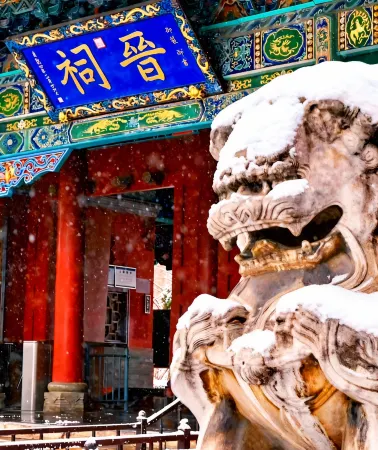
Luohou Temple is one of the five major Chan (Zen) temples on Mount Wutai and one of the ten major Yellow Temples. It was listed as a National Key Cultural Relics Protection Unit in 2013. Originally built in the Tang Dynasty, it was initially the Shanzhu Pavilion, a branch temple of Xiantong Temple. The temple preserves Tang Dynasty stone lions, a complete Ming and Qing Dynasty architectural complex, and a unique wooden mechanism called "Blooming Buddha," whose exquisite craftsmanship is the core reason for its national protection designation.
We arrived close to closing time and couldn't explore it properly. It doesn't seem very large, but the attractions are quite unique. A recommended standard route is: Tayuan Temple → Xiantong Temple → Luohou Temple → Pusa Ding (Bodhisattva Peak). This route is convenient and avoids detours. Next time, I definitely want to visit before closing time to specifically see the famous "Blooming Buddha."
Luohou Temple
芳芳外婆17 January 2021
5.0
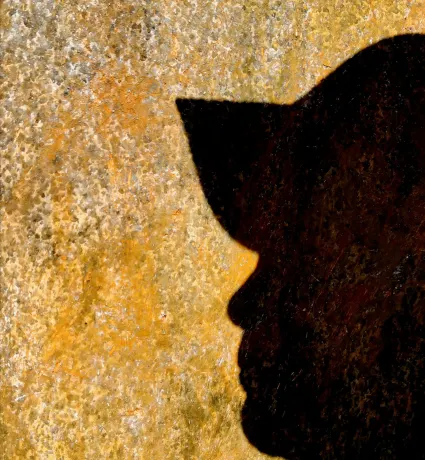
Yedou Peak is the name of the North Peak of Mount Wutai. It is over 3,000 meters above sea level and is the highest mountain in North China. There is a relatively large Lingying Temple on the mountain, as well as a very popular Five-Directions Dragon King Temple.
Temple at Beitaiding Peak
山在穷游31 October 2024
5.0
Entering the Wutai Mountain Scenic Area, you will find that there are really too many places worth visiting. I hiked in Wutai Mountain for a few days and also felt the sunrise and sunset of Dongtai and Xitai. But what impressed me most was Guanghua Temple. Although it is not a very famous temple, the quietness it gave me is hard to find in Wutai Mountain.
Guanghua Temple

行走毛毛17 December 2025
5.0
Shanxi is truly a place where murals are everywhere, a place full of surprises. Visiting here made me realize that even in such remote places and villages, there are such exquisite murals. I hope to have the opportunity to come back again, because I feel I haven't seen enough yet.
Gongzhu Temple

M43***2017 August 2022
5.0
Those who study art should go and see it. He once studied in the Northern Song Dynasty Painting Academy and was a painter in the Jin Dynasty court. Although the light is not good and the murals are mottled, the pavilions and towers in the green mountains and waters are vivid and delicate, which is worth seeing. The hanging sculptures in the main hall have fallen off, and only a few groups of statues remain. The Guanyin statue is great. There are pictures on the Internet, and taking photos is prohibited inside.
Yanshan Temple

dlu80831 August 2020
5.0
Gradually, we saw a lot of ancient stone carvings and murals of great artistic value in some temples. These temples are very historical, and they are different from those that are operated in an assembly line to make money. It is worth spending a few hours to appreciate them slowly.
Puhua Temple

开心天涯客15 September 2021
4.0
The temple is quite large. It is located in the core area of Taihuai Town, Wutai Mountain. There are direct buses to the temple, so the transportation is convenient. Most of the buildings in the temple were rebuilt in modern times. It has many halls, is prosperous incense, and attracts many tourists.
Mount Wutai Scenic Area - Ancient Manjushri Temple

M43***1825 February 2025
5.0
It is a magical natural limestone cave located halfway up Jinxiu Peak, Nantai, Wutai Mountain, also known as the "Thousand Buddha Cave". The cave has a unique structure, divided into two caves, the outer cave is large and bright, and the inner cave is small and deep. There are stalactites and stalagmites on the cave wall, and the shape is uneven, just like the internal organs of the human body, which is called the "mother's womb". The Buddha Mother Cave is not only a pilgrimage site for Buddhist believers, but also a natural wonder, attracting many tourists to visit and worship 12.
Historical background and cultural significance
The history of the Buddha Mother Cave can be traced back to the end of the Jiajing period, when a Taoist discovered a magic lamp and a jade Buddha statue here, and then built a temple here. The Buddha Mother Cave is not only a place for worshiping Sakyamuni, but also a symbol of rebirth and baptism. Drilling through the Buddha Mother Cave is believed to gain spiritual rebirth and spiritual purification 4.
Tourism information
Tourists can take a bus from Taihuai Town to Baiyun Temple, and then walk about two kilometers along the mountain road to reach the Buddha Mother Cave. You can choose to walk or take a cable car up the mountain. The experience of visiting the Buddha Mother Cave is very unique. The cave is dark and quiet, and believers chant in a low voice. The atmosphere is solemn and sacred. It is a holy place where the soul is purified and sublimated. Although you need to wait in line to drill the cave, after the experience, tourists generally say that it is worth the trip. They feel the solemnity and mystery of Buddhist culture, as well as the peace and purification of their hearts.
Fomu Cave

精光葫芦娃29 October 2020
5.0
Pond
6.0°5-day weather
Atlas 32
Encyclopedia Guanhai Temple was founded in the Northern Wei Dynasty and is an ancient temple with a long history in Mount Wutai. Guanhai Temple, also known as Mingyue Pond, is located 3 li southeast of Zhenhai Temple. It is surrounded by mountains on all sides, in a remote location with elegant scenery. Guanhai Temple was founded in the Northern Wei Dynasty and is an ancient temple with a long history in Mount Wutai. The temple faces north and south. There are the Main Hall and the Vajra Bodhisattva Hall, with monks' rooms on both sides, forming a courtyard. The front of the Main Hall has 3 rooms, with board walls in the front and lattice fans in the back, and the decoration is quite special; the front of the Vajra Bodhisattva Hall has 3 rooms, and the Vajra Bodhisattva in the hall has a peculiar shape, with a black face and black body, tall and majestic, with his right foot on the ground, his left leg bent, and his feet on the wind and fire wheel, in the shape of "Golden Rooster Standing Alone". The Bodhisattva wears bracelets on his ankles and wrists, rings on his ears, muscles on his legs, long snakes wrapped around his arms, and a firm and upright expression on his face. There is another head on the head, stacked up to nine, with eighteen arms extending out, all of which are law-abiding instruments, so this statue is also called "Nine-headed and Eighteen-armed Black Vajra Bodhisattva". Buddhists say that Manjusri Bodhisattva has "thirty-two characteristics", and this is the Dharma image of Manjusri Bodhisattva in the form of Vajra. There is a small pool in Guanhai Temple, the water is transparent and clear to the bottom. According to the "Qingliang Mountain Records", someone once saw a bright moon in the pool in the dark night. People thought that the Bodhisattva appeared, so Guanhai Temple was gradually renamed Mingyue Pool. After going around from the back hall to the west side room, visitors can see Mingyue Pool. The pool is built into a circle, and spring water seeps out from a small hole in the center of the pool. Looking down from the front, it is like a round mirror. When the rainy season is high and the groundwater rises, the pool is filled with clear jade liquid, and the moon can be reflected in the pool.
Mount Wutai Scenic Area - Mingyue Pool
Trip Moments in Wutai Mountain


Popular cities near Wutai Mountain


Frequently asked questions
How can I contact Trip.com customer support?
Get help anytime, anywhere within 30 secondsContact customer support
Can I change or cancel my booking?
Change and cancellation policies vary by attractions and tours. Please check the product details page for more information.
How can I get discounted prices?
Ticket prices may vary between weekdays and weekends, as well as during peak and off-peak seasons. When booking with Trip.com, you can also use Trip Coins to get extra savings. For more tips on booking discounted tickets, please visit Trip.com for the latest information.