Pingyao County

Things to do in Pingyao County

Search attractions or local attractions & tours
Search

Explore top experiences

Top 10 attractions in Pingyao County
View all Attractions
Pingyao Ancient City
2027 Asia 100 - Night Attractions

Pingyao Ancient City

8.4
4.6/5
27.5k reviews

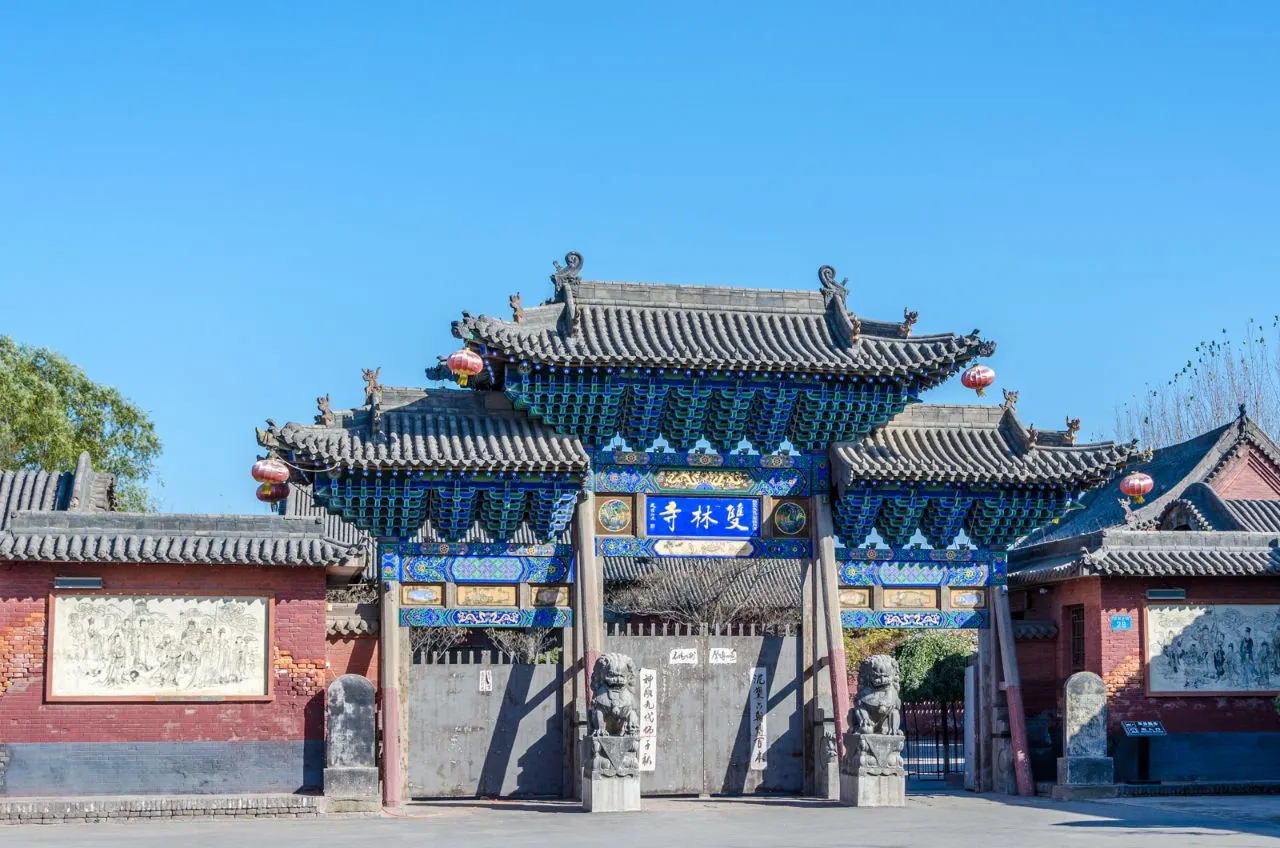
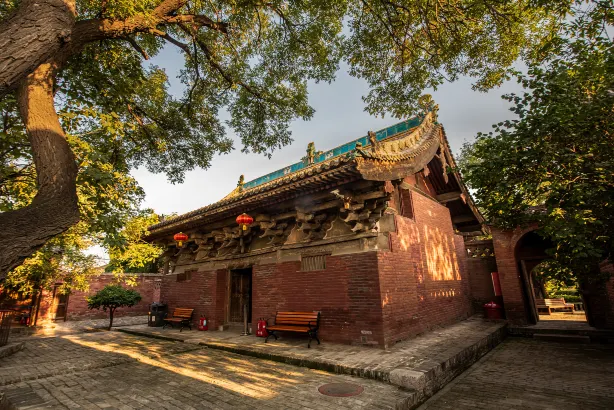
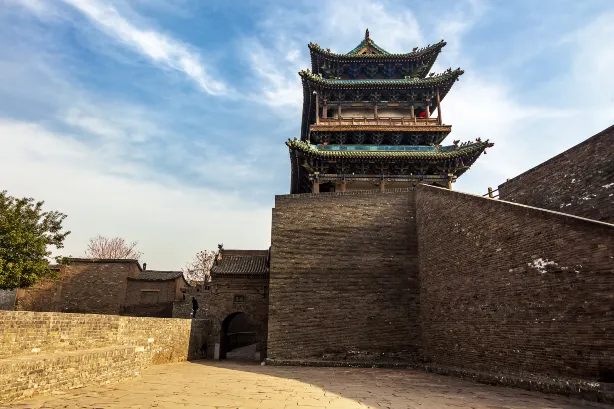
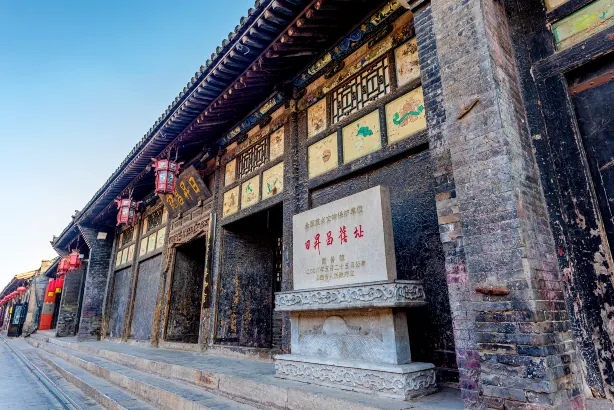
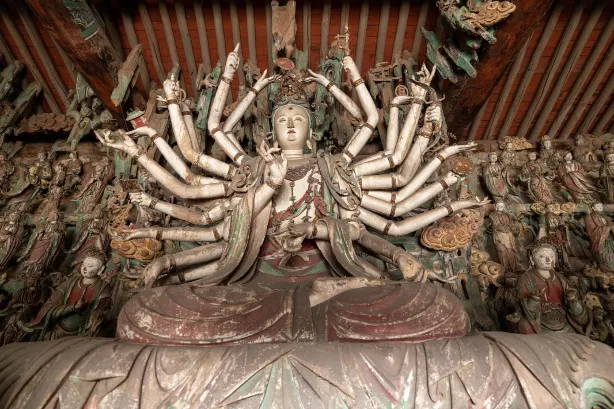
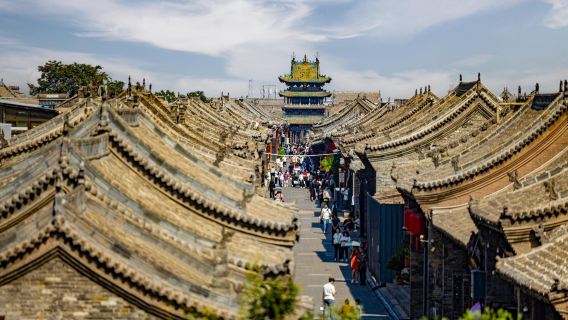
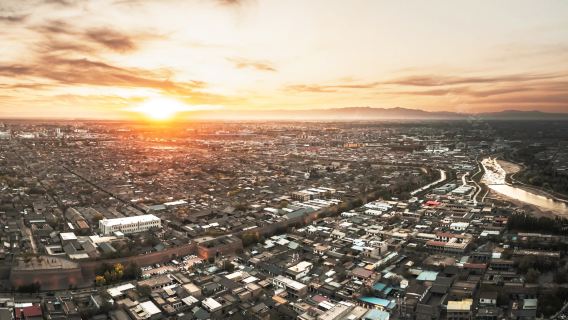
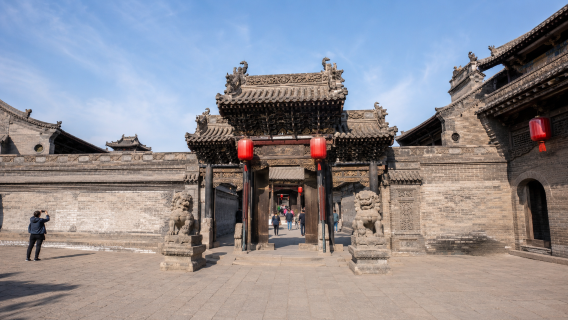
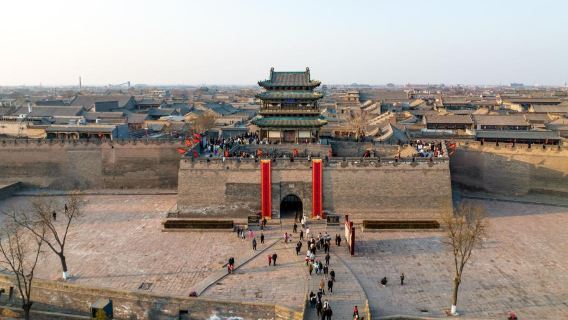
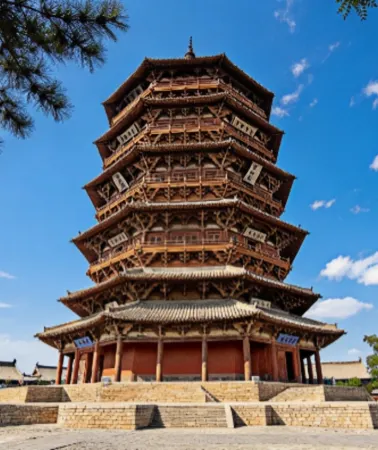
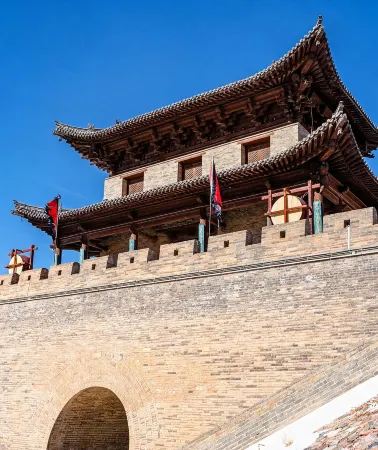
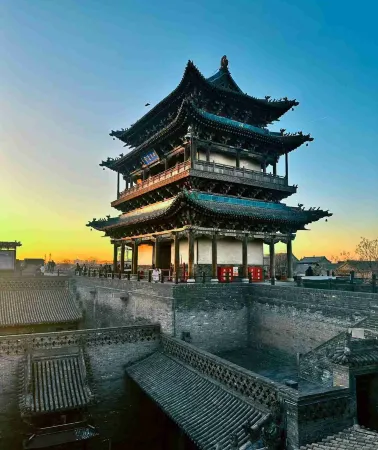
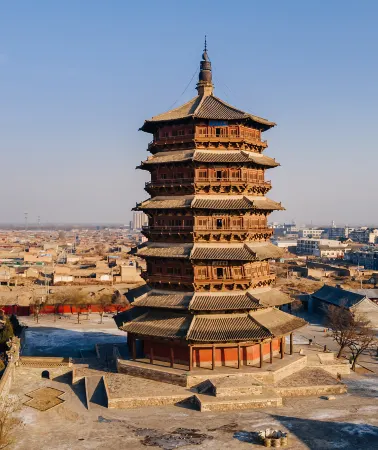
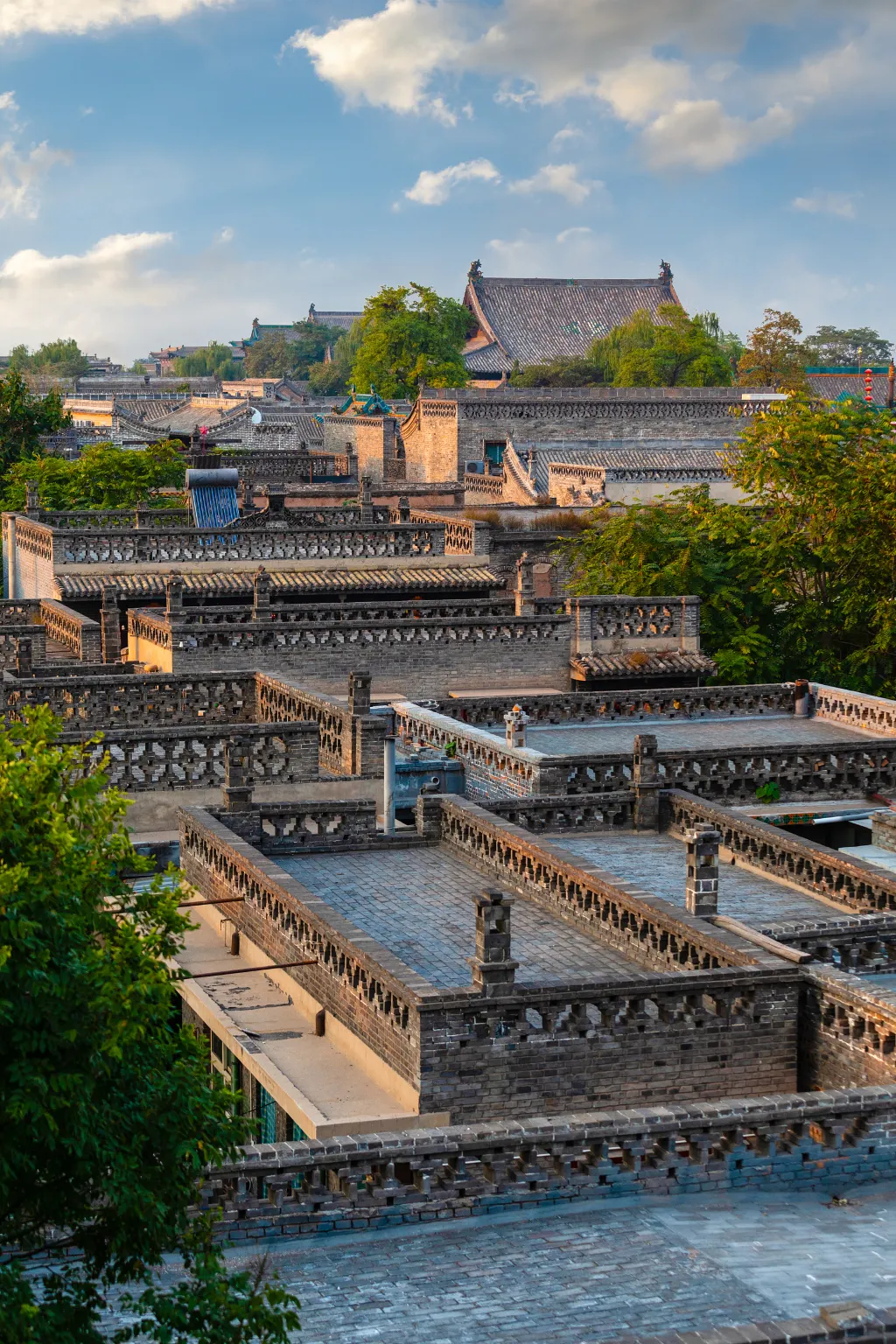
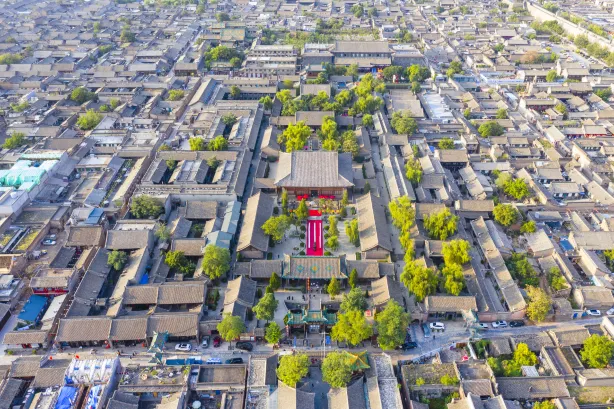
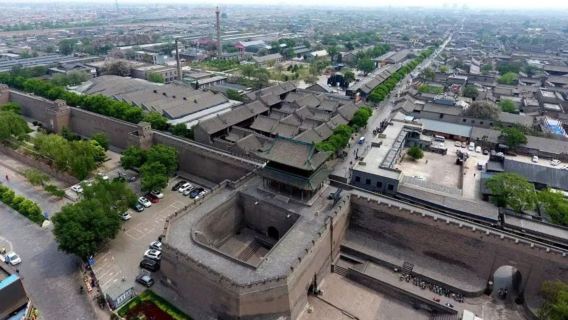
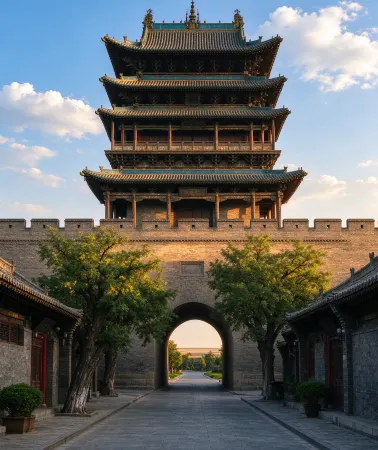
Pingyao Ancient City is one of the best-preserved ancient cities in China and, along with Lijiang Ancient City, is one of the two ancient cities in China to have successfully been designated as a World Cultural Heritage site in its entirety. Pingyao was once the financial center of China during the late Qing dynasty. Walking into this once-prosperous ancient city, you can feel the atmosphere of Shanxi merchant culture everywhere. The streets, shops, and residences within the ancient city still maintain their traditional layout and appearance. The overall street pattern is in the shape of the Chinese character 'tu', consisting of four main streets, eight small streets, and seventy-two lanes. The ancient city has six city gates in total, and the areas around the south gate and west gate are where visitors are concentrated. When touring, you usually enter the city through the lower west gate and walk along West Street to Rishengchang Exchange Shop, where you can learn about the development history of ancient banking and experience the legend of Shanxi merchants conducting business across the world. South Street, which runs north-south through the city, is the central axis of the ancient city. During the Ming and Qing dynasties, South Street gathered more than half of the country's financial institutions and was known as the "Wall Street of China" at the time. Today this street is called the Ming and Qing Ancient Street, and most of the ancient city's attractions are concentrated here. Centered on the landmark Market Tower, attractions such as Xietongqing Exchange Shop, Weitaihou Exchange Shop Museum, and the Chinese Escort Agency Museum are distributed around it, and a large number of shop buildings from the Ming and Qing periods are preserved along the street. At the Pingyao County Government Office in the south of the ancient city, you can see a large number of ancient documents and instruments of torture, and there is a daily performance of the county magistrate holding court; the City God Temple and the Confucian Temple in the east of the city have grand and refined architecture. The ancient city wall is very well preserved, and climbing the wall offers a panoramic view of the ancient city. The gate tower of Yingxun Gate at the south gate is especially exquisite, and watching the sunset from the city wall in the evening is a magnificent sight. In addition to the ancient city itself, the Zhenguo Temple and Shuanglin Temple outside the city are also part of the World Cultural Heritage. The Ten Thousand Buddha Hall of Zhenguo Temple is entirely made of wood, assembled with mortise and tenon joints without a single nail; Shuanglin Temple preserves painted sculptures from the Yuan to Ming dynasties, which are exquisite in form and renowned as a "treasure house of Eastern painted sculpture art."

Pingyao County · 124m from downtown
Save € 0.68From € 16.42
Pingyao Ancient City City God Temple Scenic Area

Pingyao Ancient City City God Temple Scenic Area

4.3
4.3/5
372 reviews

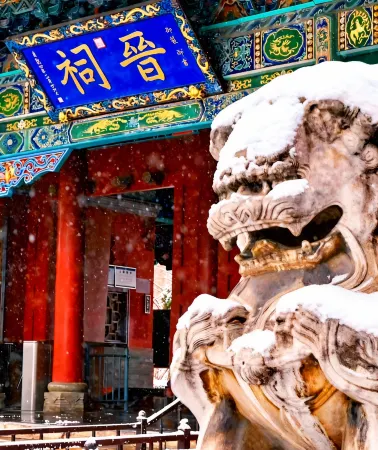
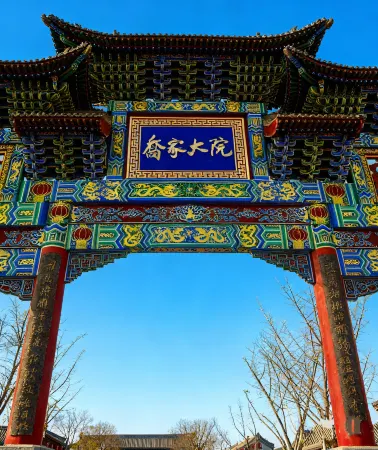
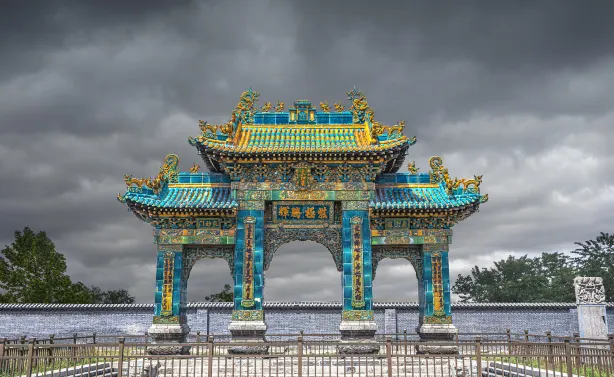
Pingyao Ancient City City God Temple is a Taoist temple with a complete layout within Pingyao Ancient City, and it is one of the best-preserved City God temples in the country. Following the ritual system of "unity of heaven and humanity," it faces the Ancient County Government Office across the Ming and Qing Dynasty Ancient Street as an axis, occupying a superior position. The exact founding date of the temple is difficult to verify. It was destroyed by fire multiple times throughout history. After a major fire during the Xianfeng reign of the Qing Dynasty, it was rebuilt during the Tongzhi reign, and most of the existing halls are structures from the Qing Dynasty. The entire temple faces south and features a three-courtyard layout. Along the central axis, the paifang, mountain gate, stage, offering hall, City God Hall, and sleeping palace are arranged in sequence. The "front court and rear sleeping quarters" zoning is clear at a glance. The east and west side halls are the Liucao Hall and the Earth God Shrine. The temple also houses a Kitchen God Temple and the Pingyao Ancient City City God Temple Scenic Area. Various deities reside in the same temple, receiving incense together, making the "temple within a temple" configuration quite unique. When visiting, it is worth looking up to examine the glazed tiles covering the hall roofs: primarily blue and green, interspersed with yellow, creating a cool and mysterious atmosphere. The figures of immortals, mythical beasts, and dragon-shaped ridge ornaments are exquisitely shaped and retain their original colors, making them representative works of Qing Dynasty glazed tile craftsmanship. The mural of the City God's inspection tour on the west gable of the City God Hall is also worth stopping to admire. Walking from south to north along the central axis, do not miss the stage in the front courtyard—in the past, pottery jars were buried under the stage to enhance resonance, making it easy to imagine the liveliness of the temple fair performances back then. The Stone God Temple and Jigong Temple on both sides of the rear sleeping palace, as well as the arrangement in the Pingyao Ancient City City God Temple Scenic Area where Bigan, Zhao Gongming, and Guan Yu are worshipped in the same hall, are all easily overlooked, so it is worth spending more time here.

Pingyao County · 535m from downtown
Ma's Grand Family Compound

Ma's Grand Family Compound

4.3
4.4/5
30 reviews

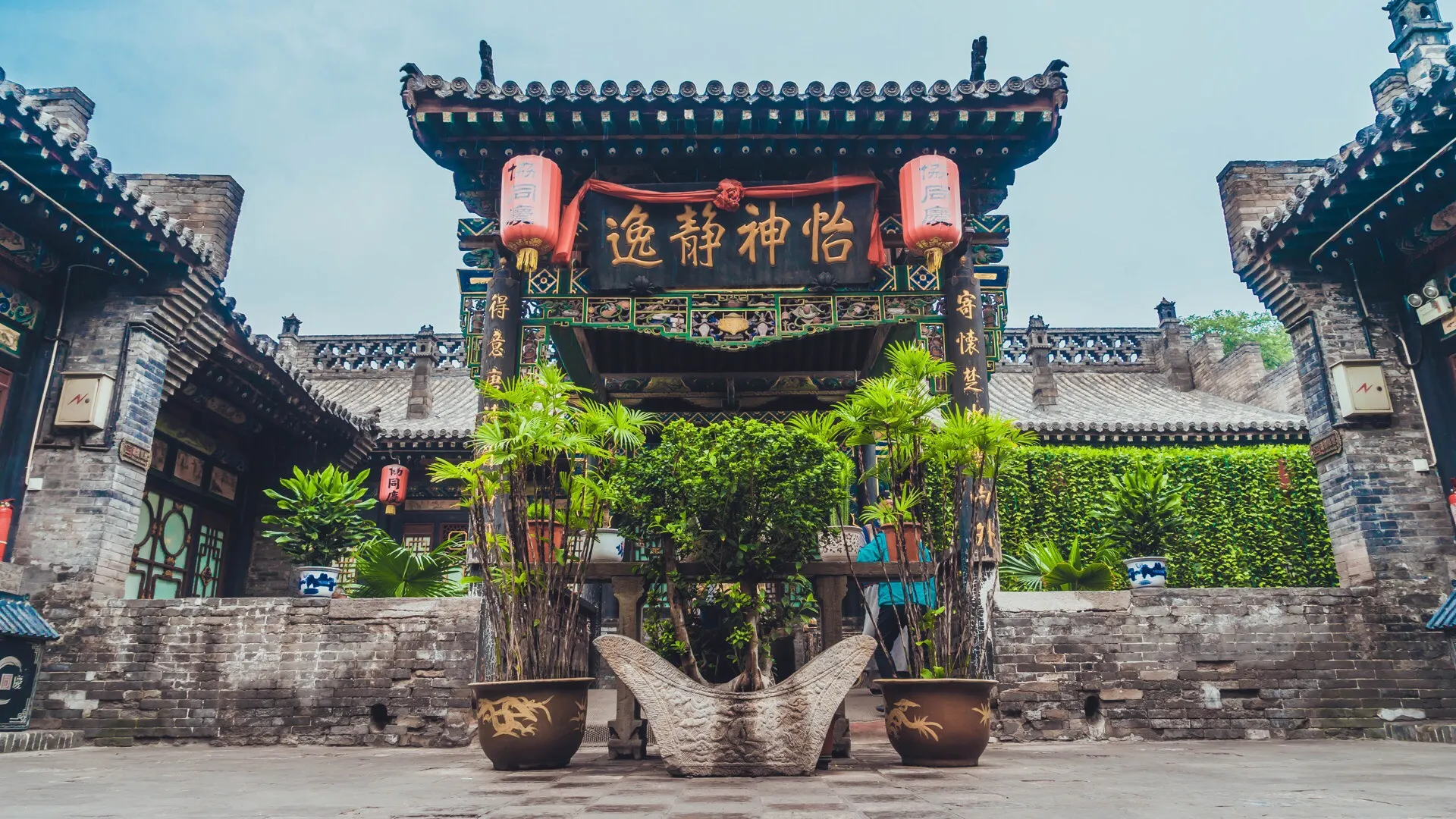
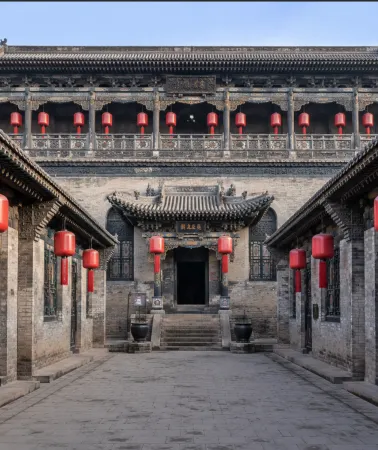
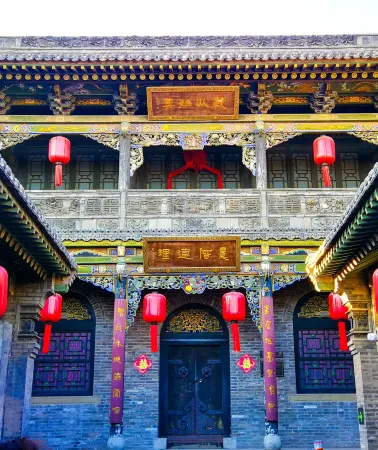
Ma's Grand Family Compound (Pingyao Ancient City) is a Qing Dynasty Shanxi merchant residence hidden in the deep alleys of the ancient city. The owner, Ma Zhongxuan, came from a family of traditional Chinese medicine practitioners and built his fortune through pharmacy business. Later, he expanded his business into industries such as draft banks, tea shops, and silk stores, becoming one of Pingyao's four great wealthy merchants, and the scale of the residence is notable among private courtyards in the ancient city. The compound was first built during the Tongzhi reign of the Qing Dynasty and consists of 3 large courtyards and 6 small courtyards, with nearly 200 rooms. With gates leading to other gates and courtyards interconnected, walking through it feels like navigating a maze. When viewed from above, the layout of the entire complex forms the character "Ma," hiding the family's surname within the residence itself. The courtyard features many brick, wood, and stone carvings, and the antique furniture displays are worth a close look; the yellow rosewood "cat-proof" bookcase and the Nine-Dragon Cabinet are considered the treasures of the museum. The various living quarters are arranged according to old-fashioned living styles, with the courtyards of the first, second, and third wives each having their own unique features, making the tour full of stories. The three-story building in the courtyard is the highest point of the entire complex. Climbing to the pavilion on the roof allows you to look out over the ancient city across the continuous gray-tiled roofs. It is easy to get turned around with courtyards within courtyards, so feel free to slow down and wander through the courtyards, saving the climb to the top for last.

Pingyao County · 379m from downtown
Xietongqing Ancient Bank Museum

Xietongqing Ancient Bank Museum

4.1
4.3/5
174 reviews

Xietongqing Bank was founded in the sixth year of Emperor Xianfeng (1856) and closed in 1913, a total of 58 years. During its opening, Xietongqing Bank had 33 branches all over the country, with a focus on the northwest and southwest. The Xietongqing Bank counter room you see now is the basic furnishings of the bank counter at that time. Xietongqing Bank is now a large-scale bank courtyard in Pingyao, with a total of five courtyards in front and back, each with different functions. For example, the first courtyard is divided into the counter room, the general account room, and the port account room, which is equivalent to the current accounting office. After completing the procedures, go to the north counter room to withdraw cash, which is equivalent to the current cashier's office; the third courtyard is divided into the assistant room, the sacrifice room, and the manager's room, which is the office space for management personnel. The fourth courtyard is the living area for employees. At that time, no matter the general account or branch, from the shopkeeper to the employees, they all lived in the bank. The fifth courtyard is where the vault is located, with very advanced anti-theft measures, among which the underground cellar (underground vault) is close to the current bank vault. The banknote house has now been turned into the China Money House Museum, which houses thousands of coins that were circulated and issued at that time. Under the courtyard of Xietongqing Banknote House is the largest underground vault in Pingyao, which stored a large amount of gold and silver in those days, as well as the treasure of Pingyao: a dragon pillar carved from camphor wood, a cultural relic from the reign of Emperor Taizu Zhu Yuanzhang of the Ming Dynasty. This dragon pillar is built in the center of the entire "Turtle City" (Pingyao Ancient City). Many tourists like to go to the underground vault to touch this dragon pillar and get some wealth. The air in the underground vault is relatively turbid, and the number of people entering the scenic spot will be limited. The entrance and exit passages are narrow, so you should pay more attention to safety when playing, and tourists with respiratory diseases should enter with caution. There is also a folk hotel in Xietongqing Banknote House, which has a cave cave with northern folk flavor. If you stay in the folk hotel, tourists can enjoy two Complimentary: one is to visit the banknote house (banknote house) museum for Complimentary, and the other is to visit the Chinese coin exhibition hall of various dynasties for Complimentary.

Pingyao County · 154m from downtown
Save € 0.68From € 16.42

Experiences you can't miss in Pingyao County

Featured Culture & history in Pingyao County

View all Culture & history
More things to do

Private Tours in Pingyao County

View More Private Tours in Pingyao County
Group Tours in Pingyao County

View More Group Tours in Pingyao County
Pingyao County Today's weatherCloudy 0-8℃
Pingyao County weather for the next 2 days11/28: -3-11℃, 11/29: 0-16℃

Free things to do in Pingyao County
What travellers say about Pingyao County

user-avatar
ApMarina26 November 2026
5.0
Этот город стоит того, чтобы приехать сюда и увидеть его вечером и днём. Останавливайтесь на ночлег в старом городе, выбор отелей большой, как в современном интерьере но в старых стенах, так и в интерьере под старину. Посещение всех музеев происходит по единому билету. Это очень удобно. Ты просто идешь и заходишь в любой музей по вкусу. Конечно, лучше избегать времени праздников, когда улочки города просто забиты туристами практически круглосуточно. Здания и их декор хочется рассматривать не спеша, разглядывая декор из дерева, керамики или камня. Там где здания не отреставрированы, это смотрится даже более интересно и аутентично. У города многовековая история, он жемчужина, которую нужно беречь. Не забудьте посмотреть вечернее Свето-музыкальное шоу- проекция на городских стенах у южных ворот. Туда нужно прибыть заранее, чтобы занять хорошее место для представления.

Pingyao Ancient City

user-avatar
M11***6314 November 2026
5.0
I was quite disappointed with Pingyao Ancient City, but on the way to the high-speed rail station, I decided to visit Shuanglin Temple instead. Shuanglin Temple finally offered some consolation for my otherwise disappointing trip to Pingyao; the painted sculptures were truly breathtaking.

Shuanglin Temple

user-avatar
超酷的小王同学。24 October 2026
5.0
Zhenguo Temple is a hidden gem of an ancient temple in Pingyao, not widely known but rich in historical significance. The Wanfo Hall is a rare example of a Five Dynasties wooden structure, over a thousand years old. Its imposing and simple bracket sets, constructed without a single nail, have stood the test of time, making it a living fossil of wooden architecture. The painted sculptures inside retain their original Five Dynasties appearance, with a dignified and weighty style, a stark contrast to the lively Ming Dynasty sculptures of Shuanglin Temple. The temple is serene and quiet, with few tourists, perfect for slowly appreciating the beauty of its ancient architecture. If you appreciate ancient architecture, after visiting Shuanglin Temple, a stopover at Zhenguo Temple offers a unique and worthwhile experience, allowing you to understand the architecture and sculptures of different eras.

Zhenguo Temple
user-avatar
KyooTie21 November 2026
5.0
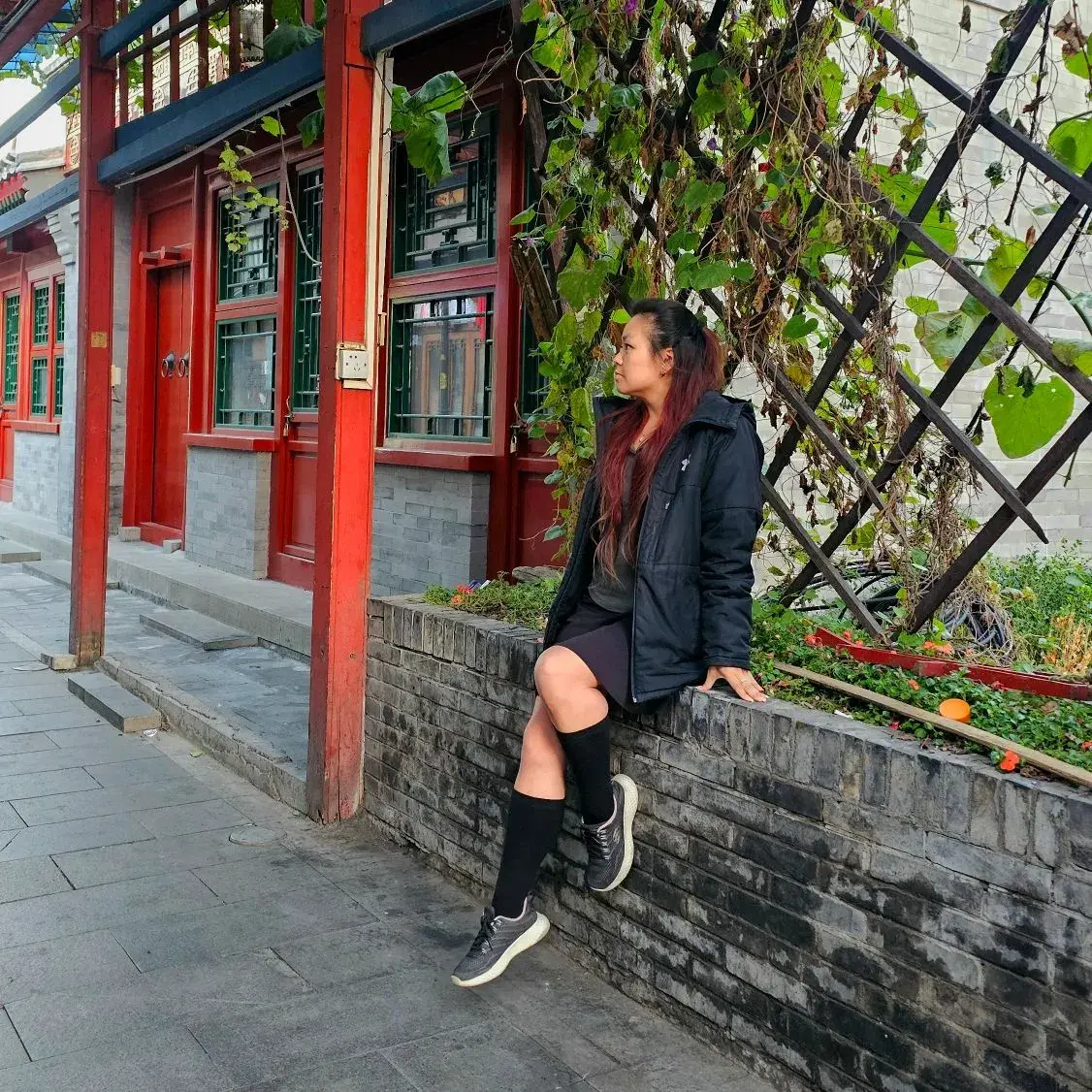
Exploring Pingyao felt like walking into a living history book. Starting with the scenic panorama map at the entrance helped me navigate before wandering stone-paved streets lined with red lanterns, timber eaves, and multi-tiered towers. ​Along the way, I took in the sweeping ancient city walls, quiet residential lanes, and tucked-away courtyards. Inside temples and historic rooms, details like carved beams, hanging red ribbons, narrow brick alleys, and shelves of stacked ledgers and vessels brought the past to life. ​My top tip is to stay overnight, or at least until nightfall: warm lights and lanterns glowing and reflecting on the damp stone streets create pure magic. Give yourself plenty of unhurried time to explore both the main streets and quieter corners.

Pingyao Ancient City Wall

user-avatar
jingtao9877123 February 2026
5.0
The scenery is antique and full of historical charm. There are many scenic spots inside, and I especially recommend the county government office, the security escort agency, and the money exchange. There is also a light show at night, but it gets very crowded on holidays, and the scenic area is probably overwhelmed. You can have to wait for half an hour to get into the county government office.

Rishengchang Draft Bank
user-avatar
殷都老虎4 January 2026
4.0
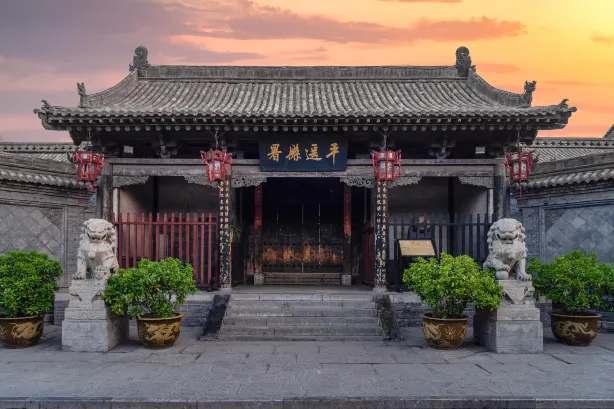
Pingyao County Government Office (National Cultural Relic) Located in the center of the ancient city, it was first built in the sixth year of the Zhizheng era of the Yuan Dynasty (1346) and rebuilt in the third year of the Hongwu era of the Ming Dynasty (1370). It is one of the best-preserved and largest feudal county government offices in China, second only to the Neixiang County Government Office in Nanyang. Travel Guide Transportation: Accessible by high-speed rail and bus (buses run every 20 minutes; free for veterans with preferential treatment cards). Ticket Price: 125 RMB for the entire ancient city (free for those over 60 and veterans with preferential treatment cards; no ticket exchange required). Time Spent: 1 hour. Accommodation and Dining: Convenient. If not driving, it is recommended to stay near Pingyao Railway Station, which is close to the ancient city, convenient for transportation, and not far from the other two attractions. Nearby Attractions: Pingyao Ancient City, Shuanglin Temple, Zhenguo Temple.

Pingyao Ancient Government Office

user-avatar
M37***459 October 2026
4.0
Visiting ancient temples in Shanxi is the only way to truly understand the beauty of clay sculptures. A glance at a thousand years: the painted sculptures of Shuanglin Temple, with their lowered heads and silent expressions, tell the story of human joys and sorrows; the ten thousand Buddhas of Zhenguo Temple stand silently, yet have witnessed the vicissitudes of time.

Shuanglin Temple Colored Sculpture Art Museum

user-avatar
M45***142 March 2025
5.0
The Pingyao City God Temple faces south and has three courtyards. On the central axis, there are archways, mountain gates, a stage, a sacrificial hall, the City God Hall, and a sleeping palace. There are also the Six Cao Mansion, the Land God Temple, the God of Wealth Temple, the Kitchen God Temple, etc. "All the gods live in one temple and receive incense together." The Pingyao City God Temple is a Taoist building. It is a complex of buildings that integrate the ancient government office buildings with the temple architectural style. It is a physical relic for studying the layout of the ancient city of Pingyao, the development of Taoism, and folk customs!

Pingyao Ancient City City God Temple Scenic Area
user-avatar
killua_小狮王21 October 2026
4.0
The Ma Family Compound is the residence of Ma Zhongxuan, a wealthy merchant in Pingyao during the late Qing Dynasty. Known as the largest compound in Pingyao, it represents the pinnacle of Shanxi merchant mansions in the ancient city. After visiting several grand residences in the ancient city, this place best showcases the grandeur of a wealthy tycoon. The furnishings and wood carvings in each room are ingeniously designed, with exquisite details. Located slightly off the main street of the ancient city, it's less crowded, and although it requires a longer walk, it's well worth the trip.

Ma's Grand Family Compound

user-avatar
享受生活201328 November 2023
4.0
This bank was once known as the richest bank in China, but now it has been turned into a museum of Chinese banks. The museum is not very large, but it does have many legends, especially the Shenlong Baozhu in the underground money vault. It is full of legends and allegory.

Xietongqing Ancient Bank Museum

Trip Moments in Pingyao County
Popular cities near Pingyao County

Frequently asked questions

How can I contact Trip.com customer support?

Get help anytime, anywhere within 30 secondsContact customer support

Change and cancellation policies vary by attractions and tours. Please check the product details page for more information.

Ticket prices may vary between weekdays and weekends, as well as during peak and off-peak seasons. When booking with Trip.com, you can also use Trip Coins to get extra savings. For more tips on booking discounted tickets, please visit Trip.com for the latest information.