China Tourist Visa Requirements 2026: Application Form, Photo Specs, Fees & Process

Contents
- China Tourist Visa Requirements 2026 – Overview
- Do You Need a Tourist Visa to Enter China?
- Key Documents You'll Need to Prepare
- China Tourist Visa vs Business Visa vs Transit Visa – Key Differences
- Required Documents for China Tourist Visa Application
- Passport Requirements (Validity & Blank Pages)
- China Visa Application Form (COVA) – How to Fill It
- Passport Photo Requirements for China Visa
- Flight Booking & Hotel Reservation Proof
- Invitation Letter – When You Need One
- Additional Documents by Nationality (US / SG / MY)
- China Visa Photo Requirements – The Most Common Rejection Reason
- Photo Size, Background Color & Head Position
- Digital Photo Requirements for Online Submission
- Tips to Avoid Photo Rejection
- How to Apply for China Tourist Visa – Step-by-Step Process
- Step 1 – Complete the Online Visa Application Form (COVA)
- Step 2 – Gather All Required Documents
- Step 3 – Schedule an Appointment at the Chinese Visa Center
- Step 4 – Submit Your Application & Pay the Fee
- Step 5 – Track Your Visa Application Status
- Step 6 – Collect Your Passport with Visa
- China Visa Fees & Processing Time
- Express vs Regular Processing Time
- Payment Methods Accepted
- Tips to Avoid China Visa Rejection
- Most Common Reasons for Rejection
- How to Strengthen Your Application
- What to Do If Your Visa Is Rejected
Show more
Planning a trip to the Great Wall, the Forbidden City, or the karst landscapes of Guilin? Before you book your flights, you need to understand the China tourist visa requirements for 2026. Whether you're applying for the first time or renewing a previous visa, this guide walks you through every document, fee, and step in the process — based on the latest information from the Chinese Visa Application Service Center (CVASC).
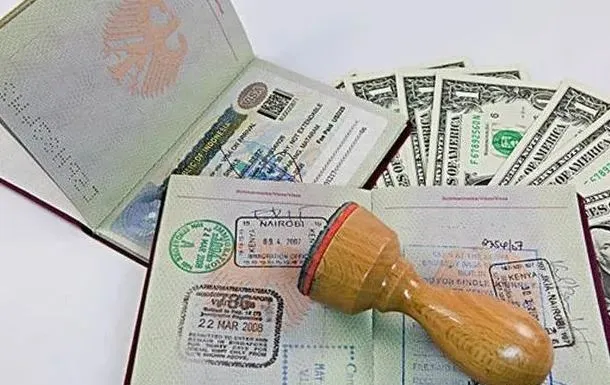
For ordinary tourism in mainland China, travelers who are not covered by a visa exemption normally apply for an L visa. Before applying, check whether your passport qualifies for a bilateral or unilateral visa waiver or whether your itinerary meets a visa-free transit rule. China’s National Immigration Administration (NIA), for example, maintains an official 240-hour visa-free transit policy for eligible nationalities and qualifying third-country or third-region itineraries.
(Source: Google)
Visa-free entry is purpose- and time-limited. It does not automatically authorize employment, study, journalism or residence. Border inspection officers make the final admission decision even when a traveler holds a visa or qualifies for a waiver.
The official Vienna Visa Center list is a useful illustration: it asks L-visa applicants for a passport, photographs, an online form, local-residence evidence when applicable and tourism evidence. It also warns that consular officers may request extra materials or an interview. The U.S. rules are different: applicants there have not normally been required to submit round-trip bookings, hotel reservations, an itinerary or invitation letter since January 1, 2024.
China issues different visa categories based on the purpose of your visit. Here's a quick comparison:
| Category | Main purpose | Typical purpose-specific evidence |
| L | Tourism | Travel itinerary and bookings or an invitation, where the local post requires them. |
| M | Commercial and trade activities | Commercial-activity documents or an invitation from a Chinese trade partner. |
| G | Transit | A confirmed onward air, train or ship ticket to the destination country or region. |
These categories are not interchangeable. The official visa-category lists of the Chinese Visa Application Service Center and the Chinese Embassy in the United States define L, M and G by purpose. A qualifying visa-free transit is an immigration exemption, not a G visa.
(Source: Google)
A common official baseline is a passport with more than six months’ remaining validity and at least two blank visa pages. Both the Vienna Visa Center and the Chinese Embassy in the United States publish that rule for their applicants.Submit the original passport when instructed and upload or provide the biographical page and any requested blank-page image. Damaged passports may not be accepted.
If you previously held Chinese nationality, have an old Chinese visa or residence permit, changed your name, or are applying outside your country of nationality, expect documentary proof. The precise originals and copies differ by post.
Use the portal specified by your responsible embassy or Visa Center. The Chinese Ministry of Foreign Affairs operates the China Online Visa Application system (often called the new COVA system).The U.S. Embassy’s current workflow requires applicants to complete the form and upload materials for preliminary review; the passport is submitted only after the status changes to “Passport to be submitted.”[3]
“Apply online” does not usually mean an electronic visa. The passport and required originals still have to be presented when the local authority instructs you to do so.
The standard paper format published by Chinese visa authorities is a recent, front-facing, bareheaded color photo on a plain white background, 48 mm × 33 mm. For digital uploads, an official Chinese embassy specification gives a range of 354 × 472 to 420 × 560 pixels. Your local portal’s validator is decisive; follow any on-screen crop or file instructions.
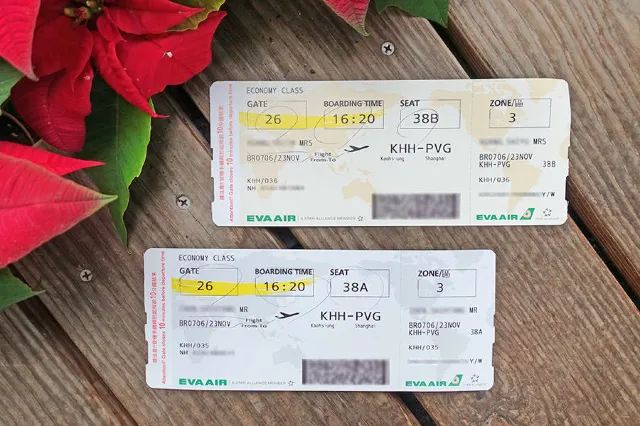
Where required, provide round-trip transport reservations and hotel evidence covering the itinerary, with the applicant’s name clearly shown. The Vienna center’s published L-visa list asks independent tourists for round-trip flight and hotel orders covering at least half the trip. Do not assume that rule is universal: U.S.-based L-visa applicants are currently exempt from providing bookings, hotel reservations, an itinerary or invitation letter as routine documents.
(Source: Google)
Practical approach: check the local list before buying non-refundable travel. A reservation is not the same as a guarantee that a visa will be issued.

An invitation can support tourism with a host or organized group travel when the local checklist calls for it. Official lists generally expect the invitee’s identity details, purpose and dates of travel, places of visit or stay, relationship to the inviter, and the inviter’s name, address, contact information and signature. An organization should add its official details and seal where required. An individual inviter may also need to provide a copy of a Chinese ID card or a foreign passport and Chinese residence document.
An invitation does not guarantee approval, and a consular officer may request the original even when a scan is initially accepted.
| Traveler / applicant | 2026 position | What to prepare |
| Applying in the United States | U.S. citizens generally need an L visa for ordinary mainland tourism unless a specific exemption applies. | The U.S. Embassy asks for online uploads including passport pages and proof of U.S. residence; a non-U.S. citizen applying there must also prove lawful U.S. status. Routine flight, hotel, itinerary and invitation documents are waived for L applications, though more evidence may be requested case by case. |
| Singapore ordinary passport | Visa-free for stays of up to 30 days under the reciprocal arrangement effective February 9, 2024. | Carry a valid passport and evidence supporting the visit; obtain the appropriate visa in advance for a longer stay or a purpose outside the waiver. Check the Singapore MFA China page before travel. |
| Malaysian ordinary passport | Visa-free for up to 30 days per entry, with no more than 90 visa-free days in any rolling 180-day period. The passport must have at least six months’ validity. | The official FAQ recommends carrying evidence such as air tickets, accommodation bookings or an invitation appropriate to the visit. Employment, study, media work, residence and stays over 30 days require the appropriate visa. |

The Ritz-Carlton Beijing

 No. 10 of Luxury Hotels in Beijing
“Most common” is a practical warning, not an official statistical ranking. Photo problems frequently trigger upload failure, replacement requests or an application being returned for correction.
These points reflect official Chinese visa-center and embassy photo guidance. Religious, medical or cultural head coverings should not obscure the face or cast shadows.
Use a portrait image between 354 × 472 and 420 × 560 pixels unless the application portal displays a newer local instruction. Do not upload a photo of another person, a screenshot, a scanned passport page or a heavily retouched portrait. The Vienna center explicitly warns that uploading someone else’s photo causes the application to be rejected and redone.

(Source: Google)
Find the authority responsible for your place of legal residence, then follow its link to the correct online system. Complete the form, upload the requested image and supporting files, and submit it for review. Save the application number and a PDF or printout of the confirmation page.
Build your packet from the local checklist rather than a generic travel blog. At minimum, recheck the passport, application confirmation, photo and residence-status proof. Add previous passports or Chinese visas, travel evidence, an invitation, minor-consent documents and name-change evidence only as applicable.
Only schedule an appointment if your local system tells you to. In some jurisdictions the process is appointment-based; in others applicants attend during submission hours after online preliminary approval. For example, the U.S. Embassy instructs applicants to wait for “Passport to be submitted” status and then present the passport and originals during office hours.[3] Treat your local portal’s status message as controlling.
Submit the original passport, barcode or confirmation page, and any originals requested. Biometric collection, an interview or extra evidence may be required depending on current rules and the applicant’s circumstances. Pay only by the methods accepted at that location; visa-center service charges may be separate from the consular visa fee.
Use the status page linked from your application account. A submitted form may pass through online review before the passport is accepted, and passport processing begins later. In the U.S. system, the published processing estimate is counted from passport submission—not from the day the online form is started.[3]
Collect the passport only after the status or collection notice says it is ready, or use an authorized return service where offered. Before leaving, verify the name, passport number, number of entries, “Enter Before” date and “Duration of Each Stay.” Report any discrepancy immediately.
There is no single worldwide China tourist visa fee. The amount depends on nationality, number of entries, bilateral arrangements, service speed and application location. A Visa Center may add its own service fee. Use the local center’s official fee and processing page or the relevant embassy notice before paying.
One useful 2026 example is the Chinese Embassy in Washington: reduced fees remain in force through December 31, 2026. The regular fee is US$140 for a U.S. citizen. For most non-U.S. citizens applying there, the listed fees are US$23 single-entry, US$34 double-entry, US$45 multiple-entry for six months and US$68 multiple-entry for 12 months or more; some nationalities differ. Express service adds US$25 per visa. These figures must not be copied to applications made outside that office.

(Source: Google)
The Washington embassy publishes an average of four business days for regular service and three business days for express service, counted from passport submission. It expressly warns that individual cases can take longer and that a pickup date may not be confirmed until notification. Other posts publish different timeframes, and holidays, supplementary documents or interviews can extend the process. Apply well before travel.
Payment rules are local. The Washington Visa Office accepts Visa or Mastercard credit cards, money orders and cashier’s checks at on-site pickup. That does not establish a global rule: confirm currency, card types, cash policy and the timing of payment on your own embassy or Visa Center page.

(Source: Google)
Chinese authorities do not publish a universal ranked list of refusal reasons. The preventable problems apparent from official checklists include an incomplete or inaccurate form, an invalid or damaged passport, a non-compliant photo, missing proof of lawful residence, inconsistent travel details, the wrong visa category, or failure to provide additional materials requested by the consular officer. Meeting the checklist does not create a right to a visa; the consular officer decides issuance, validity, entries and permitted stay.
Read any notice and ask the accepting office what procedural options are available. Correcting a missing document is different from overcoming a substantive refusal. If reapplication is permitted, do not simply submit the same packet: resolve the identified problem, update facts that have changed and disclose prior applications accurately. For a time-sensitive or complex case, contact the responsible Chinese embassy, consulate or Visa Center directly.
Popular recommendations

10 Items You Must Buy When Shopping in Batam
 Trip.com
Singapore Vaccinated Travel Lane
 GLS***88
Ignite the magic within you at Harry Potter Studio Tour Tokyo!
 _TI***fn