2026 Camperdown Travel Guide: must-see attractions, popular food, hotels, transport & travel experiences (updated in March)
Essential Travel Information for Camperdown
Popular Attraction in Camperdown
The University of Sydney Quadrangle (A14)
(37)All Trip Moments about Camperdown | Travel Experiences
Sydney CBD Can't Be Hidden Anymore! This Hidden Gem Hotel is Legendary
Sydney CBD Hidden Gem Hotel Guide|Walk to All Landmarks, Covering High Cost-Performance, Luxury, and Unique Design Styles Hotels in Sydney CBD focus on prime locations, within walking distance to the Opera House, Harbour Bridge, Hyde Park, and other key landmarks, with metro and supermarkets just steps away. This guide categorizes hotels into high cost-performance budget options, family apartments, luxury scenic options, and unique design styles, selecting hidden gem hotels rated 9.0+ with tips on avoiding pitfalls and nearby dining and shopping, so you can choose confidently without risk! Key Stay Tips ✅ 1. Check-in/out times: Most hotels check in after 3:00 PM and check out before 11:00 AM, with luggage storage available; some high-end hotels offer early check-in/late check-out for members. 2. Deposit: Five-star hotels require a credit card hold (about 50 AUD per night); cash deposits accepted if no credit card, refunded upon checkout. 3. Transportation: The entire CBD is walkable; metro and bus stations are within 50-300 meters of hotels, with direct transport to the airport and University of Sydney. 4. Amenities: For supermarkets, look for Woolworths; dining is best in Chinatown/Thai Town; trendy coffee and breakfast spots are often just around the hotel corner. High Cost-Performance Budget Options|Budget-Friendly, Walk Around the CBD Priced at 200-300 AUD/night, clean and comfortable, prime location, top choice for students and budget travelers Little National Hotel Sydney (Rating 9.1) • Highlights: Only 50 meters from Wynyard Train Station, 900 meters walk to The Rocks, 1 km to Barangaroo Reserve, rooftop bar with city views, 24-hour fitness center. • Room Experience: Compact but not cramped, fully equipped, clean and tidy, great value for two adults. • Nearby Eats: Convenience store downstairs, 5-minute walk to trendy coffee street, late-night seafood spots in The Rocks. Kimpton Margot Sydney by IHG (Rating 9.1) • Highlights: Art Deco vintage design, prime CBD location, 5-minute walk to Hyde Park and Sydney Tower, excellent value. • Pitfall Reminder: Some guests reported occasional cleaning oversights; confirm cleaning preferences upon check-in. Family Apartment Options|Fully Equipped Kitchen, Great for Groups Featuring spacious rooms with kitchen/laundry, ideal for families or groups, lowering per-person cost Zara Tower - Luxury Suites and Apartments (Rating 9.1) • Highlights: 8-minute walk to Sydney Central Station, 180cm wide bed convertible to twins, extra beds available; fully equipped kitchen, washing machine, capsule coffee machine for self-catering. • Nearby Advantages: Close to Chinatown and Thai Town, Panda delivery available, convenient grocery shopping, only 20 minutes to the airport. • Hidden Perk: Complimentary large jar of Nestlé capsule coffee, very attentive staff. Adina Apartment Hotel Sydney Town Hall (Rating 9.3) • Highlights: Top-rated in CBD, spacious and quiet rooms, indoor heated pool, fitness center, sauna, 3-minute walk to Town Hall and QVB shopping center. • Suitable For: Families valuing comfort, travelers wanting to relax at the hotel. Luxury Scenic Options|Landmark Panoramas, Immersive Sydney Romance Featuring high-floor views and premium amenities, priced 400+ AUD/night, perfect for anniversaries and luxury vacations Meriton Suites World Tower, Sydney (Rating 9.0) • Highlights: Located on the 61st floor and above of Sydney’s iconic World Tower, floor-to-ceiling windows with full city views, minutes’ walk to Hyde Park and Sydney Tower; indoor pool, hot tub, sauna, 24-hour gym, unlimited free WiFi. • Room Experience: Luxurious suites with huge space and unbeatable views, full coverage of transport and convenience stores downstairs, all needs met without leaving the building. Four Seasons Hotel Sydney (Rating 9.1) • Highlights: Overlooking Sydney Harbour with direct views of the Opera House and Harbour Bridge, located in historic The Rocks area, attentive service; high-end gym, pool, and premium free WiFi. • Hidden Perks: Some packages offer 4 nights for the price of 3, free upgrades, and $100 USD credit. Sheraton Grand Sydney Hyde Park (Rating 4.6/8.7) • Highlights: Prime CBD location facing Hyde Park, 10-minute walk to Opera House, Circular Quay, Chinatown, metro/bus stations within 50 meters; rooms feature Old Money vintage style, excellent mattress support, hearty breakfast with fresh-pressed vegetable and fruit juices. • Amenities: Rooftop gym and pool, Chinese-speaking front desk, executive lounge serving full meals; early check-in available for resting after long flights. • Pitfall Reminder: Deposit required; some rooms near elevators—request “away from elevator” when booking; occasional cleaning oversights, communicate promptly with front desk if needed. Unique Design Options|Standout Style, Capture Sydney’s Unique Vibe Featuring distinctive design and niche experiences, avoiding crowds, ideal for photo lovers and those seeking personality Ace Hotel Sydney (Rating 9.0) • Highlights: Built on an antique building, full of design flair, rooms are small but well laid out; free bikes available to explore the CBD; 18th-floor rooftop restaurant Kiln offers amazing food, lobby cocktails are unique. • Nearby Advantages: Close to various distinctive neighborhoods and the airport, trendy photo spots downstairs, diverse dining options. Medusa Hotel (East Sydney CBD, Hidden Gem) • Highlights: Wes Anderson-style design, renovated 1800s terrace building, iconic pink facade perfect for photos; 15 types of wallpaper inside, 18 rooms each with unique character, “choose your room by mood.” • Room Experience: Luxurious bathrooms with Burgundy marble sinks and green subway tiles, some suites have fireplaces and velvet curtain lounges, plenty of natural light, courtyard views. • Service Features: Family-run, very friendly staff, relaxed and fun atmosphere, great for young travelers and couples. Pullman Quay Grand Sydney Harbour (Rating 9.0) • Highlights: Built over Sydney Harbour waters with a private floating jetty, panoramic views of Harbour Bridge, 5-minute walk to The Rocks; niche luxury avoiding city crowds, immersive Sydney Harbour experience.Culinary Escapades51[Ttukboki's Full-Fledged Trip🦶🏻]🇦🇺Sydney 2 Nights 3 Days Part 1
📍Travel Introduction Sydney Trip [Downtown Sydney - Shopping & Campus Stroll] On the first day, I explored downtown Sydney. This was a great way to enjoy both shopping and walking, allowing me to explore the city at a leisurely pace.😊 🛍️ Famous Shopping Centers in Sydney The Queen Victoria Building (QVB) is a famous shopping center with a central clock. Actually, I went there more for the photo op than the shopping, so I just took a photo and left right away. You don't need to stay long, and there are plenty of better shopping spots, so plan to just take a quick look around and leave! If you're pressed for time, feel free to skip it! 🎓 Recommended Spots University of Sydney The University of Sydney, famous for its Harry Potter building! The beautiful and unique building was truly captivating! If this is your first time in Sydney, I highly recommend checking it out👍🏻 🚇 Transportation QVB is located in Sydney's CBD, making it easy to get around on foot. The University of Sydney is about a 20-minute bus or tram ride from the city. #2026NewYear #OverseasTravel스트레스리스13Camperdown Commons: ฟีลบ้านสวนกลางเมืองที่ต้องมา
📍Camperdown Commons, Australia 🧁 A green space in the heart of Sydney that offers a community, organic, and effortless chill vibe, Camperdown Commons is a must-visit spot. This open space is open to city dwellers, allowing them to relax, enjoy the fresh air, explore the farmland, or even bring the kids to play. The overall atmosphere is warm and welcoming, like suddenly being transported to a garden-like setting in the middle of the city. The space is divided into several sections, including a delightful small vegetable garden, a community-maintained mini-farm, a lawn area for laying out mats, and a restaurant and cafe that perfectly caters to foodies. If you visit in the morning or afternoon, you'll see people working, reading, or simply enjoying a leisurely family chat. My favorite part is the "real community" atmosphere, where people greet each other, children playing, and adults enjoying coffee. Everything feels so friendly. If you visit in the morning, The atmosphere is incredibly refreshing, with the scent of earth and trees filling the air. In the evening, it's incredibly chill, with perfect lighting, perfect for relaxing or taking photos. On weekends, there might be a small market or community events that liven things up. Overall, Camperdown Commons has a very "homely yet charming" feel, perfect for those looking to escape the hustle and bustle of the city and recharge in a simpler, more natural way. No need to travel far or climb a mountain, just step inside and feel instantly relaxed. If you're visiting Sydney and want to see a side of it beyond just the tourist landmarks, this is a must-visit. ⏰ Opening Hours: 7:00 AM - 8:00 PM (Open daily) 🚗 Parking available ⭐️ Rating: 9/10 #TravelTalk #RecommendedRestaurant #MustVisitCafe #PetFriendlyCafe #TravelAustralia- GO WITH ME -4University of Sydney - A 175-Year-Old Heritage Campus Tour
Explore the University of Sydney: 175 Years of History and Contemporary Campus Vibrancy 🕰️ Operating Hours Although the University of Sydney is primarily an educational institution, it also serves as a tourist destination. Here are some reference times: • Campus Access: Open daily, visitors are free to explore public areas for walking and photography. • Guided Tours: Campus tours are typically available during the semester (check the official website for daily schedules). • Special Events/Celebrations: For events like the 175th Anniversary Community Celebration, specific venues and times will be announced separately. Note: For access to laboratories, libraries, or public lectures, please check in advance for reservation requirements or entry restrictions. 🏖️ Environment/Facilities Historical and Architectural Charm Founded in 1850, the University of Sydney is Australia's oldest university. Its main campus is located southwest of Sydney's city center, encompassing the Camperdown and Darlington areas. The main building, constructed with sandstone in a blend of Gothic and Renaissance styles, is a hotspot for photography enthusiasts. Campus Life and Public Facilities • Lush lawns and tree-lined walkways make it ideal for visitors to stroll, take photos, and enjoy the campus atmosphere. • Student cafeterias and cafes are scattered throughout the campus, where visitors can also relax in public areas. • Notable landmarks include the Great Hall, the Main Quadrangle, sandstone facades, and ivy-covered walls. • During the 175th Anniversary Celebration, exhibitions, lectures, and alumni gatherings will offer an enriched experience. Travel Tips • Visit during sunny mornings or evenings for optimal lighting and photography. • History enthusiasts should check the opening hours of the Main Quadrangle, as some interior areas may be reserved for academic use. • Certain lawns or areas may be designated for student use; visitors are advised to respect these spaces. • If visiting with family or children, plan for at least 1–2 hours to leisurely explore the architecture and greenery. 📍 Address University Place, Camperdown NSW 2050, Australia — one of the main campuses of the University of Sydney. From Sydney's city center, take the metro to Redfern or Central Station, then walk to the campus. It is easily accessible. 💰 Cost per Person: • Campus Visit: Free (limited to publicly accessible areas) • Special Exhibitions, Lectures, or Alumni Events: May require payment or reservations, with fees varying by event. As you stroll through the sandstone buildings and green lawns of the University of Sydney, you are not just visiting a university but stepping into 175 years of historical context and the intersection of contemporary innovation. This campus preserves the legacy of Australia's first university while looking forward to the possibilities of future education and research.Junanaya4🇦🇺Solo female traveler, 4 nights and 6 days, unplanned, in Sydney🐨
#NovemberTravelSupport I set off without a plan, rushed to the airport, and started my trip after only paying for my flight and accommodations! As soon as I arrived at Sydney Airport, I sat in the arrivals hall and spent 20 minutes purchasing my SIM card before heading out! I chose the YHA Harbour female-only quadruple room with a view of the Opera House. Once I arrived, I sat on the bed and opened Google Maps. I decided on a nearby attraction and headed to Observatory Hill, a three-minute walk away. I was so impressed by the crowds, but I decided to return the next day, so I just walked towards the Opera House. I saw a gelato place and had some, and as I walked towards Chinatown, I saw a sleepy pub and the laid-back atmosphere of the people seemed incredibly enjoyable. On my last day, I felt like I had some time, so I booked a zoo and Blue Mountains tour the day before. I met my roommate, whom I'd become close with, and we bought groceries at the supermarket and cooked together. It was a romantic trip of a lifetime! 🌟No planning is the best🌟chaellilli6The Most Beautiful University in the Southern Hemisphere—The University of Sydney
The University of Sydney is renowned as the most beautiful university in the Southern Hemisphere. Its architectural style blends Gothic and modern elements, exuding elegance and grandeur. The main building seamlessly connects with the surrounding lawns, evoking the charm of a European castle. With convenient transportation and numerous Instagram-worthy spots on campus, whether you're an architecture enthusiast, a literary soul, or simply seeking a picturesque environment, this is a must-visit destination. Must-visit photo spots: 1. Quadrangle Archways: Classic architecture that will make you want to take countless photos. 2. Courtyard Lawn: Perfect for picnics or simply relaxing under the ample sunlight. 3. Various Sculptures on Campus: Some feature modern artistic styles and are truly unique. 4. Main Building Clock Tower: With the right angle, it gives off a strong Oxford vibe.吃喝玩樂我至叻4🇳🇿Australia-Sydney///University of Sydney
Walking through this vast and beautiful campus, with its harmonious blend of old and new buildings, I felt like attending classes here would be a truly wonderful experience. It truly deserves to be Australia's premier university. Some of the buildings felt like stepping into a Harry Potter campus, with a quaint feel. It's a perfect place for a stroll. It's on the list of the world's most beautiful campuses. If you're passing by, step inside and admire the beautiful, old-fashioned European architecture. The intricate carvings are captivating. It's a breathtaking photo opportunity in any photo. It's often mistaken for a Harry Potter filming location. There's plenty of green grass nearby. Just sitting and lying down casually feels like a scene from an American TV series, inviting even more photos. It forms a stark contrast to the modern buildings surrounding it.Yvonne//12Sydney Travel Itinerary Recommendations
📍University of Sydney Camperdown NSW 2050, Australia This is the University of Sydney, located in Sydney. It features beautiful architecture and is home to famous buildings. The atmosphere here feels like something out of Harry Potter, making it a fantastic spot for photography. 📍Bloc146 145 Redfern St, Redfern NSW 2016, Australia This place offers delicious pasta, coffee, bread, and more. It's perfect for a morning visit to enjoy some bread or for lunch to savor their pasta. Note that they close at 3 PM, so make sure to visit before then.막내감자7Sydney University: A Must-Visit Spot for Stunning Photos
Visiting Sydney University was an absolute delight, especially with the amazing weather that made the experience even better! 😆 I went there hoping to capture some great shots, and unsurprisingly, many others were doing the same. The combination of the blue sky, lush green lawns, the university's architectural beauty, and the vibrant trees created a picture-perfect scene. The park and swimming pool near the main entrance of the university were a perfect match for Sydney's summer vibe.☀️ Make sure to visit and snap some memorable photos here! About Sydney University Sydney University is the oldest and most prestigious university in Sydney 🎓. Established in 1850, it holds the title of Australia's first university! Its Gothic-style architecture exudes a Harry Potter-like charm✨, earning it the nickname 'Hogwarts Campus' with countless photo-worthy spots📸. The expansive and serene campus is ideal for a leisurely stroll🌳. Best of all, it's free to explore, making it a perfect addition to your travel itinerary! The university boasts a vibrant international atmosphere with students from all over the world🌏. There’s plenty to see, including libraries, galleries, and cafes☕. Located close to the city center, it’s easily accessible by public transport 🚇. A quick visit during your Sydney trip will surely leave you with unforgettable memories💙.지니의소원은이루어지니4University of Sydney, Australia | It feels like walking into Harry Potter's campus
The University of Sydney (English: The University of Sydney), referred to as USYD, is a public research university located in Sydney, Australia. Founded in 1850, the school is the oldest university in Australia. It is the leading academic institution in the southern hemisphere and a world-class institution of higher learning. 🕰️Business hours: It is basically open 24 hours a day and can be visited 🏖️Atmosphere/Facilities: The campus is large and you can spend two hours walking around. 💰Average consumption: Free 💞Recommended reasons: The school building is a completely European retro classical building There is an area that is completely the scene of Harry Potter Hogwarts Very good for taking photos! Every piece is released帶你去不一樣的旅行9#The University of Sydney
#MarchGoodPlaces2025 The University of Sydney is the highest institution of learning in Australia and one of the world's top 100 academic institutions in the southern hemisphere with a history of over a hundred years. The University of Sydney has a total of 8 campuses and 16 colleges. Australia is also a member of the Commonwealth of Nations and maintains close academic exchanges with the University of Cambridge and the University of Oxford in the UK. The University of Sydney adopts a Gothic architectural style. The lawn in front of the building is a favorite place for tourists to take photos, making people feel as if they are in England.祥.要去旅行4The Quadrangle at USYD
Located in Camperdown, The Quadrangle is the symbolic building of the University of Sydney. The construction of The Quadrangle began in 1854 and was built with Sydney sandstone. This historic building features a grand Victorian academic Gothic revival style prominent Quadrangle, inspired by the buildings at Oxford and Cambridge University in the UK. It also features carillons on the clock tower that are being played by professionals weekly. The Quadrangle is open to public. Feel free to visit via bus or a walk from Redfern Train Station or Central Station.HT61272026 Sydney Travel Report: A Week of Urban and Natural Blending. Smart Travel Tips and the Realities of Cost of Living
Escaped the cold weather of Japan for a week-long trip to Sydney, Australia, from the end of February to the beginning of March. The soft late-summer sunshine and the refreshing breeze blowing off the sea were a delight. This city, with its lush green parks and bright blue beaches nestled right next to its skyscrapers, exuded a mysterious charm that seemed to calm the soul just by walking around. For this trip, I based myself at Circular Quay and made full use of the tram and ferry. I'll be sharing useful information for anyone heading to Sydney, including the "Sydney vibe" I experienced firsthand while walking the city, as well as travel pitfalls that Google Maps alone can't reveal, the shocking reality of living costs, and packing tips for compactly enjoying a week's stay. 1. Sydney's unique atmosphere: where city and nature blend together The first thing I noticed upon arriving in Sydney was the mysterious comfort of breathtakingly beautiful ocean and vast parks coexisting right next to modern skyscrapers. • The perfect balance of motion and stillness At Circular Quay in the morning, while people rushed to their offices, I was struck by the sight of people relaxing and enjoying coffee at outdoor cafes while gazing out at the ocean. While the city's energy is there, time flows at a leisurely pace. This city truly embodies the term "urban oasis." • The golden light of late summer From the end of February to early March, Sydney is bathed in the soft, end-of-summer light. The humidity is low and the air is dry, and the breeze caressing my skin is truly pleasant. Watching the Harbour Bridge bathe in orange at dusk was one of the most "refreshing" moments of my trip. However, since the temperature is still high and the sun is often strong, I recommend bringing summer clothing, sunglasses, and a hat. UV rays are also strong, so wearing a thin, long-sleeved shirt is also recommended. Also, the air conditioning is quite strong, so wearing only summer clothes can feel cold in some places. So, bringing a jacket is a good idea. 2. One credit card is all you need! How to get around Sydney by tram and ferry For this trip, I booked a hotel about a 10-minute walk from Circular Quay Station. Using this area as a base makes getting around Sydney much easier. •Trams and ferries are the main modes of transportation! When traveling around Sydney, the main modes of transportation are the tram (light rail) and the ferry. I used these two for most of my stay. I only used the bus when heading to Bondi Beach, which is a little further away. I highly recommend the tram and ferry, as they allow you to travel while enjoying the city scenery. •Easy to use! "Tap on" and "Tap off"! On trains, buses, trams, and ferries, simply hold your credit card or smartphone over the reader. When boarding: Tap on When disembarking: Tap off (Note: Depending on your arrival location, ferries may not require a tap off. There's often a "No Tap Off Required" sign above the landing, so be sure to check when you arrive!) •⚠️[Important] Trust local message boards over Google Maps! Here's some important advice I learned from my own mistake: The ferry is a highlight of Sydney tourism, but don't rely solely on Google Maps' directions. I actually boarded the ferry following the directions on the map, only to end up being taken to a completely different location... I wanted to go to Taronga Zoo, but ended up going in a completely different direction. While I wasn't particularly worried, it did teach me the importance of checking local information. Circular Quay, in particular, has a long line of piers, from Wharf 2 to Wharf 6. Even if the destinations are similar, the boarding points may be different or may change at the last minute, so be sure to check the electronic signboard (Destination / Wharf No.) near the boarding point with your own eyes. •The ferry is the "ultimate cruising experience": As long as you board the right ferry, you'll be rewarded with the most amazing views! Enjoy a luxurious cruise with a close-up view of the Opera House for a low fare. 3. Enjoy Sydney to the fullest! Recommended spots and experiences you definitely can't miss Here are some of my favorite spots, which I visited by both tram and ferry. •Opera House & Restaurant "Bennelong": The Opera House is a symbol of Sydney. Viewing it from the ferry makes for even more photogenic views. I took my photo of the Opera House on the ferry. In addition to admiring the exterior, be sure to visit the restaurant "Bennelong" inside. The food, served amidst the unique architectural beauty, is exceptional, making for a special evening. •The Rocks: An area where the historic cityscape remains. It's a fun place to stroll around, checking out the weekend market or having a drink in an old pub. Its proximity to Circular Quay is also a plus. • Night View of Milsons Point This spot is located across the river by ferry or train. The view of the illuminated Opera House and Harbour Bridge from here is breathtakingly beautiful. It's the perfect place for an evening stroll. • World Heritage Site Blue Mountains & Taronga Zoo Take a short trip to the Blue Mountains, home to the eucalyptus forests. You'll be soothed by the power of nature. You can also take a ferry to Taronga Zoo. The view of the Sydney cityscape seen through the animals is a truly spectacular sight. • Darling Harbour Fireworks, Saturday at 9pm If your stay includes a Saturday, head to Darling Harbour. The fireworks, launched every Saturday at 9pm, are a spectacular sight! Along with the vibrant harbour atmosphere, they're sure to be a highlight of your trip. There are many restaurants around Darling Harbour, so watching the fireworks over dinner is a great experience. *Restaurants get busy in the evenings, so making a reservation in advance will help ensure a smoother seating experience. 4. Money and Prices: Be Prepared for Prices That Are Incomparable to Japan The thing that shocked me most about my trip to Sydney was the sky-high prices compared to Japan. As of 2026, coupled with the weak yen, you'll be in for a surprise if you don't budget carefully. •A world where a bottle of water costs nearly 500 yen. A 500ml plastic bottle from a convenience store or tourist spot costs around $4-5 (approximately ¥400-¥500). I dealt with this by buying in bulk at supermarkets (Coles or Woolworths) and using my own bottle. •Daily Cafes and Lunches: A morning coffee (such as a flat white) costs $6-7 (approximately ¥600-¥700). Lunch, even at a casual establishment, should cost around $25-$30 (approximately ¥2,500 and up). •Admission fees should start from ¥5,000. Admission fees for aquariums (Sea Life Sydney) and Taronga Zoo range from ¥5,000 to ¥7,000 for a single adult, sometimes even more. If you're planning on visiting multiple attractions, it's essential to budget in advance. •[Actual Experience] No Foreign Currency Exchange Required! Despite Sydney's high prices, I didn't use cash once during my week-long trip. From the port to small cafes and markets, everything was 100% cashless. Everything was done with credit cards or smartphone "tap payments." The only impact outside of the foreign currency zone was the closure of casinos. For those who want to exchange money as a souvenir or leave a tip, I recommend a maximum of ¥5,000. •Tipping is "Basically Not Required." Because service charges are included in wages in Australia, there is no obligatory tipping culture like in the United States. Even at high-end restaurants, tipping is generally not required. While there may be a box for tipping when paying, a zero is generally acceptable. If you're especially touched by the exceptional service and want to express your gratitude, rounding up or giving around 10% is sufficient. Don't worry too much! 5. Make Your Week-Long Trip to Sydney Comfortable! My Realistic Packing List I stayed for a week, but I kept my luggage to a minimum for ease of travel. Here's a list of the things I actually found useful and the essentials I realized I needed while I was there. I brought a large suitcase, a backpack-sized carry-on bag, and two small bags, but honestly, I didn't need that much. One large suitcase and a shoulder bag would probably be enough. Or maybe a medium-sized bag, a large bag, and a shoulder bag would be enough. (Male Perspective) • Minimize Your Clothing! Wash and Reuse Two Pieces I purposefully limited myself to two pieces of clothing and underwear, washing and reusing them while I was there. My luggage was surprisingly light, making travel easier. Laundry detergent and compression bags to compact my luggage were essential. My hotel had a laundry service, so I could use it for free as long as I brought detergent. •My best allies: credit cards and mobile batteries. As I mentioned, Sydney is 100% cashless. One card is all you need. Also, since I use my smartphone a lot checking Google Maps and electronic bulletin boards, a mobile battery is a lifesaver. •Sunglasses for sun protection. The UV rays in Sydney are incomparable to those in Japan. Sunglasses are an essential item to protect your eyes. •The peace of mind of having paper copies of documents. In case your smartphone doesn't work, it's very reassuring to have paper copies of your passport, airline tickets, and hotel reservation information. •Small items that are useful on the plane and in the hotel. Disposable slippers: Essential in overseas hotels where shoes are worn out. Wet wipes: Very useful for eating while walking around or when you want to quickly wipe your hands. Essential medications: Familiar headache and stomachache medications are a great talisman for traveling abroad, where the environment is different. Toothbrush and face wash: Bring these with you as they are often not provided in overseas hotels. • Voltage and Hair Dryer Issues: Because the electrical outlets are shaped differently, a Type I adapter plug is essential. However, the hotel I stayed at had a hair dryer installed, so a voltage converter wasn't necessary. Hotels these days are well-equipped, so checking in advance will help you reduce the amount of luggage you need. • (Bonus) Small towels: I brought some with me, but due to the hotel and its excellent facilities, I never used them on this trip. If you're planning on going swimming in the ocean, it's a good idea to bring a few. Conclusion From the end of February to the beginning of March, I spent a wonderful week in Sydney, with warm weather and friendly people. I was surprised by the high cost of living, but more than that, there were many moving experiences that can only be experienced in this city where urban life and nature coexist in harmony. I hope your upcoming trip to Sydney is a wonderful one. I hope this article was of some help!かやとSydney University of Magic Branch
When the sunlight falls on the sandstone castle's spires, I finally found the magical entrance to Sydney!🔮 🏰 University of Sydney Main Building 📍 Address: Camperdown NSW 2006 ✨ Best time to visit: Sunny mornings from 9 to 11 AM (The dreamy light and shadows through the stained glass are absolutely stunning!) The moment you step into the Quadrangle, you feel like you've entered the Harry Potter film set! Gothic arched windows are gilded with gold edges, the century-old corridor's stone bricks are engraved with time spells, and even the wind carries the scent of magic textbooks~🏫 📸 Must-take photo spots: 1️⃣ Stairs in front of the main building entrance (Shot from below for a magical academy vibe) 2️⃣ Quadrangle lawn (Pretend you're a wizard going to magic class) 3️⃣ Corridor arched windows (The light and shadows when sunlight passes through are forever amazing!) A little secret for you: Around 4 PM, there's a beautiful golden hour The entire building glows✨ Wearing school uniform style outfits for photos is a perfect match!NomadNocturneSydney City Foodie Adventure
When it comes to a Sydney self-guided tour, you can truly experience the "natural chill" vibe from the city to the coast all in one day. Explore the old town, enjoy brunch, and sip on coffee. This itinerary spans popular areas like Camperdown, The Rocks, Dawes Point, and Darlinghurst, offering a rich selection of attractions. From immersing yourself in the greenery of the Botanic Gardens, walking along Sydney Harbour at sunset, to discovering cafes and must-try cuisines, this is the perfect blend of city exploration and vacation vibes. Additionally, Manly and Bondi beaches are highly recommended for their laid-back atmosphere, ideal for spending a leisurely day. Highlights of the Sydney itinerary: - Enjoy the city's relaxed scenery: Families can stroll through the forest trails of Sydney Park, surrounded by modern architecture and natural landscapes, feeling the harmonious blend of urban life and nature. - Comprehensive attractions covering culture, nature, and food: From Camperdown's University of Sydney and Royal Botanic Gardens to The Rocks' museums and stylish cafes, as well as Hyde Park and Circular Quay, the itinerary is well-paced and packed with great food and photo opportunities. 👇 Recommended attractions, food, and exploration: 1. Camperdown - University of Sydney Quadrangle 📍 Address: University Pl, Camperdown NSW 2050 A blend of classical architecture and modern vibes, with expansive lawns perfect for picnics or photos. The campus exudes a traditional yet artsy atmosphere, ideal for a leisurely stroll to soak in the academic ambiance. Open year-round, Monday to Wednesday and Friday from 9:00 AM to 5:00 PM, and Thursdays until midnight! 2. Royal Botanic Gardens 📍 Address: Mrs Macquaries Rd, Sydney NSW 2000 Operating hours vary throughout the year, with the latest closing time at 8:00 PM. Plan a visit after brunch for a refreshing nature experience. Highly recommended for families with kids to explore shaded trails and capture stunning greenery and lakes. 3. The Rocks Highlights (Art + Cafes) - Pancakes On The Rocks (Main Branch) 📍 Address: 4 Hickson Rd, The Rocks, Sydney Specialties: Beef Ribs, Strawberry Pancakes, Pork Ribs Perfect for breakfast or afternoon tea, offering both sweet and savory pancake options. The family-friendly environment is great for dining, followed by a leisurely walk around the area. - The Rocks Cafe 📍 Address: 99 George St, The Rocks Specialties: Blueberry Cheesecake, Beef Burgers, Fish and Chips A mix of British charm and Aussie casual vibes, with guaranteed quality coffee and desserts. - ATTY Gallery / The Rocks Discovery Museum The Rocks area also features stylish galleries. Art and design enthusiasts can explore local creations while strolling through. 4. Dawes Point - Sydney Harbour Circular Walk 📍 Sydney Harbour, Sydney Harbour NSW 2000 Open year-round, all day. The best route is to start in the evening, enjoying views of the Harbour Bridge and waterfront modern architecture while soaking in the city skyline at sunset. Ideal for jogging, cycling, or family walks. 5. Darlinghurst - New York Style Loft Perfect for young travelers and couples, this old building houses a New York loft-style space. Visit at noon for stunning natural light and photo opportunities. 6. Sydney - Circular Quay & Hyde Park Must-visit city landmarks with breathtaking rivers, lakes, and natural scenery. Especially on sunny days, it's a photographer's paradise. 🍴 Food Tips: - Grana: A local favorite offering a variety of main dishes and fresh vegetable options. Great for afternoon drinks or dinner. 🚌 Transportation Guide: Sydney's city transport is highly convenient. Use an OPAL card for trains, light rail, and buses. Whether heading to the beach or exploring downtown, walking and public transport are more than sufficient! Direct ferries or buses are available to Manly or Bondi beaches. 💡 Practical Tips: 1. The Rocks and Botanic Gardens have numerous attractions, so plan a half-day map walk to discover surprise cafes or markets. 2. For families with kids, schedule morning visits to the Botanic Gardens and university campus, followed by dessert and rest in the afternoon before heading to other attractions. 3. Bring sunscreen as Australia's UV rays are extremely strong!apejWinter Sydney Warm Escape Guide for Off-Season Travel Fun!
Who says you have to shiver in winter? 🔥 This time I'm flying to the Southern Hemisphere to enjoy summer~ December in Sydney is just so comfortable✨ Around 25℃ weather is perfect for city walks! 🏛️ Sydney University Check-in Guide: 📍 Address: Camperdown NSW 2006 🚇 Transport: Bus 412/413 direct access 🆓 Tips: The campus is fully open Known as the "Oxford of the Southern Hemisphere," Sydney University is stunning! The red brick buildings paired with jacaranda flowers make it feel like stepping into a fairy tale 💫 The main building, Quadrangle, is a must-visit spot and super photogenic 📸 🌊 Recommended activities: 1. Picnic and sunbathe in Hyde Park 🌞 2. Enjoy the night view at Darling Harbour 🌃 3. Surf at Bondi Beach 🏄 4. Eat seafood at the Fish Market 🦞 A city with a built-in filter, everything looks beautiful no matter where you shoot~ Outfit tips: ✅ Bring sunglasses for sun protection ✅ Bring a jacket for big temperature differences between day and night ✅ Prepare flip-flops for the beachNightOwl6789012Hitting the Jackpot with an Australian Group Tour! The 14-Person Small Group Itinerary Is So Comfortable
Hitting the Jackpot with an Australian Group Tour! The 14-Person Small Group Itinerary Is So Comfortable I used to have a bias against group tours, always worried about large crowds and rushed schedules. This time, I chose an 18-person group for an 11-day Australia tour, but the actual group had only 14 people. Traveling as a family of three, the experience was absolutely perfect—smooth and worry-free throughout✨ The itinerary was really well planned, covering four key cities in 11 days: Melbourne, Gold Coast, Cairns, and Sydney, with a balanced pace that wasn’t exhausting at all: ✅ In Melbourne, we drove along the Great Ocean Road to see the Twelve Apostles, strolled through the graffiti laneways to soak up the city’s artistic vibe, and had free time to explore Victoria Market and enjoy local food; ✅ In Gold Coast, we took a helicopter ride to overlook the coastline, visited theme parks, and enjoyed leisurely walks on the beach to the fullest; ✅ In Cairns, we snorkeled at the Great Barrier Reef, getting up close to coral and tropical fish, and went rainforest hiking to experience local flora and fauna; ✅ In Sydney, we toured the Opera House and Harbour Bridge, visited the Blue Mountains to see the Three Sisters rock formation, and the vintage architecture of the University of Sydney was perfect for photos. The daily transitions between attractions were very smooth, no rushed check-ins, and travel times were well controlled, making it completely stress-free to travel with kids. Plus, there was pick-up and drop-off service throughout, so no need to figure out routes or book transportation—lazy parents could just relax. No disappointments with food and accommodation either. The 4- to 5-star hotels had spacious rooms where the kids could rest after a busy day; meals included Chinese-style eight dishes and one soup, as well as local specialties like Aussie BBQ and lobster sashimi, offering a variety of flavors that the kids enjoyed. Our guide He was thoughtful throughout, helping find good photo spots and explaining local customs, making the trip even more interesting. Compared to traveling independently, the group tour saved a ton of time on planning and had great value for money. Next time I visit Australia, I’ll definitely choose this kind of small group tour again!RainBookPenTreeSydney's Recommended Tourist Spot: The University of Sydney
Explore Australia with trip.com ✈️🦘 This time, we introduce a must-visit spot in Sydney! 📷 The University of Sydney Australia's oldest prestigious university The sandstone Gothic-style buildings and courtyards are architectural masterpieces. You are free to stroll around the campus, but please act respectfully in buildings and libraries during class hours! Be mindful not to obstruct students and pay attention to signs indicating private areas. We share information from around the world. Check out our other posts if you're interested 👀 Share your recommended cities in the comments below!Trip Jr.comUniversity of Sydney
Definitely worth a visit! Every angle is incredibly photogenic, instantly transporting you to Hogwarts School of Witchcraft and Wizardry from the Harry Potter movies. It's considered one of the most beautiful campuses in the world. The school's souvenir shop is also great, with a huge selection of stationery, clothing, hats, mugs… and much more!Uu meSydney Waterloo Guide: Hidden Gems and Popular Restaurants
🚇Transportation Guide: Waterloo Station is a key station on Sydney's new metro line, just 4 minutes from the CBD! It's only a 20-minute walk to the University of Sydney, and Green Square train station is nearby, making travel incredibly convenient. We recommend buying an Opal card, a universal card for public transportation! 🎡Must-Visit Attractions 1️⃣ Wulaba Park: A creative playground with a colorful canopy and giant slides, perfect for taking photos. 2️⃣ Rope Walk Park: A green park nestled between modern apartments, ideal for dog walking and picnics. 3️⃣ Mary O'Brien Reserve: A family-friendly park with a water play area, a top choice for escaping the summer heat. 🛍️Shopping Recommendations ▪️ East Village Shopping Center: Within 500 meters, there are Coles/ALDI supermarkets and a wide variety of Asian shops. ▪️ Danks Street: A hub for trendy cafes like Moon & Back Cafe. 🍽️Trendy Restaurants ☕ J.ceres Milk Tea Shop: Must-try items include the brown rice mochi milk green tea and cheese white peach oolong tea; the soy milk box cake is also highly praised. 🍰 La Renaissance Cafe: French desserts + retro decor, an Instagram-worthy photo spot. 🏨Accommodation Recommendation Meriton Suites Waterloo: An apartment hotel at 30 Danks St, a 3-minute walk to the subway station, with a pool and gym, offering excellent value for money. 📅Day Trip Itinerary Morning: Photos at Wulaba Park → Shopping at East Village Lunch: J.ceres bubble tea shop → Lunch on Danks Street Afternoon: Water activities at Mary O'Brien Reserve → Afternoon tea at La Renaissance Evening: Direct subway ride to Sydney CBD for nighttime views ✨Travel Summary Waterloo is a burgeoning artsy neighborhood in Sydney, boasting creative parks and convenient transportation, perfect for a short trip! We recommend staying 1-2 nights to fully experience the local life.LunarRapture777A Gothic Academic Light and Shadow Tour, Under the Jacaranda at the University of Sydney
Strolling through the world-renowned universities, we finally arrive at Sydney’s academic sanctuary—the University of Sydney. Located in Camperdown, the University of Sydney was established in 1850 and is Australia’s oldest higher education institution. Its Gothic Revival architecture makes one feel as if they have stepped into an ancient British castle. In the Gothic cloisters of the main quadrangle, murals and stained glass tell stories from the 19th century. Every curve of the ancient stone pillars casts graceful shadows under the sunlight. The most famous is the Great Hall, modeled after Christ Church College at Oxford University, featuring a magnificent carved wooden ceiling and stained glass windows, as if professors in robes might gather here at any moment. I remember when I visited, I happened upon a group of graduates taking photos in front of the Quadrangle. The black-trimmed, white-collared academic gowns contrasted beautifully with the sandstone buildings. Standing under the jacaranda tree, a gentle breeze brushed my face, and delicate petals fell onto the sandstone steps—the University of Sydney perfectly blends Australian sunshine with British solemnity. Tips: The Charles Perkins Centre on campus is the University of Sydney’s newest landmark. The modern architecture forms an interesting contrast with the century-old campus, highly recommended for a visit. Feeling the stories of time in this academic sanctuary, one realizes that the light of knowledge can transcend time and space.ABS. Chris 2946Harry Potter Building
🌟 University of Sydney: An Academic Hall in the Century-Old Chimes ✨ Step into the main building of the University of Sydney, and it feels like entering a medieval English world! This sandstone building, begun in 1854, carries the academic warmth of over a century and a half, telling the story of Australia's oldest university through Gothic spires and arches. 🏰 Landmark of Camperdown Founded in 1850 as Australia's first university, the University of Sydney is located in the quiet suburb of Camperdown. The main building’s design is inspired by Oxford and Cambridge, yet it unexpectedly incorporates Australian sandstone features—bathed in sunlight, the entire complex shines with a dazzling golden hue! 🎓 A Teaching Building Like a Time Capsule • Century-long construction: From its foundation to completion over a hundred years, it has witnessed every important moment in Australian science, literature, and politics • Living relic: The main building’s interior is still in use today, with carved marks on the wooden desks and chairs serving as historical notes • Magical Easter egg: Although rumors of Harry Potter filming here are untrue, standing beneath the quadrangle clock tower, you might almost hear the Sorting Hat rustling 📜 Interesting Details The figure walking between the columns—could it be a 19th-century chancellor or a contemporary professor? The academic robes here still retain the Victorian style. And in the light and shadow cast by the clock tower, every graduation season you can capture stunning photos of "passing through a time tunnel." The sandstone complex of the University of Sydney is like a three-dimensional history book, with every stone engraved with the clash of ideas. Standing in the center of the quadrangle, you can’t tell if the echoes in your ears are the current laughter and joy or the passionate debates of students from a hundred years ago.Victoria McDermott001Shopping guide near Sydney Opera House; 12-hour layover in Sydney - a must-see for budget travelers! 🔥 Direct metro access + zero admission fee, a must-have for those on a tight budget!
Sydney transfer 12 hours Special Forces 🔥 Metro direct access + zero admission fee, petty bourgeoisie crazy collection! Red-eyed flights sit up to your neck! Land in Sydney at 6am and transfer to Christchurch, New Zealand, to save your life and take advantage of these 12 hours to enjoy downtown Sydney! This guide is zero nonsense, the address, ride method, price are all verified correct, swipe credit card can be smooth and unhindered, small-budget party directly rush ~ Avoid pitfalls first! Things to know when entering Australia: Australian Customs is notoriously strict! To protect local species, all luggage is checked piece by piece. Peels, seeds, and animal products (including dried meat and eggs) are not allowed. Hong Kong women raise their hands in favor of this practice! But we were carrying a large backpack, accidentally lined up behind the moving baggage queue, waited for two hours to pass the customs 😹 Key reminder: Hong Kong people must enter Australia in advance "electronic tourist visa (ETA)", the price is about HK $ 600-800, about 3-5 working days after application approval, do not make temporary! Make an honest declaration when crossing the border and do not sneak unchecked food, otherwise you will be inspected in detail at any time and waste your transfer time ~ Australian time zone is 2 hours faster than Hong Kong (3 hours faster than daylight saving time). Metro Ride Guide | Brainless Direct Access to All Attractions: If you want to play Sydney in 12 hours, the Metro is the best choice! The "Sydney Airport Link" from the airport is not an "AirPods Train"! Hong Kong girl said the wrong name before, today corrected, we do not go wrong ~ This line whether you are International Airport (T1) or Domestic Airport (T2 / T3) station connection, the point is that you can directly use credit card (Visa / Mastercard) or mobile payment (Apple Pay / Google Pay) swipe the gate, do not buy tickets, lazy favorite! Metro routes + transfers + accurate prices 1. Departure from Airport → Central Station: The boarding point is International Airport (T1) or Domestic Airport (T2/T3). T1 to Central Station is a 20-minute drive for AUD$18.70 (HK$95) and T2/T3 is a 15-minute drive to Central Station for AUD$15.80 (HK$80), with direct credit card credit. 2. Central Station → Sydney Opera House (Circular Quay Station): After getting off at Central Station, transfer to the “T2 Inner West & Leppington Line” or “T3 Bankstown Line”. 3. Sydney Opera House → University of Sydney (Redfern Station): From Circular Quay station, take the “T2 Inner West & Leppington Line”, take 3 stops to “Redfern” station, a 25-minute drive, fare AUD$5.20 (approx. HK$26), get off and walk for 10 minutes. 4. University of Sydney → Victoria Building (QVB): Take the “T2 Inner West & Leppington Line” from Redfern Station, take 1 stop back to Central Station, a 10-minute journey, fare AUD$4.50 (about HK$23), get off and walk 8 minutes. 5. Victoria Building → Haigh’s Chocolate: 5 minutes walk to 154 George St, Sydney NSW 2000 6. Haigh’s Chocolate→Airport: Take the “T2 Inner West & Leppington Line” from Town Hall station to Central Station, transfer to the airport line back to the corresponding airport station, the fare is the same as the outbound journey, it is recommended to arrive at the airport 1.5 hours in advance. Metro Tips: Operating hours start at 5:30 a.m., every 10-15 minutes; Search destinations with Google Maps or Apple Maps, which will show the line and time directly; You can also buy an "Opal card" to top up the balance (deduct AUD$3 fee) when you leave the country. Attraction Details | Zero Admission + Architectural Features + Local Significance Sydney Opera House Address: Sydney Opera House, Bennelong Point, Sydney NSW 2000. Sydney's soul landmark, listed as a World Heritage Site in 2007, the architect is Denmark's Jon Usson, unique "shell" shape of 1056 white tiles, in the sun like a white crane For locals, it’s not just an arts center, it’s the pride of Australia, with over 1500 performances a year, attracting art lovers around the world – no need to buy a ticket to walk into the hall, ramped stairs plus art installations, outdoor plaza with shots of the Opera House and Sydney Bridge in the same frame, breathtakingly beautiful! Pancakes on the Rocks Address: Harbor Bridge Rd, The Rocks NSW 2000. Sydney's popular food landmark, founded in 1975, has grown from a small family restaurant to a must-visit spot for tourists around the world - the building is industrial style, the walls are covered with old photos, super atmospheric! For locals, this is the first choice for weekend breakfast and afternoon tea. Many families will bring their children to eat. University of Sydney Address: The University of Sydney, Camperdown NSW 2006. Australia's first university, founded in 1850, QS world ranking in the top 50, academic strength super strong! The most famous Quadrangle architecture is Gothic Revival style, spiers, arches, carvings, simply Harry Potter's Hogwarts ~ When Australia was a British colony, the architects brought the British style to the area, becoming a witness to Australian colonial history! For locals, it is a cradle of knowledge, producing 7 Australian Prime Ministers and countless Nobel Prize winners, the campus is open for free, the library and clock tower are super beautiful, a must-visit! Victoria Building (QVB) Address: Queen Victoria Building, 455 George St, Sydney NSW 2000. Built to commemorate the 60th anniversary of Queen Victoria's accession to the throne, completed in 1898, Roman Revival architectural style, dome stained glass painted with the Queen's life, 4 century-old elevators super chronological - for locals, this is a paradise for shopping and leisure, 180 shops covering UGG, local skin care products, 4th floor garden square After several restorations over the past hundred years, it still retains its original style and has become a cultural heritage of Sydney Haigh’s Chocolate Address: 154 George St, Sydney NSW 2000. Australia's national chocolate brand, founded in 1915, insists on "from beans to chocolate" the whole process of self-produced, super good quality - the store is warmly decorated, the lady will be given a lot of tasting, chocolate wrapped cotton candy is the signature! For locals, this is the first choice for gifts, Christmas and Valentine's Day many people will come to choose, "Running to the Sky" the same chocolate is even more popular, no admission fee, buy back as a souvenir super face ~可能係香港最懶嘅旅行社畜2Jacaranda Meets Medieval Architecture Beauty
Sydney University Jacaranda Season|A Purple Dream Like Entering the Harry Potter Set 💜 Camperdown is the hotspot! Jacaranda meets medieval architecture so stunning it leaves you speechless! 📸 📍Address: University of Sydney, Camperdown NSW 2006 🚌Transport Tips: Take bus 412/413 to Parramatta Rd stop, then a 5-minute walk to the main building 1️⃣ Harry Potter Building Front Plaza The best frame for jacarandas! Stand in front of the castle-style building and shoot upwards, the purple sea of flowers contrasts beautifully with the sandstone architecture 📸Tips: The light is softest before 10 AM, remember to use 0.5x wide-angle to capture the full building outline 2️⃣ Main Building East Lawn Picnic spots ready! Lie under the jacaranda trees and watch petals fall, bringing your own French picnic blanket makes for even better photos 💡Secret Spot: The stone bench on the west side of the lawn frames both the flowering trees and the clock tower Must-visit spots: ▫️Quadrangle Fountain: Jacaranda flowers reflected in the pool, use portrait mode on your phone with 3x zoom ▫️Law School Arcade: A corridor with a strong sense of depth and passage, natural petal rain effect during blooming season 🍴Nearby Food: ▪️The Clock Hotel: The century-old pub’s balcony faces the flowering trees, must-try purple lavender latte ▪️Camperdown Commons: Popular brunch spot, purple sweet potato waffles with blueberry sauce are perfect for the season ⚠️Tips to Avoid Pitfalls: • Blooming season lasts only 3-4 weeks (late October to mid-November), avoid weekends to skip crowds • Commercial photography is prohibited on campus, camera tripods require prior permission_30_1993_JimmyHarry Potter School in Australia! The University of Sydney's Gothic-style campus📚
#NovemberTravelSupport During your trip to Sydney, take some time to visit the University of Sydney! 🤩 The main building, The Quadrangle, is a prime tourist attraction, reminiscent of a school in the Harry Potter movies with its grandeur and Gothic architecture. The beautiful hallways, adorned with ancient stones and stained glass, and the expansive lawns make for the perfect photo opportunity. 📸 We recommend a leisurely stroll through the campus, soaking up the free-spirited and intellectual atmosphere. Create special memories at Australia's most prestigious university! 📍 Travel Information: • Main Building: The Quadrangle • Features: Beautiful Gothic Revival architecture, expansive lawns. • Tip: The Great Hall, located within the Quadrangle, is particularly impressive (visit when open).Traveloni2Sydney 3 Days 2 Nights Chill Travel Guide
Day 1️⃣ Fly from Melbourne to Sydney in the morning. After landing, take the train to your hotel to check in and store your luggage (⚠️Hotels here generally have check-in at 3 PM, sometimes a little earlier, around 1 or 2 PM; check-out is 11 AM). 🚌Sydney's public transport is very convenient; you can use a card or buy a public transport card. After resting, have brunch and then start the CT Walk (buses and trains are very convenient too). Most of the common tourist spots are in one area 👇 (suitable for daytime visits ☀️): 📍University of Sydney, St. Mary's Cathedral, Art Gallery of New South Wales, Royal Botanic Garden, Queen Victoria Building, Chinatown In the evening, you can go to the observation deck 🗺️ (use navigation to watch the sunset at Observatory Hill)! Then walk to the famous Circular Quay, considered the most beautiful station in the Southern Hemisphere, to watch the Blues Hour. Take some photos and stroll around the Opera House area in the evening 📸 Day 2️⃣ Beach Day 🌊! Starting from CT, you can take a bus directly to Bondi Beach after lunch for a hike along the beach, or sunbathe and then take a bus to Coole Beach (see previous post for details). In the evening, you can go to Darling Harbour; there are fireworks on Saturdays! Day 3️⃣ Start with brunch again, then take a boat from Wharf 4 at Circular Quay. After disembarking, take bus 238 directly to the zoo entrance. Student tickets to the zoo have a discount (show your student ID photo!). You can leisurely explore the park for about 3 hours; the variety of animals is quite extensive. Afterwards, you can explore CT further according to your itinerary before heading back. 🍝Food Recommendations: 1️⃣Whale Bridge: Located right behind the Harbour Bridge, the location is superb! The food was surprisingly good, especially the scallops. The burgers were a bit average, but the drinks we randomly ordered were all excellent! 2️⃣ Khao Soi Thai Restaurant: Eason Chan's favorite curry noodles 🍝 The restaurant is relatively small, but the taste is quite good~ though personally I don't think it's particularly amazing. 3️⃣ Xiangzhen: Definitely delicious Hunan cuisine! A true Chinese experience!! If you're craving Chinese food, this is the place to go (although the stinky tofu isn't quite as authentic as in Changsha). 🏨 Accommodation options vary depending on budget (although Sydney seems quite expensive). If you want panoramic views of the Opera House and Harbour Bridge, consider the Shangri-La and Four Seasons hotels! They're beautiful~ Sydney has many hills and slopes. Be prepared to walk an average of 20,000 steps a day on the CT Walk. Remember to wear comfortable shoes~ You can leisurely stroll around. If you don't go to the zoo, two days should be enough~JourneyJubilationsUniversity of Sydney
Founded in 1850, it is a member of the Group of Eight, Australia's leading research-intensive universities. Renowned for its historic Gothic architecture and world-class academic reputation, it is often referred to as the "Oxford of the Southern Hemisphere." There are many shops and stores around the university.Uu meAustralian Attractions — 🎓 The Quadrangle, University of Sydney
#November Destinations 2025 📍 Location Located in the heart of the University of Sydney campus, it's a short walk from the main gate. 🚇 Transportation Take the MRT to Redfern station, then walk about 10 minutes to the campus. Follow the signs towards Quadrangle. 📝 Personal Experience The first time I stepped into the University of Sydney's Quadrangle campus, I was genuinely blown away! 😆 The entire courtyard is a classic Gothic building; the golden stone is stunning in the sunlight, and the surrounding corridors are like a real-life Hogwarts! ✨ In the center of the courtyard is a large, clean lawn where students chat, relax, and eat—the atmosphere is incredibly relaxed. Walking under the arched corridors, the changing light and shadow made me want to keep snapping photos, especially the details like the stone pillars, window lattices, and spires—they're breathtakingly beautiful. Standing in the middle and looking around, you feel surrounded by antiquity, yet it's not heavy; instead, you feel a vibrant energy. It's like stepping into a temple of knowledge, with a touch of romance 🌿. If you enjoy photography or historical architecture, you'll be taking countless photos in this courtyard house; just strolling through it will be well worth it. #SydneyAttractions #AustraliaAttractions歐郎瑞旅遊日記

Popular Travel Topics in Camperdown

2026 Recommended Guides in Camperdown (Updated March)
44 posts
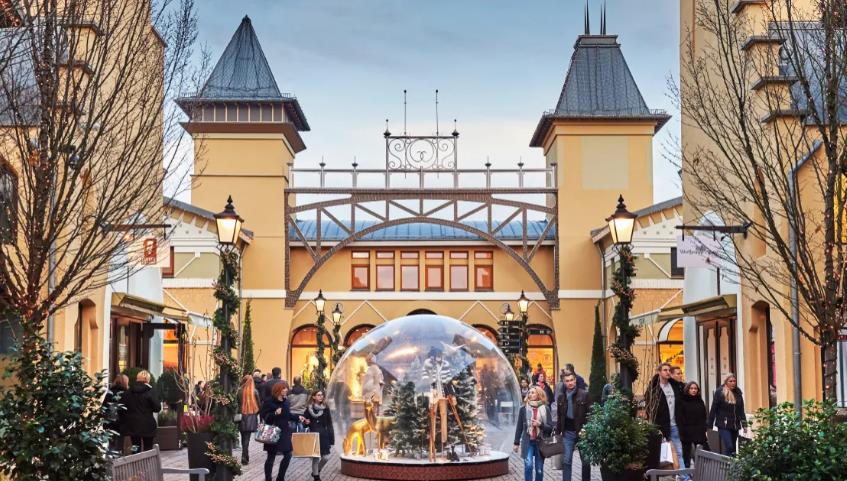
2026 Recommended Attraction in Camperdown (Updated March)
38 posts
2026 Recommended Comprehensive guides in Camperdown (Updated March)
21 posts

Popular Destinations Near Camperdown

2026 Cairns Travel Guide: must-see attractions, popular food, hotels, transport & travel experiences (updated in March)
573 posts
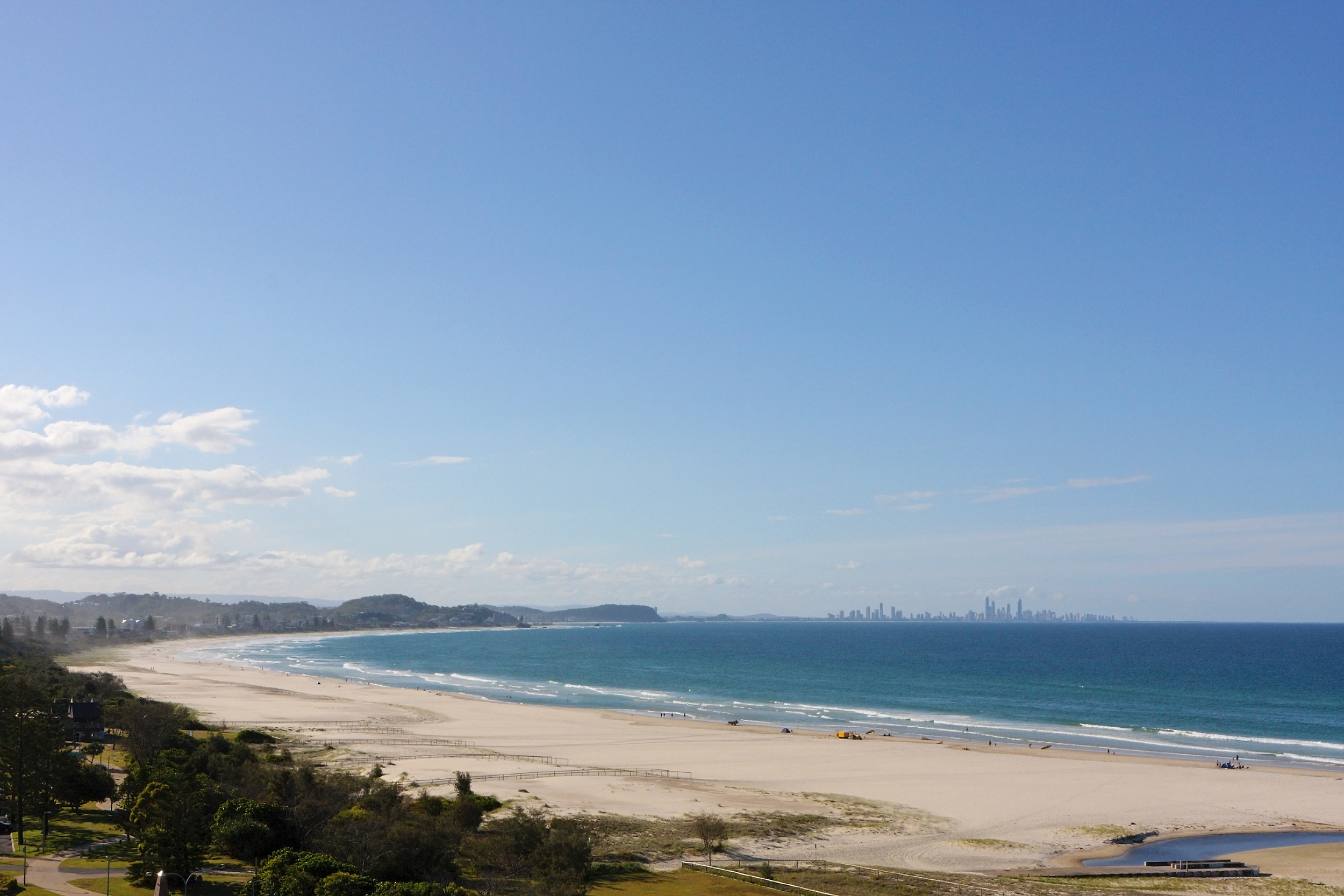
2026 Surfers Paradise Travel Guide: must-see attractions, popular food, hotels, transport & travel experiences (updated in March)
281 posts
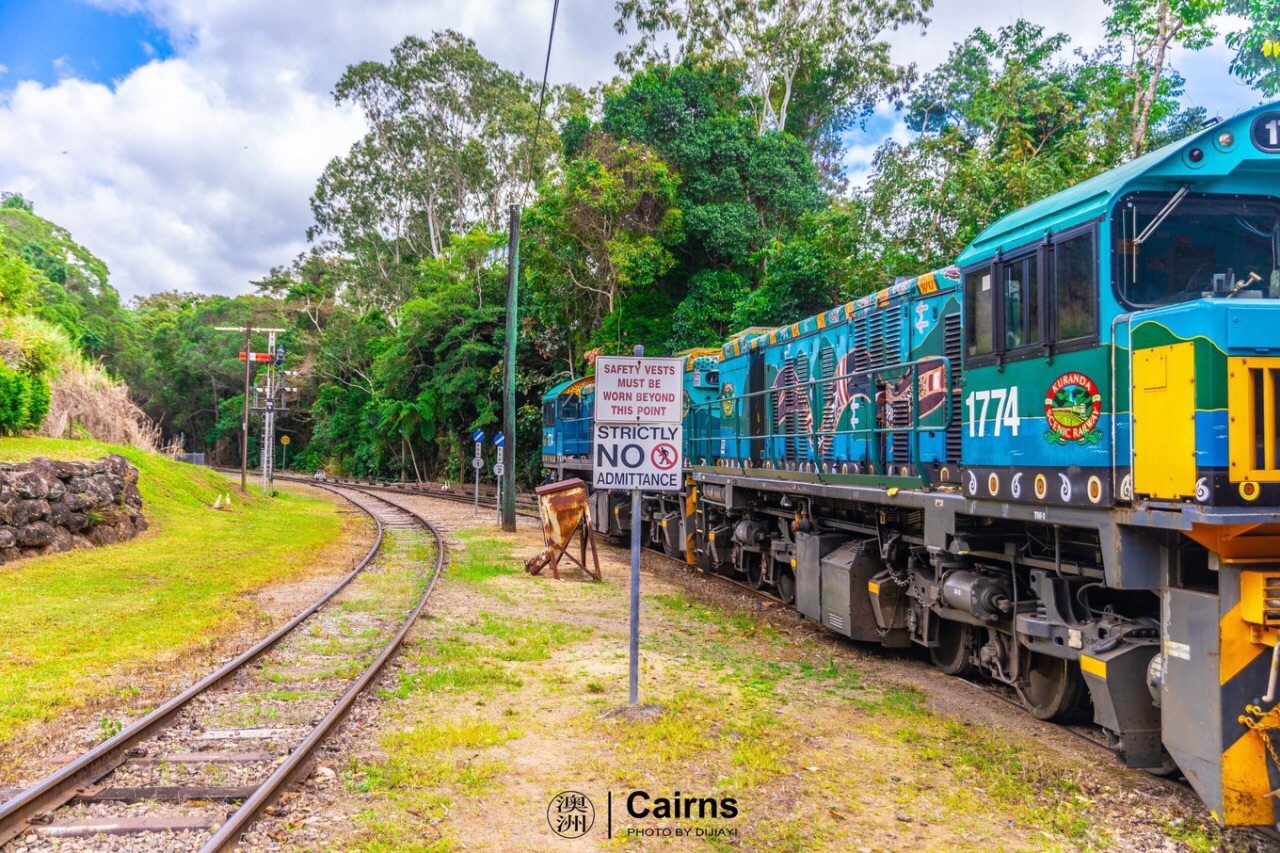
2026 Kuranda Travel Guide: must-see attractions, popular food, hotels, transport & travel experiences (updated in March)
119 posts
- 1
- 2
- 3
Post
More recommendations
Popular Trip Moments
Sydney University of Magic Branch | Sydney CBD Can't Be Hidden Anymore! This Hidden Gem Hotel is Legendary | Sydney City Foodie Adventure | [Ttukboki's Full-Fledged Trip🦶🏻]🇦🇺Sydney 2 Nights 3 Days Part 1 | Winter Sydney Warm Escape Guide for Off-Season Travel Fun! | Hitting the Jackpot with an Australian Group Tour! The 14-Person Small Group Itinerary Is So Comfortable | Sydney's Recommended Tourist Spot: The University of Sydney | Sydney Waterloo Guide: Hidden Gems and Popular Restaurants | A Gothic Academic Light and Shadow Tour, Under the Jacaranda at the University of Sydney | Harry Potter Building | 2026 Sydney Travel Report: A Week of Urban and Natural Blending. Smart Travel Tips and the Realities of Cost of Living | Camperdown Commons: ฟีลบ้านสวนกลางเมืองที่ต้องมา | Shopping guide near Sydney Opera House; 12-hour layover in Sydney - a must-see for budget travelers! 🔥 Direct metro access + zero admission fee, a must-have for those on a tight budget! | Jacaranda Meets Medieval Architecture Beauty | Harry Potter School in Australia! The University of Sydney's Gothic-style campus📚 | University of Sydney | Australian Attractions — 🎓 The Quadrangle, University of Sydney | Comfortable Stay with a Few Minor Issues | The Most Beautiful University | The best trip to Sydney | Sydney's Purple Romance I am absolutely mesmerized by this sea of jacaranda flowers! | University of Sydney - A 175-Year-Old Heritage Campus Tour | Zhou Zerong Museum Exploration Travelogue 📸 | Seasonal limited jacaranda, an absolutely stunning purple! | Southern Hemisphere Spring Exclusive: Sydney Jacaranda Dream Explosion | เดินเล่นชมลมกลางทะเลที่ Pyrmont Bridge Sydney | 🇦🇺Solo female traveler, 4 nights and 6 days, unplanned, in Sydney🐨 | Comfort and Convenience at Rydges Camperdown | University of Sydney
Popular Destinations
Hammond Travel | Motherwell Travel | Kuressaare Travel | Luang Namtha Travel | Valle del Almanzora Travel | Colima Travel | Lingyun Travel | Guimar Travel | Moustiers-Sainte-Marie Travel | Glendale Travel | Libya Travel | Busti Travel | Sao Carlos Travel | Keszthelyi Travel | Shenmu Travel | Killarney Travel | Rock Island Travel | Fangcheng Travel | Bonigen Travel | Wageningen Travel | Bingham County Travel | Lianzhou Travel | Kasaragod Travel | Berne Travel | Uenohara Travel | Kings County Travel | Stanley Travel | Baotou Travel | Ruapehu District Travel | North Hwanghae Travel
Popular Restaurants in Camperdown
Franks Pizza Bar | Rowley's | Bion Societe Cafe | Deus Cafe | The Chris O'Brien Lifehouse - CAFE | Courtyard Restaurant & Bar | acre Camperdown | Gather On The Green | Mcafe | IRo Cafe Restaurant | Urban Pizza Bar | Open Korea | Cafe Missi | DERREL’S | Thai Bites Camperdown | Papaya Thai Eatery & Cafe | Alem's House | Peacock Asian Restaurant 小孔雀-亚洲美食 | Nando's Camperdown | Salisbury Spice Thai Restaurant | Basic Thai | Grounded 2050 Cafe | Zabeli Cafe | Camperdown Commons | Boss lady food & co | Little Lord | Store Espresso | R cafe & restaurant | The Garden Espresso Bar | Matty & Johns Espresso Bar
Popular Ranked Lists
Popular Best Things to Do in Sheyang | Top 50 Must-Visit Restaurants in Toronto | Popular Best Things to Do in Fuzhou | Top 50 Luxury Hotels near Attica | Top 10 Best Things to Do in Naha | Top 50 Luxury Hotels near San Michele al Tagliamento | Popular Best Things to Do in Lichuan | Top 50 Luxury Hotels near Kamo District | Top 50 Must-Visit Restaurants in Christchurch | Top 20 Luxury Hotels near Campania | Popular Best Things to Do in Suifenhe | Popular Best Things to Do in Taoyuan | Top 10 Luxury Hotels near South Bogor | Top 50 Must-Visit Restaurants in Liuzhou | Popular Premium Hotels in Agatsuma District | Top 50 Must-Visit Restaurants in Gold Coast | Popular Best Things to Do in Shuozhou | Top 50 Must-Visit Restaurants in Weihai | Top 20 Luxury Hotels near Satara | Top 50 Must-Visit Restaurants in Da Nang | Top 50 Must-Visit Restaurants in Brisbane | Top 50 Must-Visit Restaurants in Shangri-La | Top 50 Must-Visit Restaurants in Wuxi | Top 50 Best Things to Do in Moscow | Popular Best Things to Do in Dongxing | Top 50 Must-Visit Restaurants in Urumqi | Popular Best Things to Do in Dazhou | Top 10 Local Restaurants in Lushan National Park | Top 50 Must-Visit Restaurants in Cebu | Popular Premium Hotels in Podgorica
About
Payment methods
Our partners
Copyright © 2025 Trip.com Travel Singapore Pte. Ltd. All rights reserved
Site Operator: Trip.com Travel Singapore Pte. Ltd. Travel License No. 02943
Site Operator: Trip.com Travel Singapore Pte. Ltd. Travel License No. 02943