
Hefei Travel Guide 2026: Top Attractions, Local Food & Travel Tips | Trip.com
About Hefei
Recommended trip: 1–3 day(s)
Recommended trip: 1–3 day(s)Current weather conditions
 14°C
Hefei Local Experiences Map









Trending in Hefei
Hefei Local Travel Guide 2026
Hefei Brief Guide
Hefei is a historic site of the Three Kingdoms Period and the hometown of Bao Zheng. Hefei is rich in tourism resources of all kinds to meet the varying wants and desires of travelers. The waterside cloisters and balconied pavilions combine to create the variegated style of Xiaoyaojin Park. The dignified hall of Judge Bao is said to be just like a "green shell on a silver plate". Outside the city you can visit the Sanhe Ancient Town, with its characteristic Hui-style architecture, and the two outlying forest preserves of Zipeng Mountain and Dashu Mountain. Wandering around the mountains, the meandering waters and lush forests paint an idyllic picture of the natural landscape intertwined with a sense of culture.
Hefei Must-try local experiences
1. Discover Hefei's Historic Treasures Visit Mingjiao Temple, Lord Bao Memorial Temple, and Anhui Museum to explore Hefei's rich history and cultural heritage. 2. Visit the Hefei Science and Technology Museum The Hefei Science and Technology Museum offers interactive exhibits and a fun, educational experience for all ages. 3. Discover the Sanhe Ancient Town Sanhe Ancient Town is a well-preserved historical area with traditional architecture, ancient bridges, and narrow streets, showcasing old Hefei's charm. 4. Experience the Hefei Wildlife Park Hefei Wildlife Park offers an educational and fun experience with a variety of animals, promoting wildlife conservation. 5. Delve into the World of Traditional Chinese Opera Experience Huangmei Opera at the Anhui Huangmei Opera Theatre, with its elaborate costumes, expressive singing, and captivating storytelling. 6. Explore Local Handicrafts Visit markets and workshops to see traditional Anhui handicrafts like paper-cutting, bamboo weaving, and inkstone carving, perfect for unique souvenirs. 7. Savor the Flavors of Hefei Embark on a culinary adventure with local specialties like hairy tofu and Luzhou Roast Duck. 8. Shop for Souvenirs and Local Products Explore Huaihe Road Pedestrian Street and Sanxiaokou Shopping Area for local handicrafts, souvenirs, and unique treasures. 9. Enjoy a Scenic Cruise Take a relaxing river cruise along the Fei River to soak in the city's charm and gentle breeze, or head to Chaohu Lake for stunning views and a peaceful escape, perfect for a serene boat ride.
Hefei Must-see Attractions
Hefei, a city rich in cultural and historical sites, features attractions such as the Ming and Qing-style Sanhe Ancient Town, the scenic Lord Bao Park, the educational Former Residence of Li Hongzhang, the culturally enriching Anhui Museum, and the historically significant Hefei Rongchuang Park, making it a compelling destination for those interested in history, architecture, and nature. Sanhe Ancient Town in Hefei is celebrated for its heritage as a Ming and Qing-style water town intersected by three rivers. The ancient town's aesthetic, with its white-walled, gray-roofed architecture and bluestone-paved streets, provides a vivid snapshot of historical China, enriching visitors' cultural and visual experience. The serene environment and classical landscape make it an ideal spot for those interested in history and architecture. Lord Bao Park, set in Hefei, honors the Song Dynasty official, Bao Zheng, with its serene and scenic layout spanning 34.5 hectares. Visitors can experience tranquility at Lord Bao Tomb and Qingfeng Pavilion, enjoy the beautiful gardens and pavilions, and explore historical monuments along the scenic Baohe River, making it an ideal spot for both relaxation and cultural exploration. The Fromer Residence of Li Hongzhang in Hefei offers a deep dive into the life of Li Hongzhang, an influential late Qing dynasty figure. Visitors can explore his contributions to China’s modernization and military through engaging exhibits. Set in his birthplace, the residence combines historical education with reflections on international treaties and their impacts on China. Anhui Museum in Hefei is a distinguished cultural venue encompassing two sites, both reflecting the depth of Anhui's historic and artistic heritage. With collections that vary from bronze ware to calligraphy and paintings, it provides a vast panorama of the region's cultural artifacts. The architecture of the museum integrates Huizhou styles, presenting a traditional ambiance, while technologically advanced conservation facilities highlight its modern capabilities. Special yearly exhibitions further enrich visitor experiences, making it a cornerstone of cultural education and preservation in Anhui.
Hefei Food Guide
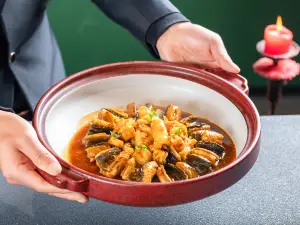
Hefei offers an eclectic mix of culinary delights, from the historically rich and complex Li Hongzhang Chop Suey, to authentic street food like Furong Egg Rolls, the sweet and traditional Osmanthus and Red Bean Paste, and the distinctively flavored Smelly Mandarin Fish, offering a varied gastronomic experience for food enthusiasts. Li Hongzhang Chop Suey, a celebrated Anhui specialty, was personally named by Li Hongzhang. This dish is prepared with a blend of ingredients, including chicken and sea cucumber, creating a rich and complex flavor profile. The enticing aroma can be appreciated even before the dish reaches the table. Furong egg rolls are a beloved street food from Hefei, cherished by many food lovers. The roll is packed with gluten, bean sprouts, and other fillings, complemented by chopped marinated eggs and fresh cilantro, and finished with a drizzle of chili oil and garlic sauce, creating a tantalizing sight. Osmanthus and red bean paste is a distinctive snack from Hefei, crafted with red beans, sweetened osmanthus, and lotus root powder. The combination of tender, sweet red beans and subtle osmanthus aroma creates a delightful sweet taste without being cloying, leaving a memorable fragrance on your palate. Smelly mandarin fish, a classic dish in Hui cuisine, is known for its strong odor yet delightful flavor. The preparation involves marinating the fish in a light brine for nearly a week until it develops a distinctive smell. Following this, it's briefly fried and then slow-cooked with bamboo shoots, among other ingredients. This culinary creation offers a rich and savory taste that lingers pleasingly on the palate.
Hefei Transportation
Hefei's transportation network is well-developed, with Hefei Xinqiao International Airport and Hefei South Railway Station being the major hubs for intercity travel. Hefei Xinqiao International Airport (IATA: HFE) is the primary airport serving the region, located about 40 kilometers from the city center. It operates a wide range of domestic and international flights, connecting Hefei with major cities globally. To reach the city from the airport, passengers can use shuttle bus services with various lines and stops, or take a taxi. Hefei South Railway Station, a comprehensive transportation hub, is situated in Baohe District and serves as a key point for high-speed long-distance trains. It is connected to the city via Hefei Metro Lines 1, 4, and 5, offering easy access to various parts of the city. The station itself is equipped with multiple levels, including waiting areas, ticket offices, and a range of transportation options like city buses and taxis. Hefei's metro system, known as Hefei Rail Transit, offers a convenient and efficient way to navigate the city. With five operational lines and a total of 172 stations, the metro covers significant parts of Hefei. The city also boasts a comprehensive bus network with over 100 routes, ensuring connectivity across Hefei. Buses run from early morning till evening. For those looking to explore the city at their own pace, bike-sharing remains a competitive and affordable travel option, with extensive coverage areas.
Hefei Where to Stay
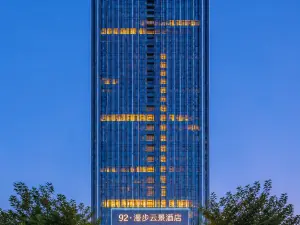
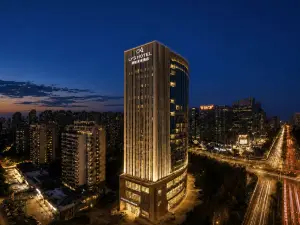
Hefei is a vibrant city that offers a diverse range of accommodation areas, each with its own unique charm and characteristics. The city's hotels and places to stay are spread across various districts, providing visitors with a wide array of choices to suit their preferences and travel needs. From bustling commercial centers to serene lakeside districts, Hefei's accommodation scene caters to both business and leisure travelers, ensuring a comfortable and convenient stay. Convenient Shopping and Cultural Experience: Close to Huaihe Road Pedestrian Street, the area allows for easy shopping and dining. It's a cultural hub with sites like Xiaoyaojin Park and Li Hongzhang's former residence, blending modernity with history.The area is also super convenient, with easy access to Line 2 of the subway at Sipailou, making getting around a breeze. Vibrant Nightlife: The region comes alive at night with entertainment. Visitors enjoy bars, restaurants, and street performances that showcase the city's dynamic nightlife. Comfortable Accommodations: A range of hotels, from budget to luxury, offer well-equipped rooms for all preferences. Many provide amenities such as fitness centers and breakfast services for a satisfying stay. Athletic and Events Hub: Situated around the Hefei Sports Center, this area is ideal for visitors attending sports events or concerts. The center is a key venue for both local and international events, providing entertainment and athletic engagement. Leisure and Recreation: The vicinity of the Hefei Sports Center offers various recreational facilities, including parks and leisure centers, where visitors can relax or engage in recreational activities. Convenient Accommodation: The area offers several comfortable lodging options, suitable for families and groups visiting for events, ensuring convenience and accessibility to the sports center. Cultural Heritage and Architecture: Sanhe Ancient Town is a historical gem, showcasing traditional Ming and Qing dynasty architecture. Visitors can delve into the town's cultural heritage, ancient structures, and scenic waterways. Peaceful Retreat: Offering a serene alternative to urban clamor, the region promises a tranquil setting with its picturesque landscapes. It's perfect for those desiring peaceful accommodation in an ancient town's embrace. Local Cuisine and Handicrafts: Renowned for its local fare, the area features traditional snacks and dishes that capture the region's culinary essence. Guests can also find unique handicrafts and souvenirs to commemorate their visit.
Hefei Best Time to Visit
The optimal period to visit Hefei is during autumn, specifically from August to October, when the weather is quite favorable with crisp fall days. This season offers a comfortable climate for exploring the city's historical sites and enjoying the natural beauty without the hindrance of extreme temperatures or heavy rainfall. Additionally, spring, from March to May, presents a mild and pleasant climate, making it another recommended time for a visit, especially for those interested in the city's blooming flora and cultural events. However, it is worth noting that spring can be rainier, which may affect outdoor activities.
Hefei Useful Guide
The official language of Hefei, a city in Anhui Province, China, is Mandarin Chinese, specifically Hefei Mandarin, a sub-branch of Jianghuai Mandarin. While Mandarin serves as a lingua franca, Hefei's Mandarin dialect has unique phonetic characteristics. Translation services, including language apps and professional interpreters, are available to assist travelers. The city's multilingualism is less prevalent, but English is spoken in tourist areas and major cities. For effective communication, travelers are encouraged to learn basic Mandarin phrases and use non-verbal cues like gestures. Alipay: Widely used in China for easy and secure payments, Alipay’s QR code scanning makes transactions simple and also offers transportation booking options. WeChat: Almost indispensable in China, WeChat functions not only as a messaging and social media platform but also supports payments and has a mapping feature for navigating, with more than 1 billion active users. DiDi Chuxing: Often compared to Uber, DiDi provides an efficient way to hail rides across China with an integrated feature through Alipay for seamless payment. Baidu Maps: Preferred for navigation in China due to its detailed and real-time traffic updates, superior to other map apps in the local context. MetroMan: Helpful for navigating metro systems across major cities, offering route planning and cost calculation, making city exploration more manageable. Trip.com: A popular online travel platform that provides a comprehensive range of services including booking flights. Mobile data packages for immigrants in China are available through local carriers such as China Mobile and China Unicom. China Mobile offers prepaid data SIM cards with unlimited text messages and calls within China, and high-speed connections, sometimes even 5G. China Unicom provides SIM cards with data packs that include unlimited music applications, and both do not require long-term contracts. Public WiFi in China is widely available in places like airports, restaurants, coffee shops, and malls. However, connecting to these networks often requires a Chinese phone number for text verification, which can be a challenge for travelers without a local SIM card. Hefei experiences a temperate climate with cold winters and hot, humid summers. The city is subject to a subtropical monsoon climate, with significant rainfall during the warmer months and occasional snow in winter. Travelers should pack warm clothing, including coats, hats, and gloves for the winter months, as temperatures can drop below freezing. During the hot and muggy summer, light and breathable clothing is recommended, along with rain gear to handle the frequent showers. It is also advisable to stay updated with weather forecasts and be prepared for potential typhoons from June to early November. For protection against intense heat or cold, travelers should consider wearing sunscreen, sunglasses, and staying hydrated. In Hefei, mobile payments and cash are the widely used payment methods for transactions.
Trip.Best: Hefei


Plan Your Hefei Trip
What to do


Where to stay






What to eat




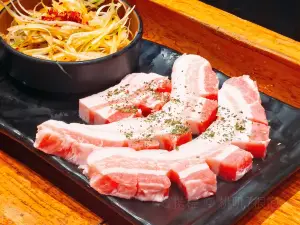
Hefei Moments: Through Travelers' Eyes
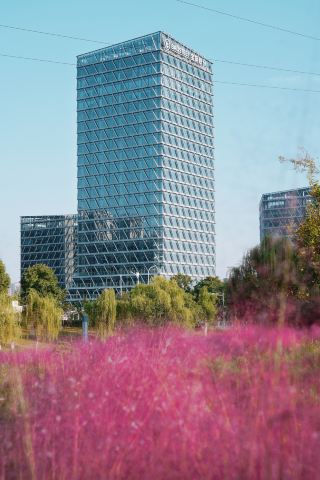
Hefei Luzhou Park | The pink muhly grass is in full bloom


Stayed in a room in the Lujiang mines, waking up to mountains and the sun


This family-friendly hotel in Lujiang is amazing!

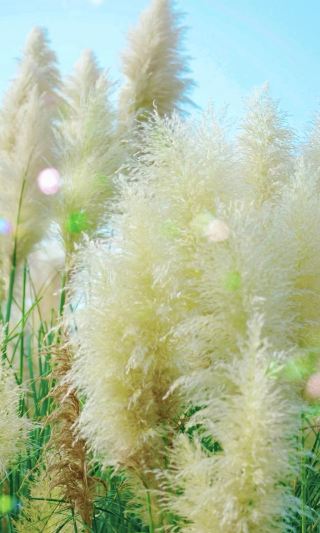
The sea of reed flowers that arrives with autumn is so beautiful and photogenic

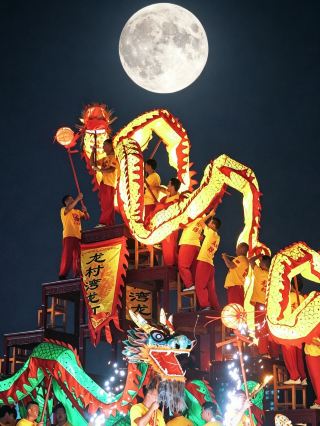
Hefei Huiyuan these past two days | A conservative estimate is that there are 100 million people here
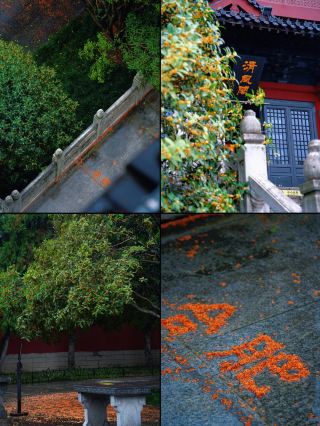
A rainy day in Hefei, carrying the scent of Luzhou's osmanthus

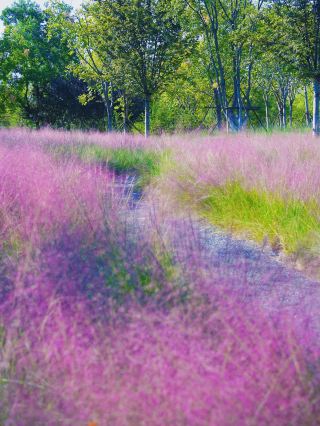
It's time to fall for Hefei again—the pink sea at Luogang Park is here


I wore this dress for a photoshoot before the sunset at the mine

Best of Hefei
Top 10 Gourmet Hotels in Hefei



Top 20 4-Star Select Hotels in Hefei


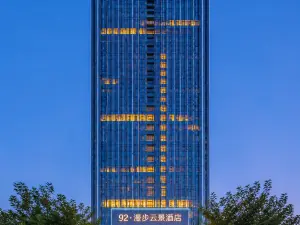


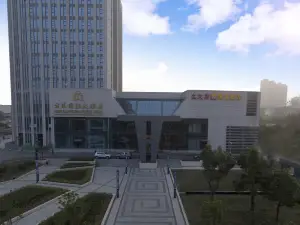


Popular Best Things to Do Near Hefei


Popular Family-friendly Attractions Near Hefei


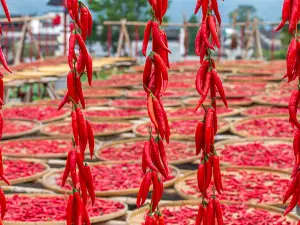
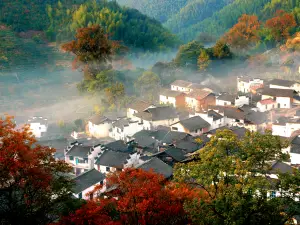
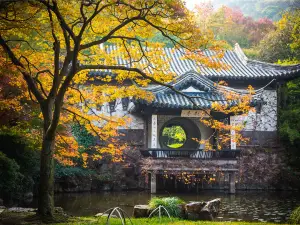
Popular Fall Viewing Attractions Near Hefei

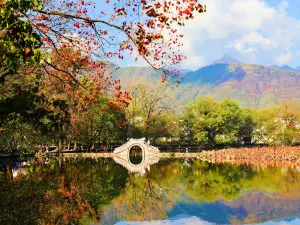
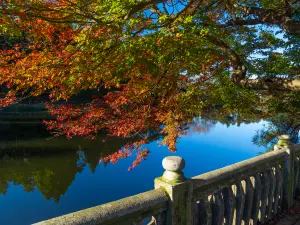


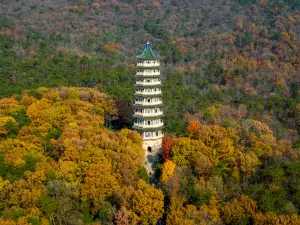
Popular Luxury Hotels Near Hefei






Popular Ski Resorts Near Hefei


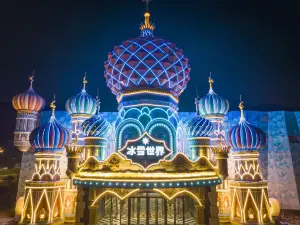


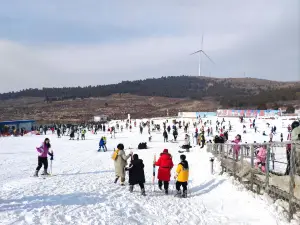
Popular Family Hotels Near Hefei





Popular Hot Springs Attractions Near Hefei


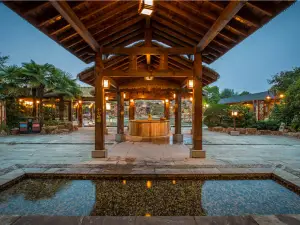





Popular Scenic Hotels Near Hefei


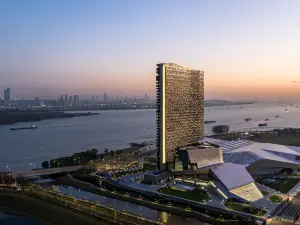


Other recommended cities

Hangzhou
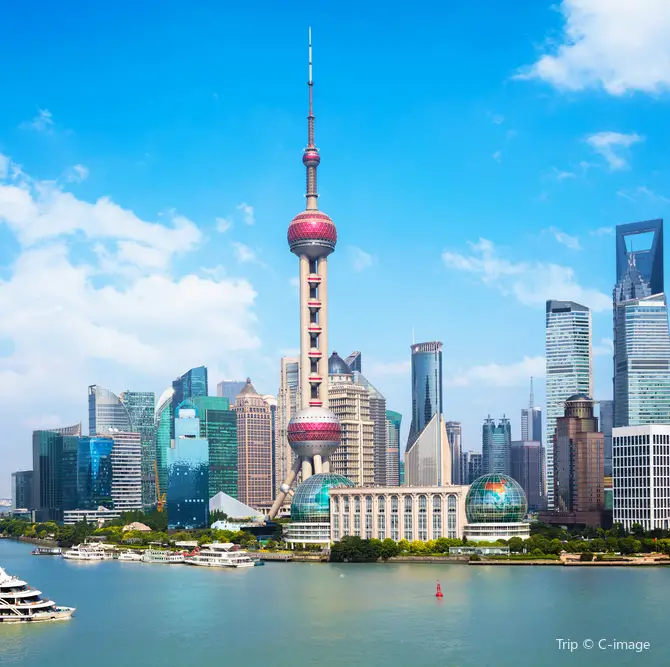
Shanghai
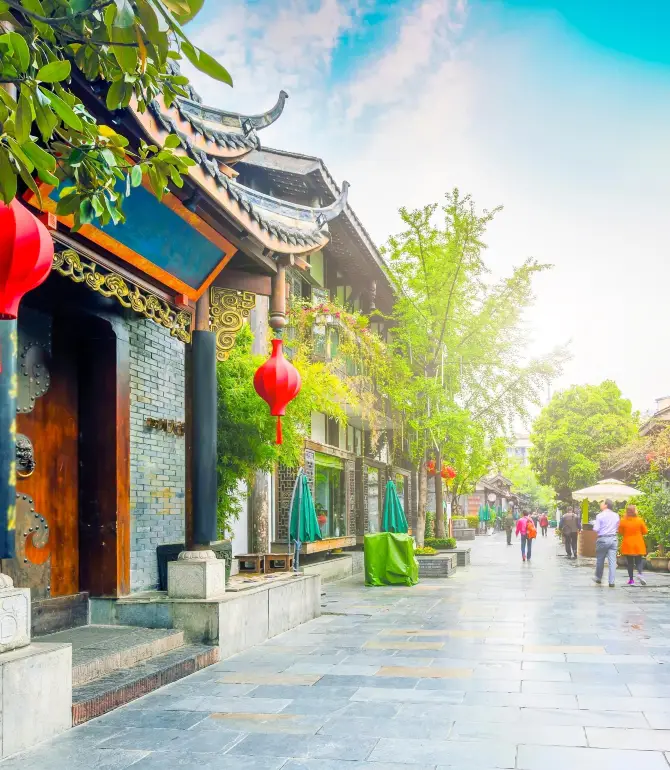
Chengdu