
Top picks for Al Bairat Day tours
Discover 41 Day tours in Al Bairat on Trip.com, updated March 8, 2026, with experiences lasting from 1 to 24 hours. Find the perfect adventure for your day!
From PHP 1,614.01 per person, with an average total of PHP 7,692.72. Choose the option that suits your plan.
With 12 verified reviews, Day tours Al Bairat boast an average rating of 4.1.
This week's most popular Day tours: "Luxor Hot Air Balloon Ride [First Flight/Sunrise Viewing/Hotel Transfer/Overlooking Egyptian Landscapes]", with 4 reviews and a 5 rating.
Now on Trip.com: "Luxor East Bank Day Tour: Karnak, Luxor Museum, and Temple Night View Experience", a 10-hour adventure in Al Bairat!
The next available day tour departs on March 9, 2026. Book now to secure your spot!
Al Bairat Day tours usually take about 10 hours — perfect for a relaxed, immersive experience!
94% of Al Bairat Day tours now offer English-speaking guides
March is perfect for visiting Al Bairat! Choose from Day tours available day tours, including seasonal hits like Luxor Hot Air Balloon Ride [First Flight/Sunrise Viewing/Hotel Transfer/Overlooking Egyptian Landscapes].
Your trip, worry-free! All day tours are run by licensed suppliers with verified reviews, and many include free cancellation before departure.
41 results for Al Bairat Day tours
 Complimentary horse-drawn carriage tour experience at Luxor Temple. Explore the magnificent Karnak in depth during the morning, and admire the solemn night view of Luxor Temple under the lights in the evening.Free cancellationDuration: 10 hrsFromPHP 7,401.09
![Luxor Hot Air Balloon Ride [First Flight/Sunrise Viewing/Hotel Transfer/Overlooking Egyptian Landscapes]](https://ak-d.tripcdn.com/images/0350h12000esfvdbcB634_C_568_320.jpg?_fr=wc) The service was excellent. It's not that Turkey is unaffordable, but Egypt offers better value for money~Free cancellationDuration: 55 mins5.0/5Excellent· 4 reviews· 67 bookedFromPHP 5,977.80
The service was excellent. It's not that Turkey is unaffordable, but Egypt offers better value for money~Free cancellationDuration: 55 mins5.0/5Excellent· 4 reviews· 67 bookedFromPHP 5,977.80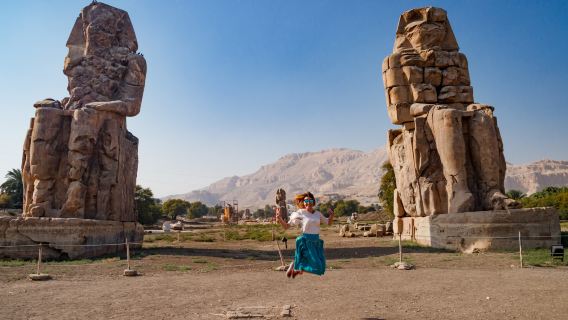 Private air-conditioned car with professional driverFree cancellationDuration: 6.9 hrsFromPHP 3,276.88
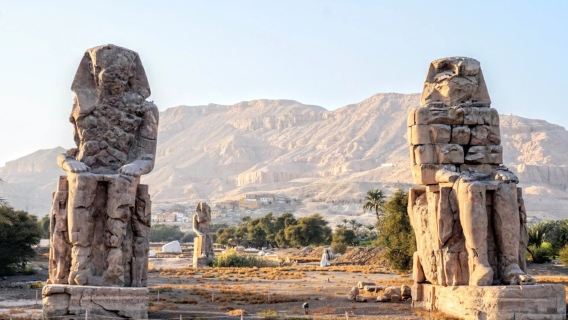 Private charter airport transfers, no early wake-ups, less walking, hassle-free, guaranteed timing, exclusive vehicle, no join-in tours, comfortable and worry-free.Duration: 6 hrsFromPHP 17,070.88
 The first flight welcomes the sunrise, capturing soft morning light; the second and third flights depart later, offering more rest time and clear panoramic views to suit different preferences.Free cancellationDuration: 1.2 hrsFromPHP 4,744.29
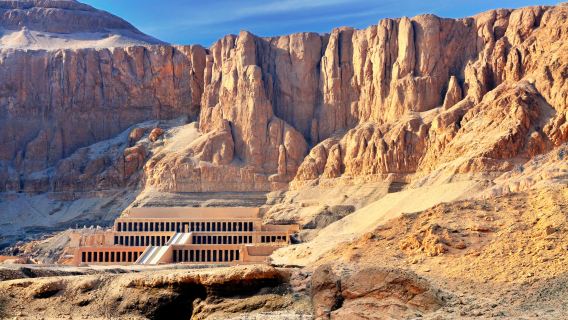 Private tour for 2, with flexible private transfers, freely explore the core monuments on both the East and West Banks of Luxor. Enjoy a self-guided itinerary, no join-in tours, no shopping, for an in-depth experience of Egyptian civilization.Duration: 10.3 hrs3.5/5· 2 reviewsFromPHP 6,642.00
 Free cancellationBook now for todayDuration: 6 hrsFromPHP 3,421.06
 Perfect for travelers searching for: Luxor day trip, Luxor tour package, Luxor sightseeing, private Luxor tourDuration: 8.5 hrsFromPHP 14,877.03
 Free cancellationBook now for todayDuration: 6 hrsFromPHP 3,078.95
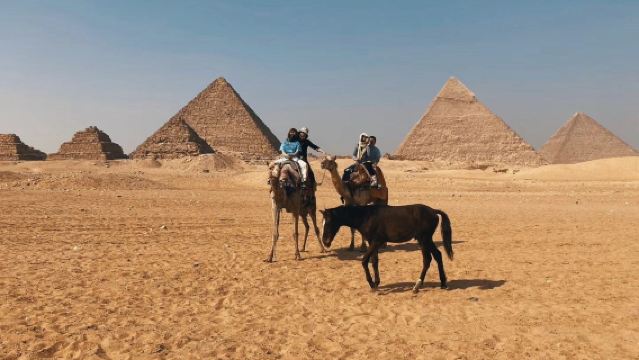 62 travelers savedDuration: 9.5 hrs5.0/5Excellent· 2 reviews· 28 bookedFromPHP 8,539.71
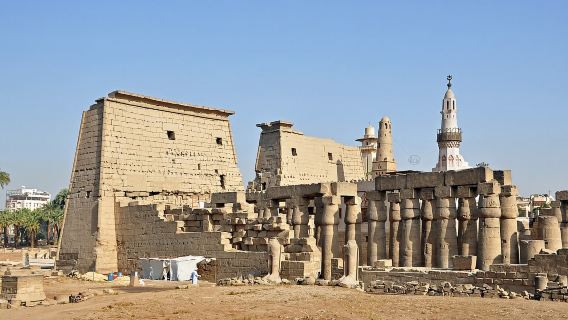 Karnak's Great Hypostyle Hall, touch the sacred scarab carvings; in the evening at Luxor Temple, witness the magical moment when lights awaken the millennia-old stone walls.Free cancellationDuration: 4.5 hrsFromPHP 2,372.15
![One-Day East and West Bank Tour in Luxor, Egypt [Departing from Hurghada] with Hotel Pickup and Drop-off in Luxor](https://ak-d.tripcdn.com/images/0357112000l50xfmuC205_C_568_320.jpg?_fr=wc) [Attractions] Valley of the Kings/Mortuary Temple of Hatshepsut/Luxor Temple/Karnak/Colossi of Memnon/Nile cruiseDuration: 7.5 hrsFromPHP 22,772.56
[Attractions] Valley of the Kings/Mortuary Temple of Hatshepsut/Luxor Temple/Karnak/Colossi of Memnon/Nile cruiseDuration: 7.5 hrsFromPHP 22,772.56![Luxor 1-day tour to Valley of the Kings + Karnak + Luxor Temple [Private vehicle with guide + Lunch]](https://ak-d.tripcdn.com/images/0101712000etg9oezACC8_C_568_320.jpg?_fr=wc)
Luxor 1-day tour to Valley of the Kings + Karnak + Luxor Temple [Private vehicle with guide + Lunch]
Embark on an unforgettable day tour in Luxor to explore Egypt's iconic and historically rich attractionsFree cancellationDuration: 6 hrsFromPHP 5,436.95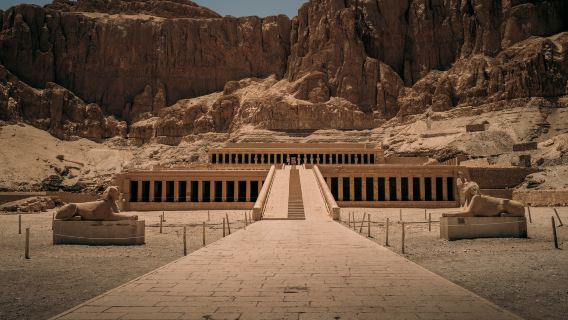 Experience the breathtaking hot air balloon ride over Luxor and explore the underground tombs of the Valley of the Kings in one trip. This efficient itinerary also connects two major historical sites—the Temple of Hatshepsut and the Colossi of Memnon—allowing you to discover the highlights of Luxor's West Bank.Free cancellationDuration: 5.6 hrsFromPHP 10,437.43
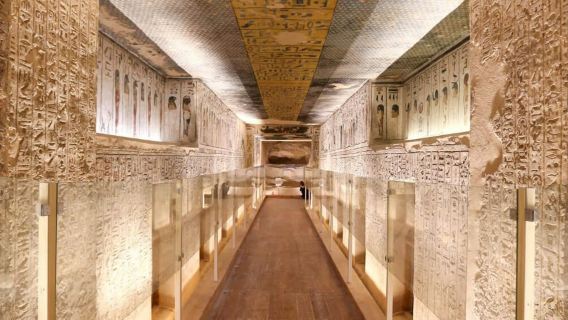 Free cancellationBook now for todayDuration: 6 hrsFromPHP 3,831.58
 Free cancellationBook now for todayDuration: 15 hrsFromPHP 6,500.00
 Free cancellationDuration: 8 hrsFromPHP 6,185.95
 Cultural food adventure. Each meeting is personal, with only your own family/party and the local family. This experience is World Fair Trade Organization certified.Free cancellationDuration: 24 hrsFromPHP 2,851.28
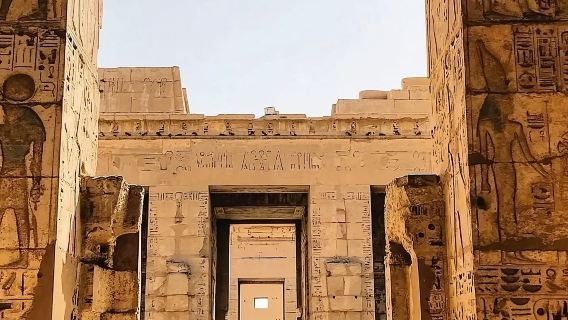 Karnak: A vast temple complex of ancient Egypt, featuring hundreds of colossal stone pillars adorned with exquisite relief carvings.Free cancellationDuration: 4.2 hrsFromPHP 8,539.71
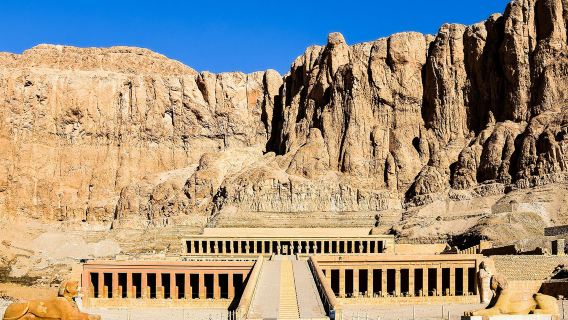 Begin at the Valley of the Kings, also known as the Valley of the Gates of the KingsFree cancellationDuration: 4 hrsFromPHP 5,308.54
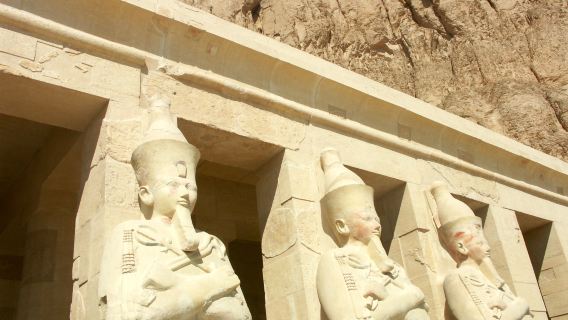 Explore ancient temples on Luxor's West Bank and discover the Valley of the KingsDuration: 5 hrsFromPHP 5,218.72
![Luxor Temple + Valley of the Kings + Karnak 1-day Tour [Flexible Itinerary]](https://ak-d.tripcdn.com/images/0351712000r4v3ryhF96F_C_568_320.png?_fr=wc) Professional local drivers provide attentive service with familiar routes, paired with one-on-one dedicated Chinese customer support, ensuring quality assurance.Duration: 6 hrsFromPHP 12,809.57
Professional local drivers provide attentive service with familiar routes, paired with one-on-one dedicated Chinese customer support, ensuring quality assurance.Duration: 6 hrsFromPHP 12,809.57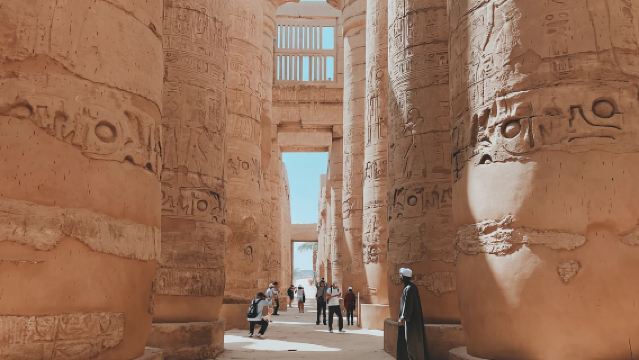 Marvel at the breathtaking temples of ancient Egypt and listen to the guide share their rich history and cultureDuration: 2.5 hrsFromPHP 5,076.39
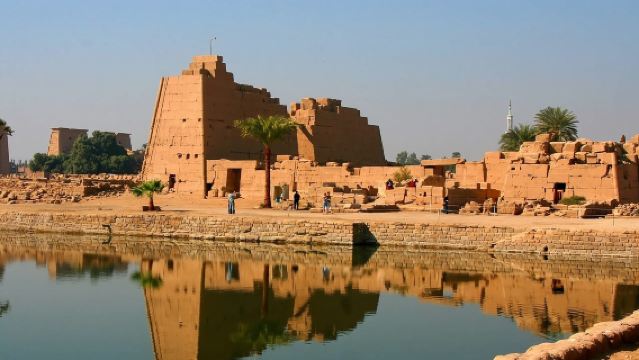 No rushed itinerary, no shopping stops—you set the pace for temple visits. With a dedicated driver waiting, enjoy ample time to immerse yourself in the millennia-old civilization.Duration: 8.9 hrsFromPHP 16,130.57
 Sunrise hot air balloon ride over historical sitesDuration: 1 hrFromPHP 6,452.23
 Enjoy hassle-free private charter transfers throughout your journey, offering flexibility and comfort with dedicated vehicles and guides, allowing you to explore two major temples on the East Coast with ease.Duration: 6.5 hrsFromPHP 8,539.71
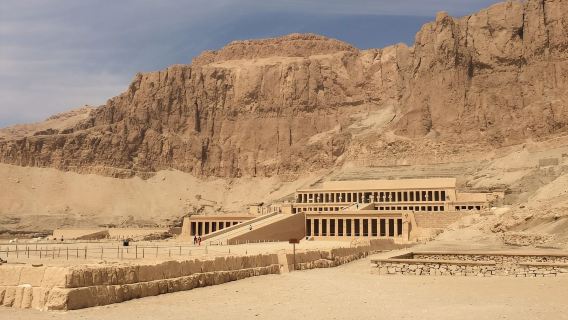 Discover the Wonders of Egypt: Valley of the Kings, Temple of Hatshepsut, and Colossi of MemnonDuration: 7.5 hrs1.0/5· 1 reviewFromPHP 8,349.94
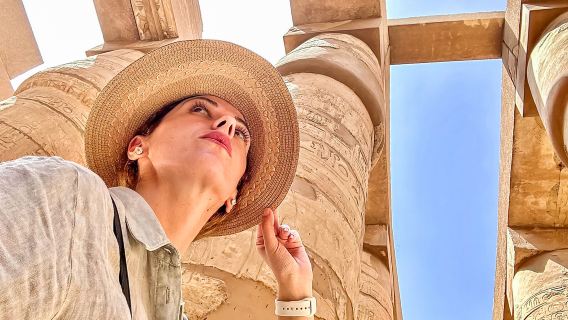 Explore the Valley of the Kings, the royal burial site of ancient pharaohs.Duration: 16.5 hrs5.0/5Excellent· 1 reviewFromPHP 2,293.82
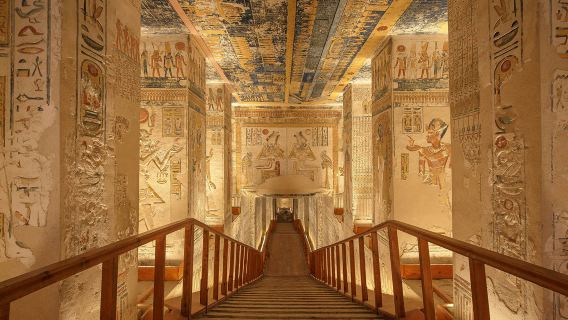 Embark on a captivating journey with to discover the Valley of the Kings. also known as the Valley of the Gates of the KiFree cancellationDuration: 2.5 hrsFromPHP 3,244.11
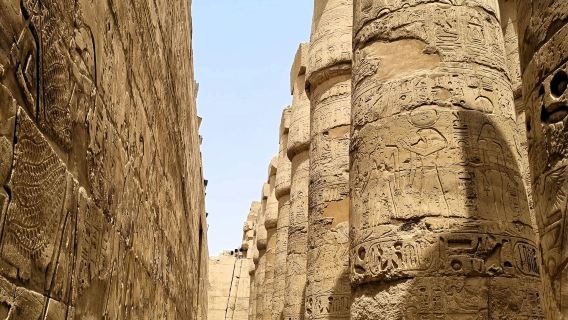 Explore Luxor's Ancient Wonders: Discover the treasures of both the East and West Banks of the Nile in one unforgettable day.Duration: 17.8 hrsFromPHP 14,418.26
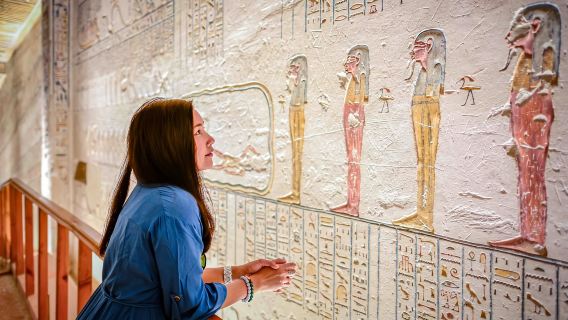 Karnak Temple, Valley of the Kings, Tomb of Tutankhamun, Temple of Hatshepsut, Colossi of Memnon, Nile cruiseDuration: 11 hrsFromPHP 12,430.03
 78 travelers savedDuration: 9.5 hrs5.0/5Excellent· 2 reviewsFromPHP 16,415.23
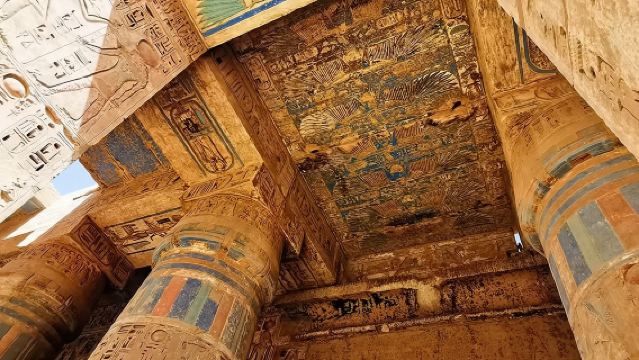 24/7 customer supportDuration: 7.5 hrsFromPHP 4,744.29
 Private English-speaking Egyptologist guideDuration: 4 hrsFromPHP 5,693.15
 Exploring the Pharaohs' Tombs in the Valley of the Kings: Millennia-old Murals and Mysterious Mausoleums That Astonish the SensesFree cancellationDuration: 20 mins46 bookedFromPHP 1,614.01
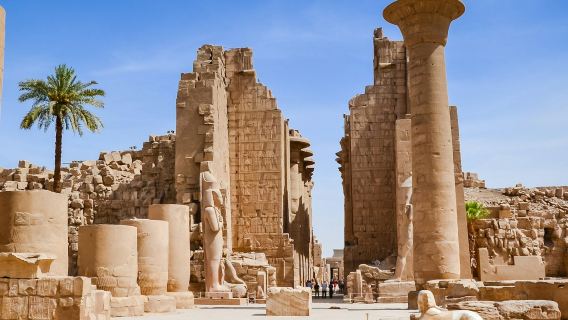
Explore top experiences
See what other travellers love, based on ratings and bookings
Frequently asked questions about Al Bairat Day tours
How many Day tours are available in Al Bairat on Trip.com?
What are the best Day tours in Al Bairat?
What are the top-rated Day tours in Al Bairat?
What are the recommended itineraries in Al Bairat?
How can I contact Trip.com customer support?
Can I change or cancel my booking?
How can I get discounted prices?
Trip.com Picks
Popular Products
Popular activities
Popular Things to Do
Reviews/Trip Moments


About






Site Operator: Trip.com Travel Singapore Pte. Ltd. Travel License No. 02943