2026 Mainling Travel Guide: must-see attractions, popular food, hotels, transport & travel experiences (updated in March)
Essential Travel Information for Mainling
Mainling Today's weather
Overcast 3-15℃

Latest Travel Trends in Mainling
Popular Attraction in Mainling
Yarlung Zangbo Grand Canyon
(599)Nanyigou Scenic Area
(9)All Trip Moments about Mainling | Travel Experiences
Must-See for Besties Visiting Tibet: 5 Days 4 Nights Luxury Snow Mountain Peach Blossom Tour
March marks the annual Peach Blossom Festival in Nyingchi, Tibet! Besties planning to see the peach blossoms during winter break, get ready to pack your bags!! - 🏔️Winter Highlights in Nyingchi: ✅Fewer crowds and beautiful scenery, enjoy the secret peach blossom spots exclusively with your bestie, no crowded photos ✅Snow mountains and peach blossoms in one frame, a visual feast, shoot stunning photos with your bestie ✅Relatively mild climate, comfortable feel, super pleasant trip with your bestie ✅Experience the spring vibe of the "Jiangnan of Tibet" early and start a wonderful year - 📅Itinerary: 5 Days 4 Nights Peach Blossom Hunt 🌼Day 1: Arrive in Nyingchi - Rest and Adapt • Pick up at Milin Airport, check into a Tibetan-style boutique hotel, adapt to the highland environment with your bestie • Leisurely afternoon tour of Bayi Town, taste stone pot chicken, share delicious food with your bestie • Evening stroll along the Niyang River, enjoy the river view, slowly acclimate 🌼Day 2: Yarlung Tsangpo Grand Canyon - Suosong Village • Travel along the Yarlung Tsangpo River, admire Namcha Barwa Peak from afar, marvel at the majestic snow mountains with your bestie • Visit ancient wild peach trees in the canyon, buds already visible, take close-up shots of buds with your bestie • Stay at a scenic guesthouse in Suosong Village, watch the golden sunlight on the mountain with your bestie 🌼Day 3: Bomi Peach Blossom Valley - Guxiang Lake • Head to Bomi, enjoy the scenery of the Palong Tsangpo River along the way, take photos with your bestie all the way • Stroll through Peach Blossom Valley, century-old wild peach trees against snow mountains, shoot group photos with your bestie • At Guxiang Lake, see peach blossoms reflected in the clear water, take reflection photos with your bestie 🌼Day 4: Gala Village - Lulang Forest Sea • Visit Gala Village, the "First Peach Blossom Village," wander through the peach blossom forest with your bestie • Cross Sejila Mountain, trek through the forest sea and snowfield, experience snow and forest scenery with your bestie • Taste Lulang stone pot chicken, feel the Gongbu culture, feast heartily with your bestie 🌼Day 5: Free Activities - Warm Farewell • In the morning, visit Biru Sacred Mountain or Cuomu Jiri with your bestie for more sightseeing and photos • Transfer to the airport according to flight schedule, end the wonderful trip with your bestie - 🌸Peach Blossom Festival Tips: • Bloom forecast: Peak bloom is mid to late March every year, but early peach blossoms appear by late February, plan ahead with your bestie • Viewing spots: Bomi Peach Blossom Valley, Gala Village, Suosong Village, Tunbai Village, check them off one by one with your bestie • Photo tips: Soft morning light, clear layers of snow mountains and peach blossoms, get up early with your bestie for great shots - 🏨Luxury Scenic Stays: Village Peach Blossom Charm Hotel 180-degree snow mountain view rooms facing Namcha Barwa Peak with no obstruction, stay with your bestie and both enjoy stunning views, perfect for photos! The hotel offers Tibetan costume rentals, super convenient for travel shoots with your bestie Evergrande Hotel Rooms with unique Tibetan features, cozy little courtyard full of charm. At night, the lights against the distant snow mountains are especially warm, chatting in the courtyard with your bestie is super relaxing! - 📌Travel Notes: Strong highland sun in winter, remind each other to bring sunscreen, sunglasses, and hats with your bestie Big temperature difference between morning and night, prepare down jackets and warm clothes, share warmth tips with your bestie Avoid strenuous exercise upon arrival, drink plenty of water and bathe less, take care of each other with your bestie Recommend chartering a car or joining a small group for more flexible and free itinerary, have more fun with your bestieNoraRoberts_125Will you experience altitude sickness when going to Tibet during the Peach Blossom Festival? How to prevent it?
🚗 One of the most frequently asked questions about coming to Lhasa is whether you will suffer from altitude sickness. This is also why many friends hesitate to visit Tibet. Are taking Altitude Sickness Pills or Rhodiola effective? About altitude sickness: 🚗 Lhasa is at an altitude of 3,650 meters. For friends coming from low-altitude southern cities, it is unrealistic not to experience some altitude sickness upon arrival. The body needs an adaptation period of about 3-5 days. It is not recommended to engage in strenuous exercise on the day you arrive. Sister Yingzi suggests resting quietly in the hotel (it is recommended to choose a hotel with diffuse oxygen supply). Avoid overeating and drinking alcohol on the first day. ⚠️ About 💊: Rhodiola and Altitude Sickness Pills are basically a scam. If you have a headache upon arrival and have trouble sleeping that night, it is recommended to have glucose, An S brain tonic, and Xin Nao Xin tablets on hand to help relieve insomnia and headaches. Getting enough sleep can greatly alleviate altitude sickness. If you experience vomiting or chest tightness, please seek medical attention promptly. Nearby clinics have effective treatments for altitude sickness, so there is no need to panic. ⚠️ About the itinerary: For people around 60 years old with enough time, it is better to land in Nyingchi. Nyingchi is at about 3,000 meters altitude, with lush vegetation and higher oxygen content, making it easier to adapt to altitude sickness. Overweight friends should be more cautious. Children generally do not have major issues. During the trip, we usually prepare a 10-liter medical oxygen tank, which can provide continuous nasal oxygen for about 10 hours. 👉【Itinerary】: 🧡D1: Pick up at Nyingchi Airport — Yarlung Tsangpo Grand Canyon — Suosong Village 🧡D2: Namcha Barwa Peak — Yani Wetland — Alpine Pasture Afternoon Tea — Lulang Town 🧡D3: Guxiang Lake — Bomi Peach Blossom Valley Loop — Bomi 🧡D4: Blue Tears · Ranwu Lake — Lhagba Glacier 🧡D5: Bomi — Gang Yun Spruce Forest — Gala Peach Blossom Village — Nyingchi 🧡D6: Nyingchi — Lhasa Beautiful Lhasa welcomes everyone! I hope Sister Yingzi’s notes can help you. Wishing everyone a pleasant journey!Welcome to Tibet,China6Tibet 4-Day Tour: How to Explore Tibet on Your First Trip!
🏔️ How to spend 4 days in Tibet? Here’s the perfect itinerary for your first visit✨ Just got back from Lhasa with my parents—tested and comfortable route with an average of 4 hours driving per day. The elders praised the well-planned schedule📝 🗺️【4-Day Comfortable Itinerary】🗺️【4-Day Ultimate Itinerary】 𝐃𝐚𝐲 1: Lhasa → Niwu Township (Altitude Acclimation) Zhiqong Monastery: Watch the sky burial ceremony (respect local customs) Dujun Grand Canyon: Hike through the secret red rock valley Niwu Township: Stay in a Tibetan-style guesthouse and try wild mushrooms ⚠️ Driving time today: 8 hours, bring plenty of snacks 𝐃𝐚𝐲 2: Glacier and Lake Trilogy 🌲 Thousand-Year Sea Buckthorn Forest: Capture magical tree shadows 💙 Qionglaco Lake: Glacier meltwater so blue it takes your breath away 🏔️ Mubu Snow Mountain Viewing Platform: Drone launch spot 🌈 Three-Color Lake: See the rare white, yellow, and black lakes in one place 🧊 Xianggelila Glacier: Touch the ancient blue ice 𝐃𝐚𝐲 3: Sacred Mountain Hot Spring Feast 🗻 Sapu Sacred Mountain: Pyramid-shaped snow mountain range 🌊 First Bend of the Nujiang River: Stunning 270-degree curve 💀 Skull Wall: Mysterious culture of northern Tibet ♨️ Wild hot spring foot soak (bring a towel!) 𝐃𝐚𝐲 4: Sacred Lake Finale 🐘 Sacred Elephant Gate (reservation required) 💎 Namtso Lake Circle: Different perspectives of the blue lake 🏔️ Nyainqêntanglha Viewing Platform: Take photos with the sacred mountain 🌃 Return to Lhasa for a celebratory feast ⚠️【Altitude Sickness Prevention Tips】 ✅ Rhodiola (start drinking 7 days before departure) ✅ Oral glucose solution (more effective than oxygen) ✅ Pulse oximeter for constant monitoring (use oxygen if below 85) ✅ Gradual itinerary starting from low altitude (Nyingchi) 📸【Top Photo Spots】 1️⃣ Qionglaco Lake + Mubu Snow Mountain reflection 2️⃣ Three-Color Lake in one frame (requires telephoto lens) 3️⃣ Sapu Sacred Mountain sunrise golden light 4️⃣ Sacred Elephant Gate arch frame 🎒【Elder-Friendly Gear】 • Foldable foot soak bucket (for hotel use) • Neck pillow + lumbar support (for long drives) • Thermos + goji berry tea • Portable oxygen pillow (longer lasting than canned oxygen) 🍜【Food Highlights】 ✔️ Tian Village Stone Pot Chicken (matsutake mushroom soup is super fresh) ✔️ Qianzhan Yak Yogurt (with honey) ✔️ Tibetan Banquet (performance + food) ✔️ Adiao Milk Tea (Lhasa’s Tea Yan Yue Se) 🚗【Transportation Tips】 ▫️ Airport shuttle bus 30 RMB to city center ▫️ Taxis cheaper than Didi in the city ▫️ Rent cars with Tibetan AL license plates for reliability ▫️ Strictly keep driving time between attractions under 4 hours 🌅 When sunlight bathes the golden roof of the Potala Palace, and peach petals fall on Namjagbarwa’s shoulders, you’ll realize that Tibet’s gentleness is hidden in the details.aeloria_83964China's Beautiful Scenery: Tibet
Most Beautiful Tibet Travel Guide 1. Trip Overview - Duration: Five nights and six days (including arrival and departure days) - Core Destinations: Lhasa (Potala Palace, Yaowang Mountain Viewing Platform, Barkhor Street), Nyingchi (Lulang Forest, Yarlung Tsangpo Grand Canyon, Suosong Village) - Budget Allocation: 3000 RMB per person (Transportation 1300 RMB + Accommodation 500 RMB + Tickets 450 RMB + Meals 600 RMB + Emergency 150 RMB) - Transportation: Local carpooling in Lhasa (Nyingchi segment) + city buses/walking, the best cost-performance choice - Accommodation Standard: Youth hostels in Lhasa city center (near Barkhor Street), Tibetan-style homestays in Nyingchi (with basic oxygen supply), clean and comfortable 2. Daily Detailed Itinerary (including highlights and food recommendations) Day 1: Arrive in Lhasa · Initial High-Altitude Adaptation - Itinerary: 1. Arrive at Lhasa Gonggar Airport/train station, take the airport shuttle bus (30 RMB) or carpool (50 RMB) to the city, check into a youth hostel near Barkhor Street (recommended Pingcuo Kangsang International Youth Hostel, bed 60-80 RMB/night), rest and adapt to the high altitude, avoid strenuous exercise. 2. Walk to Potala Palace Square at dusk, capture the night view of Potala Palace, see the palace illuminated with lights and the music fountain, feel the first impression of this sacred Tibetan land. 3. At night, stroll around Barkhor Street, follow locals clockwise around the prayer wheels, experience the vibrant faith atmosphere. - Food Highlights: - Dinner: Tibetan restaurant near Barkhor Street, recommended Tibetan noodles + sweet tea (15 RMB per person), chewy noodles with rich broth, 1 RMB per cup of sweet tea to soothe dryness, experience local daily life. - Snack: Yak Yogurt Shop at the west gate of the Potala Palace, original yogurt (8 RMB) with honey, sweet and rich, aids digestion. Day 2: Lhasa Cultural Pilgrimage · Unlock Classic Check-in Spots - Itinerary: 1. Morning: Book Potala Palace tickets (200 RMB/person) one day in advance on the official website, visit with a guide, check in at the Red Palace, White Palace, and Stupa Hall, listen to the historical legend of Tibetan King Songtsen Gampo and Princess Wencheng, feel the grandeur of Tibetan architecture and deep religious culture. 2. Afternoon: Walk to Yaowang Mountain Viewing Platform (free), find the same spot as the back of the 50 RMB note to photograph the full view of Potala Palace, a must-shoot spot for photography lovers. 3. Evening: Head to Jokhang Temple Square (free), watch devotees prostrate and kowtow, feel the power of faith, browse nearby Tibetan handicraft shops. - Food Highlights: - Lunch: Guangming Port Qiong Sweet Tea House (30 RMB per person), a local gathering spot, unlimited refills of 1 RMB per cup sweet tea, paired with Tibetan potato buns (1 RMB each), thin skin, full filling, spicy and flavorful. - Dinner: Tianhai Night Market Tibetan BBQ stall, recommended Tibetan fragrant pork skewers (3 RMB each), firm and juicy meat sprinkled with Tibetan chili powder, tender and flavorful. Day 3: Lhasa → Nyingchi · Encounter "Tibet's Jiangnan" - Itinerary: 1. Depart from Lhasa at 7 AM by carpool (Nyingchi segment carpool fee about 600 RMB/person, including 3 days of car fees), travel along the Lin-La Expressway, enjoy the scenic Niyang River valley (free), lush greenery on both sides, crystal-clear river like jade, every photo is wallpaper-worthy. 2. Arrive at Yarlung Tsangpo Grand Canyon in the afternoon (ticket 150 RMB/person including sightseeing bus), take the sightseeing bus deep into the canyon, check in at "Namjagbarwa Peak Viewing Platform," if weather is clear, see the majestic snowy "Shy Girl Peak," feel the grandeur of the world's deepest canyon. 3. Stay overnight at Suosong Village Tibetan homestay (100 RMB/night/person), the homestay has a viewing terrace to enjoy the stunning sunset over Yarlung Tsangpo River and snow mountains. - Food Highlights: - Lunch: Restaurant near the canyon, recommended hand-shaped ginseng stewed chicken (50 RMB per person), Nyingchi’s unique hand-shaped ginseng with native chicken slow-cooked, clear and fresh soup, nourishing and suitable for high-altitude climate. - Dinner: At the homestay, try matsutake mushroom stewed chicken (80 RMB per person, seasonal), fresh matsutake cooked with Tibetan fragrant chicken, clear broth, mushroom aroma blends with meat fragrance, a delicious gift from the snowy mountains. Day 4: In-depth Nyingchi Tour · Immerse in Forest Sea and Grasslands - Itinerary: 1. Early morning watch the sunrise at Namjagbarwa Peak (free), morning sunlight on the snowy peak creates the magnificent "Sunlight on the Golden Mountain" scene, an unmissable visual feast. 2. Morning drive to Lulang Forest (ticket 60 RMB/person + sightseeing bus 30 RMB/person), take the sightseeing bus to the viewing platform, overlook the vast green sea of spruce and fir trees, wildflowers in summer, snow-covered in winter, known as the "Eastern Switzerland." 3. Afternoon visit Sejila Mountain Pass (free), hang prayer flags (10 RMB/strand) and scatter salonda (5 RMB/pack) at the prayer flag square to pray for family, panoramic views of snow mountains and forest sea, wide open sight. - Food Highlights: - Lunch: Lulang Town Stone Pot Chicken Street, must-try Lulang stone pot chicken (100 RMB per person), Metok’s unique soapstone pot slow-cooked Tibetan fragrant chicken with hand-shaped ginseng, matsutake and other highland mushrooms, milky rich broth, firm and springy chicken, a culinary symbol of Nyingchi. - Dinner: Lulang Town home-style restaurant, recommended stir-fried Tibetan fragrant pork bacon with green peppers (40 RMB per person), firm and chewy meat, spicy and appetizing, pairs well with barley wine for extra flavor. Day 5: Nyingchi → Lhasa · Return and Rest - Itinerary: 1. Depart Nyingchi at 8 AM returning to Lhasa, enjoy Gongdelin Grassland (free), herds of yaks and nomad tents scattered, feel the vastness and tranquility of the plateau grassland. 2. Stop at Yani Wetland Viewing Platform (free), overlook the plateau river winding like a ribbon, wetlands and distant snow mountains form a picturesque scene, perfect for photos. 3. Arrive in Lhasa in the evening, return to the youth hostel to rest, optional visit to Tibet Museum (free, reservation required) to learn about Tibetan history and culture. - Food Highlights: - Lunch: Restaurant en route, try tsampa porridge (10 RMB per person), made from ground barley flour, choose sweet (with butter and brown sugar) or savory (with butter tea), smooth and rich, quickly replenishes energy. - Dinner: Old Tibetan restaurant in Nyingchi, recommended yak meat hotpot (80 RMB per person), tender and juicy highland yak meat cooked with vegetables, dipping sauce with scallions + garlic paste + soy sauce, warming and delicious. Day 6: Lhasa Departure · Full of Memories - Itinerary: 1. Morning free activities, visit Zaki Monastery (free), Tibet’s only God of Wealth temple, busiest on Wednesday mornings, offer white liquor for blessings, or shop for Tibetan specialties on Barkhor Street (such as Tibetan incense, yak horn combs). 2. Lunch on the last Tibetan meal, then depending on flight/train time, take airport shuttle or carpool to airport/train station, end of the trip. - Food Highlights: - Lunch: Canggu Monastery Sweet Tea House (25 RMB per person), quiet environment, sweet tea with mild milky flavor, paired with Rousai Tibetan noodles (6 RMB/bowl), rich broth, chewy noodles, savor the local street flavor. 3. Core Attraction Check-in Tips 1. Potala Palace: Book tickets one day in advance on the official website, bring ID, follow temple rules during visit, no photography, walk clockwise, recommended to follow a guide to understand historical background. 2. Yaowang Mountain Viewing Platform: Best photo time before 10 AM (soft light), bring a 50 RMB note for comparison shots, very high success rate. 3. Yarlung Tsangpo Grand Canyon: Best time to view Namjagbarwa Peak is spring and autumn, check weather in advance, orderly check-in at sightseeing bus stops to avoid missing key viewing platforms. 4. Lulang Forest: Viewing platform is at high altitude, walk slowly, wear light-colored clothes in summer for contrast with green forest sea, wear anti-slip shoes in winter. 5. Suosong Village: Early rise needed for sunrise shots, bring a tripod, homestay terrace is the best spot, no extra travel needed. 4. Budget Details (3000 RMB per person) Item Cost (RMB) Details Transportation 1300 Round-trip train hard sleeper 800 + Lhasa-Nyingchi carpool 600 - city transport 100 Accommodation 500 5 nights in youth hostels/homestays, average 100 RMB/night Tickets 450 Potala Palace 200 + Grand Canyon 150 + Lulang Forest 90 + others 10 Meals 600 100 RMB per day per person, including specialty and daily meals Emergency 150 Oxygen bottles, snacks, small souvenirs, etc. 5. Travel Tips 1. Altitude Sickness: Take Rhodiola one week in advance, slow down activities after arriving in Lhasa, avoid bathing, many hostels offer free Rhodiola tea, drink moderately, buy oxygen bottles if necessary (20 RMB/bottle). 2. Clothing Guide: Large temperature difference day and night on the plateau, bring windproof jacket, down jacket, sunglasses, sunscreen (SPF50+), sun hat, anti-slip shoes are essential. 3. Cultural Customs: Walk clockwise around prayer wheels and temples, do not touch devotees’ belongings, do not photograph faces without permission, respect Tibetan beliefs. 4. Food Tips: Tibetan food tends to be oily and spicy, sensitive stomachs should bring medicine, butter tea helps relieve altitude sickness, recommended to try.Cl@r@ W@lk3r3Yarlung Tsangpo Photography Complete Guide
Based on your previous focus on photography, this is a tailor-made 3-day Yarlung Tsangpo Grand Canyon tour guide designed for photography and in-depth experience. The itinerary balances light and shadow, panoramic views, and cultural elements. Itinerary Overview Core of the trip: Departing from Lhasa, spend 3 days exploring the canyon from afar to near, from panoramic views to details, with special time reserved for "waiting for Namcha Barwa Peak" and "shooting the golden sunlight on the mountain." Accommodation: It is recommended to stay two nights in Suosong Village. This is one of the best locations to photograph Namcha Barwa Peak and convenient for waiting for sunrise and sunset. Transportation: From Lhasa to Nyingchi, it is recommended to charter a car or take a business vehicle for convenient stops along the way; after entering the canyon scenic area, sightseeing buses are required. Detailed Itinerary Day 1: Lhasa → Nyingchi (Altitude adaptation, first encounter with scenery) · Morning: Depart from Lhasa, head east along the Lin-La Expressway. Pass through Mila Mountain Pass (altitude 5013 meters) to adapt to altitude changes and enjoy the scenery of the Niyang River Valley along the way. · Afternoon: After arriving in Nyingchi, check in and rest to adapt. If time and energy permit, visit Sesu Manor or nearby peach blossom forests (in spring) to photograph the pastoral scenery along the Yarlung Tsangpo River. · Evening: Rest well at the hotel to prepare for a deep canyon exploration the next day. Day 2: Deep tour of the southern line of the Grand Canyon (panoramic and close-up views) · All day: From Nyingchi, go to the Yarlung Tsangpo Grand Canyon Scenic Area Visitor Center (located in Pai Town), then transfer to sightseeing buses to tour the southern line. · Important stops and photography suggestions along the way: 1. Daduka Ruins: Overlook the wide river entrance of the canyon, use as foreground for historic photos. 2. Love Square: Photograph the thousand-year-old ancient mulberry tree and the "Love as Strong as Stone" site. 3. Namcha Barwa Viewing Platform: The core viewpoint. Photograph the raging Yarlung Tsangpo River and Namcha Barwa Peak in the same frame. Afternoon light is better, but mountain visibility depends on luck. 4. Waterside Terrace: Experience the rushing Yarlung Tsangpo River up close, use slow shutter speed to capture water flow. 5. Zhibai Village: Get a close view of Namcha Barwa Peak; the village has some Tibetan-style houses suitable for cultural photography. · Evening: After the scenic tour, check into a guesthouse in Suosong Village. Find a spot in the village to wait for the possible "golden sunlight on the mountain" spectacle at dusk. Day 3: Northern line village photography → Return trip (waiting for sunrise, capturing culture) · Early morning: Wait for the sunrise over Namcha Barwa Peak from the viewing platform or guesthouse balcony in Suosong Village. This is one of the most important photography moments of the trip. · Morning: Walk and photograph in Suosong Village and the deeper Dalin Village. These two villages are located on the north bank of the canyon, offering the best view facing the snow mountain, capturing a picture of snow mountains, canyon, villages, and pastoral scenes. · Afternoon: Return to Lhasa or Nyingchi Airport at a leisurely pace according to your return schedule. If time allows, photograph the Buddha Palm Sand Dunes (riverside sand dunes) or the confluence of rivers (Niyang River and Yarlung Tsangpo River) on the way back. Accommodation and Budget Reference · Accommodation options Suosong Village guesthouses: Convenient for photographing snow mountains; book well in advance during peak seasons (peach blossom season, National Day). Hotels in Nyingchi city: More choices, better conditions, price range 200-800 RMB/night. · Budget reference (per person) Tickets: Scenic area ticket 150 RMB + sightseeing bus 90 RMB = 240 RMB. Transportation: Charter car from Lhasa to Nyingchi about 500-800 RMB/day (can be shared by multiple people); sightseeing bus fee included. Accommodation: Suosong Village guesthouse about 300-600 RMB/night; Nyingchi city hotels 200-500 RMB/night. Meals: About 100-150 RMB/day. Practical Tips 1. Altitude adaptation: Avoid bathing and strenuous exercise on the first night. It is recommended to take Rhodiola a week in advance, prepare ibuprofen (to relieve altitude headache), and carry a portable oxygen bottle. 2. Photography equipment: Besides ultra-wide and telephoto lenses, be sure to bring a sturdy tripod for shooting sunrise, sunset, and starry skies. A drone can capture stunning panoramic views of the big bend. 3. Clothing and protection: Large temperature differences on the plateau; protect against sun during the day (high SPF sunscreen, hat, sunglasses), keep warm in the morning and evening (windbreaker, fleece). 4. Others: ID card is a must; some road sections may require a border pass, it is recommended to apply for it at your registered residence before departure. Hope this guide helps you plan a perfect canyon trip! If you can tell me your specific travel month, I can provide more seasonal suggestions (such as special photo spots during peach blossom season or color tips in autumn).IdaBakke3The Wildest Sky Road in Eastern Tibetan Sichuan: Experience Snow Mountains, Sacred Lakes, and Forest Seas
The "wildest route" in Eastern Tibetan Sichuan, from Chengdu to Lhasa, lets you experience the breathtaking snow mountains, sacred lakes, forest seas, and sky roads all in one trip. This is the ultimate joy of self-driving! ✨ Key Highlights of the Route 1. Yala Snow Mountain: A sacred mountain you encounter just after leaving Danba. The snow-capped peak framed by grasslands and Tibetan villages looks like a painting, and every snapshot is wallpaper-worthy. 2. Sister Lakes: On the road from Litang to Mangkam, two azure lakes nestle at the foot of the snow mountains, serene and sacred. Stopping to feel the breeze is truly healing. 3. Dongda Mountain + Seventy-Two Bends: Iconic sections of the Sichuan-Tibet Highway. The high-altitude sea of clouds at Dongda Mountain and the thrilling switchbacks of the Seventy-Two Bends maximize the excitement of self-driving. 4. Ranwu Lake + Lhag Glacier: The lake’s water is as blue as a gem, surrounded by snow mountains and glaciers. Driving along the lakeshore feels like entering a fairy tale world. 5. Namcha Barwa Peak: On the way from Lulang to Nyingchi, this is known as "China’s most beautiful snow mountain." Seeing its full view is definitely the luckiest moment of the trip. 6. Yamdrok Lake: Near Lhasa, this lake’s water shows distinct layers of blue. Every frame while driving around the lake is a visual feast. 7. Nyingchi Peach Blossom Valley: From March to April, peach blossoms bloom wildly at the foot of the snow mountains, allowing you to enjoy peach blossoms and snow mountains at the same time. 🚗 Self-Driving Tips ▫️ Some road sections are complex; it’s recommended to drive a rugged off-road vehicle and prepare snow chains and a spare tire. ▫️ Be mindful of altitude sickness in high-altitude areas; bring oxygen tanks and common medications in advance. ▫️ Supply points are far apart along the way; keep your fuel tank above half and carry some snacks and water with you.AdventurousJourneyer4Open the window, and there it is—the Mountain of the Gods! At Songtsam, wait for the sun to light up Namcha Barwa in golden hues
They say Namcha Barwa, "unseen by nine out of ten," is the most generous gift this winter has given us. And the place to witness this luck is Songtsam Namcha Barwa Mountain Residence in Milin. It is located deep in the Yarlung Tsangpo Grand Canyon, in a village facing the snow-capped mountain—not just to "see" the scenery, but to truly "live within" it. 🚙 Arrival marks the beginning of a pilgrimage: Departing from Nyingchi Milin Airport, drive about 2.5 hours along the Yarlung Tsangpo River, with magnificent scenery all the way. The hotel is in Dalin Village, seemingly within arm’s reach of the snow mountain. Songtsam’s classic Tibetan stone architecture perfectly blends with the village. Upon entering the lobby, behind the entire glass wall, the sharp triangular main peak of Namcha Barwa greets you, prompting gasps from everyone. 🛖 Indigenous culture and ultimate comfort: The rooms continue Songtsam’s signature style: traditional Tibetan furniture, handmade textiles, copper bathtubs, but with underfloor heating, humidifiers, and oxygen supply equipment to ensure extreme comfort at high altitude. Our room had a balcony facing the snow mountain; doing nothing all day but watching the light and shadows move across the mountain is a supreme pleasure. 👨👩👧👦 Parent-child moments in dialogue with the sacred mountain: Golden sunlight guardian: Winter is the best season to view Namcha Barwa, with stable weather and high visibility. The hotel informs guests of the next day’s sunrise time. In the early morning, either in the room or on the third-floor viewing platform, wait for the first ray of sunlight to dye the mountain peak golden. The awe of that moment will be remembered by children for life. Easy hiking to explore the canyon: The hotel butler can lead light village hikes to a more open riverside viewing platform, offering different perspectives of the sacred mountain. Along the way, you pass barley fields and walnut groves, with pristine and peaceful scenery. Tibetan family visit experience: Songtsam arranges visits to local Tibetan families to taste butter tea and tsampa and learn about their daily lives. This is a very precious cultural experience. Starry sky class: If the weather is clear, the night sky is dazzling. You can tell children stories about constellations and search for the Milky Way. 🍛 Warm Tibetan feast: The hotel cuisine combines local ingredients with exquisite cooking. Hot matsutake chicken soup, yak meat, Tibetan fragrant pork, and Nyingchi’s specialty hand-shaped ginseng all replenish energy well. At high altitude, it is recommended to eat until 70% full and drink plenty of hot water. 📌 Nyingchi winter plateau travel tips: Altitude sickness prevention: The hotel is about 3,000 meters above sea level, which most people can adapt to. But move slowly and avoid bathing on the first night. Rooms have diffused oxygen supply available anytime. Extreme warmth: The canyon is warm in the sun during the day but extremely cold and windy in the early morning and evening. Prepare thick down jackets, hats, scarves, gloves, and thermal underwear. Transportation: It is recommended to rent a car in Nyingchi or book Songtsam’s transfer service. Mountain roads are winding, so be cautious. Booking: Songtsam hotels are very popular, especially rooms with mountain views. Be sure to book months in advance on Trip.com. Itinerary connection: You can link Songtsam Linka in Bomi or Laigu Mountain Residence to complete an in-depth southeastern Tibet loop trip. At Songtsam, time takes on a different dimension. Children learn to wait quietly and cheer for the appearance of a ray of light. When Namcha Barwa finally unveils its full face, he quietly says, “Dad, the mountain is shining.” Perhaps this is the best education travel can offer—about nature, reverence, and beauty.IrisRhenium5Taking the kids to Nyingchi! The autumn scenery in October is absolutely stunning
· 🍂Found a treasure! Took the kids to Nyingchi during National Day, no disappointments at all~ No crowded crowds, just golden forests, emerald lakes, and snowy mountains. The kids had a great time, and I could truly relax~ · 👉🏻The temperature in early October in Nyingchi is just right—cool enough for daytime outings with the kids without overheating, and comfortably cozy with a light blanket at night. The family travel experience is top-notch! · 🍁【Top 4 Secret Autumn Spots for Families in Nyingchi】 🔹Niyang River Golden Corridor - The golden leaves are at their peak during National Day. Kids can play with fallen leaves by the river and even collect stones to draw. - Early morning mist creates a magical atmosphere; dress the kids in light colors for photos that look like little angels. - Visit between 8-9 AM to avoid crowds, no need to squeeze for photos, kids can run freely. - The trail is flat with no steps, making it easy to push strollers or walk with kids. 🔹Yarlung Tsangpo Grand Canyon - High chance to see Namcha Barwa Peak in the afternoon; kids will say, "The snowy mountain is so tall!" - The autumn colors have many layers; pointing out different colored trees to kids is super fun. - The No. 3 viewing platform offers panoramic canyon views; showing kids the "earth’s crack" is truly impressive. - Rest stops have hot water for preparing milk or warming baby food. 🔹Basongcuo Dreamy Lake - The lake water is crystal clear; kids can see little fish swimming, which excites them. - The lakeside boardwalk is perfect for walking and playing; a 2-hour route won’t tire the kids. - After 4 PM, the lake surface glows golden; taking silhouette photos of the kids is super cute. - The temple on the island in the lake is very quiet; bring the kids to listen to the bell sounds to help develop focus. 🔹Lulang Town - There are small wooden cabins in the pasture; kids will feel like they’ve stepped into a fairy tale book. - Feed lambs and watch the streams with the kids; getting close to nature is wonderful. - The stone pot chicken tastes super fresh; tearing chicken meat for the kids is nutritious and delicious. - Nearby easy hiking trails have beautiful scenery; take the kids for a walk and breathe fresh air. · 🏡【Family Accommodation Guide】 Recommended to stay at "Nyingchi Overseas Chinese Town Nanshan International Auto Camp," which offers unique RVs and wooden cabins. Kids will love staying in an RV, and the camp is close to Lulang Town, making it very convenient to visit attractions~ · 🎉【Must-Do Family Experiences in Nyingchi】 ➤ Sosong Village Peak Viewing The autumn weather is great for seeing the full view of Namcha Barwa Peak with kids and teaching them simple geography. ➤ Xincuo Hiking The trail is gentle; walk with kids through the primeval forest, listen to birdsong, and watch streams—super healing. ➤ Early Morning Prayer Wheel Spinning Gently spin the prayer wheels with the kids and teach them to have kindness in their hearts; very educational. ➤ Nomad Family Experience Learn to make butter tea with the kids and experience Tibetan life; kids will find it very novel. ➤ Nighttime Stargazing The Milky Way is clearly visible; help kids identify constellations and tell them starry sky stories. · ⚠️【Practical Tips for Family Travel During National Day】 ▪️Bring plenty of snacks! Kids can quickly replenish energy when tired and be soothed. ▪️Try autumn matsutake mushrooms; make matsutake steamed eggs for the kids—nutritious and delicious. ▪️Dress kids in long sleeves and pants to avoid mosquito bites and protect from the sun. ▪️Bring both light and thick jackets; the temperature difference between morning and night is big, so adjust kids’ clothing accordingly. · 📝【5-Day Family Itinerary for Nyingchi-Lhasa During National Day】 📍𝐃𝟏: Arrive in Lhasa, rest and acclimate; avoid strenuous activities with kids. 📍𝐃𝟐: Lhasa → Yarlung Tsangpo Grand Canyon, enjoy autumn and snowy mountains with kids. 📍𝐃𝟑: Nyingchi → Basongcuo → Lulang Town, play on the pasture with kids. 📍𝐃𝟒: Potala Palace → Medicine King Mountain → Jokhang Temple → Barkhor Street, experience Tibetan culture. 📍𝐃𝟓: Pack up and leave Lhasa with beautiful memories.Liam~Reed3198Tibet Scenic 2-Day Complete Guide
Linzhi 2 Days 1 Night Guide (Budget 2000 RMB) 1. Itinerary Day 1: Lhasa - Linzhi - Gala Peach Blossom Village - Lulang Forest Morning: Take the high-speed train from Lhasa to Linzhi (about 3.5 hours, ticket price 129 RMB). Upon arrival, head to Gala Peach Blossom Village (entrance fee 30 RMB) to enjoy the beautiful scenery of peach blossoms against the snowy mountains. Noon: Taste local specialties at Gala Peach Blossom Village, such as Lulang Stone Pot Chicken (about 80 RMB per person). Afternoon: Visit Lulang Forest (entrance fee 60 RMB) to experience the grandeur of the plateau forest. Return to Linzhi city in the evening and check into a hotel (budget hotel about 200 RMB/night). Day 2: Yarlung Zangbo Grand Canyon - Suosong Village - Lhasa Morning: Head to Yarlung Zangbo Grand Canyon (entrance fee 150 RMB, sightseeing bus 90 RMB) to marvel at the world's largest canyon. Noon: Have lunch in Suosong Village (about 50 RMB per person) while admiring the majestic Namjagbarwa Peak. Afternoon: Return to Linzhi city and take the high-speed train back to Lhasa (about 3.5 hours, ticket price 129 RMB). 2. Budget Transportation: High-speed train round trip 258 RMB + local car rental/shared ride about 300 RMB = 558 RMB Accommodation: 200 RMB Meals: 130 RMB + 50 RMB = 180 RMB Entrance Fees: 30 RMB + 60 RMB + 150 RMB + 90 RMB = 330 RMB Others: Souvenirs, snacks, etc. about 200 RMB Total: Approximately 1968 RMB 3. Travel Tips Linzhi has a relatively low altitude but still be mindful of altitude sickness and avoid strenuous exercise. The climate in Linzhi is changeable in spring; it is recommended to bring warm clothing and rain gear. The peach blossom season in Gala Peach Blossom Village is generally from late March to mid-April; check the bloom period in advance. Lulang Stone Pot Chicken is a local specialty and worth trying. The Yarlung Zangbo Grand Canyon is large; allow sufficient time for sightseeing. 4. Optional Plans If time permits, add an extra day to visit Basongcuo or Nanyi Valley and other attractions. If the budget allows, choose higher-end hotels or car rental services. 5. Notes The above budget is for reference only; actual expenses may vary depending on personal spending habits. It is recommended to book transportation and accommodation in advance, especially during peak seasons. Respect local customs and protect the environment. Wish you a pleasant journey!karythia_42559Sejila Mountain | Stunning Snow Mountain Scenery | The Perfect Blend of Tibetan Culture and Natural Wonders
Sejila Mountain Travel Guide: A Snow Mountain Viewing Secret on Highway 318 Sejila Mountain is located between Bayi Town in Nyingchi and Lulang Town, belonging to the Nyenchen Tanglha Mountain range. It stands at an altitude of 5,134 meters and serves as the watershed between the Niyang River and the Parlung Tsangpo River. It is also a must-visit spot on National Highway 318 because it faces directly the "Father of Tibetan Mountains," Namcha Barwa Peak. Here, you can not only enjoy breathtaking snow mountain views but also vast rhododendron seas, making it a perfect fusion of Tibetan culture and natural wonders. Key Highlights 1. Namcha Barwa Peak Viewing: The Sejila Mountain Pass is a classic spot for distant views of Namcha Barwa Peak, where you can capture iconic Tibetan scenes featuring snow mountains and prayer flags together. The "Sunlight on the Golden Mountain" phenomenon is rare due to variable weather and is known as "nine out of ten people miss it," requiring precise timing. 2. Alpine Rhododendron Sea: Among the world's 850 rhododendron species, Sejila Mountain hosts 25 varieties. From mid to late March through late April, the mountain blooms in vibrant colors, beautifully contrasting with the snow-capped peaks. 3. Highway 318 Scenery: As a key section of the Sichuan-Tibet route, driving along the winding roads of Sejila Mountain offers a vertical vegetation transition due to rapid altitude changes—from forests to meadows to snow mountains—layered with stunning views. Best Travel Time - Prime Viewing Season: October to April is the dry season with less fog and higher visibility, making it easier to see the full view of Namcha Barwa Peak. From December to February, clear skies and thick snow make the "Sunlight on the Golden Mountain" contrast more striking. - Flower Viewing Season: Mid to late March through late April is peak rhododendron bloom. On sunny days, you can enjoy both snow mountains and flower seas simultaneously. - Caution: July and August are the rainy season with heavy fog, making it almost impossible to see Namcha Barwa Peak clearly. It is not recommended to prioritize travel during this time. Transportation - Self-driving: Off-road vehicles are required as the mountain roads are steep and winding, with some sections muddy or icy (especially in winter and spring). Two-wheel-drive vehicles should carry snow chains. Self-driving is not recommended for inexperienced drivers due to complex high-altitude road conditions and difficult rescue in case of breakdowns. - Car Hire: Although more expensive, it is safer. Local drivers are familiar with the roads and can act as guides, accurately timing the best viewing moments, making the trip worry-free. - Route Reference: Often a stop on tours around Nyingchi, you can start from Bayi Town and drive along Highway 318 toward Lulang, reaching the pass in about 1.5 hours; or combine with a trip to the Yarlung Tsangpo Grand Canyon, about a half-hour drive from Suosong Village. Tickets and Fees - Sejila Mountain has no entrance fee, but parking at the viewing platform costs 10 yuan. - Food prices on the mountain are high, so it is recommended to bring enough snacks and drinking water if self-driving. Clothing and Gear - The pass is at high altitude with strong winds; even in summer, bring windproof jackets and hats. In winter, wear down jackets for warmth. - Strong UV rays at high altitude require sunscreen, sunglasses, and sun hats. - For photos, wear bright colors like red or blue to create a striking contrast with the snow mountains and prayer flags for better shots. Altitude Sickness and Safety - The pass is at 4,728 meters and can cause altitude sickness. Take Rhodiola in advance, carry portable oxygen, and avoid strenuous exercise. - Weather changes rapidly; it can be sunny in the morning and snow in the afternoon. Prepare emergency clothing to avoid colds. - Hanging prayer flags and scattering "longda" (traditional Tibetan offerings) are local customs; respect these traditions if participating. Best Viewing Times - The best daily viewing times are 30 minutes after sunrise or one hour before sunset. In winter, sunset is around 18:30-19:00, slightly later in summer. - It is recommended to visit on consecutive sunny days, as clouds and fog after rain or in humid air reduce visibility. Nearby Attractions - From Sejila Mountain, head west to Nyingchi city to enjoy local delicacies like stone pot chicken; head east to Lulang Town to experience Tibetan culture and pastoral scenery. - If time permits, include the Yarlung Tsangpo Grand Canyon in your itinerary. The drive from Suosong Village to Sejila Mountain takes only half an hour, allowing you to check off both snow mountain and canyon views.AudreyLOVE3[Tibet Trip] 🥰My first time sandboarding at Buddha Palm Sand Dunes, I was so nervous I screamed!
#SignUpSeptemberHotelTestSleeper2025 Setting foot on this pure land of Tibet 🙏🏻, the scenery along the way was already breathtaking 🤓, until arriving at the Buddha Palm Sand Dunes and experiencing an "unexpected thrill"! 🤣 From afar, the dunes resembled a giant Buddha's palm, stretched between heaven and earth. The yellow sand gleamed warmly in the sun, and even the breeze carried a hint of the coolness of the wilderness. Having never sandboarded before, my heart nearly leaped as I stood at the top of the dune—the steep sand slope below, my grip on the board tight, fearful of falling yet simultaneously filled with anticipation. The staff helped me adjust my gear and shouted, "Ready!" I took a deep breath and charged down! The sudden feeling of weightlessness made me scream. The wind whipped past my ears, the yellow sand blew into my mouth 😅, and all I could see was the receding dunes and the blue sky in the distance. My initial nervousness was long forgotten, leaving only the thrill of a racing heartbeat. I still felt unsatisfied even after reaching the bottom of the slope. Even with sand all over my shirt and pants, I was still happy! I had assumed Tibet was only about the majesty of snow-capped mountains and holy lakes, but unexpectedly, sandboarding on the Buddha Palm Sand Dunes became the most vivid surprise of my trip. It turns out that daring to try it for the first time can bring so much joy~ #Photography Spots #Travel Tips #Travel Sharing #Tibet Travel #Travel Expert #Recommended DestinationsDolce_vita_06223Took my parents to 22℃ Nyingchi, and it was truly more stunning than New Zealand!
Who would understand!!! Taking my parents to stay at Songtsam Hotel in Nyingchi was totally worth it! My parents went crazy saying "So good!" and laughed at themselves🤣 Before departure: 👨👩: "Why spend so much money on a hotel! Just stay anywhere!" After check-in: 👩🦰: "This isn’t a hotel! This must be where immortals live!" (Taking tons of photos) Sleeping in naturally every day🌞 Opening the window to snow-capped mountains and forests! If lucky, you can even see the golden sunlight on the peaks🌈 This feeling is just so chill~ 🏔️【Must-Stay Immortal Hotel Recommendations】 ➊ 📍Address: Dalin Village, Paizhen, Milin County, Nyingchi City, Tibet ✨Highlights: - Hotel facing Namcha Barwa Peak directly - Stunning view with a 4600-meter drop in the Grand Canyon - Every window frames a breathtaking snowy mountain painting ➋ 📍Address: Bacu Township, Gongbujiangda County, Nyingchi City, Tibet ✨Highlights: - The green wonderland by Basongcuo Lake - Open the window to the sacred lake + holy mountain - Unique design inspired by the lake’s seasonal changes ➌ 📍Address: No. 22 Jiangsu Road, Chengguan District, Lhasa City ✨Highlights: - Tibetan-style hotel loved by Faye Wong - The world’s highest luxury hotel by altitude - You can see the Potala Palace while lying down 🌿【7-Day Perfect Itinerary Sharing】 D1: Nyingchi airport pickup → Check in at Fozhang Sand Dunes (magical combo of snow mountains + desert) → Century-old courtyard → Yarlung Tsangpo Grand Canyon → Stay at Suosong Village✨ D2: Explore Yusong Island → Ring the ox-head bell at Sejila Pass → Hike Zhatanglu Lake (the most beautiful lake on the Sichuan-Tibet route) → Overnight in Lulang Town🏡 D3: A day as a herdsman! Chop wood, feed horses, and drink fresh milk on the pristine pasture🥛 → Mountain pasture coffee afternoon tea☕ → Overnight at Basongcuo Scenic Area D4: Basongcuo boat tour (stunning combo of blue lake + snow mountains) → Depart for Lhasa → Experience authentic Tibetan cuisine🍵 D5: In-depth tour of the Potala Palace (private guide) → Barkhor Street Tibetan incense experience + Tibetan costume travel photography📸 D6: Pray for wealth at Zaki Monastery💰 → Circumambulate Jokhang Temple → Learn to paint Thangka🎨 D7: Yamdrok Lake circuit tour (a must-visit sacred lake in Tibet) → Airport transfer home✈️ 🍴【Local Delicacies】 ✓ Lulang stone pot chicken (super tender meat) ✓ Tibetan fragrant pork (crispy outside, tender inside) ✓ Yak meat hotpot (highland exclusive delicacy) 🚗【Travel Tips】 - Renting a car is more convenient - Strong UV rays on the plateau, bring sunscreen - Best travel season is from June to OctoberTROY PADILLA28Tibet's afterglow is too strong! My soul feels purified after returning!
Who else has been back from Tibet for a week but left their soul on the snowy plateau? 😭 1️⃣ Potala Palace · Lhasa The moment I stood in the square looking up, I truly understood what "sacred" means! 🎭 Climbing the 1,080 steps was a bit breathless, but entering the palace, the weight of a thousand years of history hits you—every Buddha statue and mural tells a story. Don’t forget to bring a 50-yuan bill for the iconic photo spot! 💰 📸 Tips: The night view is stunning! Yaowang Mountain Viewing Platform is the best spot for panoramic shots! 2️⃣ Yarlung Tsangpo Grand Canyon · Nyingchi Riding the scenic shuttle through the canyon, with the roaring Yarlung Tsangpo on one side and sheer cliffs on the other, was awe-inspiring to the point of weak knees! 🌊 Got lucky and saw the full view of Mount Namcha Barwa! The golden sunrise moment made me feel blessed by the sacred mountain! ✨ (PS: Legend says those who see the full view will be lucky all year~) 📸 Tips: Suosong Village is the perfect spot to view Namcha Barwa—stay overnight for sunrise! 3️⃣ Yamdrok Lake · Shannan After crossing the Gampa La Pass, Yamdrok Lake appeared like a ribbon out of nowhere! 💙 The unreal shades of blue, shimmering like crushed diamonds under the sunlight, left me speechless. Stacked mani stones by the lake carried prayers, and the wind smelled of freedom~ Remember to bargain for photos with yaks~ 📸 Tips: Drive along the lakeside road—the colors change from different angles! Drone shots are legendary! 4️⃣ Everest Base Camp · Shigatse After navigating the 108 bends of Everest Road, even altitude sickness couldn’t dampen the excitement! 🏔️ At 5,200 meters, gazing at Everest up close (crystal clear on good days), the contrast of insignificance and grandeur is unforgettable. At night, the starry sky felt within arm’s reach! 🌌 📸 Tips: Bring oxygen tanks and warm layers! The monument photo spot gets crowded—find your angle! 💬 Final thoughts: Photos capture less than 10% of Tibet’s beauty! Only by standing there can you feel its soul-stirring power. Don’t hesitate—go! Your Tibet journey is always worth it! ❤️WINTER TERRY3I gave up on Altay because this place is just too amazing!!
In-depth Nyingchi Self-Driving Travel Guide I. Classic Itinerary Planning Day 1: Arrive in Nyingchi and begin your snow-covered landscape journey - Route: Nyingchi Airport - North Bank of Yarlung Tsangpo River - Buddha's Palm Sand Dunes - Suosong Village - Highlights: The 10 minutes before landing in Nyingchi offer the best opportunity to view Mount Namcha Barwa up close. Choose left-side seats when flying to Nyingchi and right-side seats for return flights for optimal views. Driving from Nyingchi Airport to Suosong Village along the north bank of Yarlung Tsangpo River reveals stunning natural scenery. The Buddha's Palm Sand Dunes feature a unique desert-river coexistence landscape worth stopping for. Suosong Village is ideal for viewing Mount Namcha Barwa - wait for sunset when golden light bathes the snow peaks. - Accommodation & Dining: Stay at Pünzhol Khangsar and enjoy local Tibetan cuisine for dinner. Day 2: Cross both river banks and discover Nyang River's charm - Route: Suosong Village - South Bank of Yarlung Tsangpo River - Nyang River Scenic Area - Qujue Lakhang - Jieba Village at Basum Lake - Highlights: After leaving Suosong Village, head to the more developed south bank with numerous viewpoints and villages offering Sichuan and Tibetan cuisine. The Nyang River presents clear waters framed by green mountains and grasslands. Qujue Lakhang offers profound cultural experiences of Tibetan Buddhism. Arrive at Jieba Village by evening to enjoy Basum Lake's scenery. - Dining Recommendation: Try the local specialty stone pot chicken in Jieba Village - rich broth with tender meat. Day 3: Explore Sinduo and immerse in natural beauty - Route: Jieba Village - Sinduo - Songtsam Linka - Highlights: The road to Sinduo has some rough sections, but slow driving ensures safe passage. Watch for grazing yaks adding wilderness charm. Upon arrival, begin hiking through a fairy-tale landscape of snow mountains, lakes, meadows, streams and forests. Return to Songtsam Linka for overnight stay. Day 4: Visit Basum Lake's Heart Island and return to Nyingchi city - Route: Basum Lake Heart Island - Nyingchi City - Highlights: The picturesque Heart Island features historic Tsodzong Monastery with unique architecture. Enjoy peaceful island walks before returning to Nyingchi city to stay at Jinji Hotel and explore urban areas. Day 5: Journey concludes - Route: Nyingchi City - Nyingchi Airport for return flight, ending your wonderful Nyingchi trip. II. Travel Tips 1. Flight views: About 20 minutes after departure from Chengdu, you can glimpse Mount Gongga from afar. 2. Self-driving: Renting a car is recommended. Scenic drives take about 3 times longer than navigation estimates for photo stops. Except for Sinduo sections, roads are paved with lush vegetation and minimal altitude sickness concerns. 3. Best travel time: Avoid winter and peak seasons (March-April peach blossom festival and July-August summer vacation) for quieter experiences with optimal views of snow mountains, lakes and meadows - perfect for family trips. 4. River bank selection: Drive north bank to Suosong Village and return via south bank for better views. North bank has better scenery but fewer dining options (bring snacks). South bank has complete facilities. Buddha's Palm Sand Dunes are on north bank (south bank has viewpoints). Yarlung Tsangpo Grand Canyon has low visibility of Namcha Barwa in rainy season and prohibits self-driving. 5. Dining options: Between Suosong Village and Jieba Village, lunch is available in Bahe Town or at the Snow Mountain Coffee Camp along Bahe-Cuogao road, enjoying afternoon tea with mountain views. III. Other Recommended Attractions 1. Lulang Town: Called "Eastern Switzerland" with vast meadows, dense forests, tranquil lakes and distinctive Tibetan houses. Try Lulang stone pot chicken and enjoy pastoral life. 2. Midui Glacier: One of China's six most beautiful glaciers, blending glaciers, forests, lakes and villages. Hike to experience its grandeur up close. IV. Additional Local Cuisine 1. Butter tea: Traditional Tibetan drink that combats altitude sickness, available in local teahouses. 2. Tsampa: Staple Tibetan food made from roasted barley flour mixed with butter tea. 3. Roasted Tibetan pork: Local specialty with crispy skin and tender, flavorful meat.Evelyn Price~584My first time at Namcha Barwa, and I was stunned by its beauty…
🌟 Namcha Barwa One-Day Tour Guide | A Fairy's Encounter with the "Shy Mountain," Budget-Friendly and Instagrammable!🌟 Morning: Peak Views and Gorge Exploration 7:30–9:00 am: Sunrise over the Snow Mountain at Suosong Village - Must-do: Suosong Village offers the "best seats" for viewing Namcha Barwa. Just open your guesthouse window and you're practically face-to-face with the snow-capped peak! Wear a white dress and take photos in the barley fields to instantly transform into a "snow mountain sprite." If the clouds are too thick to see the summit, don't worry! Namcha Barwa is a bit of a "social recluse," rarely revealing itself. Imagine the "Shy Mountain" hiding bashfully behind the clouds—it's quite endearing. - Humorous Tip: Don't shout "Come out!" at the viewing platform, or the Tibetan grandmas might mistake you for a "mountain summoner"! 9:30–11:30 am: Thrilling Yarlung Tsangpo Grand Canyon - Guide: Take the scenic shuttle bus deep into the canyon to witness the Yarlung Tsangpo River "slicing" through the Himalayas! Check out the "Love Firmer than Stone" boulder (two rocks sandwiching a peach tree, with a love story even more dramatic than a soap opera). - Hidden Gem: Look for the prayer flags by the river. If you wish for "riches," whisper it, or the mountain gods might think you're too greedy! Lunch: Tibetan Culinary Delights 12:00–1:30 pm: Nourishing Lulang Stone Pot Chicken - Must-try: Lulang Town's stone pot chicken is slow-cooked in a Medog soapstone pot with Rhodiola rosea and Tibetan chicken, resulting in a soup so delicious it'll make your "eyebrows dance"! A small pot for CNY 288 is enough for three people. Remember to ask the owner for "two more slices of matsutake"—this local bargaining trick works like a charm! - Funny Advice: Don't ask for the "mildly spicy" option. Tibetan "mild" might be your "tear-jerking catalyst"! Snack Surprise: Grab some Tricholoma matsutake dipped in chili from a street vendor. It's as crispy as a potato chip, and they say eating a lot can turn you into a "snow mountain runaway princess" (but be careful not to breathe fire from the spice)! Afternoon: Snow Mountain Photos and Hidden Adventures 2:00–4:00 pm: Golden Mountain Sunset Preview at Zhibai Village - Photography Paradise: Just 5 km from Namcha Barwa, Zhibai Village offers a breathtaking view of the peak, like a "spear piercing the sky"! Pose by the river in a red cape, with your social media caption ready: "Dancing with the snow mountain today. This fairy requests permanent residency in the celestial realm!" - Money-Saving Tip: The scenic shuttle bus ticket includes the Zhibai Village stop. Don't let chartered drivers trick you into paying extra! 4:30–5:30 pm: Cloud Dancing at Sejila Mountain Pass - Guide: Drive or carpool to the 4,728-meter-high pass, take a photo with the "Must-Drive Highway 318" sign, and enjoy a panoramic view of Namcha Barwa's nine peaks. Is the wind strong enough to blow off your wig? Perfect for a "windswept fairy" photoshoot! - Soul-Searching Question: Oxygen tanks at the pass are more expensive than milk tea? Take a deep breath and tell yourself, "Altitude sickness, be gone!" Evening: Starry Hot Pot and Affordable Accommodation 6:00–7:30 pm: Tibetan BBQ at the Foot of the Snow Mountain - Recommended Experience: Backyard BBQ at a Tibetan home in Suosong Village, featuring yak meat, Tibetan pork, and barley wine. All-you-can-eat for CNY 80 per person! The owner might even burst into a Tibetan song, creating a more lively atmosphere than karaoke. Accommodation Recommendations: Budget-Friendly and Instagrammable "Fairy Nests" 1. Jimei Guesthouse in Suosong Village: CNY 150 per person, with floor-to-ceiling windows facing the snow mountain. The owner is a photography enthusiast and will teach you how to take "pretend you're in Iceland" photos for free! 2. "Snow Mountain Post" Youth Hostel: A backpacker's haven at CNY 60 per person. Listen to fellow travelers' stories at night—more thrilling than "The Lost Tomb"! Travel Tips: Stay Safe and Instagrammable 1. Sun Protection Trio: Hat, sunglasses, and sunscreen (the UV rays are strong enough to fry an egg, beware of getting three shades darker!). 2. Outfit Guide: Bright-colored dress + thick coat (large temperature differences in the mountains, you might be a fairy in the morning and an "icicle" in the afternoon). 3. Transportation Tip: A chartered car from Nyingchi to Suosong Village is about CNY 200 per car, or CNY 50 per person for a carpool. The driver can also double as a "wild tour guide." 4. Mystical Bonus: People born in the Year of the Snake get free admission on their birthday. Check your Household Registration (Hukou)! One Last Thing: Sa Beining said, "Namcha Barwa is like a blind box of snow mountains." But this fairy thinks that opening this blind box will recharge your luck for the entire year! Let's go strike a pose with the snow mountain tomorrow! 🎒🏔️Simmons_Evelyn_295I went to Tibet during the off-season, let me give you my advice...
Tibet, this holy land full of faith and mystery, attracts countless people with its blue sky, white clouds, rolling snow-capped mountains and pure faith. Prepare before departure Take red ginseng 1 - 2 weeks in advance to prevent high fever, prepare plateau safety, oxygen bottle emergency. mode of transportation Direct flight to Lhasa Gonggar Airport is fast but high reverse probability, after arrival can take the airport bus or taxi into Tibet can enjoy the beautiful scenery of the Qinghai-Tibet line, so that the body gradually adapt to the plateau, Must-visit attractions Potala Palace is a landmark in Tibet, book a week in advance in the mini-program to buy tickets for Tibetan Buddhism Such as the scroll . Specialty food Tibetan hot pot uses beef bones as the soup, with beef and various vegetables, warm and delicious. Accommodation recommendations Lhasa recommends near Barkhor Street or Potala Palace, such as Phuntsok Kangsang View Hotel, good location can also see Potala Palace; Seven-day tour route Day1 Arrive in Lhasa, adapt to the plateau environment, walk in the city, stroll Barkhor Street Day2 Visit the Potala Palace, Dashogu Temple, in-depth tour of Barkhor Street Day3 Day4 Head to Everest Base Camp to enjoy the sunset and starry sky Day5 Leave Everest Base Camp and return to Shigatse via Gaura Pass Day6 From Shigatse to Namtso to enjoy the lake view, sunset from Namtso back to Lhasa.RagaMelodyMaestro19Tibet Nyingchi Peach Blossom 4-Day, 5-Day, 6-Day Travel Guide
Nyingchi Peach Blossom Valley | Enter the Pink Dreamland of the Snowy Region When the spring breeze of March sweeps across the Himalayas, the Peach Blossom Valley in Nyingchi, Tibet quietly awakens, turning the wilderness and glaciers into a gentle pink sea. At the foot of the snow-capped mountains, ancient wild peach trees bloom freely, creating the most poetic spring with the rugged plateau and the delicate peach blossoms—this place is not Jiangnan, but it surpasses Jiangnan. 🌸 Snowy Peach Blossom Land, the Romance of Heaven and Earth Three million wild peach trees stretch for dozens of miles, with branches like pink clouds intertwined with barley fields, Tibetan houses, and blue streams. Above is the snow-capped peak of Mount Namjagbarwa, and below is a fragrant path paved with fallen flowers. Prayer flags whisper in the wind, and yaks stroll leisurely. The stark and the gentle, the barren and the vibrant achieve a delicate balance at this moment, as if the gods have spilled their palette, gifting the purest romance to the world. 📸 The Wild Beauty Across Millennia The peach trees here need no artificial embellishment, with trunks as strong as dragons and branches growing wildly. Every frame captured is breathtaking: pink and white flower waves rushing towards the glaciers, horses treading on flower-strewn meadows, and the colorful attire of the Gongbu Tibetan girls shining against the peach blossoms. Every scene is cinematic, and every breath is filled with the cold fragrance of flowers. 🗓️ Best Time to View the Blossoms Mid-March to mid-April (adjusted slightly each year according to the climate), with morning mists creating a fairyland and the contrast of snow-capped mountains and peach blossoms appearing more intense under clear skies. 🚗 Travel Tips - Peach Blossom Valley is located in Gala Village, Bayi District, Nyingchi City, about 10 kilometers from the city center. It is recommended to hire a car or drive yourself. - The temperature difference between morning and evening is large, so bring a windproof jacket; drone photography can unlock a "peach blossom village surrounded by snow-capped mountains" perspective. - Combine with visits to Bomi Peach Blossom Valley and Suosong Village (best viewing point of Mount Namjagbarwa) for a multi-faceted experience of Tibetan spring. "In April, when flowers fade elsewhere, peach blossoms in Tibet begin to bloom." In Nyingchi, peach blossoms are not just decorations, but love letters from the earth to the sky. If you long for a piece of pure land away from the hustle and bustle, this is the closest spring to heaven. Recommended Routes: Nyingchi Laigu 4-Day Tour: D1: Lhasa—Gala Peach Blossom Village (peach blossoms under the snow-capped mountains)—Sejila Mountain Pass (distant view of Mount Namjagbarwa)—Lulang Forest (Oriental Switzerland)—Lulang Accommodation: Lulang D2: Lulang—Guxiang Lake (natural park)—Bomi—Helmet Mountain—Ranwu Lake (known as "Western Heavenly Pool")—Laigu Glacier/Midui Glacier (choose one, if Laigu Glacier Ice Lake is inaccessible, the itinerary will be changed to Midui Glacier)—Bomi Accommodation: Bomi D3: Bomi—Bomi Peach Blossom Valley (Qingduo Town Peach Blossom, Yuxu Township Peach Blossom, and along the way)—through the primitive forest (by car)—Yarlung Zangbo Grand Canyon—close view of Mount Namjagbarwa (the most beautiful peak in the world)—Suosong Village (sunset, starry sky, sunrise) Accommodation: Suosong Village D4: Suosong Village—Basongcuo (5A scenic spot, national forest park)—Lalin Expressway (Niyang River Scenic Belt)—Lhasa Accommodation: self-arranged in Lhasa Nyingchi Motuo Laigu Glacier 5-Day Tour: D1: Lhasa—Kading Valley (4A scenic spot, Tianfo Waterfall)—Gala Peach Blossom Village (peach blossoms under the snow-capped mountains)—Sejila Mountain Pass (distant view of Mount Namjagbarwa)—Lulang Accommodation: Lulang D2: Lulang—Bomi—Gawalong Glacier (experience the real-life Ice Age)—Gawalong Temple (ancient temple)—from the snow-capped peaks to the tropical rainforest (experience the wonders of nature)—Yarlung Zangbo Grand Bend (Guogotang Grand Bend)—Motuo (Lotus Holy Land) Accommodation: Motuo D3: Motuo—Mirage (view the sea of clouds)—Helmet Mountain—Ranwu Lake (known as "Western Heavenly Pool")—Laigu Glacier/Midui Glacier (choose one, if Laigu Glacier Ice Lake is inaccessible, the itinerary will be changed to Midui Glacier)—Ranwu Accommodation: Ranwu D4: Ranwu—Bomi Peach Blossom Valley (Qingduo Town Peach Blossom, Yuxu Township Peach Blossom, and along the way)—Guxiang Lake (natural park)—through the primitive forest (by car)—Yarlung Zangbo Grand Canyon (5A scenic spot, the world's largest canyon)—close view of Mount Namjagbarwa (the most beautiful peak in the world)—Suosong Village/Nyingchi (sunset, starry sky, sunrise) Accommodation: Suosong Village/Nyingchi D5: Suosong Village/Nyingchi—Lalin Expressway (Niyang River Scenic Belt)—Basongcuo (5A scenic spot, national forest park)—Lhasa Accommodation: self-arranged in Lhasa Panoramic Grand Loop 6-Day Tour: D1: Lhasa—Lalin Expressway—Niyang River Scenic Belt—Yarlung Zangbo Grand Canyon (the world's largest canyon)—close view of Mount Namjagbarwa (sunset at the most beautiful peak in the world)—Suosong Village Accommodation: Suosong Village D2: Suosong Village—Mila Mountain Pass—Gongdelin Grassland—Dagu Canyon (the second largest canyon of the Yarlung Zangbo River)—Zedang/Airport Accommodation: Zedang/Airport D3: Zedang—Yamdrok Lake—Karola Glacier (one of the three continental glaciers in Tibet)—Manla Reservoir—Shigatse Accommodation: Shigatse D4: Shigatse—Shanghai People's Square to Tibet (stone monument at 5000 kilometers of National Highway 318)—Dingri—Gyatso La Mountain Pass (north gate of Mount Everest)—Mount Everest Base Camp—Basong Village (sunset, starry sky, sunrise) Accommodation: Basong Village D5: Basong Village—Gyawu La Mountain Pass (the only viewing platform in the world where you can see four 8000-meter peaks)—Shigatse—Nimu Grassland—Luodui Peak Snow Mountain—Damxung Accommodation: Damxung D6: Damxung—Northern Tibet Grassland—Nagqu La Mountain Pass—Namtso (one of the three holy lakes in Tibet)—Tashi Peninsula (south shore of Namtso)—Lhasa Accommodation: self-arranged in Lhasa西藏嚮導—展淑玲456 Days 5 Nights Tibet Highlights Tour | Local Recommendations for Everest and Nyingchi
🏔 From Lhasa to Everest Base Camp, traverse snow-capped mountains, grasslands, and gorges, and experience the grandeur and mystery of Tibet! 🌄 Witness the golden sunrise on Mount Namjagbarwa, the blue waters of Yamdrok Lake, and the sacred Namtso Lake, each stop is a visual feast! 🚚 Small group travel, comfortable and free, purely experiential with no shopping, enjoy your trip with peace of mind! Day 1: Lhasa → Nyingchi (Yarlung Tsangpo Grand Canyon → Mount Namjagbarwa → Suosong Village) Highlights: Cross Mila Mountain Pass (elevation 5013 meters) and experience the majestic plateau scenery. Visit the Yarlung Tsangpo Grand Canyon and marvel at the world's deepest canyon. Watch the sunset over Mount Namjagbarwa in Suosong Village, and if you're lucky, see the 'Golden Mountain'. Accommodation: Suosong Village (elevation about 3000 meters, low altitude for acclimatization). Notes: Nyingchi has a lower altitude, suitable for visitors new to Tibet to acclimate to the plateau environment. Day 2: Suosong Village → Shannan (Mount Namjagbarwa Sunrise → Gongdelin Grassland → Dagu Gorge → Monkey Viewing Platform → Tsedang) Highlights: Get up early to watch the sunrise over Mount Namjagbarwa and experience the beauty of the snow-capped mountains in the morning light. Traverse the Gongdelin Grassland and experience the vastness of the northern Tibetan grasslands. Visit Dagu Gorge and the Monkey Viewing Platform for close encounters with wild macaques. Accommodation: Tsedang (elevation about 3500 meters). Notes: Shannan is the birthplace of Tibetan culture, respect local customs. Day 3: Tsedang → Yamdrok Lake → Karola Glacier → Shigatse Highlights: Cross Gangbala Mountain Pass and overlook the turquoise waters of Yamdrok Lake. Pass by Karola Glacier and feel the awe of the glacier up close. Head to Shigatse, the second-largest city in Tibet. Accommodation: Shigatse (elevation about 3800 meters). Notes: The wind at Yamdrok Lake is strong, keep warm; Karola Glacier is at a high altitude, avoid strenuous activities. Day 4: Shigatse → Everest Base Camp Highlights: Pass by Gyatso La Mountain Pass and get a panoramic view of Mount Everest. Arrive at Everest Base Camp (elevation 5200 meters) and admire the world's highest peak up close. At night, enjoy the starry sky at Everest and feel the brilliance of the plateau stars. Accommodation: Everest Base Camp tent or Basong Village (limited conditions, bring your own sleeping bag). Notes: The altitude at Everest is high, keep warm and avoid strenuous activities. Day 5: Everest Base Camp → Shigatse → Damxung Highlights: Get up early to watch the sunrise over Everest and feel the awe of the 'Golden Mountain'. Return to Shigatse and visit Tashilhunpo Monastery (residence of the Panchen Lama). Pass by Nimu Grassland and experience the vast scenery of the northern Tibetan grasslands. Accommodation: Damxung (elevation about 4200 meters). Notes: The journey from Shigatse to Damxung is long, prepare snacks and motion sickness medicine. Day 6: Damxung → Namtso → Lhasa Highlights: Head to Namtso (elevation 4718 meters), one of Tibet's three sacred lakes, and enjoy the lake and mountain scenery. Hike on Tashi Peninsula and feel the tranquility and grandeur of the sacred lake. Return to Lhasa and end the trip. Accommodation: Lhasa (elevation 3650 meters). Notes: The wind at Namtso is strong, keep warm; the lakeside is slippery, be cautious. 🛬 I. Prevention and Response to Altitude Sickness 1. Acclimatization: Stay in Lhasa (elevation 3650 meters) for 1-2 days to acclimate to the plateau environment, avoid strenuous activities. 2. Avoid Altitude Sickness: 3. Avoid bathing and washing hair upon arrival to prevent catching a cold. 4. Drink plenty of water to stay hydrated. 5. Avoid alcohol and smoking. 🛬 II. Climate and Clothing 1. Large temperature difference: Tibet is warm during the day and cold at night, especially in high-altitude areas like Everest and Namtso, bring thick coats (down jackets or windbreakers). 2. Sun protection and warmth: 3. Strong UV rays, prepare sunscreen, sunglasses, and sun hats. 4. Dry climate, bring lip balm and moisturizing skincare products. 5. Wind and rain protection: The plateau weather is unpredictable, bring windproof jackets and rain gear. 🚌 III. Transportation and Itinerary Arrangement 1. Long journeys: Distances between attractions in Tibet are long, with many winding roads, prepare motion sickness medicine and snacks. 2. Arrange itinerary reasonably: Avoid tight schedules, allow enough time for rest and acclimatization. 3. Choose regular vehicles: When renting a car or joining a tour, choose a reputable travel agency to ensure safety. 🛬 IV. Sightseeing Precautions 1. Lhasa Potala Palace: Book tickets in advance, no hats or short skirts during the visit. Jokhang Temple: Respect local beliefs, walk clockwise, and do not randomly photograph pilgrims. 2. Nyingchi Yarlung Tsangpo Grand Canyon: Be cautious, do not approach cliff edges. Mount Namjagbarwa: The weather is unpredictable, seeing the 'Golden Mountain' depends on luck, keep a calm mind. 3. Shannan Yamdrok Lake: The wind by the lake is strong, keep warm, do not litter. Karola Glacier: The altitude is high, move slowly, avoid strenuous activities. 4. Everest Base Camp High altitude: Everest Base Camp is at an elevation of 5200 meters, be cautious of altitude sickness, bring portable oxygen bottles. Keep warm: The temperature at night is extremely low, wear thick down jackets or windbreakers. Environmental protection: The Everest protection zone prohibits littering, protect the environment. 5. Namtso High altitude: Namtso is at an elevation of 4718 meters, be cautious of altitude sickness, move slowly. Strong wind by the lake: Keep warm, avoid slippery areas by the lake. Limited accommodation: If staying overnight, be mentally prepared, bring your own sleeping bag. 🍤 V. Diet and Health 1. Light diet: Avoid greasy and spicy foods upon arrival, eat more vegetables and fruits. 2. Drink plenty of water: The plateau is dry, stay hydrated. 3. Avoid raw and cold foods: Prevent gastrointestinal discomfort, choose cooked foods. 🧡 VI. Respect Local Culture and Beliefs 1. Respect beliefs: Remove hats and sunglasses when entering temples, do not randomly photograph Buddha statues and pilgrims. 2. Walk clockwise: When turning prayer wheels, walking around stupas, or lakes, walk clockwise. 4. Do not touch: Do not touch Buddha statues, scriptures, or mani stones.西藏当地向导~刘涛11Traveling with a rich or poor person is not as good as traveling with passion as a teenager
How to travel to Tibet for the first time? 6 days and 5 nights treasure guide: The Tibet Grand Loop is so beautiful! You can be dizzy when passing by any scenic spot!! For friends who want to travel to Tibet, here is a guide to snow-viewing routes. : : : : : : : : : : : : : : :SanniKuosma3My friends keep asking me about this place! It's not Altay, it's Nyingchi!
🎉 Nyingchi is a place you won't want to leave. Known as the "Jiangnan of the Snowy Region," it has the grandeur of the plateau and the beauty of Jiangnan. Here's a travel guide to Nyingchi. Take notes! 🌟 Best time to visit Spring (March–May): Nyingchi in spring is a romantic pink world. From mid-March to mid-April, peach blossoms bloom all over the mountains, making Nyingchi look like a fairyland. Autumn (September–November): Nyingchi in autumn is a paradise for photographers, with the poetic and picturesque autumn scenery on both sides of the Nyang River. 📍 Must-see attractions 1. Yarlung Zangbo Grand Canyon The world's deepest canyon, with spectacular rushing rivers, snow-capped mountains, and forests. Here, you can feel the magic of nature. 2. Mount Namjagbarwa The most beautiful snow-capped mountain in Tibet, with an altitude of 7,782 meters. The clouds and mist and the golden mountain at sunrise are breathtaking. 3. Basum Lake Known as the "green gem," the lake is crystal clear, surrounded by snow-capped mountains. There is also the mysterious Cuozong Temple on the island. 4. Lulang Forest Known as the "Switzerland of the East," the forest, pasture, and snow-capped mountains are the most charming scenery on the Sichuan-Tibet line. 5. Suosong Village The famous "Peach Blossom Village," where you can enjoy the magnificent sunrise and sunset of Mount Namjagbarwa and experience Tibetan customs. 6. Midui Glacier The world's lowest-altitude glacier, with glaciers, forests, and lakes, is a beautiful sight. 7. Kading Valley A natural oxygen bar with waterfalls and natural Buddhist landscapes, perfect for hiking. 🚗 Itinerary recommendations 3-day highlights tour Day 1: Depart from Lhasa, arrive in Nyingchi via the Nyang River, and visit Basum Lake. Day 2: Visit Yarlung Zangbo Grand Canyon and Suosong Village, and enjoy the sunset of Mount Namjagbarwa in the evening. Day 3: Visit Lulang Forest, taste Lulang stone pot chicken, and return to Lhasa. 5-day in-depth tour On the basis of the 3-day itinerary, add a trip to Medog to experience the four seasons of the Zhamo Highway and check in at the Guoguo Tang Scenic Area. 🛒 Food recommendations Lulang stone pot chicken: Cooked in a local stone pot, the chicken is tender and the soup is rich. It's a signature dish in Nyingchi. Tibetan pork: Delicious meat, a specialty barbecue in Nyingchi. Highland barley wine: A traditional Tibetan drink with a mellow taste, worth a try. 🛌 Accommodation recommendations Nyingchi City: Stay in Nyingchi City for convenient transportation and complete facilities. Suosong Village: If you want to enjoy the sunrise and sunset of Mount Namjagbarwa, you can stay in a homestay in Suosong Village. 📝 Notes The altitude of Nyingchi is relatively low, but you should still take precautions against altitude sickness, drink more water, and rest properly. You need to apply for a border pass in advance to go to Medog and pay attention to the traffic policy of the Zhamo Highway. The natural scenery of Nyingchi is very precious. Please protect the environment and do not litter. 🌟 The beauty of Nyingchi can only be truly appreciated by visiting it. Pack your bags and go to this fairyland!JoakimMadsen388-Day Tibet Tour: Lhasa, Nyingchi, and Yamdrok Lake
Hey guys! Check out this 8-day tour of Lhasa, Nyingchi, and Yamdrok Lake. Explore Tibet without the hassle! This super practical guide is here to help, so save it now! / 🚩Itinerary: Day 1: 🌟Arrive in Lhasa, transfer to the hotel, and rest to acclimate to the high altitude. Day 2: 🏛Visit the Tibet Museum to learn about Tibetan culture -> 🛣Drive along the Linla Highway and enjoy the scenery along the way. Day 3: 🌊Visit the Yarlung Zangbo Grand Canyon and marvel at the natural wonder -> 🏔Gaze at the majestic Namcha Barwa -> 🌳Cross the Sejila Mountain and admire the beauty of the plateau forest -> 🌲Stroll through the Lulang Forest and enjoy the tranquility. Day 4: 🏡Visit Zhaxigang Village and experience Tibetan customs -> 🌊Admire the beautiful scenery of Basum Lake -> 🏝Visit the island in the lake and find inner peace. Day 5: 🏯Visit Ganden Monastery and learn about Tibetan Buddhism. Day 6: 🌄Stand on the Yajiang Valley Observation Deck and overlook the magnificent valley -> 🏔Cross the Gambala Mountain and challenge yourself -> 💧Take photos by Yamdrok Lake and capture beautiful moments -> 🏯Visit Sangding Monastery and experience the mystery of religion. Day 7: 🏯Visit Zaki Temple and pray for peace -> 🏛Visit the Potala Palace and admire the charm of Tibetan architecture -> 🌺Stroll through Potala Palace Square and experience local life -> 🛍Shop on Barkhor Street and pick up some unique souvenirs. Day 8: 🛫End your journey and return home with fond memories. / Travel tips: 📸 Photo spots: The night view of the Potala Palace in Lhasa is beautiful, Basum Lake and Lulang Forest in Nyingchi are perfect for photography, and the scenery of Yamdrok Lake is not to be missed! 🛍️ Specialty prices: Tibetan handicrafts, incense, and medicine are all great souvenirs, but remember to shop around to avoid being overcharged. ❄️ January weather: Lhasa and Nyingchi are cold in January, so bring a down jacket; Yamdrok Lake is windy, so bring a windbreaker. 💡 Altitude sickness: You may feel unwell when you first arrive at high altitudes, so rest more, move less, and prepare altitude sickness medication in advance. 🍽️ Food recommendations: Try Tibetan butter tea, barley wine, and tsampa, as well as Lulang stone pot chicken in Nyingchi, which is delicious and unique! / Lhasa's magnificence, Nyingchi's beauty, and Yamdrok Lake's mystery await you on this journey. Come and explore them all!James23 Scott - Jamie4I finally realized that the stamina of leaving Medog is greater than falling out of love.
The first time I learned about Medog was in Baby Annie's "Lotus"📖. This is also the hometown of Zhang Qiling. As the last county in China with access to roads🛣️, it is mysterious, pure, and a pure land transformed into the human world, which has always attracted me deeply. . Passing through the Galongla Tunnel🚇, it feels like you have entered another world. The altitude dropped by more than 3,000 meters. After passing through heavy clouds and fog☁️, you finally arrived at the secret land of lotus🪷. Here you will find dense vegetation and endless water flow💦, spanning the cold zone, temperate zone, Subtropical plants 🌳 can meet in the same sky in spring, summer, autumn and winter. There is only one Medog in the world, but Medog owns the whole world. 🗺️Two-day itinerary for Medog Day ❶ Bomi → Galong La Tunnel → Galung Waterfall → Yarlung Zangbo River Linda Turn → Mirage Observation Deck → Rinqing Collapse Temple → Fructose Candy Turn → Green Village Day ❷ Drive along the Zhamo Highway on the return journey, stopping and stopping by car along the way 🔍In addition to Jialong Falls, there are various large and small waterfalls, streams, and lakes along the Medog Highway. The most beautiful scenery must be on the road! 🔍There are so many turns in the Yarlung Zangbo River. As soon as you enter Medog, you will be the first to see the turning point of the Yarlung Zangbo River. The river is rushing endlessly. It is still very spectacular👍 🔍Guoguotang Big Turn, standing on the observation deck, you can overlook the 180° big turn of the Brahmaputra River. The rare landscape is breathtaking. You need to take the local shuttle bus to get there. 🔍Mirage☁️, overlooking the mist-shrouded Medog County and the Brahmaputra River, continue up the mountain to Rinqingbeng Temple 🔍In Green Village, go up to the Lotus Observation Deck🪷 overlooking the organic tea fields in the mountains. When the weather is good, you may also have the opportunity to see Namjagbarwa Peak🏔️Golden Mountain under the sun🌄. At night, you can set up a tent and watch the sky full of stars✨. If you stay for a long time, you can also You can ask a guide to hike to find the Bhutanese pine🌲 📝Be sure to know these things before setting off 🪪Be sure to apply for a border defense permit in advance when going to Medog County ⚠️Medog Highway currently stipulates double entry and single exit, that is, you can only enter on even days, and you can only go out on odd days. ⛔️Zhamo Highway is closed to traffic after 20:00 pm 🚘It is recommended to use an off-road vehicle for self-driving, but commercial vehicles or sedans are basically fine too 🧥The climate in Medog is changeable, so prepare more clothes 🍴Remember to try the Medog Stone Pot Chicken and a cup of highland barley wine. The local bananas are also delicious🍌cinnabar_59723How to have fun in Tibet in winter without making mistakes
Winter in Tibet is mainly about seeing blue glaciers and golden mountains in the sun. So how do you play? 🚗🚗🚗Itinerary options: ✈️✈️✈️DAY1: Fly to Lhasa from all over the country (book tickets for Potala Palace and Jokhang Temple) Why do we need airplanes? ❗❗❗Answer: The direct flight time is short, and you can go directly to the hotel to rest after arriving in Lhasa. After arriving in Lhasa, you can book a diffuse oxygen hotel, order some milk tea and watch some TV series, and go out after you have a good rest. Remember, don't worry, hotels in Tibet are not expensive during the off-season. 🔴DAY2: One-day tour in Lhasa city Attractions→Potala Palace at 10am, came out just in time for lunch at 12pm, took a taxi to Yaowang Mountain for 50 yuan, → took pictures of reflections in the square. After the photo shoot, we returned to the hotel to rest. 🔴DAY3: One-day tour in Lhasa city. Attractions→Pray around the Jokhang Temple, visit the Jokhang Temple, and drink sweet tea on the third floor of Nisangchenbo. 🔵DAY4: Lhasa → National Highway 318 → Suosong Village → Watch the sunset at Nanga Bawa 🔵DAY5: Suosong Village → Sejila Pass → Nanga Bawa → Bomi → Ranwu → Ranwu Lake 🔵DAY6: Ranwu → Laigu Glacier Blue Ice (go in the morning, good photos in the sun) → Bomi 🔵DAY7: Bomi → Nyingchi City → Waiting for sunset by Basongcuo Lake 🔵DAY8: Basongcuo→Lhasa ✈️✈️✈️DAY9: Lhasa → fly to various parts of the country 💒💒💒Hotel accommodation: must have floor heating + diffused oxygen supply + humidifier. Don’t ask why, because Tibet is really not expensive in the off-season. ☑️☑️☑️Vehicle for travel: Toyota Prado and Toyota Land Cruiser (4 passengers per car) are preferred. The origin of Aude's quattro is Toyota, if you don't believe it, go check it out. Team leader configuration: Must have drone + SLR camera. The preferred drones are Mavic 3 and Mavic 3 PRO. The preferred camera is a full-frame camera + a telephoto lens.STANLEY ROWE10Yarlung Zangbo River Suosong Village
I drove about 560 kilometers along the Yarlung Zangbo River in Tibet. For the other 15 kilometers that belong to the paid scenic area, I could only take a sightseeing bus, which cost a total of 240 yuan, of which 90 yuan was the sightseeing bus fee. The paid Yarlung Zangbo River Scenic Area is located in Pai Town, Milin County, Nyingchi Prefecture, and requires a sightseeing bus to visit. The sightseeing bus has 4 stops along the way, which I think is the most disappointing attraction. I was too lazy to take out my camera at these four stops. But Suosong Village on the north bank of the river is very beautiful when the peach blossoms are in full bloom, although I couldn’t see the entire Namjagbarwa Peak due to the weather. This attraction is included in the scenic area, but not included in the sightseeing bus route. This set of photos were all taken in Suosong Village. I believe that on a sunny day, it will be much more beautiful than it is now, and the peach blossoms will also set off Mount Namjagbarwa. In any case, Suosong Village is a place not to be missed when visiting the Yarlung Zangbo River, but it does make me feel a little unbalanced that you have to pay for it. #ChinaTravel #Tibet #Nyingchi #Yarlung Zangbo River #Mountain #Nangabawa Peak #Peach Blossom #Natural Journey #Natural Beauty玩转星球-Kevin11Namchabarwa, hardest to see the panorama
Namchabarwa is the highest mountain in Nyingchi City, Tibet, peak at 7,782 meters, and has the title of Father of Tibetan Mountains. The body of Nanga Bawa is covered with snow all year round and the clouds are lingering. It never reveals its true face easily, so it is also called Shy Girl Mountain in Chinese. We were really lucky this time. In the evening, the mountain peaks were still clouded and misty. When the sun set at 8:07 pm in the evening, all the clouds and mist were dispersed. We even saw the magnificent sight of that the golden sun shines on the mountain. It is said that this mountain range is like a girl lying down, from right to left are her head, chest and feet. The best view point is in Suosong Village in the Yarlung Zangbo River Gorge. There is a milk tea shop in the village. We just drank milk tea and watched all the mountains exposed. It was so shocking! #summervacationopps-snow4318 National Highway Self-Driving Guide: Stunning Route from Nyingchi to Ranwu Town
🚗 First Stop: Suosong Village → Sejila Pass Starting from Suosong Village, you need to return the same way to the highway and then transfer to the 318 National Highway💨 It had just snowed the day before❄️ Sejila Pass is shrouded in mist☁️ Mount Namjagbarwa appears faintly🌫️ This pass can get congested😅 But if the weather is good, you can see a spectacular golden sunlight on the mountain at dusk🌄 🍲 Second Stop: Lulang Town You must try a bowl of authentic stone pot chicken🐔 After eating well, take a walk on the plateau pasture✨ Blue sky, white clouds, and meadows make every photo a masterpiece📸 🌊 Third Stop: Guxiang Lake Near Bomi, right by the national highway🛣️ Be sure to stop and check in when passing by! At sunset on a clear day, you can see the golden sunlight on the mountain🌅 (Warm reminder: 30 minutes is enough for photos and check-in⏱️) 🌉 Fourth Stop: Xingkong West Middle Bridge A hidden gem along the 318 National Highway🤩 A truly stunning check-in spot highly recommended! Missing it would be a lifelong regret😆 🏔️ Fifth Stop: Ranwu Town Due to time constraints, we didn’t make it to Midui Glacier😭 (I heard it’s super beautiful, located near Ranwu Town along the national highway) ✨ Trip Highlights: From Nyingchi Town to Ranwu Town, the entire journey is on the 318 National Highway⛰️ Driving along the Palongzangbu River💦 Sometimes encountering snowy mountains🏔️, sometimes passing through forests🌲 An absolutely beautiful self-driving route you must not miss! (ps. When driving in Tibet, be sure to prepare sunscreen and oxygen bottles💝)Dr. Caden Wilkinson DVM2026 Nyingchi Peach Blossom Festival is Legendary! Snow Mountains + Pink Sea, a Must-Visit in a Lifetime
Missing Nyingchi in March = Missing China’s Most Beautiful Spring 🏔️ Namjagbarwa Reflecting Pink Peaches | 30km Wild Ancient Peach Forest | Altitude Sickness Friendly | 100% Photo Success Rate Best Blooming Period: 3.15-4.15 | Miss it and wait a year ✨ Why Nyingchi is the Ultimate Spring Destination Not just an ordinary sea of flowers, but snow mountains + canyons + Tibetan villages + rivers + peach blossoms all in one frame, unique in the world! 200,000 century-old wild peach trees spread along the valley, some over 360 years old, wilder and more stunning than park flower beds. Morning mist drifts through the peach forest, sunlight dyes the snowy peaks pink, every snap is wallpaper-worthy. 📸 Must-Visit Top Photo Spots (Tested by Trip.com) 1. Suosong Village: Facing Namjagbarwa directly, window views of snow-capped peach blossoms, wait for the golden sunlight on the mountain, a photography paradise 2. Bomi Peach Blossom Valley: China’s largest peach blossom valley, 30km pink corridor, glacier + flower sea in one frame 3. Gala Peach Blossom Village: Main venue of the Peach Blossom Festival, terraced peach forests + barley fields, beginner-friendly 4. Yarlung Tsangpo Grand Canyon: River winding around the flower sea, the grandeur of the canyon is fully felt 🏨 Accommodation Choices (Cost-effective + Scenic Views) ✅ Bayi Town: Starting at 200 RMB, full facilities, convenient dining, commuter-friendly, suitable for families/budget travelers ✅ Suosong Village Homestays: 300-600 RMB/night, top-tier scenic rooms, views right from the window, book early ✅ Bomi County Town: Best for transit, close to Peach Blossom Valley, many dining and lodging options 🍜 Must-Try Local Flavors (Highland Healing Cuisine) 🥘 Lulang Stone Pot Chicken: Metok stone pot + Tibetan chicken + matsutake mushrooms, perfect for warming up 🐷 Tibetan Fragrant Pork: Crispy outside, tender inside, so tasty you’ll lick the plate 🍵 Butter Tea + Barley Cake: Relieves fatigue and warms the stomach, the soul of local flavor 🍷 Tibetan Sweet Tea: Great for photos and taste 🚗 Stress-Free Transportation (Recommended by Trip.com Veterans) 🚘 Prioritize carpooling/private car/tours: 3-4 people carpooling costs about 500 RMB/person/day, including fuel and driver ❌ Not recommended for beginners to self-drive: Many bends and complex road conditions at high altitude, safety first ✈️ Fly to Nyingchi Milin Airport, step into spring upon arrival, more altitude sickness friendly 💰 Trip.com Money-Saving Tips (Must-Read) 1. Book accommodations 1-2 months in advance, prices triple in peak season, no rooms if late 2. Carpooling saves half the cost of private cars, small groups with pure leisure, no rush 3. High SPF sunscreen + sunglasses + lip balm + light down jacket, big temperature difference between day and night 4. Travel light, save time for enjoying and photographing flowers 💌 Trip.com Message Spring has countless forms, but Nyingchi’s snow mountain peach blossoms are one of a kind. No need to travel abroad, China has world-class spring romance. In 2026, entrust your poetry and dreams to Nyingchi. Who do you most want to come with?ANNALISE GIBBSLinzhi Peach Blossoms|Romantic Pink Stay Guide Under the Snowy Mountains
Linzhi Peach Blossoms|Romantic Pink Stay Guide Under the Snowy Mountains🔥 Who understands! Linzhi in March-April truly makes spring stunning to a divine level✨ 200,000 wild peach trees bloom wildly along the Yarlung Tsangpo River Pink and white sea of flowers + snow-capped mountains + deep blue river water Every snap is wallpaper-worthy📸 This is what spring in China should look like! 🌸Why Linzhi Peach Blossoms Are Unique ✅Wild Ancient Peach Forest: Century-old trees with gnarled branches, not artificially planted small peach trees ✅Snow Mountain and Peach Blossoms Together: The only place to see Namcha Barwa and peach blossoms in the same frame ✅Gorge Secret Realm Feel: Along river valleys and Tibetan villages, full of atmosphere ✅Perfect Blooming Period: March 15 - April 20, few people, beautiful scenery, not crowded 🏨How to Choose Hotels to See Peach Blossoms? 1. Suosong Village (Best Scenic View・NO.1) Must-stay reason: Facing Namcha Barwa directly, watch snow mountain peach blossoms from your bed 🔥Popular Hotels: Pingcuo Kangsang Xueli Peach Blossom Resort, Hidden Mountain Residence Hotel, Gongzun Demu Farmhouse, Zhuwaiyun Scenic Homestay ⚠️Fully booked 2 months in advance, individual travelers basically can’t book 2. Bomi/Peach Blossom Valley (Immersive Flower Sea・Photo Paradise) Must-stay reason: Surrounded by tens of thousands of peach trees, peach blossoms in morning mist are super fairy-like 🔥Popular Hotels: Songtsam Bomi Mountain Residence, Shanzeju Resort Hotel, Vienna International Hotel, Bomi Mountain Water Hotel, All Seasons Hotel ⚠️Scenic rooms sell out instantly once available 3. Linzhi City/Gala Village (Comfortable & Convenient・Main Venue) Must-stay reason: Full facilities, ample oxygen, suitable for first-time Tibet visitors 🔥Popular Hotels: Wuzhou Crown Hotel, Botai Hotel, Peach Blossom Holiday Hotel, Joy Crown Holiday Hotel, Howard Johnson Hotel 🚨Important Reminder: No rooms left if you delay! Book with us: ✅Exclusive cooperative rooms, others can’t get them but we do ✅Book early for scenic rooms, lie down and watch snow mountain peach blossoms ✅With exclusive flower viewing routes, no need to plan yourself 🧾What We Offer ✔️Special price hotel bookings for Linzhi Peach Blossom Festival ✔️3/5/6/7-day boutique flower viewing routes, pick any, all beautiful! ✔️Full coverage of core spots in Suosong Village + Bomi + Gala Village ✔️Official fleet + professional guides + full travel photography Friends who want to see Linzhi peach blossoms this year, don’t wait! Don’t hesitate! Good rooms don’t wait for people, hurry and click me to lock your room👇西藏當地司導黨宇紅

Popular Travel Topics in Mainling
2026 Recommended Guides in Mainling (Updated March)
1030 posts
2026 Recommended Comprehensive guides in Mainling (Updated March)
802 posts
2026 Recommended Attraction in Mainling (Updated March)
773 posts

Popular Destinations Near Mainling
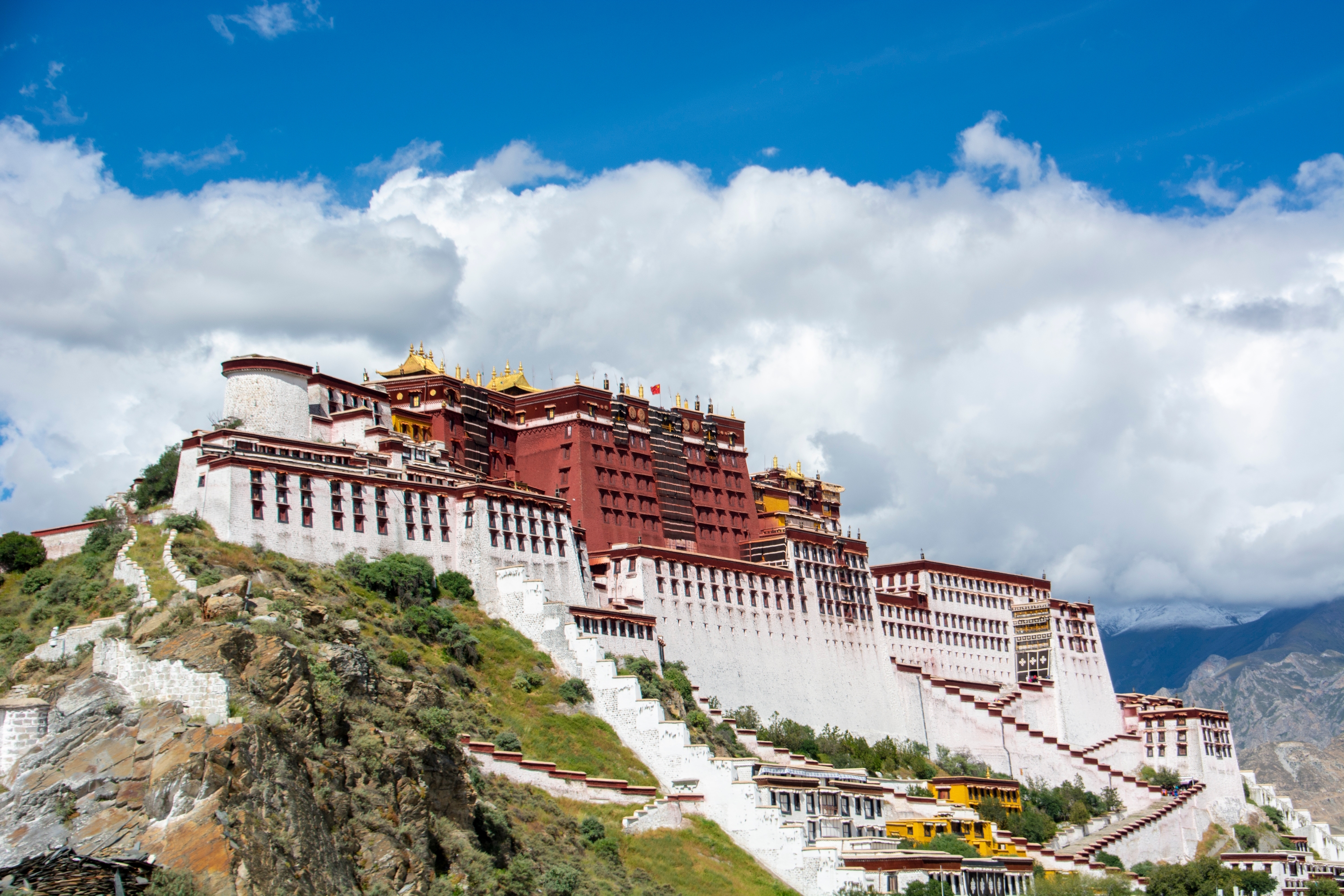
2026 Lhasa Travel Guide: must-see attractions, popular food, hotels, transport & travel experiences (updated in March)
2193 posts
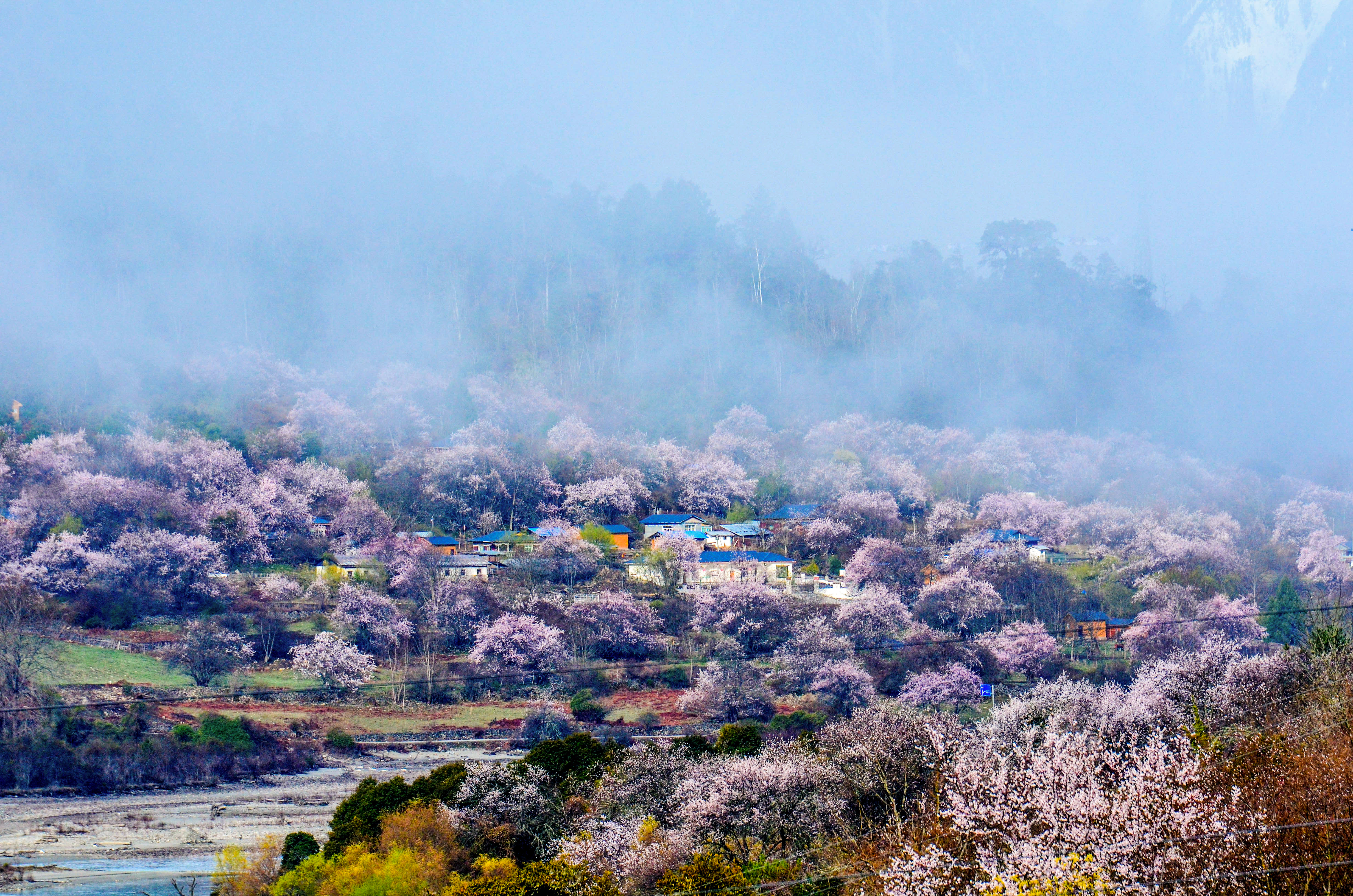
2026 Nyingchi Travel Guide: must-see attractions, popular food, hotels, transport & travel experiences (updated in March)
1160 posts
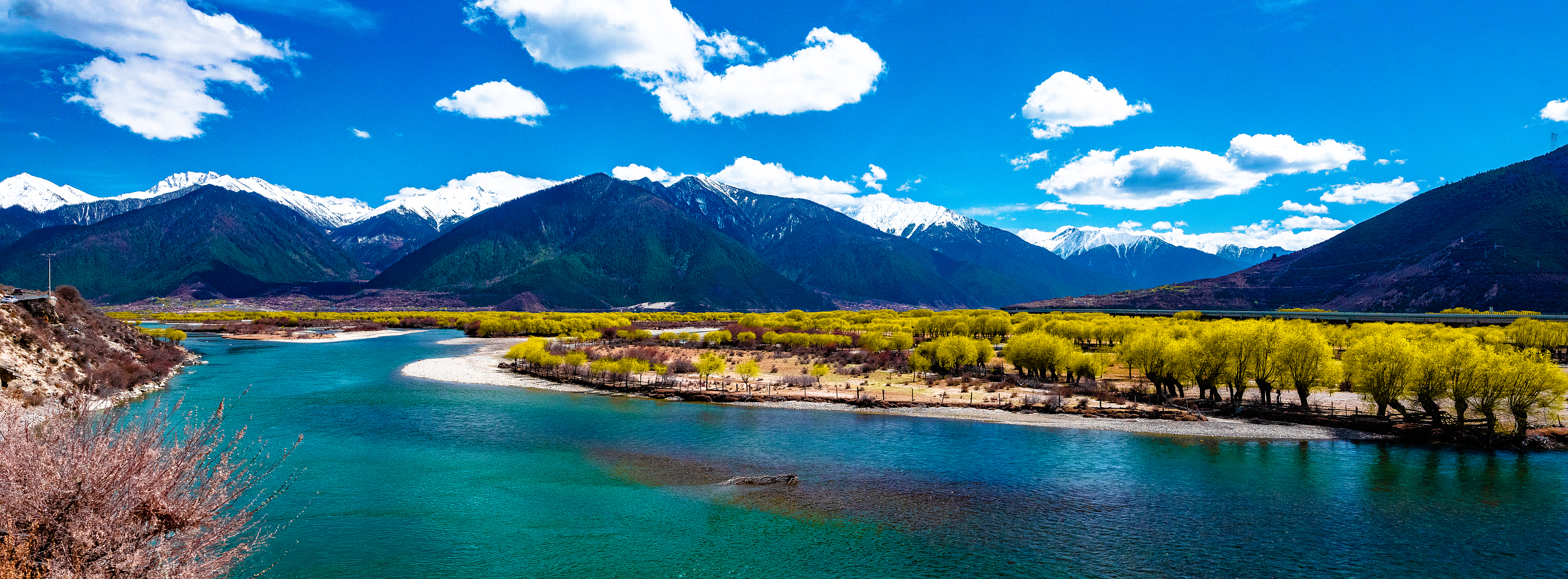
2026 Gongga Travel Guide: must-see attractions, popular food, hotels, transport & travel experiences (updated in March)
511 posts
- 1
- 2
- 3
- 4
- 38
Post
More recommendations
Popular Trip Moments
Pomai Peach Blossoms Are Legendary! The Glacier Pink Sea on Highway 318 Is So Beautiful It Leaves You Speechless | Tibet's Jiangnan Family Travel Guide | Nyingchi is incredibly beautiful, but I honestly don't recommend going in March because........ | March to April rush to Tibet, don’t go to Jiangnan to squeeze with the crowds, this peach blossom route cures altitude sickness anxiety | Linzhi Peach Blossoms|The Overwhelmingly Asked Tibet Spring 3 Days 2 Nights Guide Without Pitfalls | "Daring to go with a monthly salary of 3k! These 8 magical places are stunning and affordable in March-April" | Tibet's spring-limited Nyingchi peach blossoms have bloomed, just waiting for you | Lhasa and Surroundings 7-Day Tour: The Ultimate Lazy Traveler’s Guide | Four Stunning Cities to Enjoy Flower Viewing in March-April | Lhasa and other new ways to play! Who hasn't experienced it yet? | Where is the best place to go in March? Come and take a look | The best places to visit in March and April! Quickly add them to your travel itinerary | Where is best to go from March to May? These places will blow up your social media | Come to Nyingchi for a date with the snowy mountain peach blossoms | 3 to 5 months, the most beautiful cities worth visiting | Nyingchi, Tibet|2026 Peach Blossom Festival 7 Days 6 Nights In-Depth Guide | 2026 Nyingchi Peach Blossom Viewing Guide | Where is the best place to go in March? See if any catch your eye, one of them is | Tibet Lingzhi Six-Day Travel Guide | Adventures with Sacred Mountains and Sand Dunes, Encountering the Hidden Romance of Namcha Barwa | 318 Family Road Trip | Where is the best place to go in March? Come take a look | Tibet Nyingchi 5-Day Peach Blossom Blitz! This Guide Will Turn You into a Flower-Chasing Expert in No Time | Tibet Nyingchi 6 Days 5 Nights In-Depth Travel Guide | Family Trip to Tibet! Low Altitude Secret Spot to Avoid Altitude Sickness and Stay Comfortable | Plateau Family Trip! Unlock the Stunning Snow Mountain Scenery at Low Altitude | Tibetan 3-Day Family Trip! See the Golden Mountain and Experience Intangible Cultural Heritage—Super Meaningful | Linzhi Peach Blossoms Are So Beautiful | Not sure where to travel this spring? Check out these recommended places! | For this stone pot chicken, I'd come to Nyingchi ten thousand more times | 🏔️ Yarlung Zangbo Grand Canyon & Sosong Village: Guarding the "Shy Peak" ✨
Popular Destinations
Kolomna Travel | Awaji Travel | Toledo Travel | Hvar Travel | New Bedford Travel | Santarem District Travel | Wroxham Travel | West Coast DC Travel | County Cork Travel | Grimaud Travel | Kasama Travel | Dauphin County Travel | Kashihara Travel | Trento Travel | Castiglione di Sicilia Travel | Longji Rice Terraces Travel | Baishan Travel | Rincon Travel | Killarney Travel | Yarmouth Travel | Framingham Travel | Canmore Travel | Newport Travel | Ajax Travel | Hita Travel | Saint Simons Island Travel | Parkersburg Travel | King George Island Travel | Dongyuan Travel
Popular Restaurants in Mainling
索松村大空里民宿·观景餐厅 | Linzhigongbuzhuangyuanxi'erdun Restaurant | Shanzeju Resort Hotel (Linzhi Airport Branch) Shanzeju Reception Center Panorama Restaurant | 林芝工布庄园希尔顿酒店·猎味中餐厅 | 花音私厨 | 平措康桑雪里桃花度假庄园(索松南迦巴瓦店)·观景餐厅 | 莽子牦牛肉 | 林芝工布庄园希尔顿酒店·热嘎全日餐厅 | 米林依云若雅民宿·餐厅 | 缘来兄弟饭店 | 喜玛拉雅·南迦巴瓦帐篷酒店(雅鲁藏布大峡谷景区店)·中餐厅 | 米林小杨饭店(索松村村委会店) | 锋味烧烤 | 索松玫瑰餐厅 | 重庆鑫源餐厅 | 雅江鱼庄 | 峡谷炊事班 | 峡谷红灯笼汤锅 | 林周欢聚藏餐厅 | 豆花鱼(米林店) | 渝潼饭店(索松村店) | 好食汇主题餐厅 | 享哆味·中国汉堡(林芝米林店) | 百味园餐厅(岗派公路店) | 重庆鱼庄(S306店) | 一饮相思美食城(米林店) | 四川饭店(雅鲁藏布大峡谷店) | 重庆鱼庄餐厅 | 雅航酒楼 | 蛙小儿美蛙鱼头
Popular Ranked Lists
Popular Best Things to Do in Lvliang | Top 10 Luxury Hotels in Suzhou | Top 50 Must-Visit Restaurants in Langkawi | Top 50 Must-Visit Restaurants in Athens | Top 50 Must-Visit Restaurants in Seoul | Popular Best Things to Do in Suifenhe | Popular Luxury Hotels in Deqing | Top 50 Must-Visit Restaurants in Rome | Top 20 Luxury Hotels in Beijing | Top 50 Must-Visit Restaurants in Auckland | Top 50 Must-Visit Restaurants in Osaka | Top 50 Must-Visit Restaurants in Vienna | Popular Best Things to Do in Sheyang | Popular Best Things to Do in Tonghua | Popular Best Things to Do in Yuyao | Top 50 Must-Visit Restaurants in Bangkok | Top 10 Premium Hotels in Enshi Prefecture | Top 50 Must-Visit Restaurants in Florence | Popular Best Things to Do in Ziyuan | Top 10 Best Things to Do in Hinggan League | Top 10 Premium Hotels in Nyingchi | Top 10 Luxury Hotels in Chengdu | Top 20 Luxury Hotels in Shenzhen | Top 10 Premium Hotels in Ganzhou | Top 20 Best Things to Do in Reykjavik | Top 20 Premium Hotels in Dalian | Top 20 Premium Hotels in Lanzhou | Top 20 Premium Hotels in Quanzhou | Top 50 Must-Visit Restaurants in Chengdu | Popular Best Things to Do in Daxin
About
Payment methods
Our partners
Copyright © 2025 Trip.com Travel Singapore Pte. Ltd. All rights reserved
Site Operator: Trip.com Travel Singapore Pte. Ltd. Travel License No. 02943
Site Operator: Trip.com Travel Singapore Pte. Ltd. Travel License No. 02943