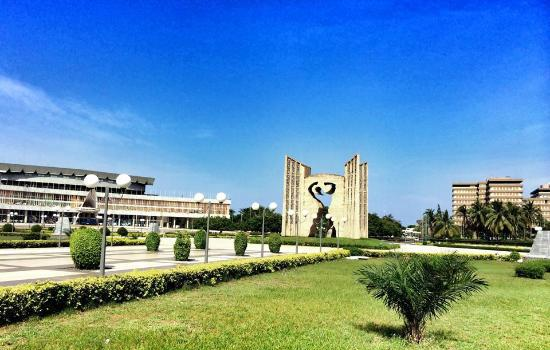
Lome
Lome Travel Guide 2026: Top Attractions, Local Food & Travel Tips | Trip.com
About Lome
Current weather conditions
 25°C
25°CLome Local Experiences Map
View local experiences on map





Plan Your Lome Trip
What to do
Looking for things to do in Lome? We provide up-to-date info on everything from must-see scenic spots to local hangouts.
View more
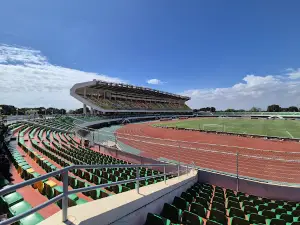
Kégué Stadium
3.1
This user hasn't left any comments yet

Institut Français du Togo
3.0
This user hasn't left any comments yet
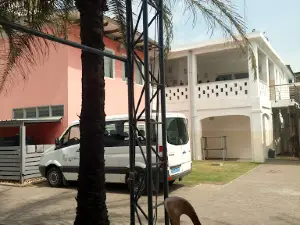
Goethe-Institut
2.8
This user hasn't left any comments yet

Agora Senghor
2.8
This user hasn't left any comments yet

Funny Park
2.8
This user hasn't left any comments yet
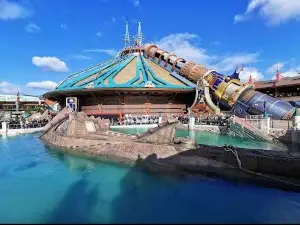
Fil'o Parc
2.8
This user hasn't left any comments yet
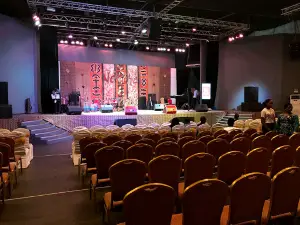
Grand Rex
2.7
This user hasn't left any comments yet
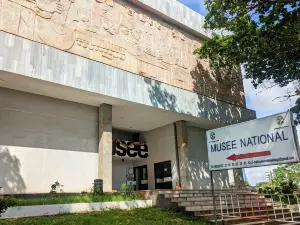
Musee National
2.7
5.0/51 Reviews
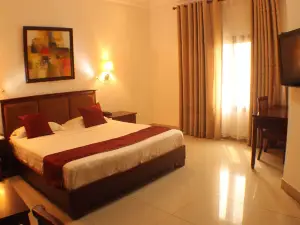
Where to stay
Discover the most popular places to stay in Lome, complete with recommendations from fellow travelers and special hotel offers
View more


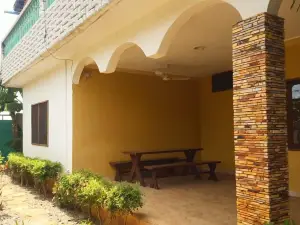
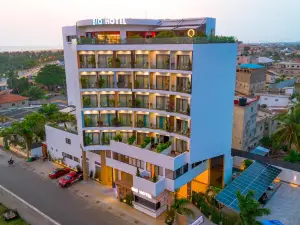


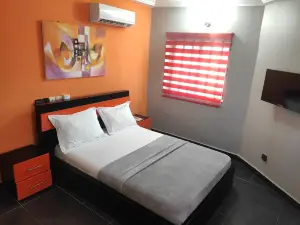

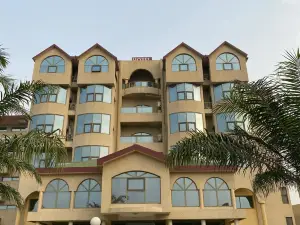
What to eat
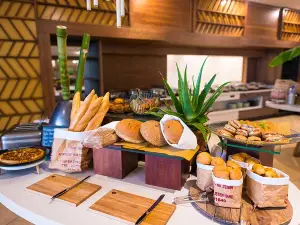
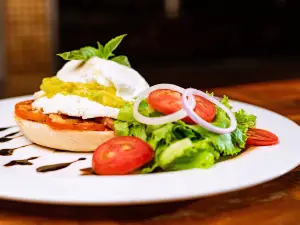
Want to eat like a local? Don't miss out on these top Lome dishes and foodie spots.
View more
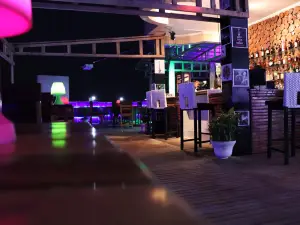
Skyline Restaurant
5.0/5This user hasn't left any comments yet
Southeast Asian cuisine
Avg. S$25/person
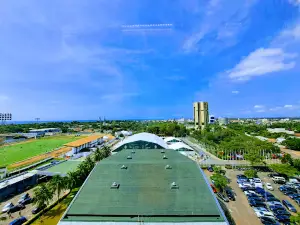
Aské night club
4.4/57 Reviews
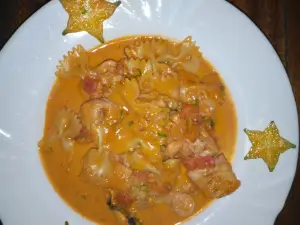
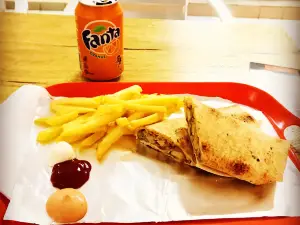
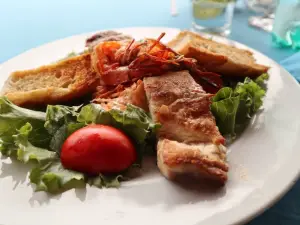

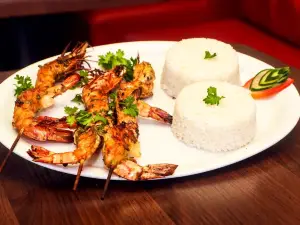
Wings 'n Shake Totsi
This user hasn't left any comments yet
Lome Moments: Through Travelers' Eyes
Post
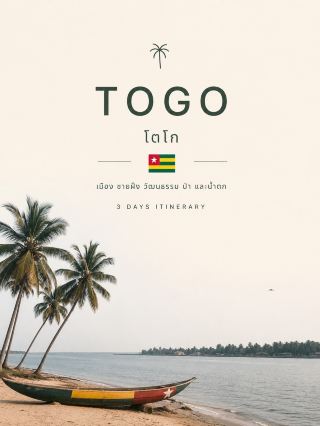
Togo 🇹🇬🌴🛶💦 Togo is a very small and narrow country in West Africa, but the advantage is that you can start to see the country's true diversity in just 3 days. For this trip, I don't recommend going north because, in addition to the long distance, the safety situation in the Savanes Region is still restricted in 2026. Therefore, for your first trip, a Lomé – Lake Togo – Togoville – Kpalimé tour would be more balanced. You'll get to see the city, the coast, the history of Vodun, the forest, and waterfalls without spending the entire trip in a car. ⸻ 📅 Day 1: Lomé — Markets, Old Town, and the Atlantic Coast Start the first day without rushing out of the city, because Lomé has an atmosphere that's better explored on foot than by driving through it. Morning — Heart of Lomé Start with the Monument de l’Indépendance, then move on to the Grand Marché de Lomé. This market is more than just a tourist market; it's the city's actual trading area, offering brightly colored wax fabrics, food, spices, handicrafts, and local products. In particular, the story of the group of female textile vendors known as Nana Benz, who have played a significant role in Togo's textile economy for a long time. From the market, you can walk to the Cathédrale du Sacré-Cœur de Lomé, whose red and white tower is clearly visible from the market area. Here, I recommend not carrying a camera or phone around constantly. The market is quite crowded, and there are warnings about pickpocketing in Lomé, especially in the market and beach areas. Lunch — Try authentic Togolese food. If you want to start with a local restaurant, try Maquis Chez Brovi. Look for dishes like Fufu with peanut sauce or local sauces, as well as grilled fish or fish skewers. The Togolese Ministry of Tourism recommends Fufu and Brochettes de poisson as must-try dishes around the Grand Marché. Afternoon — Art and the coast. If you have time, you can visit the Village Artisanal or check out the exhibitions at the Palais de Lomé on the day you go before heading out to the sea. The Lomé coast is right next to the city, and the Ministry of Tourism states that the general temperature along the coast is around 25–30°C, more suitable for evening walks than daytime. However, I don't recommend walking on the beach alone after dark, as there have been reports of robberies and thefts both day and night on Lomé's beaches. Dinner If you want a seaside dinner, choose Blue Turtle Bay. That's all for today. Don't try to cram Lake Togo into the itinerary, as we'll have more time to explore that area on Day 2. ⸻ 📅 Day 2: Agbodrafo → Lake Togo → Togoville Today is the most historically and culturally rich day of the trip. Leave Lomé in the morning and head east along the coast. First stop — Maison des Esclaves, Agbodrafo Start at the Maison des Esclaves, or House of Slaves. This place tells the history of the slave trade on the Togo coast. Currently, the presentation has been improved with exhibitions, guided explanations, and educational materials. A guide is recommended here, not because the place is large, but because simply walking through the rooms won't give you a complete understanding of the story. I'll allow about 1–1.5 hours and won't rush to take pictures of everything. ⸻ Next up is Lake Togo 🛶 After Agbodrafo, head to the shore of Lake Togo and take a Pirogue boat to Togoville. The boat isn't luxurious; it's a local boat for traveling on the lake, which is part of the charm of this route. The Togo Ministry of Tourism recommends the route: Maison des Esclaves → Pirogue boat on Lake Togo → Togoville as a continuous route. Togoville — not just a lakeside village. Togoville is significant both historically and in terms of Vodun. With a local guide, you'll see places of religious significance, shrines, and community stories, including a Catholic church, showing how multiple beliefs coexist in one place. Importantly, don't view Vodun as a strange show for tourists. For the locals, this is their real religion, beliefs, and way of life. The Togo Ministry of Tourism calls Togoville one of the important origin areas of Vodun in the country. 📌 Things to know about Lake Togo Even though the water looks inviting, I don't recommend swimming in freshwater lakes. Travel health information indicates a risk of schistosomiasis in Togo and recommends avoiding swimming, wading, or bathing in natural freshwater. Boat trips are a safer option. Return to Lomé in the evening and stay at the same hotel. ⸻ 📅 Day 3: Kpalimé — Forest, Waterfalls, Coffee, and Cocoa This is the earliest departure time of the trip. Kpalimé is located approximately 120 km northwest of Lomé and is one of Togo's prominent natural areas, featuring mountains, forests, waterfalls, and coffee and cocoa plantations. The route offers a significant change of pace from the first two days, shifting from coastlines and lakes to the lush greenery of the Plateaux Region. Morning — Cascade de Womé 💦 Start with Womé Waterfall. The waterfall is nestled in the forest and is one of the natural sites that the Togolese government has continuously developed and conserved. A local guide is recommended. The trail doesn't require strenuous trekking skills, but some sections are wet and slippery, especially after rain, so wear shoes with good grip. Not flip-flops. Daytime — Visit Kpalimé. For lunch, try Les Délices d’Agnigban². After lunch, don't rush back to Lomé; explore the market and see the handicrafts in town first. Afternoon — Coffee & Cocoa Country ☕🍫 The area around Kpalimé and Mount Agou has long been a region for growing coffee, cocoa, oil palm, and fruit (Togo Tourisme). If you have about 2-3 hours, hire a guide for a coffee-cocoa plantation trail or a nature walk instead of trying to climb Mount Agou all the way, as a 3-day trip will be too tight. Then, travel back to Lomé in the late afternoon. If you don't have an early morning flight the next day and want to spend more time, you can stay overnight in Kpalimé at Hôtel Chez Fanny Kpalimé and return to Lomé the next morning. This will be more comfortable. ⸻ ☀️ Best time to visit The official Togo tourism website recommends November–April as the best time to visit overall, as it is relatively dry. For the southern areas visited on this trip, the seasons are slightly more complex than in the north, with a major dry season from approximately December–March and a short dry season from approximately August–mid-September. Kpalimé and Plateaux experience more rainfall than Lomé because they are closer to mountains and higher elevations (Togo Tourisme). If I had to choose for my first trip, I would pick December–February as it's the easiest time to travel. ⸻ ✨ 3-Day Trip Summary Day 1 — Lomé Grand Marché + City + Local Food + Sunset by the Atlantic Day 2 — Agbodrafo + Lake Togo + Togoville History of the Slave Trade + Pirogue + Vodun Day 3 — Kpalimé Womé Waterfall + Forest + Coffee and Cocoa + Art If Benin is known for Ouidah and Ganvié, Togo offers a different travel experience: one morning exploring the market by the Atlantic, the next day taking the Pirogue across the lake, and the last day hiking to the waterfall in the forest. A small country, but 3 days can provide a truly complete change of scenery. And it's more suitable for those who enjoy culture, history, and nature than trips that focus solely on landmarks. 🇹🇬

Titanaom

Niche Travel in West Africa | How to visit Lome, Togo. This article is enough!

The Culinary Cruise
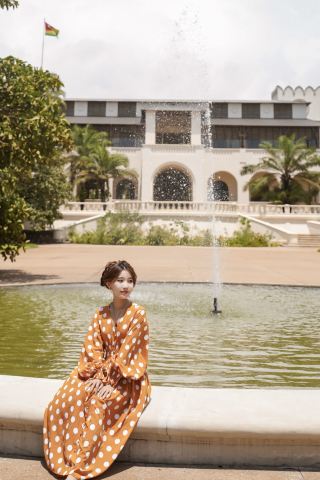
West Africa niche travel|One-day tour guide to Lome, Togo
The Culinary Cruise
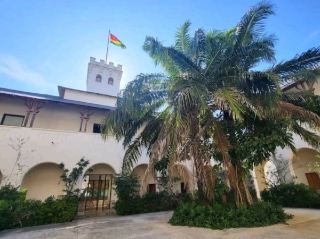
1月好去處2026
Strolling through the palace gardens to embrace the essence of nature.

Eagleman O
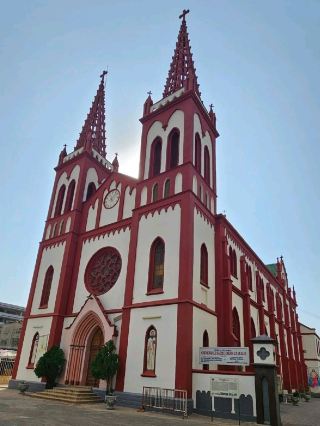
1月好去處2026
Sacred Heart Cathedral
Eagleman O
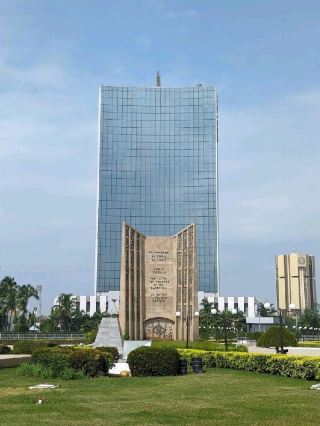
1月好去處2026
Must-visit Landmark! Stunning Reflection at the Monument Pool.
Eagleman O
1
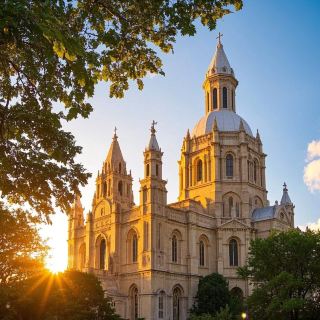
I went to Lome, Togo, and it was really amazing

Reed_52-Landon
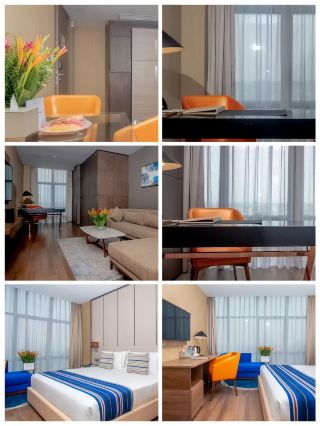
I'm spilling the tea! My luxurious treasure trove experience at CIKA Gold Hotel and Suites

Seraphina_Stormrider
View more
Other recommended cities
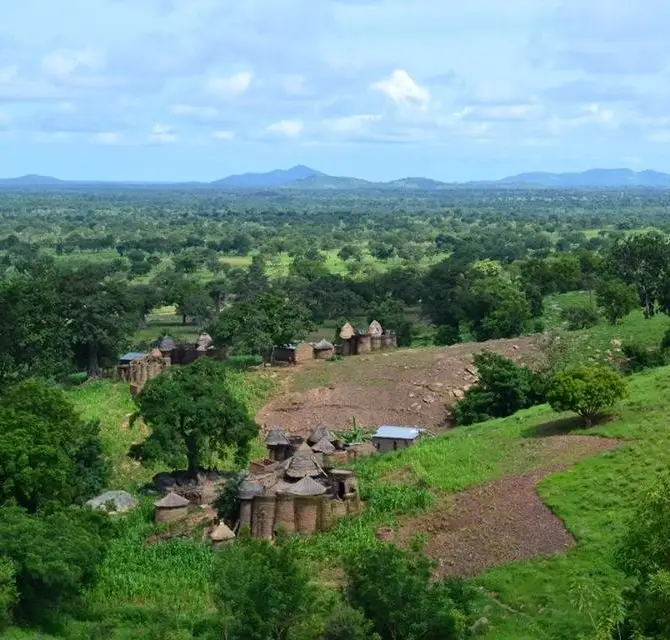
Kara

Sanguera
Kambole
Passoua
Popular Attractions in Lome
Église catholique Saint Antoine de Padoue de Hanoukopé Franciscain | Paroisse Saint Dominique Savio d'Anfamé | Salle du Royaume des Témoins de Jehovah de Gblenkomé | Catholique Paroisse MARIA GORETTI | ESTAO | potager Garden | Mosquee Ridwan | ESCAPE ROOM Lomé Togo | Centre OLYMPIA | Carrefour ville sainte | Petite Lagoon | Musee National
Popular Ranked Lists
Popular Global Traveller-Picked Attractions in Longmen | Popular Global Traveller-Picked Attractions in Wuyishan | Popular Premium Hotels Near Meghalaya | Top 50 Global Traveller-Picked Restaurants in Harbin | Top 20 Global Traveller-Picked Hotels in Dongguan | Top 20 Global Traveller-Picked Hotels in Guilin | Top 10 Global Traveller-Picked Attractions in Lhasa | Top 50 Global Traveller-Picked Hotels in Chengdu | Top 20 Global Traveller-Picked Attractions in Wuxi | Top 20 Global Traveller-Picked Restaurants in Wenzhou | Top 50 Global Traveller-Picked Attractions in Wuhan | Top 50 Global Traveller-Picked Hotels in Hangzhou | Top 10 Global Traveller-Picked Attractions in Leshan | Top 20 Global Traveller-Picked Restaurants in Beihai | Top 10 Local Restaurants in Lushan National Park | Top 50 Global Traveller-Picked Restaurants in Lijiang | Top 50 Global Traveller-Picked Restaurants in Huizhou | Top 50 Global Traveller-Picked Hotels in Shanghai | Top 20 Global Traveller-Picked Hotels in Nanjing | Top 50 Global Traveller-Picked Restaurants in Zhongshan | Popular Global Traveller-Picked Attractions in Hunchun | Top 20 Global Traveller-Picked Attractions in Shenyang | Top 50 Global Traveller-Picked Hotels in Beijing | Popular Premium Hotels Near Lough Neagh | Top 20 Global Traveller-Picked Hotels in Shangri-La | Popular Premium Hotels Near Urdaibai | Top 20 Global Traveller-Picked Restaurants in Hohhot | Top 50 Global Traveller-Picked Hotels in Sanya | Top 20 Global Traveller-Picked Hotels in Zhuhai | Top 50 Global Traveller-Picked Restaurants in Foshan
Popular Restaurants in Lome
Akwaba Pool Bar & Grill | ETS Akif | Skyline Restaurant | Aské night club | Nico's | Restaurant Le Galion | Marcelo Beach Club | TBB - The Best Burger Lomé | Wings 'n Shake Totsi | SWEET LOMÉ | Chez Alice | Maison.S Lomé | Golden Wok | Monte-cristo Lomé | Alt Munchen | La Table du DG | Blue Turtle Bay | Beluga | Les Nuits d'Orient | Bar Resto La Belle Epoque | Connaisseurs | Charcuterie du Togo (J'aime Ça) | Bar 3K | Vis A Vis Beach | bar-resto kaubine | Petit Paris | Café-Resto Chez DJIFASON | NAC BAR | Hype | Hawaii Tiki Bar
Popular Destinations
Glendale Travel | Libya Travel | Busti Travel | Sao Carlos Travel | Nagasaki City Travel | Matthews Travel | Worthen with Shelve Travel | Huinan Travel | Noord-Brabant Travel | Inari Travel | Sturbridge Travel | Mathura Travel | Olympia Heights Travel | Charlevoix-Est Regional County Municipality Travel | Cafayate Travel | Jammu & Kashmir Travel | Grindelwald Travel | Lockhart Travel | Abruzzo Travel | Shire of Carnarvon Travel | Kasaragod Travel | Bern Travel | Chatan Travel | Kings County Travel | Longzhou Travel | Baotou Travel | Ruapehu District Travel | North Hwanghae Travel | Gladstone Travel
Recommended attractions at popular destinations
Popular Attractions in Bangkok | Popular Attractions in City of Manila | Popular Attractions in Tokyo | Popular Attractions in Taipei | Popular Attractions in Hong Kong | Popular Attractions in Seoul | Popular Attractions in Kuala Lumpur | Popular Attractions in Los Angeles | Popular Attractions in Shanghai | Popular Attractions in New York | Popular Attractions in Shenzhen | Popular Attractions in Osaka | Popular Attractions in Singapore | Popular Attractions in London | Popular Attractions in Guangzhou | Popular Attractions in San Francisco | Popular Attractions in Beijing | Popular Attractions in Macau | Popular Attractions in Bali | Popular Attractions in Jakarta | Popular Attractions in Paris | Popular Attractions in Ho Chi Minh City | Popular Attractions in Istanbul | Popular Attractions in Phuket | Popular Attractions in Chicago | Popular Attractions in Seattle | Popular Attractions in Toronto | Popular Attractions in Orlando | Popular Attractions in Cebu | Popular Attractions in Chiang Mai
Popular Trip Moments
The 3-Week West African Road Trip (Family Edition) 🌍✨ | Strolling through the palace gardens to embrace the essence of nature. | Sacred Heart Cathedral | Must-visit Landmark! Stunning Reflection at the Monument Pool. | I went to Lome, Togo, and it was really amazing | I'm spilling the tea! My luxurious treasure trove experience at CIKA Gold Hotel and Suites | OMG! CIKA Gold Hotel and Suites: Luxury and comfort at your fingertips! | Check this out! CIKA Gold Hotel and Suites: A deep dive into luxury and comfort. | Monument of faith on the west coast of Africa|Lome Sacred Heart Cathedral | Visit Calome Independence Square and explore the light of freedom in Togo | Explore the Great Mosque of Lomé: Feel the fusion of sacredness and culture | For a dream seaside holiday, stay at the Hotel Marina Lomé | Discover the tropical seaside scenery at Lomela Dipo Beach | Lomecoco Beach: Encounter the sun and beaches of West Africa | Lomé, Togo, a guide to exploring the city from the tip of your tongue to your heart | The most desirable hotel in Lome | Let you feel the convenient and comfortable environment | Lomé Beach: A dream trip on the West African coast | Explore the Lomé Museum and start a cultural journey in Togo | Encounter Lomé Palm Beach and unlock the romance of West Africa | Lomé's Must-Stay Hotels | Enjoy a Unique Experience
| This is a vibrant city that plays a melody full of vitality and enthusiasm. | Lomé: A dreamlike wonderland on the West African coast, starting your exploration of Togo | Lome: A Dreamland in West Africa, Discover the Hidden Treasures of Togo | Lome, Togo | Lome is known as one of the most beautiful palaces in the West | CIKA Golden Hotel and Suites, a shining gem in downtown Lome | CIKA Gold Hotel: Unlock a New Dream Travel Experience | CIKA Gold Hotel and Suites: A Dreamy Journey of Luxury and Comfort | [Unveiling a Luxurious Secret] CIKA Gold Hotel: I stayed in a dreamlike movie scene