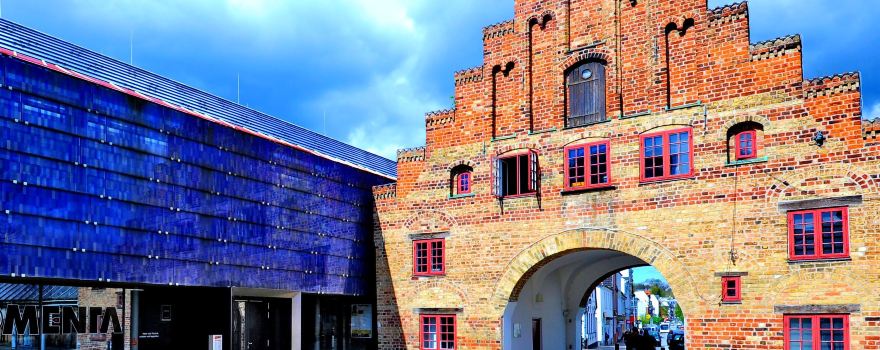
Flensburg
Flensburg Travel Guide 2026: Top Attractions, Local Food & Travel Tips | Trip.com
About Flensburg
Current weather conditions
 12°C
12°CFlensburg Local Experiences Map
View local experiences on map





Plan Your Flensburg Trip
What to do
Looking for things to do in Flensburg? We provide up-to-date info on everything from must-see scenic spots to local hangouts.
View more

Flensburg | Michael Schulte 2026《Sanfte Töne, besondere Orte》Tour
3.8
This user hasn't left any comments yet
Concerts
Hafenspitze
3.3
This user hasn't left any comments yet
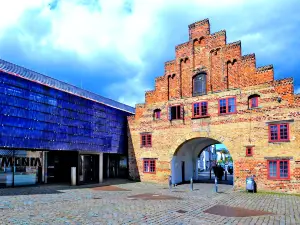
Phaenomenta
3.2
This user hasn't left any comments yet

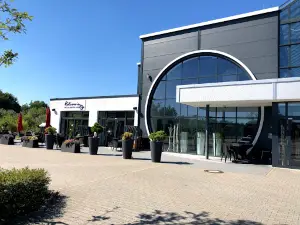
BoA Bowlingarena Flensburg
3.1
This user hasn't left any comments yet
Fördeland Therme
3.1
This user hasn't left any comments yet
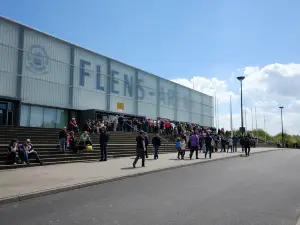
GGW Arena
3.0
This user hasn't left any comments yet
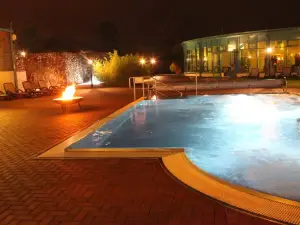
Campusbad Flensburg
3.0
This user hasn't left any comments yet
Where to stay
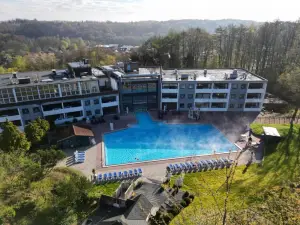
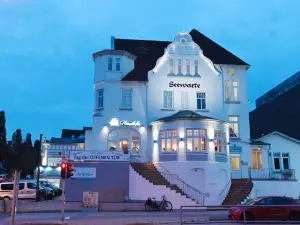
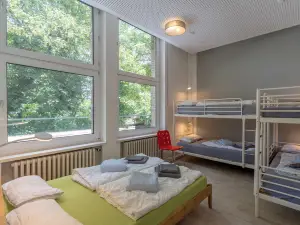
Discover the most popular places to stay in Flensburg, complete with recommendations from fellow travelers and special hotel offers
View more





What to eat
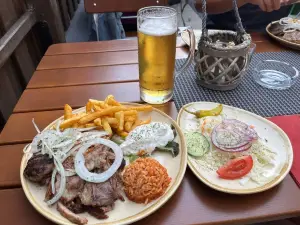
Want to eat like a local? Don't miss out on these top Flensburg dishes and foodie spots.
View more
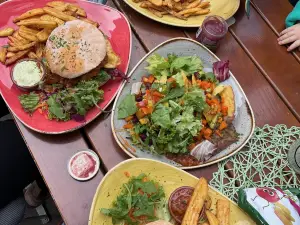
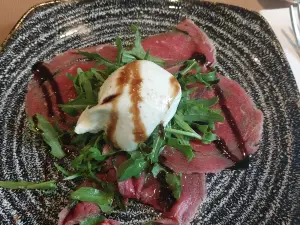
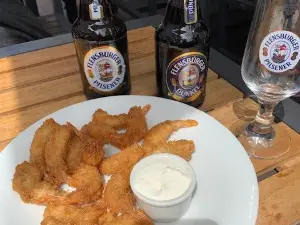
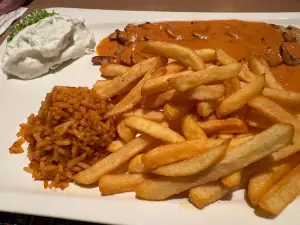

Flensburg Moments: Through Travelers' Eyes
Post
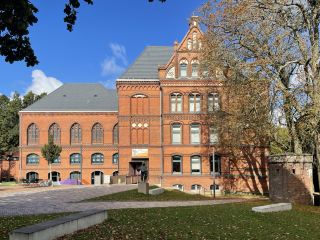
The Hans-Christiansen-Haus is located in Schleswig-Holstein, Germany.

在地图上盖章的人
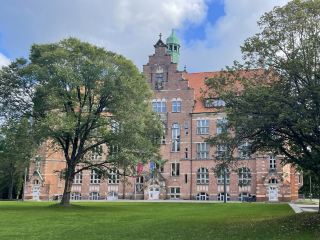
The Heinrich-Sauermann-Haus is located in Flensburg, the northernmost part of Schleswig-Holstein, Germany, nestled on Museumsberg, south of the old town. Founded in 1876, Museumsberg primarily houses and displays the art and cultural history of the Schleswig region. The Sauermann-Haus's permanent collection spans from the Middle Ages to the 19th century, featuring over 900 pieces of historical furniture, making it one of the largest historical furniture collections in Germany. The exhibitions also include original farmhouse interiors, 18th-century lifestyle, and medieval religious art. It presents not just furniture and artwork, but a history of life in the Schleswig region.
在地图上盖章的人
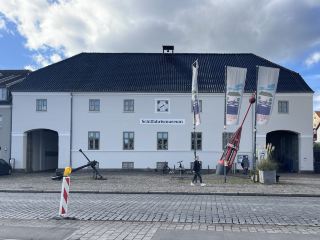
The Flensburg Maritime Museum, located in Flensburg's Old Harbor, is housed in the historic Altes Zollpackhaus (Old Customs Warehouse). Built between 1842 and 1843 and converted into a maritime museum in 1984, it is an important venue for understanding the history of Flensburg's port, navigation, and trade. The museum showcases shipbuilding, navigation technology, and life on board ships, with a focus on 18th- and 19th-century trade between Flensburg and the Danish West Indies, including goods such as sugar and rum, as well as the historical legacy of colonial trade and slave labor. The museum not only documents Flensburg's maritime tradition but also reveals the trade networks and historical context behind the city's economic prosperity in the 18th and 19th centuries.
在地图上盖章的人
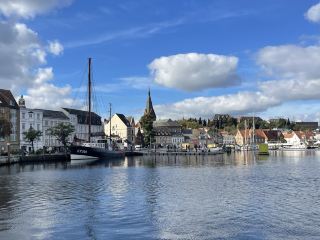
Flensburg, located at the northernmost tip of the German state of Schleswig-Holstein, sits on the western shore of the Flensburgfjord, about 2 kilometers from the Danish border, and has a population of approximately 99,000. Thanks to its proximity to Denmark and its port city facing the Baltic Sea, it developed early on into a border city where German and Danish cultures blend. German and Danish languages coexist here, and the Danish minority groups have their own schools and cultural institutions. Since the Middle Ages, maritime trade has driven the city's development, with navigation, shipbuilding, and commerce becoming important parts of Flensburg's history. Today, the old town still retains warehouses, residences, and courtyards built by merchants. Furthermore, the German Federal Motor Transport Authority (KBA) is located in Flensburg and is responsible for national driver's license registration; therefore, traffic violation points in Germany are commonly referred to as "Flensburg points."
在地图上盖章的人
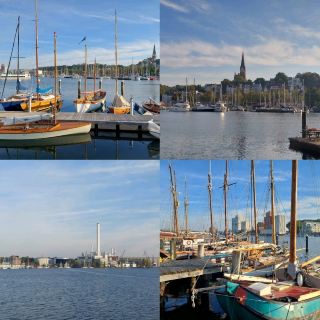
springtravel
Flensburg in Germany, interesting, pleasant port

Red_bear
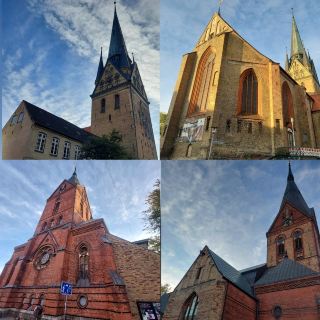
aprilspringflower
Flensburg in Germany, nice churches
Red_bear
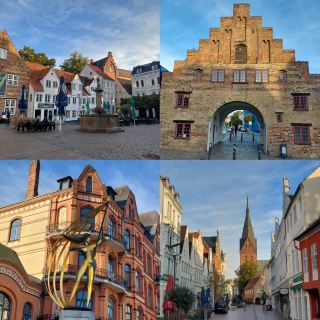
citycenter
Flensburg in Germany, awesome port city
Red_bear
Set off and embrace the world

INDIE BARNETT
View more
Best of Flensburg
Popular Premium Hotels Near Flensburg
View more
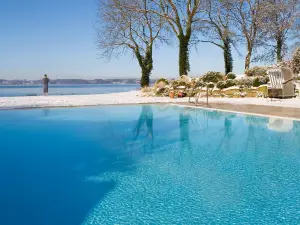
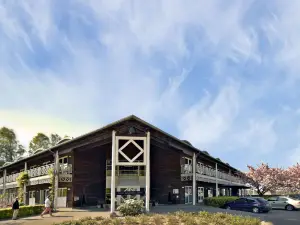

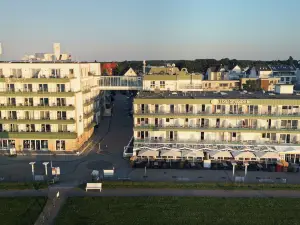
Popular Scenic Hotels Near Flensburg
View more
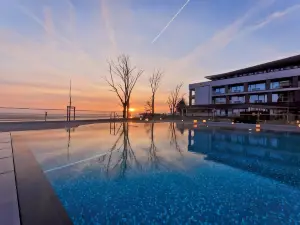
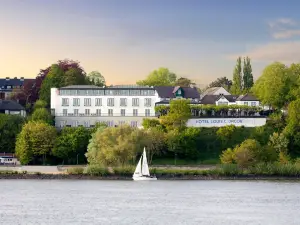
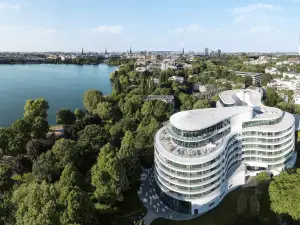
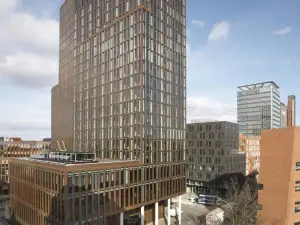
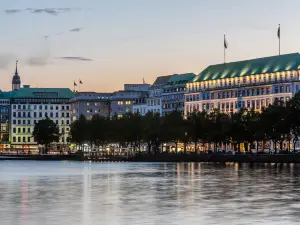
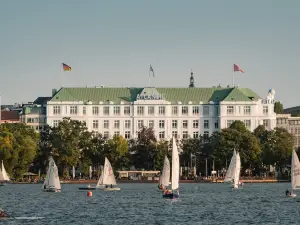
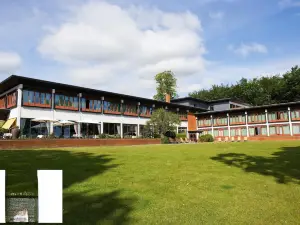
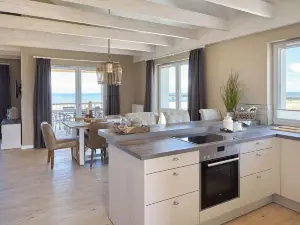
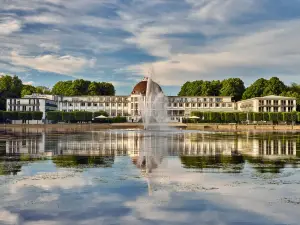
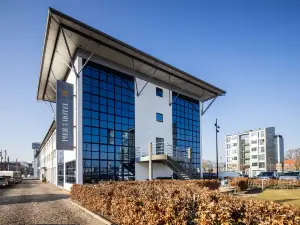
Popular Cultural Hotels Near Flensburg
View more
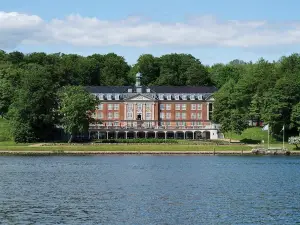
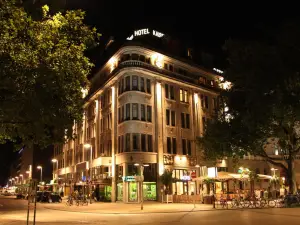
Popular 4-Star Select Hotels Near Flensburg
View more
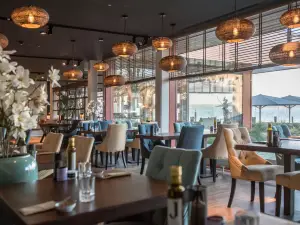
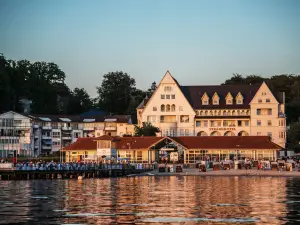
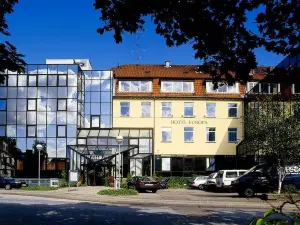
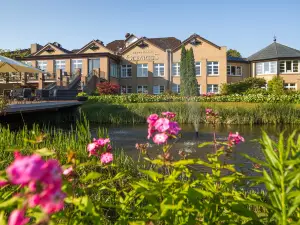
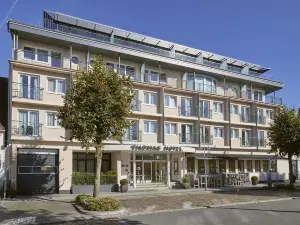
Other recommended cities
Munich
Berlin
Frankfurt
Cologne
Popular Types of Attractions in Flensburg
Historical attractions | Nature and wildlife | Natural scenery | Beaches and shores | Mountain climbing | Cultural institutions | Themed exhibition halls | Museums | Sightseeing tours | Boat tour | Night view | Exhibitions & events | Concerts | Performances | Exhibitions | Leisure activities | Farms and pastures | Camping and campsites | Spa/massage | Outdoor activities | Mountain climbing | Cycling | Parks | Skybound experiences
Popular Attractions in Flensburg
Historische Hinterhöfe | Manfred-Werner-Stadion | Hunde Park | Flensburg Mosque | Twedter Feld Nature Reserve | Stolperstein Norderstraße 27/29 | Central University Library Flensburg | Marienhölzung | Naturwissenschaftliches Museum | Flensburger Hafen | Hafenwerk GbR | NSG Twedter Feld | Ehemaliges Disc Golf auf dem Campus | GGW Arena | Treffpunkt Stadion | Klinik Salomonsen | Equippers Flensburg e.V.
Popular Ranked Lists
Top 50 Global Traveller-Picked Restaurants in Yantai | Popular Luxury Hotels Near Wexford | Top 10 Global Traveller-Picked Attractions in Dongguan | Top 20 Global Traveller-Picked Attractions in Foshan | Top 50 Global Traveller-Picked Restaurants in Guiyang | Top 10 Global Traveller-Picked Attractions in Nanchang | Top 20 Global Traveller-Picked Restaurants in Beihai | Top 50 Global Traveller-Picked Restaurants in Urumqi | Top 50 Global Traveller-Picked Restaurants in Fuzhou | Top 10 Global Traveller-Picked Attractions in Lanzhou | Top 20 Global Traveller-Picked Restaurants in Nanning | Top 20 Global Traveller-Picked Restaurants in Taizhou | Popular Luxury Hotels Near Adare | Top 20 Global Traveller-Picked Restaurants in Zhoushan | Top 50 Global Traveller-Picked Restaurants in Chengdu | Top 50 Global Traveller-Picked Attractions in Guangzhou | Top 10 Global Traveller-Picked Attractions in Nanning | Top 10 Global Traveller-Picked Attractions in Wenzhou | Popular Global Traveller-Picked Attractions in Songpan | Top 20 Global Traveller-Picked Restaurants in Changchun | Top 50 Global Traveller-Picked Attractions in Chongqing | Top 20 Global Traveller-Picked Hotels in Zhuhai | Top 20 Global Traveller-Picked Hotels in Harbin | Top 50 Global Traveller-Picked Restaurants in Fenghuang County | Top 50 Global Traveller-Picked Restaurants in Zhongshan | Popular Luxury Hotels Near Trier | Top 20 Global Traveller-Picked Restaurants in Hohhot | Top 50 Global Traveller-Picked Hotels in Zhangjiajie | Top 20 Global Traveller-Picked Restaurants in Luoyang | Popular Global Traveller-Picked Attractions in Longmen
Popular Restaurants in Flensburg
La Tasca | Roter Hof | Restaurant Dionysos | Vertigo | Viva | Ristorante Solitüde | Nordsee | Taverna Mykonos | Weinstube im Krusehof Steffi u. Bernd Ries | Hinkelstein | Das Kleine Restaurant | Restaurant 1871 | Himalaya Indisches Restaurant | Grisou | Goldene Lilie | Feuerstein | Porterhouse im Gnomenkeller | Marien-Cafe | Restaurant Borgerforeningen | Peter Pane | Odore del Mare | Borsenkeller | Rest.Hansens Brauerei | Shalimar Restaurant | Cafe Extrablatt Flensburg | Senfmuhle | Asia Linh Linh | Macedonia Restaurant | Kritz | Cafe Barista
Popular Destinations
Olympia Heights Travel | Charlevoix-Est Regional County Municipality Travel | Poniente Almeriense Travel | Heilbronn Travel | Montgomery County Travel | Fraser Coast Regional Travel | Mower County Travel | Moravskoslezsky Region Travel | Morehead Travel | Samarkand Travel | Cordillera Travel | Puyang Travel | Kaiserslautern Travel | North Norfolk District Travel | Gimli Travel | Chichen Itza Travel | State College Travel | Playa del Carmen Travel | Saint-Etienne Travel | Cardiff-by-the-Sea Travel | Manukau Travel | Maastricht Travel | Kawagoe Travel | Karlovy Vary Region Travel | Yitong Travel | Palmerston North Travel | Wudi Travel | Saint Buryan Travel | Colwyn Bay Travel | Kane County Travel
Recommended attractions at popular destinations
Popular Attractions in Bangkok | Popular Attractions in City of Manila | Popular Attractions in Tokyo | Popular Attractions in Taipei | Popular Attractions in Hong Kong | Popular Attractions in Seoul | Popular Attractions in Kuala Lumpur | Popular Attractions in Los Angeles | Popular Attractions in Shanghai | Popular Attractions in New York | Popular Attractions in Shenzhen | Popular Attractions in Osaka | Popular Attractions in Singapore | Popular Attractions in London | Popular Attractions in Guangzhou | Popular Attractions in San Francisco | Popular Attractions in Beijing | Popular Attractions in Macau | Popular Attractions in Bali | Popular Attractions in Jakarta | Popular Attractions in Paris | Popular Attractions in Ho Chi Minh City | Popular Attractions in Istanbul | Popular Attractions in Phuket | Popular Attractions in Chicago | Popular Attractions in Seattle | Popular Attractions in Toronto | Popular Attractions in Orlando | Popular Attractions in Cebu | Popular Attractions in Chiang Mai
Popular Trip Moments
The Hans-Christiansen-Haus is located in Schleswig-Holstein, Germany. | Flensburg in Germany, interesting, pleasant port | Flensburg in Germany, nice churches | Flensburg in Germany, awesome port city | Set off and embrace the world | Weekend Wanderlust: A Spontaneous Trip to Flensburg! 🇩🇪🇩🇰 | The port of Flensburg | Beautiful Flensburg for a short getaway!
More Things To Do in Flensburg
Flensburg Highlights Audio Tour: Maritime Heritage and Old Town Charm | European universal 5G/4G eSIM | Multi-network support, supports All AI & TikTok | 500MB/day - 50GB total | 1-90 days | 24-hour billing | QR code | Global (77 Countries) 5G/4G eSIM | Supports Google Maps/TikTok/ChatGPT | Total Data Plan | 24-Hour Billing | 1–30 Days | QR code | Europe 4G/5G eSIM | All AI & TikTok | Day Pass/Total Data Package | 24-Hour Billing | QR Code | Europe 45 Countries 5G eSIM | All AI & TikTok | 1–30 Days | QR Code | Orange World 4G/LTE eSIM | Calls + SMS | 31 Days Total 50MB–20GB | Calendar-Day Billing | QR code | Europe (40 Countries) 5G eSIM | Supports Google Maps/TikTok/ChatGPT | Daily / Total Data Plans | Natural Day Billing | 1–90 Days | QR Code | Europe 5G eSIM | Fully Supports AI & TikTok | Daily/Total Data Package | 1–30 Days | 24-Hour Billing | QR Code | Europe Orange 4G/5G eSIM | Calls + SMS | French phone number | 24-hour billing | QR code | Europe Orange 4G/5G eSIM | Calls + SMS Included on Selected Plans | French Phone Number | 24-Hour Billing | QR Code | Germany 5G eSIM | Supports all AI & TikTok · Dual network | 500MB/day - total 100GB | 1-60 days | 24-Hour Billing | QR code | Global 77 Countries 4G/5G eSIM | Day Pass/Total Data Package | 24-Hour Billing | QR Code | Orange World eSIM | 4G/LTE | 1GB-20GB total for 30 days | 24-hour billing | QR code | Global coverage (100 countries) 5G/4G eSIM | Supports all AI & TikTok | 500MB/day - total 50GB | 1-90 days | 24-Hour Billing | QR code | Germany 5G eSIM | Daily data package | 1–30 days | 24-hour billing | QR code | Multiple European countries CTExcel 5G eSIM | EE Internet United Kingdom number | Supports calls & SMS register app | Local phone customer support | 7-30 days | QR code | Germany 5G eSIM | Dual Network • All AI & TikTok | 1–30 Days | QR Code | Vejle Highlights Audio Tour: Cultural Landmarks and Heritage | Global 108 Countries 5G eSIM | All AI & TikTok | 1–30 Days | QR Code | Neumünster Audio Tour: Art, Industry & Inspiration in Böcklersiedlung | [Germany] 5G | eSIM | Multiple plans available | Subscription ready to use | Hotspot supported | QR Code | 5G eSIM for UK, France, Germany, and Italy | Multi-network support, supports All AI & TikTok | 500MB/day - 50GB total | 1-30 days | 24-hour billing | QR code | Europe Orange native eSIM | Supports TikTok & ChatGPT | Includes SMS & calls | Data package | 24-hr billing | 7-90 days | Svendborg Audio Tour: Whispers from Cobbles, Steeples & Stages | Kiel Self-Guided Audio Tour: Explore this Historic Port | Kiel Audio Tour: Echoes, Empires, and Enigmas of the Altstadt | Odense Highlights Audio Tour: Hans Christian Andersen's Fairytale Path | Europe 5G eSIM | Daily and Total Plan | 1-30 days | Billing by 24H | QR code | Germany 5G eSIM | Supports TikTok & ChatGPT | Day Pass / Total Package | Calendar Day Billing | 1–30 Days | QR code | Global 5G/4G eSIM | Daily Package/Data Package | 24-Hour Billing | 1-30 Days | QR Code