Mianchi

Things to do in Mianchi

Search attractions or local attractions & tours
Search

Explore top experiences

Top 10 attractions in Mianchi

View all Attractions
Emperor Qinshihuang's Mausoleum Site Museum
2026 Global 100 - Best Things to Do

Emperor Qinshihuang's Mausoleum Site Museum

10
4.7/5
151.1k reviews

Emperor Qinshihuang's Mausoleum Site Museum is a large site museum built on the site of the Terracotta Army pits, which are located approx. 1.5 km east of the mound of Emperor Qinshihuang's Mausoleum. In March 1974, farmers from Xiyang Village accidentally unearthed fragments of terracotta figures while digging a well, and archaeological exploration confirmed Pit 1; in 1976, Pits 2 and 3 were successively discovered to the north of Pit 1. This army, which had slumbered for over 2,000 years, was thus brought back to light, and the discovery of the Terracotta Army has been hailed as "one of the great discoveries in the history of 20th-century archaeology." Pit 1 is the main military formation among the three pits, stretching over 200 m from east to west, with an estimated 6,000 pottery figurines and horses buried inside. Standing at the edge and looking down, armored warrior figurines, war chariots, and pottery horses are arrayed eastward in battle formation. A closer look at each figure reveals different facial shapes, hairstyles, beards, and even hand gestures. The figurines were originally painted all over, but most of the paint has peeled off and discolored due to fire and long burial. Pit 2 is L-shaped, with crossbowmen, cavalry, and charioteers arranged in a mixed formation; the vividly expressive kneeling archer was unearthed here. Pit 3 is small in scale, and scholars believe the ceremonial guard figurines and war chariots unearthed there indicate it served as the command center—known in ancient times as a "military tent"—directing the formations in Pits 1 and 2. The bronze swords, pi halberds, spears, crossbow triggers, and large quantities of arrowheads unearthed from the pits—many still sharp after more than 2,000 years—demonstrate the sophistication of Qin dynasty metallurgy. The Emperor Qinshihuang's Mausoleum Site Museum and the Qin Shi Huang Mausoleum at the foot of Mount Li were originally one integrated whole. After Qin Shi Huang ascended the throne at the age of 13, he began constructing the mausoleum, conscripting hundreds of thousands of laborers over a period spanning more than 30 years; the terracotta army, which replaced human sacrifice with figurines, served as the underground guard for this imperial mausoleum. To avoid the crowds during your visit, you might want to see Pit 3 and Pit 2 first, and then take your time to experience the awe-inspiring scene of Pit 1 last. After viewing the terracotta pits, you can also take the attraction's shuttle bus to Lishan Garden, where Emperor Qinshihuang's mausoleum is located; the Acrobats Pit, the Civil Officials Pit, and the Bronze Chariots and Horses Museum are all within the garden. The two painted bronze chariots and horses, cast at half the scale of real chariots, are exquisitely crafted with brilliantly gleaming gold and silver fittings, and are well worth a special trip to see.

China · Xi'an
Longmen Grottoes
2026 Asia 100 - Best Things to Do

Longmen Grottoes

8.9
4.7/5
62.4k reviews

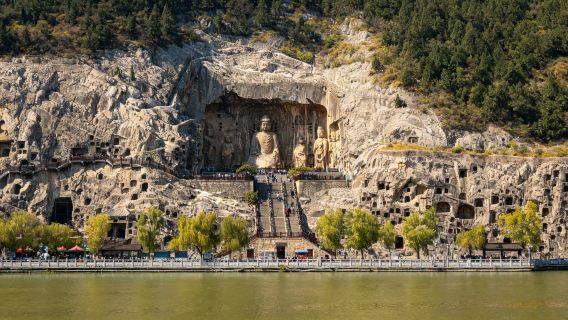
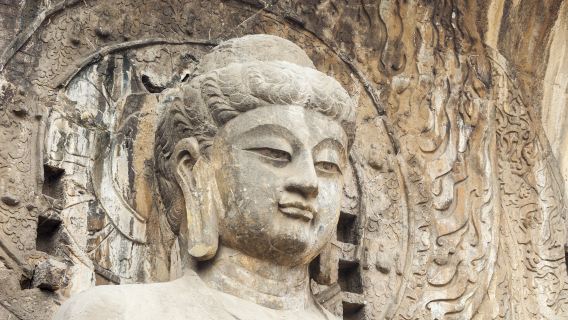
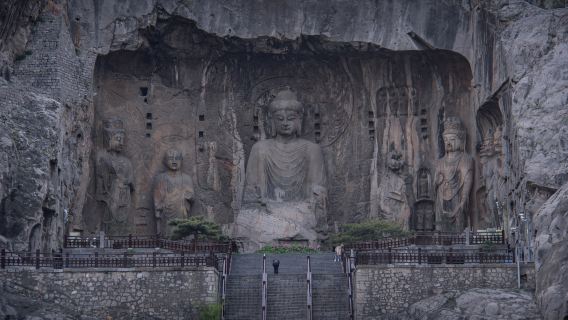
Longmen Grottoes are located in the southern suburbs of Luoyang, Henan Province, on the cliffs along both banks of the Yi River. As one of China's three major grotto art treasures, they were inscribed on the World Cultural Heritage list in 2000. The grottoes were first carved when Emperor Xiaowen of Northern Wei moved the capital to Luoyang, and construction continued through the Eastern Wei, Western Wei, Northern Qi, Sui, and Tang dynasties, with the vast majority of niches and statues left from the Northern Wei and Tang periods. Today, more than 2,000 niches and over 100,000 statues remain, along with a large number of inscriptions and steles, making the site an important representative of Chinese stone carving art. The attraction is divided by the Yi River into two parts: West Hill and East Hill. The West Hill Grottoes are the essence of the site, carved from the Northern Dynasties through the Sui and Tang periods. Famous caves include Guyang Cave, Binyang Cave, Lotus Cave, Wanfo Cave, and Fengxian Temple. The Lushena Buddha at Fengxian Temple stands about 17 m tall, making it one of the larger Buddha statues at Longmen Grottoes. Its face is dignified and serene, with a faint smile, and legend holds that it was modeled on the appearance of Wu Zetian, earning it the name "Oriental Mona Lisa." The inner walls of Wanfo Cave are densely covered with about 15,000 small Buddha statues, each only a few cm tall, neatly arranged and finely crafted. Guyang Cave is the earliest cave carved at Longmen, and its inscription calligraphy is exquisite; the selected "Twenty Masterpieces of Longmen" are representative works of Wei stele calligraphy. Binyang Cave consists of the South, Middle, and North caves and took more than twenty years to complete. Its original reliefs depicting emperors and empresses worshipping the Buddha were looted and lost overseas in the 1930s. In Binyang North Cave, a Buddha statue has a distinctive hand gesture, with the right index and middle fingers raised in a shape resembling the modern "scissors hand," though it is actually a Buddhist mudra, and it once sparked heated discussion online. The East Hill Grottoes are mostly Tang dynasty works and are smaller in scale than those on West Hill, but from the opposite bank visitors can enjoy panoramic views of West Hill from different angles, especially distant views of the Lushena Buddha. The attraction also includes Xiangshan Temple and Bai Juyi Memorial Park (Bai Garden). The Tang dynasty poet Bai Juyi lived in Luoyang in his later years and once praised it, saying, "Of the scenic splendors of Luoyang's surrounding mountains and waters, Longmen ranks first." When visiting, simply follow the route West Hill—East Hill—Xiangshan Temple—Bai Garden, proceeding in one direction without backtracking. The West Hill Grottoes are densely packed with content, so it is advisable to set aside ample time for a closer look; East Hill is quieter and more secluded, suitable for a brief visit and gazing across the river when energy is limited.

Luoyang · 69.9km from Mianchi
Shaanxi History Museum
2026 Asia 100 - Family-friendly Attractions

Shaanxi History Museum

9.5
4.8/5
35.5k reviews

Shaanxi History Museum is a large modern museum built after China's reform and opening up and officially opened in 1991. The building was designed by architect Zhang Jinqiu and adopts a Tang-style architectural layout of "central hall and four corner towers," with a symmetrical central axis and a clear hierarchy of primary and secondary structures; in 2016 it was included in the first batch of the "Chinese Architectural Heritage of the 20th Century" list. Shaanxi was once the political center of dynasties such as the Zhou, Qin, Han, and Tang, and the museum's collection spans a million years of history, covering categories such as Shang and Zhou bronzes, pottery figurines of successive dynasties, Han and Tang gold and silver wares, and Tang tomb murals, with a total of over one million items. The permanent exhibition "Ancient Civilization of Shaanxi" follows a chronological main line and presents the historical process from prehistoric Lantian Man to the eve of the Opium War across three galleries, with the Zhou, Qin, Han, and Tang periods as the focus. The east and west sides of the central hall each host a thematic exhibition: on the west side, "Treasures of the Great Tang: Hejiacun Hoard Unearthed Artifacts Exhibition" concentrates on fine gold and silver wares of the High Tang, while on the east side, the "Tang Dynasty Mural Treasures Gallery" displays authentic murals removed from Tang tombs, with subjects covering figures, architecture, ceremonial guards, and more, making it a uniquely distinctive category of the museum's collection. Among the many artifacts in the museum, several are particularly notable. The agate cup with gold-inlaid beast head, from the Hejiacun hoard, is carved from a single piece of banded agate into the form of a curved-horn beast head, resembling Central Asian rhyton cups, and is one of the first batch of cultural relics prohibited from being exhibited abroad. The tri-color glazed camel carrying musicians figurine vividly recreates the lively scene of musicians playing and singers performing on a camel's back, with bright glaze colors and figures with distinct expressions. The Empress's Seal is made of Western Han Hetian mutton-fat jade and carved with a chi-tiger knob, and is the only known actual jade seal of a Han dynasty empress discovered to date. In addition, the gilt silver flask with a dancing horse holding a cup design, the celadon ewer with an overhead handle and bottom-filling design, and the black-glazed oil-spot bowl each have their own distinctive features. The gold and silver wares unearthed from the Hejiacun hoard are concentrated in the thematic gallery and are a highlight of any visit; visitors are advised to allow time to examine them closely.

China · Xi'an
Luoyang Museum
2025 Asia 100 - Family-friendly Attractions

Luoyang Museum

7.9
4.7/5
3.8k reviews

Founded in 1958 and fully opened to the public on April 16, 2011, the Luoyang Museum is a comprehensive institution integrating cultural relic collection, exhibitions, and public education, with a collection that spans the long history of Luoyang as a capital of thirteen dynasties. The main building stands like a giant ding, drawing on the meaning of "establishing the capital at Luoyi," and its solemn and imposing facade is itself a popular backdrop for photos. The museum's large permanent exhibition "Civilization of the Yellow River and Luo River" unfolds along the sequence of prehistoric times, the Xia, Shang, and Zhou dynasties, the Han and Wei dynasties, the Sui and Tang dynasties, and the Five Dynasties and Northern Song, stringing together Luoyang's millennia-long history as a capital into a complete viewing route. Among the exhibits, the Northern Wei painted pottery figurines of two women holding hands, affectionately called the "best friend figurines" by visitors, are especially eye-catching—two young girls holding hands side by side with lively expressions, and visitors often come specially to take photos with them. On the second floor, the Treasures Gallery rotates representative artifacts from the collection, and the Cao Wei white jade cup and the Northern Wei clay Buddha face statue are both worth pausing to examine closely; in the Tang Sancai Gallery, the entirely black-glazed sancai horse is vigorous and rarely seen. The Court Artifacts Gallery displays Qing dynasty court artifacts transferred from the Forbidden City, and the golden nanmu pagoda carved from a single piece of wood and covered with small gilded Buddhas has a distinctly royal air; the Wang Xiu Peony Art Exhibition, meanwhile, brings Luoyang's peonies into paintings, offering a softness that contrasts with the weighty antiquity of the stone carvings, each with its own flavor. Start your visit with the "Civilization of the Yellow River and Luo River" exhibition and the Stone Carving Gallery on the first floor, then go up to the second floor to savor the Treasures Gallery, the Tang Sancai Gallery, and the Court Artifacts Gallery in detail; the Treasures Gallery features rotating exhibitions, so the specific exhibits on display are subject to what is shown on site. A careful full visit usually takes two to three hours, so it is advisable to set aside ample time.

Luoyang · 64.6km from Mianchi
Millennium City Park
2026 Asia 100 - Night Attractions

Millennium City Park

8.8
4.6/5
29.1k reviews

Millennium City Park is located by the shores of Longting Lake in Kaifeng. It is a large-scale historical and cultural theme park of the Song Dynasty, recreated one-to-one based on the famous painting Along the River During the Qingming Festival by Song Dynasty painter Zhang Zeduan. The park is divided into two sections by the Shuangting Bridge: the South Garden recreates the bustling street life of the Bianjing city, with taverns, eateries, teahouses, and pharmacies lined up along the streets; the North Garden is an imperial garden, with waterside halls, the Sifang Courtyard, and other palace buildings standing by the lake. Performers and street vendors in the park mostly wear Song Dynasty costumes, with ancient music lingering and bells and drums sounding, so that after a few steps visitors can easily fall under the illusion of "stepping into a painting in one morning, dreaming back a thousand years in one day." Architecture is the intuitive and tangible highlight here: the Rainbow Bridge spanning the Bian River is a replica of the famous bridge in the painting, shaped like a long rainbow, and standing on the bridge watching the grain boats pass by feels much like being inside the painting; the Fuyun Pavilion towers above all the other pavilions in the garden, with its tiered red towers and golden tiles on all four eaves, inviting one to climb from afar; the Shangshan Gate is rebuilt after the Northern Song dynasty Dongjing city gate, tall and majestic with brilliant painted decorations, making it the most imposing gate tower in the garden; and the Shuixin Xie, Shuangting Bridge, Jiulong Bridge, and other pavilions and waterside structures are scattered among the blue waves. The main attraction of the day is the immersive performances staged throughout the park: "Bao Zheng Inspects the Bian River Grain Transport" unfolds on the water on both sides of the Rainbow Bridge; "Squire Wang Seeks a Son-in-Law" features a decorated tower erected in front of Squire Wang's house where a silk ball is tossed to choose a groom; "Yue Fei Challenges Prince Xiao Liang" raises dust on the Song dynasty parade ground as horses gallop; and folk performances such as cockfighting, stilt walking, and pan drumming are interspersed throughout. To step into the action yourself, head to the Four Directions Courtyard to don traditional costumes and enter the examination cells for a hands-on Song dynasty imperial exam experience; families with children can enjoy carousel rides, roller coasters, and other amusement facilities wrapped in Song dynasty storytelling at the Song Dynasty·Royal Pleasure Ground; and in the entertainment quarters, face-changing, qigong fire-breathing, ancient magic, and other Song dynasty variety acts take turns on stage, with intangible cultural heritage feats ready to break out at any moment right beside you. After nightfall, the park takes on a different face: red lanterns light up one after another, the market streets are brightly illuminated, and it feels like a completely different park from the daytime. The large-scale water-based live performance "The Great Song Dynasty's Eastern Capital: A Dream of Splendor" is staged on the surface of Jinglong Lake. The entire show is woven together from eight classic Song ci poems and the painting Along the River During the Qingming Festival, drawing the audience back to the Northern Song dynasty's Eastern Capital a thousand years ago. The performance runs about 70 minutes, and many visitors deliberately plan their itinerary to stay until the evening to catch this show. Dining in the park is also convenient: the snack street at Dongjing Food Court brings together Kaifeng snacks such as fried liangfen, tongzi chicken, and almond tea, perfect for eating while strolling; if you want to sit down for a proper meal, you can visit the reconstructed Sun Yang Zheng Dian in the park, which was originally one of the seventy-two official restaurants of Bianjing in the Northern Song Dynasty, where you can taste traditional Henan dishes such as soup dumplings and carp with baked noodles.

China · Kaifeng
Xi'an City Wall
2026 Global 100 - Night Attractions

Xi'an City Wall

8.8
4.6/5
63.1k reviews

Xi'an City Wall, also known as the Xi'an Ming City Wall, is an ancient city wall defense system encircling the old city of Xi'an from the Ming and Qing dynasties. The main body of the existing wall was built during the Hongwu period of the Ming Dynasty, expanded on the foundation of the imperial city of Chang'an from the Sui and Tang dynasties, and has undergone multiple renovations since then, remaining well preserved to this day. The wall is roughly rectangular in plan, with a perimeter of about 14 km, and the area it encloses is the old city of Xi'an. The wall is about 12 m high, about 15 to 18 m wide at the base, and about 12 to 14 m wide at the top. The top of the wall is broad and flat, allowing visitors to cycle or stroll along it while overlooking the scenery inside and outside the city. The defensive system of the wall consists of the wall body, city gates, barbicans, bastions, corner towers, and the moat. Nearly a hundred bastions were built along the outer face of the wall, spaced about 120 m apart, precisely within bow-and-arrow range, reflecting the defensive wisdom of the cold weapon era. There is a corner platform at each of the four corners, among which the southwest corner platform is circular, forming a striking contrast with the other three square corner platforms—a unique form rarely seen among surviving ancient city walls. The moat outside the wall encircles the entire city, together with the wall forming a complete defensive layout. The wall currently has 18 city gates, among which Yongning Gate (South Gate), Anding Gate (West Gate), Anyuan Gate (North Gate), and Changle Gate (East Gate) are the four main gates originally built in the Ming Dynasty. Each main gate features three tiers of gate towers—the gate control tower, arrow tower, and main tower—forming a layered barbican defense. Yongning Gate is the one that has been in use the longest, with a history dating back to the Sui Dynasty, and is also the one whose form is relatively well preserved. The section of the wall at Hanguang Gate encloses the remains of the Sui and Tang imperial city, with a site exhibition that offers an intuitive sense of the wall's layered history spanning over a thousand years. Cycling a full loop around the city on the wall is a popular experience, taking about one and a half to two hours in total. Ascending the wall in the evening allows you to take in both the traditional architecture inside the city and the modern urban skyline outside, with the wall and moat set off beautifully against the glow of the setting sun.

China · Xi'an

Experiences you can't miss in Mianchi

Featured Culture & history in Mianchi

View all Culture & history
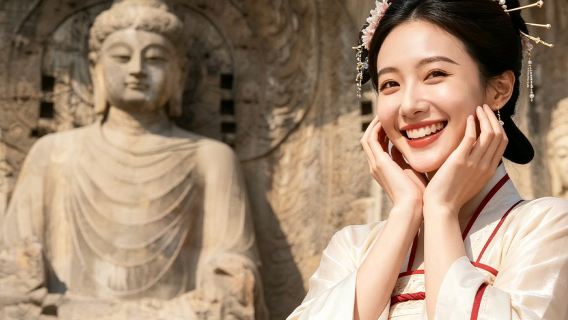
[8/15-person group · Door-to-door pickup · No sales pitches] Longmen Grottoes + White Horse Temple + Han-Wei Museum
󱌍
4.9/5
· 339 reviews· 2.4k booked
Duration: 9.1 hrs
English
Free cancellation
Instant confirmation
97.3% of travelers recommend
From£ 22.47
1-Day Tour: Longmen Grottoes, Shaolin Temple & Songyang Academy from Luoyang
Trip.Select
󱌍
4.8/5
· 13 reviews· 65 booked
Duration: 6.6 hrs
English
Free cancellation
From£ 105.63
[2-8-person high-end luxury small group] Longmen Grottoes • White Horse Temple • Han-Wei Museum
󱌍
4.9/5
· 217 reviews· 1.6k booked
Duration: 8.6 hrs
English
Free cancellation
Instant confirmation
100 consecutive positive reviews
From£ 40.62
[Hotel Pick-up & Drop-off] Private One-Day Tour: Longmen Grottoes & Erlitou Site Museum|Attraction Reservation Support
󱌍
From£ 49.56
4-Hour Private Exploration of Luoyang Longmen Grottoes with Expert Guide
󱌍
5.0/5
· 1 review
Duration: 3.3 hrs
English
Free cancellation
Book now for tomorrow
From£ 109.81

Featured Food & drink in Mianchi

View all Food & drink
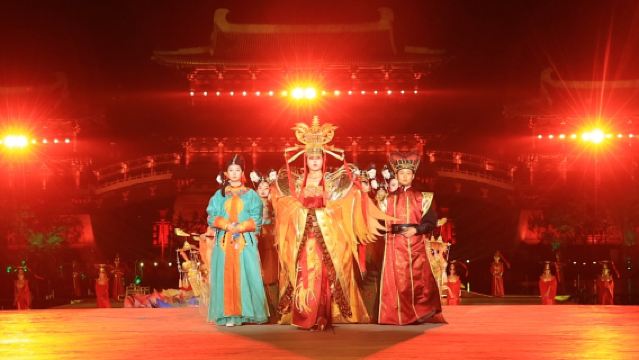
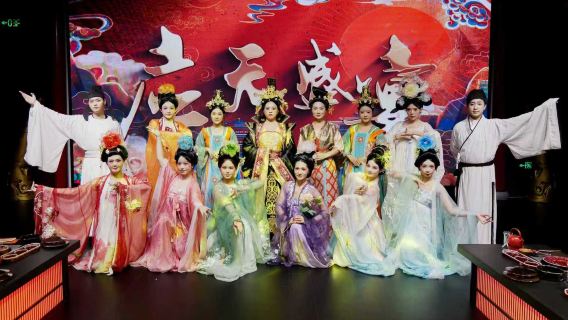
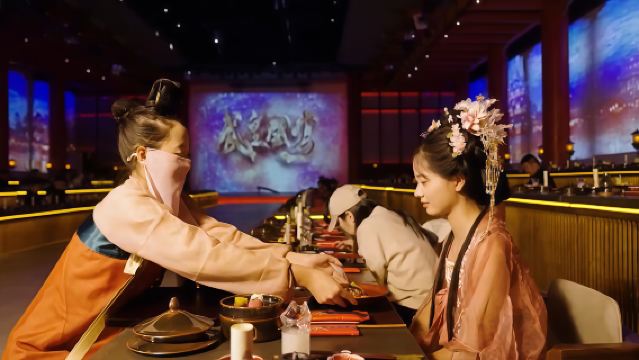
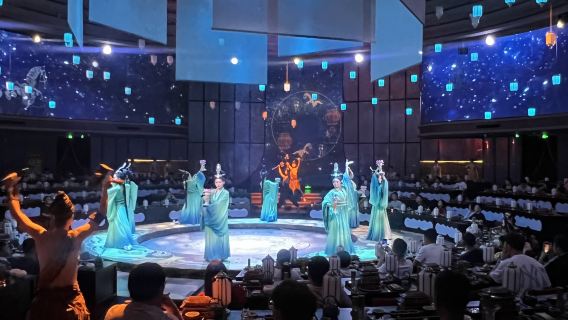
Wu Huang Feast in Luoyang, Henan (Old City Cross Street Branch) [Imperial Cuisine + Court Music and Dance + Immersive Imperial Banquet Experience]
󱌍
From£ 22.47
Empress Wu's Grand Banquet in Luoyang, Henan (Xigong Branch) [Imperial Cuisine + Court Music and Dance + Immersive Experience of Royal Feast]
󱌍
From£ 17.93
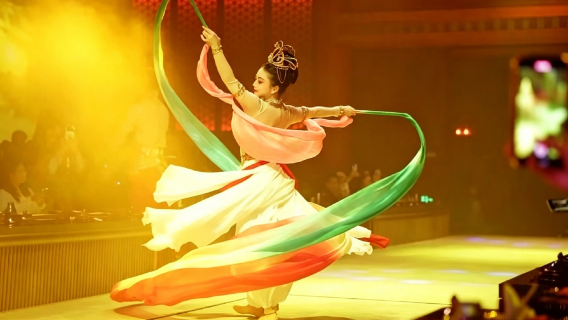
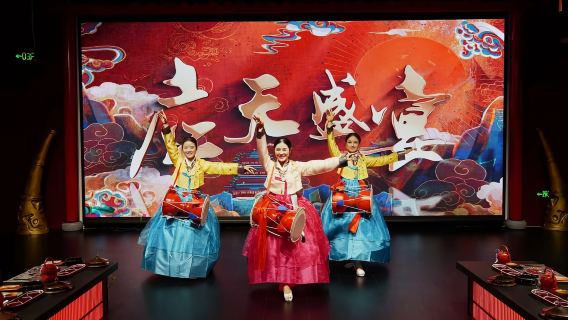
Luoyang Tang dynasty palace feast - enjoy 12 exquisite dishes while watching a performance - Yingtian grand banquet
󱌍
4.8/5
· 4 reviews· 28 booked
Duration: 2 hrs
English
Free cancellation
Instant confirmation
Book now for today
From£ 21.33
Luoyang Wu Huang Feast: Immerse in the Splendor of the Wuzhou Era
󱌍
Duration: 1.5 hrs
English
Free cancellation
Instant confirmation
Book now for tomorrow
From£ 42.89
Luoyang grand harmony • Yingtian feast (immersive experience of an emperor + palace delicacies)
󱌍
From£ 25.87
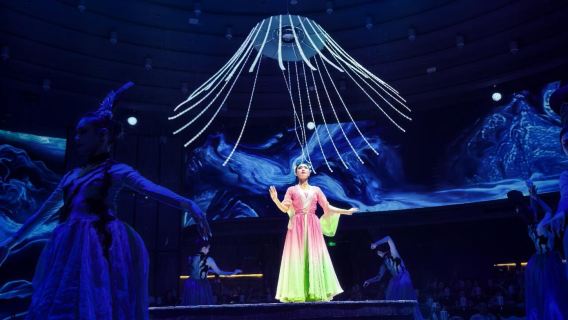
Luoyang Yanle | Ancient Costume Makeover, 360° Holographic Show & Heluo Royal Banquet
󱌍
Duration: 1.6 hrs
English
Free cancellation
Instant confirmation
Book now for tomorrow
From£ 17.93
Mianchi Today's weatherFoggy 7-17℃
Mianchi weather for the next 2 days11/15: 6-10℃, 11/16: 5-8℃

Free things to do in Mianchi

What travellers say about Mianchi

user-avatar
M28***775 October 2026
5.0
Xianmen Mountain boasts an elegant and tranquil environment with lush forests and excellent air quality. The climb is of moderate difficulty, with beautiful scenery along the way, making for a comfortable hike. Surrounded by verdant greenery and far removed from the hustle and bustle of the city, it's perfect for a relaxing weekend hike. A truly enjoyable experience and well worth a visit!

Yangshao Xianmen Mountain Scenic Area

user-avatar
迎园小区3 November 2024
4.0
The largest in the country. It's very beautiful. It's worth a visit.

Guandi Temple in Sitou

user-avatar
PIPIRAT23 September 2026
4.0
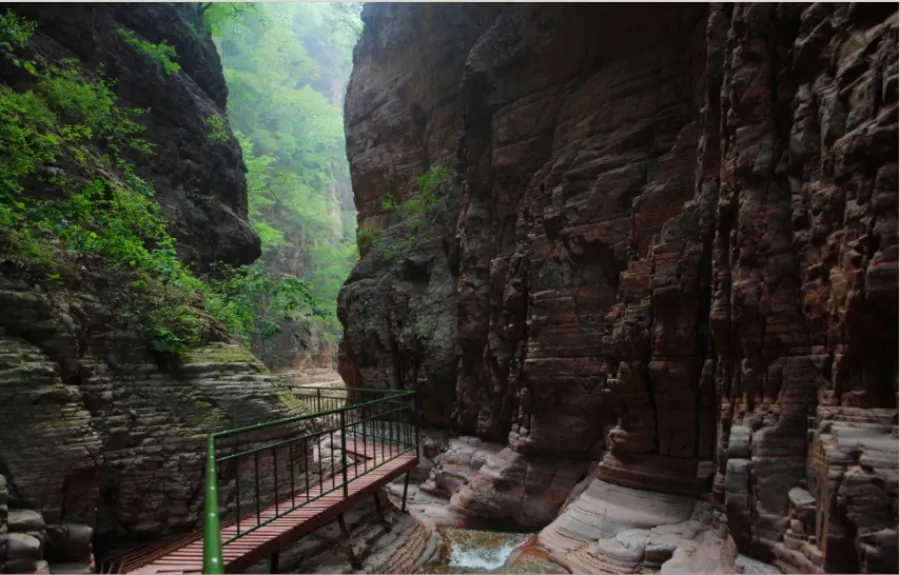
The scenery is beautiful, and the local shopkeepers outside the scenic area are very friendly and welcoming without pressuring you to buy anything. Prices are also very reasonable. However, there are many mountain paths, so hiking is not recommended for elderly people with mobility issues.

Longtan Grand Canyon

user-avatar
meren5 May 2021
4.0
This is still worth seeing, you will find that culture comes from Henan

Yangshao Culture Museum

user-avatar
_TI***7x13 November 2026
5.0
We had a great time here and definitely worth visiting. The admission was smooth, definitely get a tour guide once you arrive there, before the ticket admission. So you can know more about the history and the details that you would have missed.

Emperor Qinshihuang's Mausoleum Site Museum

user-avatar
M76***3413 November 2026
5.0
At 7:49 PM on November 13, 2026, as dusk slowly crept over the cliffs of the Longmen Grottoes, the face of the Vairocana Buddha remained gentle in the fading light. A mountain breeze, carrying the moisture of the Yi River, swept across the numerous niches, softly conveying the story of over a thousand years of carving to every visitor who paused to admire it.

Longmen Grottoes

user-avatar
M34***9114 November 2026
5.0
Short Version (Directly copied from platform) ⭐⭐⭐⭐⭐ Five-star review! The tour guide was exceptionally professional, knowledgeable about the history of the Zhou, Qin, Han, and Tang dynasties. Their explanations weren't just rote recitations; they brought the stories behind each artifact to life in a vivid and easy-to-understand way. The pace was comfortable and unhurried, and they patiently answered all my questions. Without a guide, it's easy to just skim through everything. This visit to the Shaanxi History Museum was incredibly rewarding. Highly recommended! Detailed and Thoughtful Version ⭐⭐⭐⭐⭐ Highly recommend this tour guide! The Shaanxi History Museum has so many artifacts that it's difficult to understand them all on your own. The tour guide has a solid foundation in history and literature, clearly outlining the historical context. From Shang and Zhou bronzes and Qin and Han artifacts to Tang dynasty treasures, the background and stories behind the museum's most prized possessions were explained in a engaging and humorous way, bringing the cold artifacts to life. The itinerary was well-planned, catering to both adults and children. They were patient and enthusiastic throughout, answering all questions. This wasn't just a simple checklist visit; it was an immersive historical journey that exceeded my expectations and was definitely worthwhile! Family Version (For Parents with Kids) ⭐⭐⭐⭐⭐ Five-star review! This tour guide is perfect for taking care of children! The explanations were easy to understand, with many interesting anecdotes. The children listened attentively throughout and didn't find it boring at all. The knowledge points were explained clearly, the pacing was just right, and it helped us avoid the crowds. The key exhibits were explained in detail, and after the visit, the children remembered many national treasures and learned a lot about history. Highly recommended!

Shaanxi History Museum

user-avatar
M25***5319 October 2026
5.0
There was a slight unpleasantness with the merchant's customer service when making the reservation, as I had booked a guided tour of the Longmen Grottoes, but the merchant's page description was incorrect and I requested a refund, which they refused. I only got a refund after contacting the platform's customer service. Because of this unpleasant experience, I didn't have high expectations for the tour. However, once inside the museum, Mr. Pei's explanation was truly dedicated, and he was a very kind person; it was clear he genuinely loved the experience. Special praise! 👍 He made up for the merchant's shortcomings! 👍

Luoyang Museum

user-avatar
lia***1013 November 2026
5.0
Five stars! Exceeded expectations, it was so much fun! My child is already saying they want to come back during winter break. How can a place be so fun, interesting, and interactive? We played until 10 pm two nights in a row before heading back to the hotel. From choosing the Beggars' Sect at the entrance, you're greeted by NPCs along the way, and even getting a free snack when you become an item—it's all so interesting. The highlight is the ironwork—it's incredibly beautiful and impressive; my child said it looks like scattered gold.

Millennium City Park

user-avatar
童哥哥2313 November 2026
5.0
Xi'an City Wall is truly worth a visit, deserving a five-star rating! 🌟 🏯 Rich in Historical Heritage: As the largest and best-preserved ancient city wall in China, it boasts over 1400 years of history and a circumference of nearly 14 kilometers. Walking on the wall feels like stepping back into the glorious Tang Dynasty capital of Chang'an, every step treading on a thousand years of history. 🚴 Superb Cycling Experience: Cycling along the ancient city wall is a uniquely romantic experience in Xi'an! The smooth blue brick paths, the evening breeze, and panoramic views of the entire ancient city make for a great workout and a feast for the eyes – a must-do for young people! 🌇 Stunning Sunset and Night Views: Climbing the wall at dusk, the setting sun casts a gentle, soothing glow on the blue bricks; as night falls, the entire section of the wall lights up, the warm yellow light outlining its ancient silhouette, contrasting beautifully with the modern skyscrapers in the distance – a truly breathtaking view of Xi'an's nightscape! 📸 Photogenic spots: Yongning Gate Wengcheng, the Southwest Corner Tower, and Wenchang Gate Kuixing Tower – every vantage point is a masterpiece, exuding an authentic ancient atmosphere! A visit to Xi'an isn't complete without a trip to the ancient city wall. Admire the ancient architecture during the day, enjoy the sunset in the evening, and witness the night view – each time of day offers a different kind of beauty. Highly recommended! 👍

Xi'an City Wall

Trip Moments in Mianchi

Popular cities near Mianchi

Frequently asked questions

You can give Luoyang Palace Banquet • A Feast Through the Centuries [Yingtianmen Branch] (Immersive Imperial Feast + Audiovisual Extravaganza + Ancient-style Music and Dance) and Wu Huang Feast in Luoyang, Henan (Old City Cross Street Branch) [Imperial Cuisine + Court Music and Dance + Immersive Imperial Banquet Experience] a try. Before you go, please check their opening hours and menus online. Reservations are recommended, especially during peak hours.

Get help anytime, anywhere within 30 secondsContact customer support

Change and cancellation policies vary by attractions and tours. Please check the product details page for more information.

Ticket prices may vary between weekdays and weekends, as well as during peak and off-peak seasons. When booking with Trip.com, you can also use Trip Coins to get extra savings. For more tips on booking discounted tickets, please visit Trip.com for the latest information.